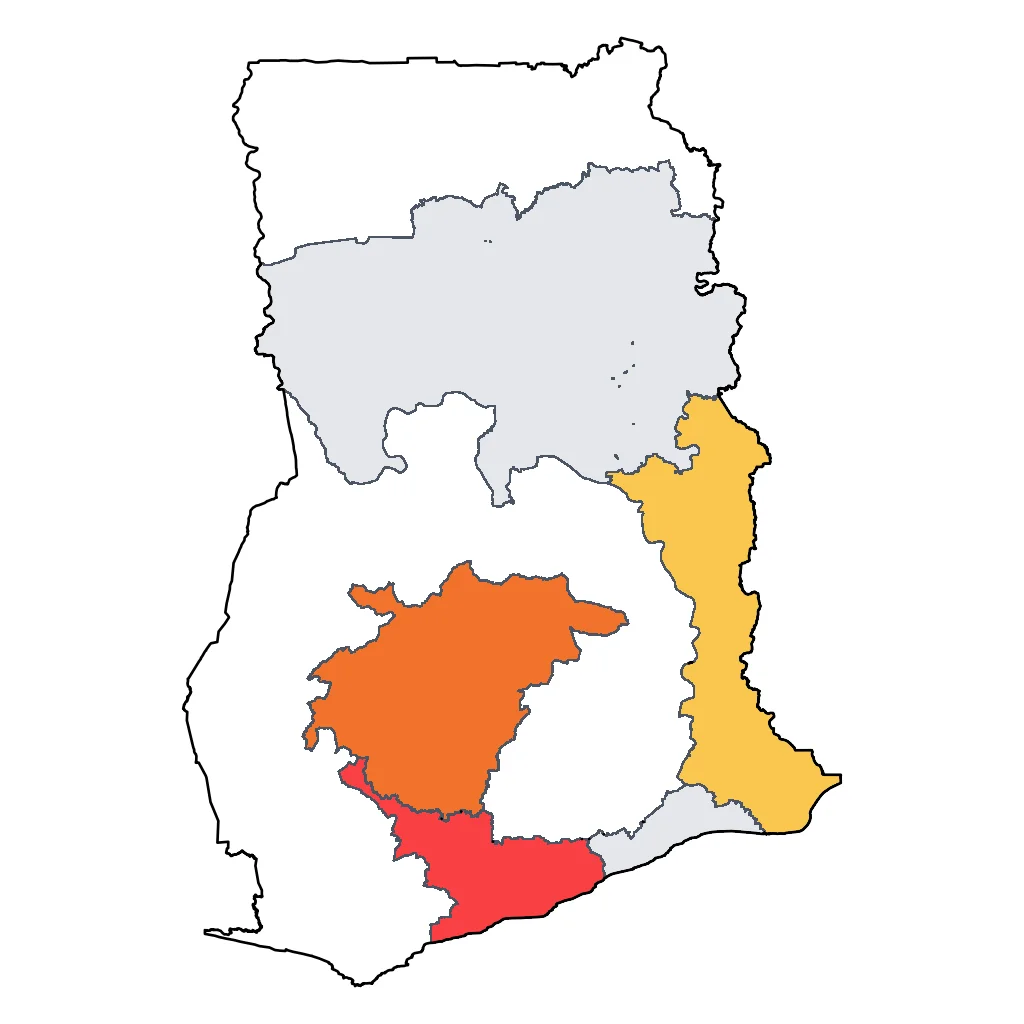

Northern Ghana (Mole NP)
Safari adventures and ancient mosques 🐘🕌
⚠️ SAFETY WARNING: Due to terrorism threats near the northern border and potential instability, government agencies (including the USA, UK, Canada, and Australia) advise travelers to reconsider travel to this region, particularly areas within 20km of the Burkina Faso border. While Mole National Park is a popular tourist draw and is located away from the immediate border zone, the security situation can change. Families are strongly urged to consult their own government's official travel advisory before considering a trip, as circumstances and risk assessments vary.
Northern Ghana offers a dramatically different landscape and atmosphere compared to the tropical south. The region is defined by broad savannahs, baobab trees, and a drier climate. The crown jewel for families is Mole National Park, the country's largest wildlife refuge. Unlike many other African safari destinations, Mole is famous for its walking safaris. Accompanied by armed rangers, families can walk relatively close to elephants, baboons, and warthogs. The park's primary lodge sits on an escarpment overlooking two watering holes, meaning you can often watch elephants bathe while you swim in the lodge's pool—an unforgettable experience for children.
Culturally, the north is distinct with its Islamic influence and traditional architecture. A short drive from the park entrance lies the Larabanga Mosque, often called the 'Mecca of West Africa'. Built from mud and reeds in a distinct Sudano-Sahelian style, it is one of the oldest mosques in the country. Guides here can explain the building techniques and show the 'Mystic Stone', weaving local legends that capture the imagination of young listeners.
The regional capital, Tamale, is a hub of activity where tricycles (known locally as 'yellow-yellows') zip through the streets. It is a good place to see the production of shea butter and woven smocks. The pace of life here is governed by the heat; activities are best planned for early mornings or late afternoons. Families visiting the north will find a warm welcome and a landscape that feels like a true adventure, but travel logistics require planning, often involving a domestic flight to Tamale followed by a hired driver to reach the park.
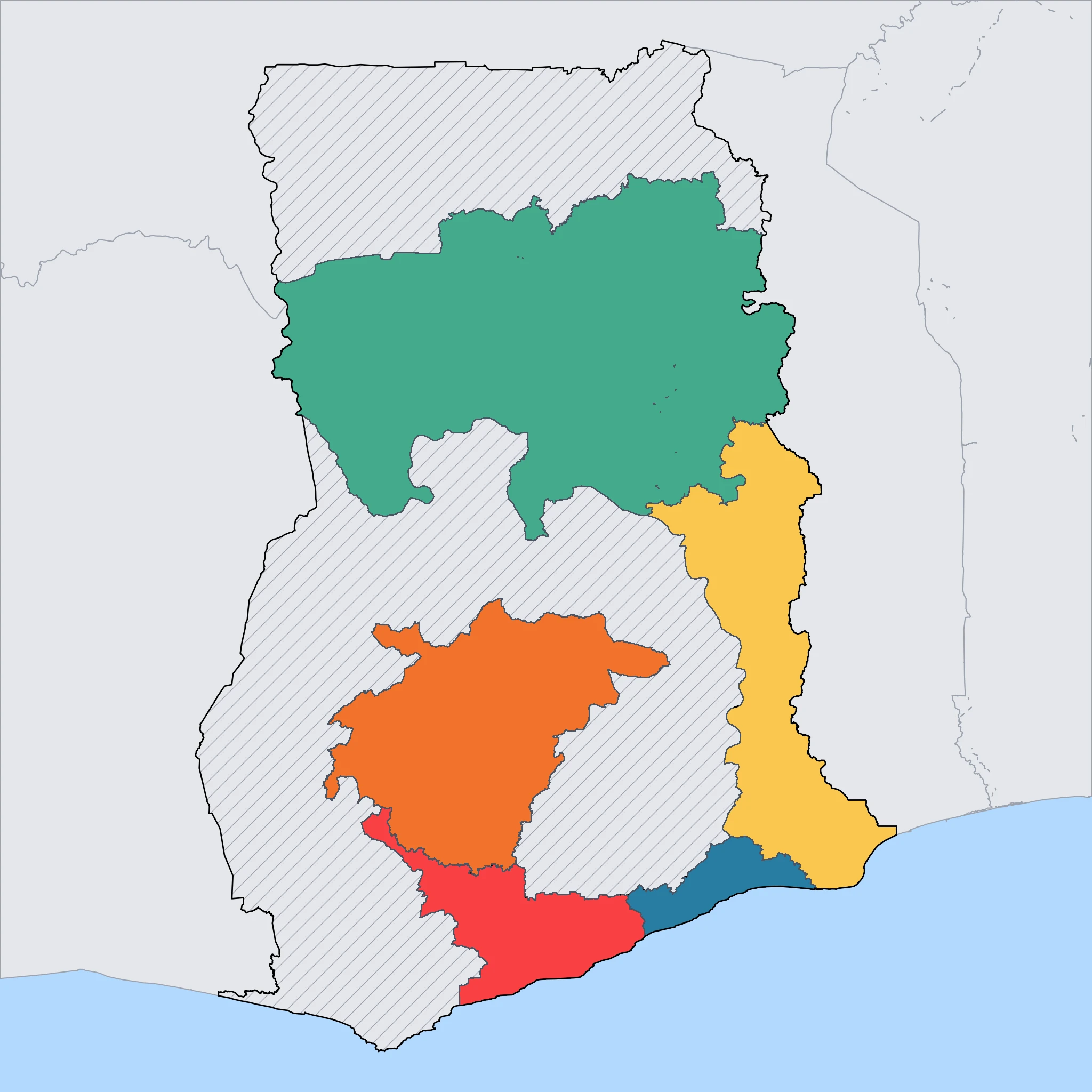
Click a region to explore

Activities & Best Times
Hiking, wildlife, outdoor exploration, ecotourism
Mole National Park is a unique West African destination offering rare walking safaris to view African elephants in their natural habitat. The dry months of December and January are peak for wildlife visibility at watering holes, while the monsoon season (June-September) makes the savanna lush but animals more difficult to spot.
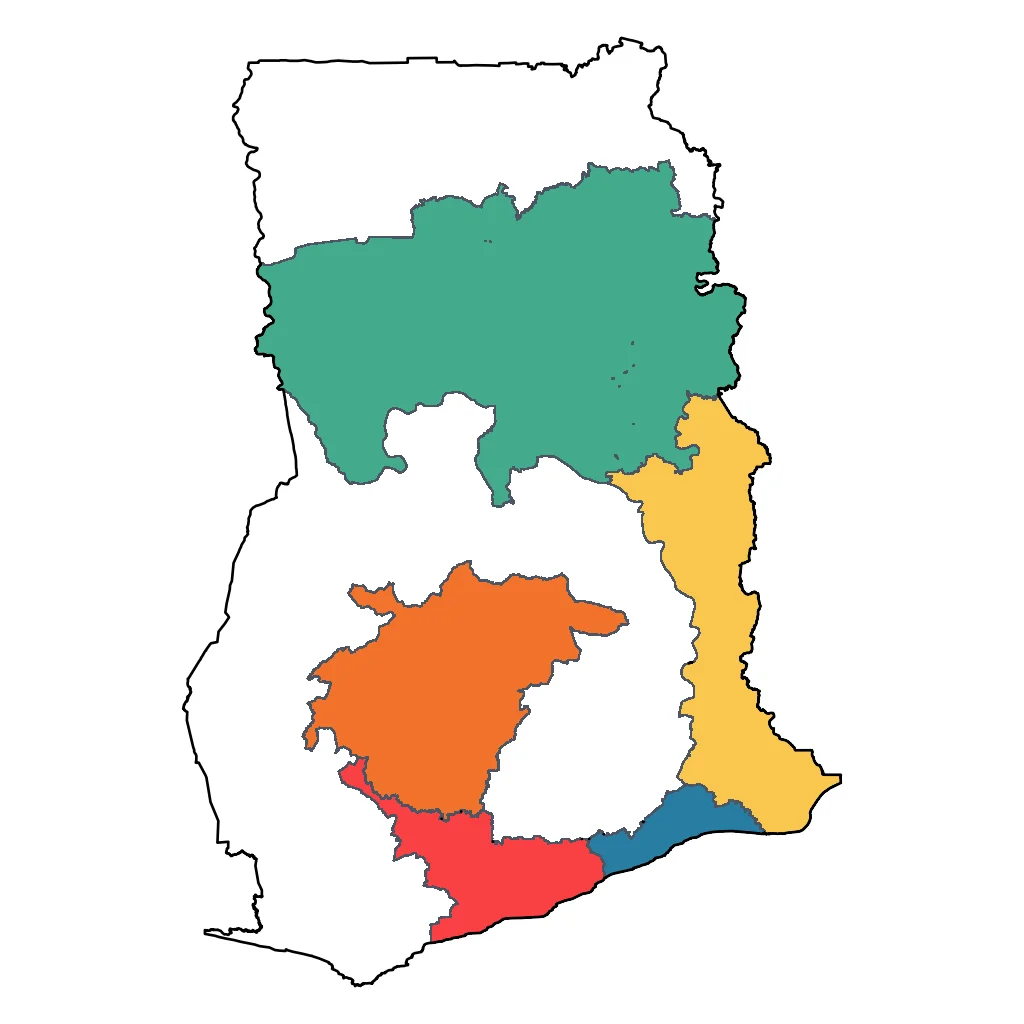

Urban tourism, museums, historical sites, architecture
Features the iconic 15th-century Larabanga Mosque and authentic Sudanese-style mud architecture that offers a high level of cultural authenticity for sophisticated travelers. Peak visits occur during the cooler dry season (Dec-Jan); extreme heat in the spring (>37°C) and heavy summer rains make outdoor cultural exploration uncomfortable for families.
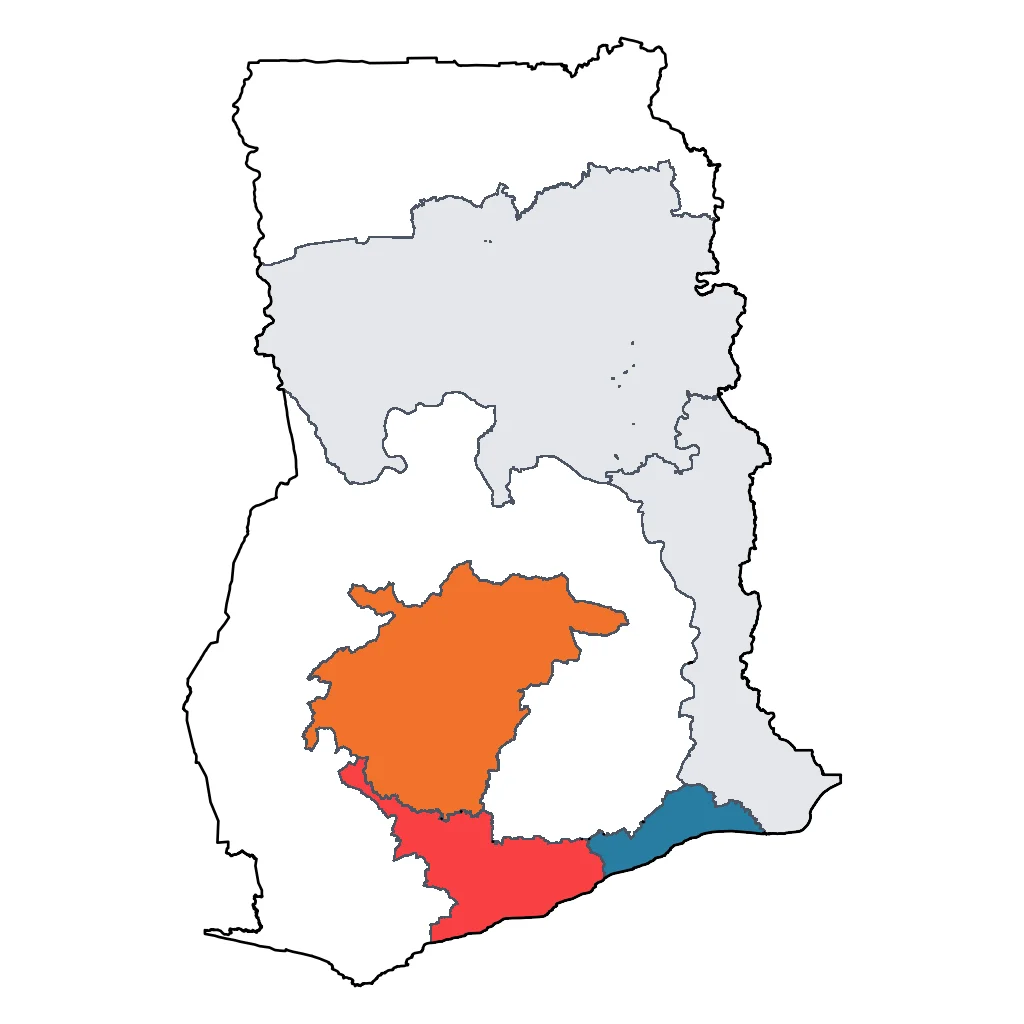

Learning experiences, scientific sites, historical education
The region provides significant historical education regarding ancient trade routes and community-led conservation efforts at Mognori Eco-village. Dry, stable weather from November to February is best for interactive village tours and historical site visits, while the rainy season can disrupt access to remote heritage sites.
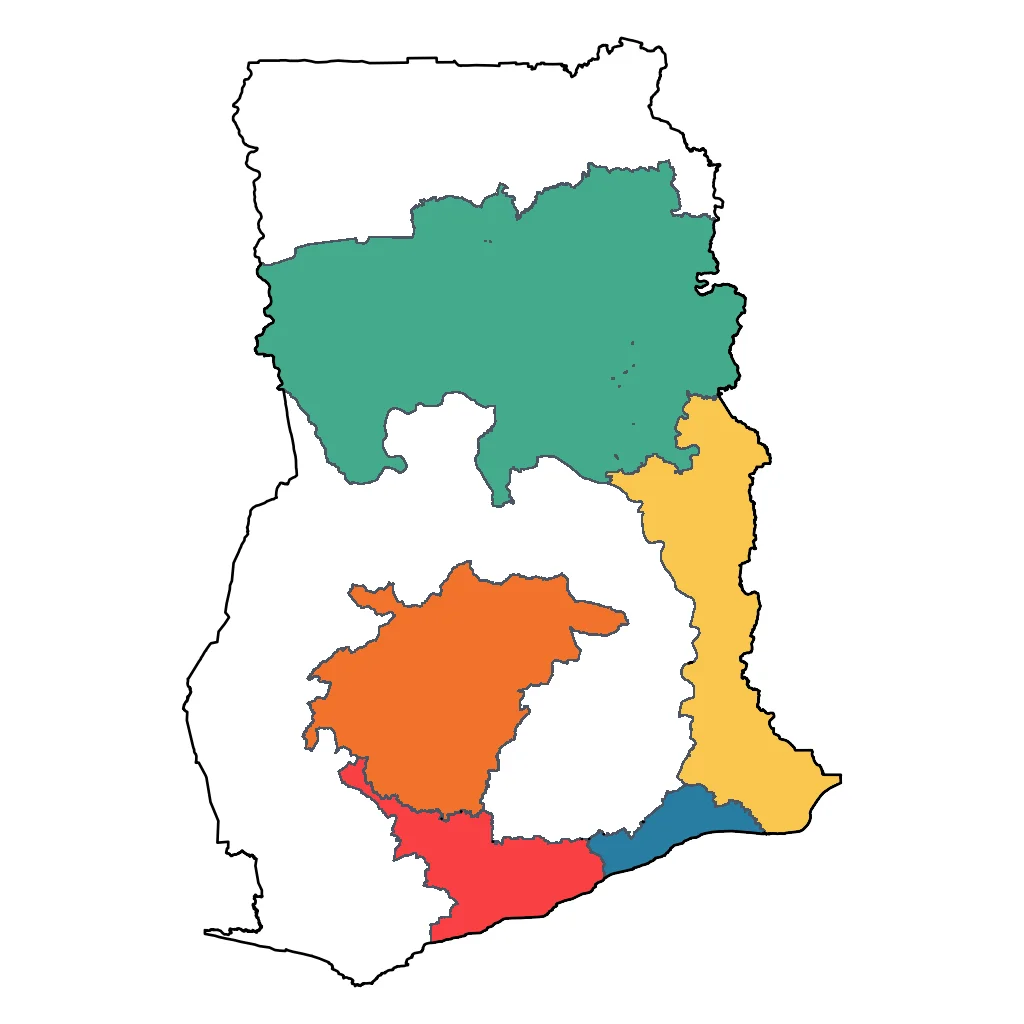

Spa retreats, wellness centers, peaceful getaways
Offers world-class eco-luxury retreats like Zaina Lodge, where infinity pools overlook wildlife watering holes for a sophisticated, peaceful escape. This experience is best in the cooler dry months, as peak summer humidity and heat (over 35°C) are less conducive to outdoor relaxation.
Scenic drives, countryside tours, route-based travel
The drive through the vast, sun-drenched savannas provides a sense of adventure for experienced travelers seeking off-the-beaten-path landscapes. The dry season (Nov-Feb) ensures reliable road conditions, whereas the heavy rainfall of August and September can make unpaved rural tracks difficult to navigate.