

Often called the "Gateway to Africa," Ghana is celebrated for its stability and hospitality, making it an excellent choice for families visiting the continent for the first time. The local greeting, "Akwaaba," sets the tone for a journey filled with friendly encounters, rhythmic music, and educational experiences that bring history and geography lessons to life.
Geography and Climate
Located on the Gulf of Guinea, Ghana features a tropical climate with a long coastline, dense rainforests in the southwest, and grassy savannas in the north. The weather is hot and humid year-round, with temperatures typically ranging from 25°C to 30°C (77°F–86°F). The best time for families to visit is during the dry season from November to March, when humidity is lower and wildlife viewing is at its peak. Families should pack lightweight, breathable clothing and sun protection.
Family Travel Highlights
Nature-loving families should head to Kakum National Park, where a series of seven suspension bridges allow you to walk through the rainforest canopy 30 metres above the ground-a thrilling experience for older children. For a classic safari experience, Mole National Park in the north offers the chance to see elephants, baboons, and antelopes up close; unlike many parks, affordable walking safaris here allow families to track animals on foot with armed guides.
Along the coast, Cape Coast Castle and Elmina Castle provide a sombre but essential look at the transatlantic slave trade. While the history is heavy, many guides tailor tours to be age-appropriate for younger visitors. For relaxation, resorts in Ada Foah offering boat trips on the Volta River or the calm waters of Bojo Beach are perfect for swimming and sandcastles.
Culture and Activities
Ghanaian culture is accessible and engaging for kids. In the Ashanti region near Kumasi, families can visit craft villages like Bonwire to watch weavers create intricate Kente cloth, or Ntonso to stamp Adinkra symbols. Food is another highlight; adventurous eaters can try fufu (pounded cassava and plantain) or the famous Jollof rice, while fresh tropical fruits like mangoes and pineapples are widely available and safe to eat if peeled.
Practical Considerations
English is the official language, which simplifies travel logistics. A Yellow Fever vaccination certificate is mandatory for entry for all travellers over nine months old. Malaria prophylaxis is highly recommended for all family members. To ensure safety, families should use registered taxis or ride-hailing apps in cities like Accra and avoid driving between towns at night due to poor road lighting. While the country is generally safe, most governments advise against travel to the immediate northern border areas near Burkina Faso; staying in the central and southern tourist loops is the standard for family holidays.

Explore Regions
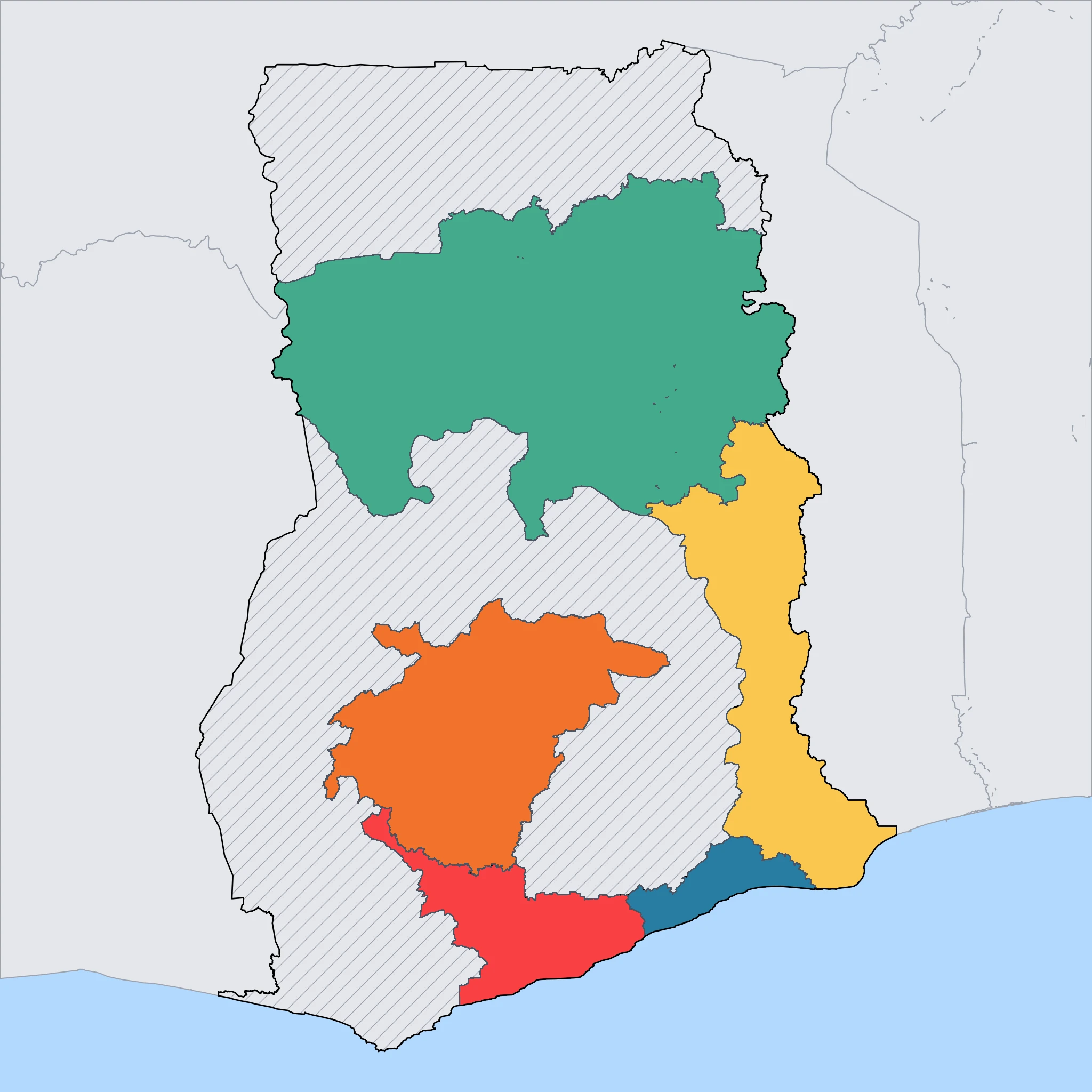
5 Regions
Accra & Greater Accra
Urban energy meets coastal fun 🏙️🌊
Cape Coast & Central Region (slave castles)
Canopy walks and coastal heritage 🌉🏰
Kumasi & Ashanti Region
The kingdom of culture and crafts 👑🧵
Northern Ghana (Mole NP)
Safari adventures and ancient mosques 🐘🕌
Volta Region (waterfalls, mountains)
Waterfalls, mountains, and friendly monkeys 🐒⛰️
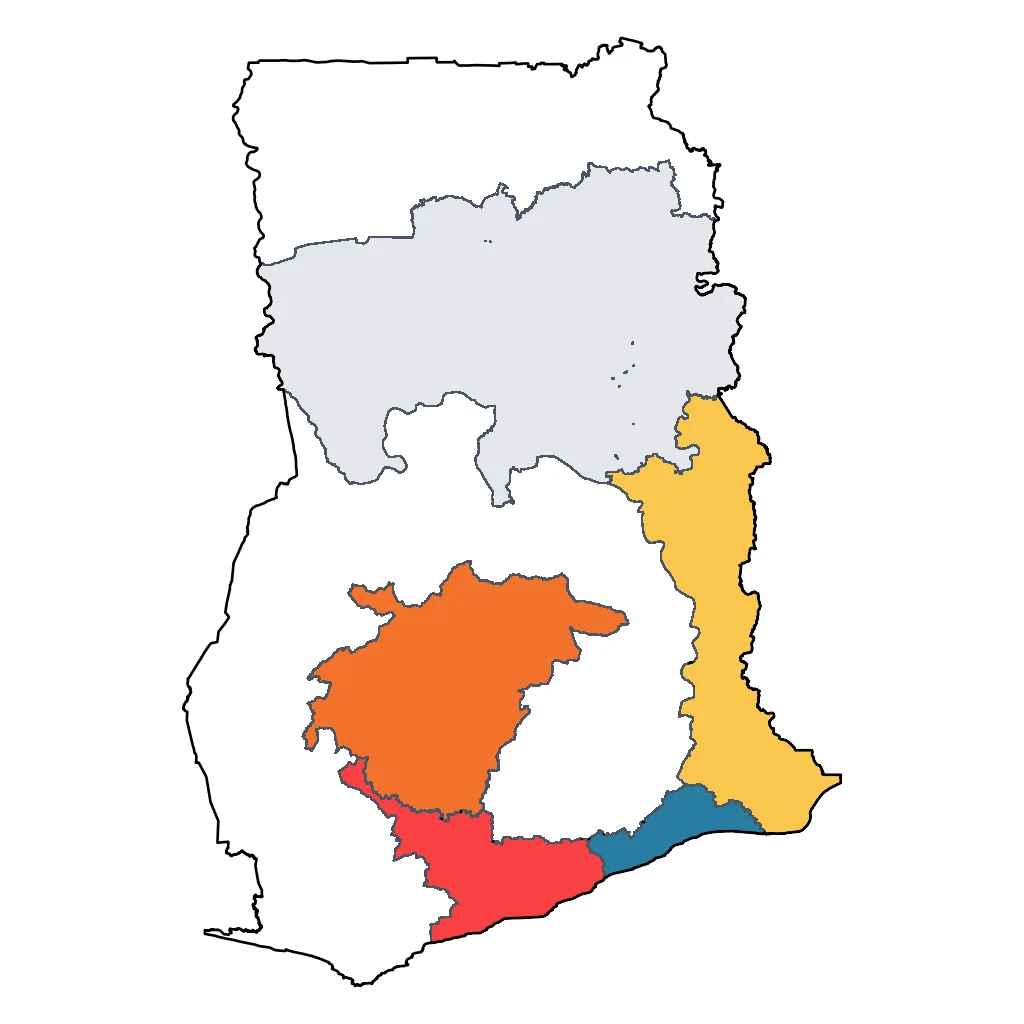
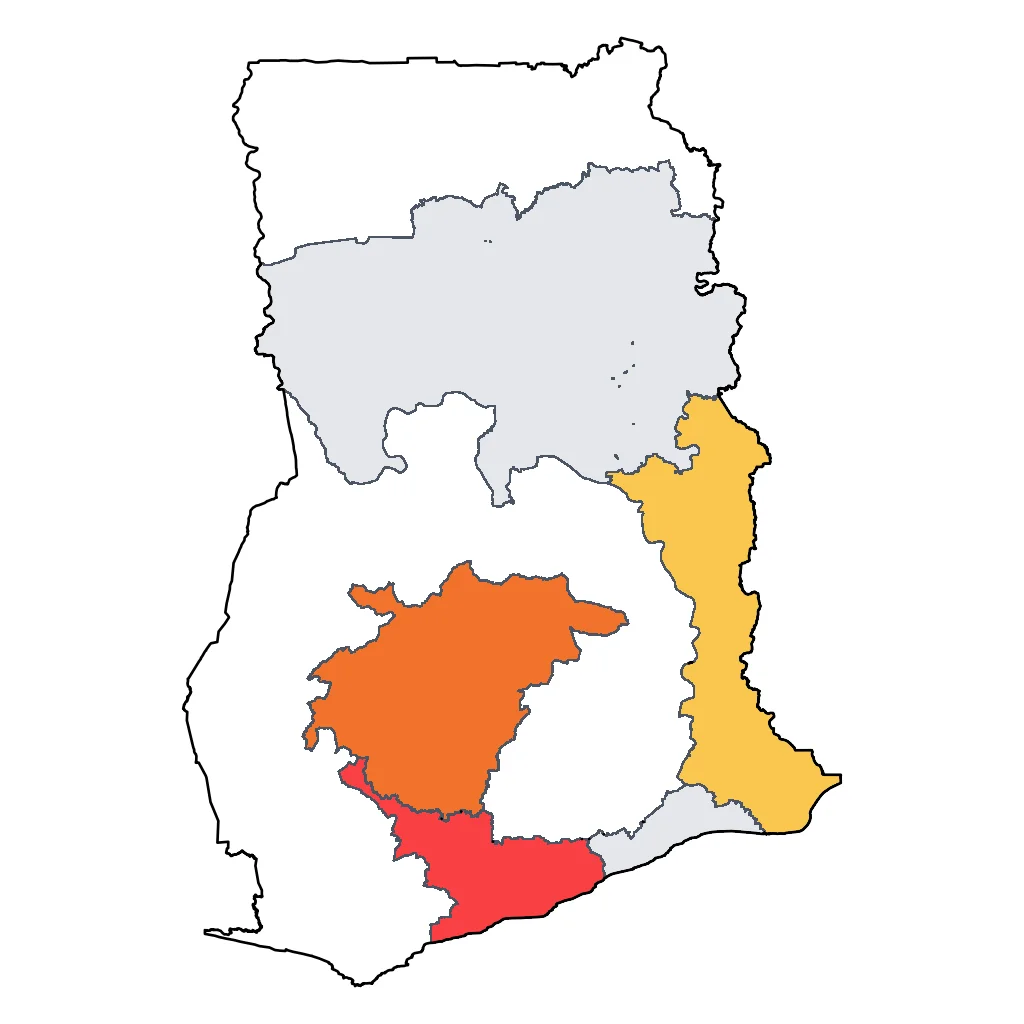
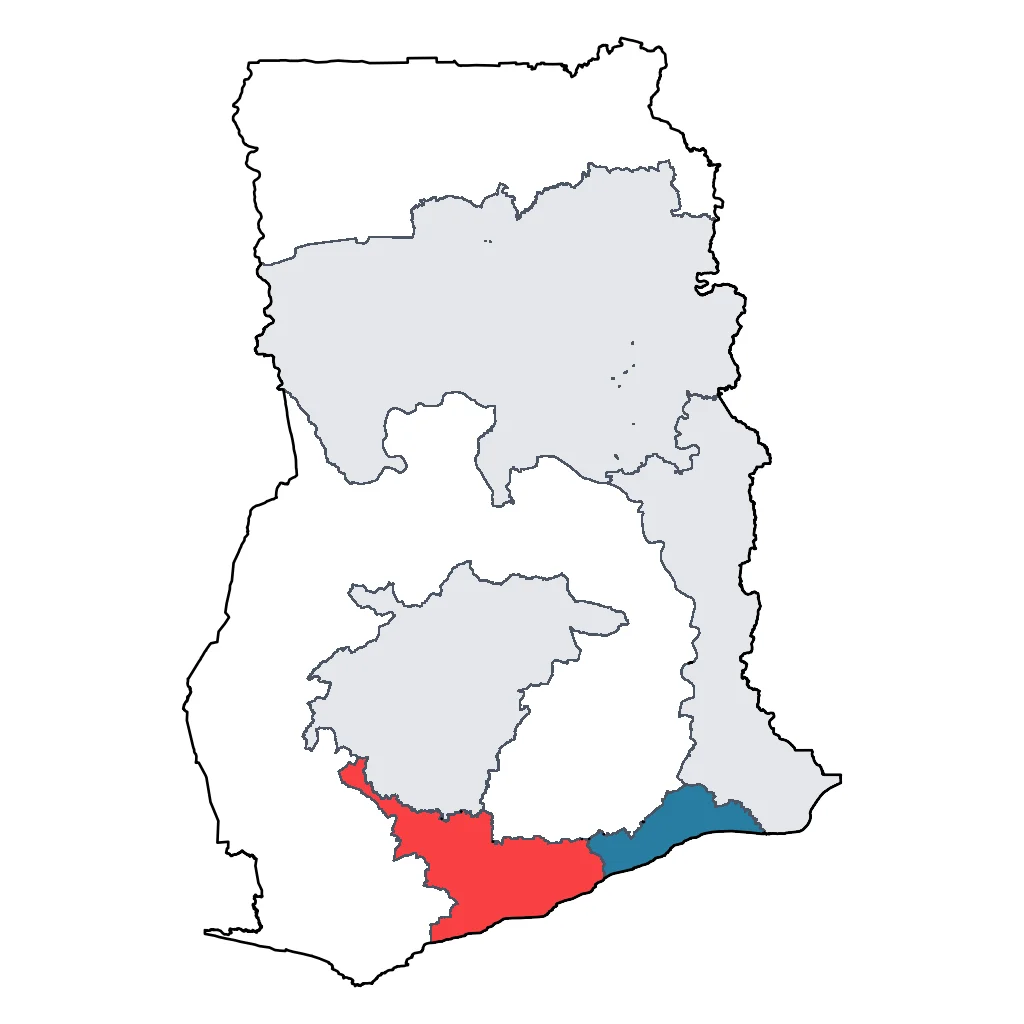
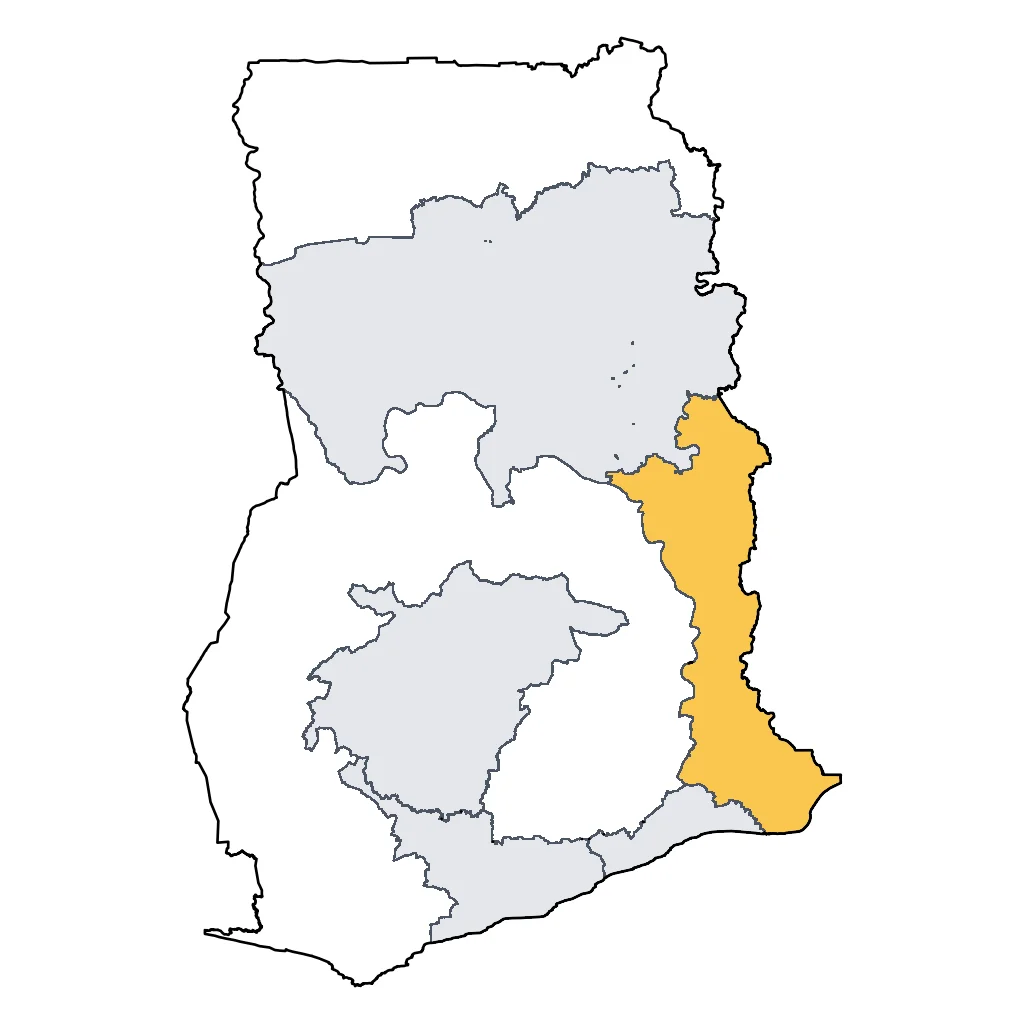
Click on a region marker to explore details. Use the dropdown to color regions by activity suitability.

Activities & Best Times

City & Cultural
ExcellentUrban tourism, museums, historical sites, architecture
Home to the UNESCO-listed Cape Coast and Elmina Castles, this region offers a world-class, somber, and authentic historical experience that is globally unique. Peak months avoid the heavy monsoon rains, with August providing a cooler, more comfortable climate for exploring these significant monuments.
As the heart of the Ashanti Empire, the region offers unparalleled access to living royal traditions at Manhyia Palace and the vibrant, world-class Kejetia Market. Peak dry months provide optimal weather for urban exploration, while the heavy rainy seasons (Jun/Sep) can hinder navigation through the city's bustling streets.
Accra is a hub of Pan-African history and vibrant urban life, featuring the Kwame Nkrumah Memorial and bustling markets. Peak conditions occur during the dry harmattan season (Dec-Feb) and the cooler August break, while heavy rains in May, June, and October impede city walking tours.

Educational & Exploratory
ExcellentLearning experiences, scientific sites, historical education
Offers profound learning opportunities for families through the detailed history of the Trans-Atlantic Slave Trade and the unique tropical ecology of Kakum National Park. Educational access is best during the dry seasons when guided tours and forest canopy walks are most reliable and less humid.
Families can engage in world-renowned artisanal traditions, including Kente weaving in Bonwire and Adinkra printing in Ntonso, providing profound hands-on learning. Dry months are best for visiting outdoor workshops; heavy rains in May and June frequently disrupt these authentic educational experiences.
The region provides significant historical education regarding ancient trade routes and community-led conservation efforts at Mognori Eco-village. Dry, stable weather from November to February is best for interactive village tours and historical site visits, while the rainy season can disrupt access to remote heritage sites.

Adventure & Nature
Very GoodHiking, wildlife, outdoor exploration, ecotourism
Mole National Park is a unique West African destination offering rare walking safaris to view African elephants in their natural habitat. The dry months of December and January are peak for wildlife visibility at watering holes, while the monsoon season (June-September) makes the savanna lush but animals more difficult to spot.
Kakum National Park features a world-renowned rainforest canopy walkway and exceptional birdwatching that appeals to adventurous families. The peak season corresponds to lower rainfall (<100mm), ensuring safe trail conditions and optimal wildlife viewing before the heavy rains of May and June.
Lake Bosomtwe and Bobiri Butterfly Sanctuary are interesting but do not compare to internationally renowned nature destinations. Kumasi is primarily a cultural destination; its nature offerings are secondary and would not draw international adventure travelers specifically. Downgrading maintains better differentiation from Cape Coast (which has Kakum NP, a genuinely world-renowned canopy walkway) and Volta Region.

Festivals & Seasonal
Very GoodEvents, celebrations, seasonal attractions
The Akwasidae Festival, held every six weeks, is a magnificent and authentic display of Ashanti heritage that attracts global interest. While the festival occurs year-round, the dry peak and shoulder months offer the most comfortable conditions for witnessing the outdoor public processions and royal durbars.
The region hosts world-class events like the Chale Wote Street Art Festival in August and major holiday festivities in December. These peak periods offer immense cultural authenticity, whereas the peak rainy season (May-June) makes outdoor celebrations difficult.
Host to major events of international significance like Emancipation Day and the Oguaa Fetu Afahye festival, providing a deep, authentic dive into Fante culture. These events occur during the mid-year shoulder season; while weather is wetter, the cultural experience is at its most vibrant.

Road Trips & Scenic
GoodScenic drives, countryside tours, route-based travel
The well-paved coastal route from Accra offers a safe and scenic journey suitable for private family tours. Travel is easiest during the dry season when visibility is high and road conditions are most reliable; heavy rains can cause localized flooding and travel delays.
The craft village circuit around Kumasi allows for a scenic and culturally rich driving experience through the Ashanti heartland. Road reliability is highest during the dry season (Nov-Jan), while the peak rainy months can pose challenges for family travel on unpaved rural routes.
Features spectacular drives through the Akwapim-Togo mountain ranges with panoramic views of Lake Volta. Peak dry months ensure maximum visibility and safer road conditions on mountain passes, while the heavy rains of June-September can make rural roads challenging and obscure the dramatic vistas.

Beach & Sea
GoodBeach resorts, marine activities: diving, snorkelling, kite surfing, wind surfing, sailing
The coastline boasts pristine golden sands and authentic eco-resorts, though it lacks the high-end luxury infrastructure of top-tier global beach destinations. Peak conditions are found in December and January when precipitation is lowest and sea conditions are generally calmer for coastal relaxation.
Bojo Beach offers a unique, high-quality family experience where a freshwater lagoon meets the Atlantic. The dry months of December to February offer the best sunshine and calmest waters, while the mid-year monsoon brings high turbidity and heavy rainfall.

Relaxation & Wellness
MarginalSpa retreats, wellness centers, peaceful getaways
Offers world-class eco-luxury retreats like Zaina Lodge, where infinity pools overlook wildlife watering holes for a sophisticated, peaceful escape. This experience is best in the cooler dry months, as peak summer humidity and heat (over 35°C) are less conducive to outdoor relaxation.
A handful of high-quality boutique eco-lodges offer peaceful coastal retreats for discerning travelers seeking seclusion. However, the region lacks the comprehensive, world-class spa facilities and holistic wellness infrastructure found in elite international wellness hubs.
Lake Bosomtwe provides a serene, spiritually significant environment for a peaceful getaway, though it lacks the high-density luxury spa infrastructure of top-tier global wellness hubs. The dry season offers the best atmosphere for lakeside relaxation and clear views of the ancient crater waters.

Sports & Active
MarginalSport tourism, fitness activities, active recreation
Hiking in Kakum and limited coastal activities provide some active recreation for families. The rating is marginal as facilities do not yet meet world-class sports tourism standards, and activity is highly weather-dependent, peaking in the dry months.
The region offers active pursuits such as hiking the crater rim of Lake Bosomtwe and exploring forest reserves, though facilities for extreme sports are limited. Outdoor activity is most enjoyable during the lower-humidity months (Dec-Jan) and the cooler August period.
Opportunities for golf and surfing at nearby Kokrobite exist, but facilities do not always reach elite international benchmarks. Activities are best scheduled during the dry season (Nov-Mar) to avoid tropical storms, while the wet season (Apr-Jul) often renders outdoor sports venues unusable.
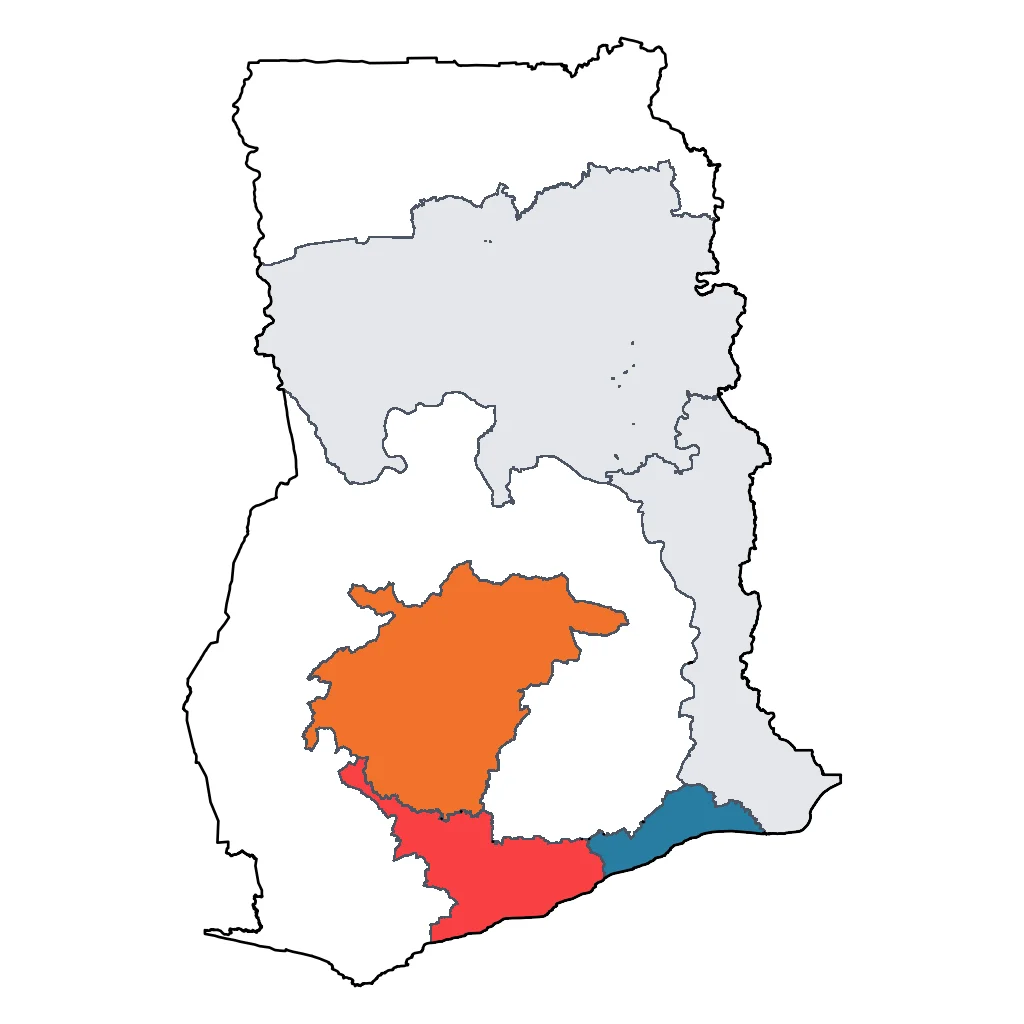
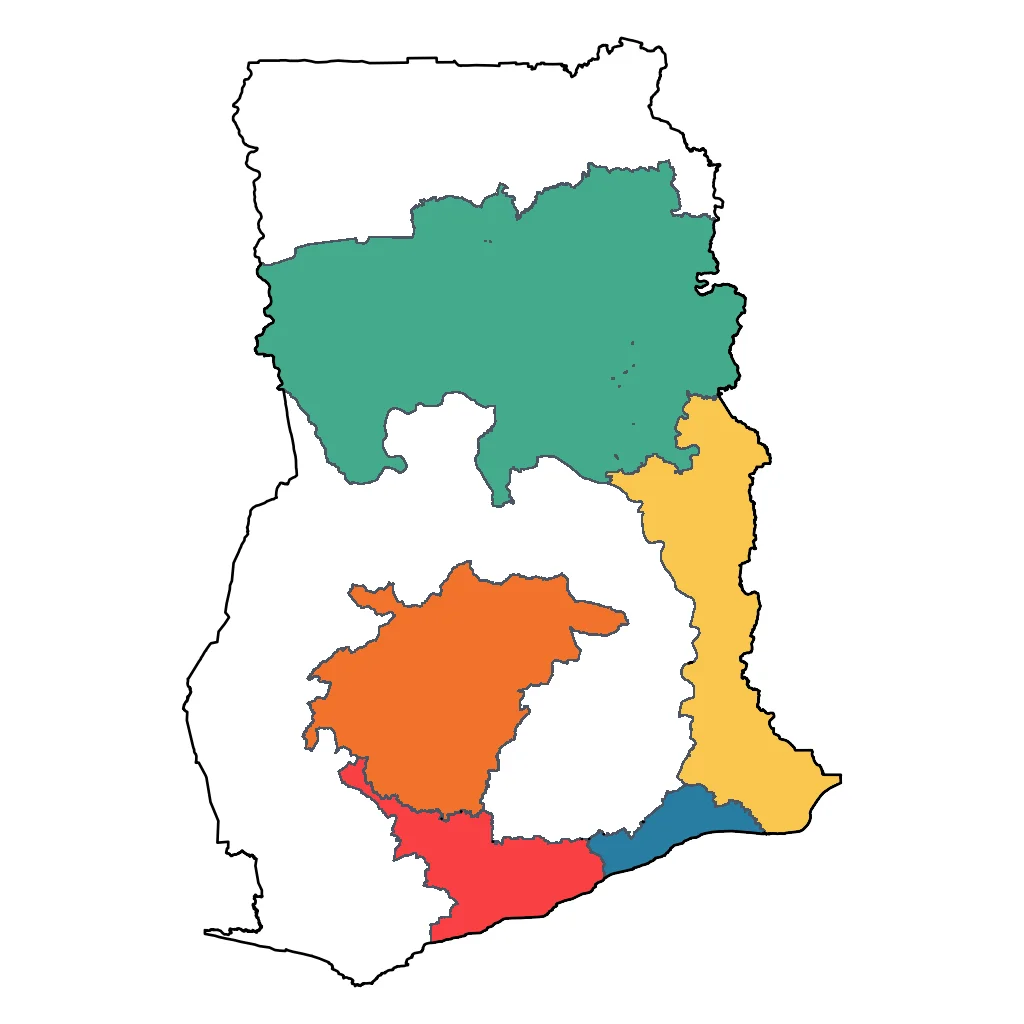
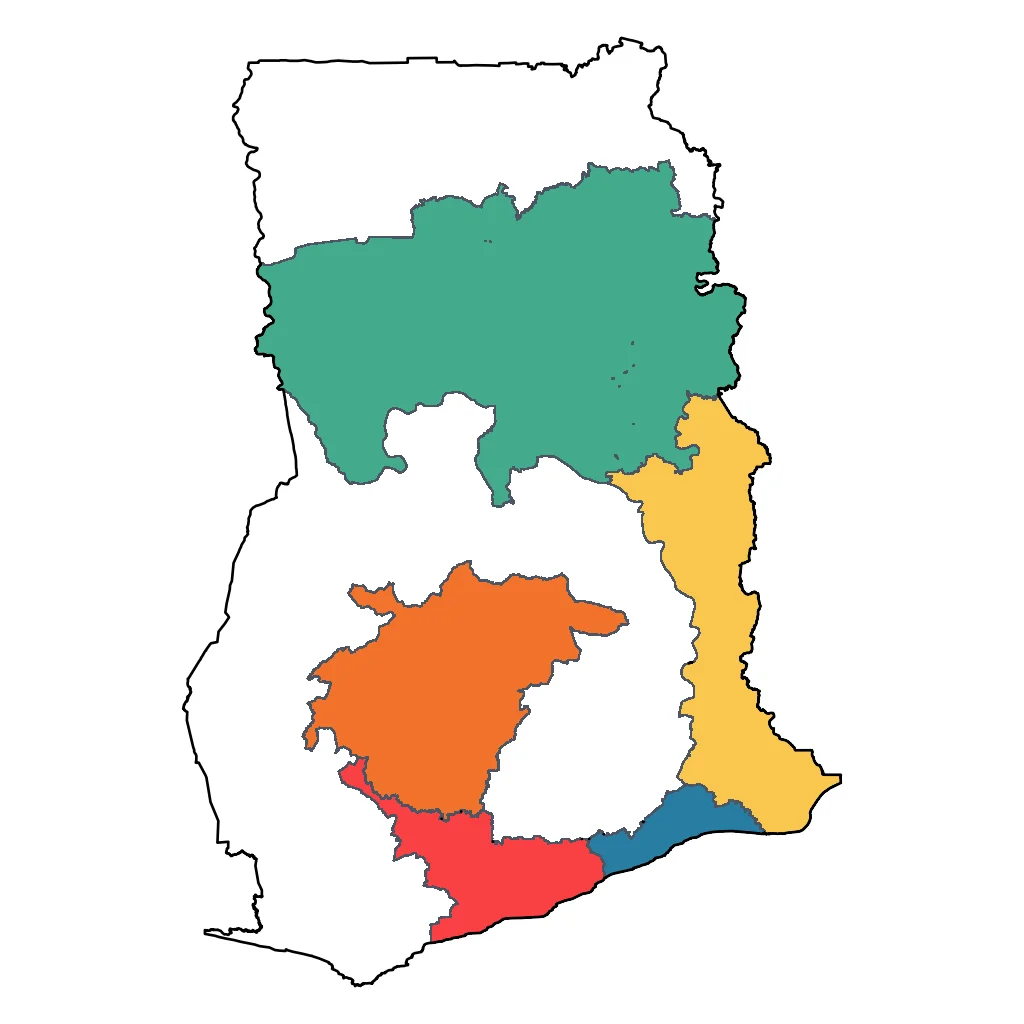

Airports & Flight Routes
Toggle options to view domestic routes and international airports. Click an airport for details.
Climate & Weather
Accra & Greater Accra
Show Details
| Month | Temp °C | Rain | Humidity |
|---|
Cape Coast & Central Region (slave castles)
Show Details
| Month | Temp °C | Rain | Humidity |
|---|
Kumasi & Ashanti Region
Show Details
| Month | Temp °C | Rain | Humidity |
|---|
Northern Ghana (Mole NP)
Show Details
| Month | Temp °C | Rain | Humidity |
|---|
Volta Region (waterfalls, mountains)
Show Details
| Month | Temp °C | Rain | Humidity |
|---|

Travel Advisory
Travellers should exercise increased vigilance due to persistent crime and regional security risks in northern border areas.
Safety Topics
Traveller Advice (2 groups)

High rates of sexual assault and harassment are reported. It is recommended to dress conservatively and avoid walking alone, especially at night or in quiet areas.

Same-sex relations are criminalised and can result in imprisonment. There has been a marked increase in hostile rhetoric and physical violence targeting individuals based on sexual orientation.