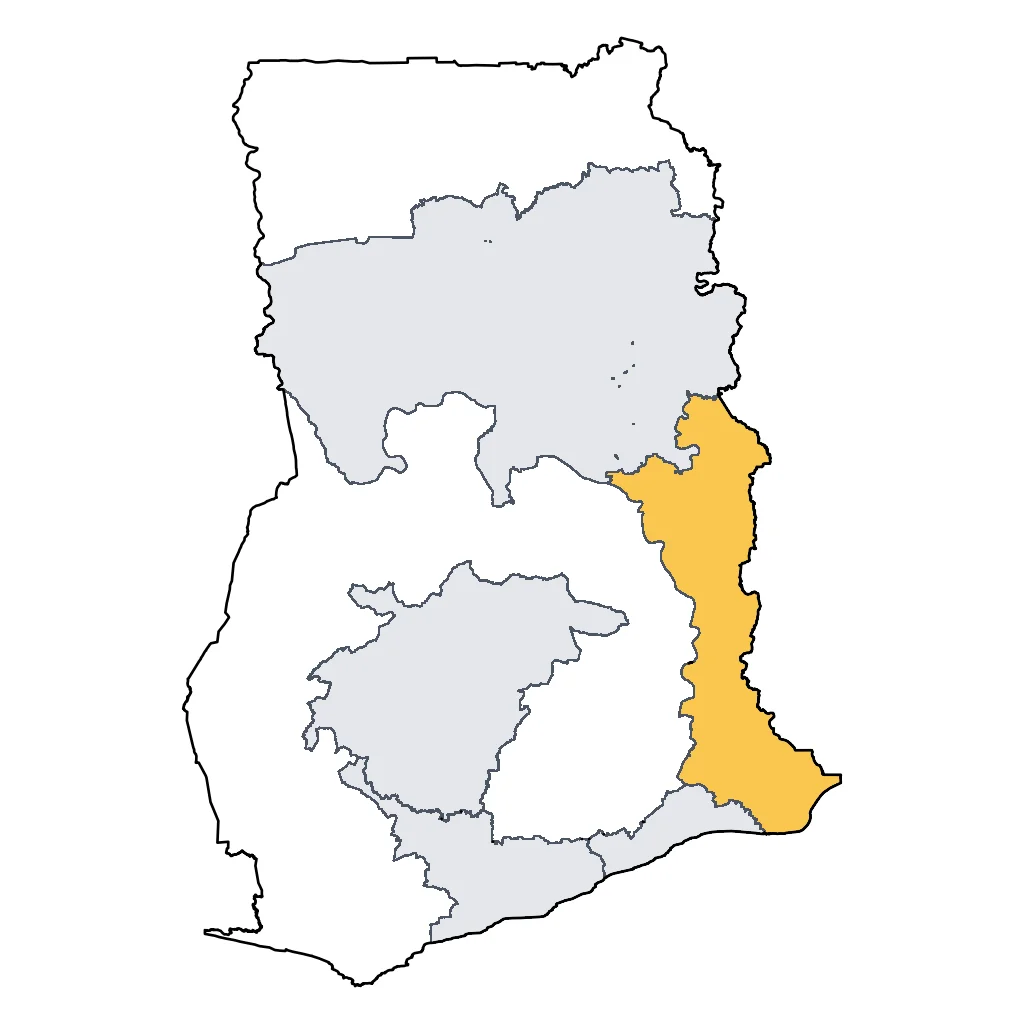

Kumasi and the surrounding Ashanti Region offer a deep dive into the rich heritage of the Ashanti Kingdom. Known as the 'Garden City', Kumasi is bustling and vibrant, but the real treasures for families lie in the specialized craft villages that surround it. This is an interactive destination where children don't just look at exhibits but can watch and learn how things are made. In Bonwire and Adanwomase, weavers operate loom machines with lightning speed to create the famous Kente cloth. Many workshops allow children to sit at a loom and try the weaving motions themselves.
Just a short drive away is Ntonso, the home of Adinkra textiles. Here, families can learn about the symbolic meanings behind the patterns and use stamps made from calabash gourds to print their own designs on cloth—a perfect souvenir. For those interested in woodworking, the village of Ahwiaa displays incredible carving skills, from stools to fertility dolls. Inside Kumasi city, the Manhyia Palace Museum provides a fascinating glimpse into the lives of the Ashanti kings (Asantehene). The grounds are spacious, and the peacocks roaming the gardens are often a hit with younger visitors.
Nature lovers should head to Lake Bosomtwe, Ghana's only natural lake, formed in an ancient meteorite impact crater. It is a serene escape from the city noise. The lake is encircled by green hills and offers opportunities for boat rides, swimming, and horseback riding along the shore. The local belief is that the lake is sacred, so motorized boats are restricted, preserving the quiet atmosphere.
The Kejetia Market is one of the largest in West Africa. While it can be overwhelming due to its sheer size and crowds, viewing it from a safe vantage point or taking a quick guided walk provides a sensory education in Ghanaian commerce. Culinary adventurers can try fufu (pounded cassava and plantain) in its spiritual home, where it is a staple Sunday meal for local families.
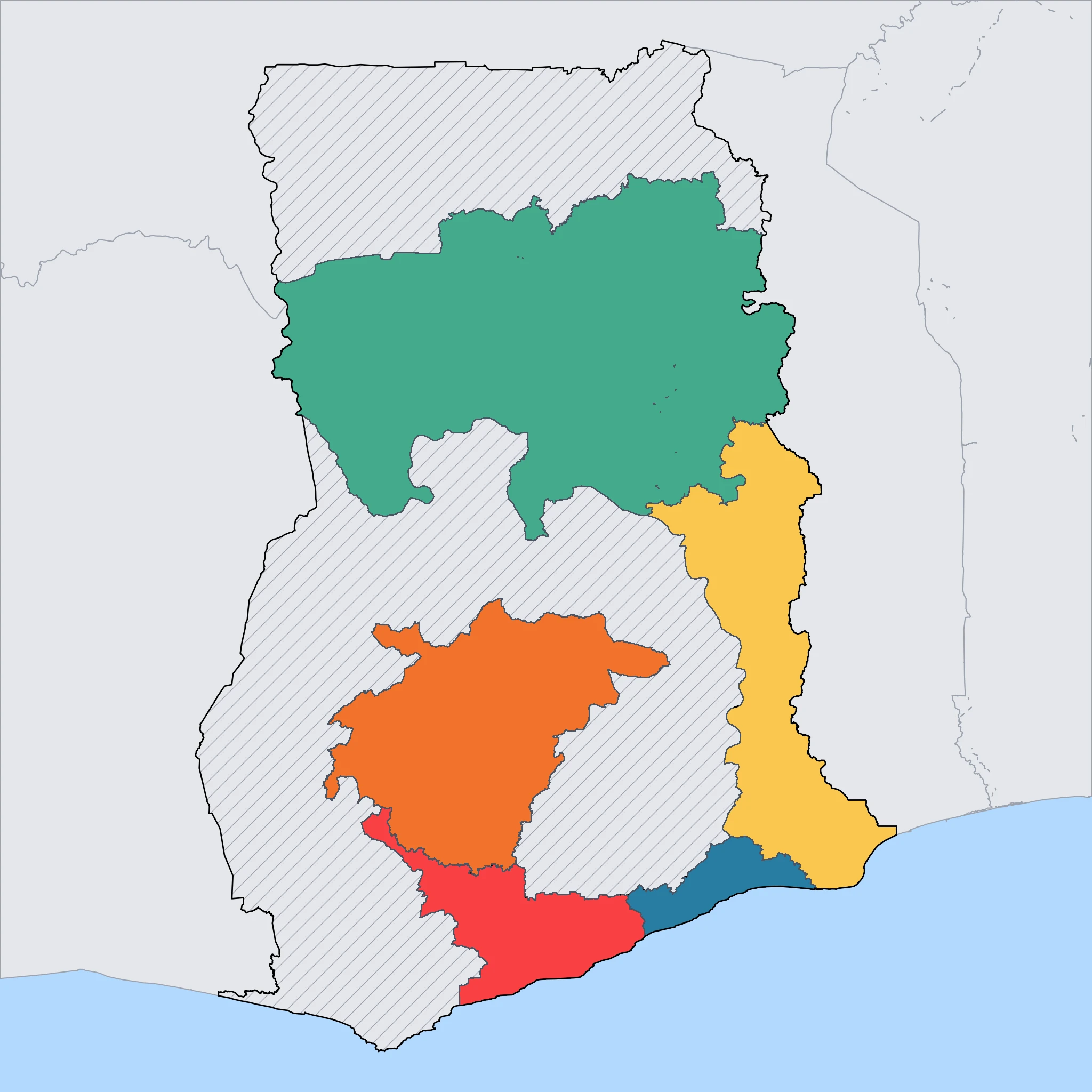
Click a region to explore

Activities & Best Times

Urban tourism, museums, historical sites, architecture
As the heart of the Ashanti Empire, the region offers unparalleled access to living royal traditions at Manhyia Palace and the vibrant, world-class Kejetia Market. Peak dry months provide optimal weather for urban exploration, while the heavy rainy seasons (Jun/Sep) can hinder navigation through the city's bustling streets.

Learning experiences, scientific sites, historical education
Families can engage in world-renowned artisanal traditions, including Kente weaving in Bonwire and Adinkra printing in Ntonso, providing profound hands-on learning. Dry months are best for visiting outdoor workshops; heavy rains in May and June frequently disrupt these authentic educational experiences.

Events, celebrations, seasonal attractions
The Akwasidae Festival, held every six weeks, is a magnificent and authentic display of Ashanti heritage that attracts global interest. While the festival occurs year-round, the dry peak and shoulder months offer the most comfortable conditions for witnessing the outdoor public processions and royal durbars.
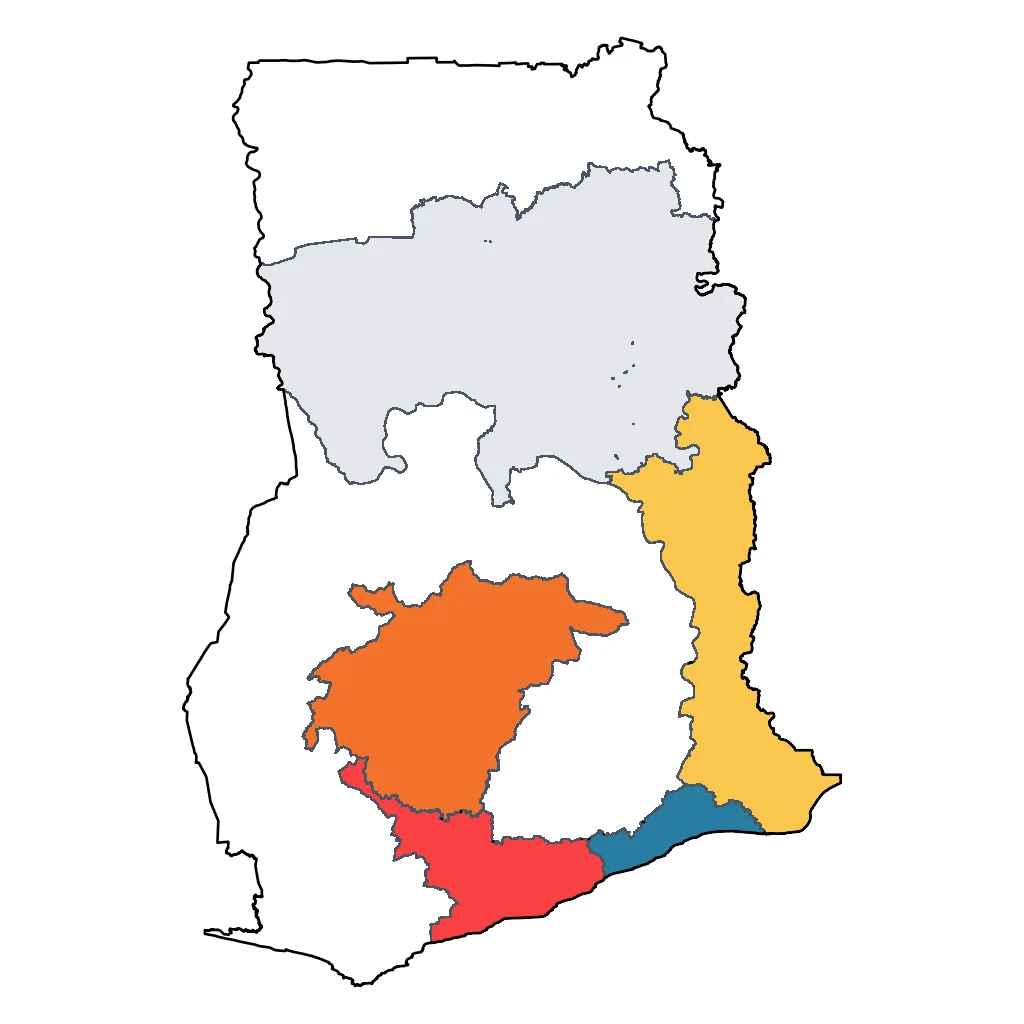

Hiking, wildlife, outdoor exploration, ecotourism
Lake Bosomtwe and Bobiri Butterfly Sanctuary are interesting but do not compare to internationally renowned nature destinations. Kumasi is primarily a cultural destination; its nature offerings are secondary and would not draw international adventure travelers specifically. Downgrading maintains better differentiation from Cape Coast (which has Kakum NP, a genuinely world-renowned canopy walkway) and Volta Region.
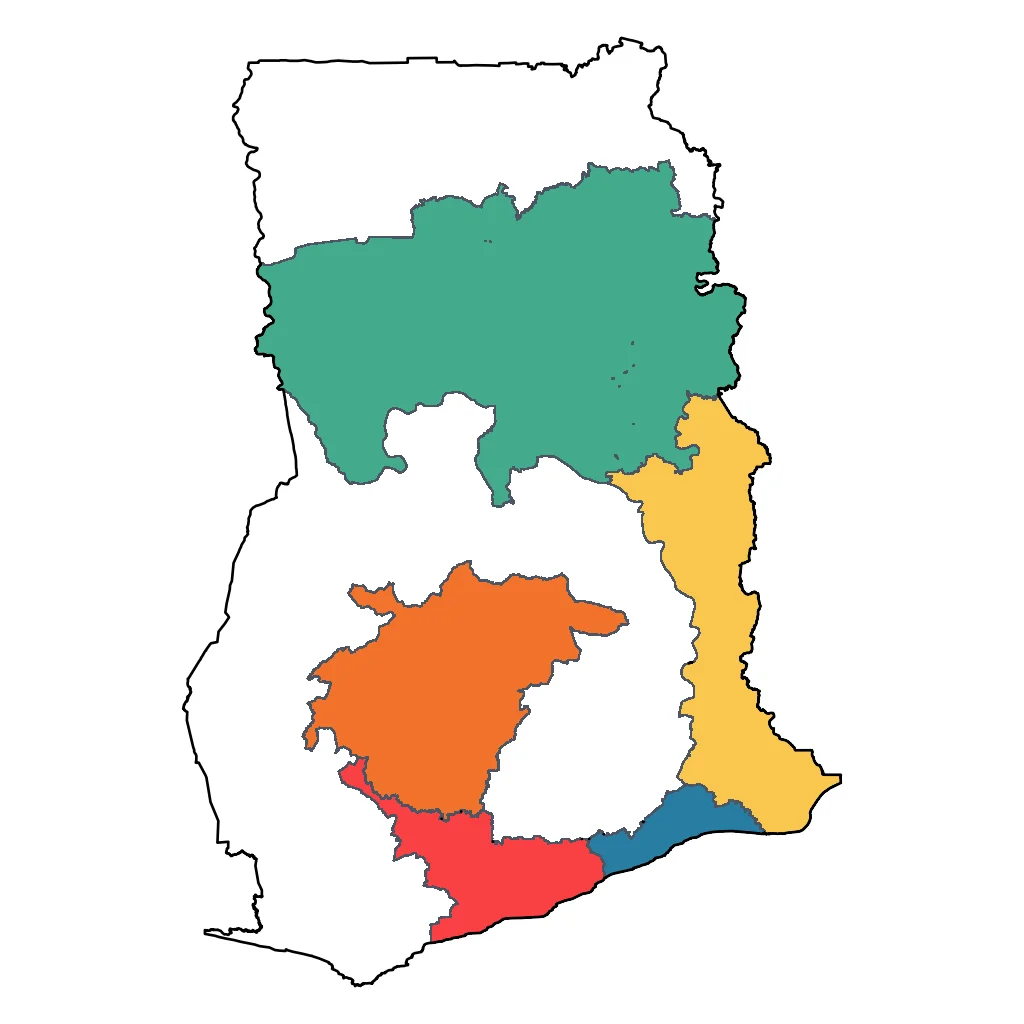

Scenic drives, countryside tours, route-based travel
The craft village circuit around Kumasi allows for a scenic and culturally rich driving experience through the Ashanti heartland. Road reliability is highest during the dry season (Nov-Jan), while the peak rainy months can pose challenges for family travel on unpaved rural routes.
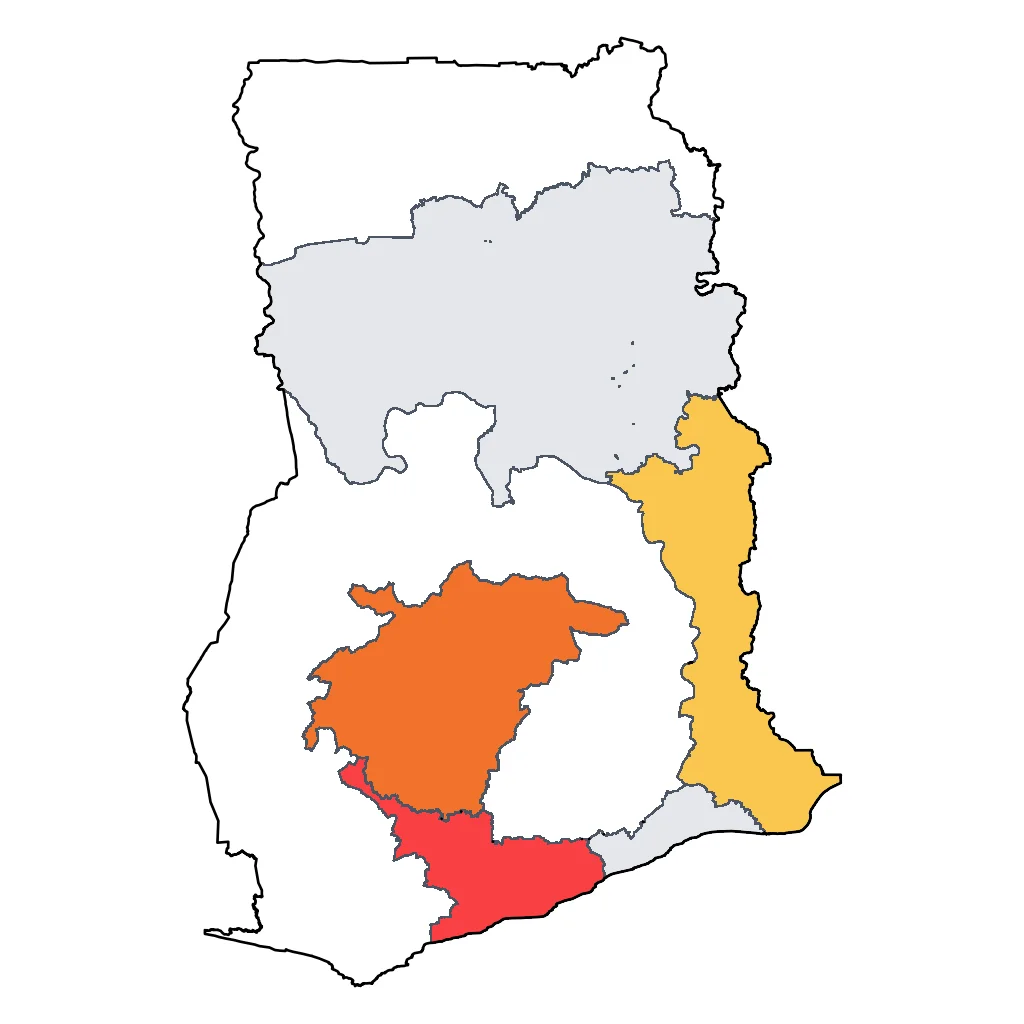

Spa retreats, wellness centers, peaceful getaways
Lake Bosomtwe provides a serene, spiritually significant environment for a peaceful getaway, though it lacks the high-density luxury spa infrastructure of top-tier global wellness hubs. The dry season offers the best atmosphere for lakeside relaxation and clear views of the ancient crater waters.

Sport tourism, fitness activities, active recreation
The region offers active pursuits such as hiking the crater rim of Lake Bosomtwe and exploring forest reserves, though facilities for extreme sports are limited. Outdoor activity is most enjoyable during the lower-humidity months (Dec-Jan) and the cooler August period.