

Guinea is a destination for the truly adventurous family. Far removed from mass tourism, it offers a raw and unfiltered experience of West Africa that rewards patience and curiosity with breathtaking landscapes and warm hospitality. While it lacks the polished infrastructure of more established tourist hubs, its natural beauty is undeniable, making it a compelling choice for families with older children who enjoy hiking, nature, and cultural immersion.
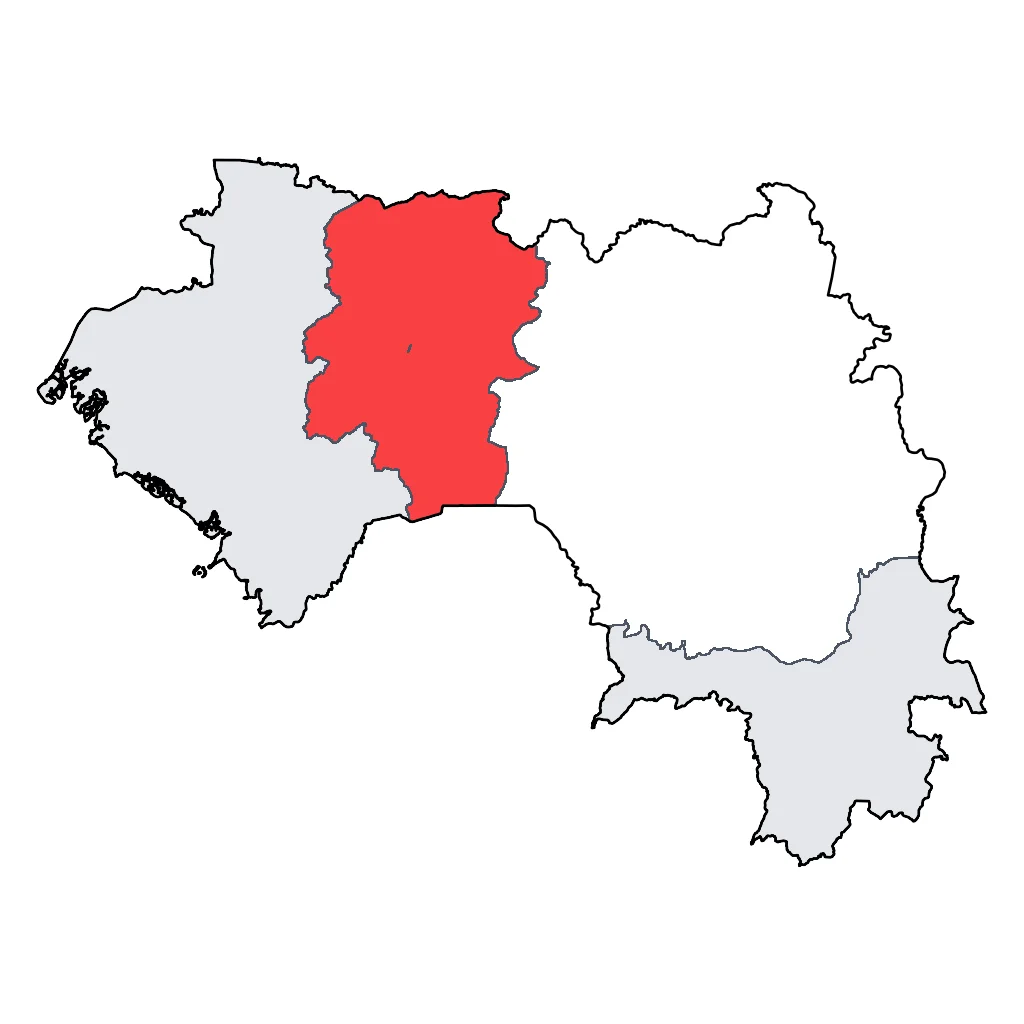
The crown jewel of the country is the Fouta Djallon highlands. Often called the "Switzerland of West Africa," this region offers a refreshing escape from the tropical heat with its temperate climate and rolling green hills. Families can base themselves in towns like Dalaba, where colonial-era architecture meets local Fulani culture. The area is a trekker's paradise, filled with cascading waterfalls such as the majestic Kambadaga and the graceful Voile de la Mariée (Bride's Veil). The hiking here is world-class, allowing active families to explore pine forests, rocky cliffs, and thatched-roof villages at their own pace.
On the coast, the capital city of Conakry is a bustling, chaotic metropolis that can be overwhelming, but it serves as the gateway to the serene Iles de Los. Just a short boat ride away, these islands-particularly Kassa and Roume-offer golden beaches and calm waters perfect for swimming and decomposing after a trek in the mountains. It is a rare chance to relax in a tropical setting that feels miles away from the city's energy.
Culturally, Guinea is a powerhouse of music and dance. Families can witness incredible djembe drumming performances or even take a workshop to learn the rhythms that are the heartbeat of the nation. The local markets are vibrant and colorful, offering a chance to taste fresh mangoes, pineapples, and avocados that are among the best in the region.
Practical Considerations: Travel in Guinea requires careful planning. The road infrastructure is poor, and travel between regions can take much longer than expected, so a 4x4 vehicle and a driver are highly recommended for families. French is the official language, so some proficiency is essential for navigating daily life. Malaria prophylaxis is necessary for all family members. This is not a destination for a relaxing resort holiday, but for families willing to embrace the challenges, Guinea offers an unforgettable journey into the heart of West Africa.

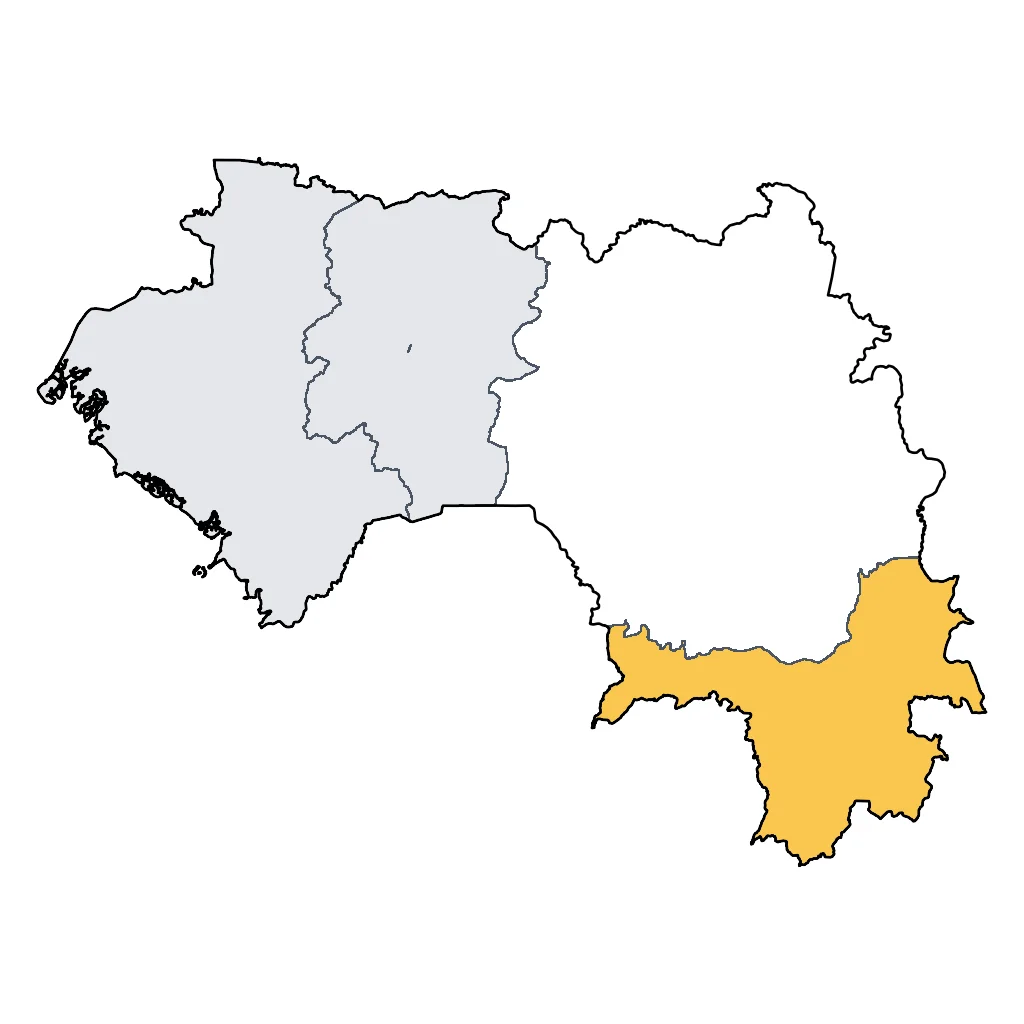
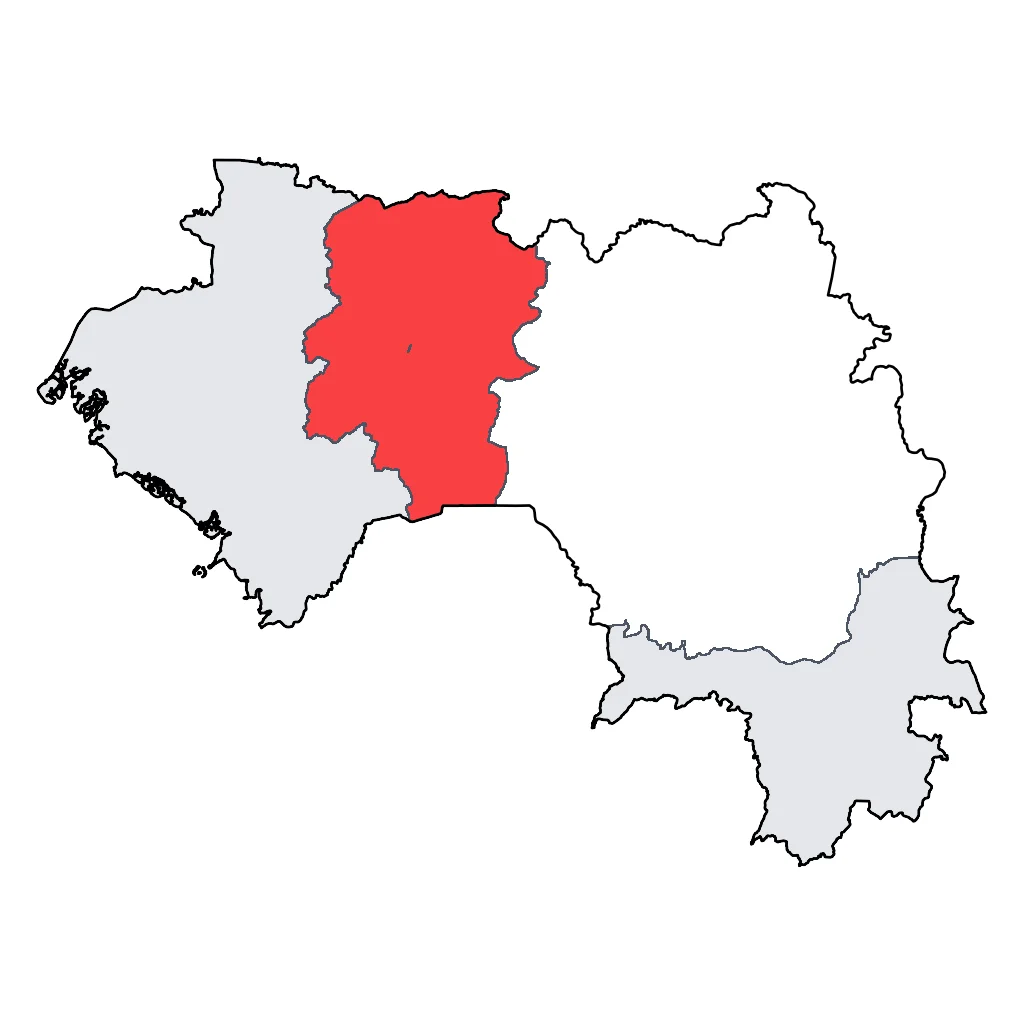
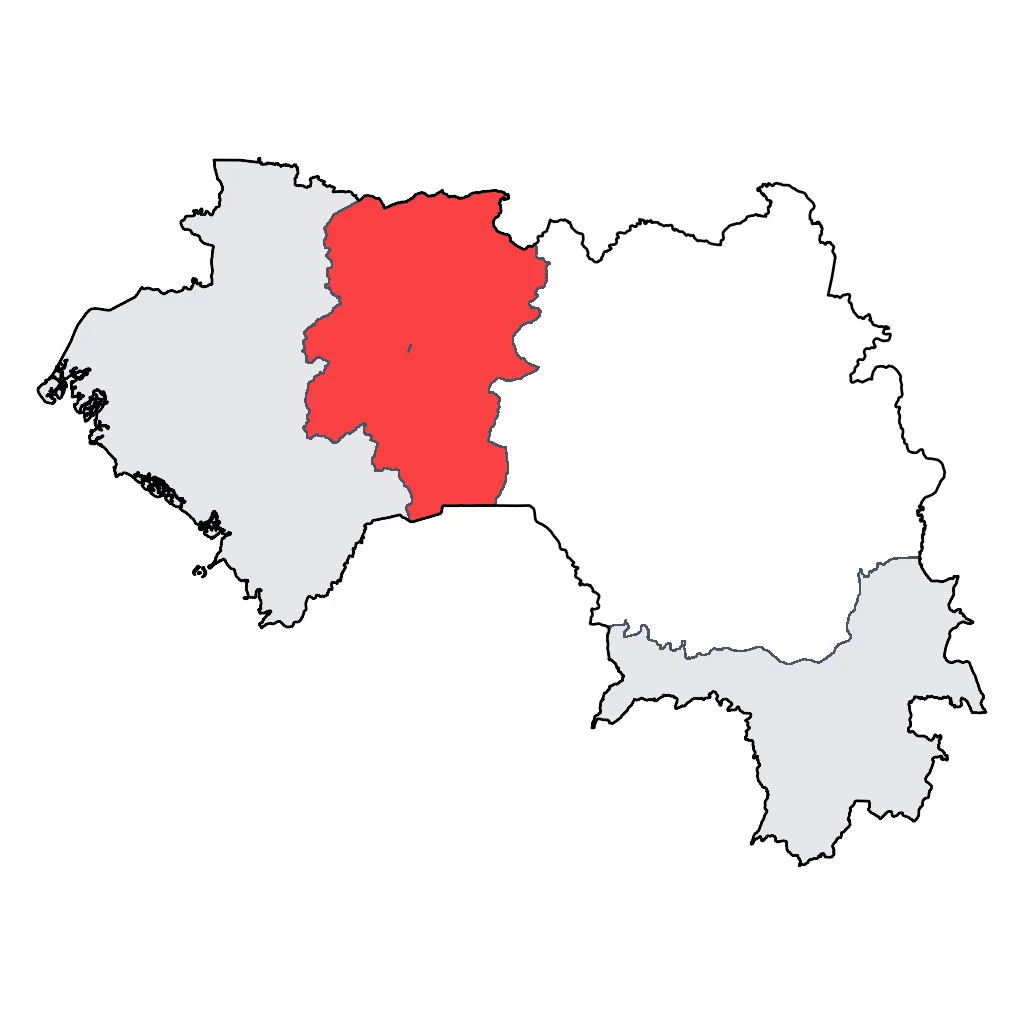
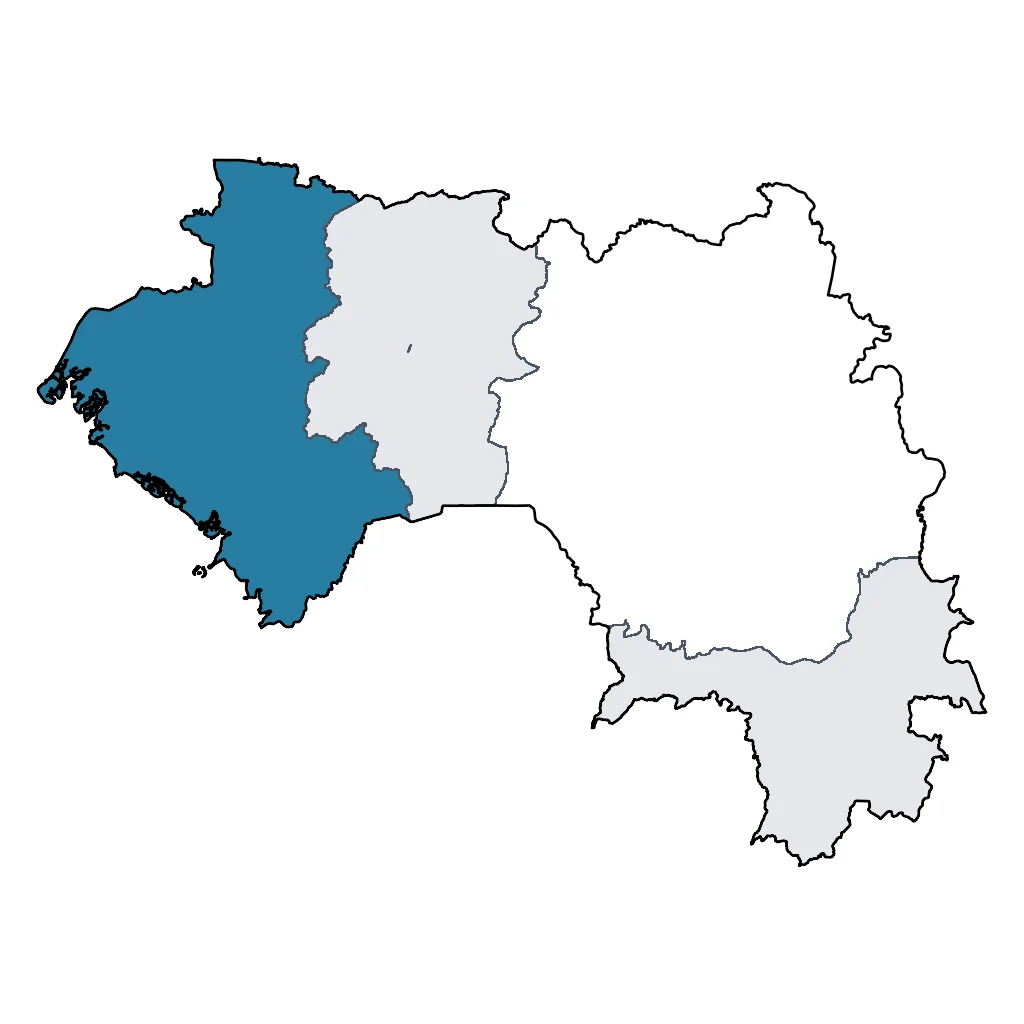
Explore Regions
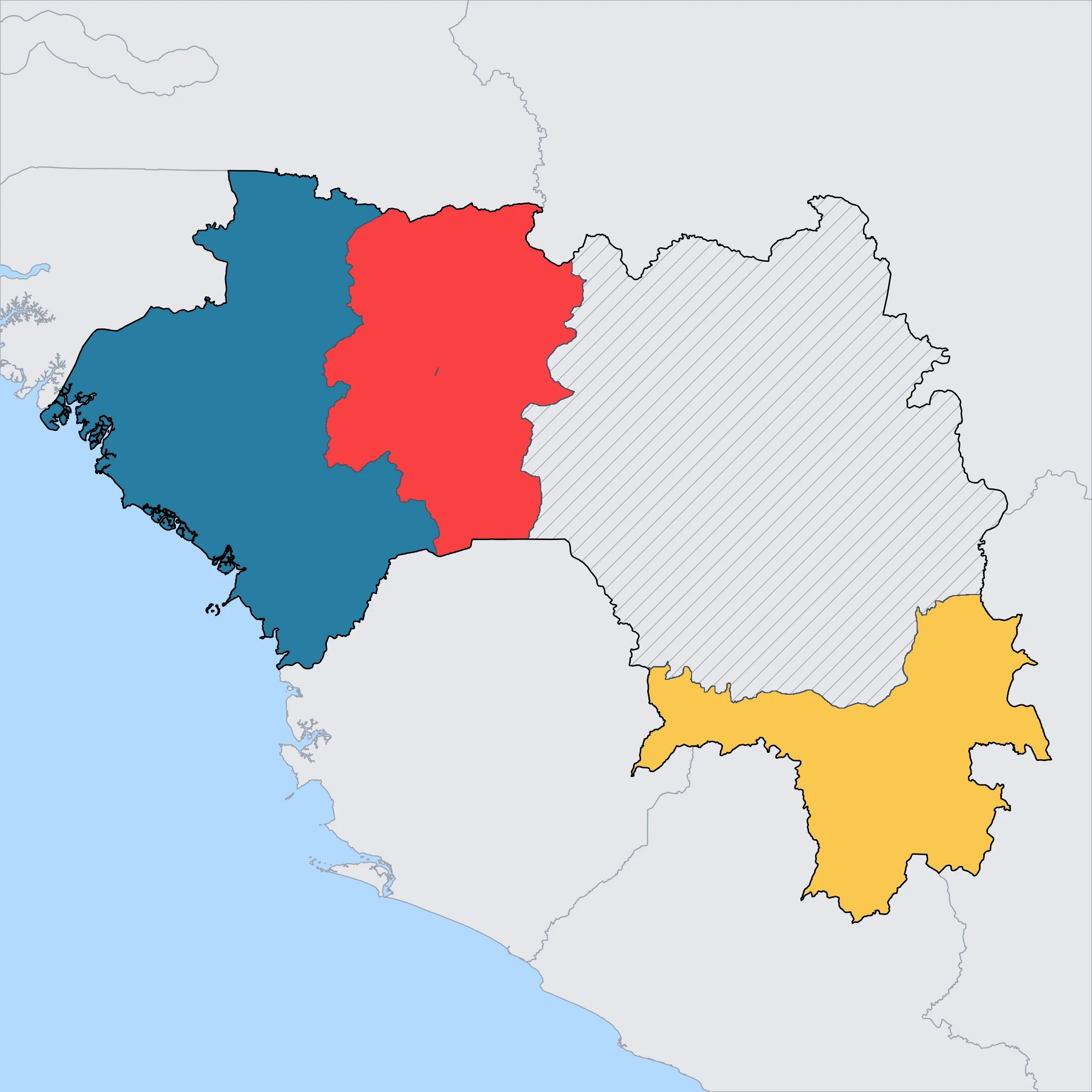
3 Regions
Conakry & Coast
Bustling markets and island escapes 🏝️
Forest Region
Ancient rainforests and rare wildlife 🌳
Fouta Djallon Highlands
Waterfalls and cool mountain air ⛰️
Click on a region marker to explore details. Use the dropdown to color regions by activity suitability.

Activities & Best Times

Adventure & Nature
Very GoodHiking, wildlife, outdoor exploration, ecotourism
The Fouta Djallon is West Africa's premier trekking destination with genuine scenic beauty, but 'excellent' by international calibration implies competition with Patagonia, Nepal, or New Zealand. Trail infrastructure is limited and accessibility is challenging. 'very_good' appropriately reflects its regional significance.
While Mount Nimba (UNESCO) and Bossou chimpanzees are significant, 'excellent' should be reserved for globally top-tier adventure destinations with established infrastructure. Guinea's Forest Region has access challenges and minimal guided tourism infrastructure. 'very_good' accurately reflects its genuine natural assets while accounting for practical limitations.
Unique mangrove ecosystems and palm-fringed coastal forests offer world-class birdwatching and authentic eco-exploration for adventurous families. Travel is highly seasonal, with peak conditions during the dry months when wildlife is active and trails are accessible; the heavy rains of the wet season flood primary habitats.

City & Cultural
GoodUrban tourism, museums, historical sites, architecture
Offers a sophisticated cultural experience centered on the Fulani Caliphate's history and the colonial architecture of Dalaba and Labé. The climate is most pleasant for urban exploration in the cool dry season, while the extreme summer humidity and heavy rain detract from the cultural experience.
Offers profound, non-commercialized cultural authenticity through the spiritual traditions and mask cultures of the Forest peoples. While lacking world-class urban infrastructure, the peak dry season (Dec-Feb) allows for comfortable engagement with local heritage and easier travel between remote cultural sites.
Conakry offers a raw, vibrant immersion into West African urban life and colonial history for sophisticated travelers seeking authenticity over polish. The dry, slightly cooler months (Dec-Feb) are the only time the city's intensity and humidity are manageable for families, as the monsoon months bring logistical gridlock and extreme rainfall.

Educational & Exploratory
GoodLearning experiences, scientific sites, historical education
A fascinating destination for families to learn about ethnobotany, the hydrology of West Africa's major rivers, and Fulani pastoralist culture. Field exploration is best during the dry season; extreme weather from April to September significantly restricts access to remote educational sites.
Despite genuine scientific significance, there is no structured educational tourism infrastructure (visitor centers, guided educational programs, interpretive materials). 'good' is appropriate for a region with inherent educational value but limited tourist-facing educational facilities.
The region features significant historical sites related to colonial architecture and the coastal history of West Africa. Peak weather from November to April allows for guided exploratory tours, while the severe off-season rainfall limits access to outdoor archaeological and historical landmarks.

Festivals & Seasonal
GoodEvents, celebrations, seasonal attractions
Authentic ritual celebrations and traditional dances often coincide with the post-harvest period in the dry winter months. The lack of tourism commercialization makes these events highly unique for experienced travelers, though the heavy rains from April onwards effectively halt outdoor cultural gatherings.
Authentic Fulani cultural celebrations and traditional harvest events occur in the post-rain dry season. While deeply authentic for discerning travelers, these events lack the global organization and accessibility of major international festivals.

Road Trips & Scenic
GoodScenic drives, countryside tours, route-based travel
While highland scenery is spectacular, Guinea's road conditions are generally poor with limited fuel availability, no signage, and safety concerns. A 'very_good' road trip rating implies reliable, enjoyable driving conditions which do not exist here. 'good' reflects the scenic potential tempered by practical driving realities.
The mist-covered Guinea Highlands offer spectacular scenic vistas for adventurous families, though infrastructure is significantly underdeveloped. Travel is only viable for the most experienced drivers during the absolute driest months (Dec-Jan) to avoid impassable mud and poor visibility.

Sports & Active
GoodSport tourism, fitness activities, active recreation
There are no established climbing routes, no gear rental facilities, and no guides meeting international safety standards. Trekking is possible but basic. 'very_good' overstates the active sports offering; 'good' reflects available but unstructured opportunities.
Offers challenging high-altitude trekking on Mount Nimba suitable for active families with older children. Peak months offer the stability required for safe climbing, whereas the rest of the year is characterized by extreme humidity and slippery, dangerous terrain.

Beach & Sea
GoodBeach resorts, marine activities: diving, snorkelling, kite surfing, wind surfing, sailing

Relaxation & Wellness
MarginalSpa retreats, wellness centers, peaceful getaways
The 'Switzerland of Africa' comparison is aspirational marketing, not reality. Hill station infrastructure is minimal with no spa or wellness facilities. The natural setting is peaceful but there are no wellness-oriented services. 'marginal' is appropriate.
The coastal islands provide a natural sanctuary from urban chaos, though they lack the world-class spa and wellness facilities expected by discerning travelers. Visit during the dry months for outdoor relaxation; the monsoon season's high humidity and heavy rain make peaceful retreats difficult.
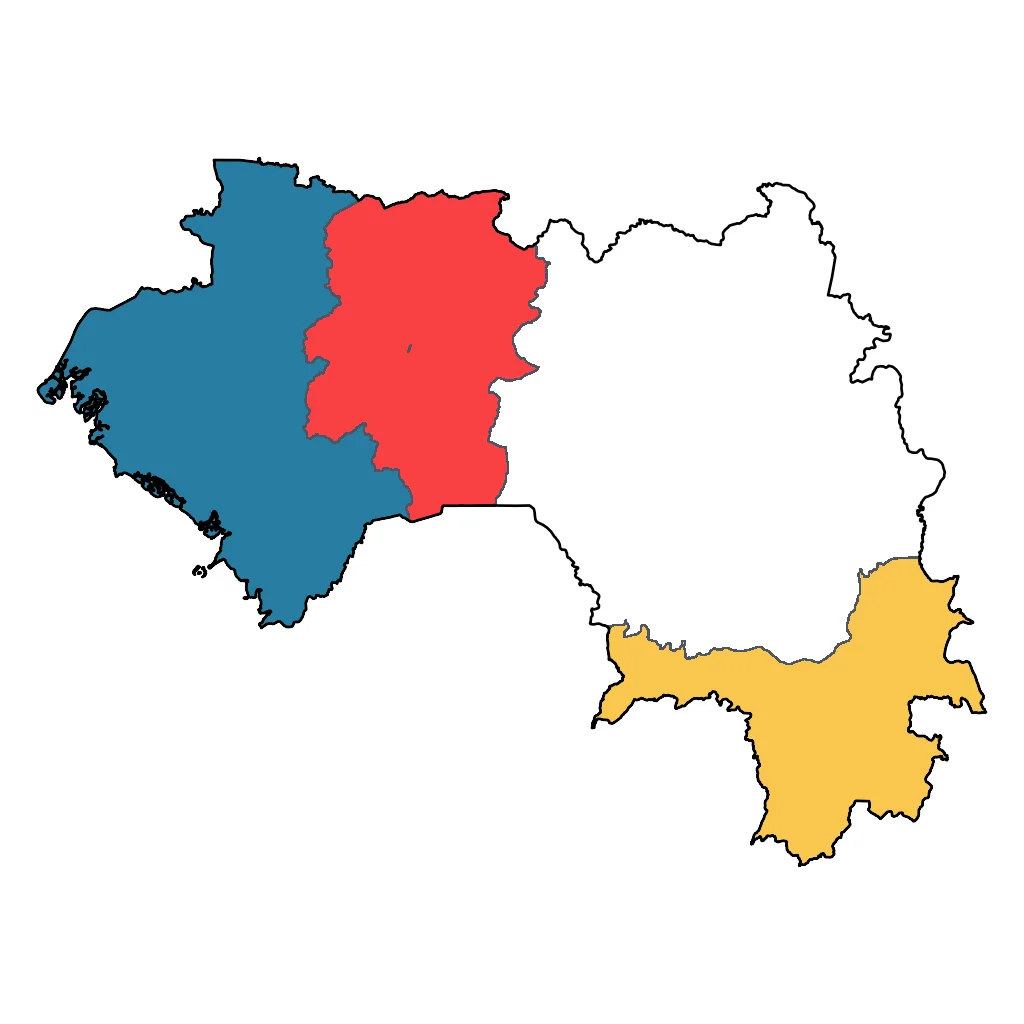
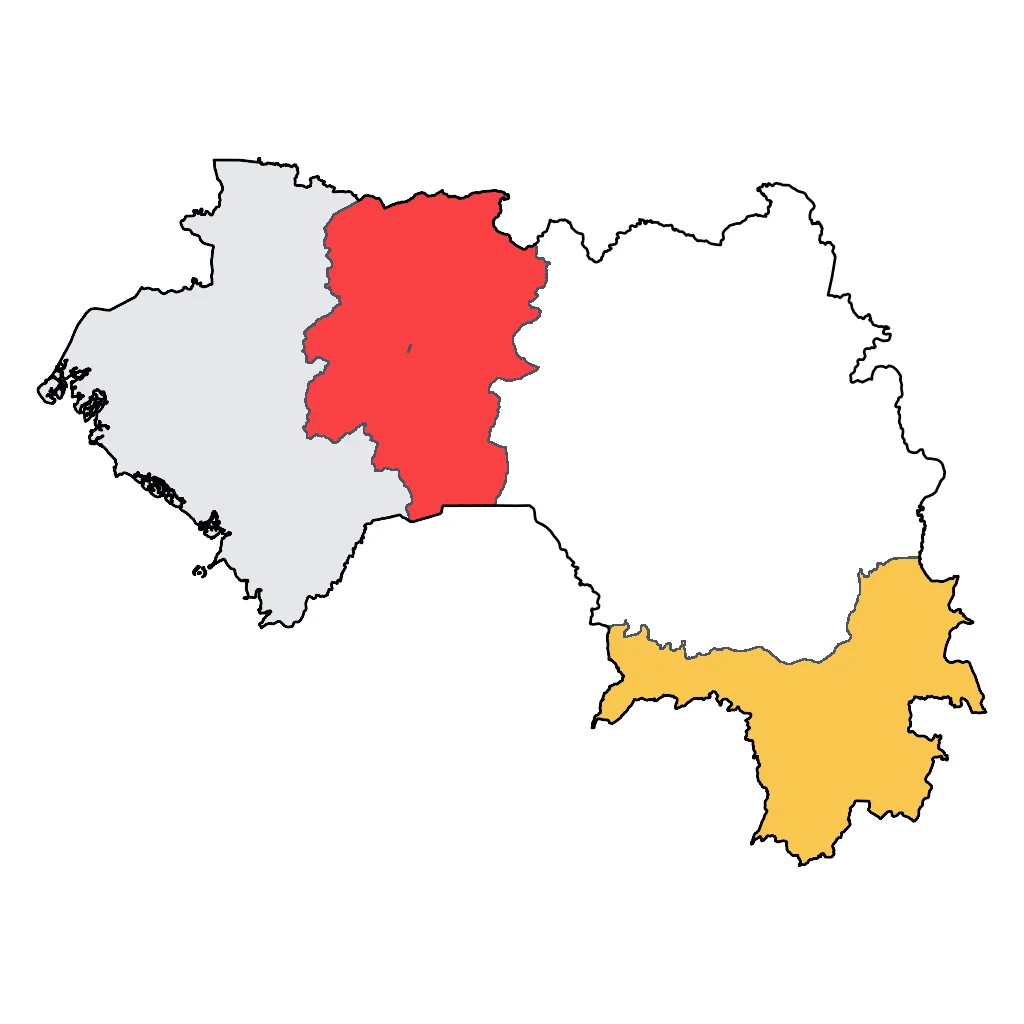
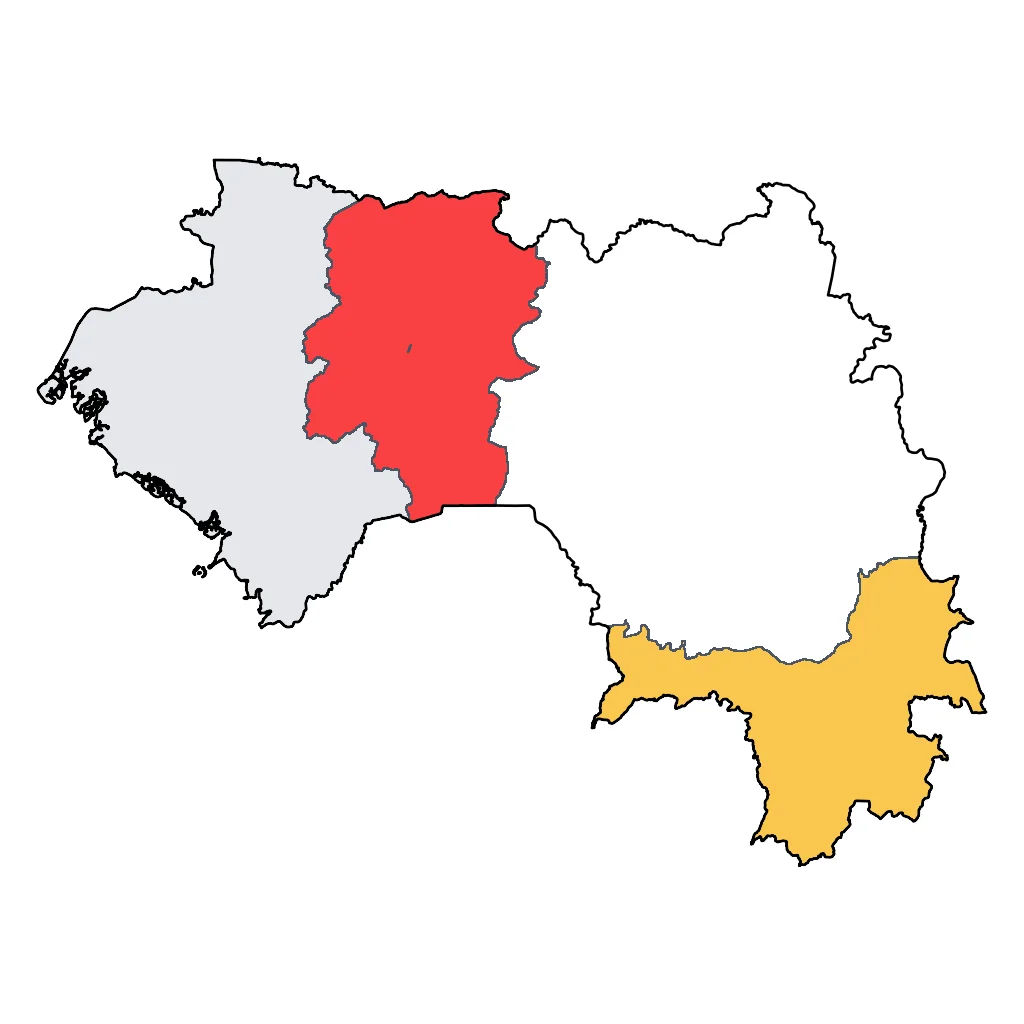

Airports & Flight Routes
Toggle options to view domestic routes and international airports. Click an airport for details.

Climate & Weather
Conakry & Coast
Show Details
| Month | Temp °C | Rain | Humidity |
|---|
Forest Region
Show Details
| Month | Temp °C | Rain | Humidity |
|---|
Fouta Djallon Highlands
Show Details
| Month | Temp °C | Rain | Humidity |
|---|

Travel Advisory
All major agencies recommend increased vigilance due to ongoing political instability, potential for civil unrest, and crime.
Safety Topics
Traveller Advice (3 groups)

Same-sex sexual activity is illegal and socially unacceptable. LGBTQ+ individuals may face harassment or prosecution.

Female travellers should dress conservatively to respect local customs and avoid travelling alone, especially after dark, to mitigate harassment risks.

Personnel working in border regions, especially near Mali, should maintain high security protocols due to the increased risk of kidnapping and rebel activity.