

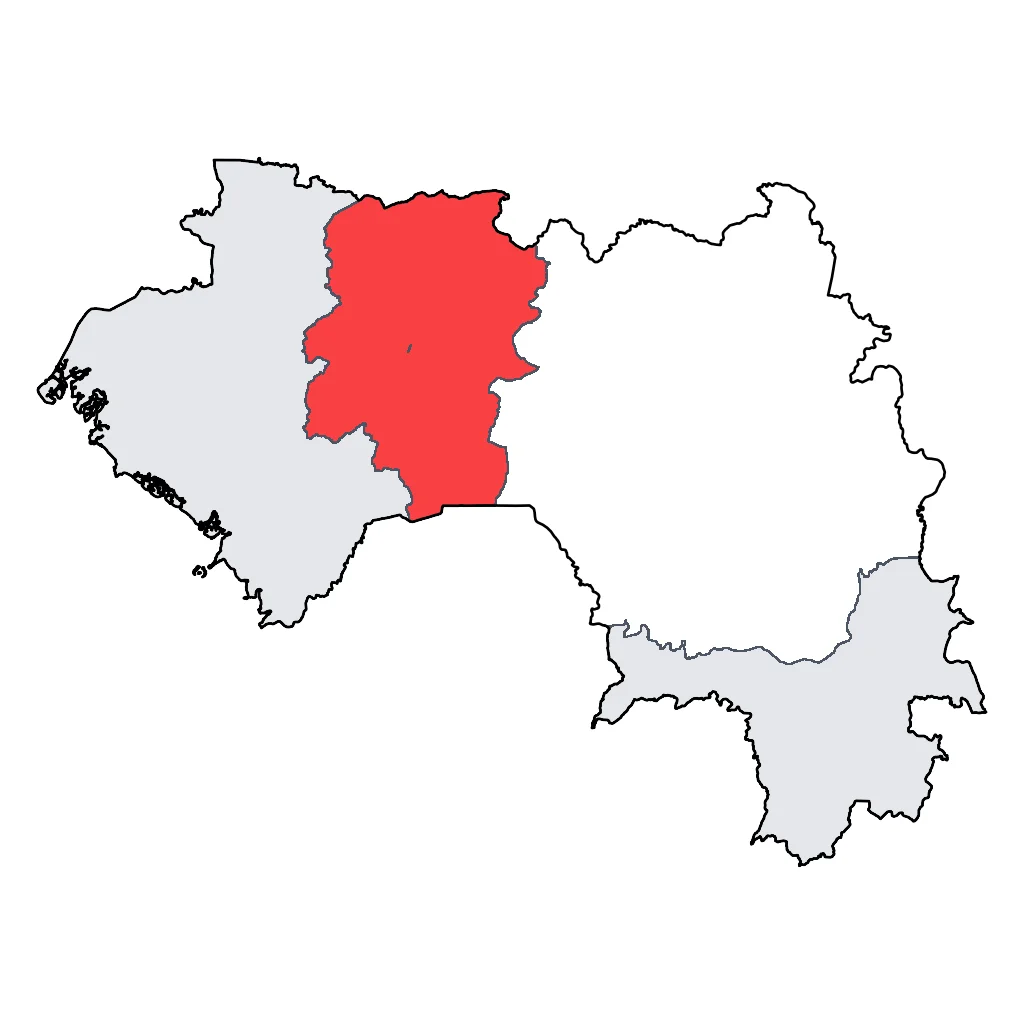
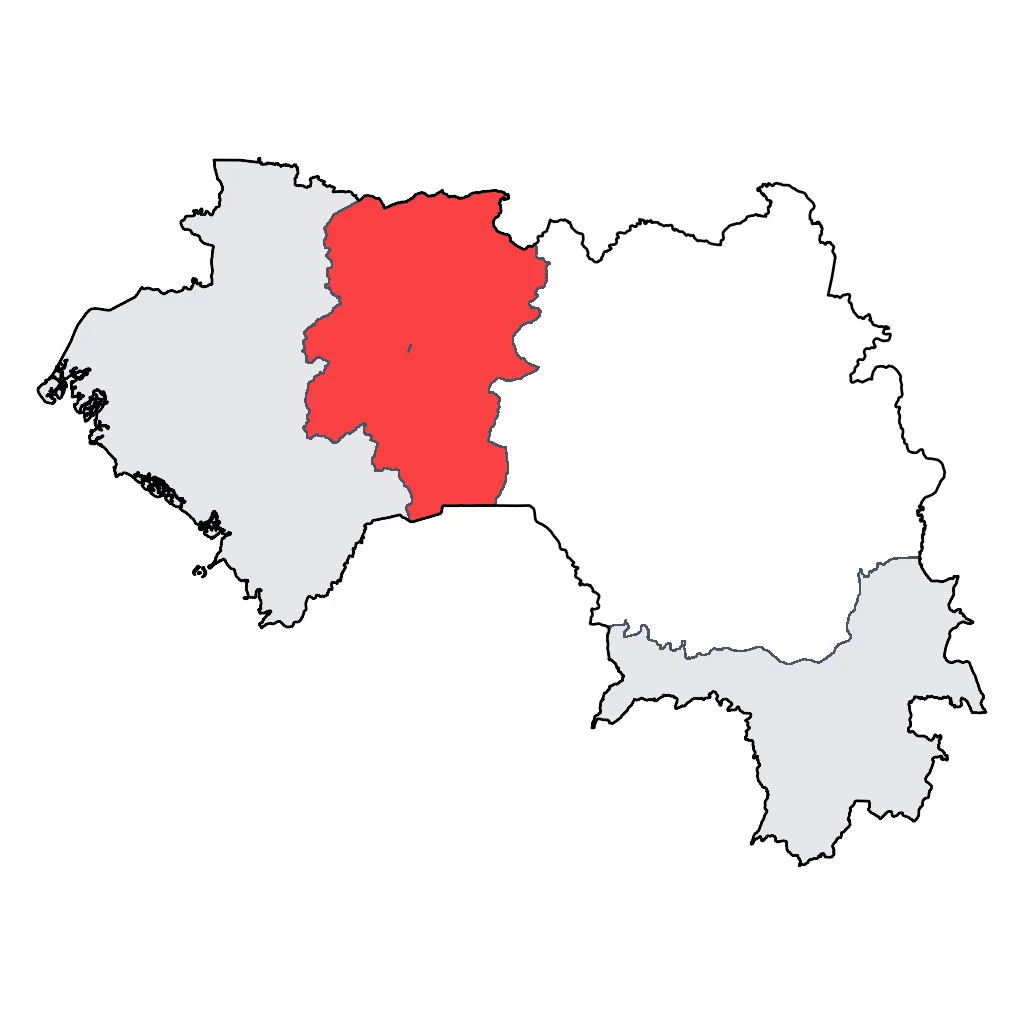
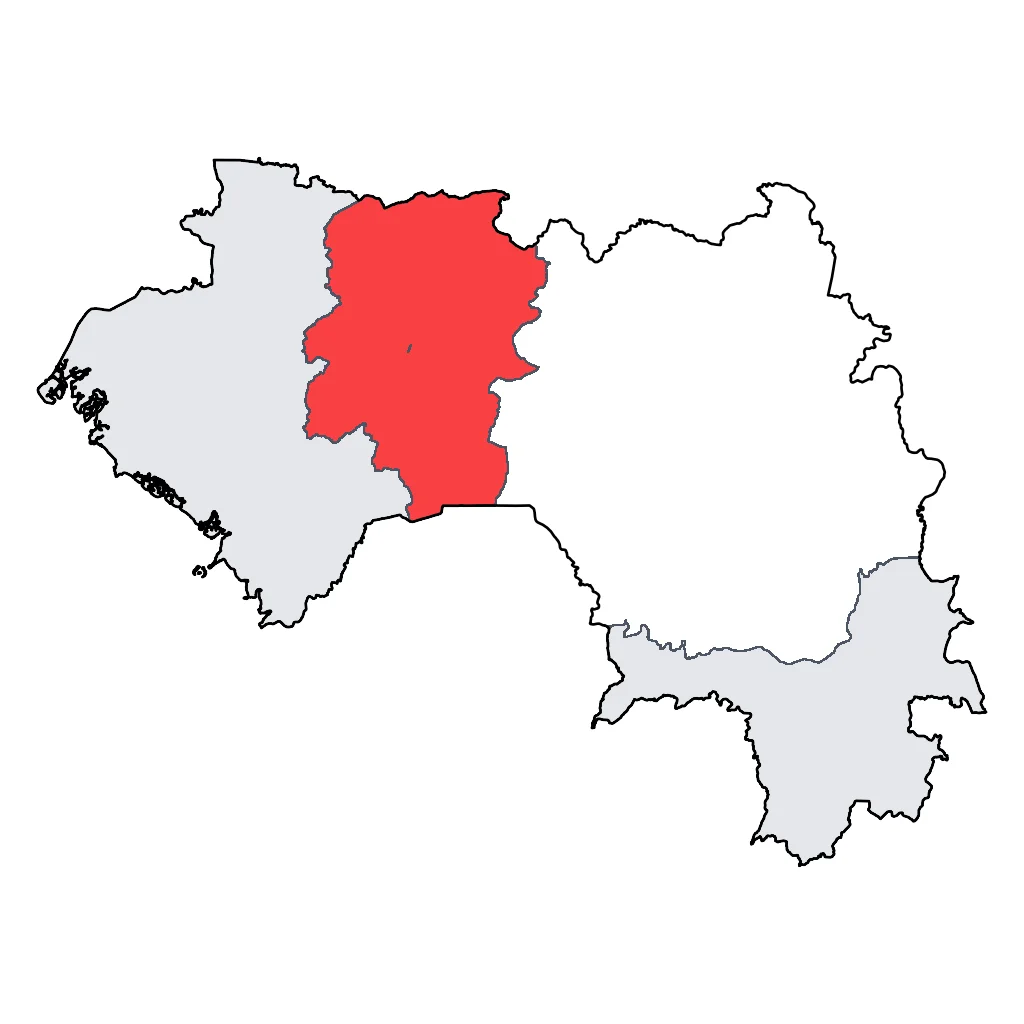
The Fouta Djallon Highlands offer a refreshing escape from the coastal heat, with a temperate climate that makes outdoor activities much more comfortable for children. The landscape is defined by rolling green plateaus, sandstone canyons, and countless waterfalls. Dalaba, a former colonial hill station, is a favorite base for families. Here, you can visit the Case à Palabres (palaver hut) to learn about local Fula architecture and buy fresh strawberries and honey from local vendors.
Adventure-loving families can explore the region's famous waterfalls. The Kinkon Falls near Pita and the Kambadaga Falls offer dramatic views, though parents should be attentive near cliff edges as safety rails are rare. For a unique geological sight, a trip to Mali-ville (in the north of the region) reveals the Dame de Mali, a natural rock formation that looks strikingly like a woman's profile carved into the mountain. The hiking here ranges from gentle walks to challenging treks, allowing you to choose routes that match your children's stamina.
Culturally, the region is the heartland of the Peul (Fula) people. Travelers can see traditional round huts with thatched roofs dotting the hillsides and herds of cattle grazing in the valleys. The town of Labé is the largest in the region and a good place to buy indigo cloth, a specialty of the area. While the roads winding through the mountains are scenic, they can be slow and winding; families should plan for leisurely travel times and bring medication for car sickness if children are prone to it.
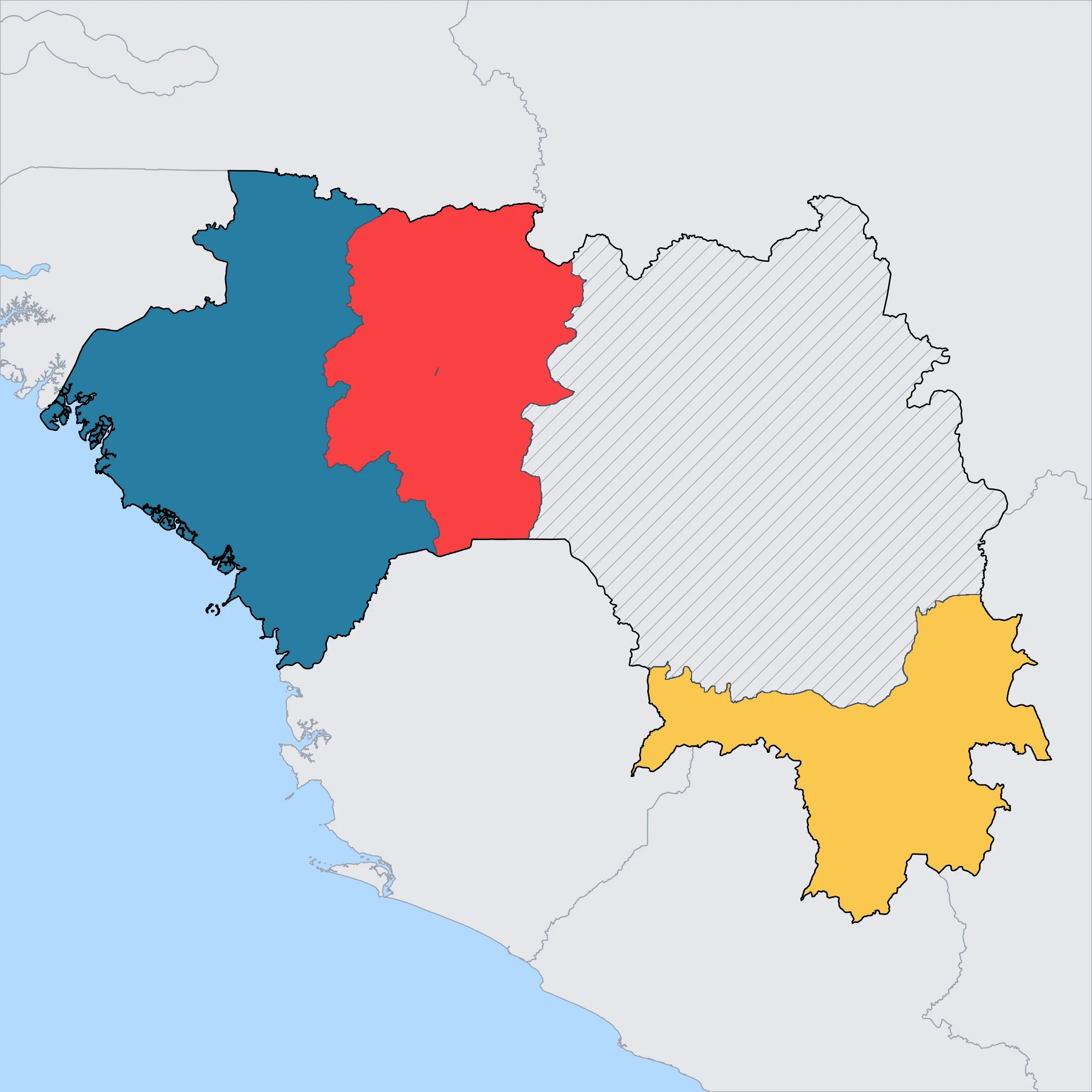
Click a region to explore

Activities & Best Times

Hiking, wildlife, outdoor exploration, ecotourism
The Fouta Djallon is West Africa's premier trekking destination with genuine scenic beauty, but 'excellent' by international calibration implies competition with Patagonia, Nepal, or New Zealand. Trail infrastructure is limited and accessibility is challenging. 'very_good' appropriately reflects its regional significance.
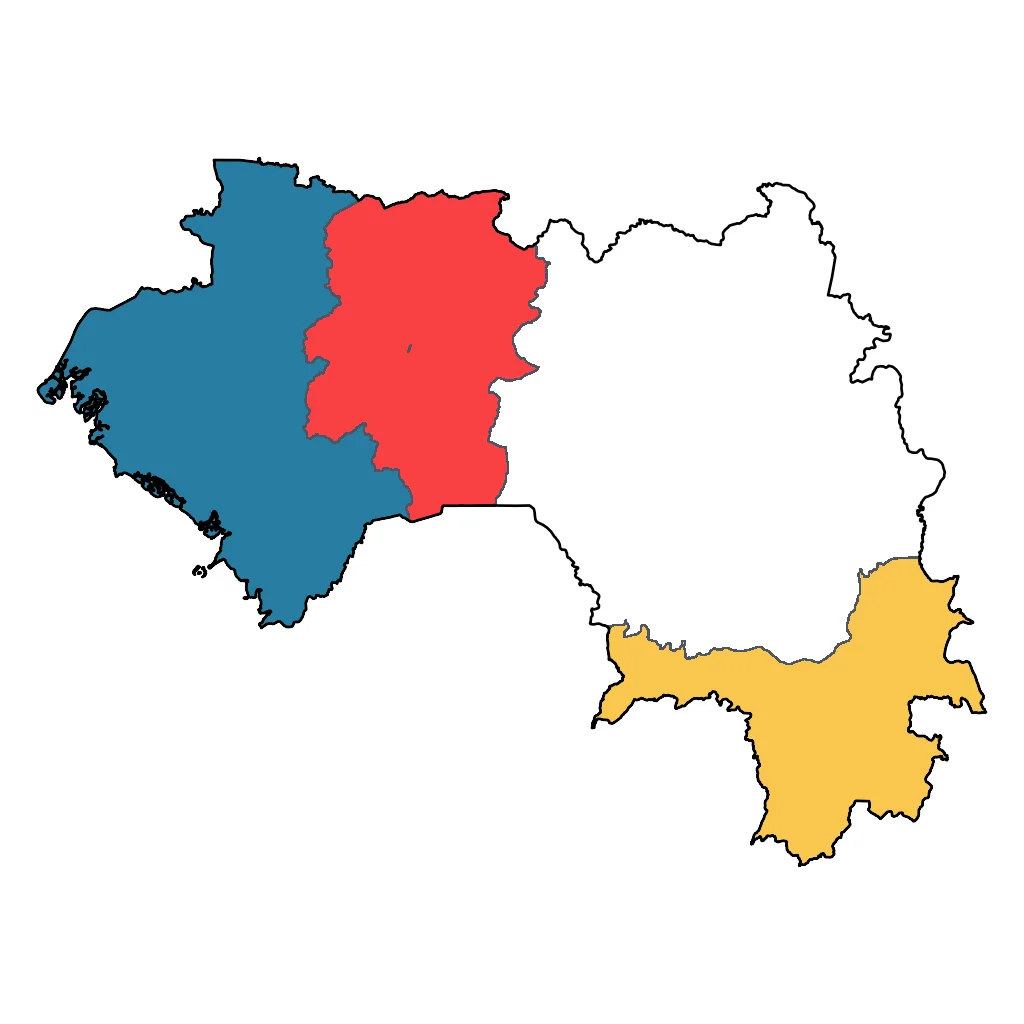

Urban tourism, museums, historical sites, architecture
Offers a sophisticated cultural experience centered on the Fulani Caliphate's history and the colonial architecture of Dalaba and Labé. The climate is most pleasant for urban exploration in the cool dry season, while the extreme summer humidity and heavy rain detract from the cultural experience.
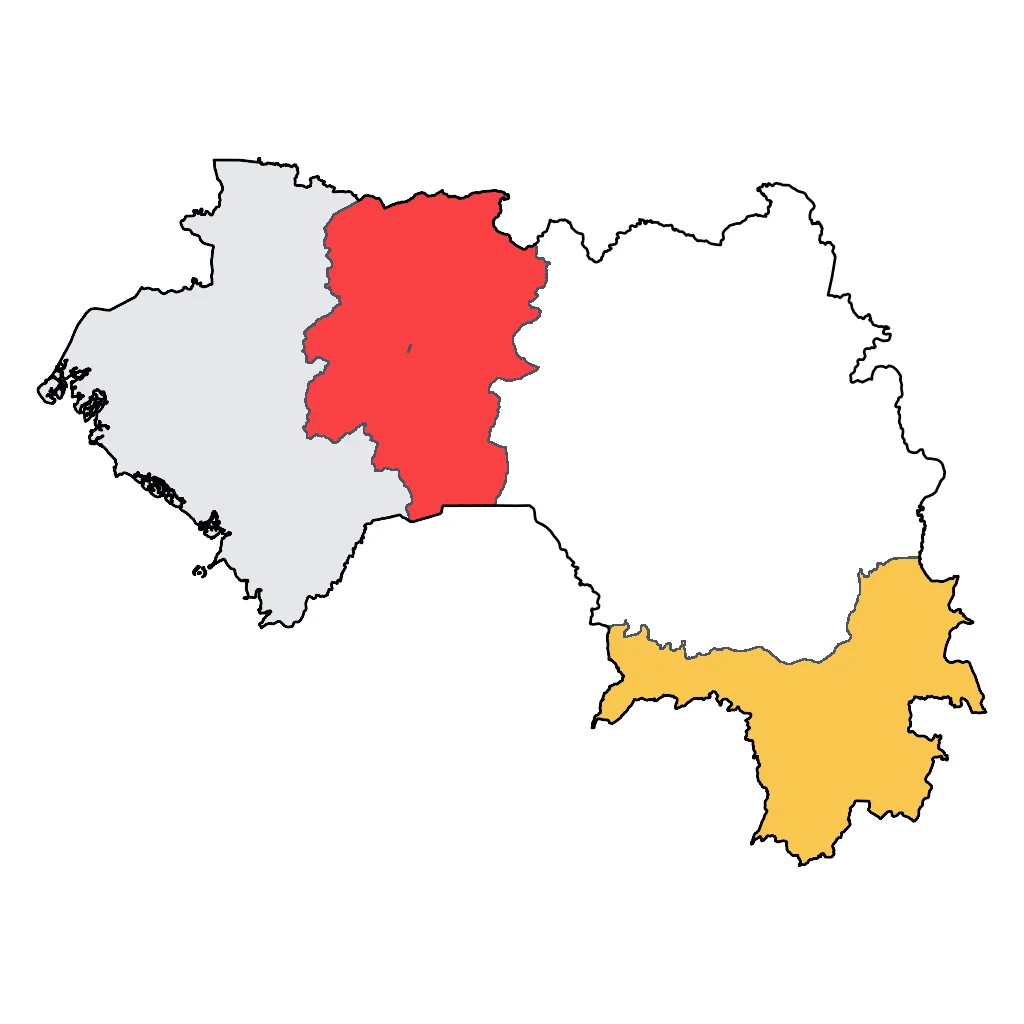

Learning experiences, scientific sites, historical education
A fascinating destination for families to learn about ethnobotany, the hydrology of West Africa's major rivers, and Fulani pastoralist culture. Field exploration is best during the dry season; extreme weather from April to September significantly restricts access to remote educational sites.
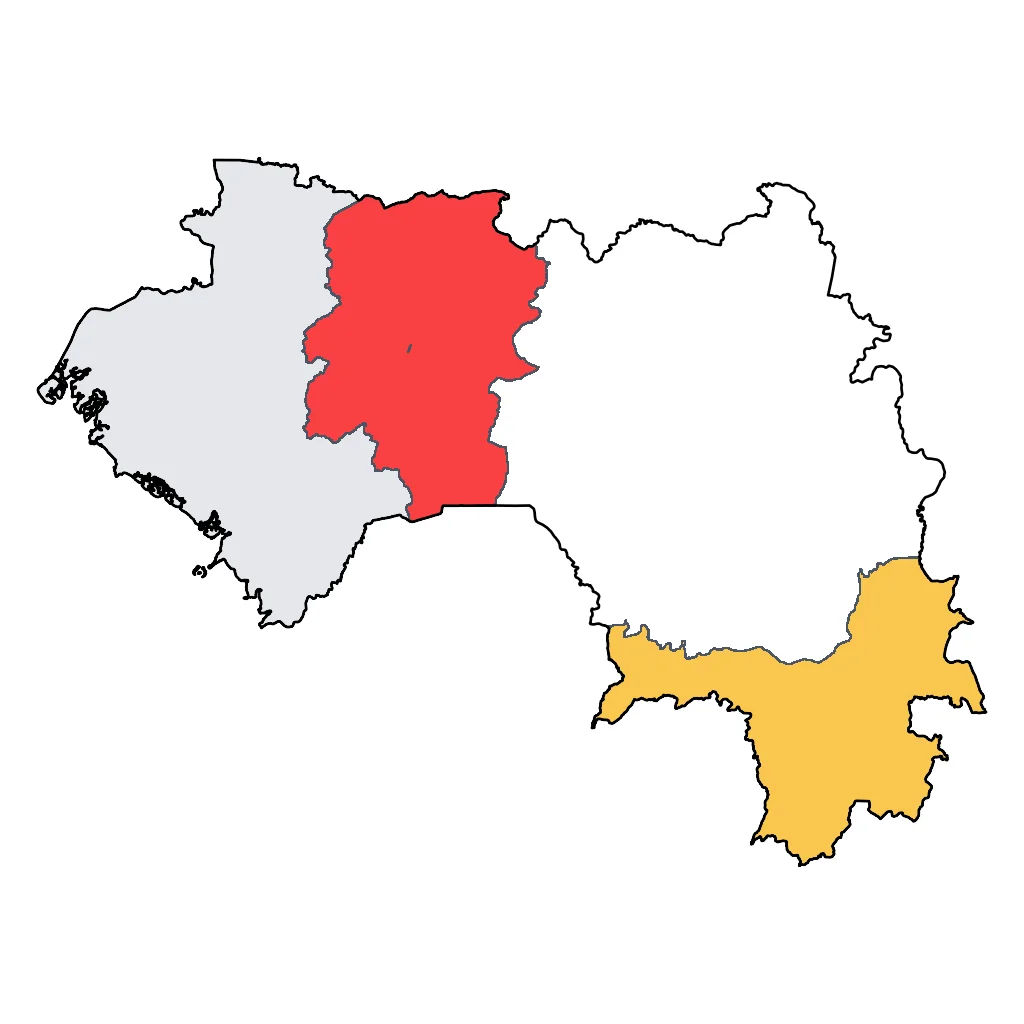

Scenic drives, countryside tours, route-based travel
While highland scenery is spectacular, Guinea's road conditions are generally poor with limited fuel availability, no signage, and safety concerns. A 'very_good' road trip rating implies reliable, enjoyable driving conditions which do not exist here. 'good' reflects the scenic potential tempered by practical driving realities.

Sport tourism, fitness activities, active recreation
There are no established climbing routes, no gear rental facilities, and no guides meeting international safety standards. Trekking is possible but basic. 'very_good' overstates the active sports offering; 'good' reflects available but unstructured opportunities.

Events, celebrations, seasonal attractions
Authentic Fulani cultural celebrations and traditional harvest events occur in the post-rain dry season. While deeply authentic for discerning travelers, these events lack the global organization and accessibility of major international festivals.

Spa retreats, wellness centers, peaceful getaways
The 'Switzerland of Africa' comparison is aspirational marketing, not reality. Hill station infrastructure is minimal with no spa or wellness facilities. The natural setting is peaceful but there are no wellness-oriented services. 'marginal' is appropriate.

Attractions (23 total)
Castle / Palace / Historic Site
Grande Mosquée de Timbo
Timbo
The historical and spiritual center of the 18th-century Fouta Jallon Imamate, serving as a major landmark of West African Islamic history.
Villa Jeanine
Dalaba
A historic colonial-era stone villa that once hosted Miriam Makeba, offering a unique look at the mid-20th-century political history of the region.
Historic Town / Village / Cultural Area
Great Mosque of Timbo
Timbo
The spiritual and historic capital of the Fouta Djallon Imamate, this mosque represents the region's deep Islamic heritage and political history.
Musée du Fouta Djallon
Labé
A cultural museum dedicated to preserving the history, traditional clothing, and manuscripts of the Pular people of the highlands.
Villa Sékou Touré
Dalaba
The former colonial-era residence used by Guinea's first president, offering a glimpse into the political history and colonial architecture of the region.
Case à Palabres
Dalaba
A historic circular meeting house with an intricately decorated thatched roof, serving as a symbol of Fula traditional governance and artistry.
Hiking & Cycling Routes
Indiana Jones Trail
Doucki
5km challenging 4-hour trek featuring narrow sandstone canyons, climbing up natural vine ladders, and squeezing through boulders to reach hidden pools. Part of the famous Doucki trekking circuits. Equipment rental: Not available; sturdy hiking boots required.
Visit website →Mount Loura Summit Hike
Mali-ville
8km moderate 3-hour hike to the highest peak in the Fouta Djallon (1,515m). The trail leads to the iconic 'Dame de Mali' rock formation and offers panoramic views of the Senegal and Gambia borders. No formal equipment rental in town.
Visit website →Hyena's Rock (Rocher de la Hyène) Trail
Ainguel
15km challenging 6-hour hike from the village of Ainguel. The route climbs steep granite escarpments to a distinctive rock formation shaped like a hyena, overlooking the Kokoulo River valley. Elevation gain 600m.
Visit website →Chutes de Ditinn Trek
Dalaba
35km round-trip moderate full-day trek or multi-day excursion from Dalaba to Guinea's highest waterfall. Includes 120m vertical drops and paths through traditional Peulh villages and bamboo forests. Elevation gain approx 450m.
Visit website →Kambadaga Falls Trail
Pita
12km moderate 5-hour hike exploring a series of massive waterfalls on the Kakrima River. Features unique natural stone bridges and river crossings. Local guides at the Pita junction are highly recommended for navigation.
Visit website →Landmark / Monument / Iconic Urban Attraction
Kambadaga Falls
Pita
One of the region's most famous natural landmarks, renowned for its wide cascades and traditional vine bridges.
Mount Loura (Dame du Mali)
Mali-ville
A remarkable natural rock formation on the side of a cliff that naturally resembles the profile of a woman's face.
Grand Mosque of Labé
Labé
The largest and most significant religious landmark in the Fouta Djallon region, featuring distinctive regional architecture.
Kinkon Falls
Pita
A powerful and iconic waterfall that drops into a dramatic gorge, serving as both a scenic landmark and a hydroelectric site.
Saala Falls
Labé
A majestic natural monument and one of Guinea's highest waterfalls, accessible via a scenic trek through the forest.
National Park / Nature Reserve
Mount Loura and the Lady of Mali
Mali-ville
The highest peak in the Fouta Djallon, famous for a rock formation that naturally resembles the profile of a woman's face.
Chutes de la Saala
Labé
One of the most impressive and highest waterfalls in Guinea, featuring multiple tiers and a serene forest setting ideal for hiking.
Ditinn Falls
Dalaba
An 80-meter high single-drop waterfall surrounded by vertical cliffs, accessible via a picturesque trail through local villages.
Road Trips & Scenic Drives
RN2 Highlands Scenic Route (Mamou to Labé)
Mamou
135km paved mountain highway (3-5 hours) serving as the main artery through the Fouta Djallon. Features winding climbs through the pine-covered hills of Dalaba and high-altitude plateau vistas near Pita. Key stops include the historic colonial architecture of Dalaba and the Kinkon Falls detour.
Visit website →The Plateau Waterfalls Route (Dalaba to Pita)
Dalaba
50km scenic stretch (1-2 hours) on the paved RN2 highway. This specific segment is the heart of the 'water tower' region, providing access to West Africa's most spectacular falls. Key highlights include detours to the 80-meter Ditinn Falls and the tiered Kambadaga Falls.
Visit website →Mount Loura Scenic Escarpment (Labé to Mali-ville)
Labé
120km route (4-6 hours) on a mix of paved and well-maintained gravel roads. The drive ascends to the Massif de Tamgue, the highest point of the highlands, offering panoramic views across the Senegal and Mali borders. Highlights include the iconic 'Dame du Mali' rock formation.
Visit website →Botanical Garden / Formal Gardens
Jardin Botanique Auguste Chevalier
Dalaba
This historic 1908 garden offers families a peaceful walk through a variety of exotic tree species and alpine-like flora unique to the Guinean highlands.