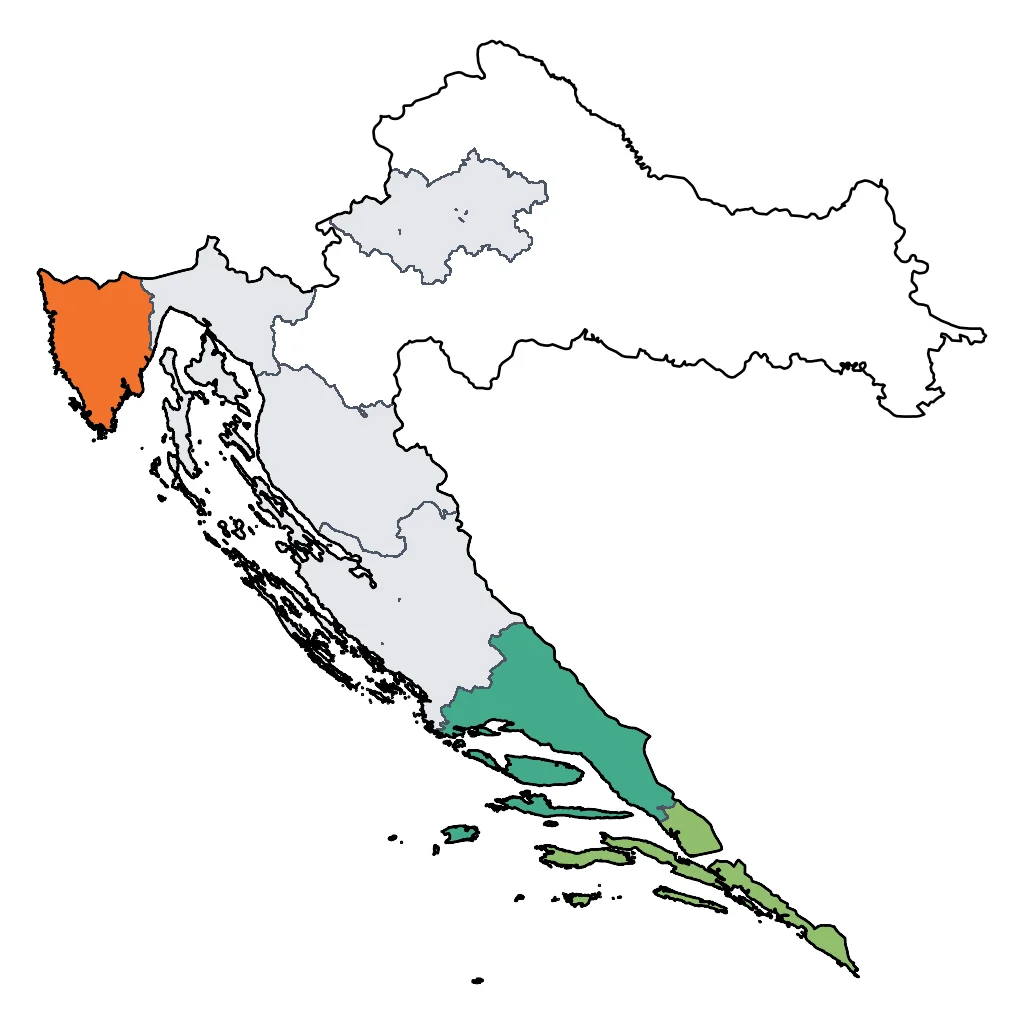

Northern Dalmatian Coast
Sea organs, waterfalls, and shallow sandy lagoons 🎶🌊
Northern Dalmatia is a region of natural phenomena and innovative urban spaces that captivate children's imaginations. Centered around the ancient city of Zadar, this area is less mountainous near the coast than the south, resulting in more accessible terrain and some of the country's best sandy lagoons. The region is also the gateway to three major national parks, making it an excellent base for active families.
In Zadar, the waterfront is a large pedestrian zone featuring two modern art installations that kids adore. The Sea Organ consists of pipes built into the marble steps that play music powered by the waves, while the Greeting to the Sun is a large solar panel floor that lights up in colorful patterns at night, acting as a giant dance floor. Just north of Zadar lies the town of Nin, home to Queen's Beach. This long stretch of sand features warm, shallow water and medicinal mud that families often cover themselves in for fun photos.
Further south, Šibenik offers a medieval stone center with narrow streets and four fortresses. The Barone Fortress has been updated with augmented reality technology that allows visitors to see historical battles through tablets, bringing history to life for digital-native kids. Šibenik also hosts the long-running International Children’s Festival in early summer, filling the streets with workshops and performances.
Nature trips are a highlight here. Krka National Park is famous for its series of waterfalls. While swimming is no longer allowed at Skradinski Buk to protect the environment, the wooden boardwalks loop over the rushing water and are wide enough for sturdy strollers. A boat trip from Skradin up the river is a relaxing way to enter the park. For a maritime adventure, a day trip to the Kornati Islands reveals a lunar landscape of barren islands; many tours stop for lunch at simple taverns accessible only by boat.
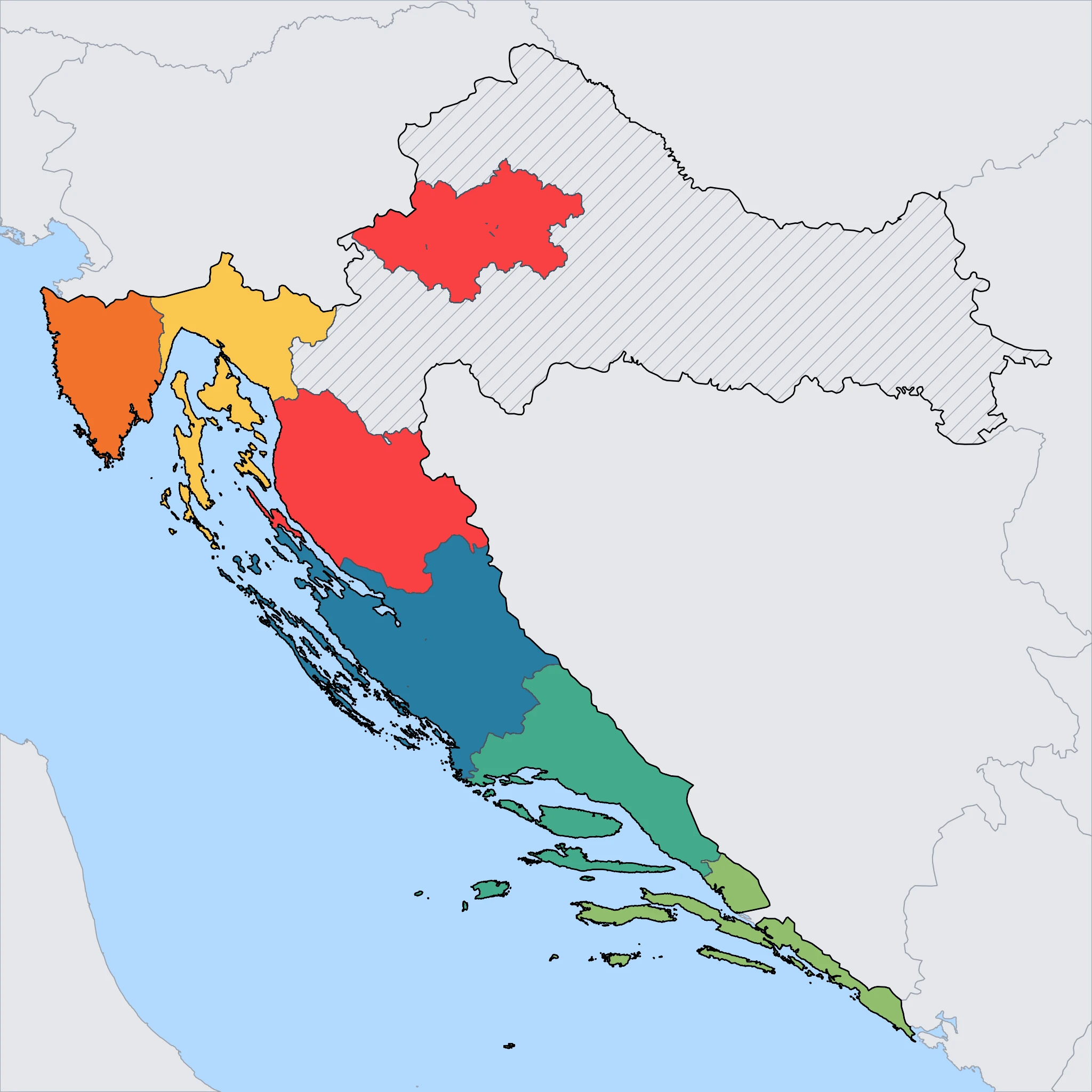
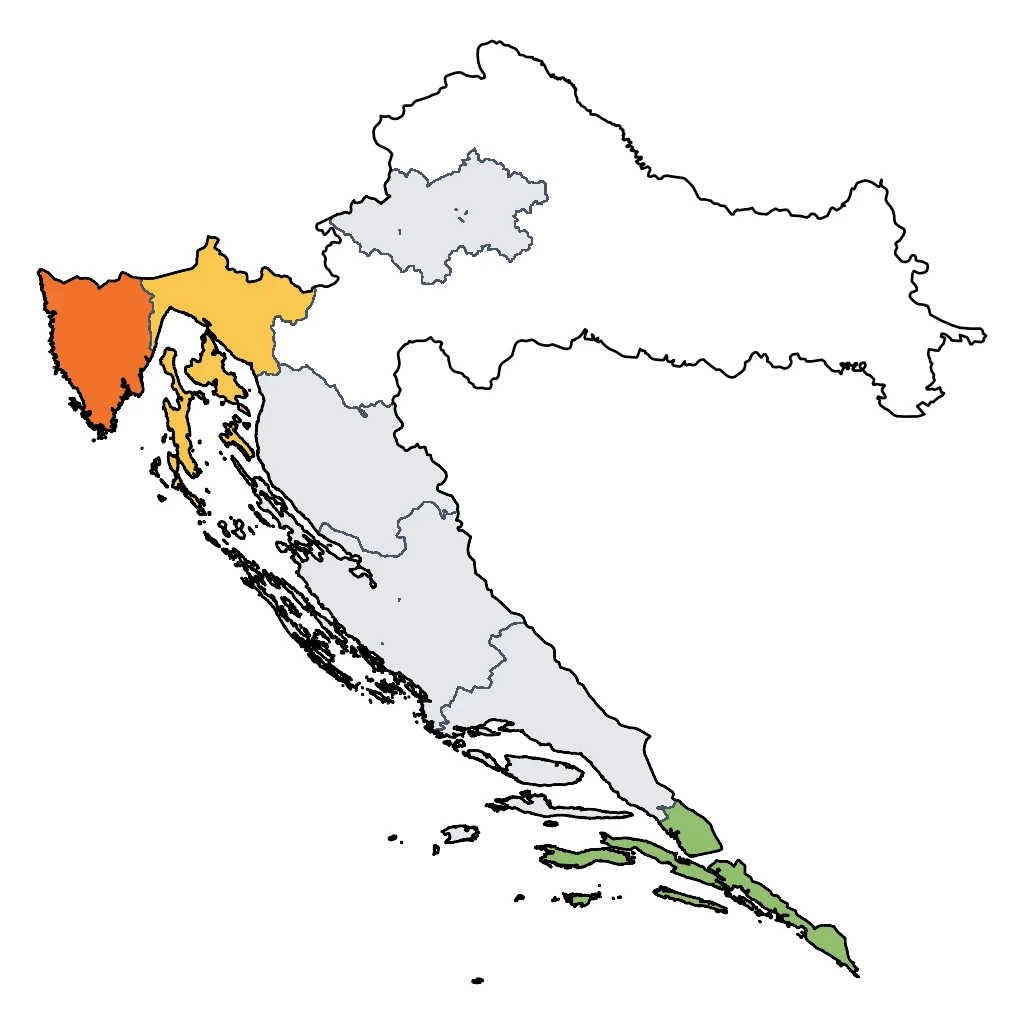
Click a region to explore

Activities & Best Times

Hiking, wildlife, outdoor exploration, ecotourism
Only 1 editorial attraction supports this classification (Cathedral of St James, which is a historic site, not a nature attraction). Kornati and Krka are referenced in notes but lack editorial attraction evidence. Against global adventure/nature benchmarks (Patagonia, New Zealand, Norwegian fjords) and even the better-evidenced Plitvice region within Croatia, 'excellent' is not justified. 'very_good' accurately reflects a strong but not globally top-tier nature destination with thin editorial evidence.
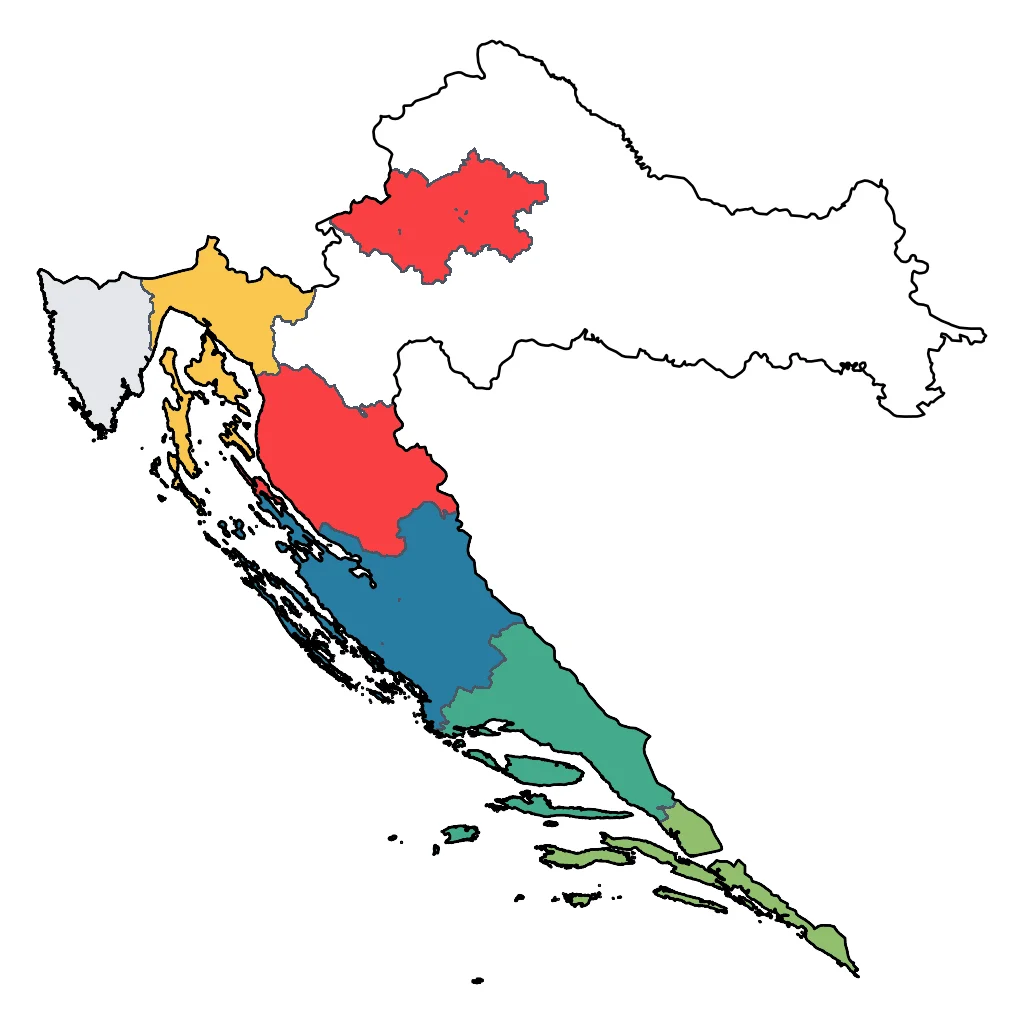

Beach resorts, marine activities: diving, snorkelling, kite surfing, wind surfing, sailing
Offers world-class sailing and exceptionally clear Adriatic waters with an authentic island-hopping culture. Peak season (Jul-Aug) aligns with optimal water temperatures and low rainfall; winter months are unsuitable due to cold temperatures and rougher sea conditions.
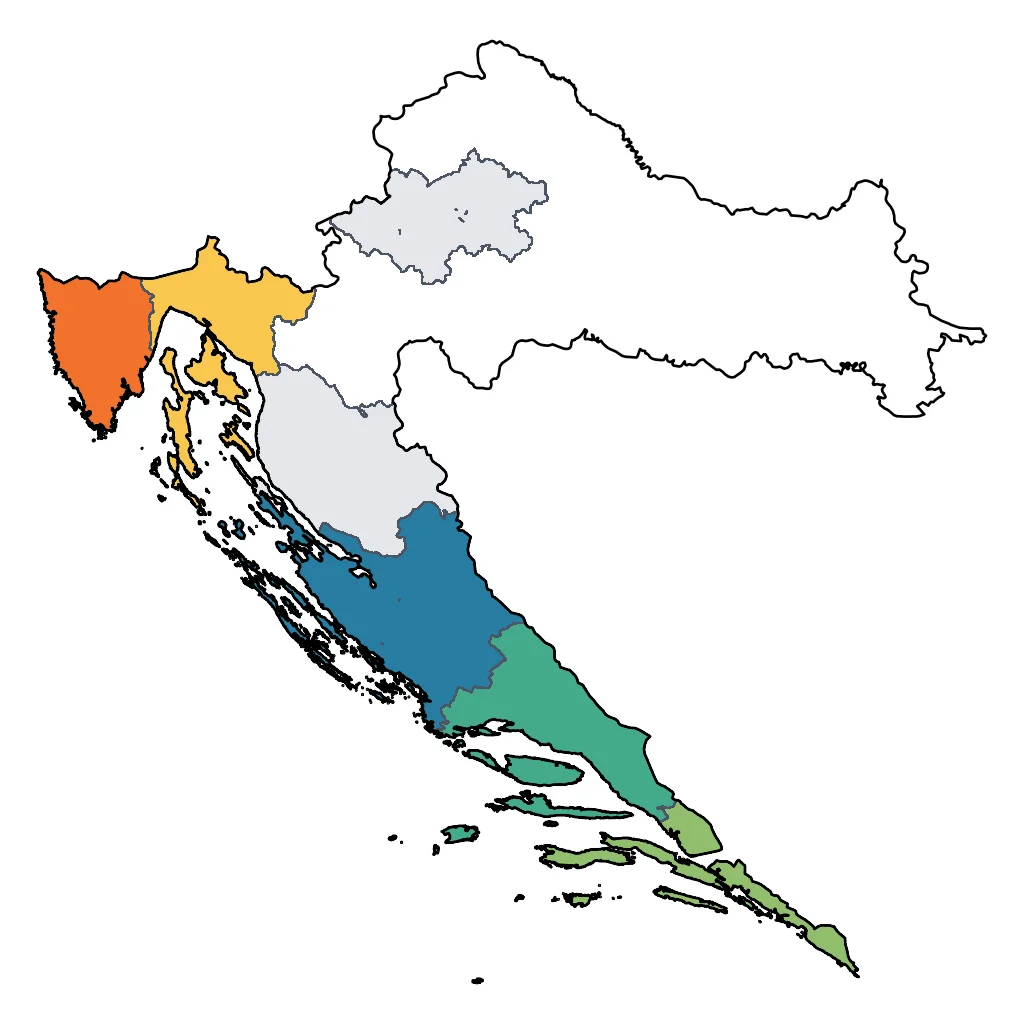

Urban tourism, museums, historical sites, architecture
Zadar provides a sophisticated, authentic alternative to southern crowds with its Roman Forum and unique modern installations like the Sea Organ. Spring and autumn offer the best temperatures for urban exploration; winter months are often too wet and cold for comfortable sightseeing.
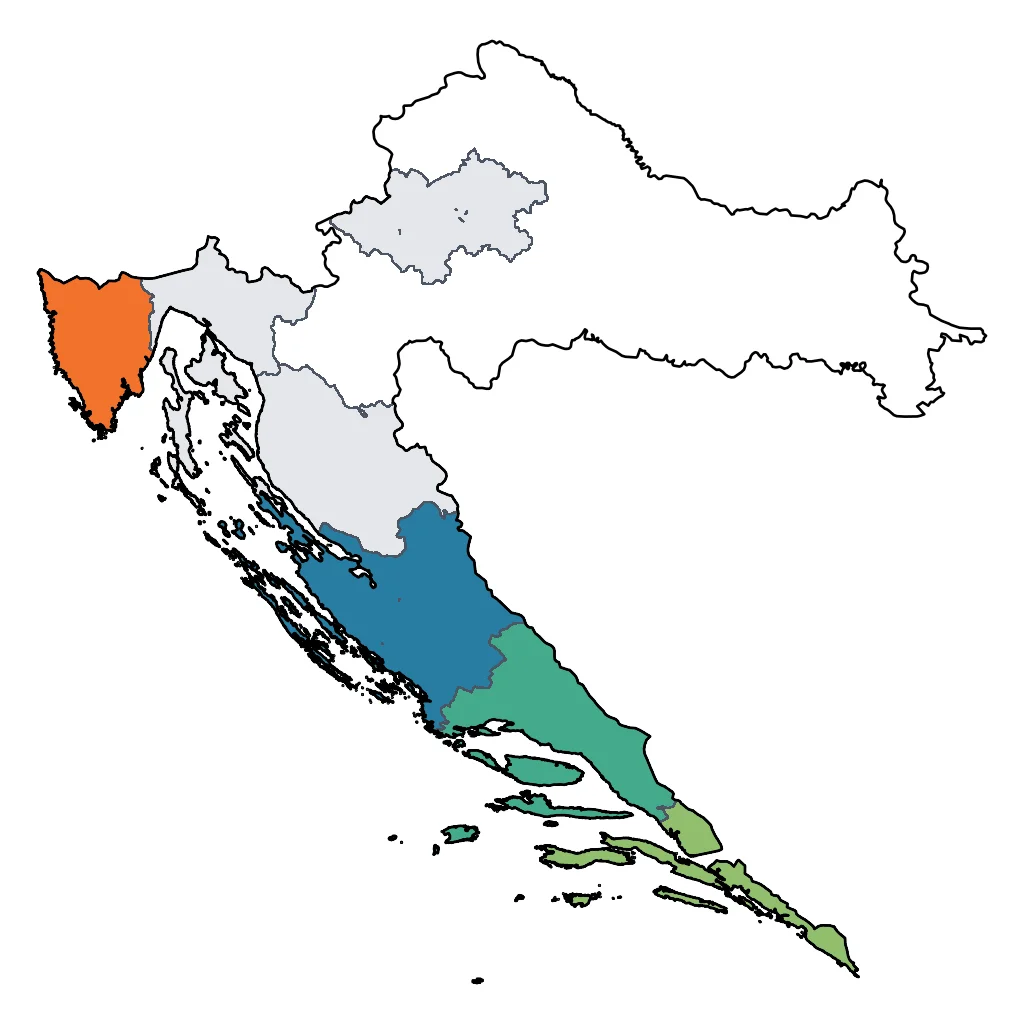

Scenic drives, countryside tours, route-based travel
The coastal highway offers spectacular Mediterranean vistas and access to authentic rural villages and historic towns. Peak months avoid the heavy summer tourist traffic while maintaining clear skies, whereas winter driving is hindered by high precipitation and strong Bura winds.
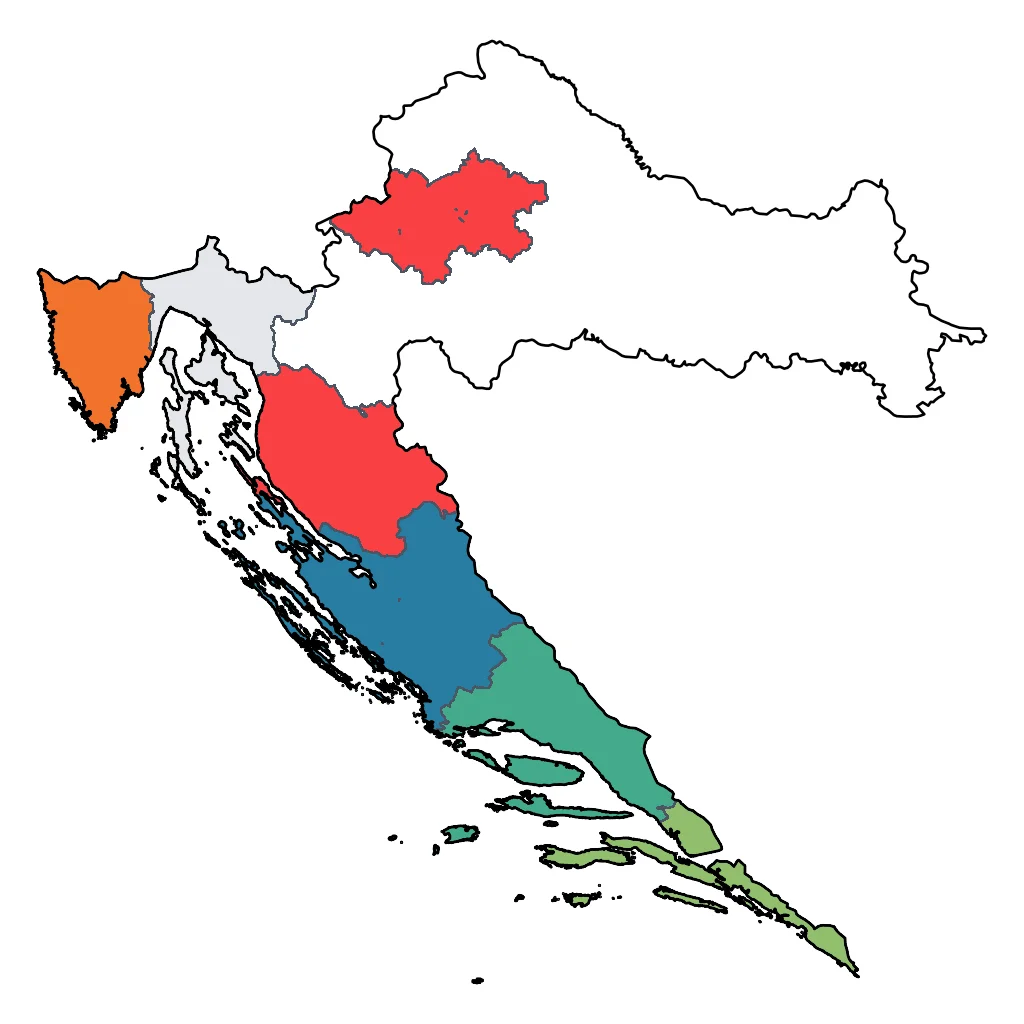

Sport tourism, fitness activities, active recreation
An elite destination for sailing, sea kayaking, and cycling with high-quality infrastructure and diverse terrain. Warm, dry conditions from May to September are ideal for active recreation, while the significant rainfall in late autumn and winter makes outdoor sports impractical.
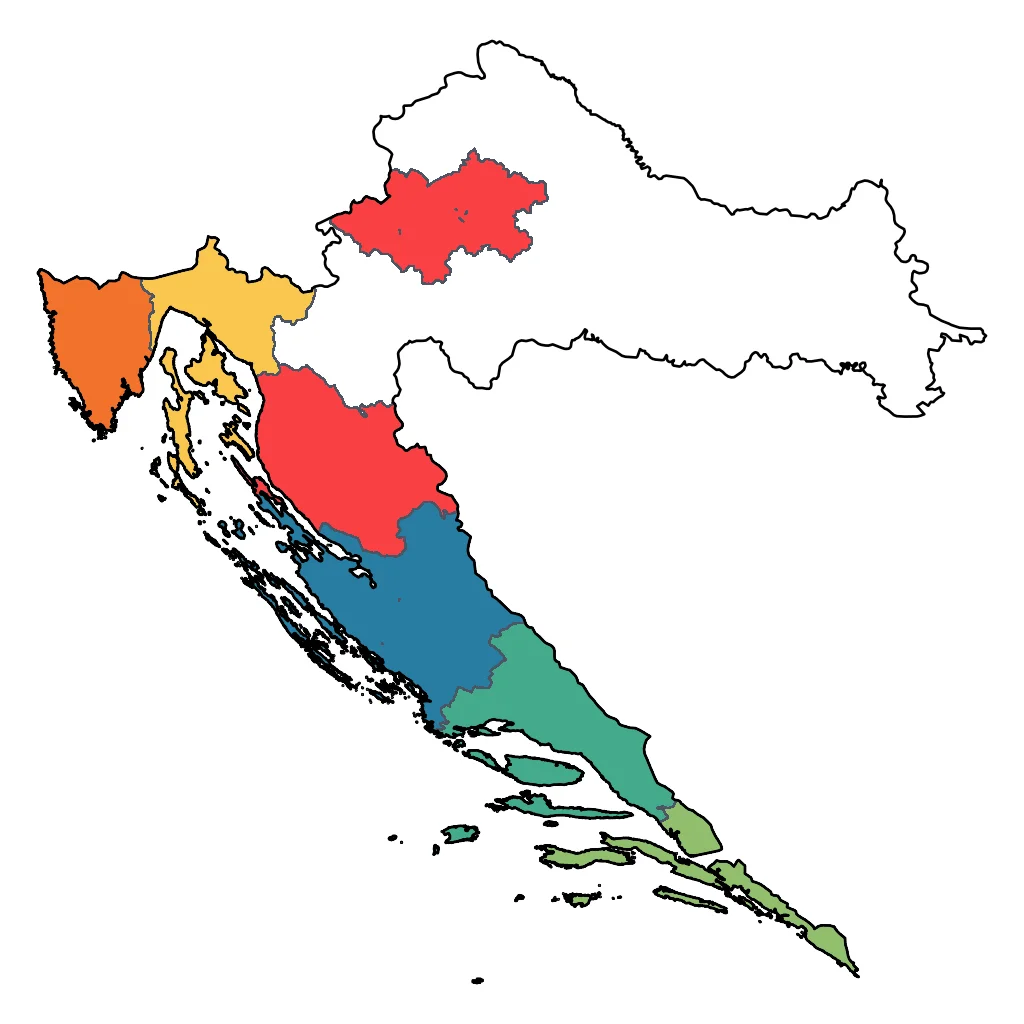

Learning experiences, scientific sites, historical education
Rich archaeological history spanning Roman, Liburnian, and Venetian eras, featuring well-preserved sites like the Nin salt works. Mild shoulder months are best for interactive learning and guided tours, while winter sees reduced facility hours and inclement weather.
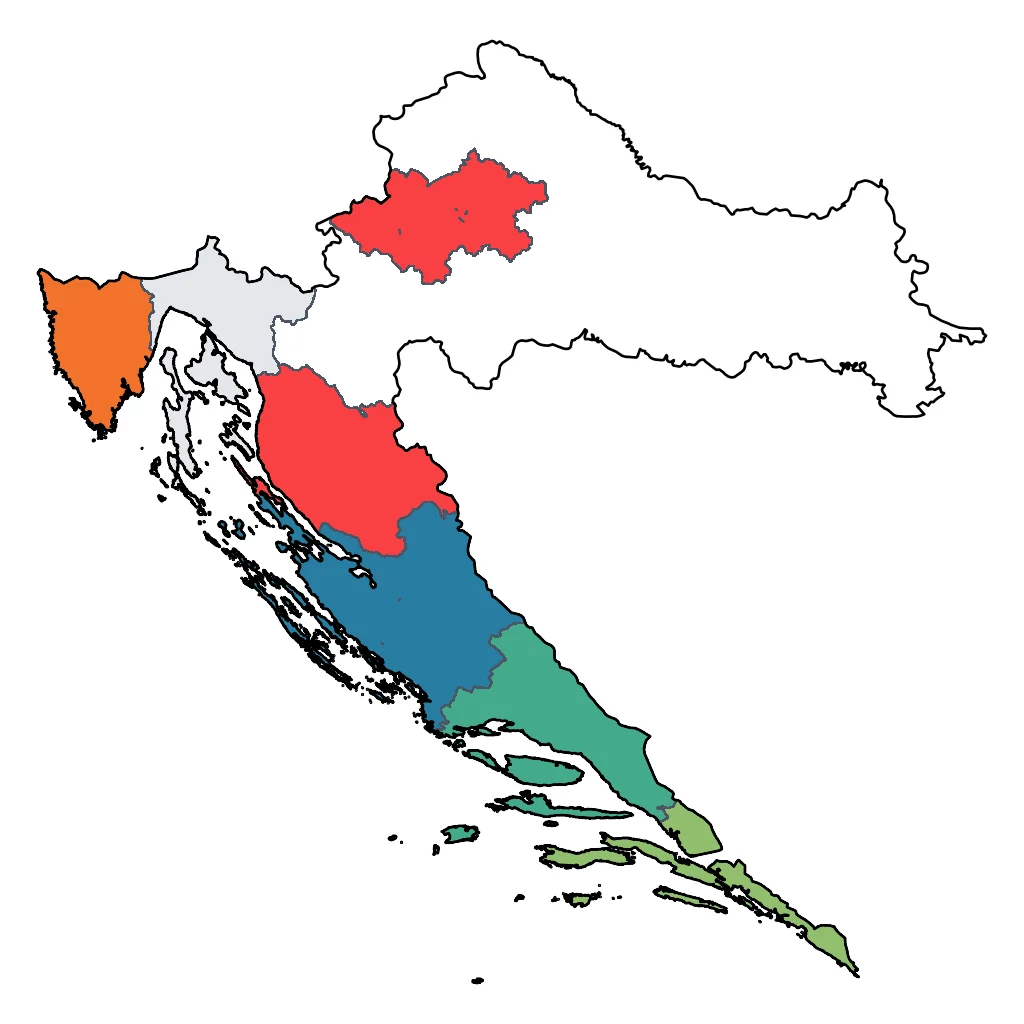

Spa retreats, wellness centers, peaceful getaways
High-end thalassotherapy and spa retreats leverage the region's pure salt air and peaceful island environments. Peak months allow for outdoor meditation and seaside wellness activities; the damp and chilly winter season is less conducive to a premium relaxation experience.

Events, celebrations, seasonal attractions
Authentic regional events like the Night of the Full Moon celebrate local tradition but lack the global scale of major international festivals. Events are concentrated in the warm summer months to accommodate outdoor festivities, with very little significant seasonal activity during the winter.