

Istrian Peninsula
Dinosaur footprints, Roman arenas, and aquaparks 🦕🏟️
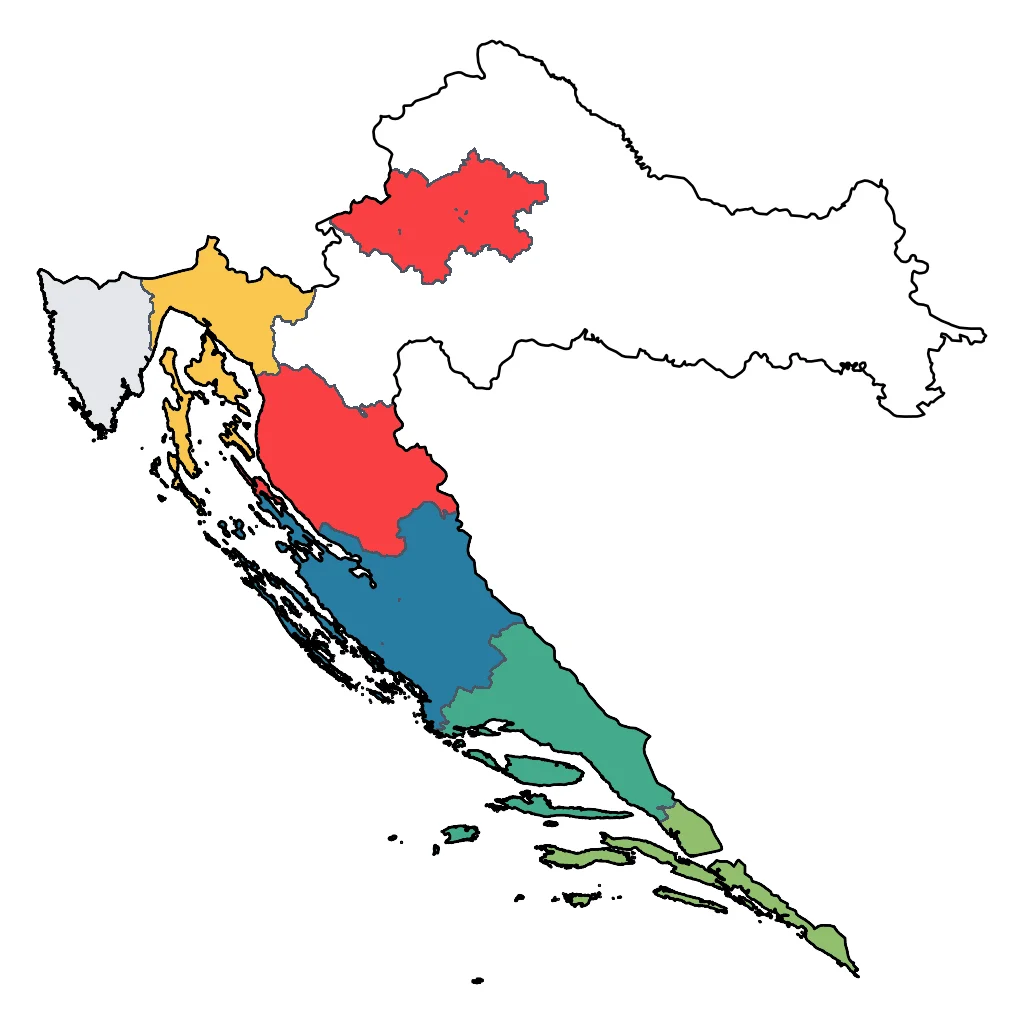
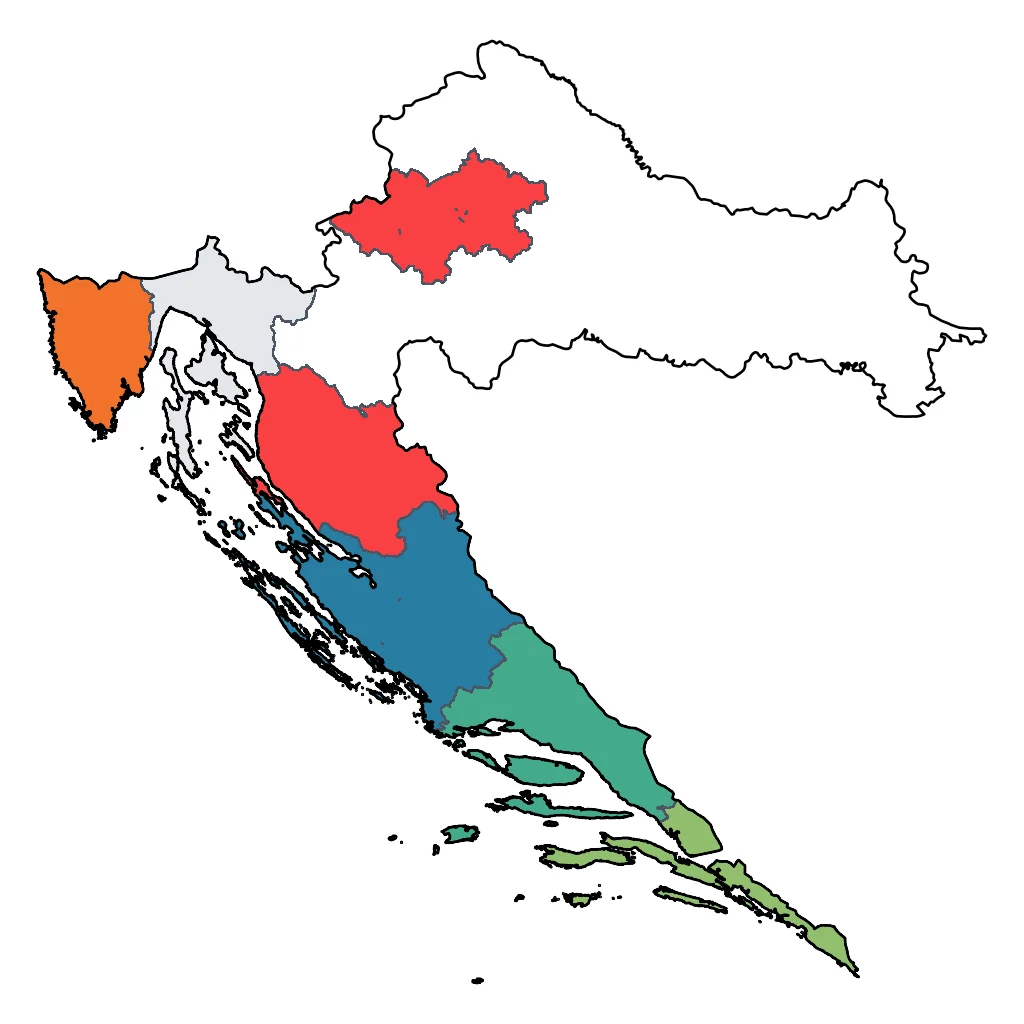
Istria is a heart-shaped peninsula in the northwest of Croatia that functions as a massive playground for families. Its proximity to Italy is reflected in the food—pizza and pasta are high-quality staples here—and the landscape, which blends rolling green hills with a rocky blue coastline. The region is compact and well-connected by roads, allowing families to easily alternate between beach days and cultural excursions without long drives.
The coastal city of Pula is famous for its remarkably preserved Roman amphitheatre. Families can tour the underground chambers where gladiators once prepared for battle or visit the Zerostrasse underground tunnels built during WWI. Nearby, Brijuni National Park is a hit with children; reachable by a short boat ride, the island features a safari park with zebras, elephants, and a tourist train that tours ancient Roman ruins and dinosaur footprints etched into the rock.
On the western coast, Rovinj offers a car-free old town that spirals up to the Church of St. Euphemia. While the cobblestones can be bumpy for strollers, the harbor is lively and accessible. Poreč is home to the UNESCO-listed Euphrasian Basilica with its glittering mosaics, but is also a hub for high-energy fun, located near two of Croatia's largest water parks: Aquacolors and Istralandia. These parks offer slides and pools suitable for all ages, providing a break from the salt water.
Inland Istria provides a calmer atmosphere. The walled town of Motovun sits atop a hill and offers a walk along its medieval ramparts with views of the Mirna Valley. This area is famous for truffles; while the fungus might be an acquired taste for kids, the experience of a demonstration with truffle-hunting dogs often entertains them. For swimming, the protected landscape of Cape Kamenjak offers rugged nature with cliff jumping for teenagers and shallow coves for smaller children, though amenities are more rustic compared to the hotel pools in Umag.
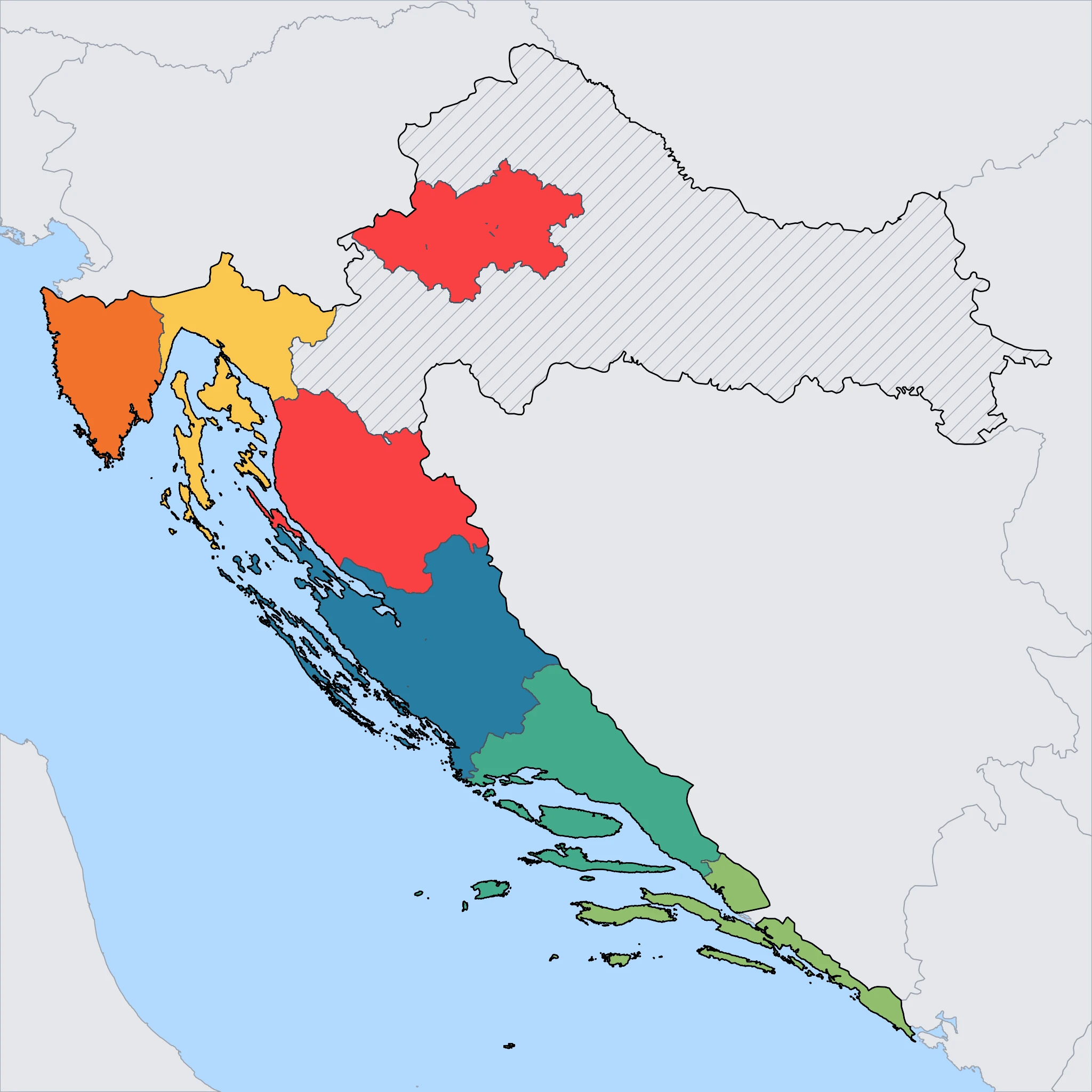
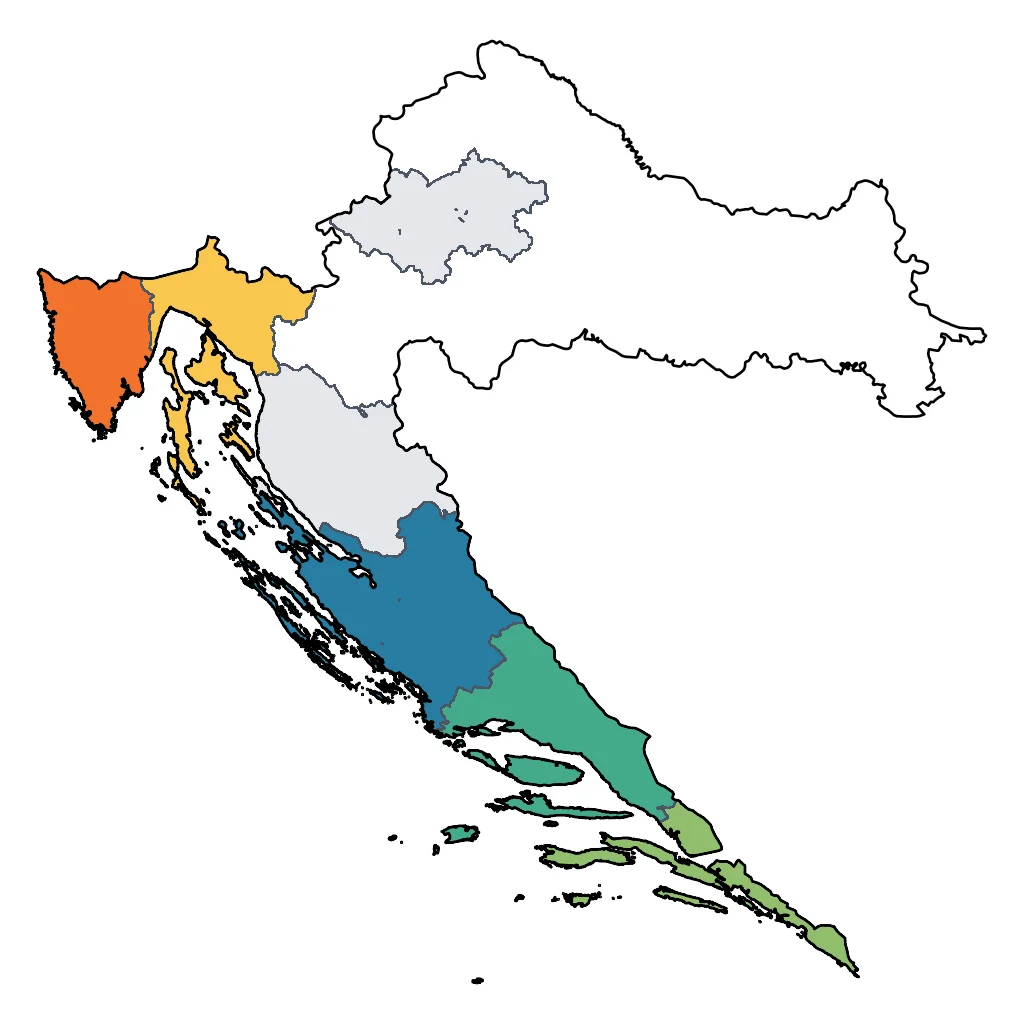
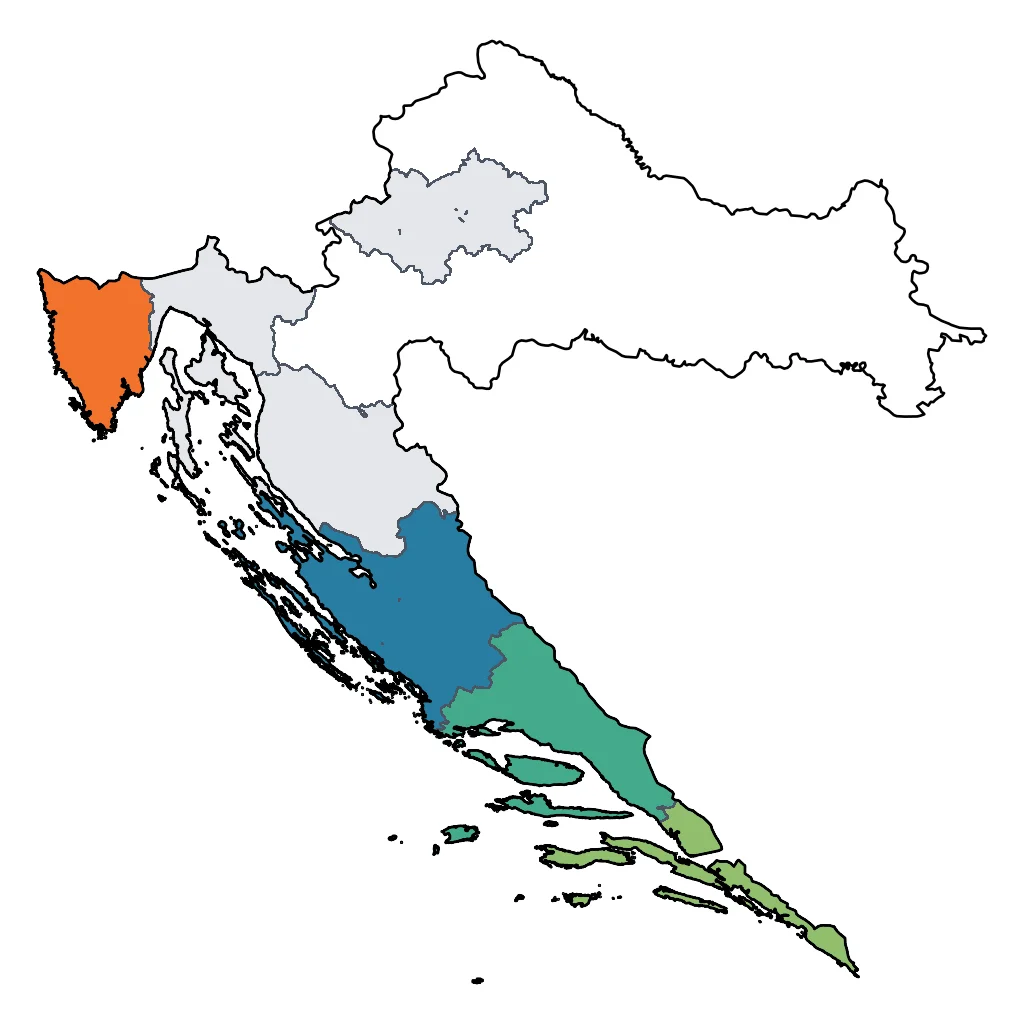
Click a region to explore

Activities & Best Times
Beach resorts, marine activities: diving, snorkelling, kite surfing, wind surfing, sailing
Offers crystal-clear Adriatic waters, Venetian-style coastal towns, and high-end beach clubs in Rovinj. Peak summer (Jul-Aug) provides the warmest water and lowest rainfall, while shoulder months are pleasant but with slightly cooler sea temperatures.

Urban tourism, museums, historical sites, architecture
Home to the world-class Pula Arena and the UNESCO-worthy Venetian architecture of Rovinj. Peak months offer vibrant street life and full access to historical sites, while late autumn and winter are significantly wetter and less conducive to urban exploration.

Events, celebrations, seasonal attractions
Hosts internationally recognized events like the Pula Film Festival and authentic autumn truffle festivals. Late summer and early autumn represent the peak for cultural and gastronomic celebrations, whereas winter sees a significant lull in major regional events.
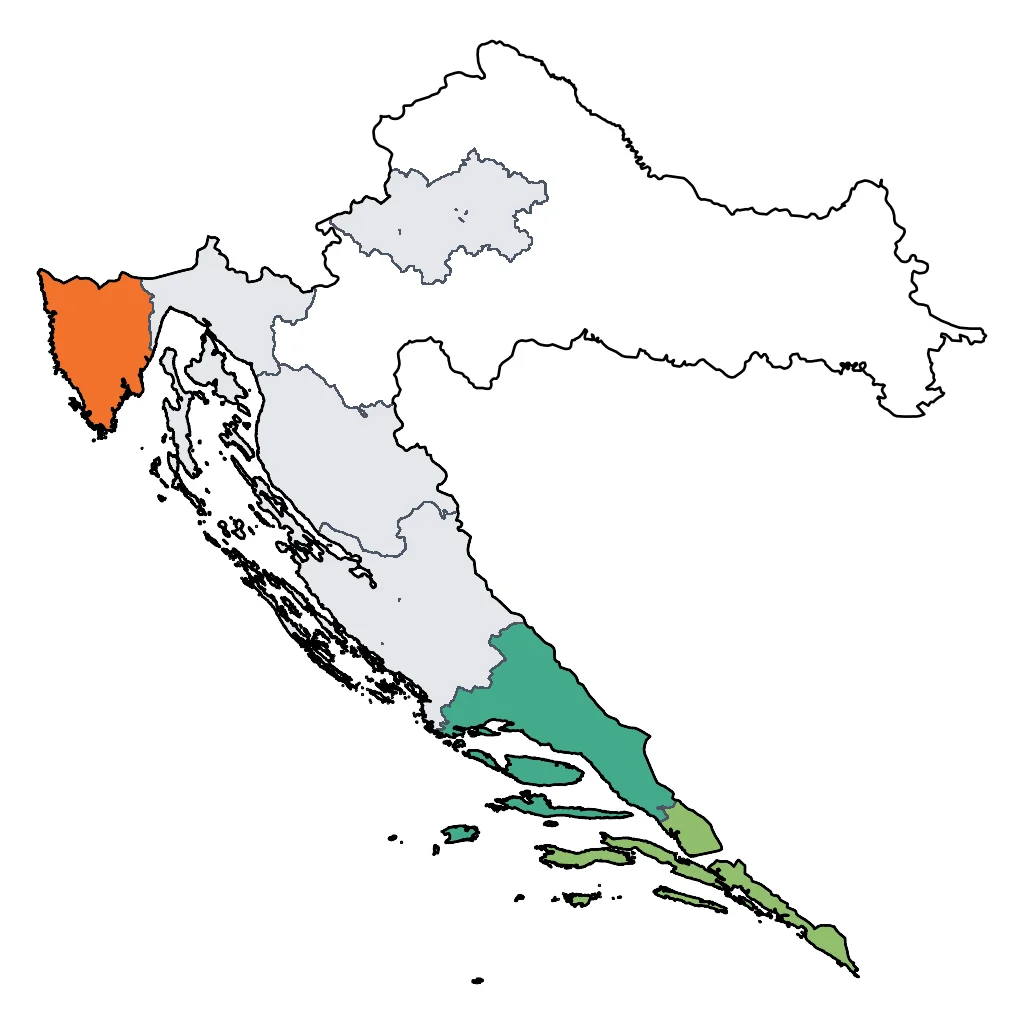

Spa retreats, wellness centers, peaceful getaways
Boasts world-class luxury wellness retreats in Rovinj centered on local olive oil and wine therapies. Peak months allow for outdoor spa experiences and terrace relaxation, while the shoulder months offer a quieter, more secluded atmosphere.
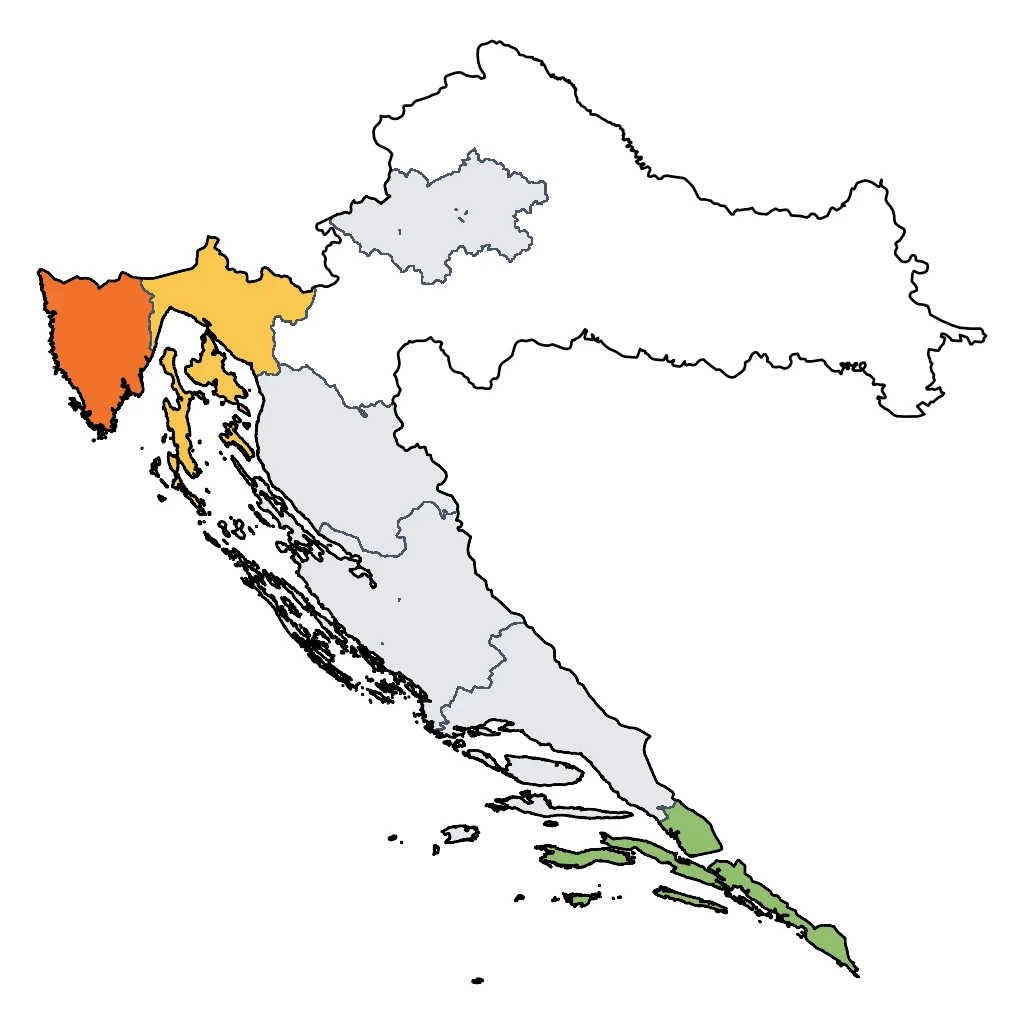

Scenic drives, countryside tours, route-based travel
Often called the 'Tuscany of Croatia,' the region is perfect for gourmet driving tours through hilltop villages like Motovun. July is peak for its lower rainfall and high visibility, while the autumn shoulder season is ideal for those following the truffle harvest.
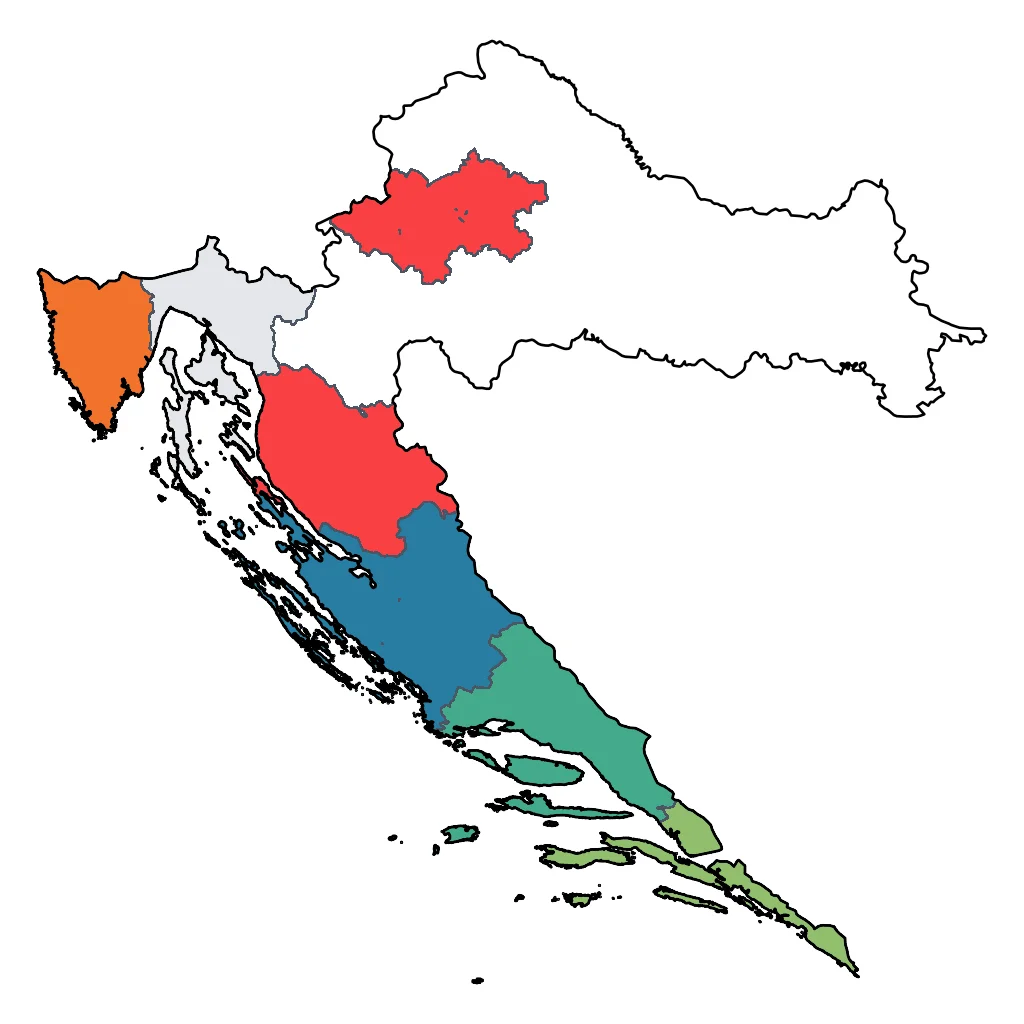

Sport tourism, fitness activities, active recreation
Renowned for the Parenzana cycling trail and professional tennis facilities (ATP Umag). Late spring and September offer the ideal 17-21°C range for high-intensity athletics, whereas winter rainfall makes outdoor tracks and courts less reliable.
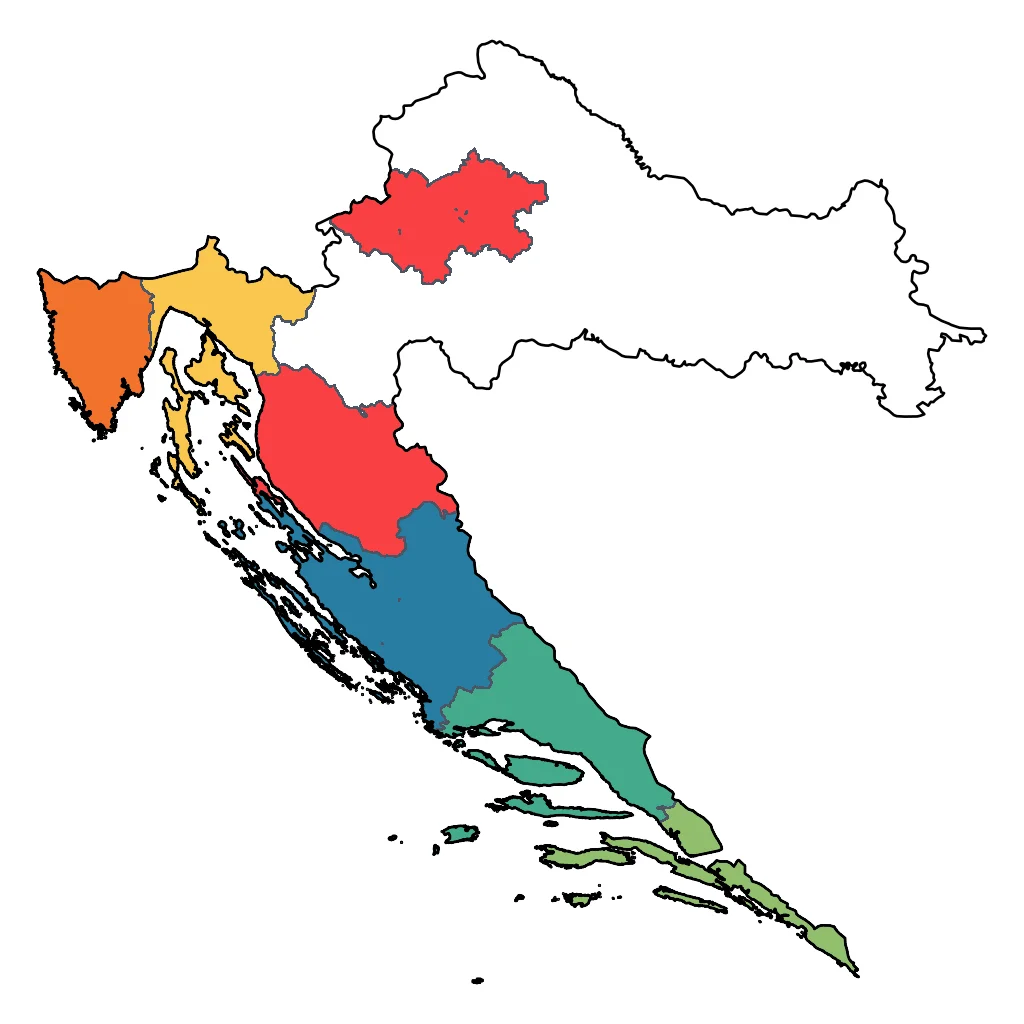

Hiking, wildlife, outdoor exploration, ecotourism
Features unique karst landscapes, the Brijuni Islands National Park, and the Učka mountains. Optimal hiking and exploration occur in late spring and early autumn when temperatures are moderate (17-21°C); mid-summer is slightly too hot for intensive trekking.

Learning experiences, scientific sites, historical education
Rich in Roman history, palaeontology sites on Brijuni, and Venetian heritage. Summer provides the best access to guided tours and archaeological exhibits, while the high rainfall from October to December limits outdoor site accessibility.
Amusement parks, family entertainment venues
Features high-quality regional waterparks like Istralandia, which provide excellent family entertainment. These are strictly seasonal, operating at peak during the hot, sunny months and closing during the cooler, rainier remainder of the year.