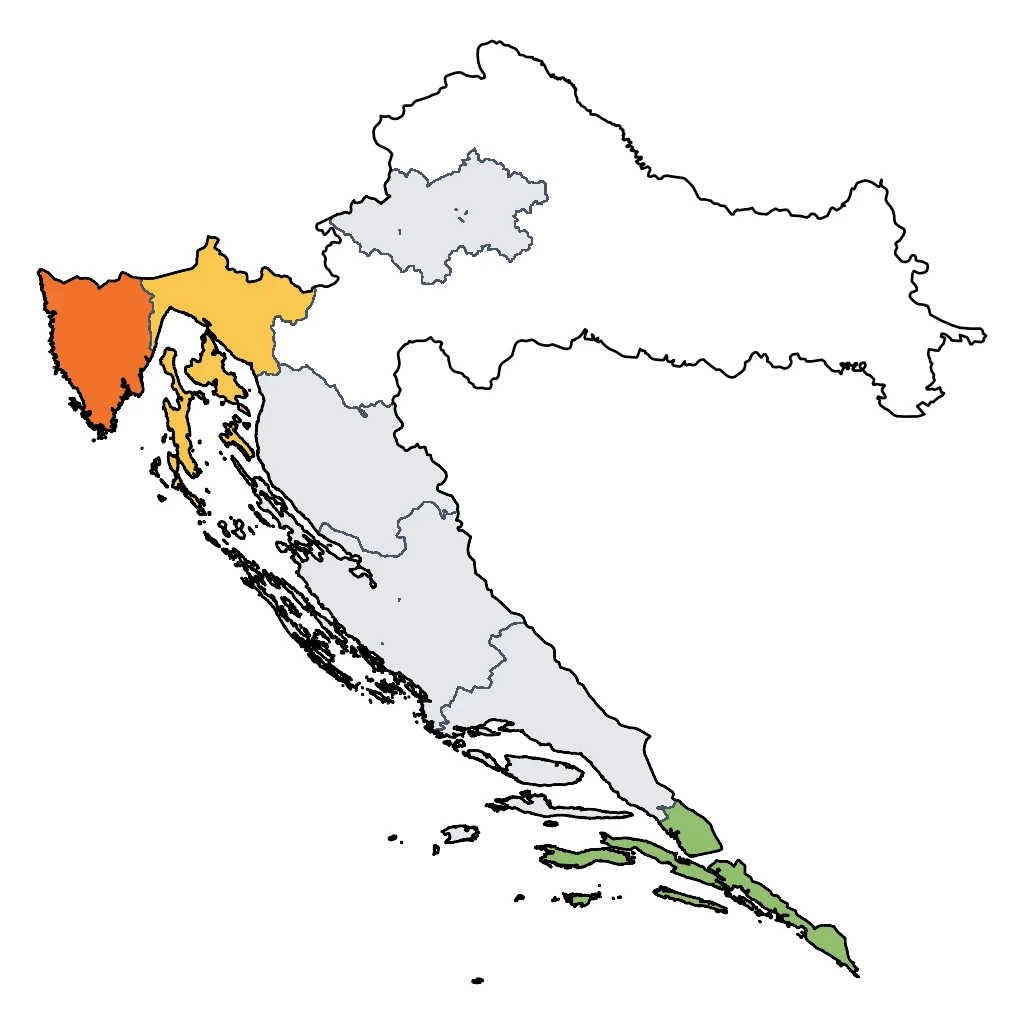

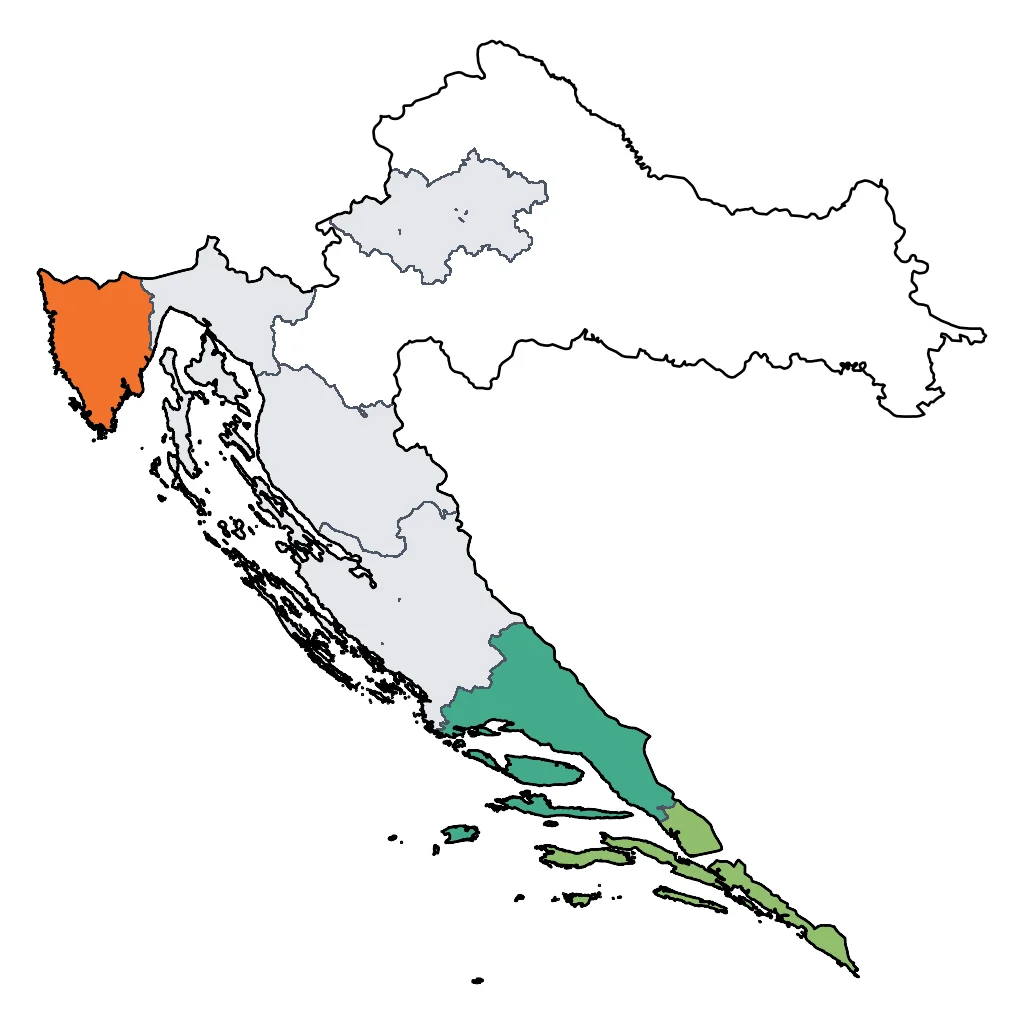
Central Dalmatian Coast & Islands
Roman ruins, island hopping, and family-friendly beaches 🏛️🌊
Central Dalmatia is often the primary entry point for families visiting the Croatian coast, anchored by the bustling city of Split and the nearby islands. The region offers a practical balance of historic sightseeing and beach relaxation, connected by a reliable network of ferries and catamarans that are an adventure in themselves for children. The climate is typically Mediterranean, with hot, dry summers perfect for swimming, though families should pack ample sun protection and water shoes for the prevalent pebble beaches.
In Split, the historic center is built within the walls of an ancient Roman palace. Children can wander through the substructures of Diocletian's Palace, spot Roman soldiers in the Peristyle square, and climb the Bell Tower of St. Domnius for views over the harbor. Just north of Split, the town of Trogir sits on a small island connected by bridges, offering a car-free medieval maze that is safe and engaging for young explorers to navigate.
For active families, the Cetina River near Omiš offers excitement ranging from gentle pirate-themed boat tours to zip-lining across the canyon for older children. The Biokovo Skywalk, a glass viewing platform high above the Makarska Riviera, provides a thrilling perspective of the coastline, accessible by car for a memorable day trip. The beaches along the Makarska Riviera are known for their fine pebbles and clear turquoise waters, making it easy to spot fish while snorkeling.
The islands are a major draw. Brač is home to the famous Zlatni Rat beach in Bol, where the golden horn changes shape with the wind. It offers windsurfing schools and an inflatable water park. Hvar may be known for luxury, but its Stari Grad Plain offers flat cycling routes suitable for families, and the hilltop fortress in Hvar Town displays old cannons and grand vistas. Vis is quieter and further out, home to the Blue Cave, though the long boat trip is best suited for older children who can handle the travel time.
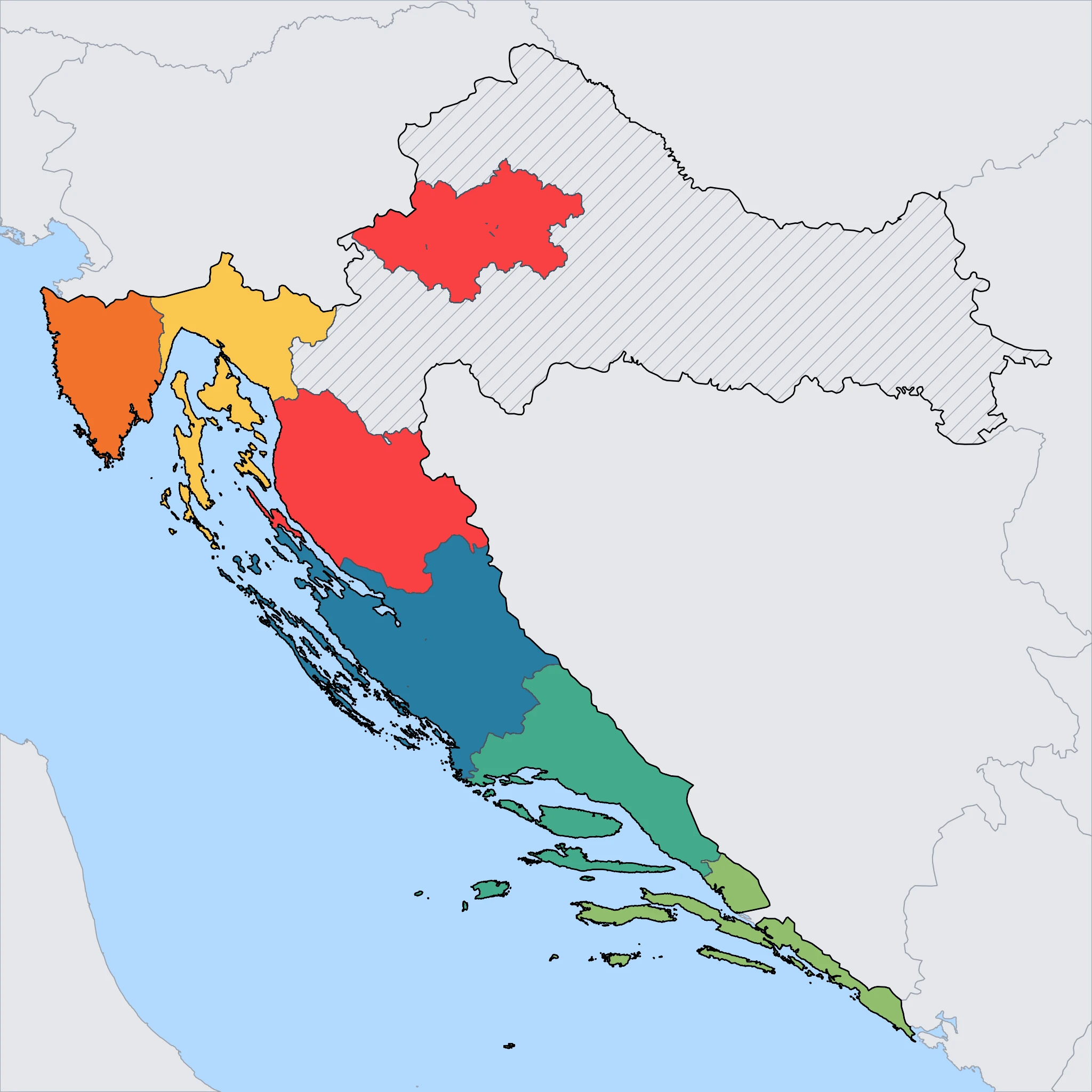
Click a region to explore

Activities & Best Times

Beach resorts, marine activities: diving, snorkelling, kite surfing, wind surfing, sailing
The Adriatic offers world-class water clarity and a unique island-hopping culture that is safe and sophisticated for families. Peak summer provides optimal sea temperatures and the lowest rainfall, while shoulder months remain pleasant but risk more precipitation.
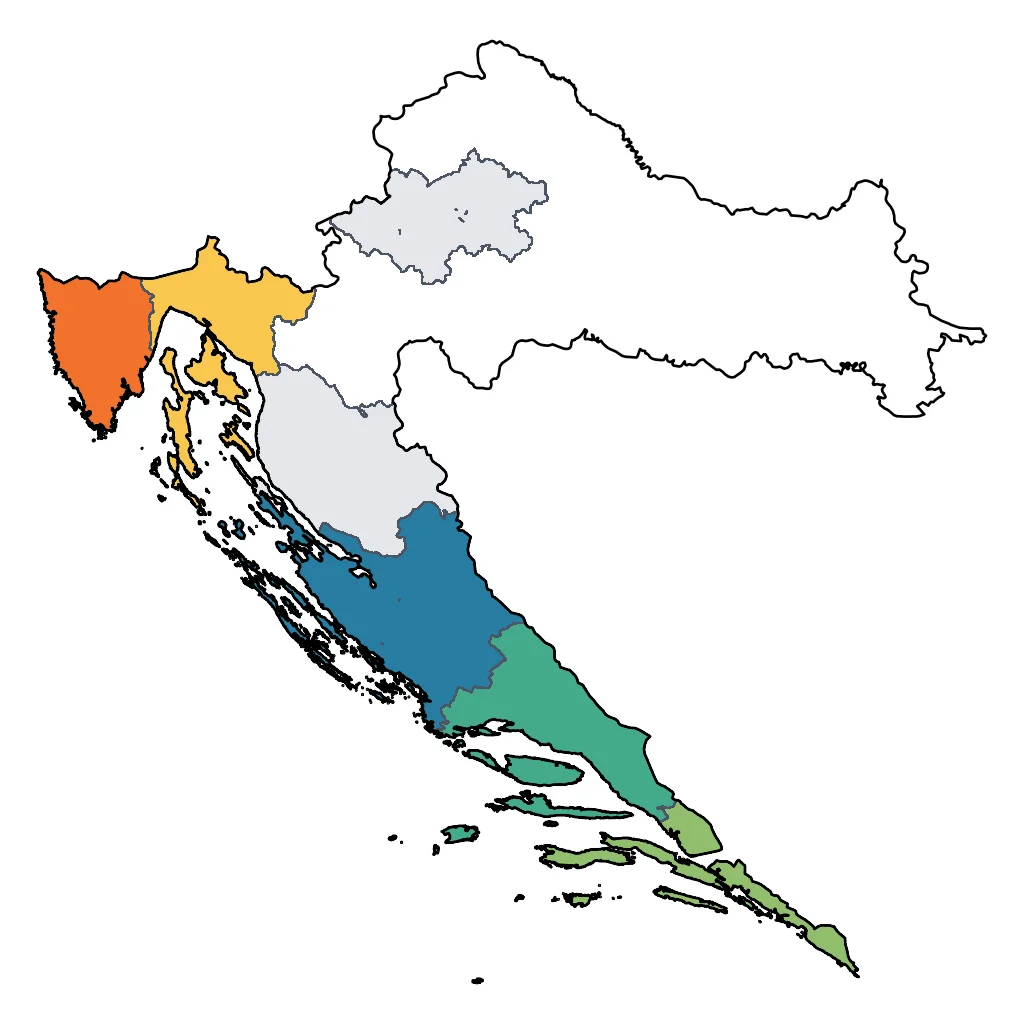

Urban tourism, museums, historical sites, architecture
Diocletian's Palace is a living UNESCO site of global significance, offering an authentic urban experience that avoids the 'museum-only' feel. Late spring and early autumn provide perfect walking temperatures; the mid-summer heat and winter rains are less ideal for exploring historic stone streets.
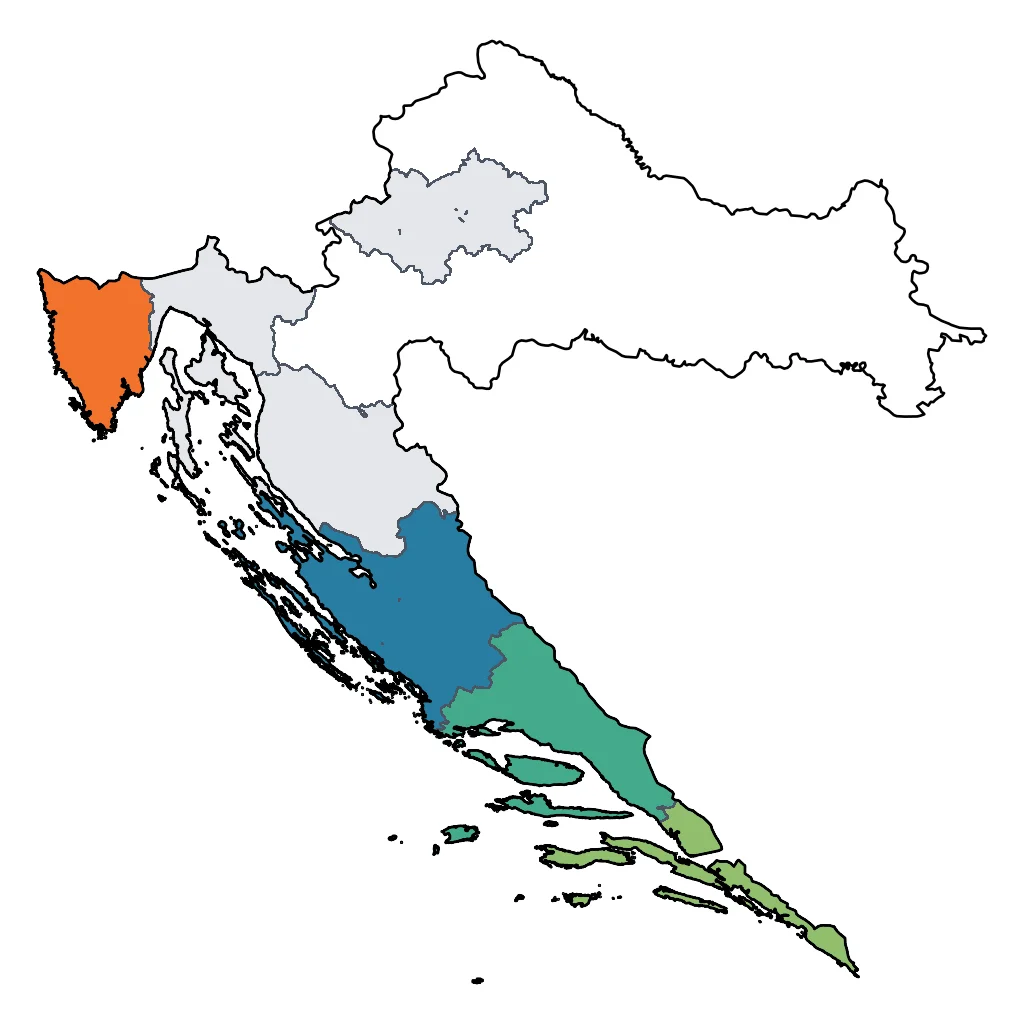

Hiking, wildlife, outdoor exploration, ecotourism
The karst landscapes and protected marine areas provide a rugged yet accessible natural playground for hiking and snorkeling. May, June, and September offer the best balance of dry weather and comfortable temperatures for outdoor exploration before the peak summer heat.
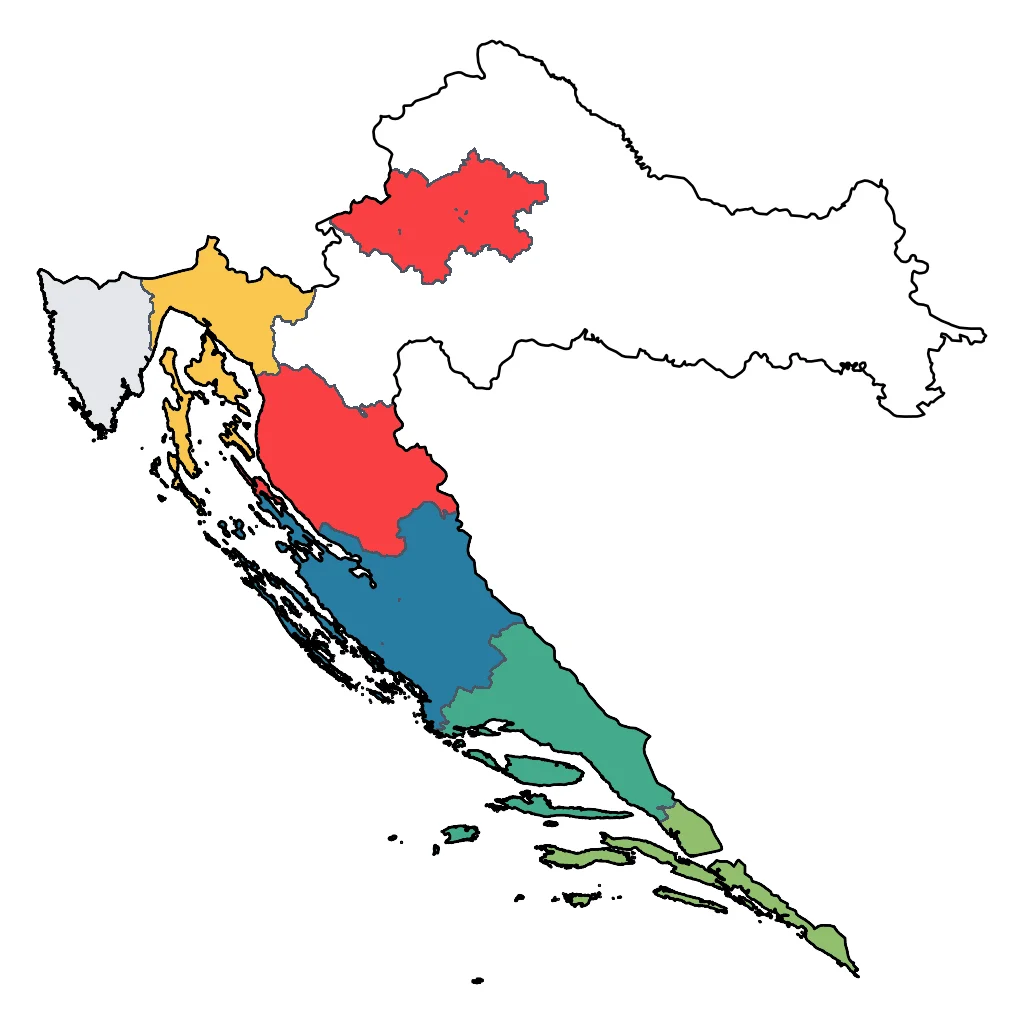

Learning experiences, scientific sites, historical education
The region serves as an open-air classroom for Roman and Venetian history with exceptionally well-preserved archaeological sites. Best visited when the weather is mild enough for extended outdoor tours, avoiding the heavy winter rains and peak summer humidity.
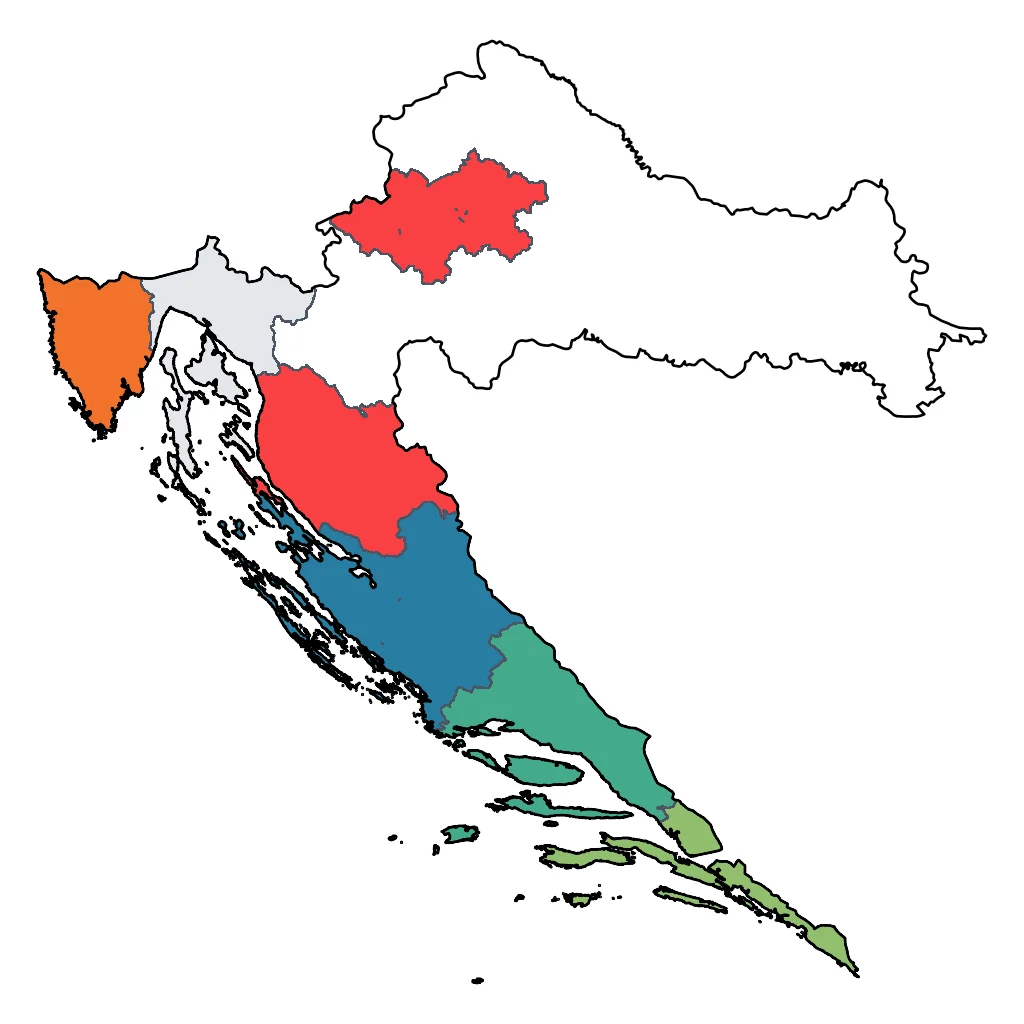

Scenic drives, countryside tours, route-based travel
The scenic coastal road and island car ferries offer some of Europe's most spectacular vistas and high-quality infrastructure. Peak driving conditions occur in the bright, clear days of late spring and early autumn when traffic is manageable and visibility is high.
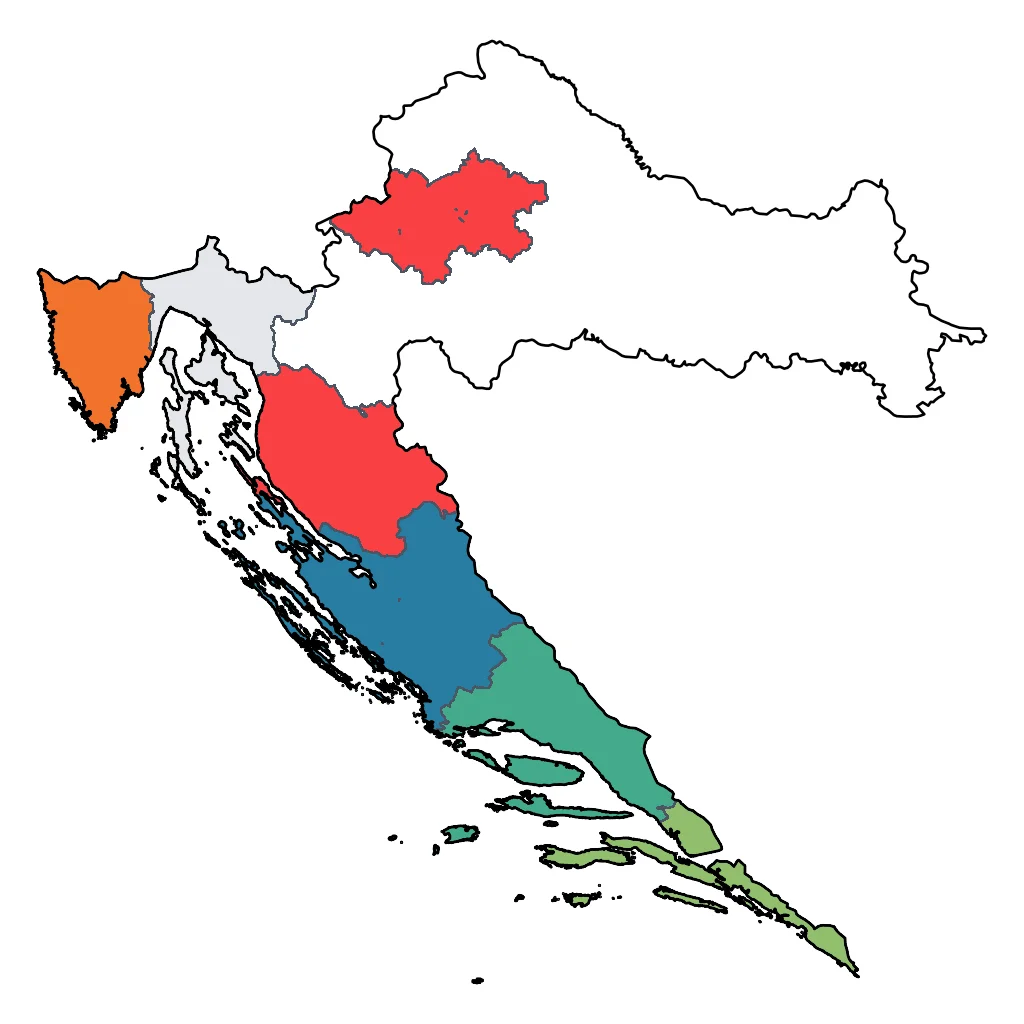

Sport tourism, fitness activities, active recreation
World-class sailing conditions and renowned windsurfing at Bol make this a premier destination for active water sports. While summer has consistent winds, the transitional months offer more comfortable temperatures for cycling and multi-sport activities.
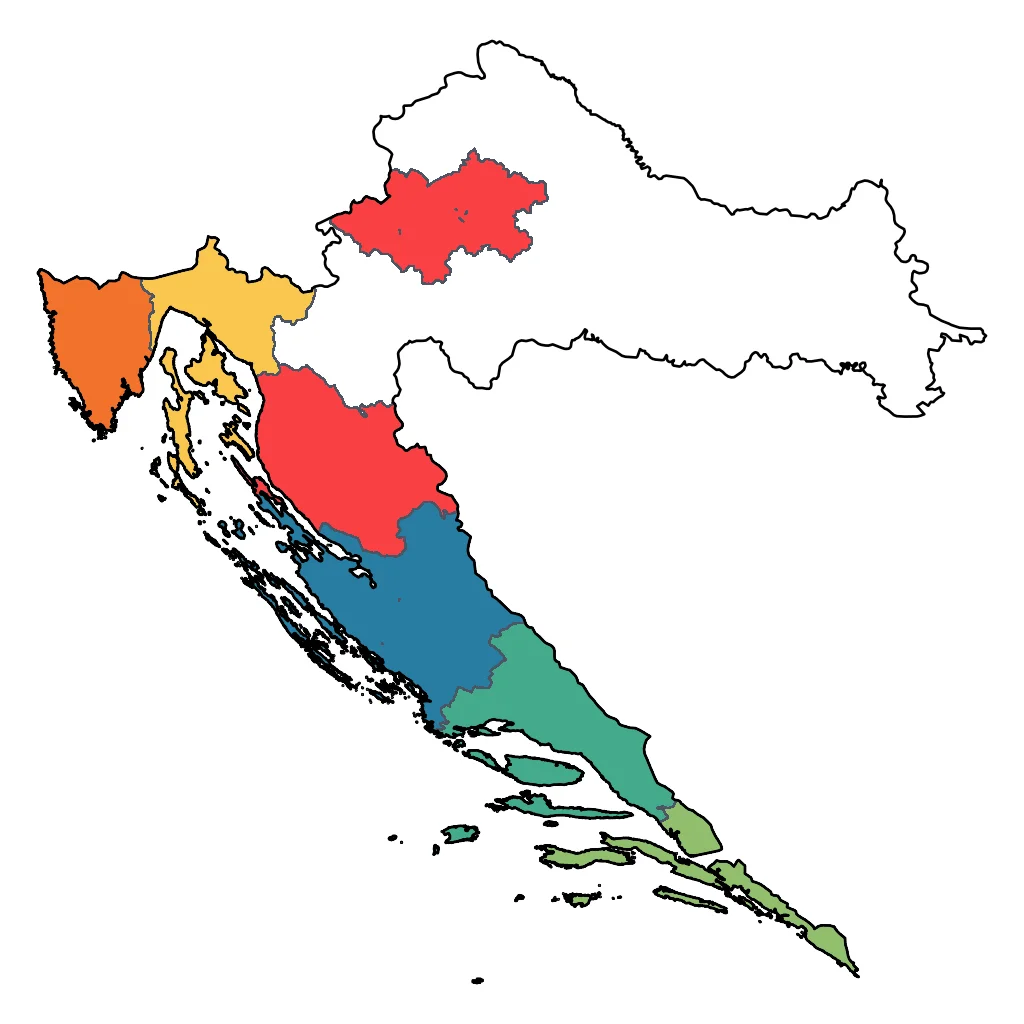

Events, celebrations, seasonal attractions
The Split Summer Festival and island cultural events provide authentic Mediterranean celebrations during the high season. These events are concentrated in the hottest months when the tourist infrastructure is most active.

Spa retreats, wellness centers, peaceful getaways
Boutique island retreats offer high-end wellness experiences focused on Mediterranean herbs and sea air. June and September provide the tranquil atmosphere sophisticated travelers seek, away from the intense mid-summer crowds.