

Eger & Northern Highlands (wine)
Mountain legends and cave adventures ⛰️
The Northern Highlands offer a dramatic change of pace from the flat plains, featuring Hungary's highest peaks, densest forests, and a wealth of martial history that appeals to adventurous families. The region is dominated by the Bükk and Mátra mountain ranges, providing a cooler, fresher climate in summer and skiing possibilities in winter. The landscape is dotted with limestone caves, waterfalls, and vineyards, creating a backdrop that feels ancient and wild.
At the heart of the region lies Eger, a baroque city famous for its castle. For children, the Castle of Eger is not just a ruin but a living history lesson regarding the legendary 1552 siege against the Ottoman Empire. The museum emphasizes the heroism of the defenders, and costumed reenactments are common. Beneath the city lies a vast network of cellars; while famous for the "Bull's Blood" wine, the Valley of the Beautiful Woman (Szépasszony-völgy) is a pleasant place for a family lunch, with plenty of green space and grape juice for the kids. Just a short drive away is Egerszalók, home to a unique "salt hill" thermal spa often compared to Pamukkale in Turkey.
Further east, the industrial history of Miskolc gives way to the natural beauty of Lillafüred. Here, families can ride a narrow-gauge forest train that winds through the Bükk National Park—a relaxed way to see the mountains without exhausting little legs. The area also hosts the Anna Cave and St. Stephen Cave, which offer guided tours through stalactite formations. Perhaps the most unique swimming experience in the country is the Miskolctapolca Cave Bath. These are natural thermal pools inside a cave system where families can float through dimly lit, warm tunnels—an experience that feels like exploring a secret underground world.
For active families, the Szalajka Valley in Szilvásvárad is a must-visit. It is home to the world-famous Lipizzaner stallion stud farm and offers an easy hiking trail alongside a trout-filled stream leading to the Veil Waterfall. The path is paved and stroller-friendly, or you can take the forest train up and walk down. Culinary highlights in the north include hearty game dishes (venison or wild boar stew) and trout fresh from the mountain streams, providing a robust introduction to Hungarian country cuisine.
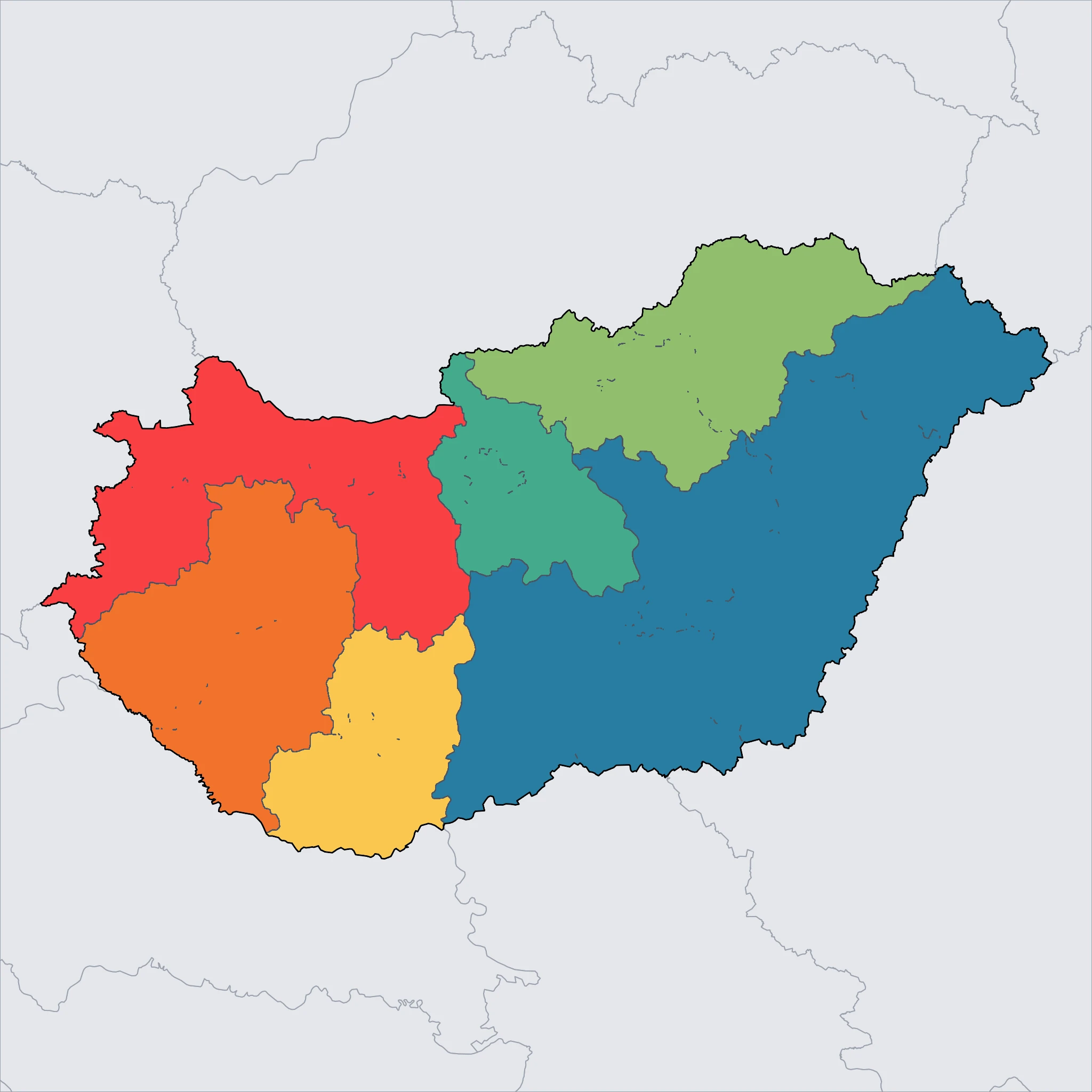
Click a region to explore

Activities & Best Times

Urban tourism, museums, historical sites, architecture
Eger offers a sophisticated blend of Baroque architecture, Ottoman history (northernmost minaret), and a legendary castle. Peak months provide mild, pleasant weather for exploring historic streets, while winter temperatures often drop below freezing, making urban exploration uncomfortable.

Events, celebrations, seasonal attractions
Famous for the 'Egri Bikavér' (Bull's Blood) wine, the region hosts authentic harvest and wine festivals that appeal to discerning oenophiles. July (Bikavér Festival) and the autumn harvest (Sept-Oct) offer the most authentic cultural immersion, while winter is quiet with little seasonal activity.

Spa retreats, wellness centers, peaceful getaways
The region features world-class, unique thermal experiences like the Miskolctapolca Cave Bath and Egerszalók's salt hills. Peak season aligns with warmer air temperatures that allow for the full indoor-outdoor transition typical of Hungarian spa culture, whereas winter limits access to many scenic outdoor pools.

Hiking, wildlife, outdoor exploration, ecotourism
The Bükk National Park provides a rugged karst landscape and ancient beech forests for sophisticated family hiking and exploration. Peak months offer optimal temperatures (15-21°C) for trekking; the height of summer can be slightly humid, and winter brings icy conditions to the highland trails.
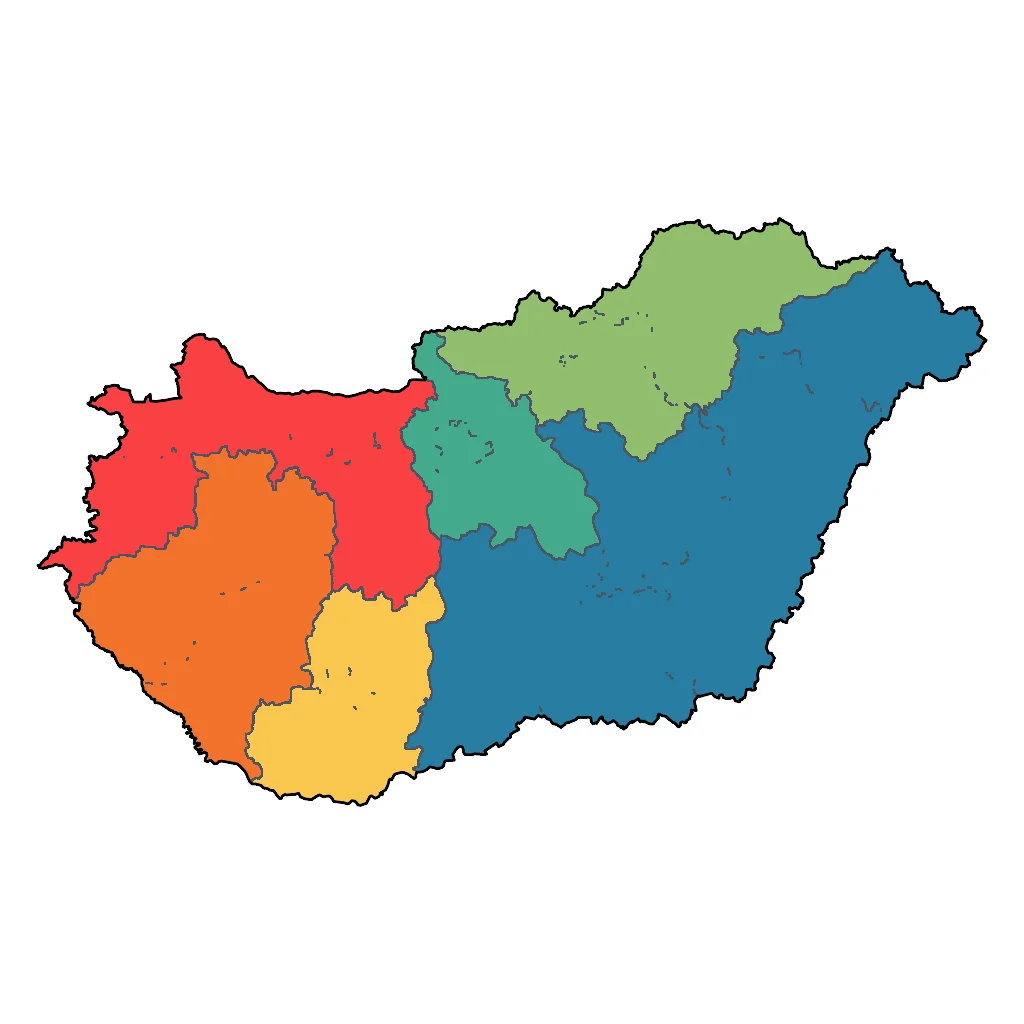

Learning experiences, scientific sites, historical education
The region’s history involves critical Ottoman-European conflicts and unique geological formations, providing high educational value for families. Most historical sites and interactive exhibits are fully operational and comfortable to visit during the warmer months.
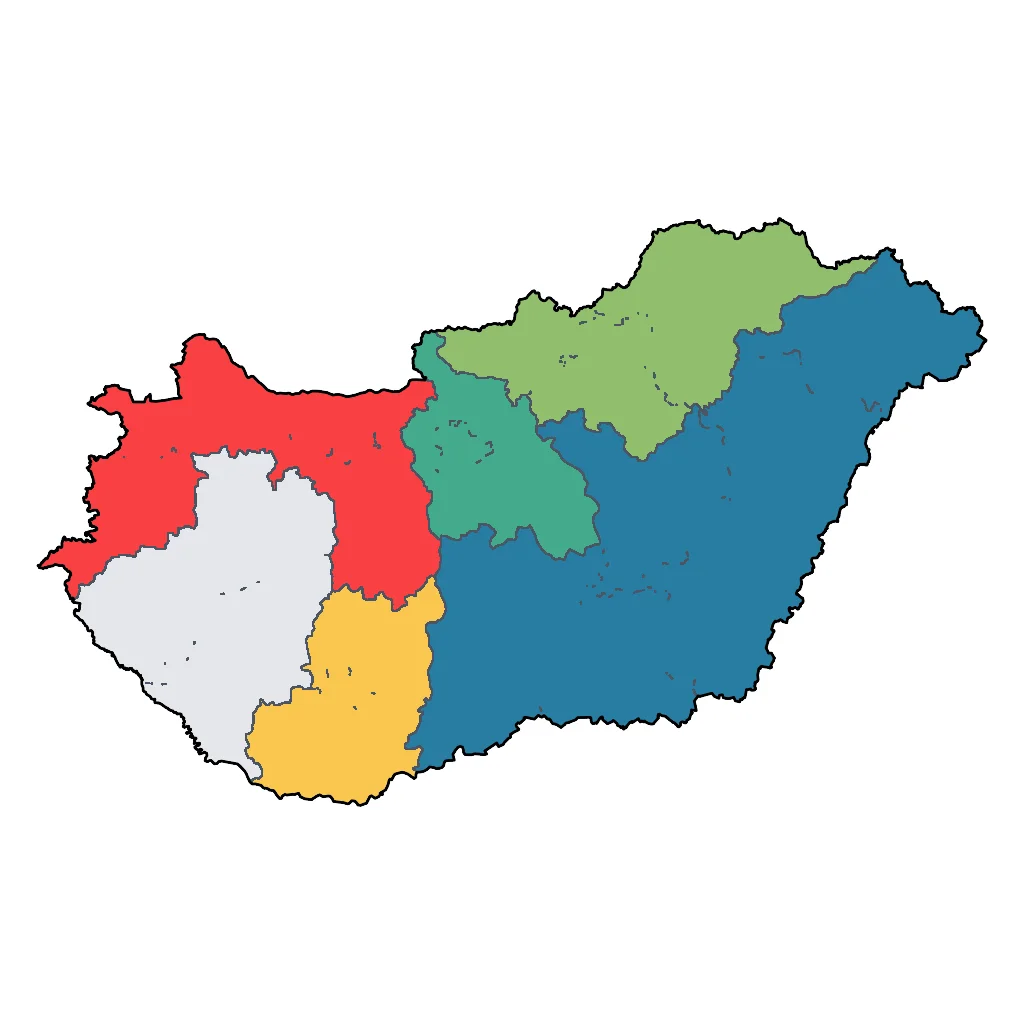

Scenic drives, countryside tours, route-based travel
Scenic driving routes through the Northern Highlands offer views of historic villages and rolling vineyards on well-maintained roads. May-June and September-October (for autumn colors) are peak for visibility and scenery, while winter driving can be hazardous due to mountain frost and low visibility.
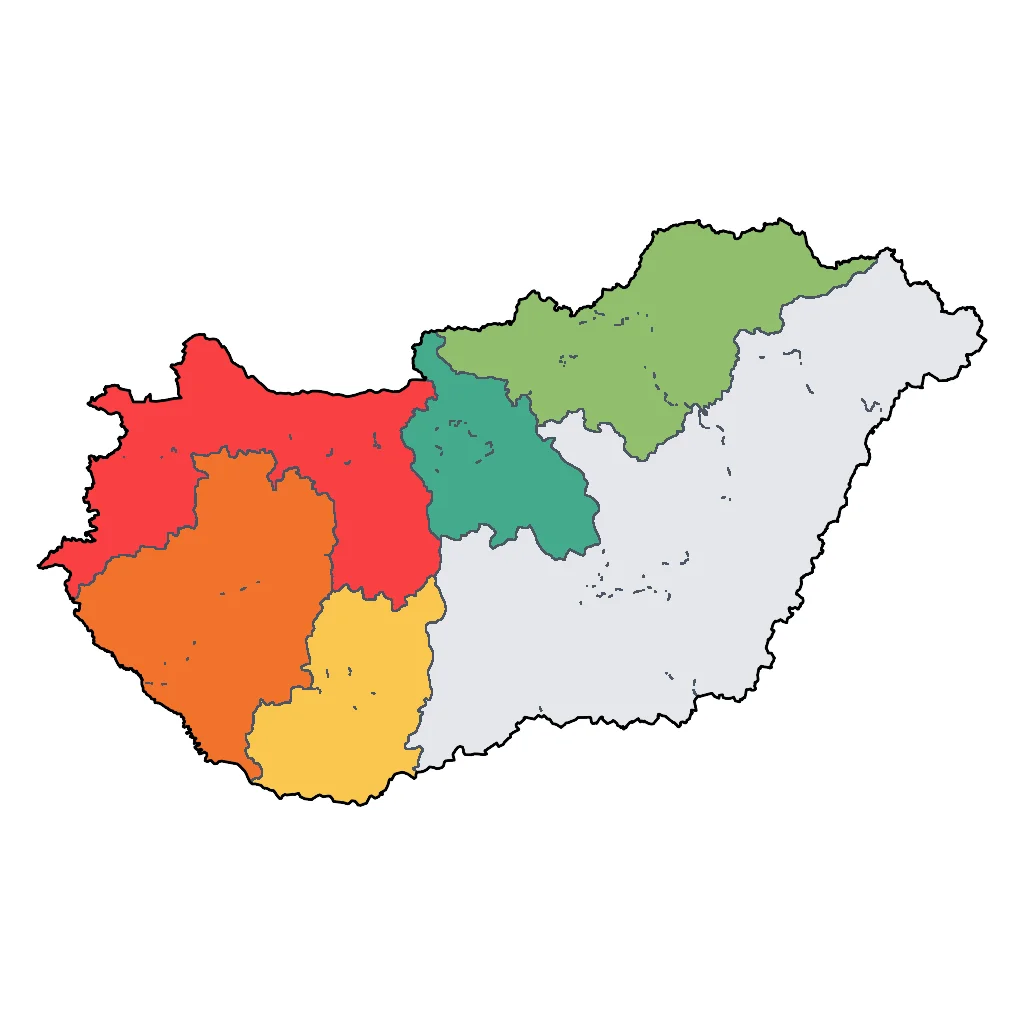

Sport tourism, fitness activities, active recreation
Excellent terrain for road cycling and trail running through the Bükk hills appeals to active international travelers. Optimal conditions occur in late spring and early autumn when temperatures are mild and rainfall is moderate, while winter is too cold for sustained outdoor activity.
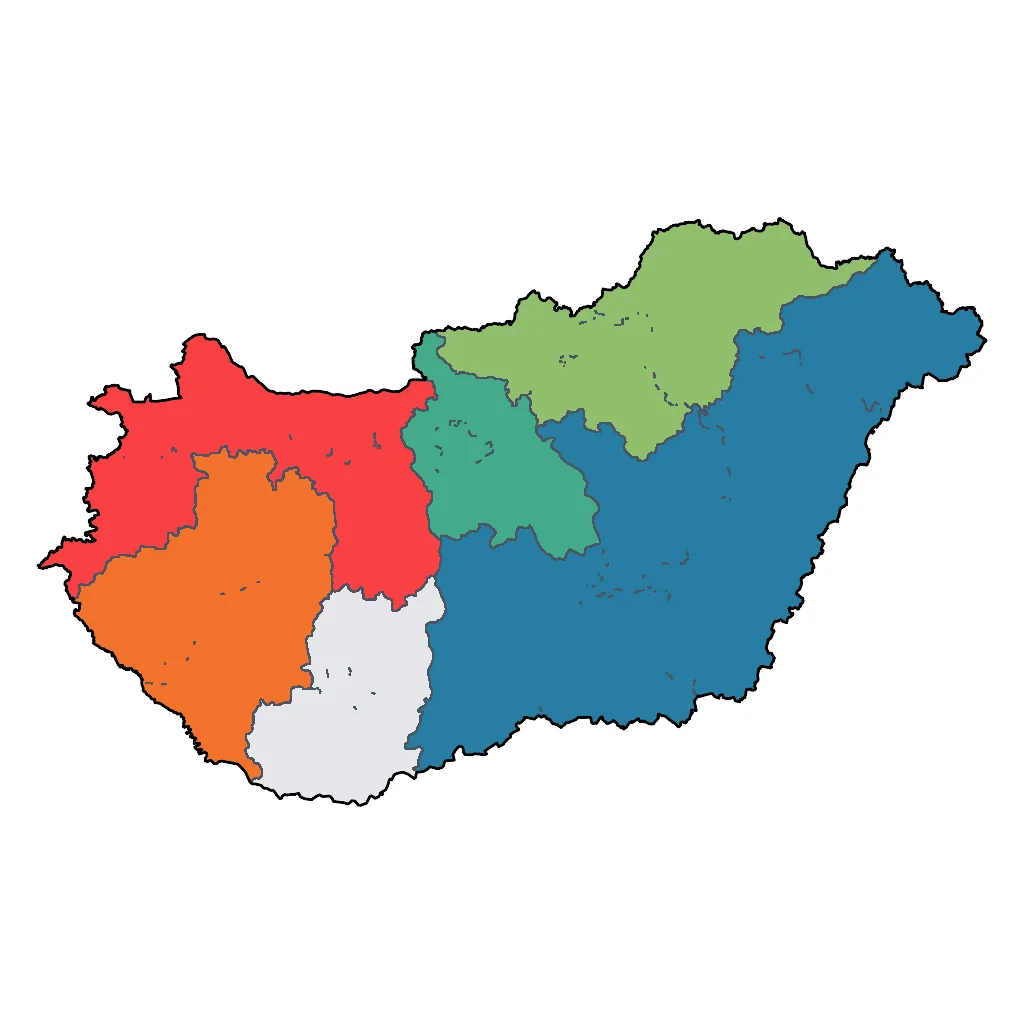

Winter sports, ski resorts, snow activities
While the Bükk Mountains may offer some local winter sports, the region lacks the world-class infrastructure and reliable snow coverage of internationally recognized ski destinations. January and February are the most likely months for snow, with shoulder months having less reliable conditions.