

Hungary provides a distinct Central European experience that is remarkably well-suited for traveling families. While the country is renowned for its grand architecture and complex history, its culture is deeply rooted in relaxation and outdoor activity, largely centered around its abundance of thermal waters and the iconic Danube River. From the bustling capital to the serene countryside, families will find a destination that is safe, affordable, and rich in specific activities for children.
The capital, Budapest, is the primary entry point and offers enough activities to fill several days. The city is split by the river into two distinct sides: hilly Buda and flat Pest. On the Buda side, families can take the historic funicular up to Castle Hill to explore the Fisherman's Bastion, which looks like a fairytale fortress. A unique highlight is the Gyermekvasút (Children's Railway) in the Buda hills, a narrow-gauge train line where the signals, tickets, and announcements are managed by uniformed school children. Across the river in Pest, the City Park (Városliget) is a hub for families, housing the Budapest Zoo and Botanical Garden-one of the oldest in the world-and the Capital Circus.
Water is a central theme in Hungarian leisure. Budapest is famous as the "City of Spas," and while some thermal baths are quiet zones, others are perfect for kids. The Széchenyi Baths feature large outdoor pools with whirlpools that stay warm even in winter, while the Gellért Baths include a wave pool. Beyond the capital, Lake Balaton is the country's premier summer resort. Known as the "Hungarian Sea," it is the largest freshwater lake in Central Europe. The southern shore is particularly ideal for toddlers and young swimmers because the sandy bottom remains shallow for hundreds of meters out. Families here can rent paddle boats, visit the Tihany Peninsula, or explore the adventure parks in Zamárdi.
Food in Hungary is hearty and comforting. Picky eaters usually enjoy lángos, a deep-fried flatbread typically topped with garlic, sour cream, and cheese. For a sweet treat, you can watch kürtőskalács (chimney cakes) being roasted over open coals on street corners-a fascinating process for kids that results in a delicious, sugary cylinder. For a change of pace, the Great Plain (Puszta) in eastern Hungary offers vast horizons where families can visit Hortobágy National Park to see traditional horse shows and ride on horse-drawn wagons.
Traveling within Hungary is practical and efficient. Budapest boasts an extensive public transport network of yellow trams, trolleybuses, and a metro system that is generally easy to navigate with strollers. The climate is continental, bringing hot summers perfect for swimming in Balaton, and cold winters that transform the cities with festive markets and ice skating rinks.

Explore Regions
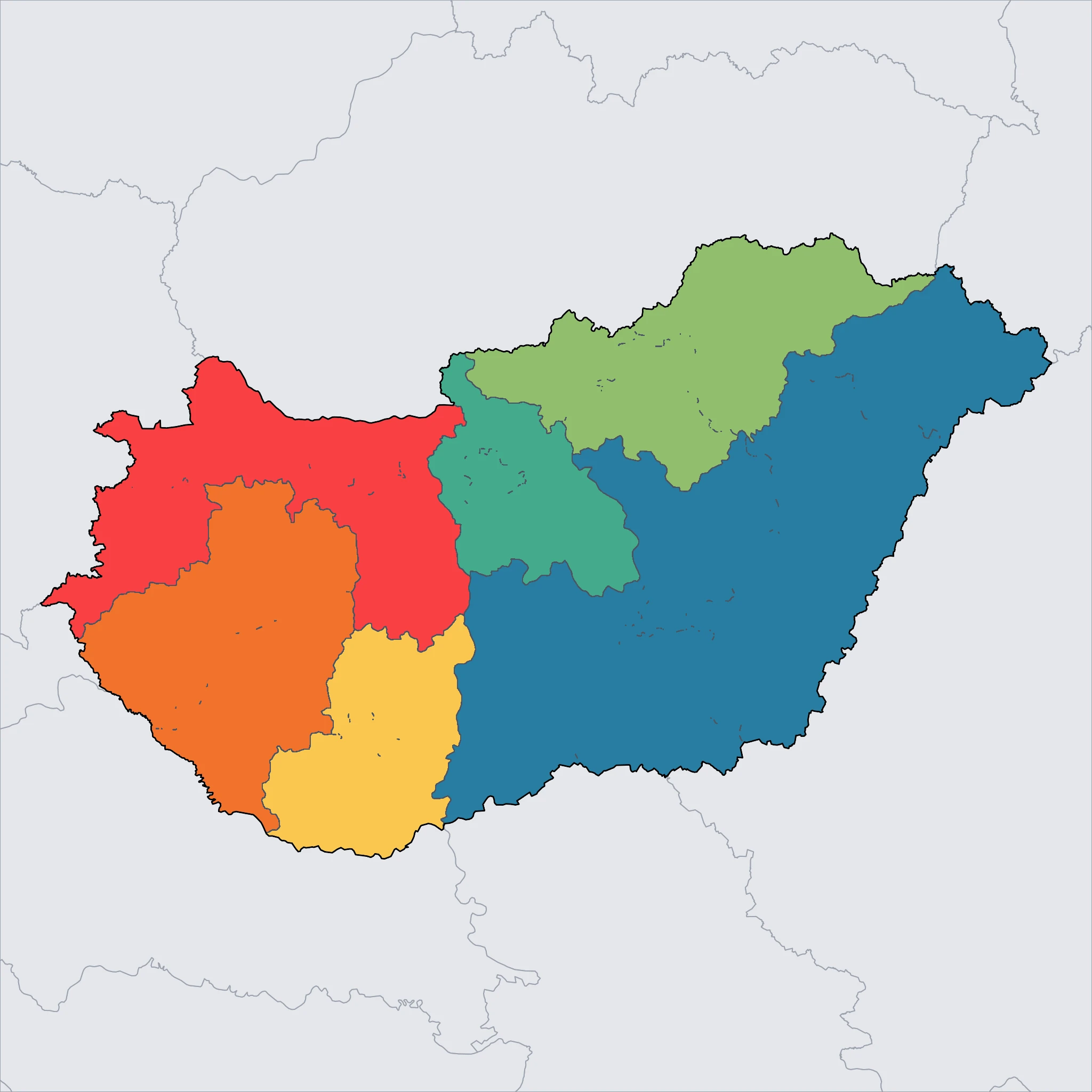
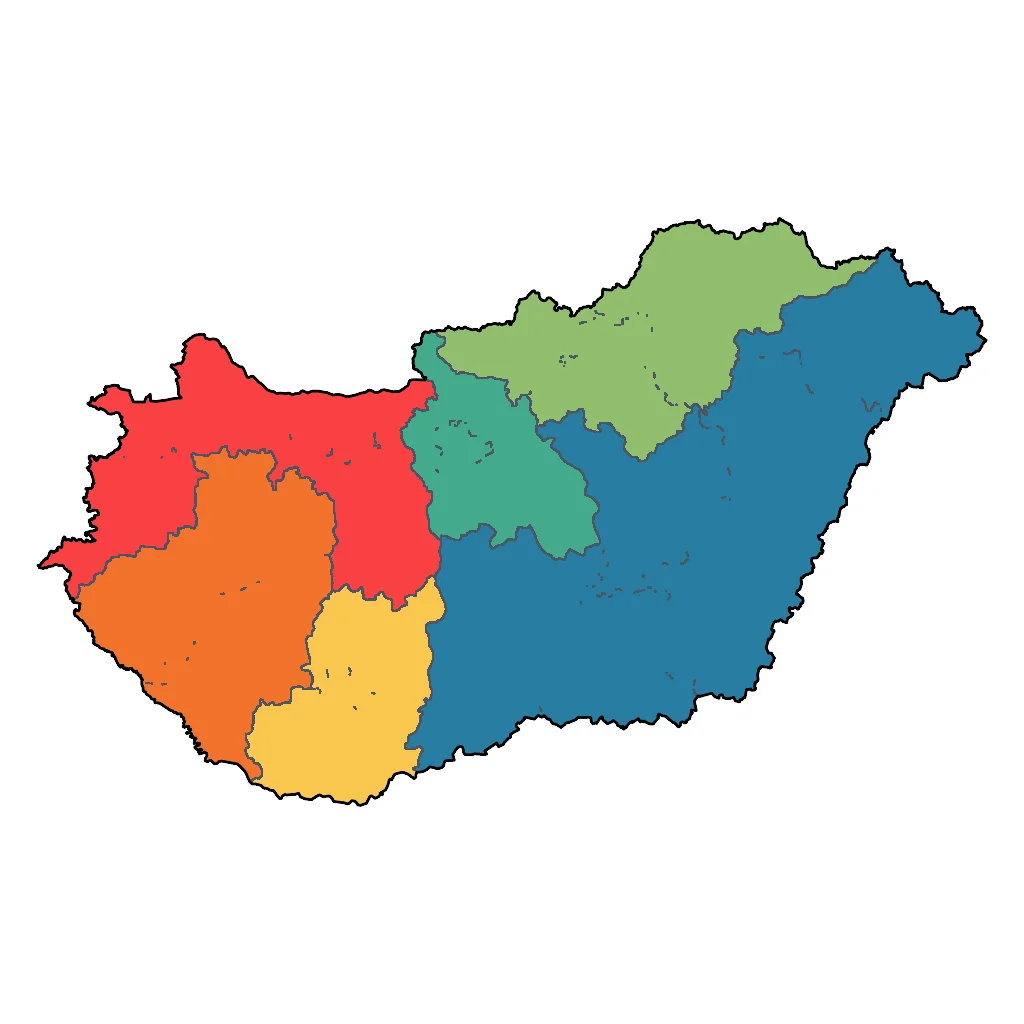
6 Regions
Budapest (standalone)
Thermal baths and fairy tale castles 🏰
Eger & Northern Highlands (wine)
Mountain legends and cave adventures ⛰️
Great Plain (Puszta, Hortobagy)
Wild horses and endless horizons 🐎
Lake Balaton
The family-friendly Hungarian Sea ⛵
Pécs & Southern Hungary
Sunshine, ceramics, and Roman ruins ☀️
Western Hungary (Sopron, Győr)
Baroque towns and nature trails 🚲
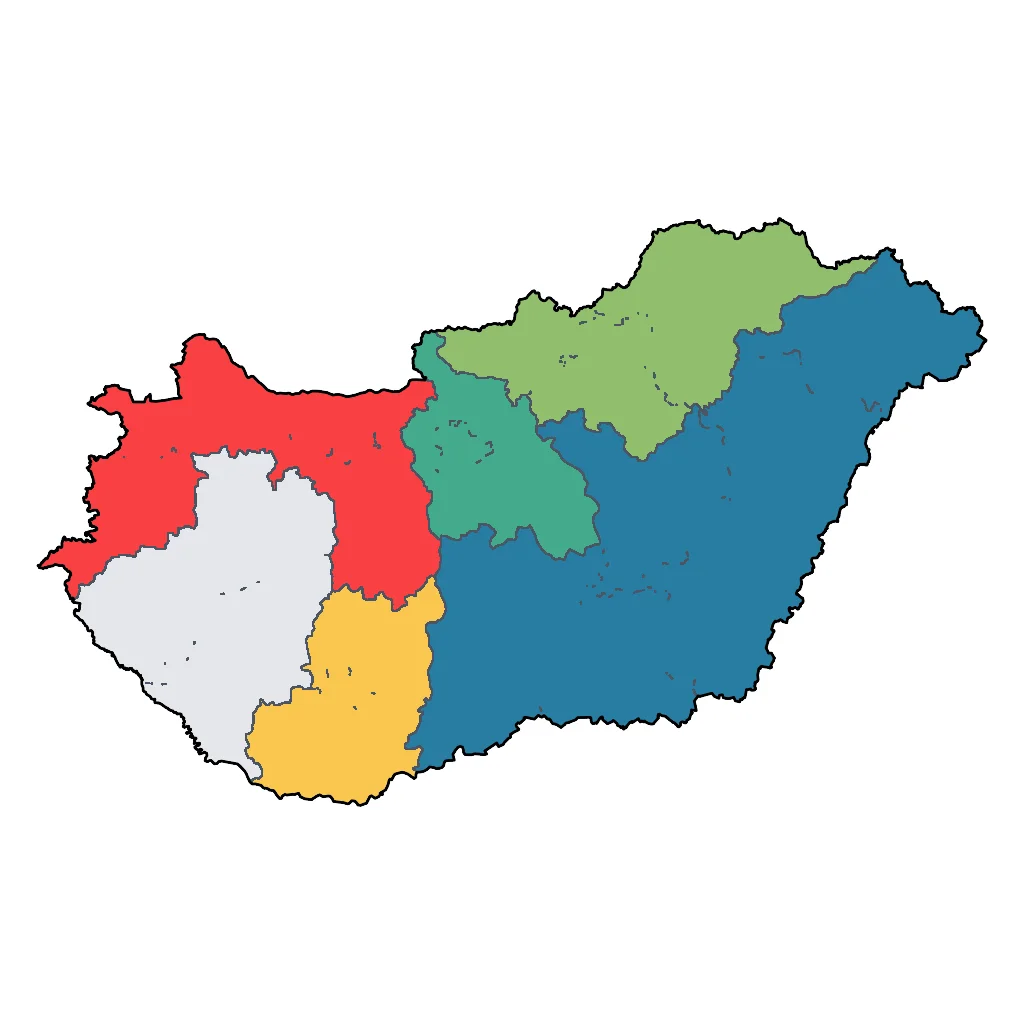
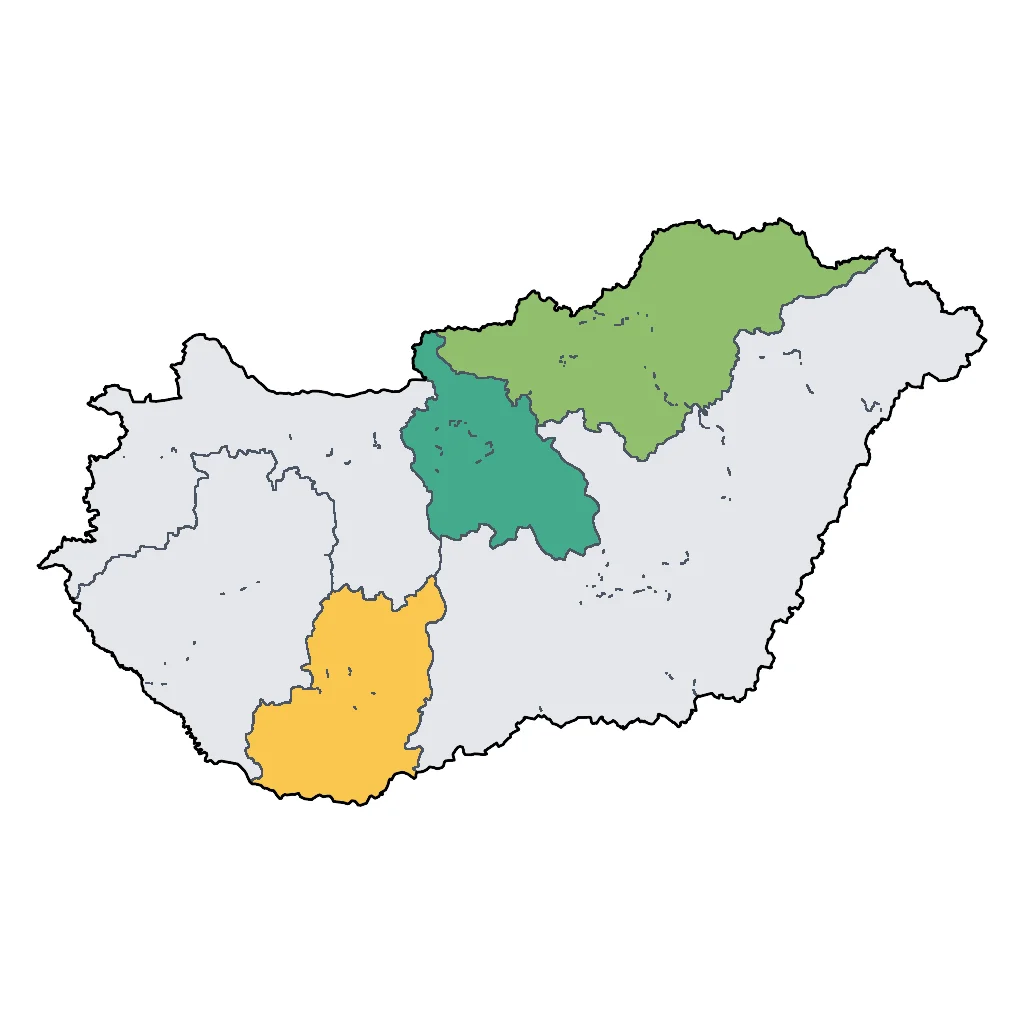
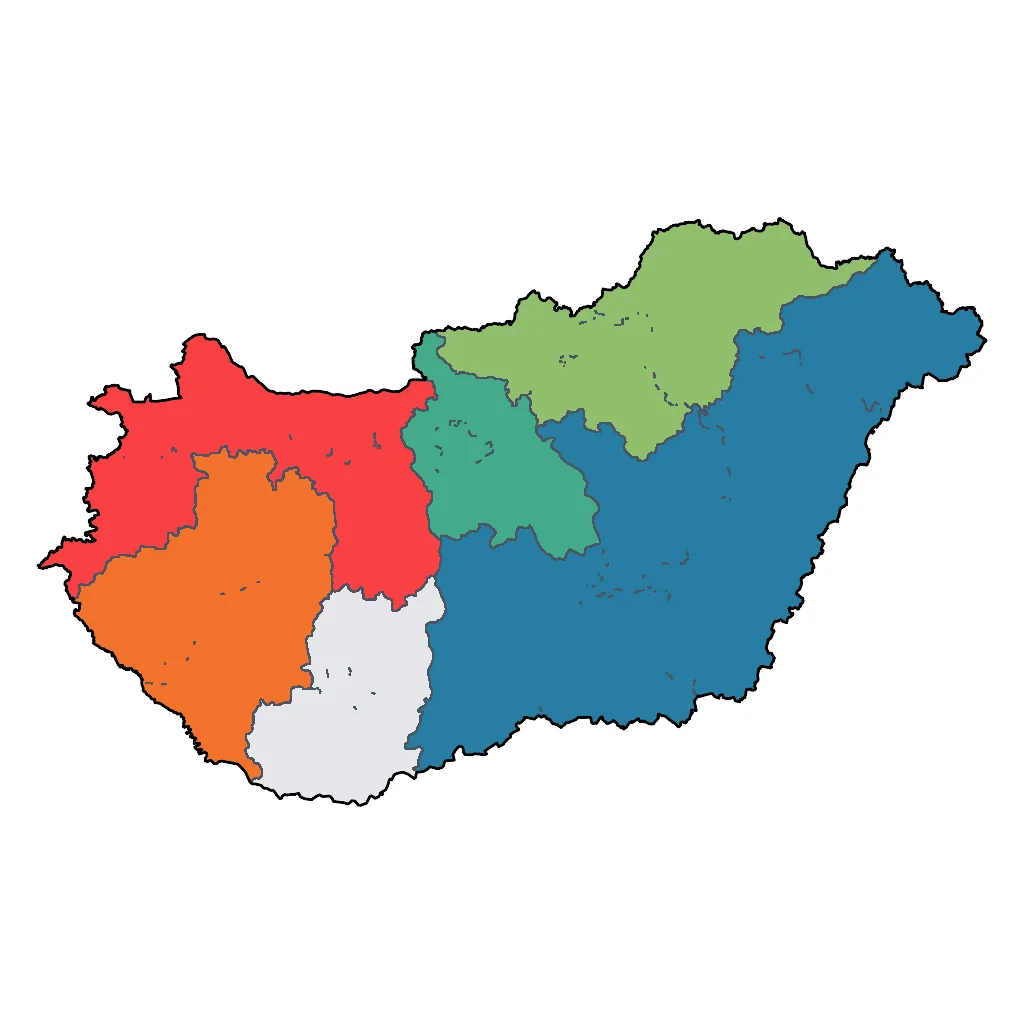
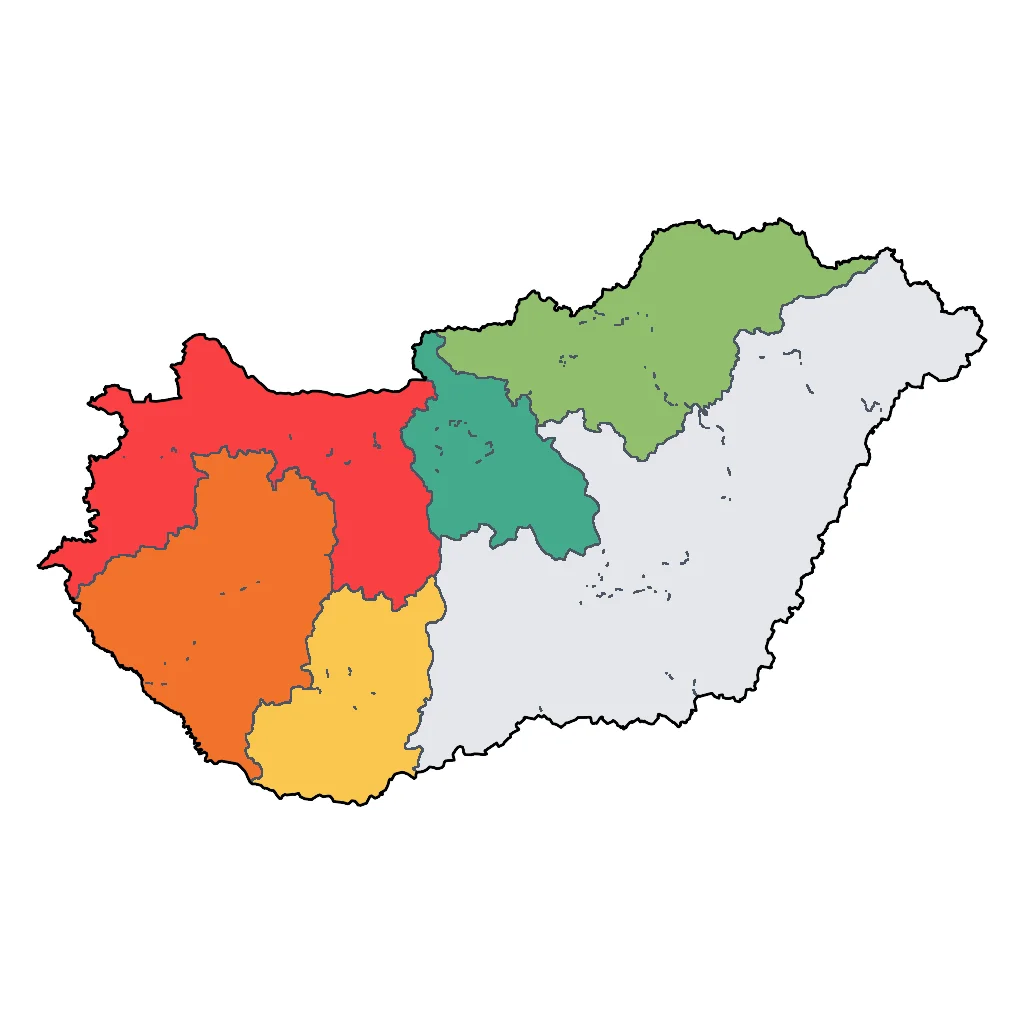
Click on a region marker to explore details. Use the dropdown to color regions by activity suitability.

Activities & Best Times

City & Cultural
ExcellentUrban tourism, museums, historical sites, architecture
Budapest offers a world-class blend of Austro-Hungarian grandeur, Jewish heritage, and Art Nouveau architecture centered around a majestic riverfront. Peak months provide the dry, mild conditions (15-22°C) ideal for exploring the UNESCO-listed Castle District and Parliament, while winter months can be biting and overcast.
Pécs offers a sophisticated blend of UNESCO-listed Roman heritage and unique Ottoman architecture, anchored by the world-class Zsolnay Cultural Quarter. Peak months provide ideal temperatures (16-27°C) for exploring art galleries and historical sites, while winter months are too cold for pleasant urban discovery.
Features the exceptionally preserved medieval core of Sopron and the Baroque grandeur of Győr, offering sophisticated architectural depth and UNESCO-listed heritage at Pannonhalma. Peak season (May–Sept) provides optimal mild temperatures for exploring historic districts, while winter months are too cold for comfortable walking tours.

Relaxation & Wellness
ExcellentSpa retreats, wellness centers, peaceful getaways
Known as the 'City of Spas,' Budapest features authentic Roman, Ottoman, and Neo-Baroque thermal complexes that are unique globally. The summer peak allows for full use of extensive outdoor bath complexes and terrace lounging, though the indoor historic pools remain a high-quality retreat year-round.
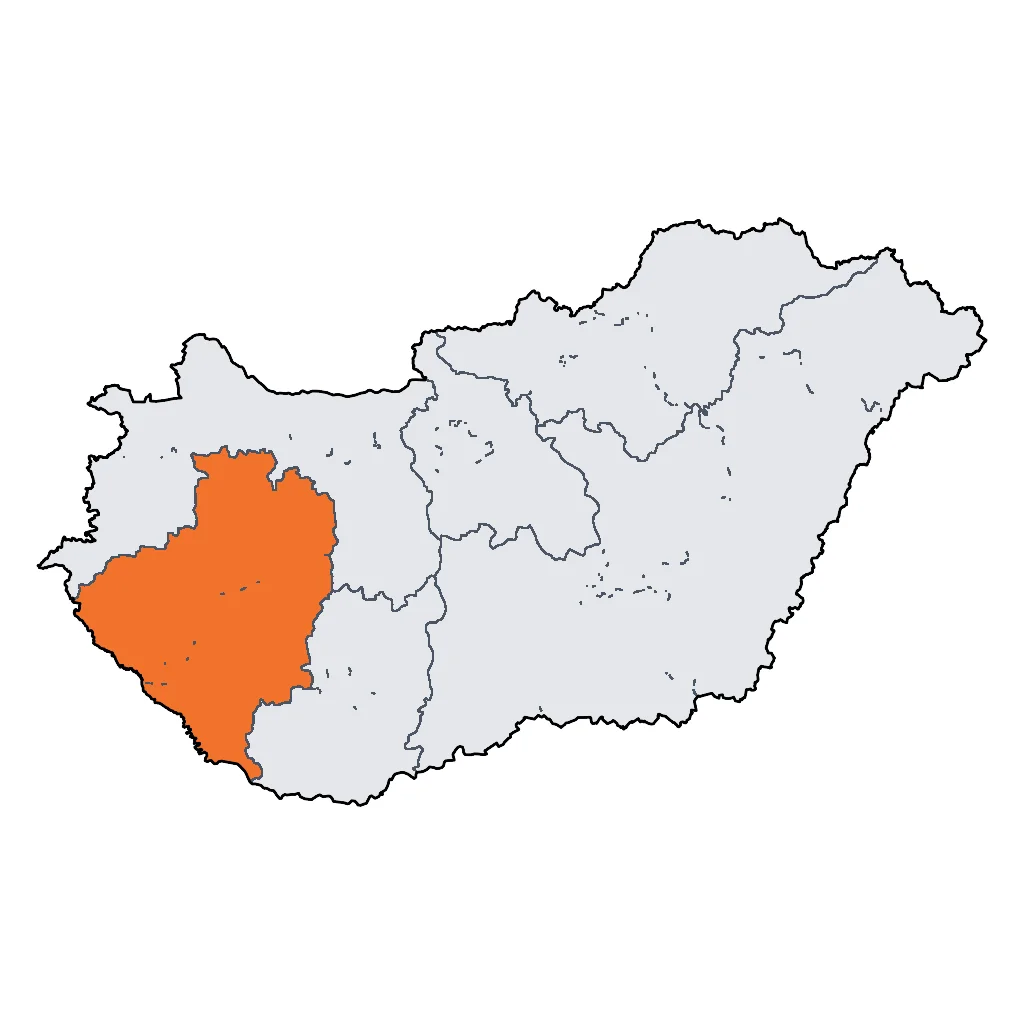
Home to Hévíz, the world's second-largest thermal lake, and the historic spa culture of Balatonfüred, offering world-class medical and wellness retreats. Peak months provide ideal temperatures (18-28°C) for combining indoor treatments with lakeside relaxation, while winter temperatures near 0°C limit the appeal of the surrounding grounds.
The region features world-class, unique thermal experiences like the Miskolctapolca Cave Bath and Egerszalók's salt hills. Peak season aligns with warmer air temperatures that allow for the full indoor-outdoor transition typical of Hungarian spa culture, whereas winter limits access to many scenic outdoor pools.

Adventure & Nature
Very GoodHiking, wildlife, outdoor exploration, ecotourism
The UNESCO-listed Hortobágy National Park offers a unique steppe ecosystem with world-class bird watching, most notably the spectacular crane migration in October. Peak months provide ideal temperatures for exploring the vast plains, while summer heat (July-August) can be intense on the treeless Puszta.
The Balaton Uplands National Park features unique volcanic basalt organs, extinct cones, and the protected wetlands of Kis-Balaton for birdwatching. Peak season aligns with mild temperatures (15-26°C max) and active wildlife, whereas late autumn and winter see heavy precipitation and dormant ecosystems.
Features unique Mediterranean-influenced flora in the Mecsek mountains and the pristine, ancient floodplains of the Gemenc forest. These areas offer authentic wildlife encounters and hiking trails that are best enjoyed in the warm, stable weather of late spring through early autumn.

Educational & Exploratory
Very GoodLearning experiences, scientific sites, historical education
The region features world-class archaeological sites and the living history of the Zsolnay porcelain factory, providing high-quality learning for internationally experienced families. Peak conditions align with the driest, warmest months (May and July-Sept), ensuring full accessibility to outdoor ruins and interactive exhibits.
The city serves as an open-air museum of 20th-century European history, from the House of Terror to Roman Aquincum. Peak and shoulder months facilitate comfortable access to outdoor archaeological sites and historical walking tours that are highly engaging for sophisticated families.
Rich in geopolitical and spiritual history, from the Pan-European Picnic site to the millennial-old Archabbey of Pannonhalma. Peak months offer full accessibility and guided tours in pleasant weather; shoulder months (Apr/Oct) are suitable for fewer crowds, though winter closures can affect site availability.

Festivals & Seasonal
Very GoodEvents, celebrations, seasonal attractions
Home to the globally unique Busójárás carnival in February and prestigious international-grade wine harvest festivals in autumn. These peak periods offer authentic, non-commercialized cultural immersion that appeals to discerning travelers, while off-months lack major globally significant events.
Famous for the 'Egri Bikavér' (Bull's Blood) wine, the region hosts authentic harvest and wine festivals that appeal to discerning oenophiles. July (Bikavér Festival) and the autumn harvest (Sept-Oct) offer the most authentic cultural immersion, while winter is quiet with little seasonal activity.
August hosts the world-renowned Sziget Festival and spectacular St. Stephen's Day celebrations, while December's Christmas markets are among Europe's most authentic and visually stunning. Shoulder seasons feature the Budapest Spring and Autumn Festivals, offering sophisticated cultural programming.

Sports & Active
Very GoodSport tourism, fitness activities, active recreation
A premier European destination for freshwater sailing, hosting the prestigious Blue Ribbon regatta, alongside a high-quality 210km cycling circuit circling the lake. Optimal conditions occur May-Sept with pleasant air temps and consistent breezes; off-season brings freezing temperatures and potential lake ice, halting all water-based activities.
Offers world-class cycling infrastructure along the EuroVelo 13 (Iron Curtain Trail) and unique kayaking through the 'City of Rivers' in Győr. Peak summer months provide the necessary warmth (16–22°C avg) for water activities and long cycling days; off-season weather is too damp and cold for active recreation.
Excellent terrain for road cycling and trail running through the Bükk hills appeals to active international travelers. Optimal conditions occur in late spring and early autumn when temperatures are mild and rainfall is moderate, while winter is too cold for sustained outdoor activity.

Beach & Sea
GoodBeach resorts, marine activities: diving, snorkelling, kite surfing, wind surfing, sailing
The 'Hungarian Sea' offers a safe, shallow environment perfect for families with small children, though it lacks the tidal scale of global ocean destinations. Peak summer months provide the warmest water temperatures, while high rainfall in June makes it a shoulder period.
Lake Velence offers a warmer and more manageable freshwater alternative for families, though it lacks the world-class status of international coastal resorts. Peak suitability is limited to the height of summer (July-August) when air temperatures consistently exceed 25°C and water becomes comfortable for swimming.
While landlocked, the city’s historic 'strand' lidos offer a unique urban water culture that appeals to experienced travelers. Peak summer months (July-August) provide the necessary heat (25-30°C) to enjoy the extensive outdoor pool complexes and Margaret Island’s fountains.

Road Trips & Scenic
GoodScenic drives, countryside tours, route-based travel
The scenic north shore drive through the Badacsony wine region offers stunning vistas of volcanic 'butte' hills and turquoise waters. Spring and autumn are peak for visibility and vineyard aesthetics; winter is unsuitable due to freezing conditions and poor road visibility.
The scenic drives through the Villány wine district and the Mecsek hills offer sophisticated rural landscapes and authentic cellar-door experiences. Peak months provide the best light and moderate temperatures (16-22°C) for scenic navigation, while winter months lack the lush greenery and visual charm.
Scenic drives through the Pannonhalma wine hills and the Sopron vineyards offer sophisticated rural landscapes and well-maintained roads. May, June, and September offer the best visibility and temperatures, while October is peak for autumn vineyard colors; winter travel is hampered by low light and potential frost.

Ski & Snow
MarginalWinter sports, ski resorts, snow activities
Theme Park & Entertainment
MarginalAmusement parks, family entertainment venues
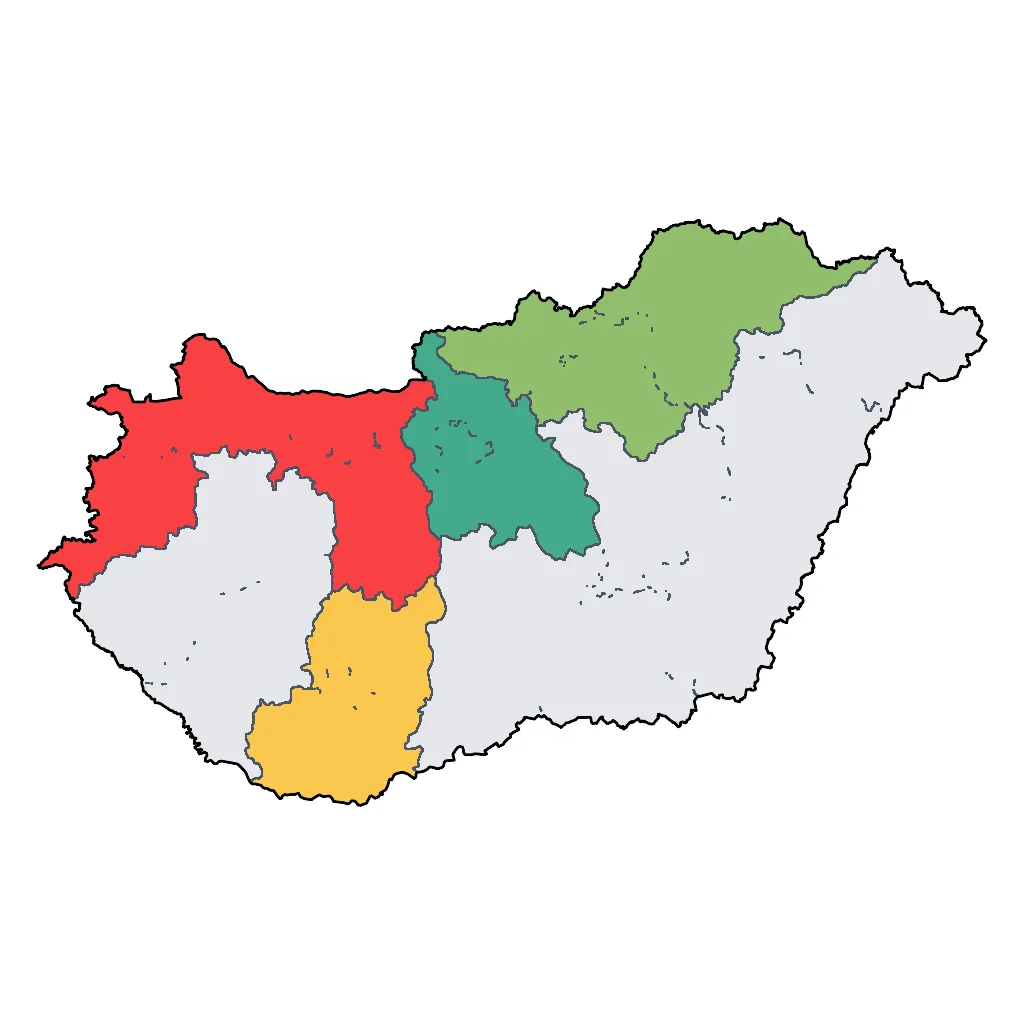
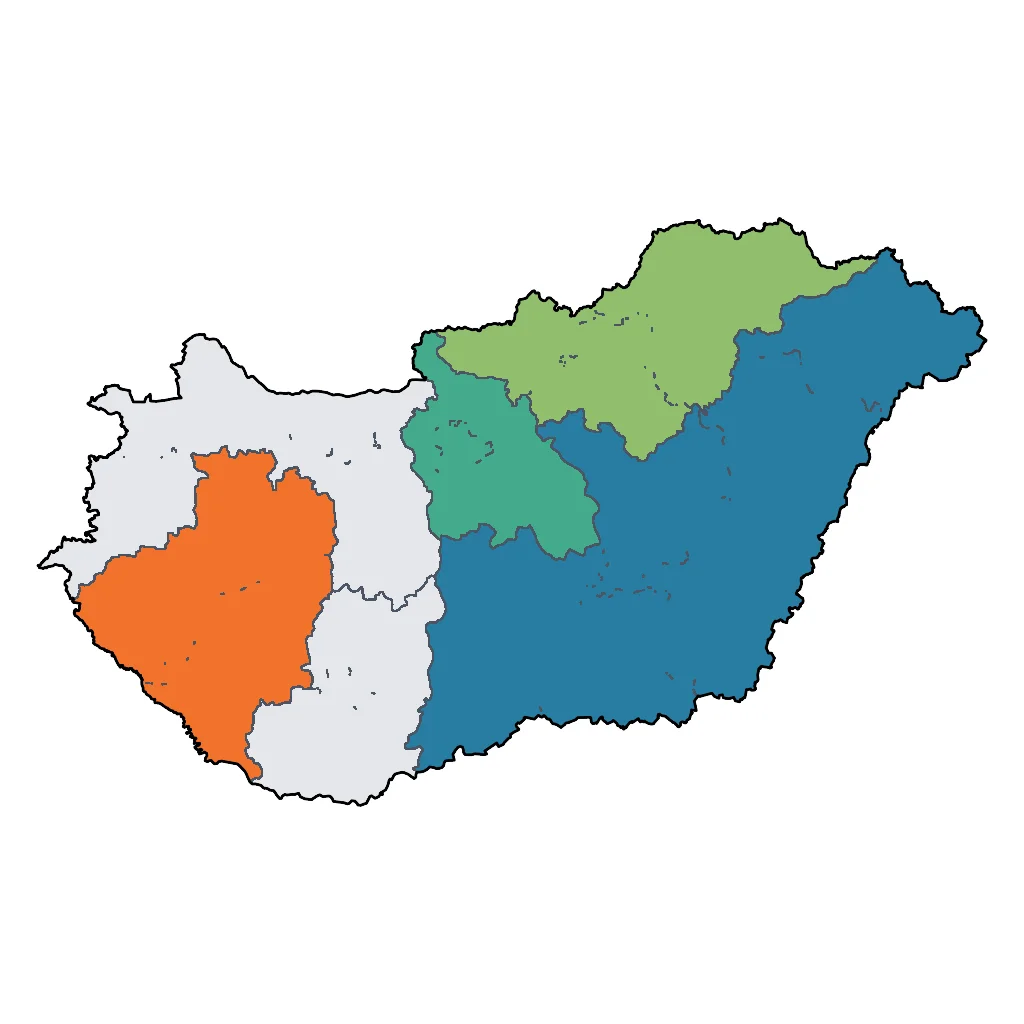

Airports & Flight Routes
Toggle options to view domestic routes and international airports. Click an airport for details.
Climate & Weather
Budapest (standalone)
Show Details
| Month | Temp °C | Rain | Humidity |
|---|
Eger & Northern Highlands (wine)
Show Details
| Month | Temp °C | Rain | Humidity |
|---|
Great Plain (Puszta, Hortobagy)
Show Details
| Month | Temp °C | Rain | Humidity |
|---|
Lake Balaton
Show Details
| Month | Temp °C | Rain | Humidity |
|---|
Pécs & Southern Hungary
Show Details
| Month | Temp °C | Rain | Humidity |
|---|
Western Hungary (Sopron, Győr)
Show Details
| Month | Temp °C | Rain | Humidity |
|---|

Travel Advisory
The country is considered safe for travel with no major security threats. Standard personal safety awareness is sufficient for most travelers.
Safety Topics
Traveller Advice (4 groups)

Budapest is generally welcoming and tolerant, but social attitudes may be more conservative in rural areas. Be aware of recent national legislation that restricts the public display of LGBTQ+ content to minors.

Exercise caution in nightlife areas due to reports of drink spiking. It is advisable to travel in groups and avoid accepting drinks from unfamiliar individuals.
Be mindful of local laws that impact the depiction of certain social identities to minors when attending public events or festivals.

Ensure you have a physical passport for ID, validate all transit tickets immediately, and pre-purchase highway vignettes. Stay away from the Ukrainian border region.