

Budapest is often cited as one of the most family-friendly capital cities in Europe, geographically split by the Danube into two distinct personalities: the hilly, historic Buda and the flat, buzzing Pest. For traveling families, this separation offers a logical way to plan your days. The climate is continental, meaning hot summers perfect for outdoor pools and cold, sometimes snowy winters that transform the city into a festive wonderland with sprawling Christmas markets.
On the Buda side, the primary attraction is the Castle District. Instead of a tiring hike, families can take the Budavári Sikló (funicular) up the hill—a thrill for younger children. The Fisherman’s Bastion offers panoramic views and turreted walls that spark the imagination, resembling a real-life fairy tale fortress. Nearby, the Hospital in the Rock offers a fascinating underground history lesson for older children and teenagers. Further into the Buda Hills, the Children's Railway (Gyermekvasút) is a standout attraction; it is the world’s largest railway line where traffic management and commercial services are operated by children aged 10-14, under adult supervision. It’s an inspiring experience for young riders and leads to popular hiking spots like the Elizabeth Lookout.
Crossing the Chain Bridge to the Pest side, the City Park (Városliget) acts as a central playground. Here you will find the Budapest Zoo and Botanical Garden, one of the oldest in the world with stunning Art Nouveau architecture. Next door is the Grand Circus and the Széchenyi Thermal Bath. While thermal baths might sound adult-oriented, Széchenyi’s large outdoor pools are lively and welcoming to families, featuring a swirling corridor that kids love. For a break from the city streets, Margaret Island sits in the middle of the Danube. It is a car-free recreational zone with a musical fountain, a small wildlife park, and electric buggies available for rent, making it easy to navigate with tired toddlers.
Culinary experiences in Budapest are surprisingly kid-friendly. Lángos (fried dough with cheese and sour cream) is a universally loved street food, while Kürtőskalács (chimney cake) provides a sweet, cylindrical treat often sold on street corners. Public transport is excellent; the yellow trams (especially line 2) run along the riverbank, offering a cheap and scenic sightseeing tour. Safety standards are high, parks are well-maintained, and most major museums offer interactive exhibits suitable for younger visitors.
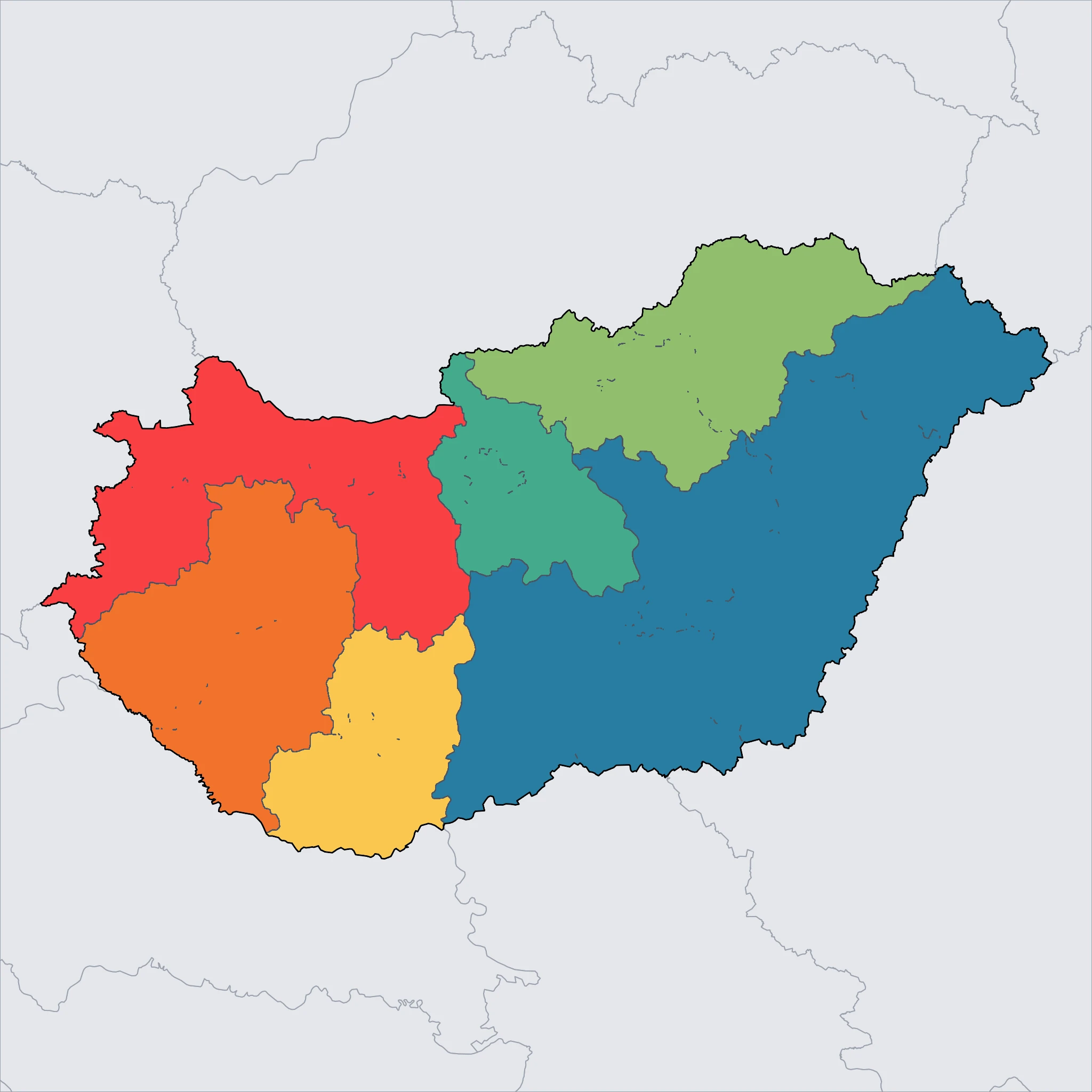
Click a region to explore

Activities & Best Times

Urban tourism, museums, historical sites, architecture
Budapest offers a world-class blend of Austro-Hungarian grandeur, Jewish heritage, and Art Nouveau architecture centered around a majestic riverfront. Peak months provide the dry, mild conditions (15-22°C) ideal for exploring the UNESCO-listed Castle District and Parliament, while winter months can be biting and overcast.
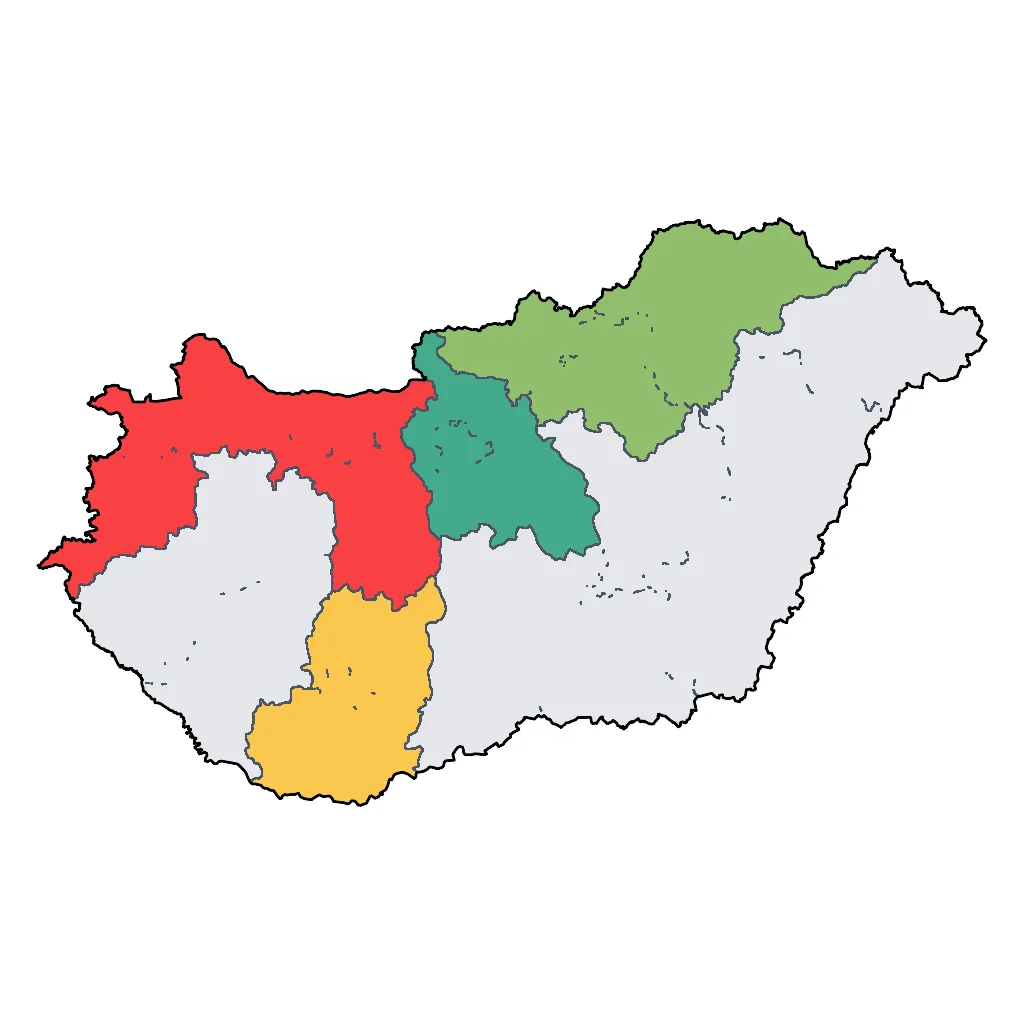

Spa retreats, wellness centers, peaceful getaways
Known as the 'City of Spas,' Budapest features authentic Roman, Ottoman, and Neo-Baroque thermal complexes that are unique globally. The summer peak allows for full use of extensive outdoor bath complexes and terrace lounging, though the indoor historic pools remain a high-quality retreat year-round.
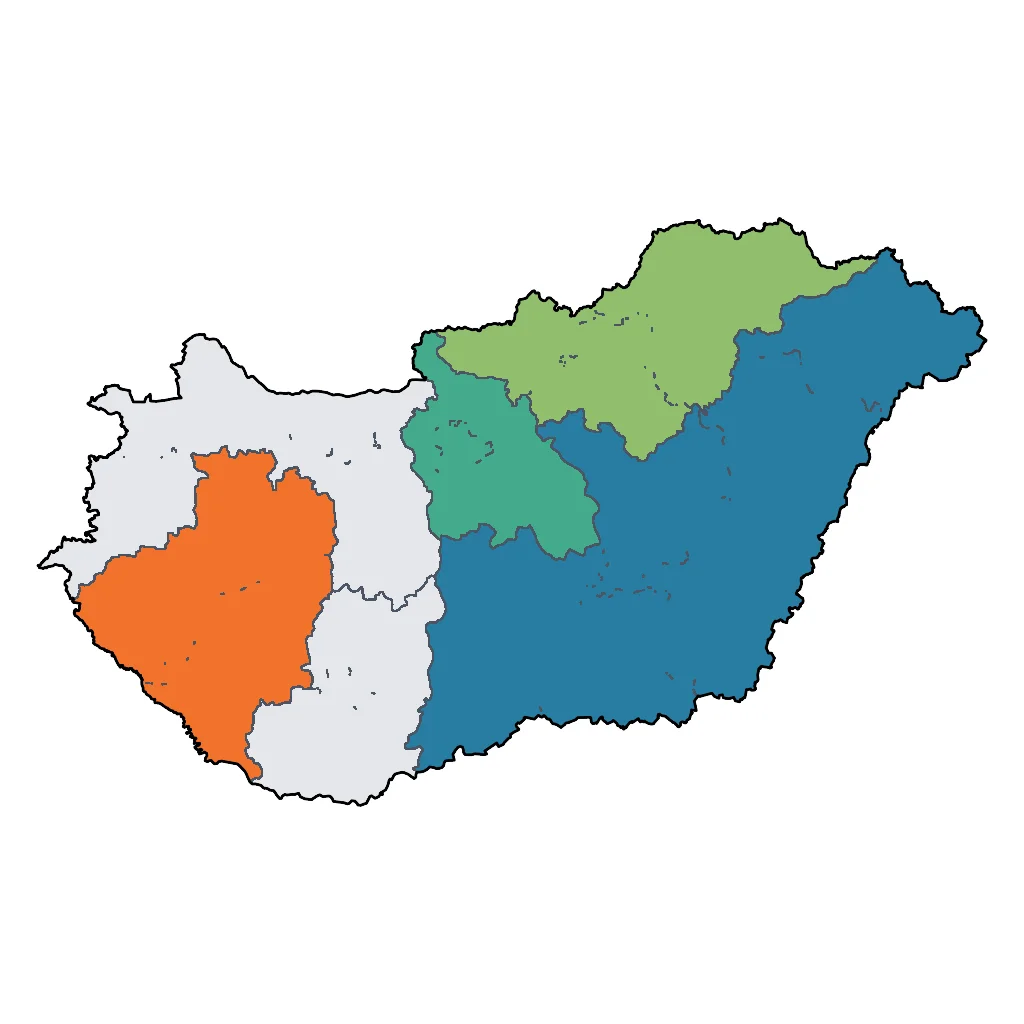

Learning experiences, scientific sites, historical education
The city serves as an open-air museum of 20th-century European history, from the House of Terror to Roman Aquincum. Peak and shoulder months facilitate comfortable access to outdoor archaeological sites and historical walking tours that are highly engaging for sophisticated families.
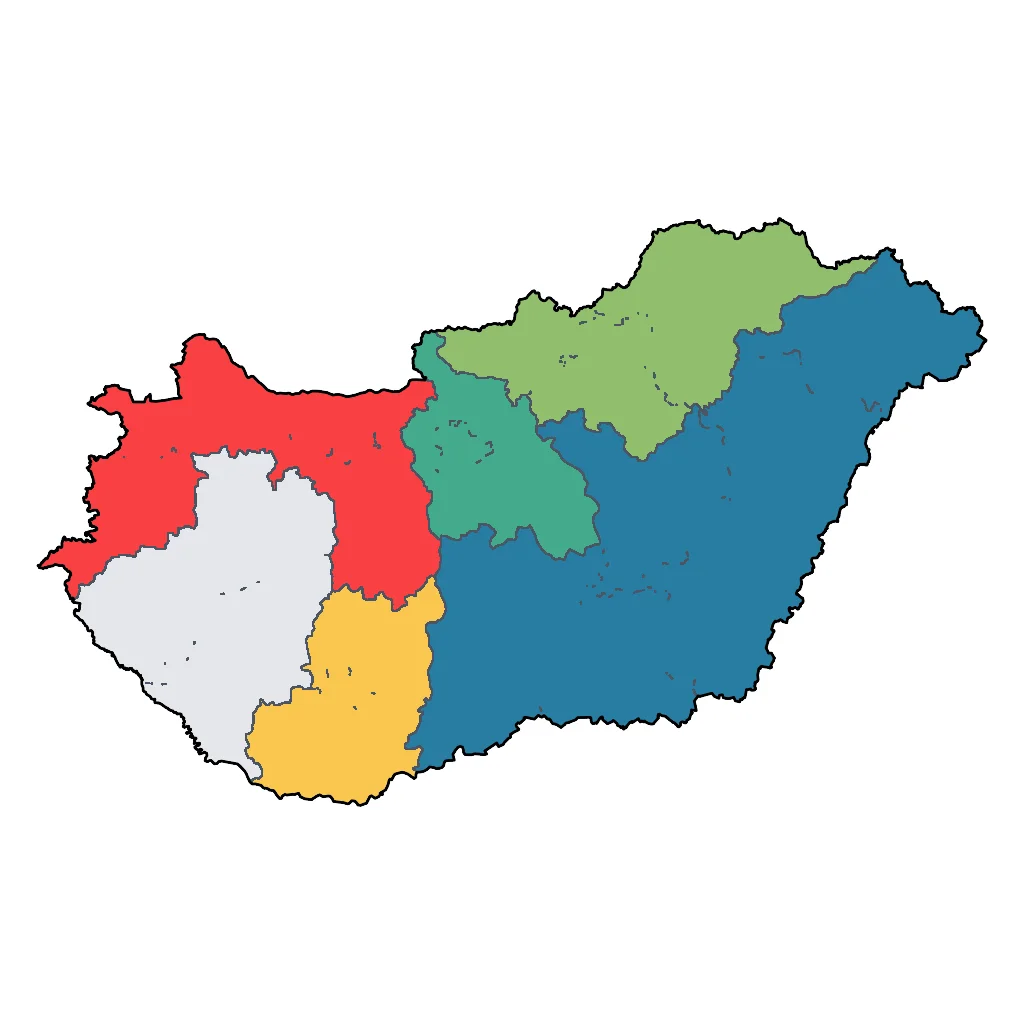

Events, celebrations, seasonal attractions
August hosts the world-renowned Sziget Festival and spectacular St. Stephen's Day celebrations, while December's Christmas markets are among Europe's most authentic and visually stunning. Shoulder seasons feature the Budapest Spring and Autumn Festivals, offering sophisticated cultural programming.
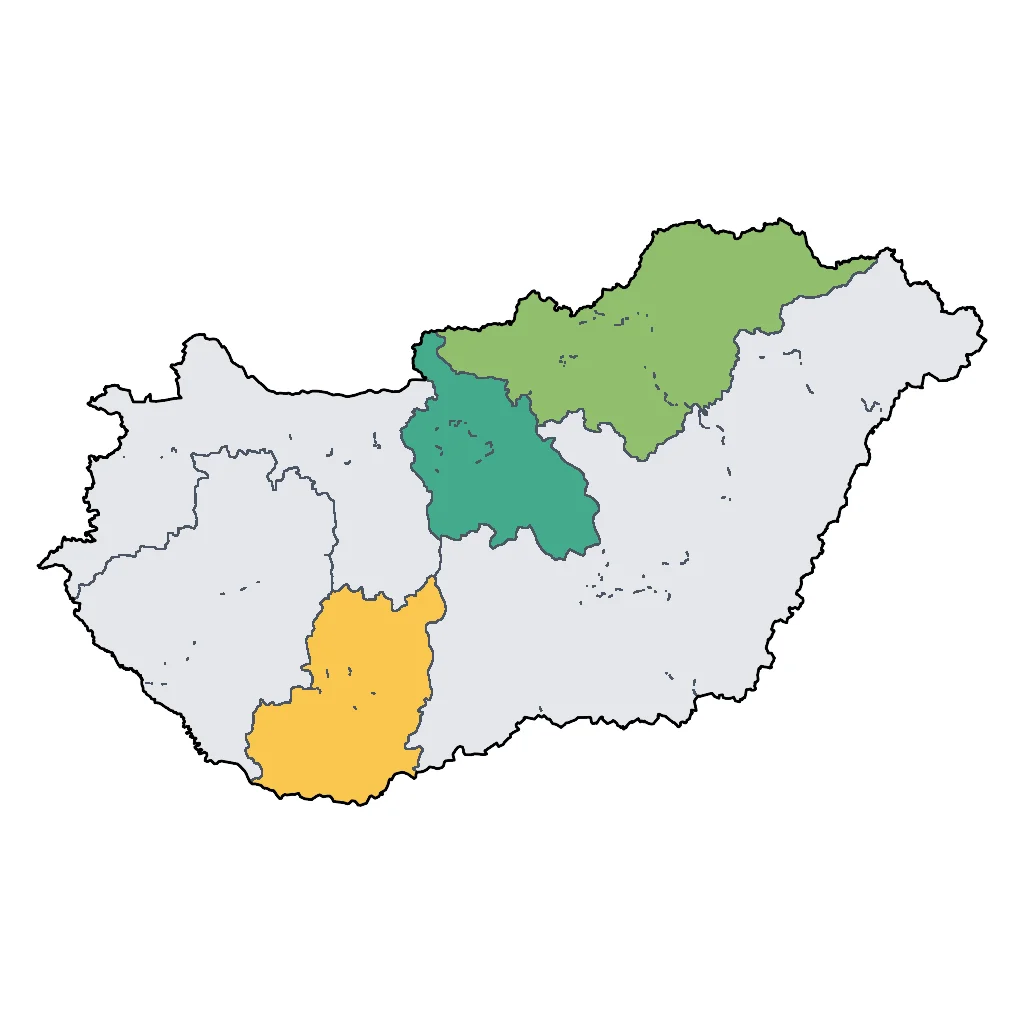

Hiking, wildlife, outdoor exploration, ecotourism
The Buda Hills and Margaret Island offer accessible hiking, the Zugliget Chairlift, and family-friendly green spaces within the urban fabric. While not a wilderness destination, the blend of nature and historic transport (Children's Railway) provides a unique, sophisticated outdoor experience for families.
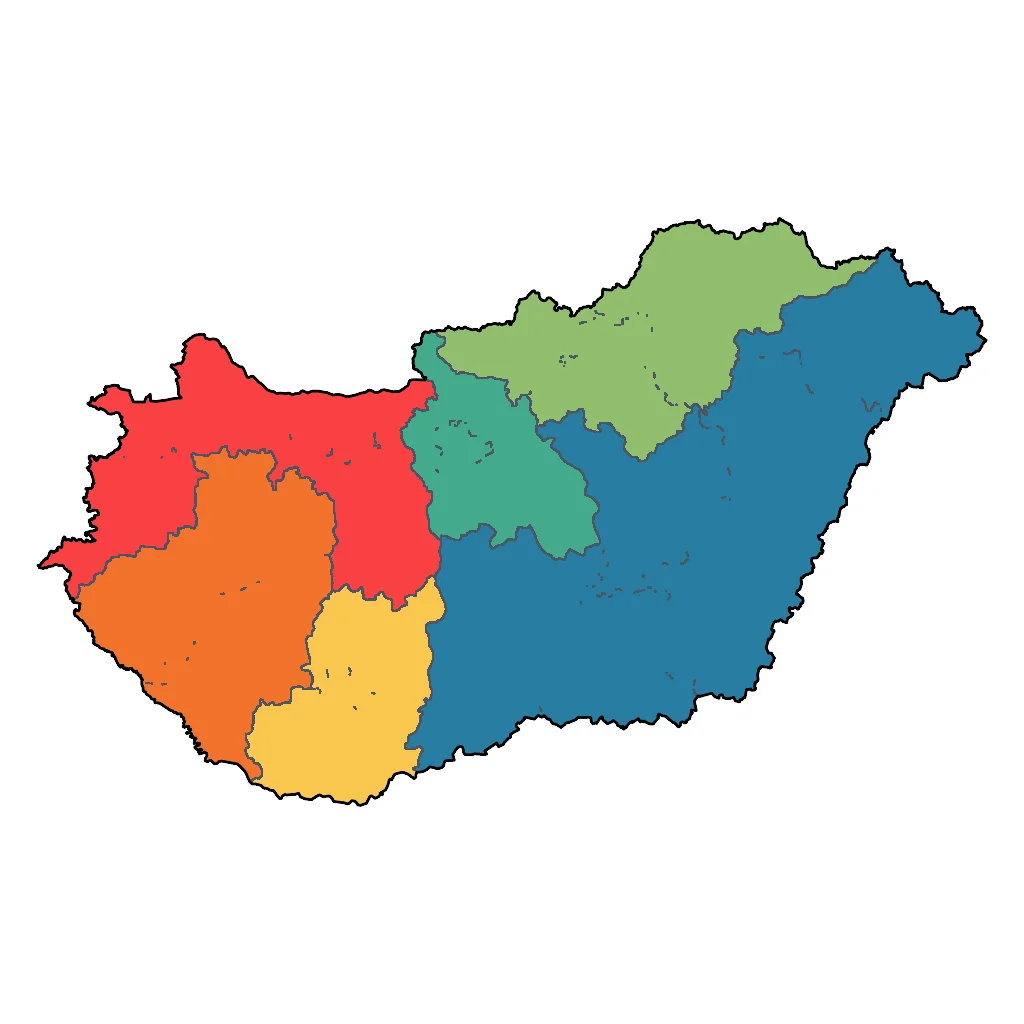

Scenic drives, countryside tours, route-based travel
Excellent infrastructure allows for scenic drives to the Danube Bend and Gödöllő Palace, offering authentic rural Hungarian experiences. Best visibility and road conditions occur in late spring and early autumn; winter road trips are often marred by gray skies and early sunset.
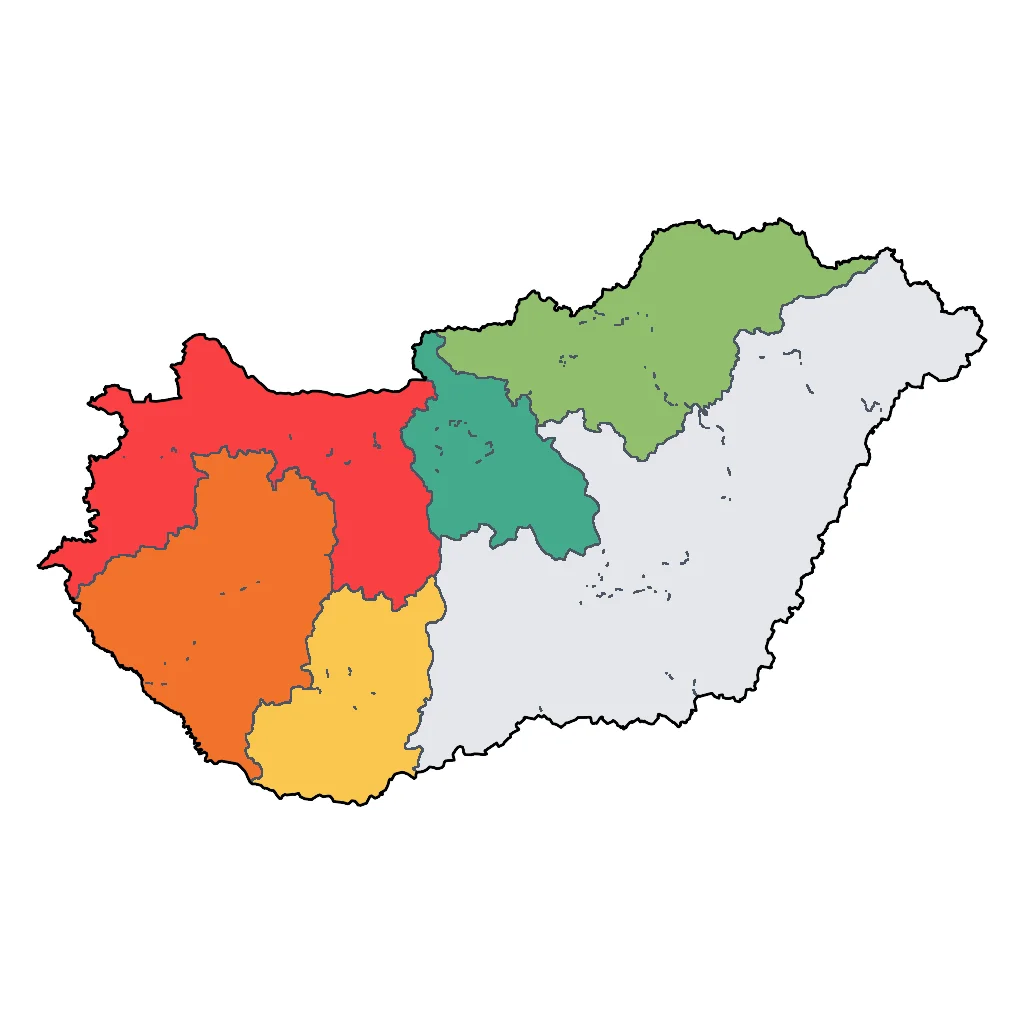

Sport tourism, fitness activities, active recreation
The city offers high-quality recreational infrastructure, including the famous running track on Margaret Island and extensive cycling paths along the Danube. Conditions are optimal from late spring to early autumn when low rainfall and warm temperatures support active urban exploration.
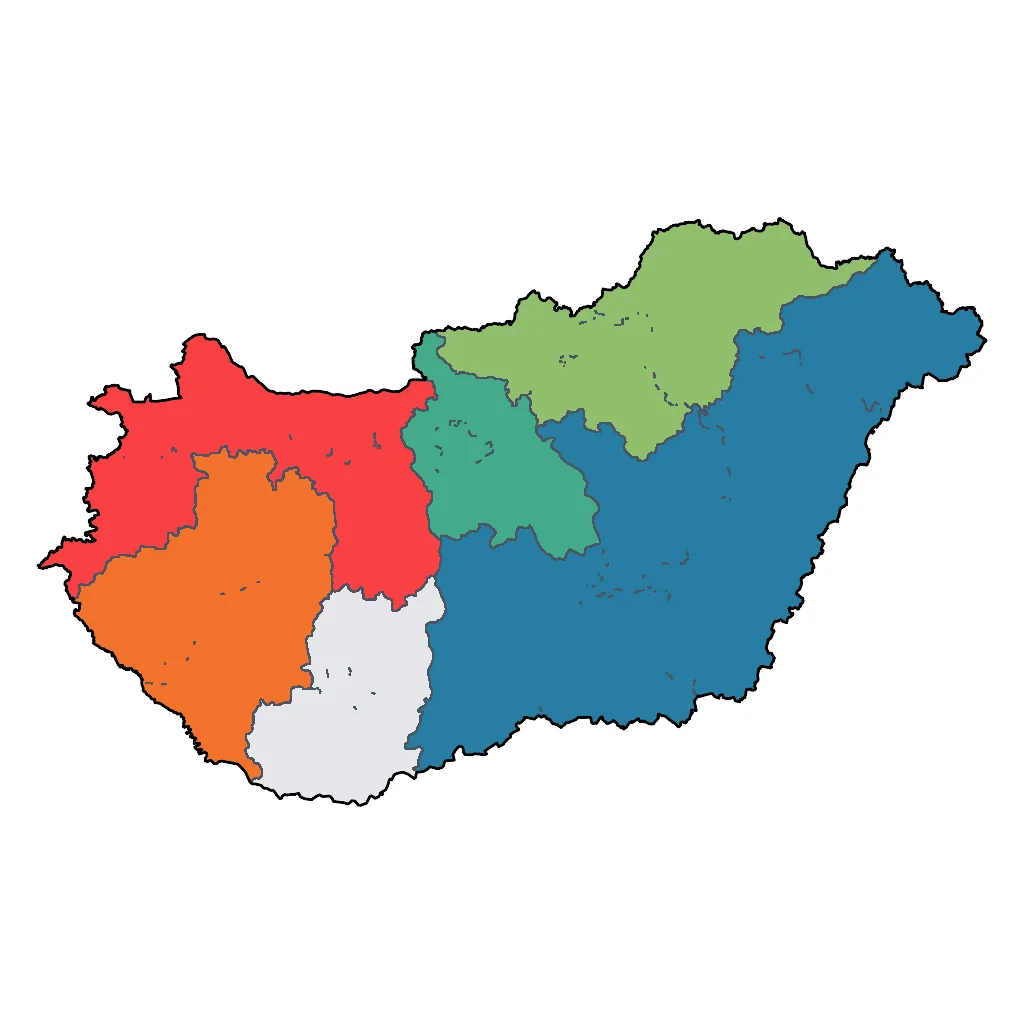

Beach resorts, marine activities: diving, snorkelling, kite surfing, wind surfing, sailing
While landlocked, the city’s historic 'strand' lidos offer a unique urban water culture that appeals to experienced travelers. Peak summer months (July-August) provide the necessary heat (25-30°C) to enjoy the extensive outdoor pool complexes and Margaret Island’s fountains.
Amusement parks, family entertainment venues
Lacks modern mega-theme parks but features a world-class historic zoo and the unique Great Circus. These heritage-focused entertainment venues are best enjoyed during the mild peak months to accommodate their significant outdoor components.