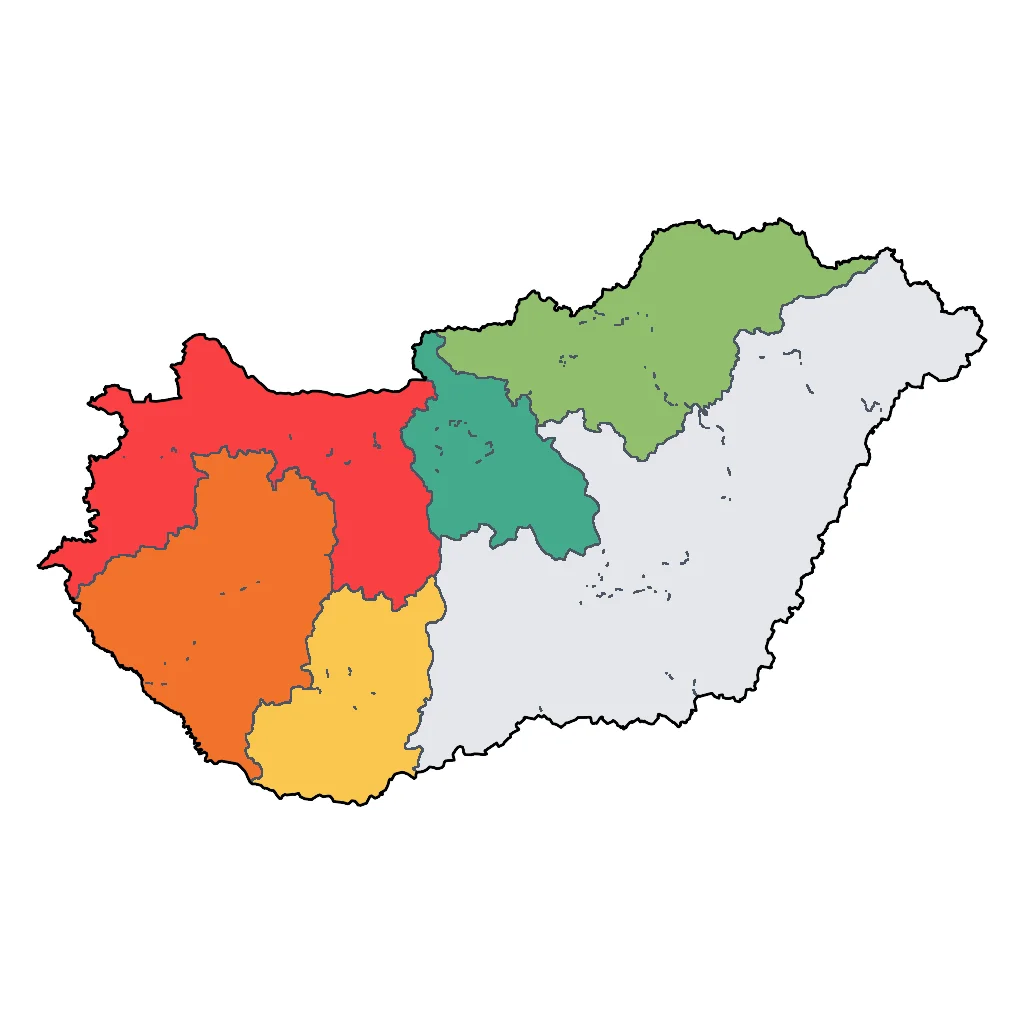

The Great Plain (Alföld) covers more than half of Hungary, presenting a horizon that stretches endlessly in every direction. This is the land of the Puszta, a landscape that evokes the romance of the Wild West with a distinctly Hungarian flavor. The climate here is the most extreme in the country—very hot, sunny summers and cold, windy winters. For families, this region offers open space, unique animal encounters, and some of Europe’s largest water parks.
Hortobágy National Park is the crown jewel of the region and a UNESCO World Heritage site. It is the best place to introduce children to the csikós (Hungarian cowboys) who perform daring stunts, such as standing on the backs of five galloping horses at once. The park is also a sanctuary for ancient animal breeds that look like they belong in a storybook: the shaggy Mangalica pig, the spiral-horned Racka sheep, and the imposing Grey Cattle. Horse carriage tours take families out onto the steppe to see these animals up close in their natural habitat, offering a safari-like experience.
Water is the other defining feature of the Great Plain. Hajdúszoboszló is often called a "rheumatism capital," but for kids, it is simply a water paradise. The Hungarospa complex here is massive, featuring an Aquapark with giant slides, a seaside-style wave pool, and kid-centric adventure pools. Further south in Szeged, the Napfényfürdő Aquapolis boasts the longest all-year-round water slide in Europe. Szeged itself is a vibrant university town famous for its Open Air Festival and the Pick Salami and Paprika Museum, where families can learn about the region’s most famous edible exports.
Nature lovers should head to Lake Tisza, a man-made reservoir that has developed a rich ecosystem. The Lake Tisza Ecocentre in Poroszló houses the largest freshwater aquarium system in Europe, allowing children to walk through glass tunnels surrounded by giant sturgeon and pike. The lake creates a fantastic environment for family boating, kayaking, and cycling, as the dikes create flat, safe, car-free bike paths that circle the water. The cuisine here is famous for Fisherman’s Soup (halászlé) and goulash, cooked in cauldrons over open fires—a tradition often demonstrated at festivals.
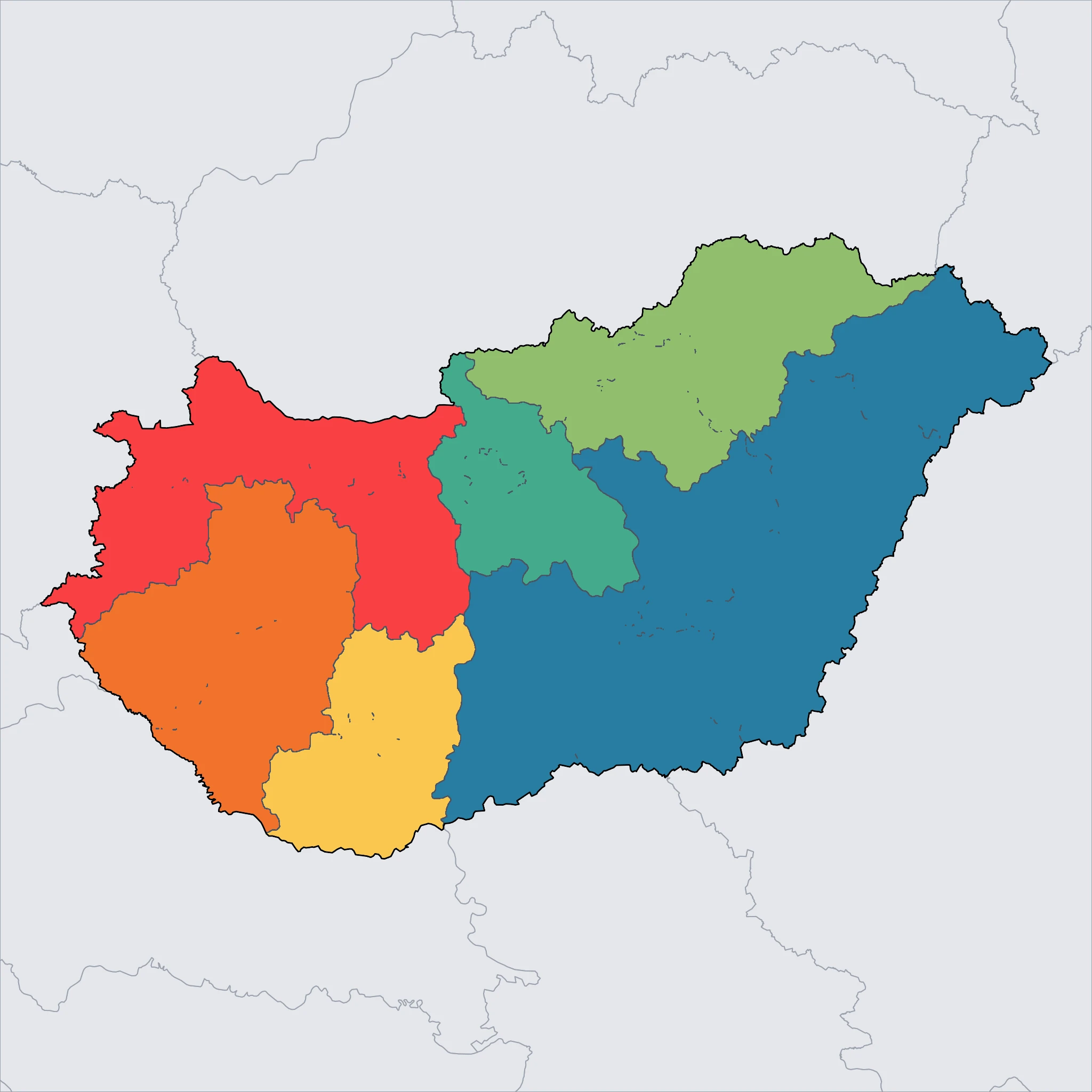
Click a region to explore

Activities & Best Times

Hiking, wildlife, outdoor exploration, ecotourism
The UNESCO-listed Hortobágy National Park offers a unique steppe ecosystem with world-class bird watching, most notably the spectacular crane migration in October. Peak months provide ideal temperatures for exploring the vast plains, while summer heat (July-August) can be intense on the treeless Puszta.

Spa retreats, wellness centers, peaceful getaways
Home to Hajdúszoboszló, one of Europe's largest thermal complexes, the region offers unique medicinal waters and sophisticated wellness facilities. Peak summer months allow families to enjoy both indoor spas and extensive outdoor therapeutic parks in temperatures regularly reaching 25-28°C.

Urban tourism, museums, historical sites, architecture
Cities like Debrecen and Szeged boast significant architectural heritage, world-class universities, and a refined Central European urban culture. While authentic and charming, they lack the global iconic status of 'excellent' tier cities, making them best for a slow-paced cultural exploration in pleasant weather.
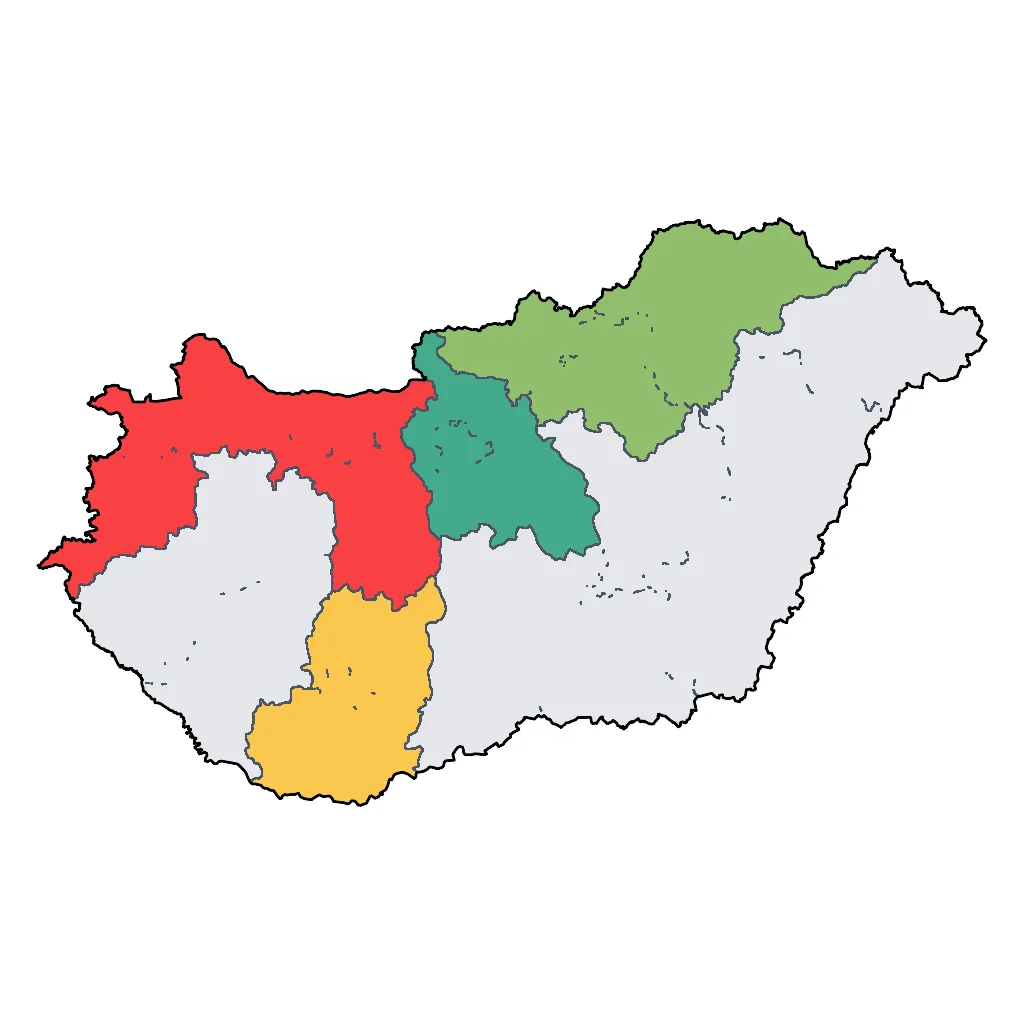

Learning experiences, scientific sites, historical education
The ethnographic heritage and csikós horsemanship traditions are genuinely educational, but the evidence base is thin (1 editorial attraction - Hortobágy NP). The educational claim rests heavily on LLM general knowledge rather than catalogued educational facilities or institutions. 'Good' is more appropriate and creates better differentiation from Budapest's 'very_good' educational rating which has 10 supporting attractions.
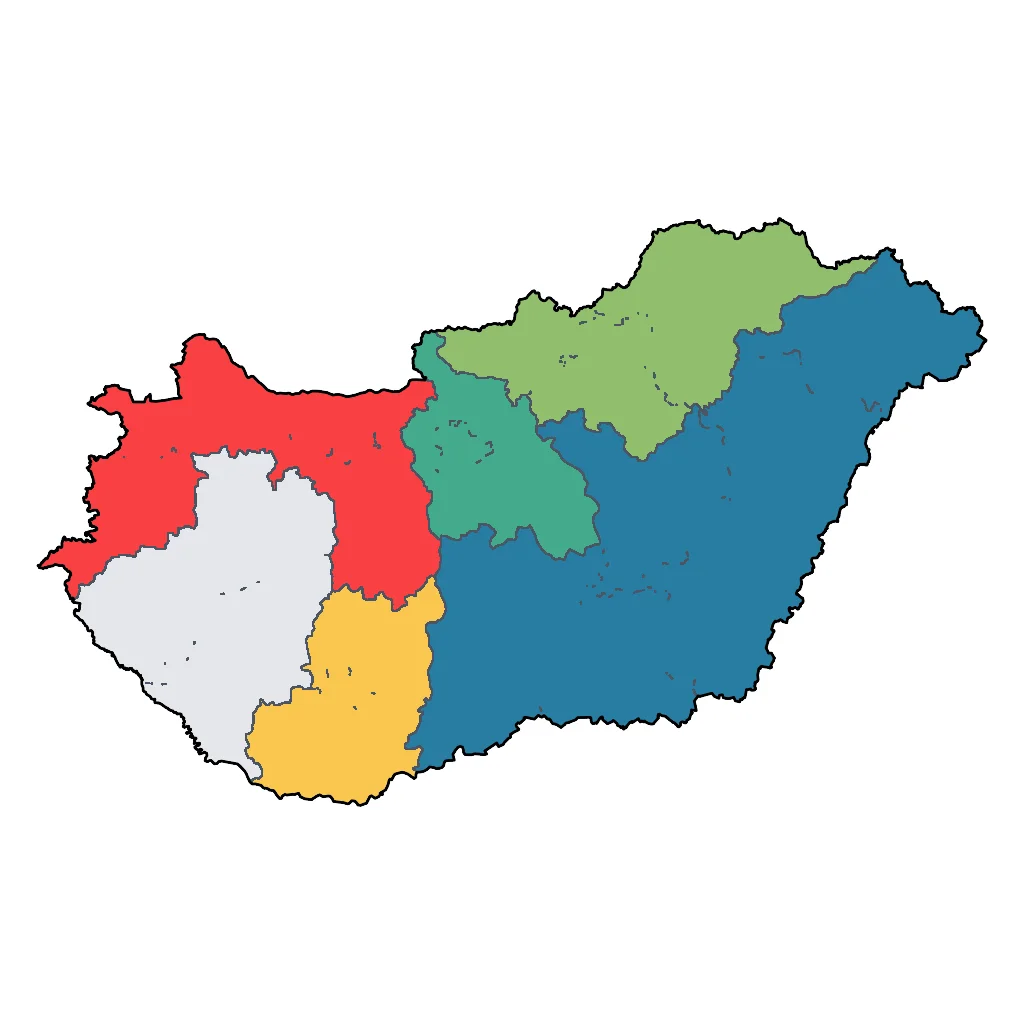

Events, celebrations, seasonal attractions
While the Debrecen Flower Carnival and Crane Festival are notable, they are primarily domestic/regional events. Placing them at the same 'very_good' tier as Sziget Festival (Budapest), Busójárás (Pécs), and Eger wine festivals overstates their international draw. Only 1 editorial attraction (Hortobágy NP) provides evidence, and it supports nature rather than festivals. Downgrading to 'good' better differentiates this region and maintains calibration.
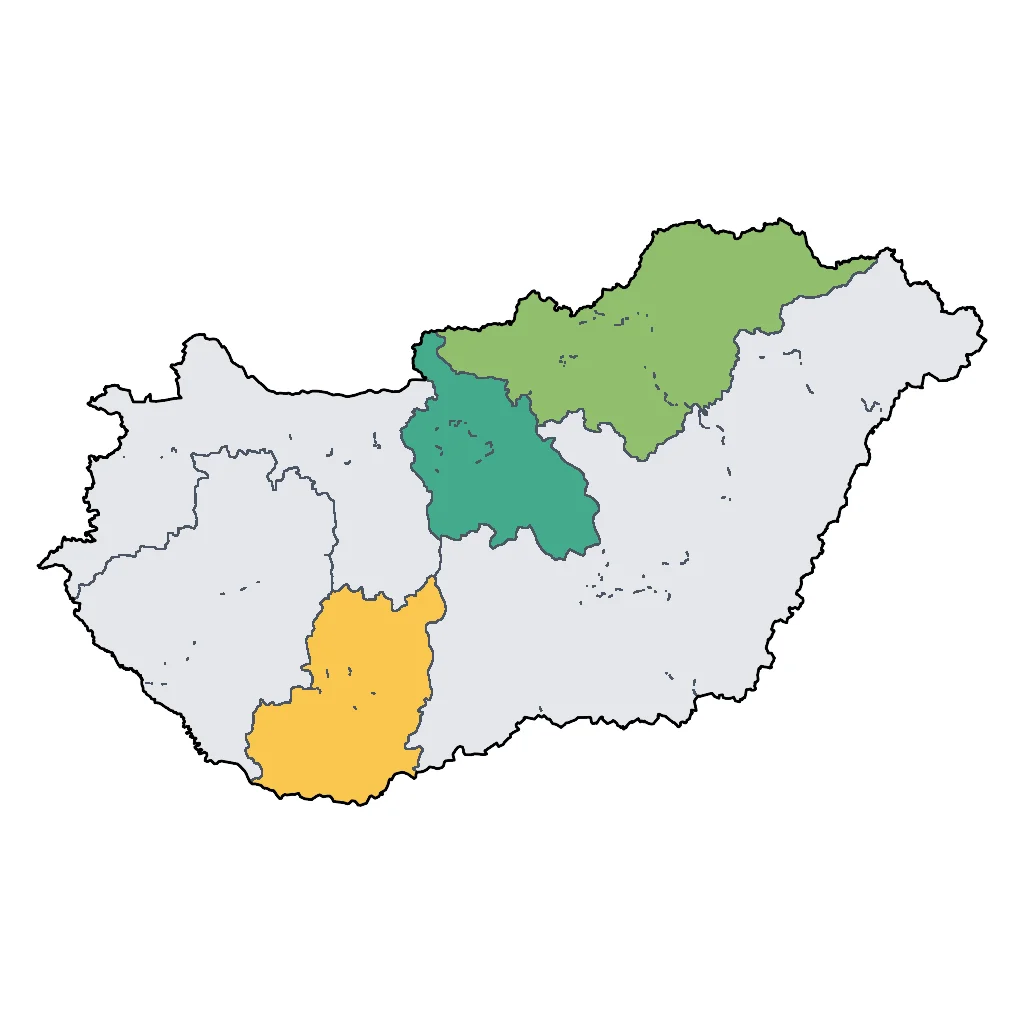

Sport tourism, fitness activities, active recreation
Renowned for equestrian sports and flat, scenic cycling through the plains, the region offers high-quality facilities for active families. Late spring and early autumn provide the best conditions for outdoor activities before the high summer humidity or winter frost sets in.
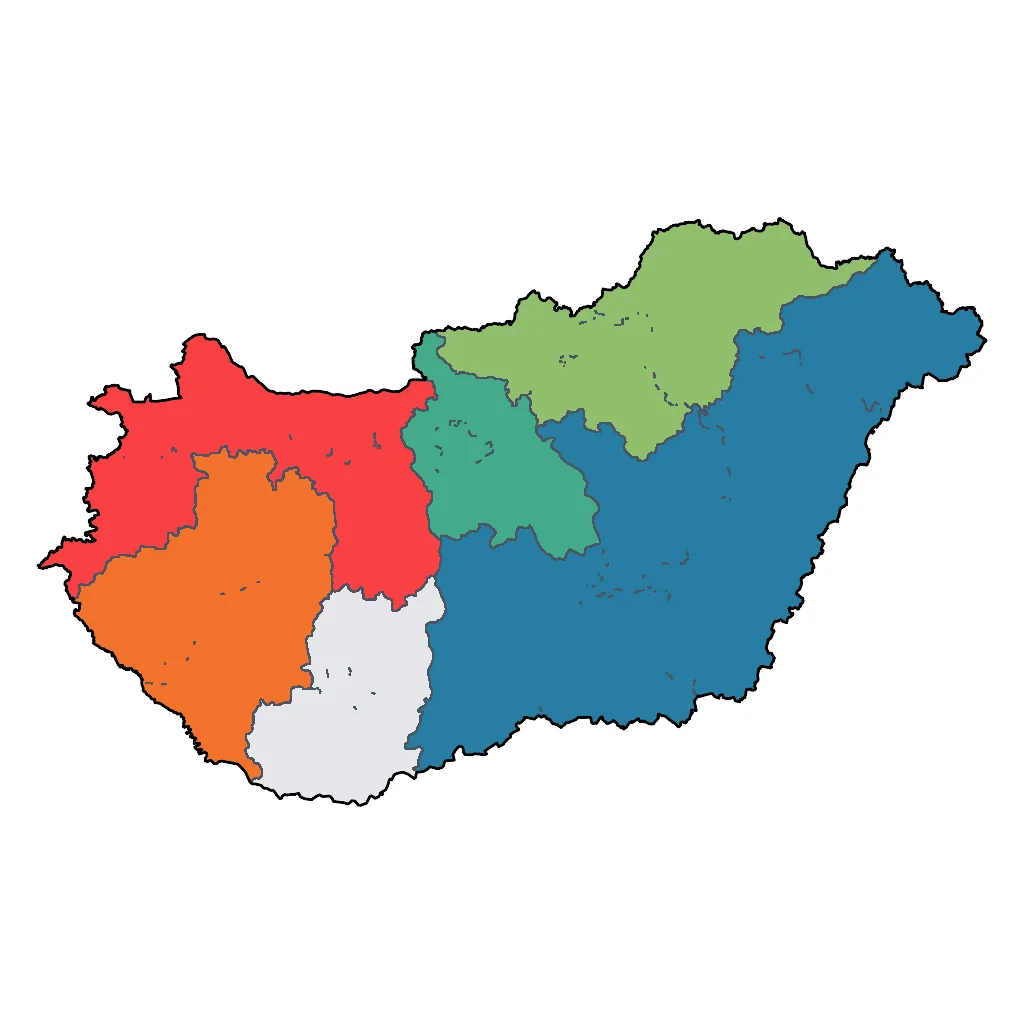

Scenic drives, countryside tours, route-based travel
The 'endless horizon' of the Great Plain offers a unique, minimalist driving aesthetic with well-maintained routes between historic towns. However, the lack of topographic variety may not meet the expectations of travelers accustomed to more dramatic global scenic drives.