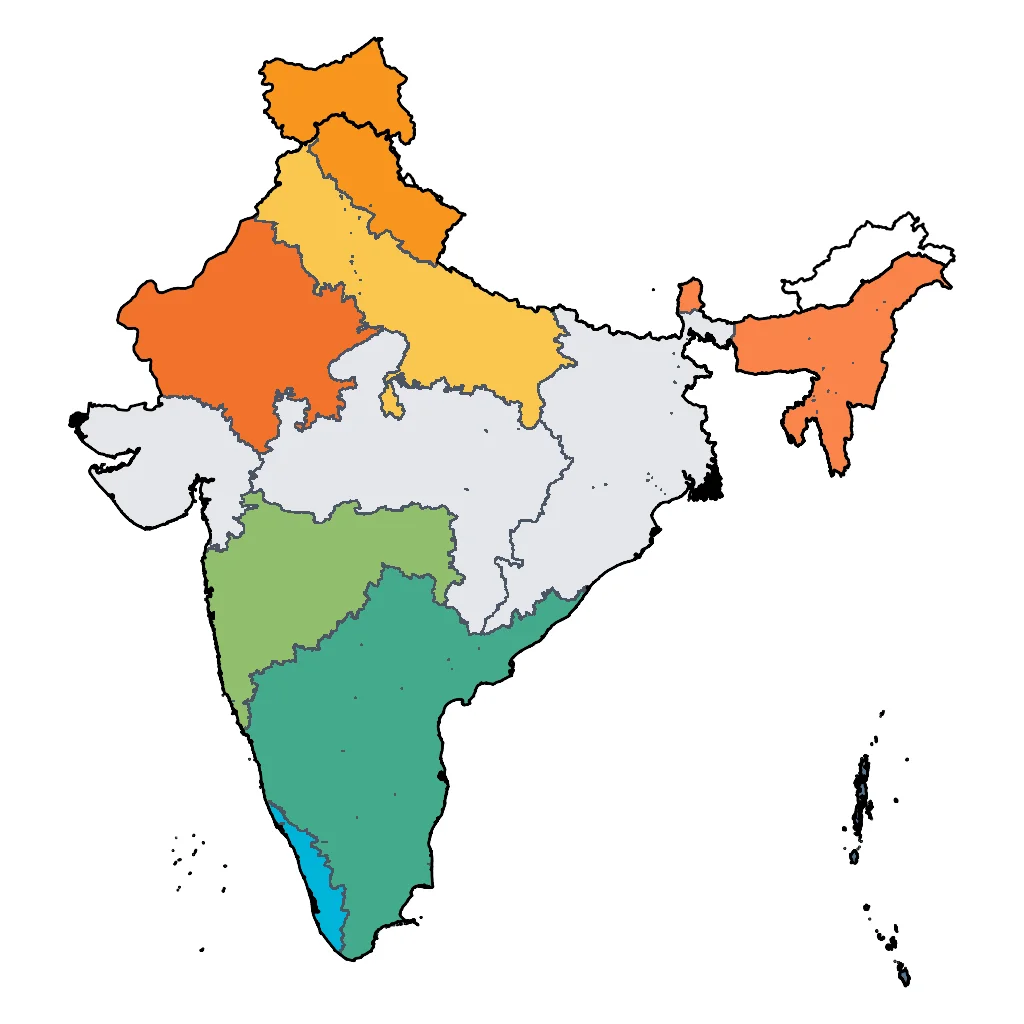
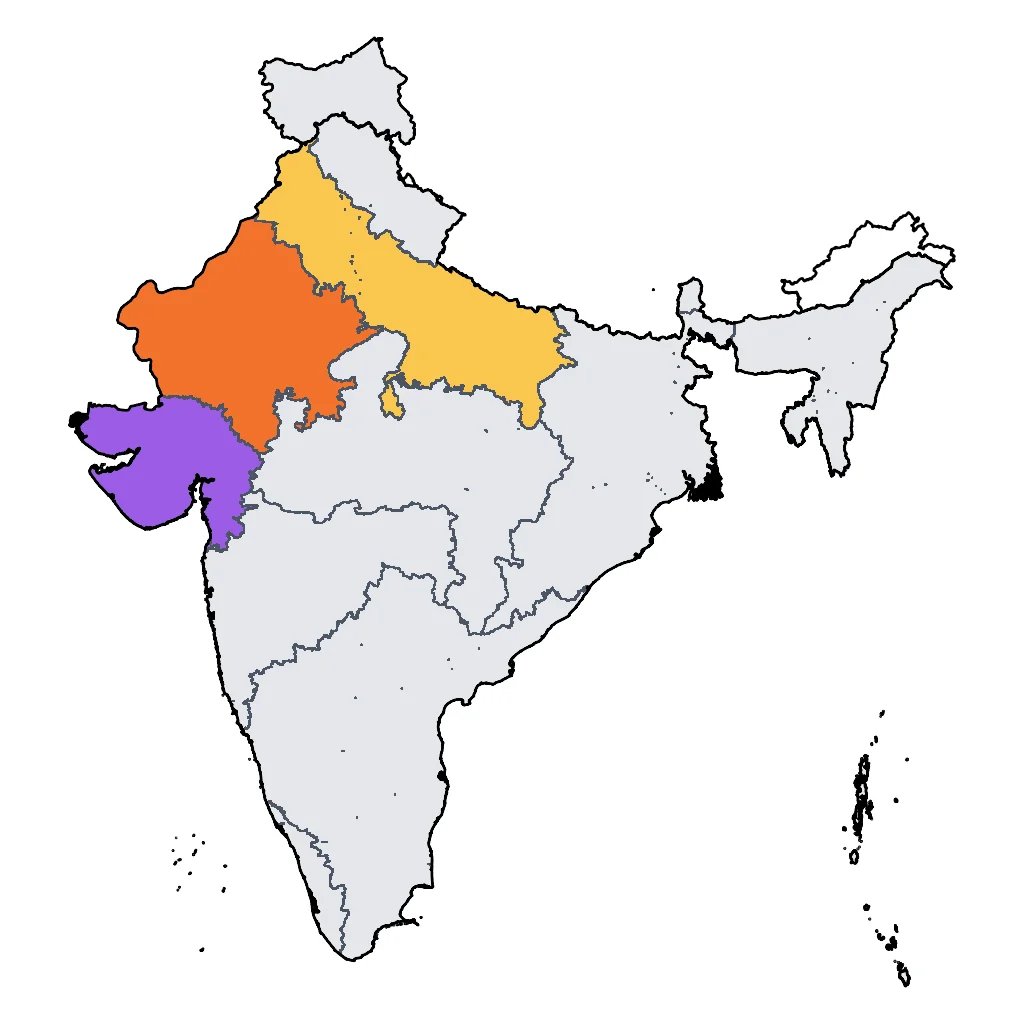
Rajasthan is perhaps the most visually spectacular region for families. The "Pink City" of Jaipur is the usual starting point. Here, the Amber Fort sits atop a hill; families can reach the entrance by jeep, adding a sense of adventure. Inside, the Hall of Mirrors (Sheesh Mahal) dazzles children with thousands of tiny reflective glass pieces. The Jantar Mantar observatory features giant stone astronomical instruments that look like modern art sculptures and serve as a great open-air science lesson.
Further west, the "Blue City" of Jodhpur is dominated by the imposing Mehrangarh Fort. The audio guides here are excellent and bring the history of battles and royalty to life. For a true desert experience, Jaisalmer offers camel safaris into the Thar Desert sand dunes. Many operators offer family-friendly overnight camps with folk music, dancing, and comfortable tents.
Udaipur, the "City of Lakes," offers a more relaxed pace. A sunset boat ride on Lake Pichola provides views of the City Palace and the Lake Palace hotel. Culturally, Rajasthan is famous for its Kathputli (string puppet) shows, which are humorous and colorful, overcoming language barriers for young viewers. The cuisine can be spicy, but most restaurants offer milder options. Travel between cities is easy via train or hired car. The best time to visit is strictly winter (October to March) to avoid the blistering desert heat.
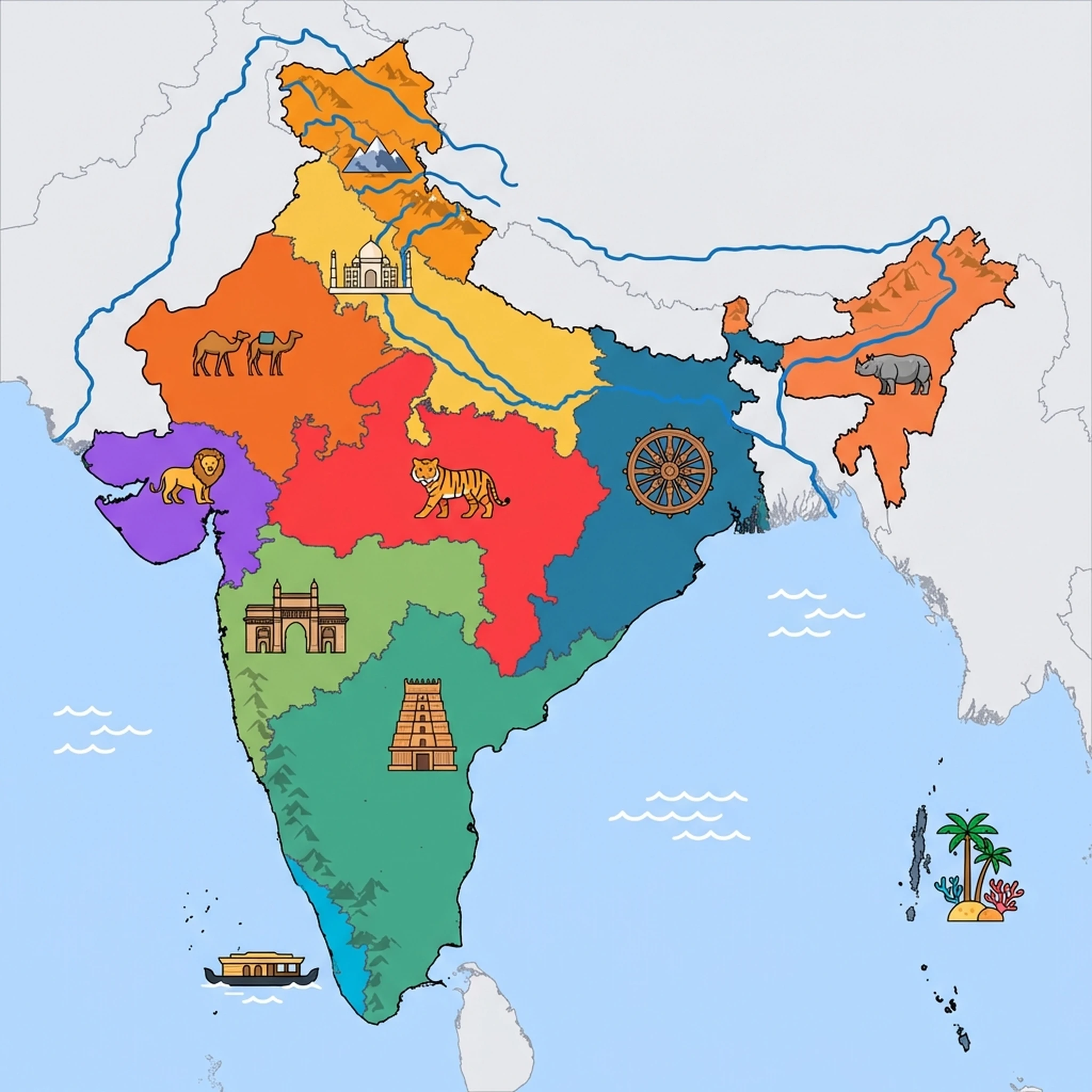
Click a region to explore

Activities & Best Times

Urban tourism, museums, historical sites, architecture
Home to world-renowned UNESCO forts and palaces offering a living history unmatched globally for sophisticated families. Ideal climate prevails from November to March; extreme summer heat (>40°C) and monsoon humidity in June-August make urban exploration uncomfortable.

Events, celebrations, seasonal attractions
Globally iconic celebrations like Holi, Diwali, and the Pushkar Camel Fair offer incomparable authentic cultural immersion for experienced travelers. These events align with the cooler dry season; the extreme heat of the pre-monsoon months prevents major outdoor public festivals.

Hiking, wildlife, outdoor exploration, ecotourism
Ranthambore is a single park; camel treks are scenic but not internationally elite adventure (Namibia, Botswana, Mongolia set the benchmark for desert adventure). 12 of 13 editorial attractions are cultural/historic — only Keoladeo is nature-related, and it's a bird sanctuary, not an 'excellent' adventure destination. The region's true strengths are city_cultural and festivals_seasonal, which are correctly rated 'excellent'.

Learning experiences, scientific sites, historical education
Rich in astronomical history at Jantar Mantar and intricate architectural education within massive fort complexes. Best visited in the cool winter months to facilitate outdoor walking tours; intense summer sun and monsoon rains hinder the educational experience at these open-air sites.

Spa retreats, wellness centers, peaceful getaways
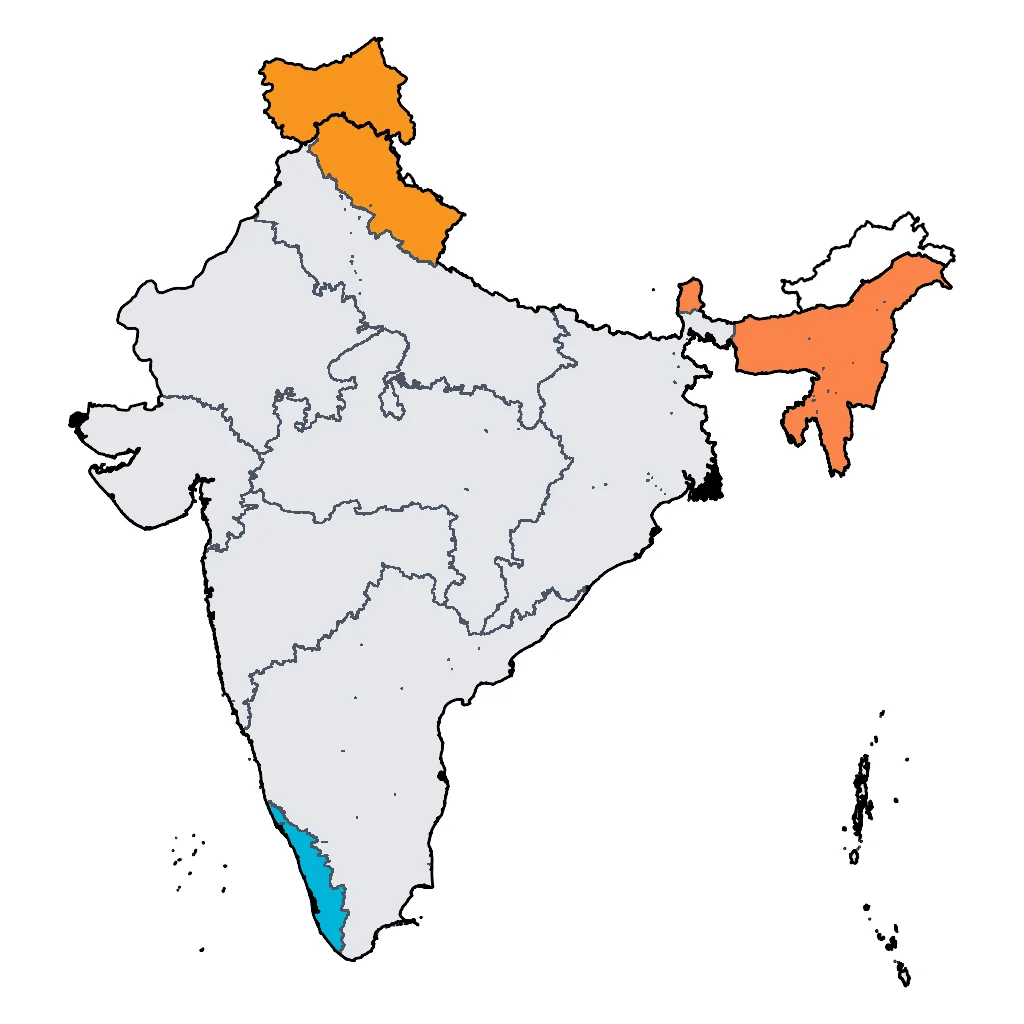
Palace hotels deliver luxury, not wellness. Individual properties like Amanbagh and Six Senses exist but do not constitute a regional wellness ecosystem. Kerala (Ayurveda birthplace), Bali, and Thailand are the global benchmarks for 'excellent' wellness destinations. Having 3 regions in India at 'excellent' for wellness (Himalayan, Malabar Coast, and Rajasthan) over-saturates this rating — Rajasthan is the weakest of the three.
Scenic drives, countryside tours, route-based travel
Iconic routes connect the 'colored cities' (Pink, Blue, and Golden) through dramatic desert landscapes and rural artisan villages. Peak season offers high visibility and pleasant driving conditions, whereas monsoon rains can lead to difficult road conditions and summer heatwaves are harsh for passengers.

Sport tourism, fitness activities, active recreation
Features world-class polo matches in Jaipur and unique desert activities like cycling through the Aravalli hills and hot air ballooning. Cool winter temperatures are essential for physical exertion; extreme heat from April to September makes high-activity sports unsafe.