

India presents a travel experience that engages every sense, offering a landscape that shifts from the snow-capped Himalayas in the north to the tropical coasts of the south. For families, it serves as a vast, open-air classroom of history, biology, and culture. While the bustling energy of its cities can be intense, the country balances this chaos with serene retreats in nature, wildlife sanctuaries, and meticulously preserved heritage sites.
Most family itineraries focus on the Golden Triangle in the north. This route connects Delhi, Agra, and Jaipur. In Agra, the Taj Mahal provides a spectacular photo opportunity and a lesson in Mughal history. Jaipur, known as the Pink City, captures imaginations with the Amber Fort, where families can walk along massive ramparts and explore mirror-lined halls. Many hotels in Rajasthan are converted palaces, giving children the chance to sleep in historic royal quarters.
Beyond the monuments, India’s wildlife is a significant attraction. Ranthambore National Park offers jeep safaris where patience is often rewarded with sightings of wild Bengal tigers, deer, and monkeys living among ancient ruins. For a change of pace, the southern state of Kerala is famous for its backwaters. Families can hire a private houseboat to drift slowly through canals, watching village life pass by in a calm, green environment. Alternatively, the beaches of Goa offer a classic seaside holiday with warm Arabian Sea waters and family-oriented resorts.
Food and Culture
While Indian cuisine is known for its heat, there are plenty of mild options for children. Creamy butter chicken, mild paneer (cheese) dishes, and fresh naan bread are usually popular with young travelers. Sweet mango lassis (yogurt drinks) are widely available and refreshing in the heat. Culturally, India is deeply family-centric; locals are often welcoming and attentive to children, making families feel at home despite the cultural differences.
Practical Considerations
Travel here requires logistical planning. Distances between major sites can be long, and city traffic is often heavy. The most stress-free way for families to navigate the Golden Triangle is by hiring a private car and driver, which offers flexibility and a comfortable environment. The best time to visit is cool, dry season from October to March. To ensure health, families should strictly stick to bottled water and prioritize freshly cooked, hot food.

Explore Regions
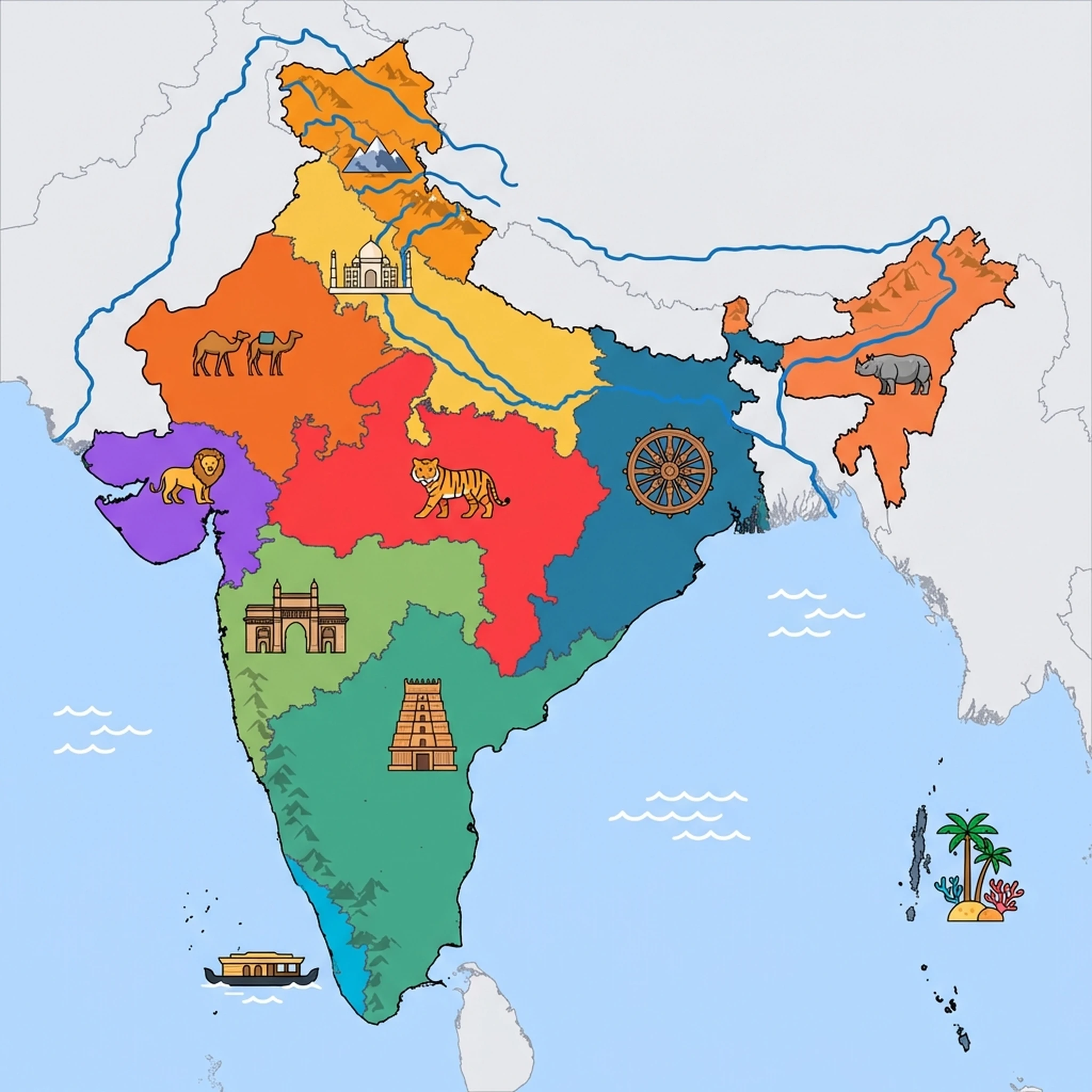
11 Regions
Central India & Tribal Heartland
Tiger safaris and ancient stone forts 🐅
Deccan & Coromandel South India
Giant boulders, temples, and coastlines 🛕
Delhi & Upper Gangetic Plain
The Taj Mahal and Mughal history 🕌
Eastern India & Lower Ganges
Toy trains, tigers, and terracotta 🚂
Gujarat & Western Heritage
Asiatic lions and white salt deserts 🦁
Himalayan North India
Snow peaks and mountain adventures 🏔️
Island India
Tropical beaches and coral reefs 🏝️
Malabar Coast & Western Ghats
Houseboats, elephants, and tea hills 🐘
Northeast India
Rhinos, root bridges, and waterfalls 🦏
Rajasthan & Thar Desert
Palaces, forts, and desert camels 🐪
Western India & Financial Coast
Golden beaches and ancient caves 🏖️
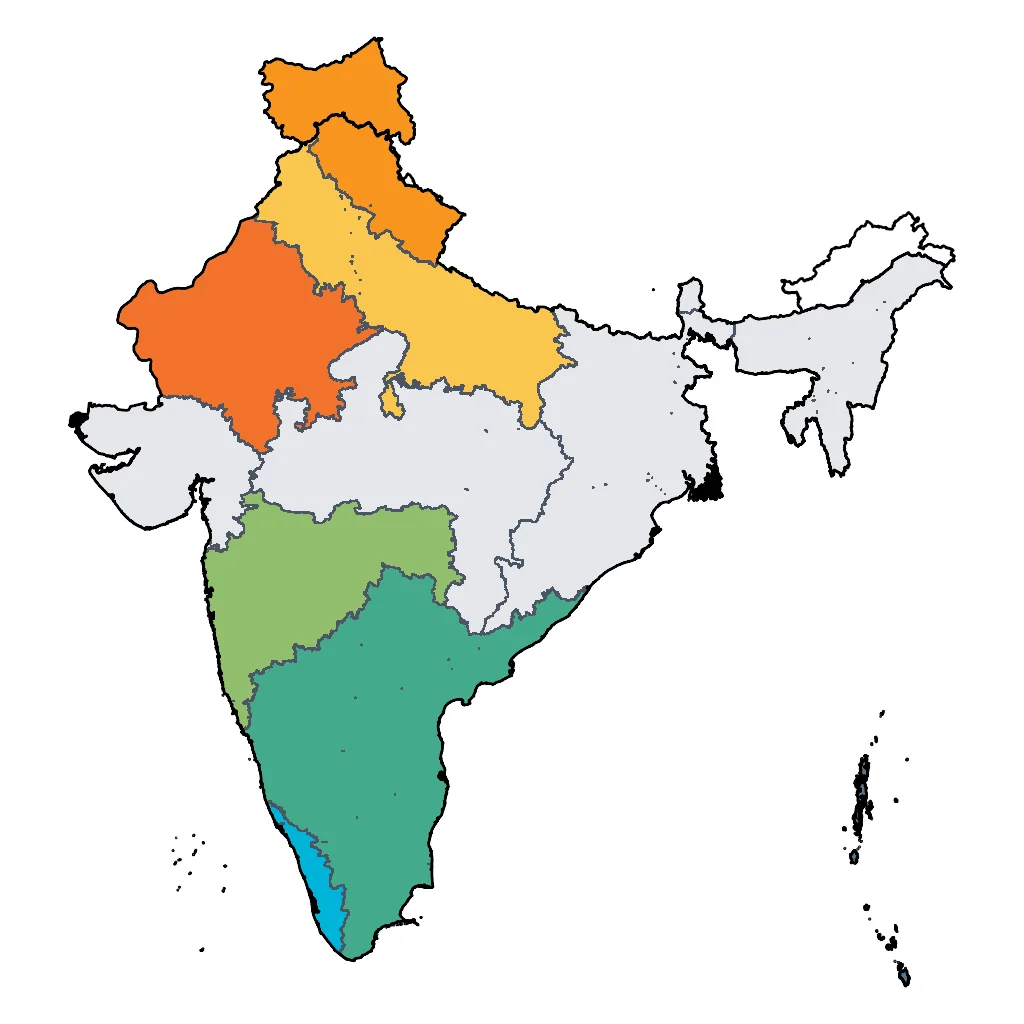
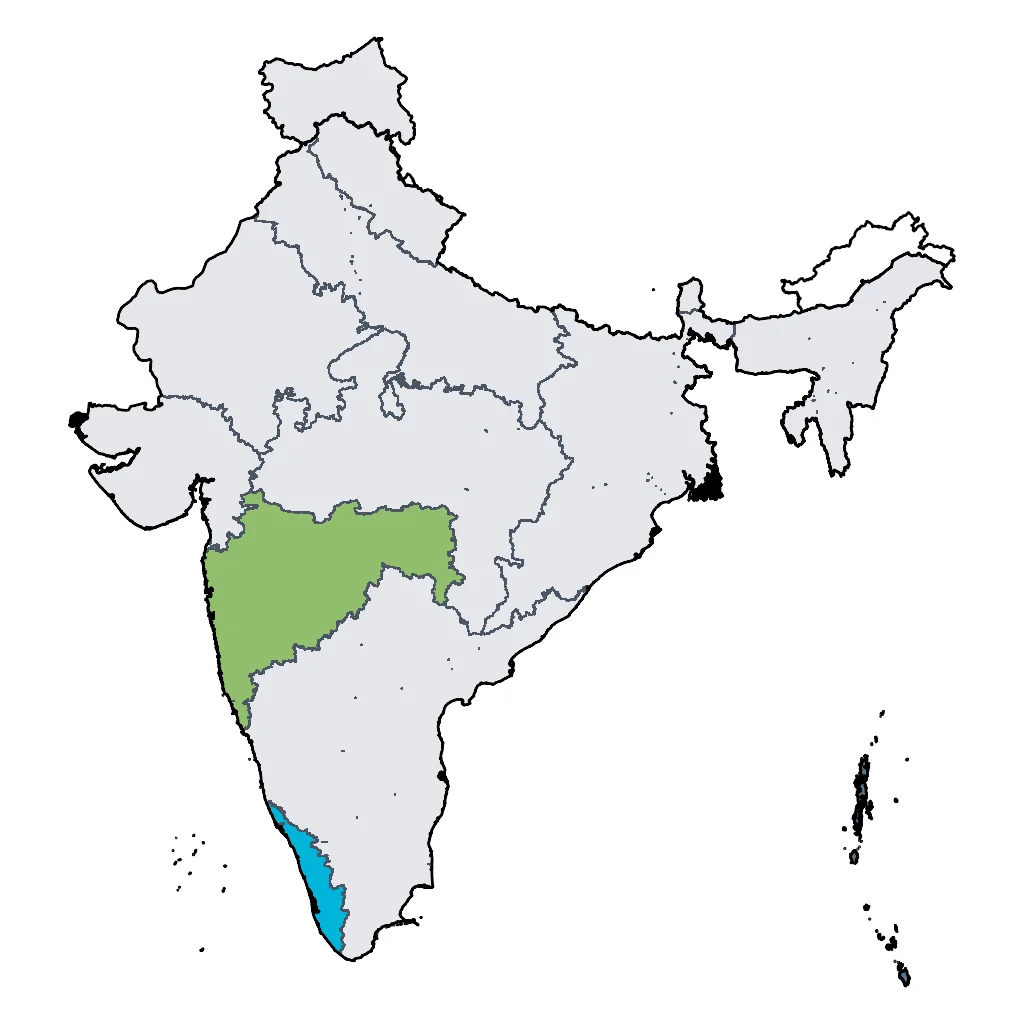
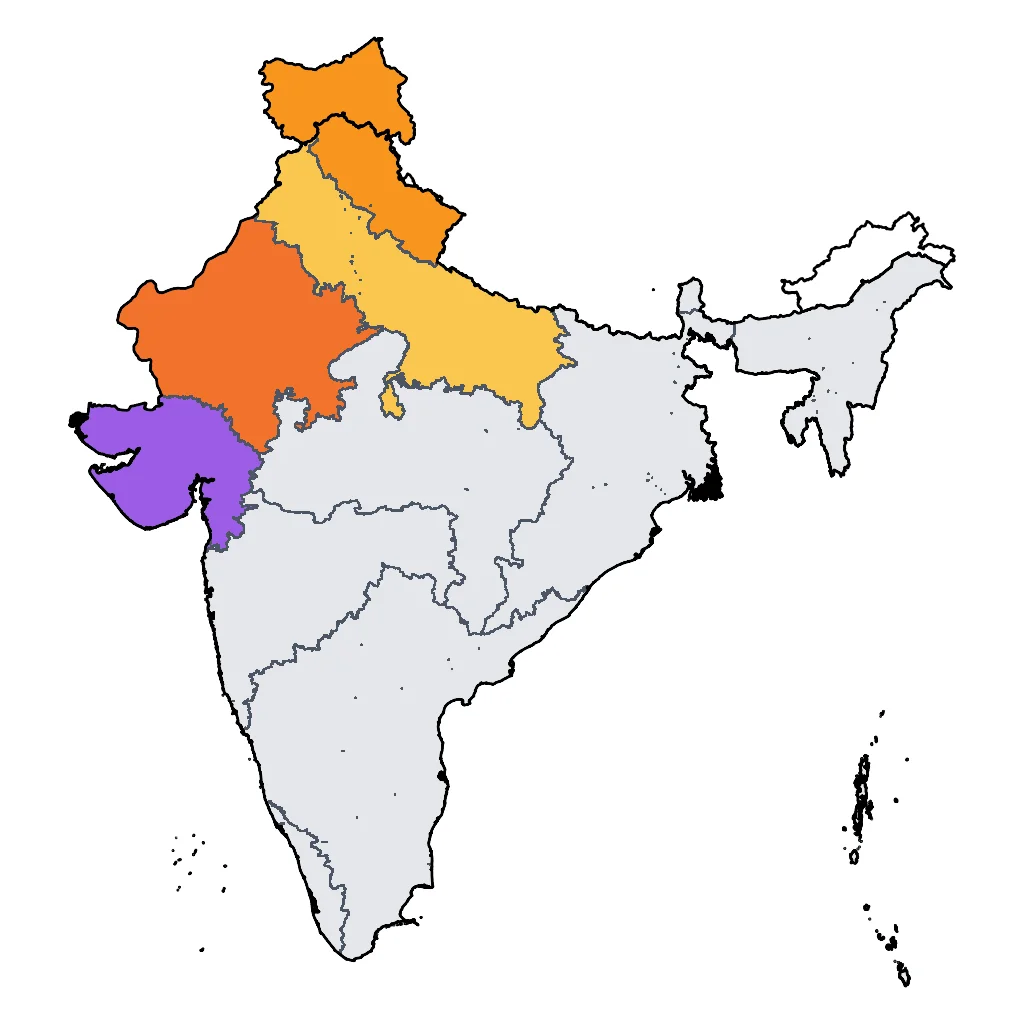
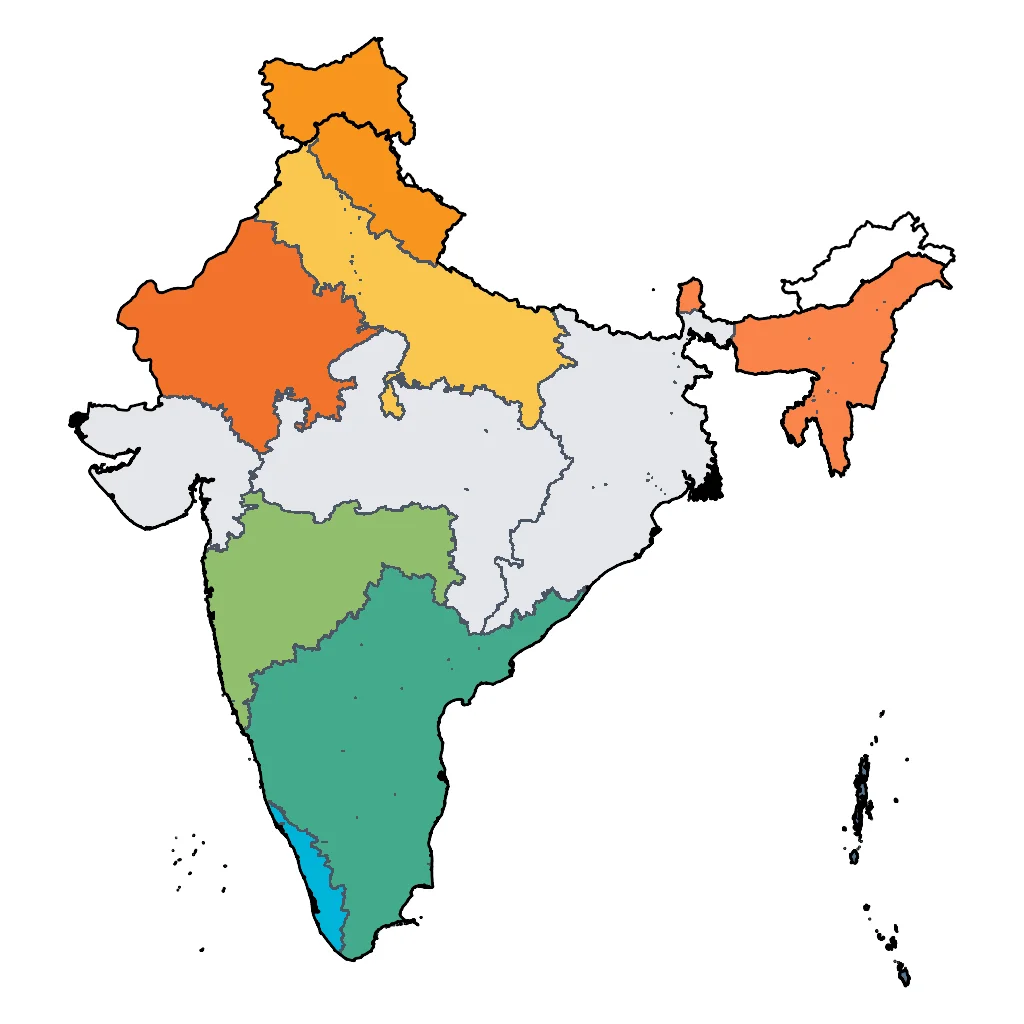
Click on a region marker to explore details. Use the dropdown to color regions by activity suitability.

Activities & Best Times

Adventure & Nature
ExcellentHiking, wildlife, outdoor exploration, ecotourism
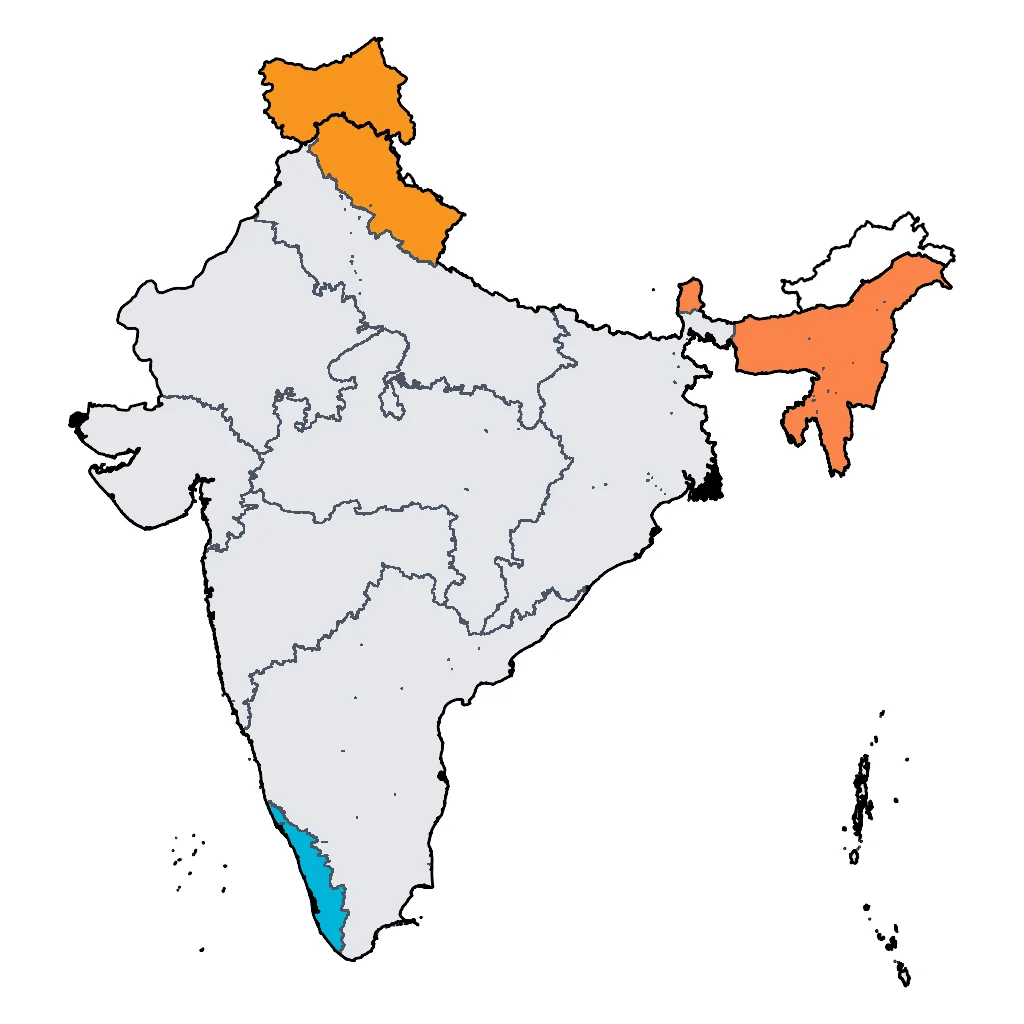
Home to the world's highest density of one-horned rhinos and the unique living root bridges of Meghalaya, this is a premier biodiversity hotspot. Peak dry months offer optimal wildlife spotting and accessible trails; however, extreme monsoon rainfall (up to 530mm) causes widespread flooding and park closures from April to September.
The region offers a globally unique combination of high-biodiversity rainforests in the Western Ghats and the iconic, tranquil Kerala backwaters. Peak months provide dry, cooler conditions ideal for wildlife spotting in Periyar and houseboat navigation, while the heavy monsoon season brings leeches and trail closures in the mountains.
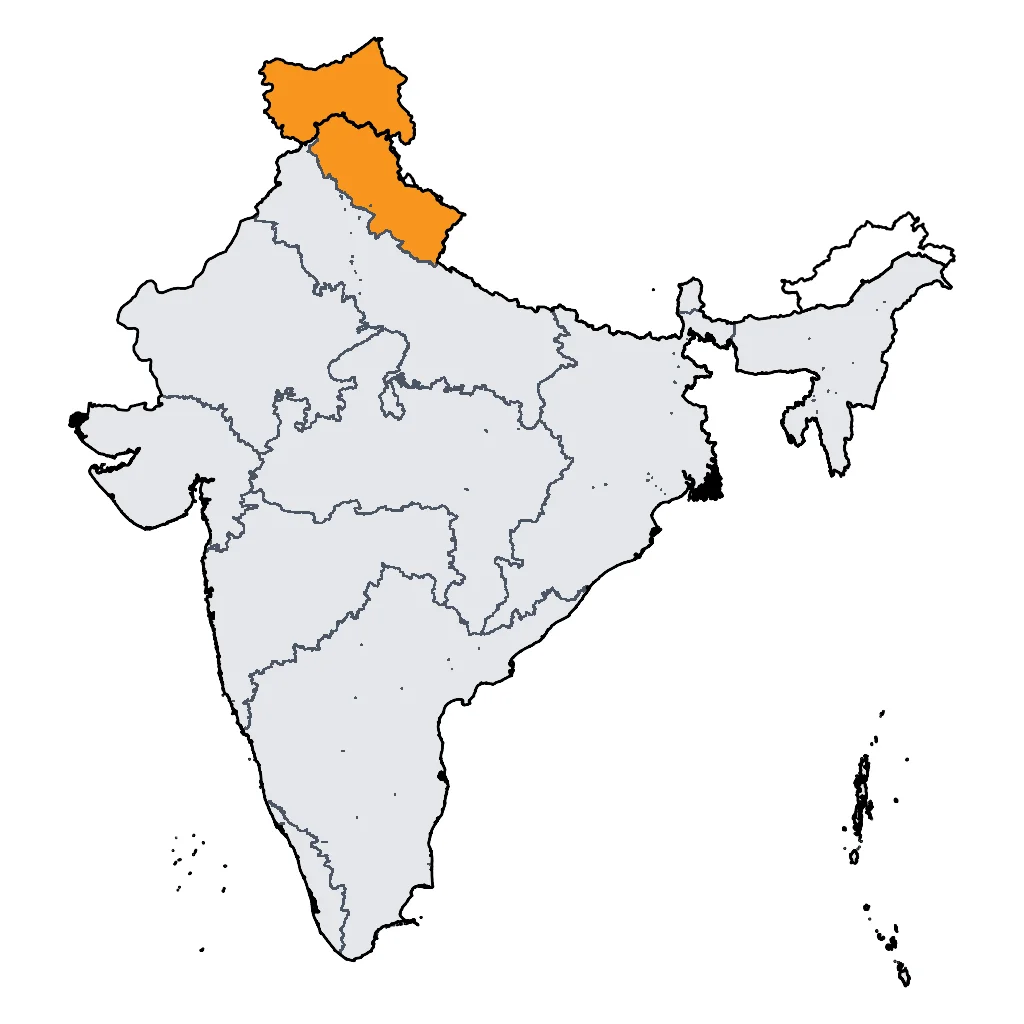
Home to the world's most iconic mountain range, offering unparalleled trekking and wildlife experiences like snow leopard spotting. Peak months (Apr-May, Oct) offer crystal-clear views and dry trails, while heavy monsoon rains (Jul-Aug) and winter snow (Dec-Feb) create significant safety risks and closures.

City & Cultural
ExcellentUrban tourism, museums, historical sites, architecture
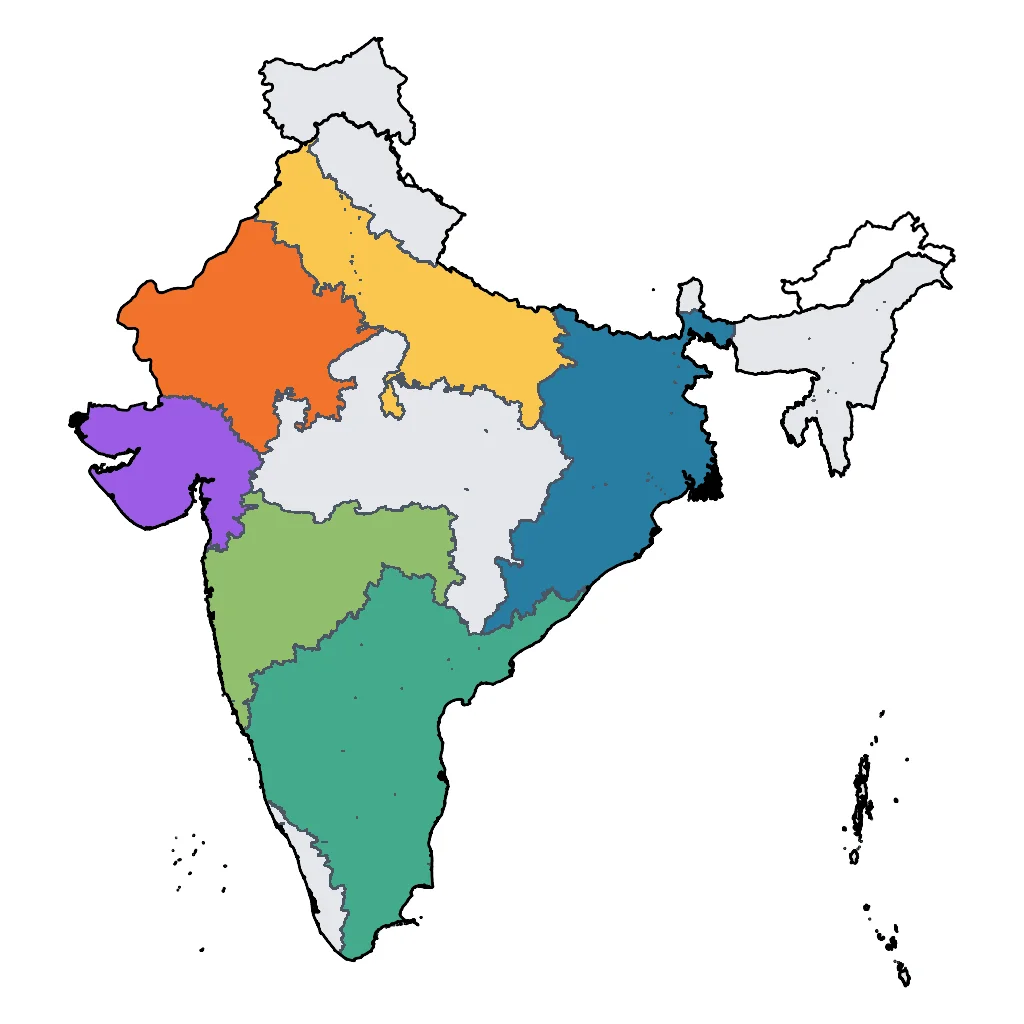
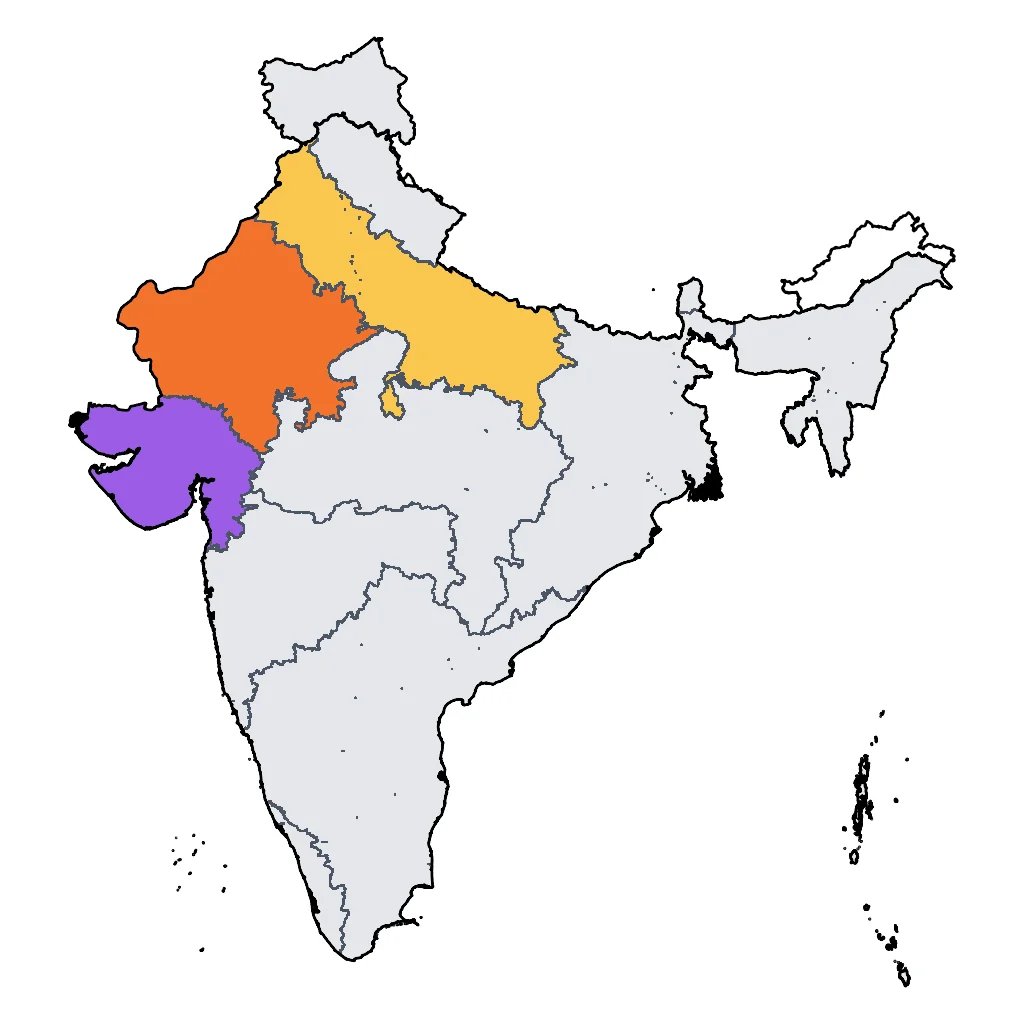
Home to world-renowned UNESCO forts and palaces offering a living history unmatched globally for sophisticated families. Ideal climate prevails from November to March; extreme summer heat (>40°C) and monsoon humidity in June-August make urban exploration uncomfortable.
Kolkata’s colonial grandeur and Bodh Gaya’s Buddhist heritage offer a world-class intellectual and spiritual journey. The cool, dry winter months (Nov-Feb) are ideal for walking tours, while the extreme summer heat and intense monsoon rains from April to September make outdoor exploration difficult.
Home to the UNESCO-listed rock-cut wonders of Ajanta and Ellora and Mumbai's vibrant Victorian Gothic architecture. Peak months offer mild, dry weather (16-30°C) ideal for urban exploration; extreme summer heat (Apr-May) and heavy monsoons (Jun-Sept) significantly hinder the experience.

Educational & Exploratory
ExcellentLearning experiences, scientific sites, historical education
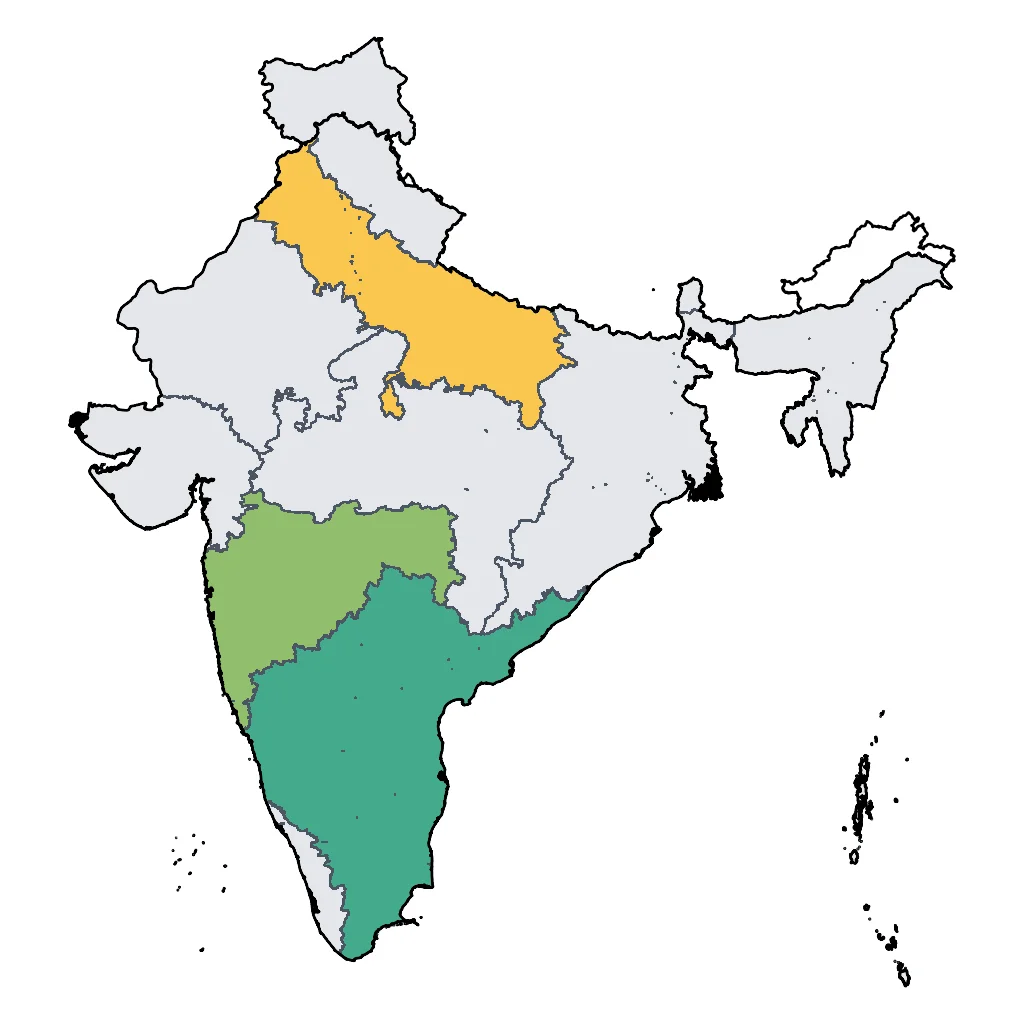
Offers world-class archaeological sites and museum collections that provide deep insight into ancient Buddhist, Hindu, and Jain art. Winter provides comfortable conditions for navigating sprawling heritage sites, while the intense monsoon season (Jun-Sept) can cause accessibility issues for rural cave complexes.
A globally significant archaeological corridor featuring Sarnath's Buddhist origins and Delhi's multi-layered Mughal and Colonial history. Optimal weather in winter allows for extended site visits and guided tours, while the off-season heat makes outdoor learning environments uncomfortable for families.
The region serves as an open-air classroom for South Indian architecture, bronze-casting traditions, and colonial history in Puducherry. Ideal conditions align with the dry season when archaeological sites are most accessible; however, the intense heat of March through May limits the educational value for families with children.

Festivals & Seasonal
ExcellentEvents, celebrations, seasonal attractions
Globally iconic celebrations like Holi, Diwali, and the Pushkar Camel Fair offer incomparable authentic cultural immersion for experienced travelers. These events align with the cooler dry season; the extreme heat of the pre-monsoon months prevents major outdoor public festivals.
Host to world-famous celebrations like Diwali and Holi which offer authentic, high-impact cultural immersion. Peak months align with major festival dates and pleasant weather; the summer and monsoon periods lack major outdoor traditional events due to challenging climatic conditions.
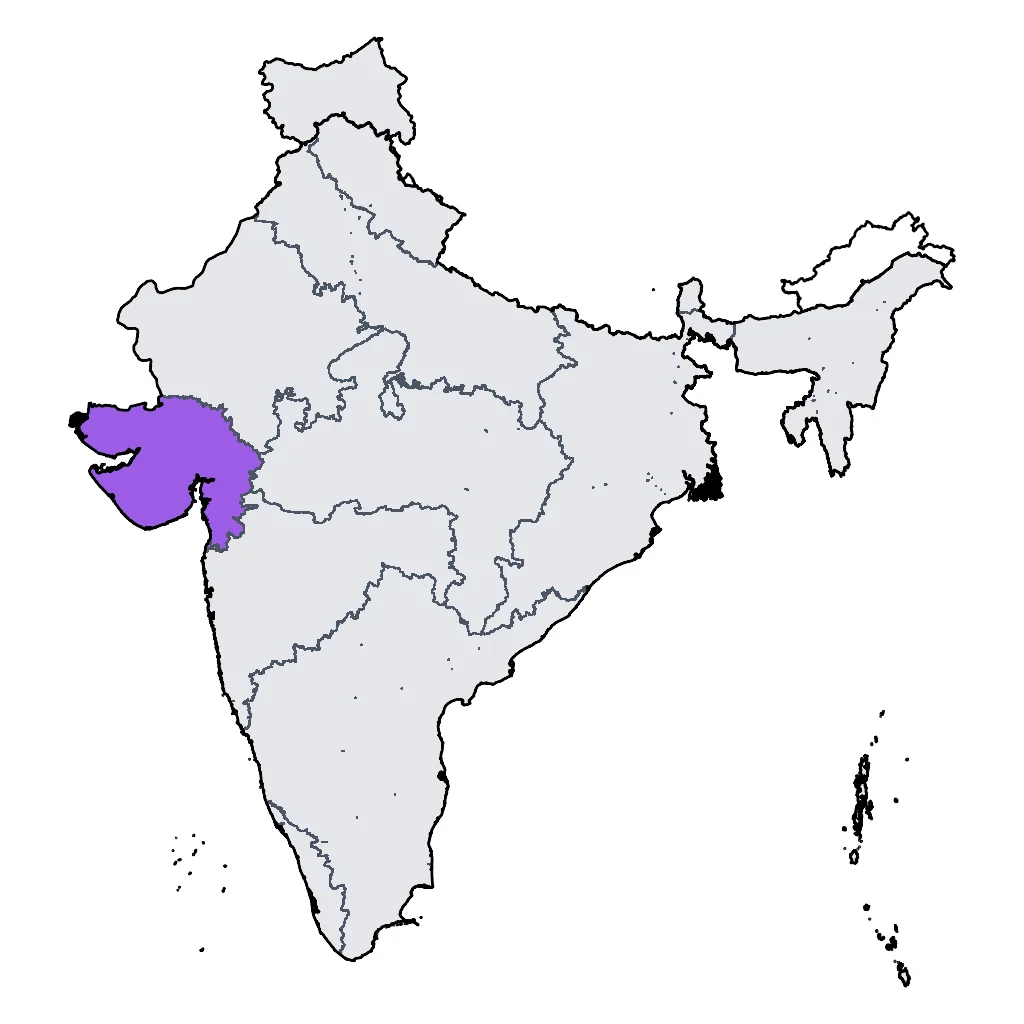
Hosts globally significant events like the Navratri dance festival, the International Kite Festival, and the Rann Utsav desert celebration. Peak season aligns with these major cultural milestones and comfortable outdoor weather, while the off-season lacks significant international-standard events and suffers from extreme climatic conditions.

Relaxation & Wellness
ExcellentSpa retreats, wellness centers, peaceful getaways
As the global birthplace of Ayurveda, this region provides world-class wellness retreats ranging from luxury boutique resorts to authentic medical ashrams. While the dry winter months are most comfortable for international families, the monsoon period (June-August) is traditionally considered the most effective for intensive Ayurvedic treatments despite the high humidity.
Global epicenter for authentic yoga and home to world-class luxury wellness retreats that blend Vedic traditions with modern sophistication. Peak timing avoids the extreme humidity and heavy rains of the monsoon (Jul-Aug) and the deep winter chill of Jan-Feb, ensuring optimal conditions for outdoor meditation.
Palace hotels deliver luxury, not wellness. Individual properties like Amanbagh and Six Senses exist but do not constitute a regional wellness ecosystem. Kerala (Ayurveda birthplace), Bali, and Thailand are the global benchmarks for 'excellent' wellness destinations. Having 3 regions in India at 'excellent' for wellness (Himalayan, Malabar Coast, and Rajasthan) over-saturates this rating — Rajasthan is the weakest of the three.

Beach & Sea
ExcellentBeach resorts, marine activities: diving, snorkelling, kite surfing, wind surfing, sailing
Home to Radhanagar Beach and the Lakshadweep atolls, this region offers world-class turquoise waters and pristine reefs comparable to the Maldives. Peak months (Jan-Mar) provide optimal sea visibility and calm conditions, while the heavy monsoon (May-Nov) brings rough seas and limited boat access.
Stunning cliffside beaches like Varkala and serene boutique stays at Marari offer a distinct, palm-fringed coastal experience far removed from mass-market resorts. Rough seas and extreme rainfall during the monsoon months (May-October) make beach activities and swimming unsafe and unsuitable for travelers.
Three internationally known Goa beaches (Baga, Anjuna, Palolem) are listed in editorial attractions for this region. Goa is India's premier beach destination with significant international tourism infrastructure. 'marginal' is indefensible when Goa's beaches are in-region. Upgrading to 'good' rather than 'very_good' because Goa's beaches, while popular, don't match Caribbean/Southeast Asian water clarity and reef quality — they're more about atmosphere and culture than pristine beach conditions.

Road Trips & Scenic
Very GoodScenic drives, countryside tours, route-based travel
Iconic routes connect the 'colored cities' (Pink, Blue, and Golden) through dramatic desert landscapes and rural artisan villages. Peak season offers high visibility and pleasant driving conditions, whereas monsoon rains can lead to difficult road conditions and summer heatwaves are harsh for passengers.
Spectacular high-altitude routes like the Manali-Leh circuit offer life-changing scenery for adventurous families. Peak travel occurs when high passes are clear of snow and before/after the peak monsoon (Jul-Aug), which brings dangerous landslide risks and poor visibility.
The legendary 'Golden Triangle' route offers well-developed infrastructure like the Yamuna Expressway connecting globally recognized landmarks. Peak season provides clear visibility and pleasant driving conditions, while the monsoon (Jul-Sep) can cause road disruptions and the pre-monsoon heat makes sightseeing stops exhausting.

Sports & Active
Very GoodSport tourism, fitness activities, active recreation
Offers world-class paragliding in Bir Billing and white-water rafting on the Ganges, suitable for experienced active travelers. Activities are best in the stable post-monsoon or pre-monsoon air; rivers are closed during the heavy Jul-Aug rains for safety and are too cold in deep winter.
A premier global destination for scuba diving and sea kayaking with high marine biodiversity and exceptional reef health. Diving visibility is at its peak during the driest months (Jan-Mar); monsoon conditions from May to November result in poor underwater visibility and safety hazards.
Features world-class polo matches in Jaipur and unique desert activities like cycling through the Aravalli hills and hot air ballooning. Cool winter temperatures are essential for physical exertion; extreme heat from April to September makes high-activity sports unsafe.

Ski & Snow
GoodWinter sports, ski resorts, snow activities
Gulmarg and Auli offer genuine alpine experiences with world-class backcountry terrain, though infrastructure is more rugged than European benchmarks. Peak powder conditions occur in Jan-Feb when temperatures are lowest; summer months are entirely unsuitable as snow disappears.
Limited high-altitude snow experiences available in Sikkim and Arunachal Pradesh, though lacking world-class ski infrastructure. Only the coldest winter months (Dec-Jan) provide the necessary snow cover, with the rest of the year being too warm or wet for snow activities.

Theme Park & Entertainment
GoodAmusement parks, family entertainment venues
The Statue of Unity complex is a world-class family destination featuring specialized children's parks, gardens, and high-tech laser shows. While impressive, it is best visited in winter when outdoor walking between attractions is enjoyable; summer temperatures make the open-air site difficult for younger children.
Home to Imagicaa, a high-quality regional park that attempts to meet international standards for family entertainment. Visits are only recommended during the cooler months to avoid the oppressive heat of April/May and the heavy rains that frequently shut down outdoor attractions from June to September.
Venues like Gurgaon's entertainment hubs and the National Rail Museum provide unique regional interest but do not reach the scale of global giants like Disney. The best experience is found when weather permits outdoor movement, as summer heat and monsoon humidity make theme park lines and transit uncomfortable.

Airports & Flight Routes
Toggle options to view domestic routes and international airports. Click an airport for details.

Climate & Weather
Central India & Tribal Heartland
Show Details
| Month | Temp °C | Rain | Humidity |
|---|
Deccan & Coromandel South India
Show Details
| Month | Temp °C | Rain | Humidity |
|---|
Delhi & Upper Gangetic Plain
Show Details
| Month | Temp °C | Rain | Humidity |
|---|
Eastern India & Lower Ganges
Show Details
| Month | Temp °C | Rain | Humidity |
|---|
Gujarat & Western Heritage
Show Details
| Month | Temp °C | Rain | Humidity |
|---|
Himalayan North India
Show Details
| Month | Temp °C | Rain | Humidity |
|---|

Travel Advisory
General travel is permitted but requires increased vigilance due to persistent security threats and regional instability.
Safety Topics
Traveller Advice (3 groups)

While legal status has improved, social attitudes remain conservative in many regions. Public displays of affection may attract negative attention or harassment in some areas.

Exercise extreme caution, particularly when traveling alone. Dress conservatively to respect local customs and reduce unwanted attention. Utilize women-only compartments on trains and reputable taxi services when available.

Monitor local news and weather reports regularly. Avoid travel to the states of Manipur and Jammu and Kashmir (excluding Ladakh) due to the high risk of violence.