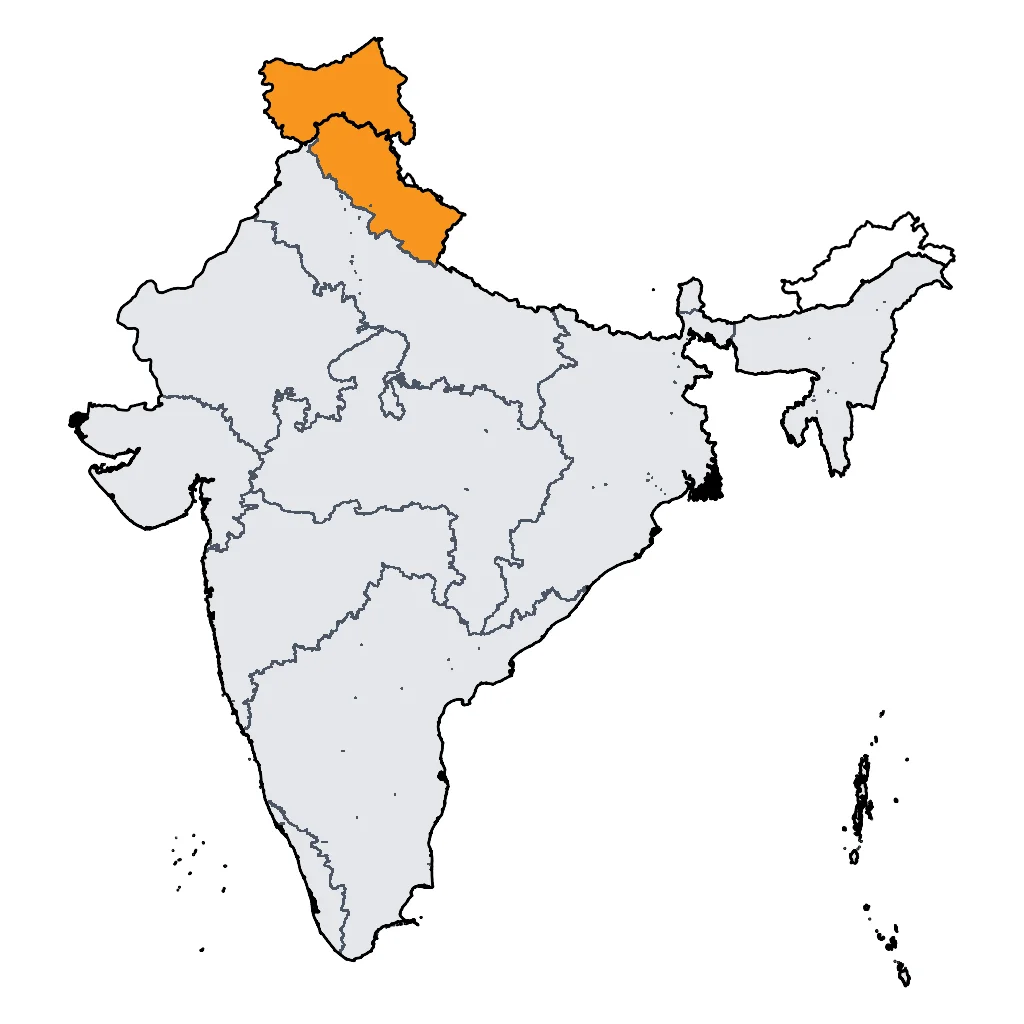
⚠️ SAFETY WARNING: Due to ethnic tensions and sporadic insurgent activity, government agencies (including CA, USA, and UK) advise travelers to exercise increased caution or reconsider travel to parts of this region. Manipur specifically has experienced significant civil unrest. However, popular tourist states like Sikkim, Meghalaya, and Assam are generally stable. Families are strongly urged to consult their own government's official travel advisory before considering a trip, as circumstances and risk assessments vary.
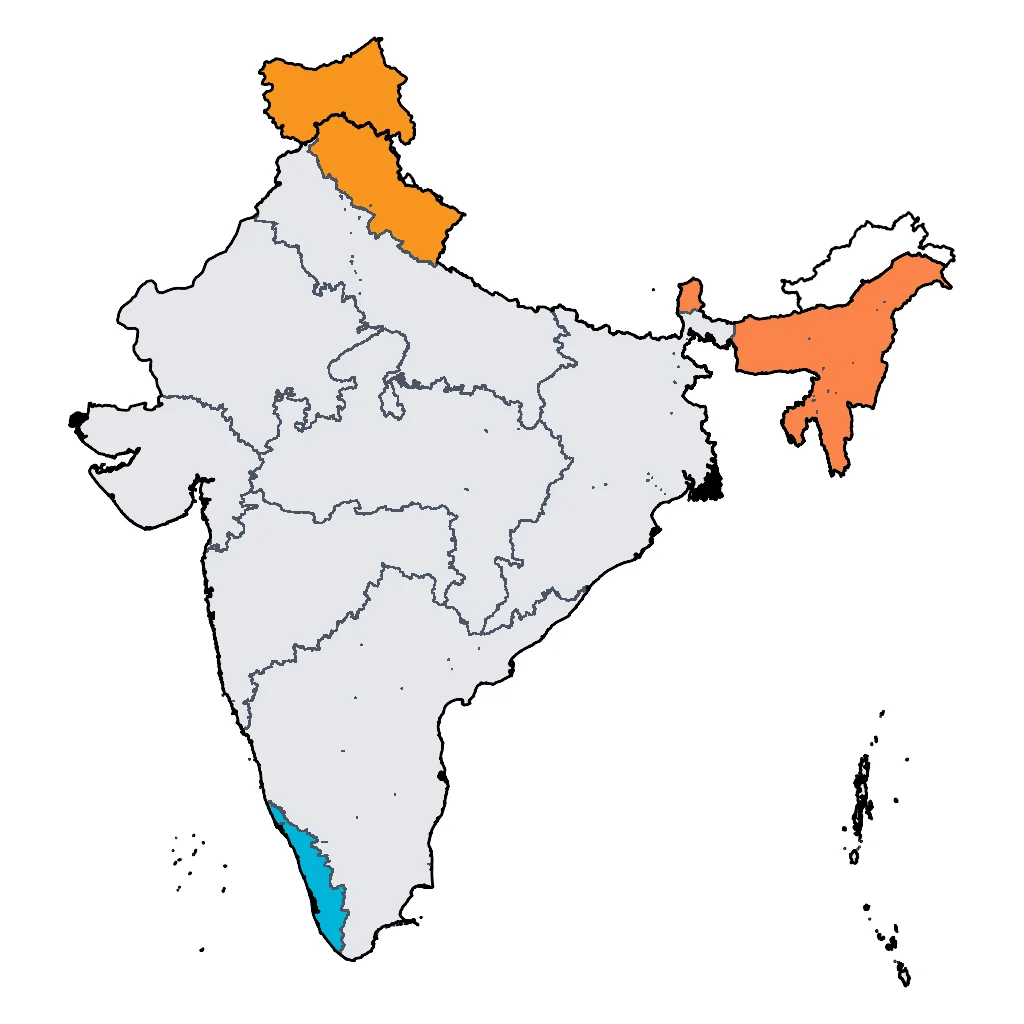
Northeast India is a biodiversity hotspot offering adventures distinct from the rest of the country. Assam is the gateway, home to the UNESCO-listed Kaziranga National Park. Here, families can take jeep safaris to see the world's largest population of the Great Indian One-horned Rhinoceros. The wide open grasslands make spotting these prehistoric-looking beasts relatively easy, which is rewarding for children.
Just south in Meghalaya, the landscape turns into misty hills and waterfalls. The living root bridges near Cherrapunji are a marvel of bio-engineering; while the trek to the famous Double Decker bridge is strenuous, there are single-decker bridges that are more accessible for families. The village of Mawlynnong, often cited as the cleanest village in Asia, is a great example of community living and offers treehouses that kids love to climb.
Sikkim, in the Himalayas, offers a peaceful Buddhist culture and stunning views of Mount Kanchenjunga. The capital, Gangtok, has a cable car ride and the Namgyal Institute of Tibetology. A trip to Tsomgo Lake offers the chance to ride a yak in the snow. Travel in the Northeast requires more planning due to permit requirements for certain states (like Arunachal Pradesh and Sikkim). The infrastructure is improving but road journeys can still be long and winding.
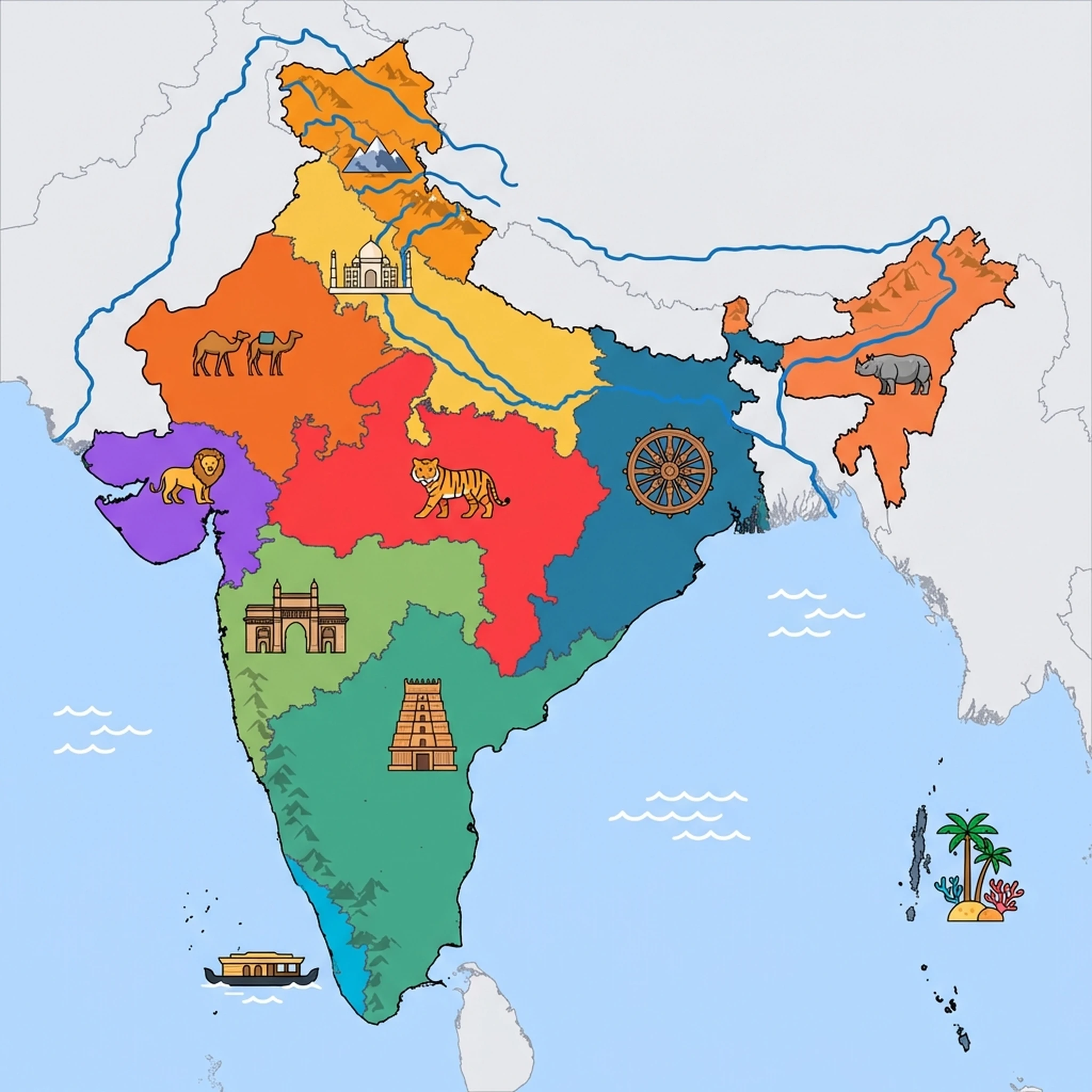
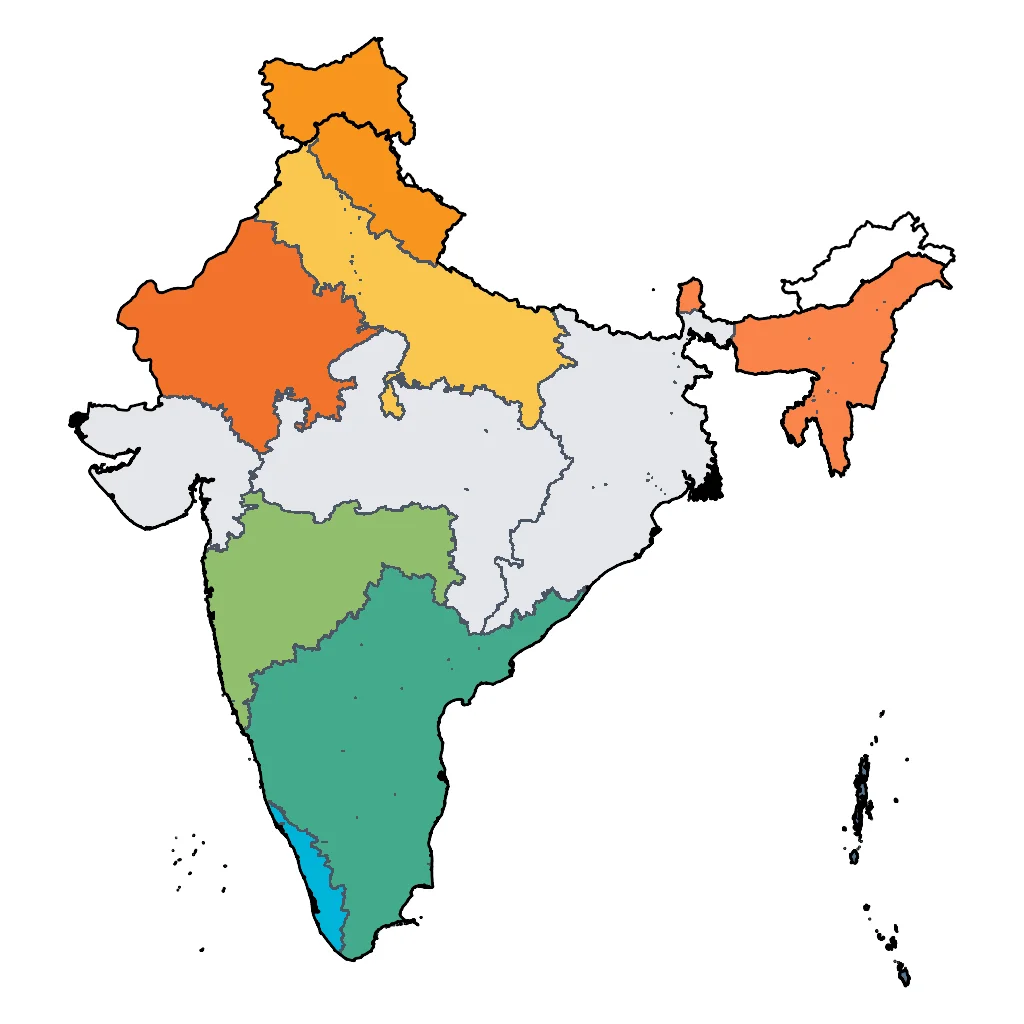
Click a region to explore

Activities & Best Times

Hiking, wildlife, outdoor exploration, ecotourism
Home to the world's highest density of one-horned rhinos and the unique living root bridges of Meghalaya, this is a premier biodiversity hotspot. Peak dry months offer optimal wildlife spotting and accessible trails; however, extreme monsoon rainfall (up to 530mm) causes widespread flooding and park closures from April to September.

Urban tourism, museums, historical sites, architecture
Offers a mosaic of over 200 indigenous tribes and significant Buddhist monastic architecture in Sikkim and Arunachal Pradesh. The peak season provides clear skies and comfortable temperatures (12-22°C) for exploring cultural heritage sites; the monsoon brings heavy humidity and logistical disruptions.

Learning experiences, scientific sites, historical education
Rich in anthropological history and WWII heritage, including the Battle of Kohima sites and colonial tea production science. Dry winter months are ideal for guided historical tours and museum visits, whereas the heavy rain from April onwards limits access to rural educational sites and historical trails.

Events, celebrations, seasonal attractions
The Hornbill Festival is authentic and culturally significant but remains niche with limited international visitor volume compared to globally iconic festivals (Rio Carnival, Oktoberfest, Songkran, Holi in Rajasthan). The remoteness and access challenges further limit its international appeal. 'very_good' appropriately reflects its high quality while acknowledging it's not yet a top-tier global festival destination.

Spa retreats, wellness centers, peaceful getaways
Discerning families can find exclusive sanctuary in heritage tea bungalows in Assam and high-end mountain retreats in Sikkim. Cool, dry winter weather is perfect for outdoor wellness and tranquil estate walks, while extreme summer humidity (reaching 69%) and heavy rain degrade the relaxation experience.

Scenic drives, countryside tours, route-based travel
Features dramatic landscapes ranging from the Brahmaputra valley to the Eastern Himalayas, best explored via private chauffeured tours. Peak months provide the visibility and road stability required for mountain passes; the monsoon season is unsuitable due to high risk of landslides and road closures.

Sport tourism, fitness activities, active recreation
Provides world-class white-water rafting on the Brahmaputra and technical trekking in the high Himalayas. Activities are best during the low-precip months for safety and water clarity; extreme monsoon discharge makes river sports dangerous and mountain trails impassable.

Winter sports, ski resorts, snow activities
Limited high-altitude snow experiences available in Sikkim and Arunachal Pradesh, though lacking world-class ski infrastructure. Only the coldest winter months (Dec-Jan) provide the necessary snow cover, with the rest of the year being too warm or wet for snow activities.