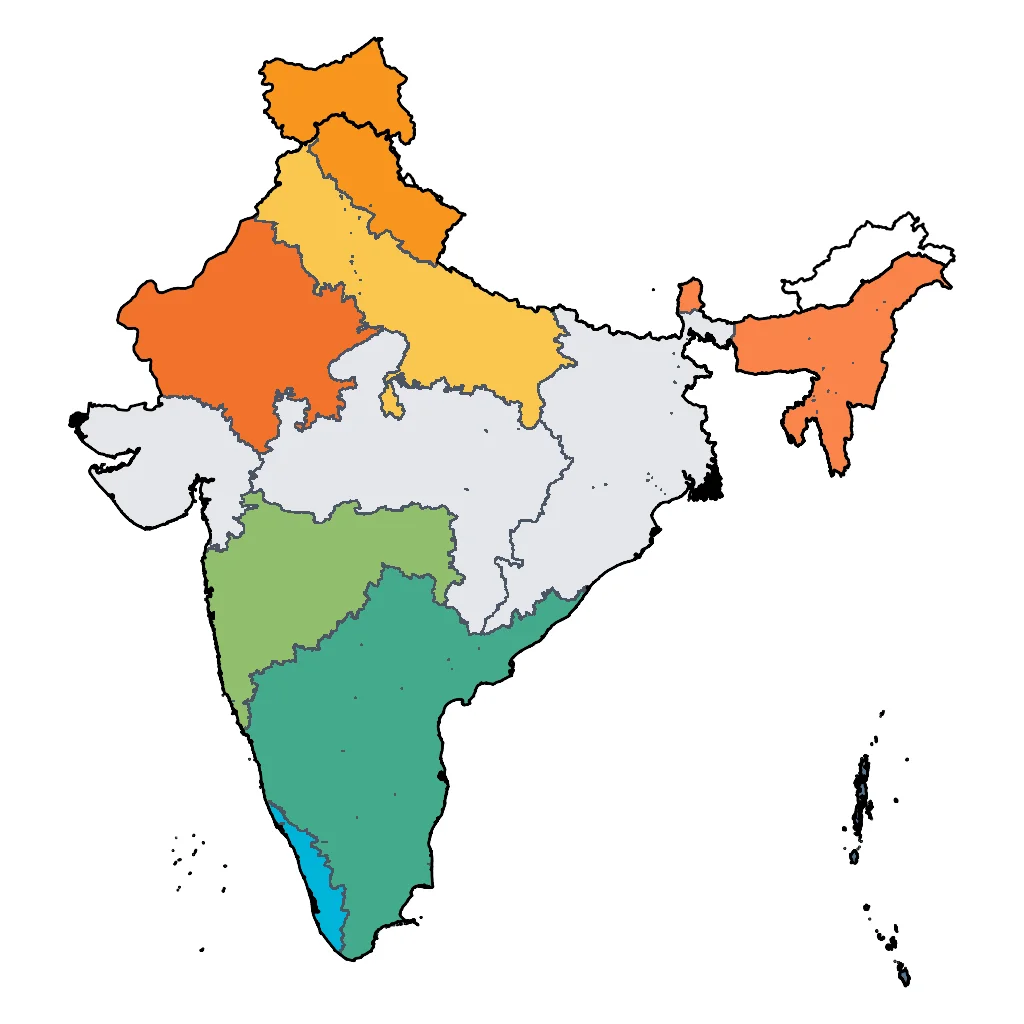
Central India & Tribal Heartland
Tiger safaris and ancient stone forts 🐅
⚠️ SAFETY WARNING: Due to insurgent activity in specific rural areas, government agencies (including CA, USA, and UK) advise travelers to exercise increased caution or reconsider travel to parts of this region. While major tourist sites in Madhya Pradesh are generally safe, travelers should avoid the rural and forested areas of Chhattisgarh (particularly the Bastar region) where Naxalite activity is present. Families are strongly urged to consult their own government's official travel advisory before considering a trip, as circumstances and risk assessments vary.
Central India is often called the heart of the country, dominated by the state of Madhya Pradesh. For families, the primary draw is the wildlife. This region is home to some of India's best-managed tiger reserves, including Kanha, Bandhavgarh, and Pench. These parks offer well-organized jeep safaris where children can spot Bengal tigers, leopards, sloth bears, and herds of deer in their natural habitat. The connection to Rudyard Kipling's The Jungle Book makes Pench particularly exciting for young readers.
Culturally, the region is rich in history without the overwhelming crowds found in the north. The Khajuraho Group of Monuments is famous for its intricate stone carvings; while some are erotic, many depict scenes of daily life, battles, and animals that interest children. The ancient Buddhist stupas at Sanchi offer a peaceful environment for walking and learning about early Indian history. In Gwalior, the massive hilltop fort provides panoramic views and fascinating palaces to explore, including the distinctively blue-tiled Man Singh Palace.
The climate is subtropical; summers (April to June) can be fiercely hot, making safaris trying for young children. The best time to visit is between October and March when the weather is pleasant. While Madhya Pradesh has good tourism infrastructure, travel to the tribal areas of Chhattisgarh requires careful planning and safety checks due to the advisory noted above.
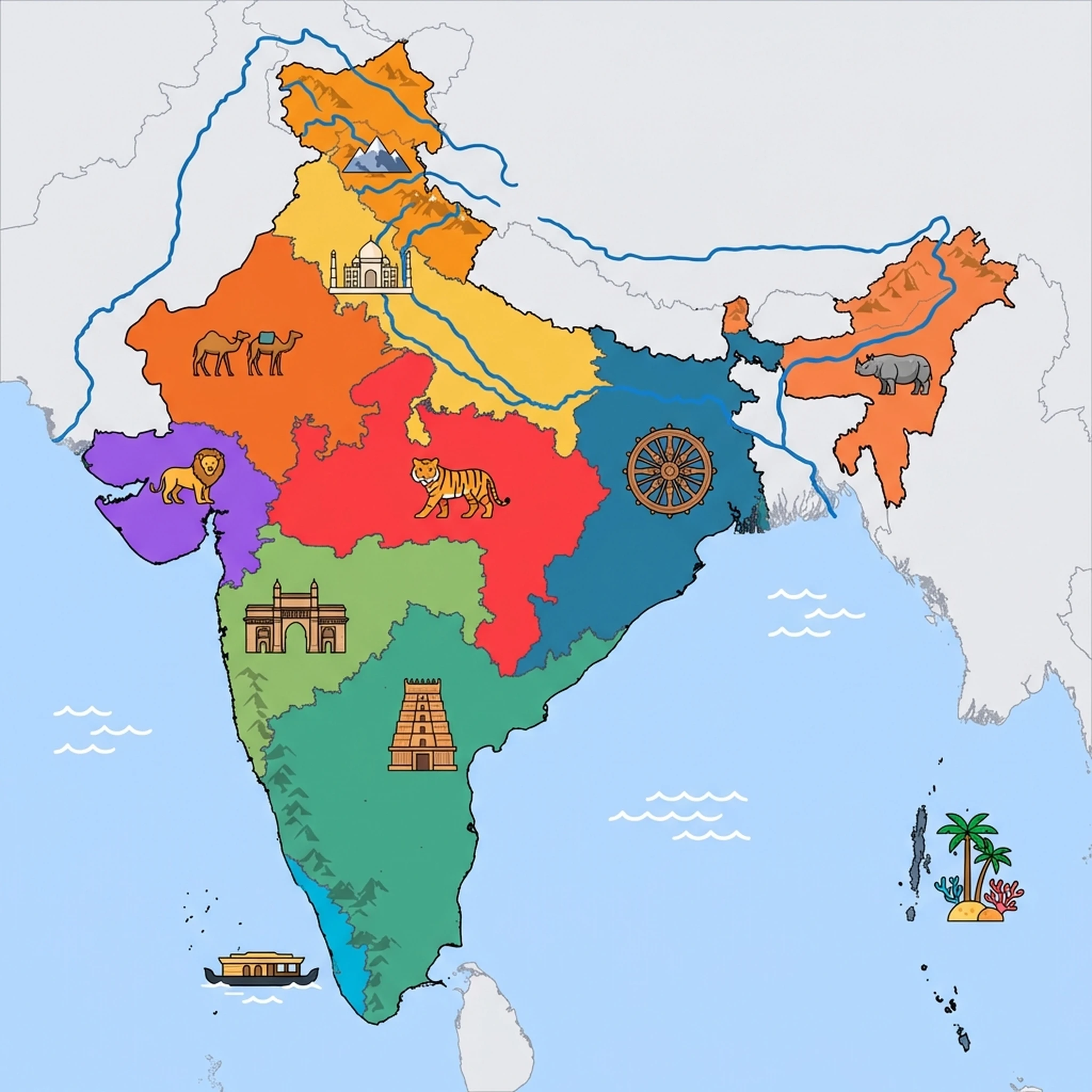
Click a region to explore

Activities & Best Times

Hiking, wildlife, outdoor exploration, ecotourism
Editorial attractions for this region are all heritage sites (Sanchi, Khajuraho, Bhimbetka) — no nature reserves or wildlife attractions listed. Tiger reserves are strong but lack the diversified adventure infrastructure (multi-activity offerings, international-standard accommodation range) to warrant 'excellent' by global standards. East African safaris and Costa Rica set the benchmark. Downgrading also improves differentiation from regions like Himalayan North and Malabar Coast where adventure_nature 'excellent' is more defensible.
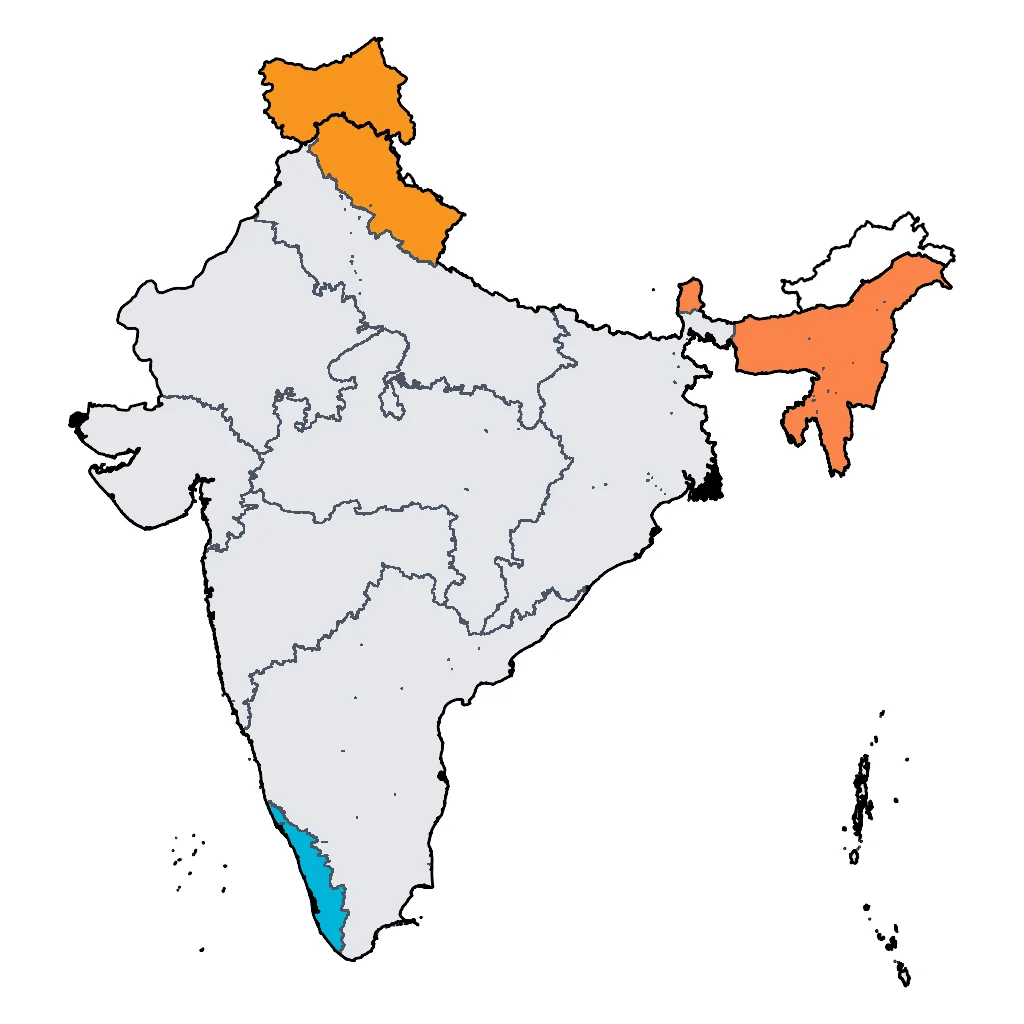

Urban tourism, museums, historical sites, architecture
Features UNESCO World Heritage sites including the intricate Nagara-style temples of Khajuraho and the ancient Sanchi Stupa. Winter months provide comfortable walking weather for architectural exploration; the summer heat (>35°C) and heavy monsoon rains make outdoor heritage sites uncomfortable for sophisticated travelers.
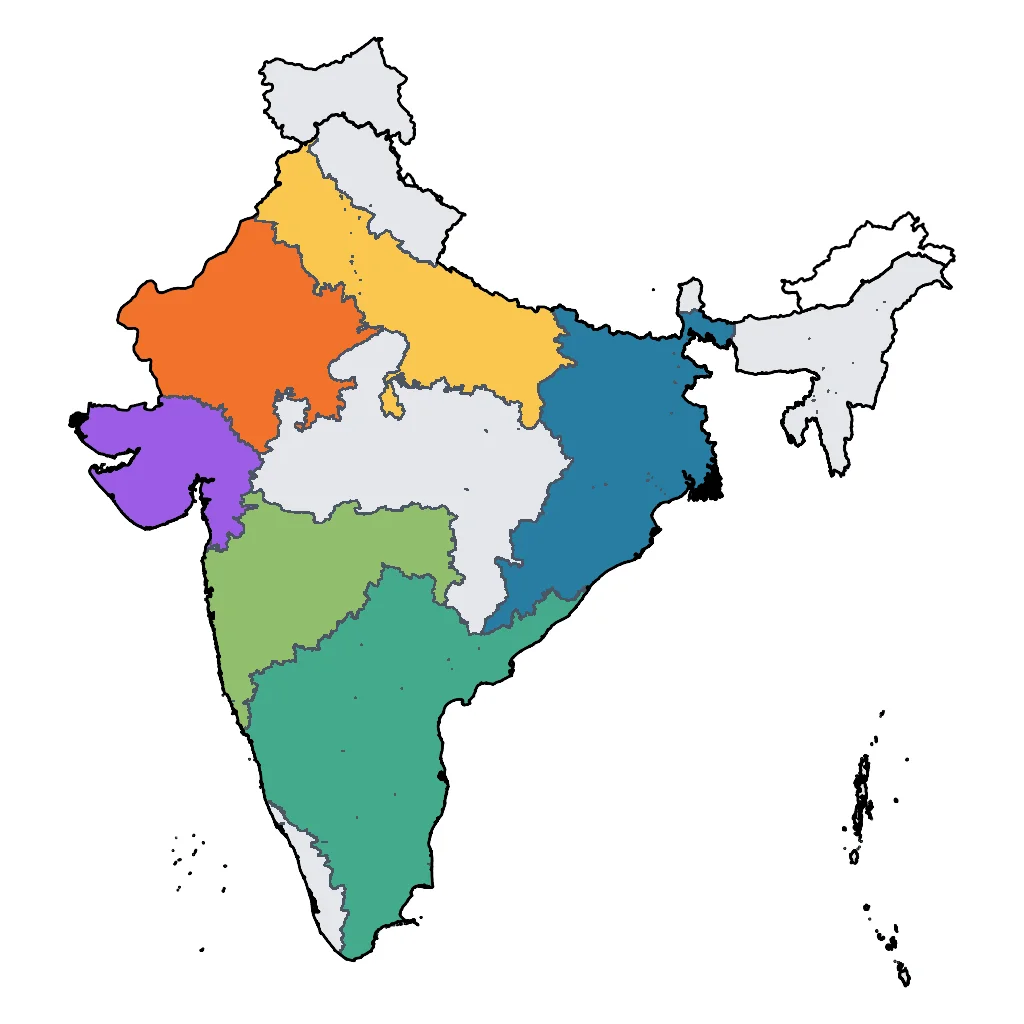

Learning experiences, scientific sites, historical education
Offers profound learning opportunities at the Bhimbetka rock shelters (prehistoric art) and world-class tribal museums in Bhopal. The dry, cool season is optimal for guided archaeological tours; high summer temperatures and monsoon humidity significantly limit the educational experience at these predominantly outdoor sites.

Events, celebrations, seasonal attractions
Hosted in February, the Khajuraho Dance Festival is an internationally acclaimed celebration of classical Indian dance against temple backdrops. While tribal festivals occur throughout the cool season, the intense heat and rain from April to September prevent major outdoor cultural celebrations.

Spa retreats, wellness centers, peaceful getaways
High-end forest lodges provide world-class spa facilities and serene 'slow-travel' experiences in pristine wilderness. The winter period offers perfect low-humidity conditions for outdoor meditation and yoga; summer heat makes the remote lodge experience oppressive rather than relaxing.

Scenic drives, countryside tours, route-based travel
Scenic routes through the Satpura and Vindhya ranges offer a deep dive into rural India's soul and tribal landscapes. Peak winter months provide clear visibility and safe road conditions, whereas the heavy monsoon (Jul-Sep) can make rural roads treacherous and limit access to remote tribal villages.

Sport tourism, fitness activities, active recreation
Unique walking and cycling safaris in Satpura National Park offer a rare active adventure in tiger country. These activities are only viable in the cool dry season; the extreme heat of April-June and the heavy rains of July-August make active recreation physically exhausting or unsafe.