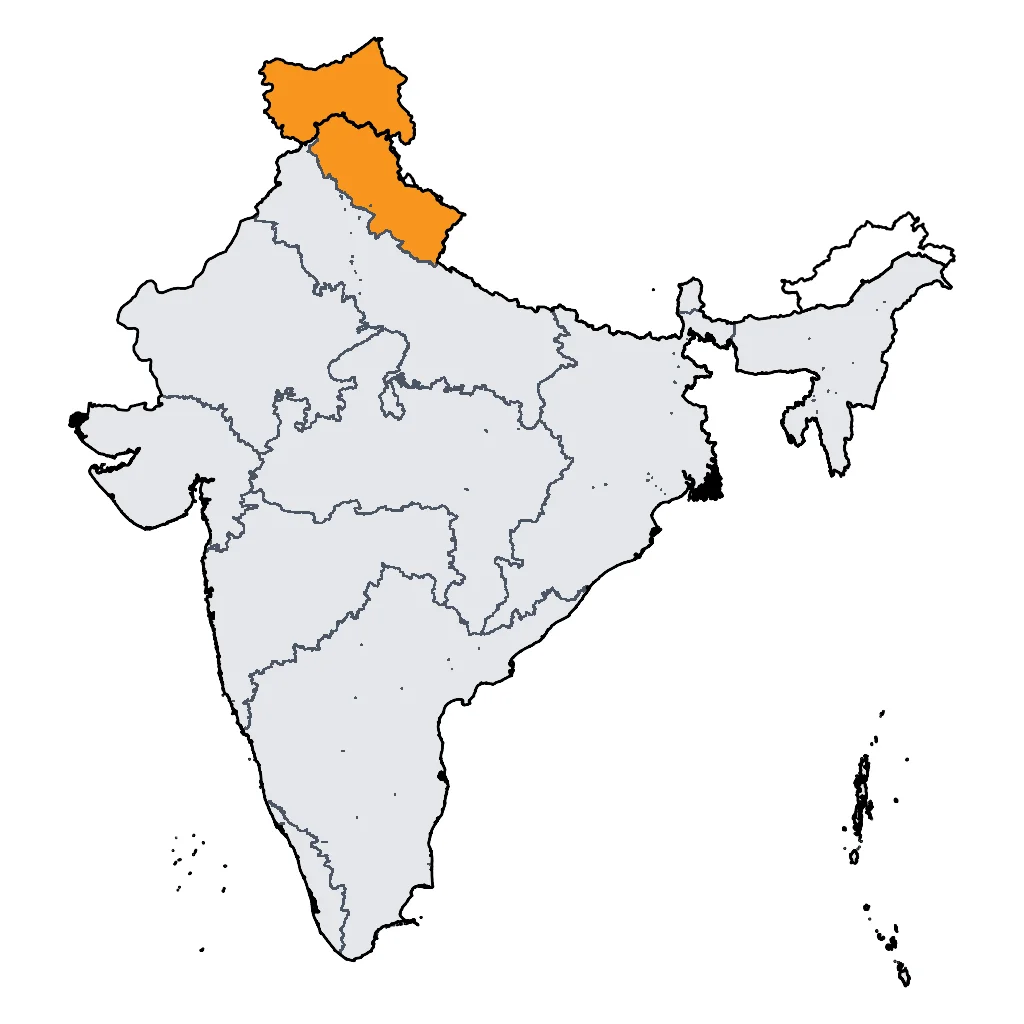
⚠️ SAFETY WARNING: Due to long-standing border tensions and sporadic unrest, government agencies (including CA, USA, UK, and AU) advise travelers to exercise increased caution or reconsider travel to parts of this region. Specifically, travel to Jammu & Kashmir (excluding the Ladakh region via air) and areas immediately bordering Pakistan is often advised against. Popular tourist destinations in Himachal Pradesh and Uttarakhand remain generally safe. Families are strongly urged to consult their own government's official travel advisory before considering a trip, as circumstances and risk assessments vary.
Himalayan North India is the country's playground for nature and adventure. Himachal Pradesh is famous for its hill stations. Shimla offers a colonial charm with its pedestrian-friendly Mall Road and the Kalka-Shimla toy train, which winds through over 100 tunnels—a delight for children. Further north, Manali serves as a hub for snow activities in winter and hiking in summer. The Solang Valley nearby offers paragliding and zorbing for older kids.
In Uttarakhand, Jim Corbett National Park is the oldest national park in India and a prime spot for tiger safaris. The park offers overnight stays within the forest zones, providing a thrilling immersive experience. Rishikesh, known as the yoga capital, also offers family-friendly white-water rafting on the Ganges (choose 'Grade I or II' rapids for kids) and camping on river beaches. The evening aarti ceremony at Parmarth Niketan is a spiritual musical experience that welcomes visitors of all faiths.
For families with older children looking for high-altitude adventure, Ladakh offers stark, lunar-like landscapes and ancient monasteries. However, acclimatization to the high altitude is crucial. The region is best visited in summer (April to June) to escape the plains' heat, or in winter for snow, though heavy snowfall can block roads.
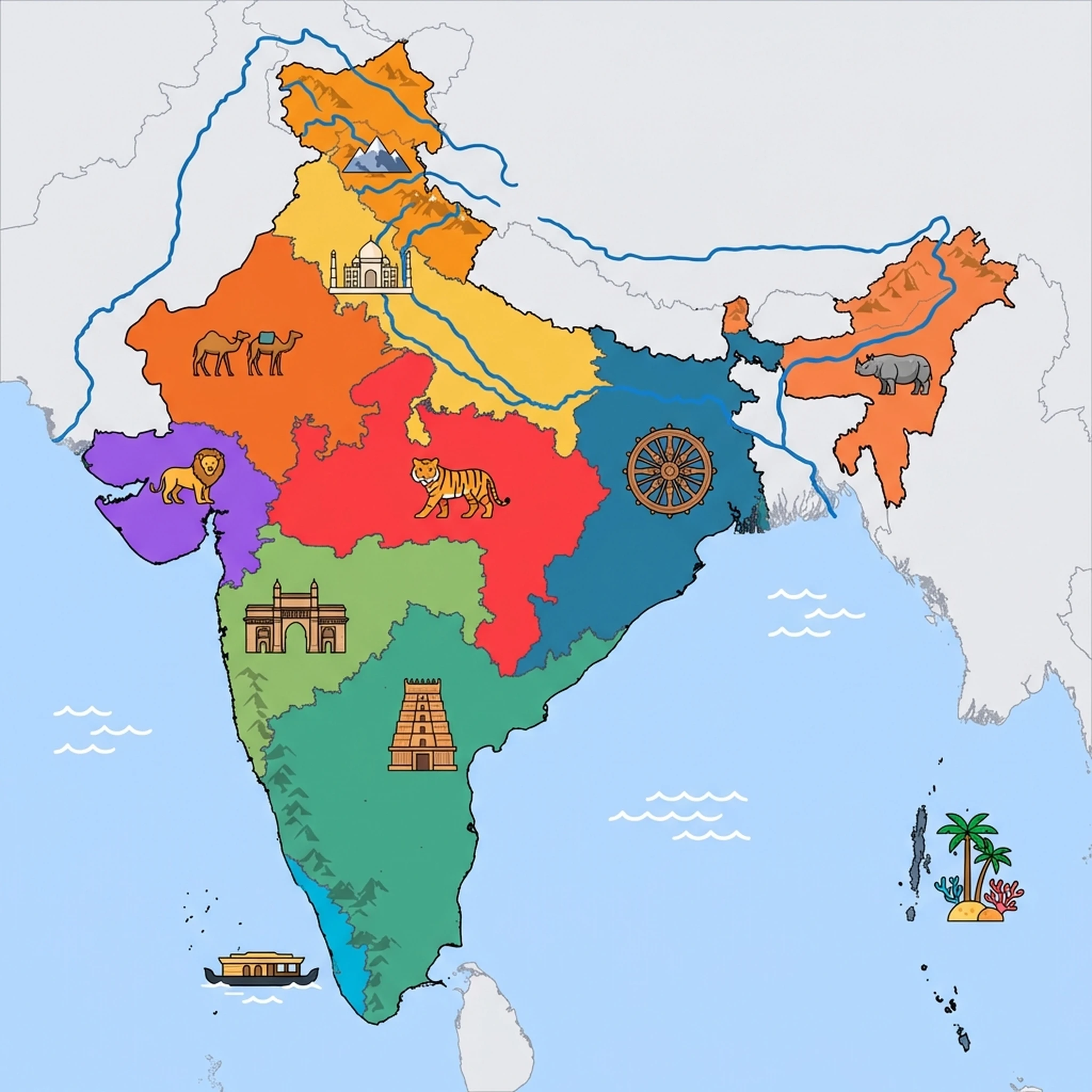
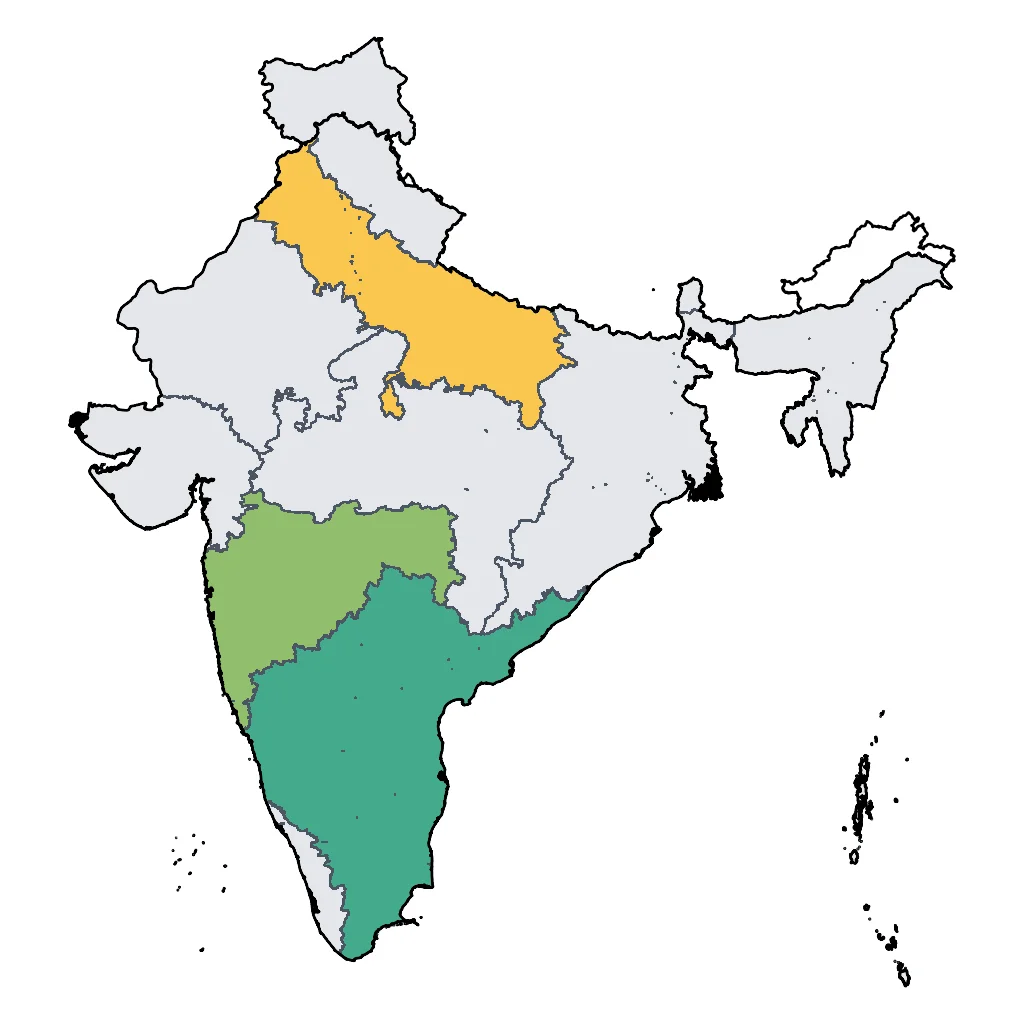
Click a region to explore

Activities & Best Times

Hiking, wildlife, outdoor exploration, ecotourism
Home to the world's most iconic mountain range, offering unparalleled trekking and wildlife experiences like snow leopard spotting. Peak months (Apr-May, Oct) offer crystal-clear views and dry trails, while heavy monsoon rains (Jul-Aug) and winter snow (Dec-Feb) create significant safety risks and closures.
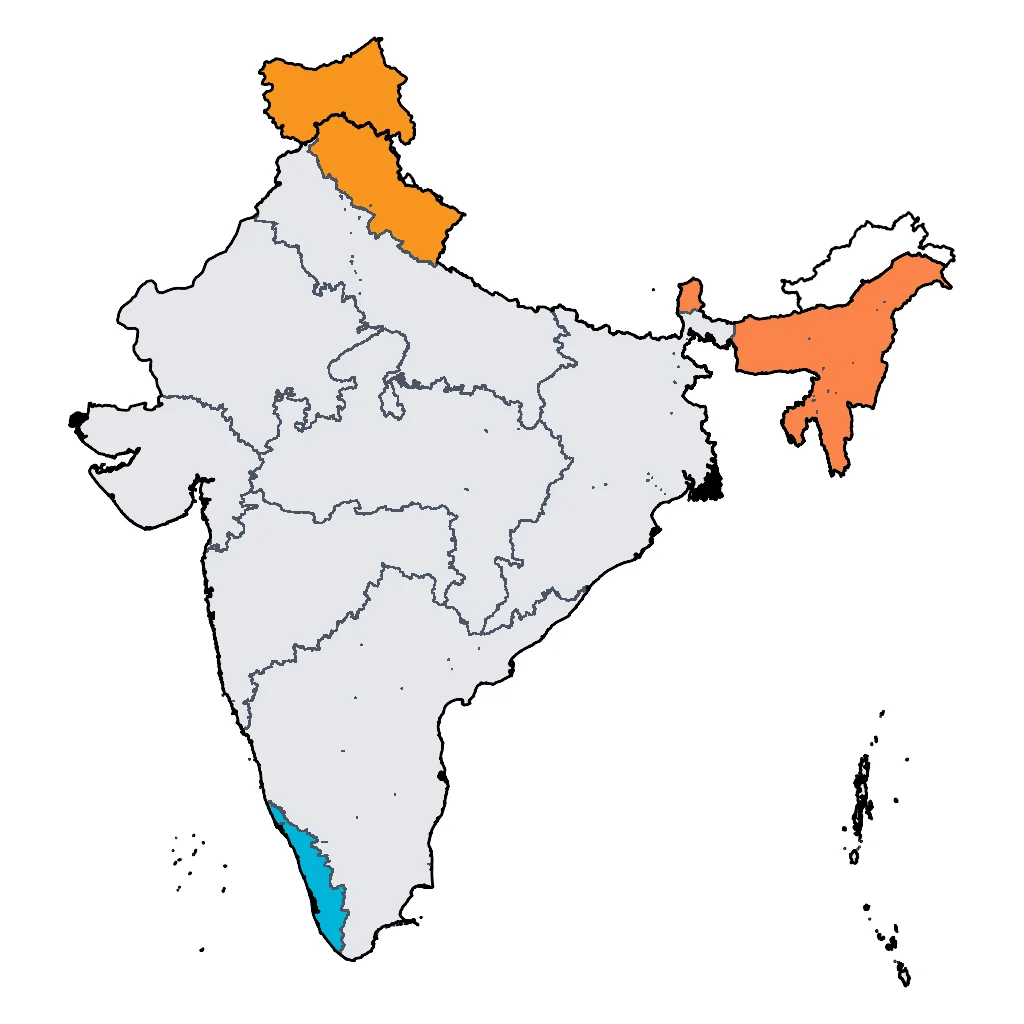

Spa retreats, wellness centers, peaceful getaways
Global epicenter for authentic yoga and home to world-class luxury wellness retreats that blend Vedic traditions with modern sophistication. Peak timing avoids the extreme humidity and heavy rains of the monsoon (Jul-Aug) and the deep winter chill of Jan-Feb, ensuring optimal conditions for outdoor meditation.
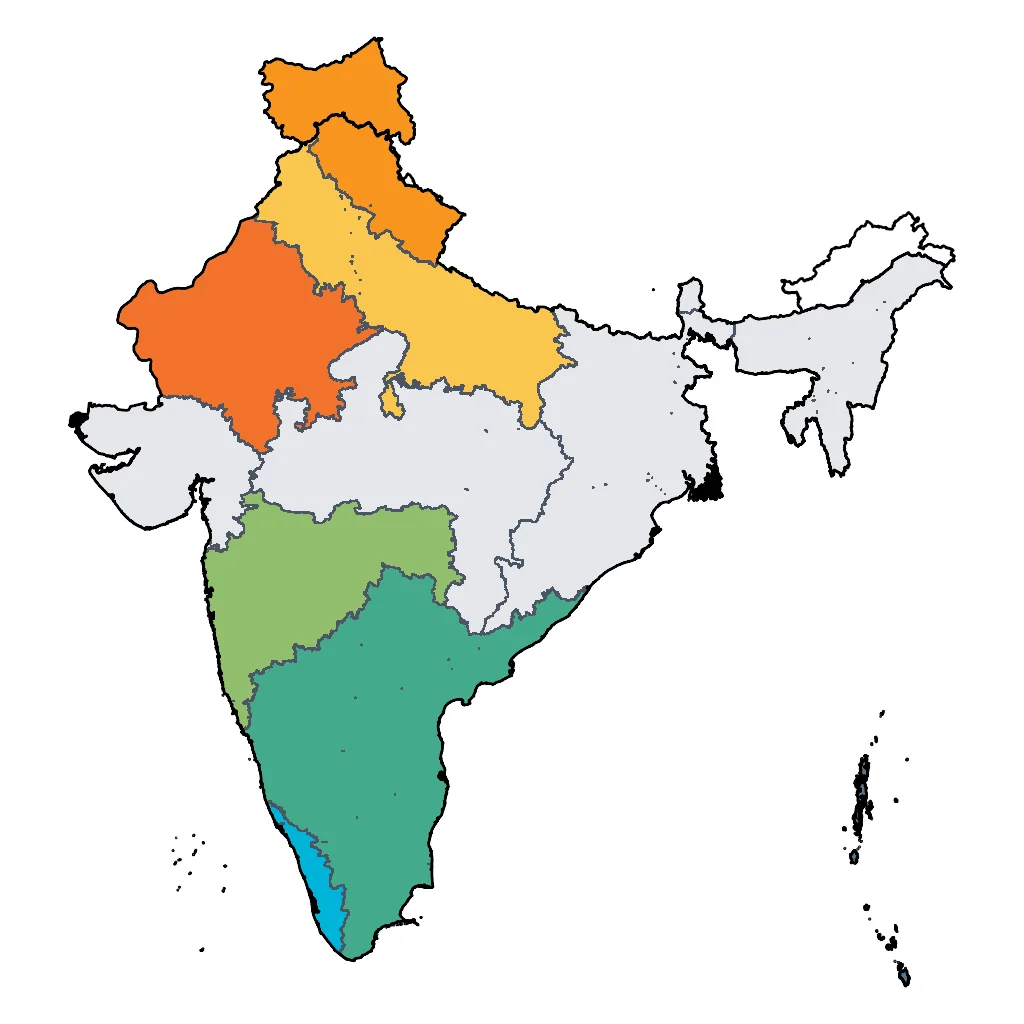

Urban tourism, museums, historical sites, architecture
Features highly authentic spiritual hubs like Rishikesh and Tibetan cultural centers in high-altitude valleys. Peak periods offer mild temperatures (15-25°C) perfect for exploring temples and monasteries; monsoon months (Jul-Aug) are often too wet for urban exploration with high precipitation (>230mm).
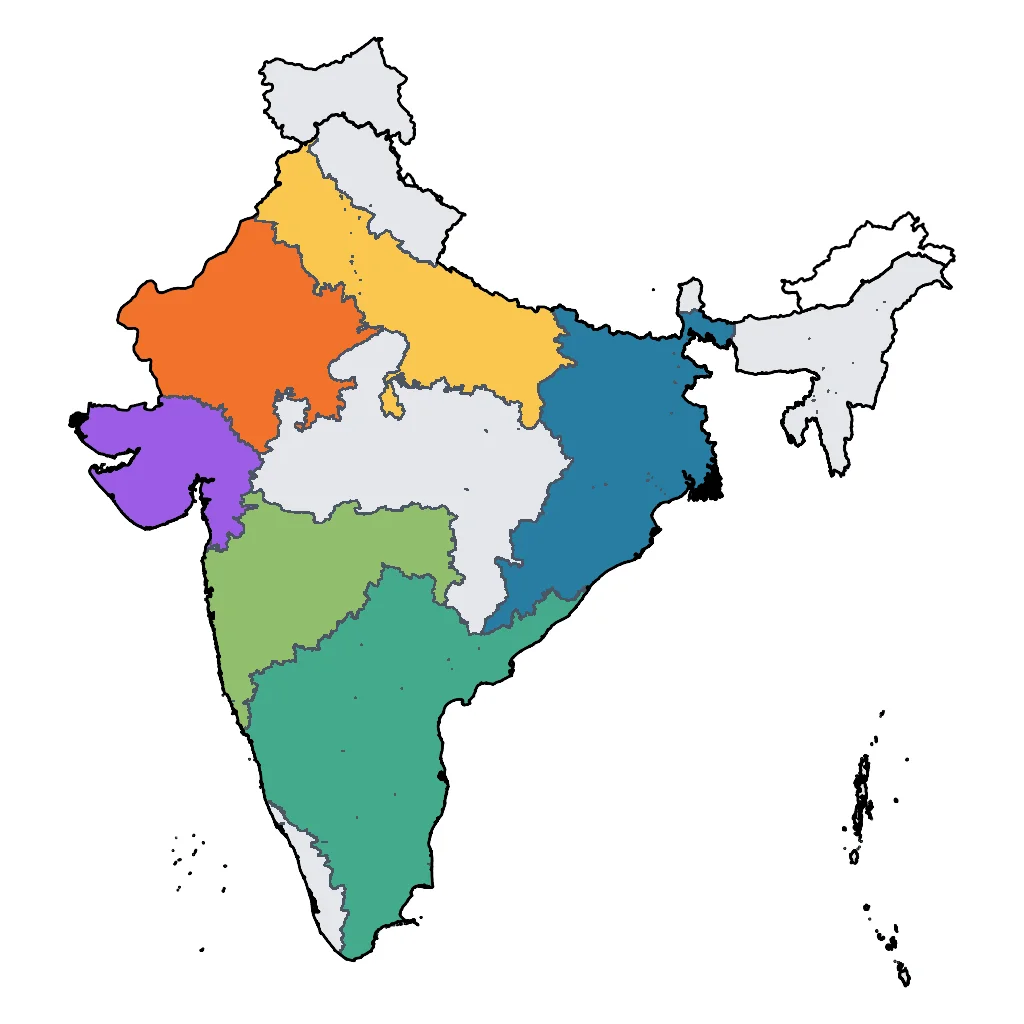

Events, celebrations, seasonal attractions
Hosts globally significant events like Holi (March) and Diwali (Oct/Nov), along with unique monastic festivals in Ladakh. Peak months align with these major cultural milestones and dry weather; monsoon and winter weather often suppress outdoor celebrations.
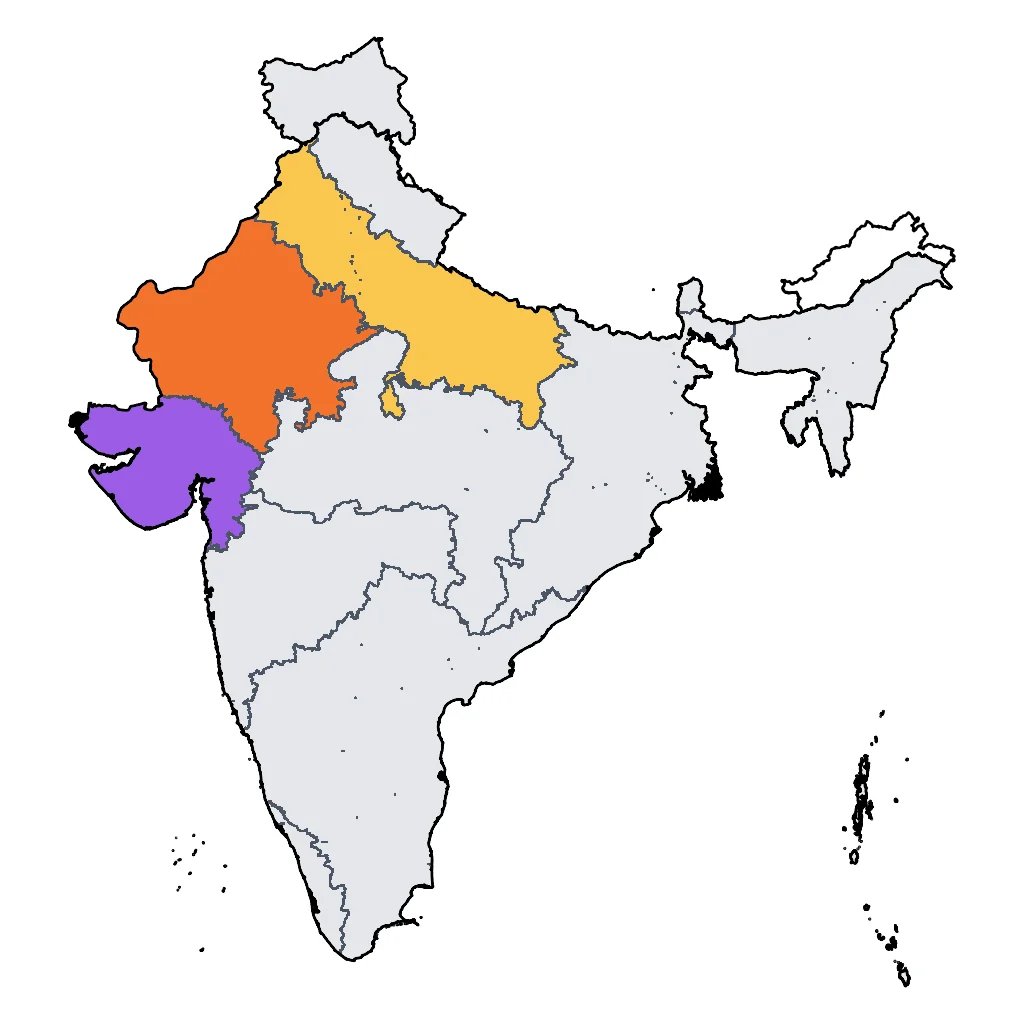

Scenic drives, countryside tours, route-based travel
Spectacular high-altitude routes like the Manali-Leh circuit offer life-changing scenery for adventurous families. Peak travel occurs when high passes are clear of snow and before/after the peak monsoon (Jul-Aug), which brings dangerous landslide risks and poor visibility.
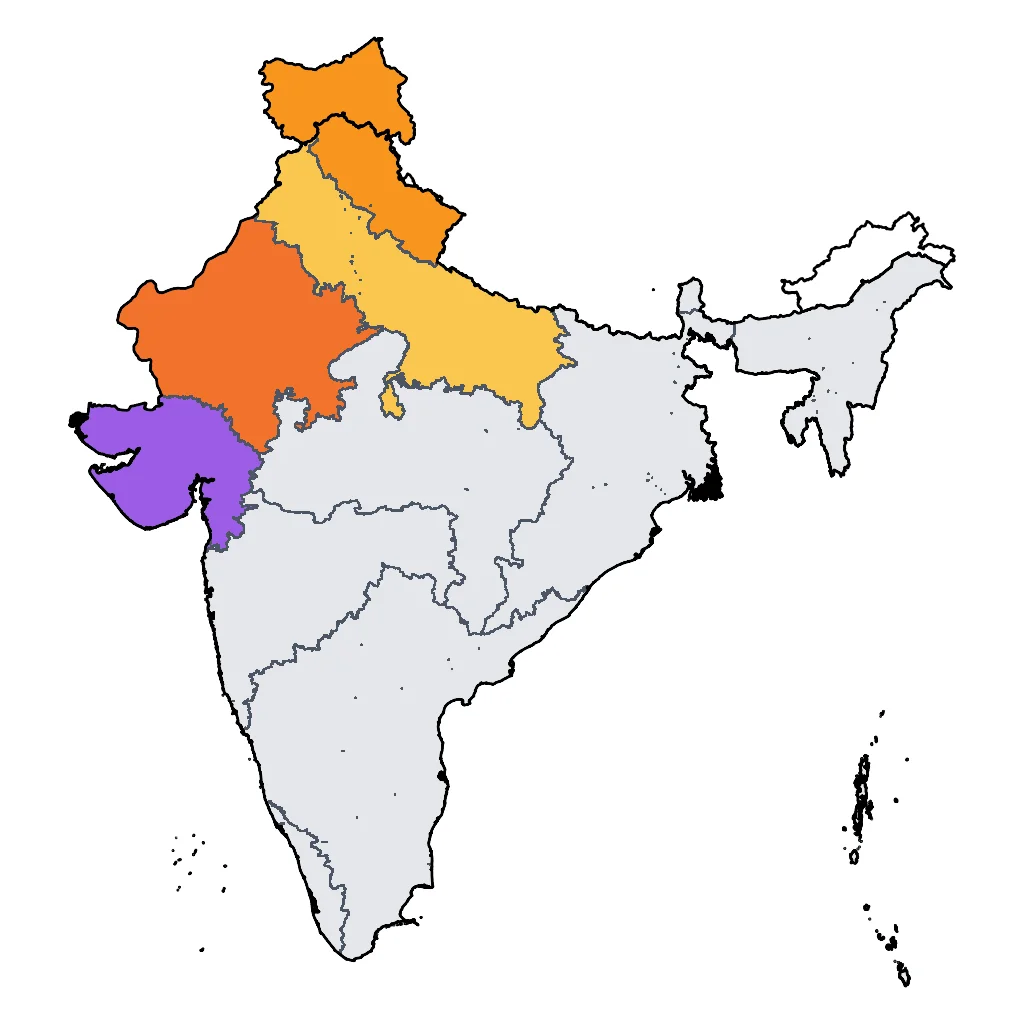

Sport tourism, fitness activities, active recreation
Offers world-class paragliding in Bir Billing and white-water rafting on the Ganges, suitable for experienced active travelers. Activities are best in the stable post-monsoon or pre-monsoon air; rivers are closed during the heavy Jul-Aug rains for safety and are too cold in deep winter.
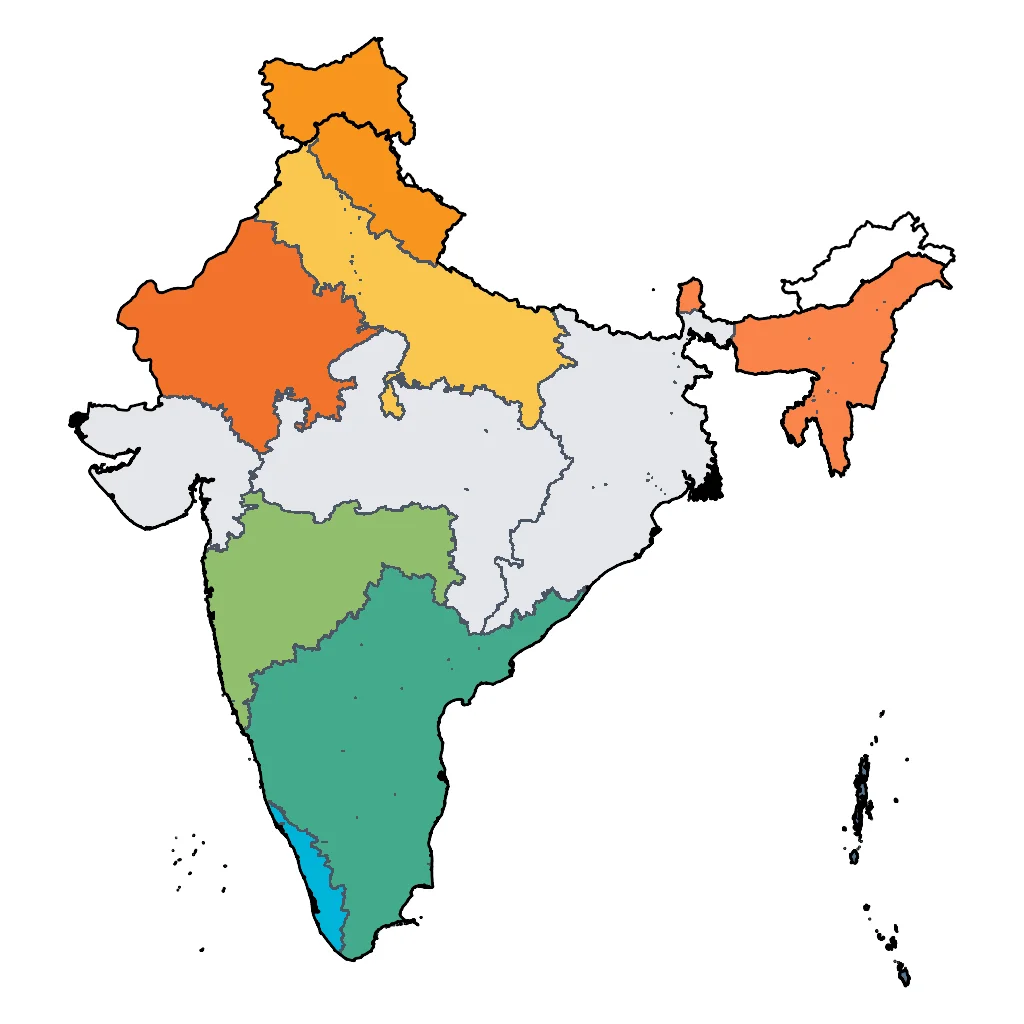

Learning experiences, scientific sites, historical education
Provides deep immersion into Buddhist philosophy, Vedic science, and Himalayan geology. Best visited when research centers and monastic schools are most accessible in the mild, dry months; monsoon rains and winter snow can isolate remote educational sites.

Winter sports, ski resorts, snow activities
Gulmarg and Auli offer genuine alpine experiences with world-class backcountry terrain, though infrastructure is more rugged than European benchmarks. Peak powder conditions occur in Jan-Feb when temperatures are lowest; summer months are entirely unsuitable as snow disappears.