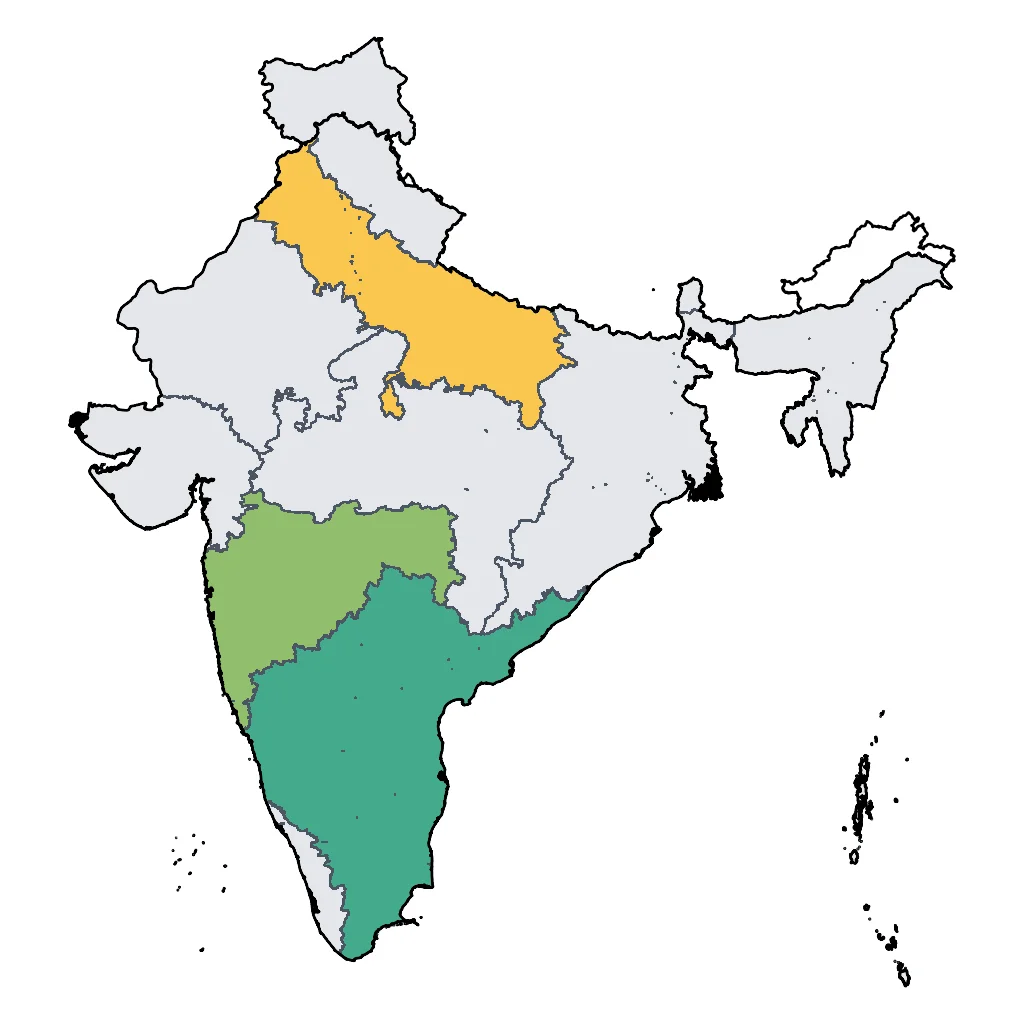
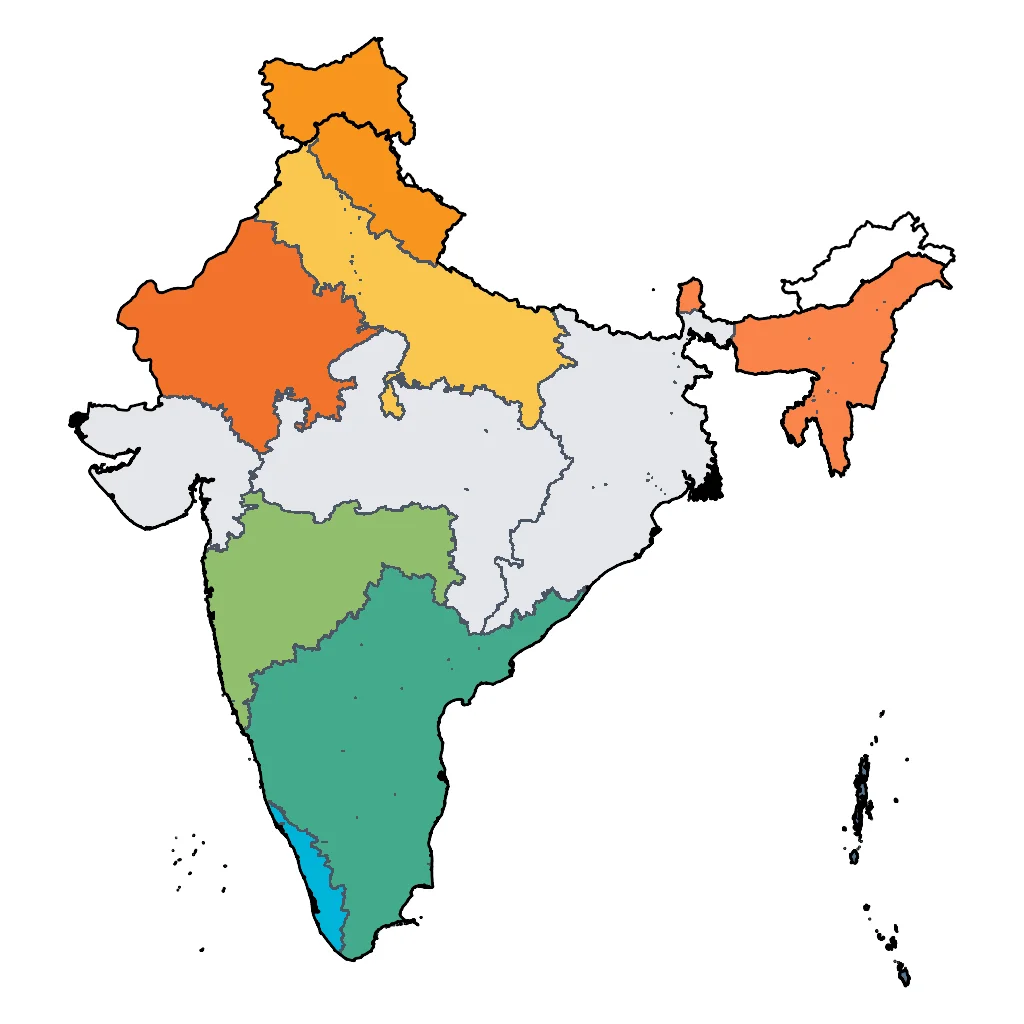
Delhi and the Upper Gangetic Plain contain some of India's most iconic landmarks. The Golden Triangle route typically starts in Delhi, where families can explore the vast Red Fort and the garden-tomb of Humayun. The Rail Museum in Delhi is a hit with younger children, featuring vintage locomotives and a toy train ride. While the city can be chaotic, the metro system provides a clean, air-conditioned way to navigate between sights.
Just a few hours south lies Agra, home to the Taj Mahal. Visiting at sunrise helps avoid the worst of the crowds and heat, making the experience more magical for children. Nearby, the Agra Fort offers a look into royal life with its palaces and courtyards. For nature lovers, the Keoladeo National Park (Bharatpur) is a short drive away and offers excellent birdwatching via bicycle rickshaws, which is an easy and safe way for families to explore the wetlands.
Further east along the plains is Varanasi, one of the world's oldest living cities. While intense, a sunrise boat ride on the Ganges River is a gentle introduction to its spiritual importance. Kids are often mesmerized by the evening Ganga Aarti ceremony involving fire and chanting, though the crowds can be dense. The region experiences extreme weather—scorching summers and chilly, foggy winters. The best travel window is October, November, February, or March. Families should stick to bottled water and cooked foods strictly here to avoid stomach bugs.
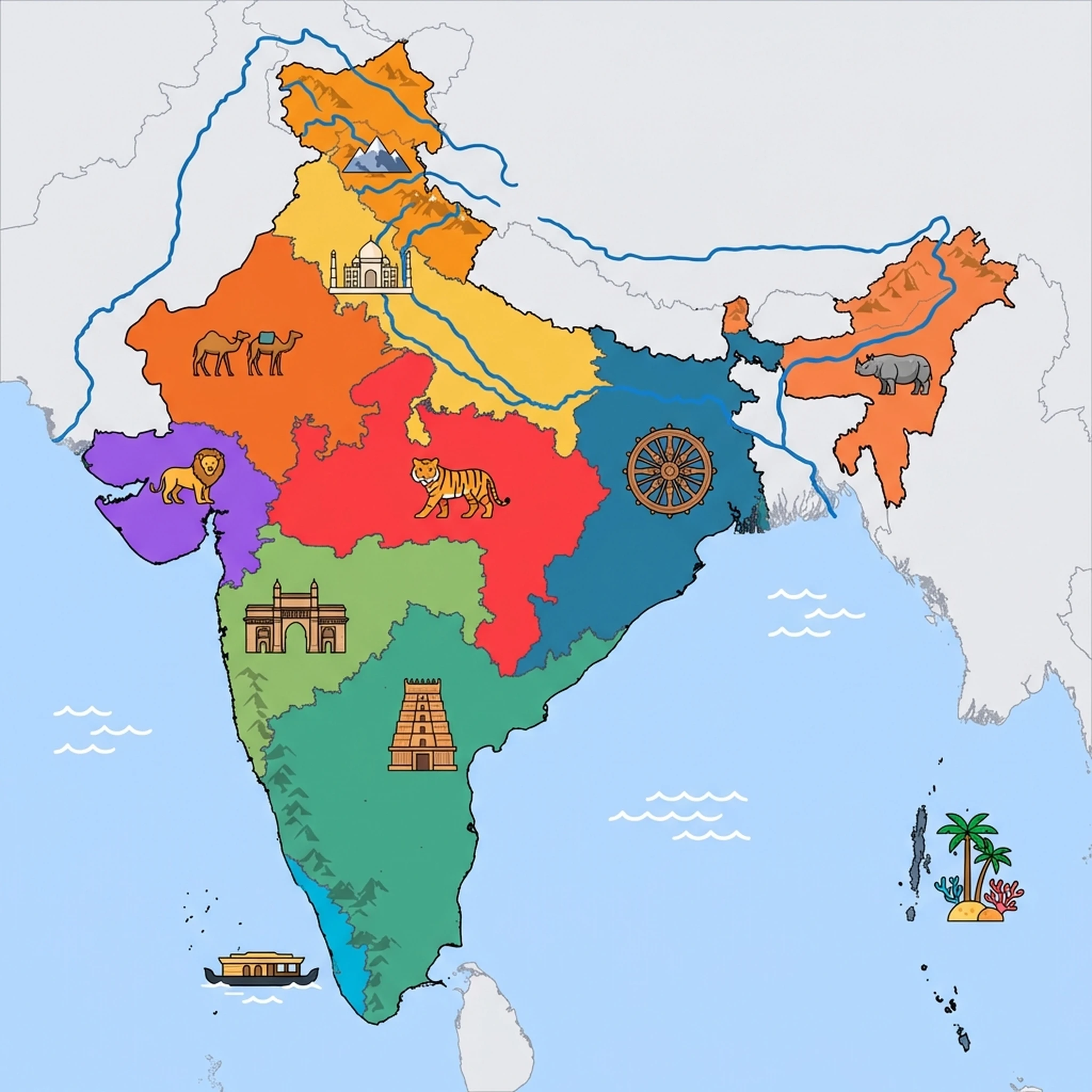
Click a region to explore

Activities & Best Times

Urban tourism, museums, historical sites, architecture
Home to iconic world heritage including the Taj Mahal and the spiritual heart of Varanasi, offering unparalleled historical depth. Peak months (Oct-Mar) provide comfortable temperatures for exploring vast temple complexes and fortresses; summer and monsoon months (Apr-Sep) present extreme heat exceeding 35°C and heavy rains.

Learning experiences, scientific sites, historical education
A globally significant archaeological corridor featuring Sarnath's Buddhist origins and Delhi's multi-layered Mughal and Colonial history. Optimal weather in winter allows for extended site visits and guided tours, while the off-season heat makes outdoor learning environments uncomfortable for families.

Events, celebrations, seasonal attractions
Host to world-famous celebrations like Diwali and Holi which offer authentic, high-impact cultural immersion. Peak months align with major festival dates and pleasant weather; the summer and monsoon periods lack major outdoor traditional events due to challenging climatic conditions.
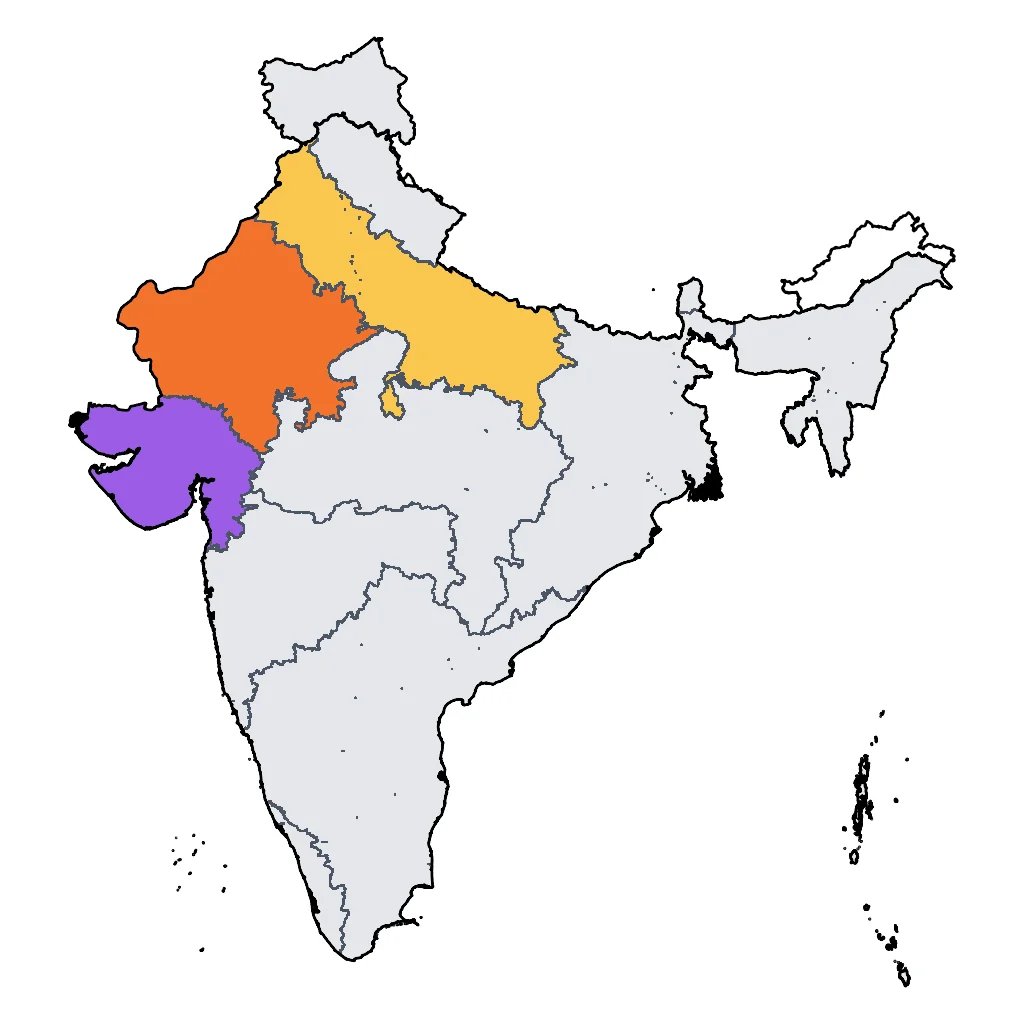

Spa retreats, wellness centers, peaceful getaways
Features world-class luxury wellness retreats and authentic Ayurvedic centers that cater to discerning international standards. The dry, cool winter months are ideal for outdoor yoga and meditation, whereas extreme summer humidity and heat significantly degrade the relaxation experience.
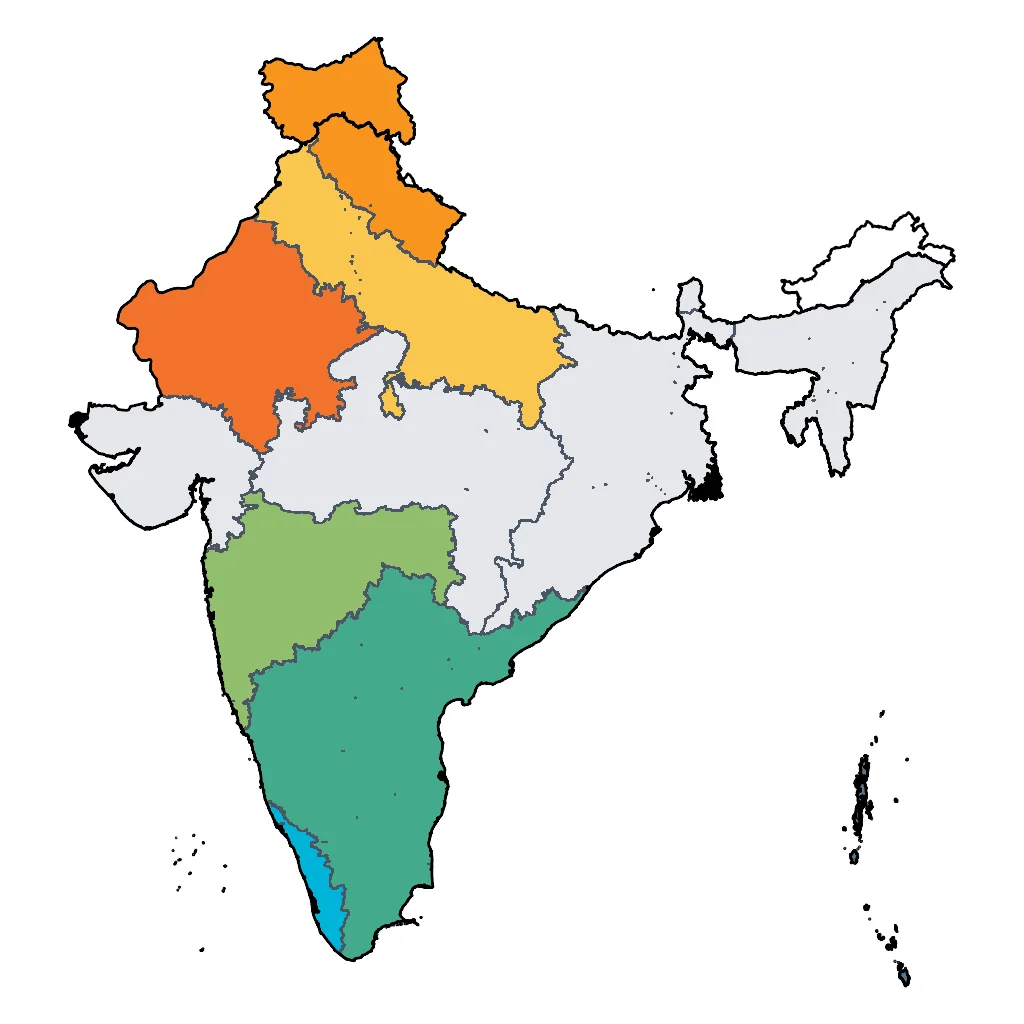

Scenic drives, countryside tours, route-based travel
The legendary 'Golden Triangle' route offers well-developed infrastructure like the Yamuna Expressway connecting globally recognized landmarks. Peak season provides clear visibility and pleasant driving conditions, while the monsoon (Jul-Sep) can cause road disruptions and the pre-monsoon heat makes sightseeing stops exhausting.
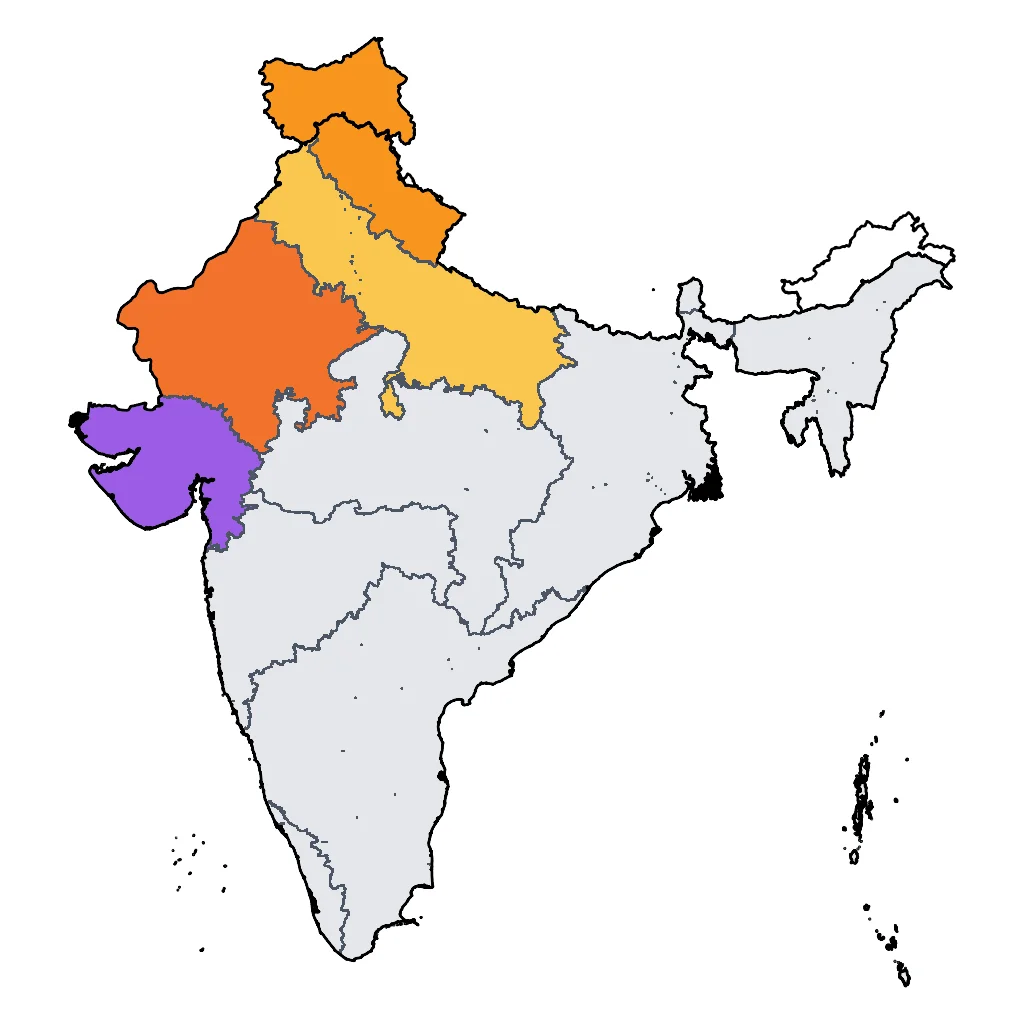

Hiking, wildlife, outdoor exploration, ecotourism
Features unique ecosystems like the Keoladeo bird sanctuary and the Ganges river, though it lacks the 'Big Five' safari experience of other regions. Peak winter months attract spectacular migratory bird populations; summer heat and monsoon flooding often limit access to natural trails and river activities.
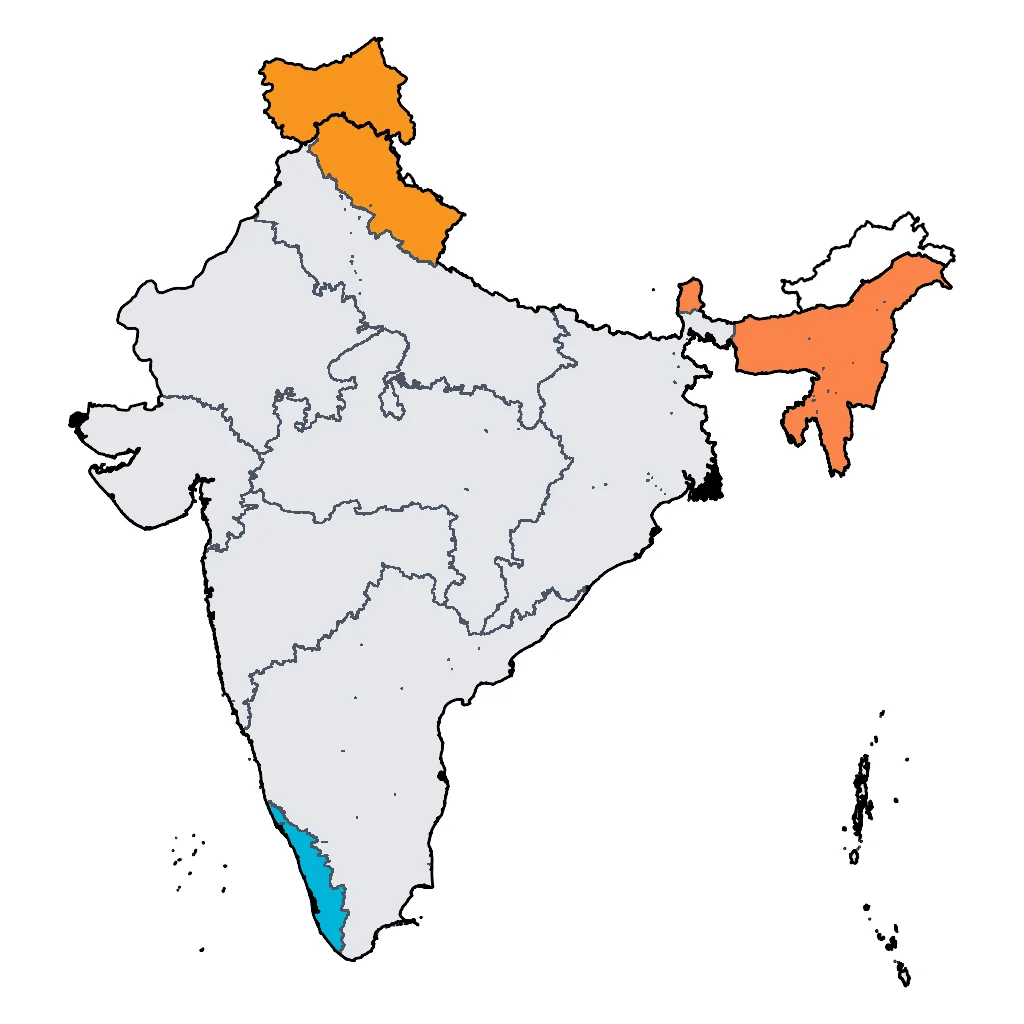

Sport tourism, fitness activities, active recreation
Offers elite, internationally-designed golf courses and professional polo circuits centered around Delhi and NCR. Ideal playing conditions occur during the cool, dry winter season, while the extreme summer heat (May-June) makes outdoor sports physically dangerous during daylight hours.

Amusement parks, family entertainment venues
Venues like Gurgaon's entertainment hubs and the National Rail Museum provide unique regional interest but do not reach the scale of global giants like Disney. The best experience is found when weather permits outdoor movement, as summer heat and monsoon humidity make theme park lines and transit uncomfortable.