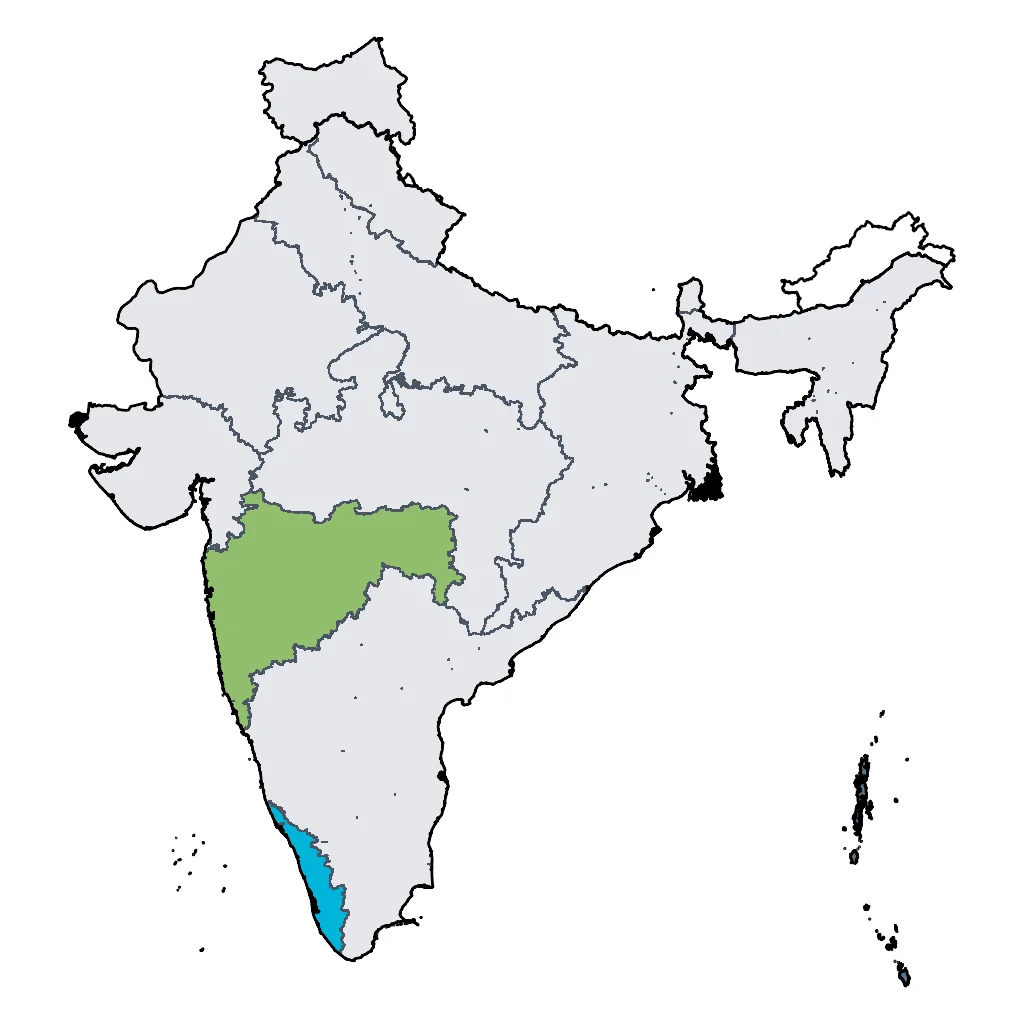
Gujarat & Western Heritage
Asiatic lions and white salt deserts 🦁
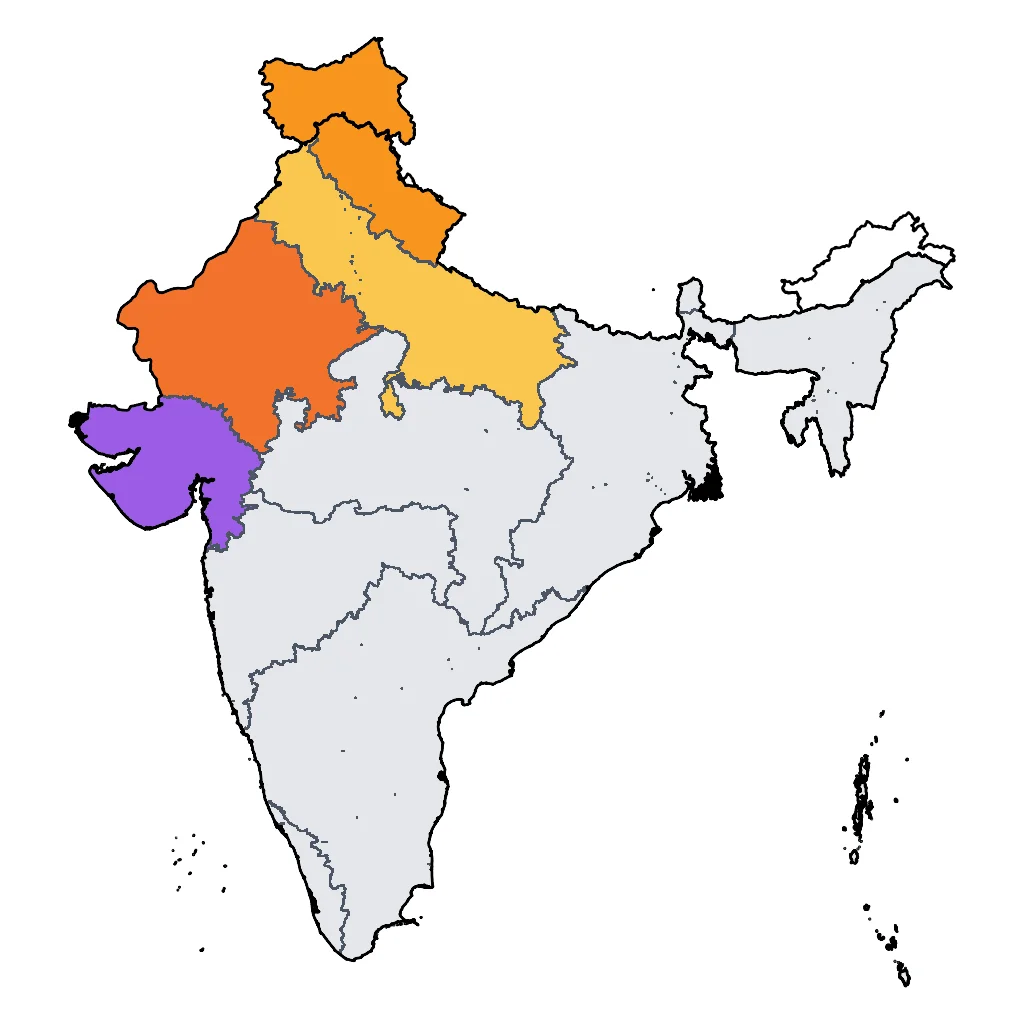
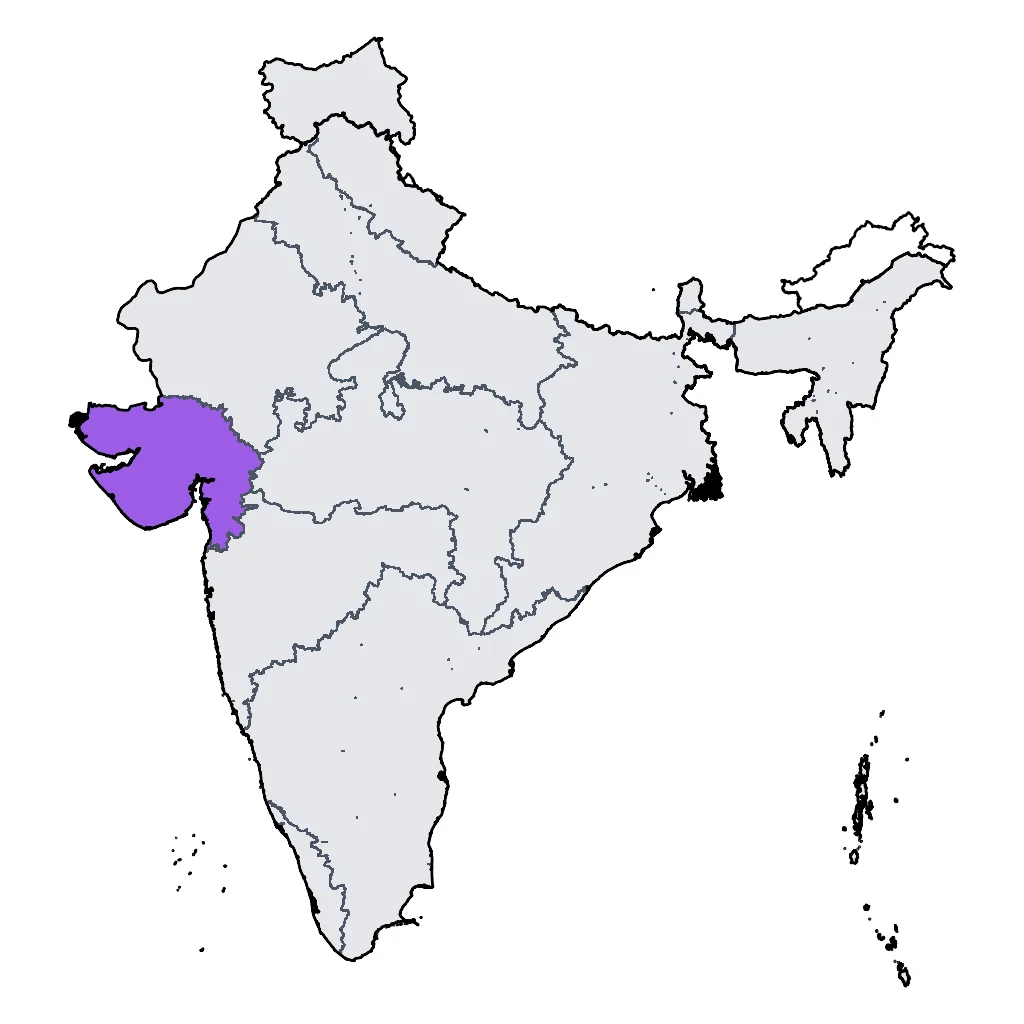
Gujarat is a vibrant state with distinct wildlife and geography. The crown jewel for wildlife-loving families is Gir National Park, the last refuge of the Asiatic lion. Unlike the elusive tigers, lions here are often easier to spot, and the park supports a high density of other wildlife like deer and antelope. The safaris are well-regulated and safe for children.
For a completely different landscape, the Great Rann of Kutch offers a surreal experience. This vast salt marsh turns into a brilliant white desert in the dry season. The Rann Utsav (festival) held during winter features tent cities with cultural performances, camel cart rides, and local crafts that engage children of all ages. Seeing the moon rise over the white salt flats is a memorable family moment.
History is accessible here through the region's unique stepwells (vavs), such as Rani ki Vav in Patan. These inverted temples dug deep into the ground are architectural wonders that kids enjoy descending into, marveling at the cooling air and detailed carvings. The city of Ahmedabad, India's first UNESCO World Heritage city, has a calming retreat at the Sabarmati Ashram, where families can learn about Mahatma Gandhi's life and see his simple living quarters. The food in Gujarat is largely vegetarian and often sweeter than other Indian cuisines, making it generally palatable for children. Winter (November to February) is the only comfortable time to visit the desert regions.
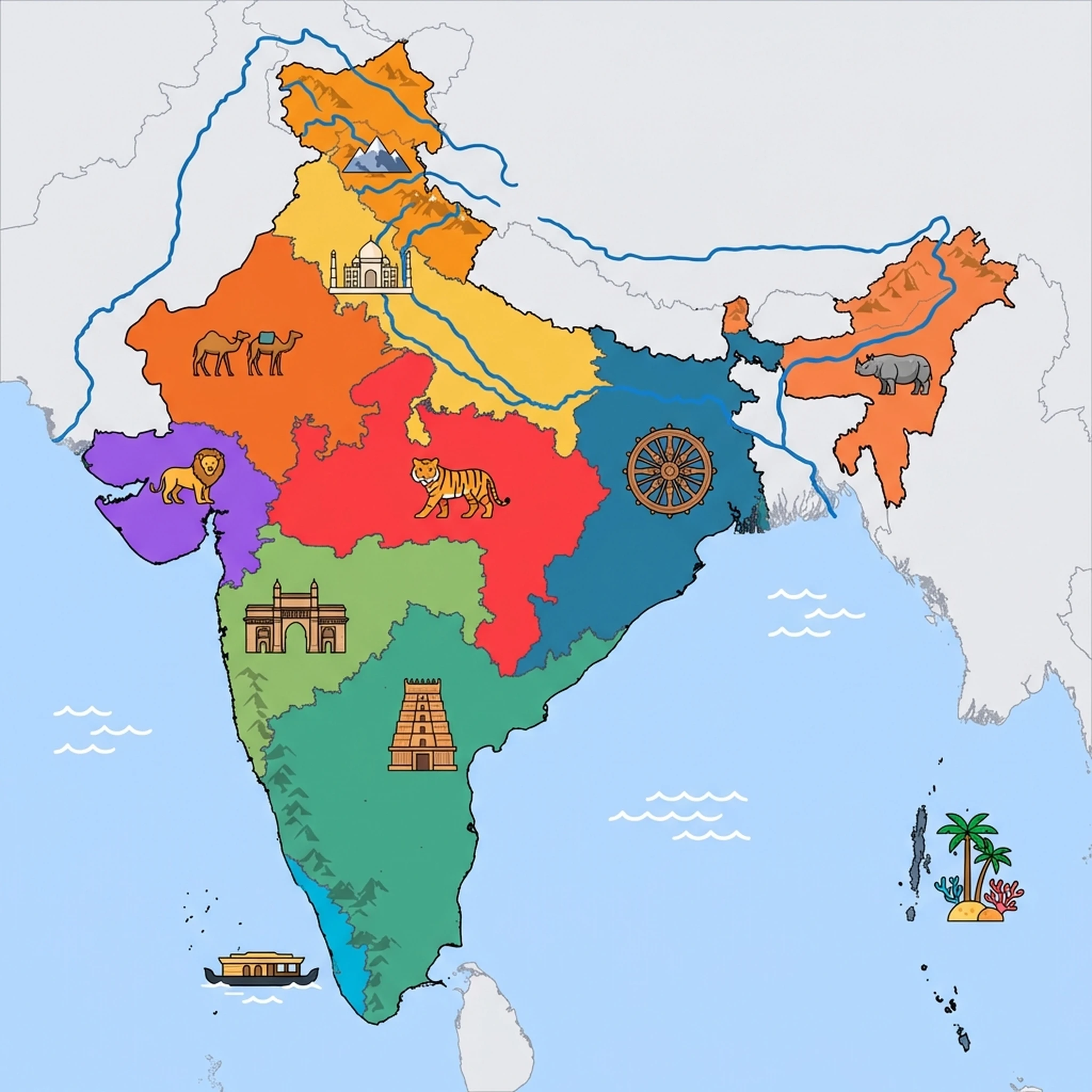
Click a region to explore

Activities & Best Times

Urban tourism, museums, historical sites, architecture
Features Ahmedabad, India's first UNESCO World Heritage City, and the magnificent Rani ki Vav stepwell, reflecting a high-end mercantile and architectural legacy. The dry, pleasant winter (Nov-Feb) is ideal for exploring dense urban heritage cores, whereas temperatures exceeding 38°C in summer and heavy monsoon rains make outdoor cultural tours uncomfortable.
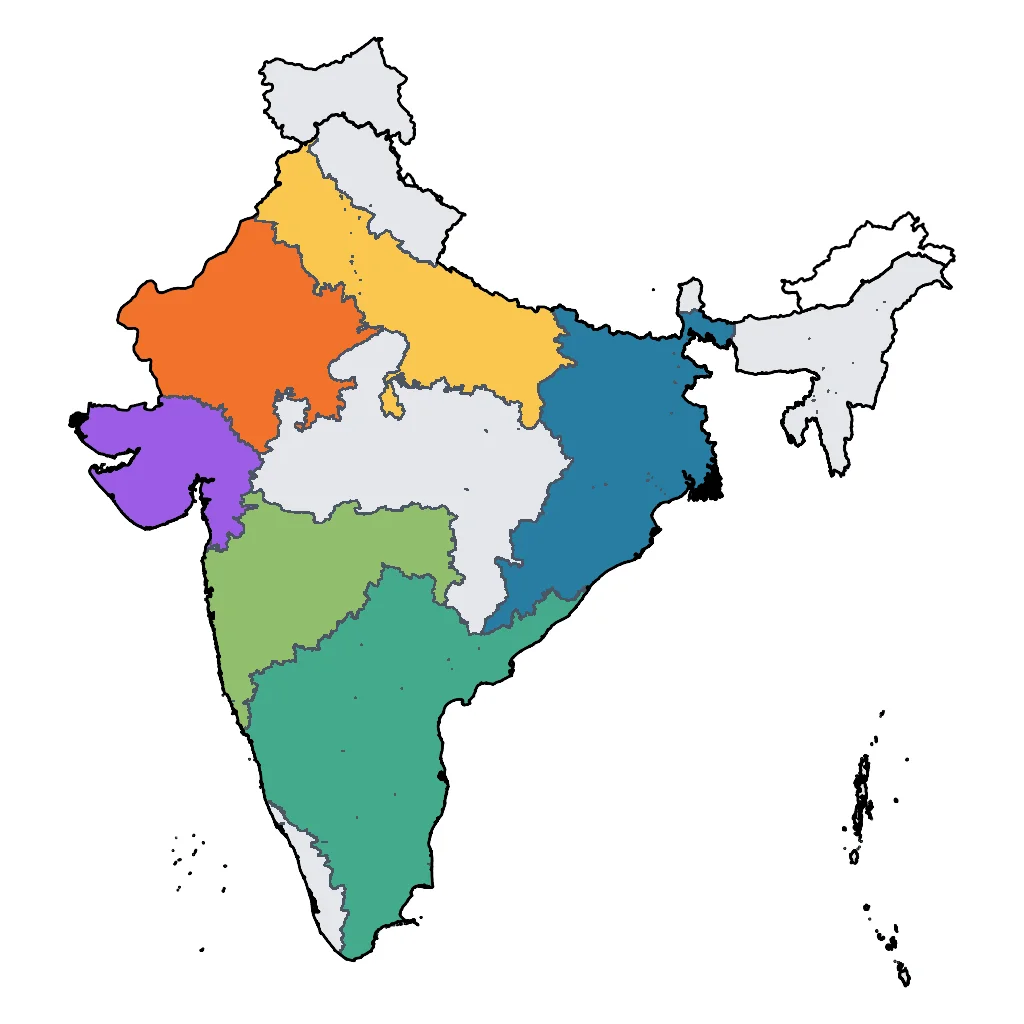

Events, celebrations, seasonal attractions
Hosts globally significant events like the Navratri dance festival, the International Kite Festival, and the Rann Utsav desert celebration. Peak season aligns with these major cultural milestones and comfortable outdoor weather, while the off-season lacks significant international-standard events and suffers from extreme climatic conditions.
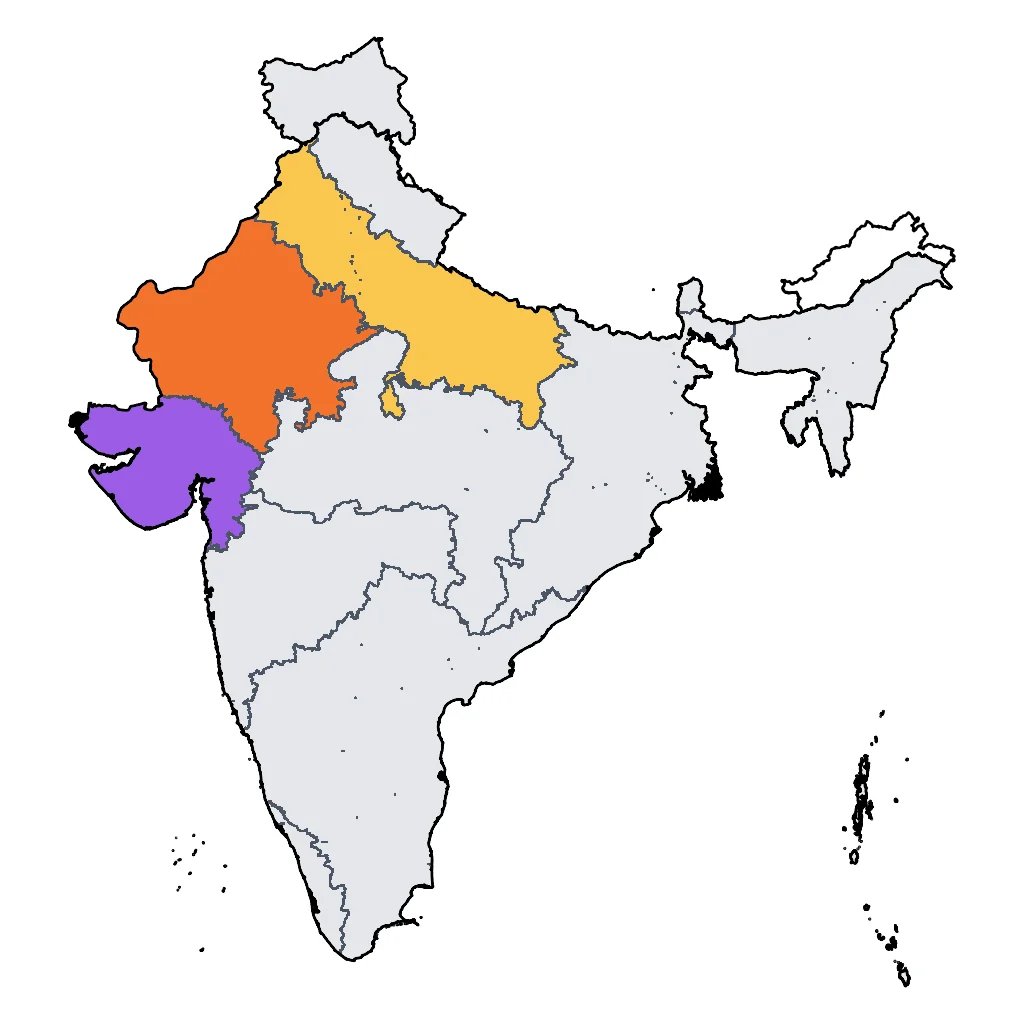

Hiking, wildlife, outdoor exploration, ecotourism
Gir lions and Rann of Kutch are unique but neither appears in the editorial attractions list — all 4 attractions are heritage sites. The Asiatic lion experience is remarkable but narrow (single species, single park). The Rann of Kutch is a landscape experience, not a diversified adventure destination. Reducing from 'excellent' to 'very_good' improves differentiation and better calibrates against regions with richer editorial nature evidence.

Learning experiences, scientific sites, historical education
Rich in high-value archaeological sites such as Dholavira and Lothal (Indus Valley Civilization) and the legacy of Gandhi at Sabarmati. These open-air historical sites are best visited in the cool, dry winter months; summer heat peaks above 40°C, creating a challenging environment for families seeking in-depth learning.

Scenic drives, countryside tours, route-based travel
Boasts some of the highest-quality road infrastructure in India, connecting vibrant textile villages with dramatic coastal and desert landscapes. Peak months offer clear visibility and comfortable driving conditions, whereas the monsoon (Jul-Sep) brings significant rainfall (up to 293mm) that can impede travel and diminish scenic vistas.

Spa retreats, wellness centers, peaceful getaways
Offers boutique eco-luxury camps in the desert and heritage hotels that provide peaceful, authentic retreats focused on crafts and slow living. The low humidity and mild temperatures of winter create an ideal environment for relaxation, while the intense heat and high humidity of the monsoon months are less conducive to outdoor wellness activities.
Amusement parks, family entertainment venues
The Statue of Unity complex is a world-class family destination featuring specialized children's parks, gardens, and high-tech laser shows. While impressive, it is best visited in winter when outdoor walking between attractions is enjoyable; summer temperatures make the open-air site difficult for younger children.

Beach resorts, marine activities: diving, snorkelling, kite surfing, wind surfing, sailing
Coastal areas like Somnath and Dwarka offer scenic views and cultural significance, but lack the world-class resort infrastructure and water sports found at top global beach destinations. Peak months offer calm seas and pleasant breezes, while the monsoon months bring rough, unswimmable waters.