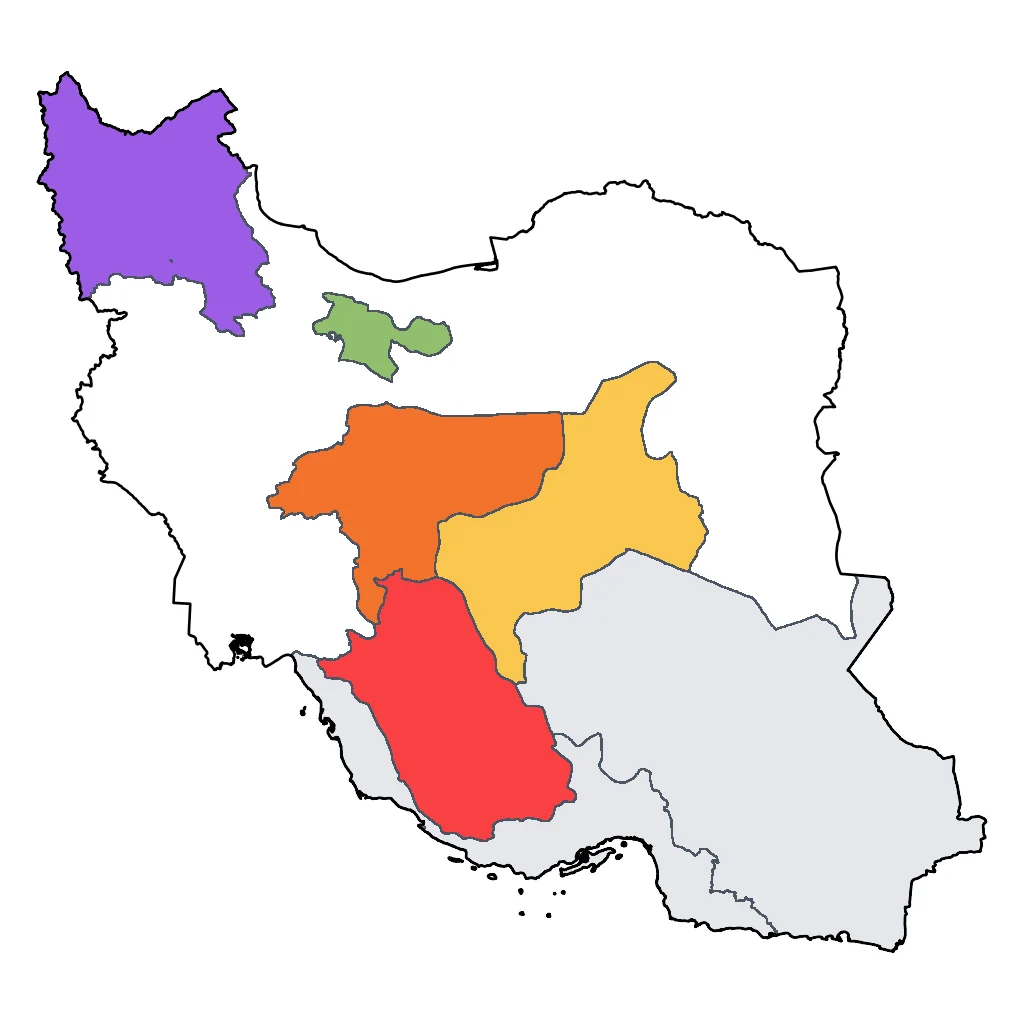
⚠️ SAFETY WARNING: Due to high risks of terrorism, kidnapping, and armed conflict near the borders with Afghanistan and Pakistan, government agencies (including the USA, UK, Canada, and Australia) advise travelers to avoid all travel to the Sistan-Baluchestan province and border regions. If visiting Kerman, remain within the city and established tourist zones. Families are strongly urged to consult their own government's official travel advisory before considering a trip, as circumstances vary.
Kerman serves as the cultural gateway to southeastern Iran, offering a distinct desert atmosphere. The city's highlight is the Ganjali Khan Complex, a Safavid-era center centered around a historic square. The complex includes a bathhouse (Hammam) that has been converted into an anthropology museum. Life-sized wax figures depict scenes from the past, which helps bring history to life for children who can visualize how people bathed, socialized, and traded centuries ago. The adjacent bazaar is an excellent place to see traditional copper smithing in action.
A short drive from Kerman lies the town of Mahan, home to the UNESCO-listed Shazdeh Garden (Prince’s Garden). This walled garden is a miracle of engineering, featuring cascading fountains and tall trees in the middle of a dry desert, fed by underground water channels called qanats. It is a perfect picnic spot for families. Nearby, the Rayen Citadel offers a mud-brick fortress experience similar to the famous Bam Citadel but is more accessible for day trips from Kerman. Kids can explore the winding alleys and climb the ramparts for views over the desert landscape.
While the Lut Desert and its famous Kaluts (sandcastles) are visually spectacular, they are located in remote areas. Families should only consider visiting these geological formations with certified, trusted guides and must prioritize safety updates regarding the region's security. The unique geology and starry night skies are the main draw, but safety remains the paramount concern in this frontier province.
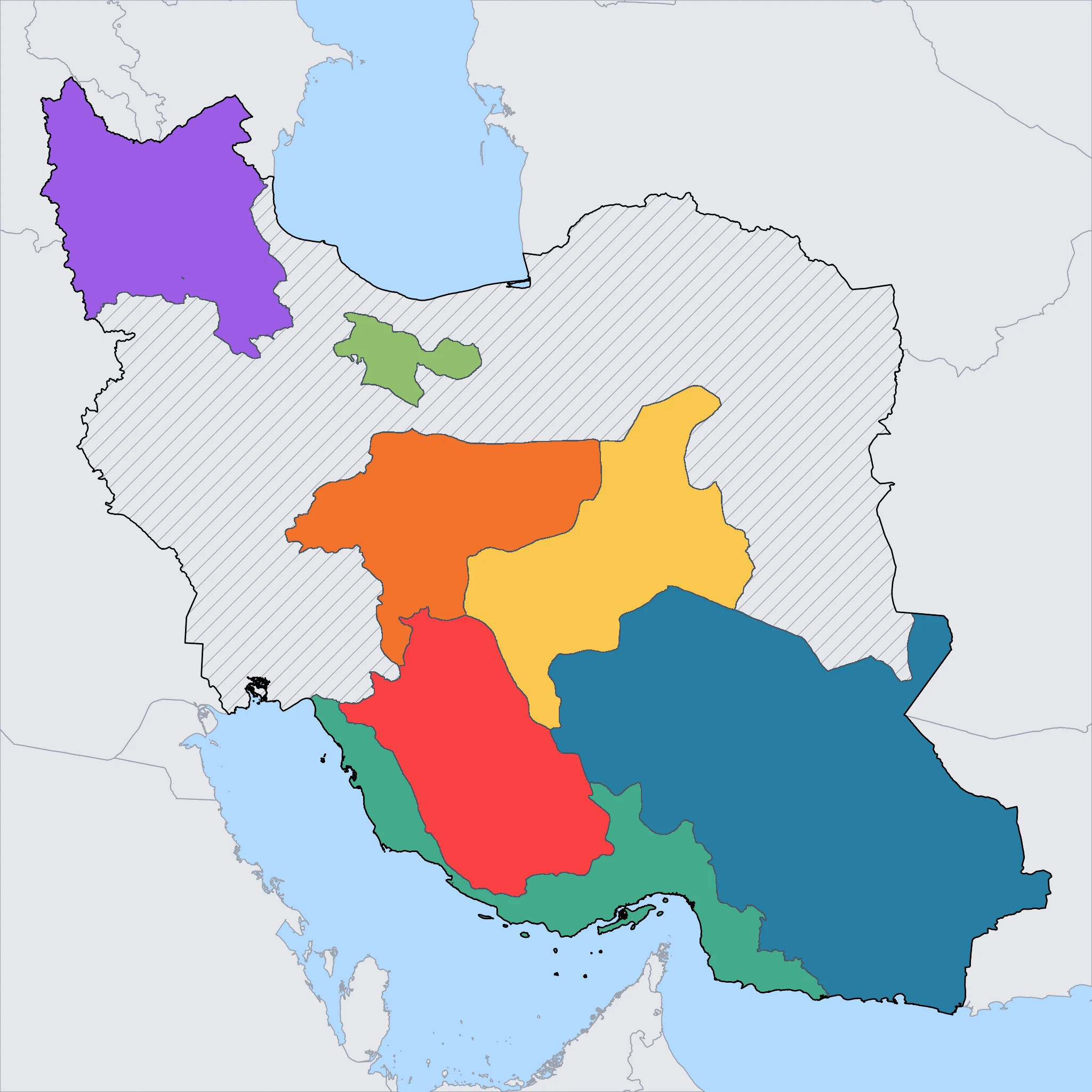
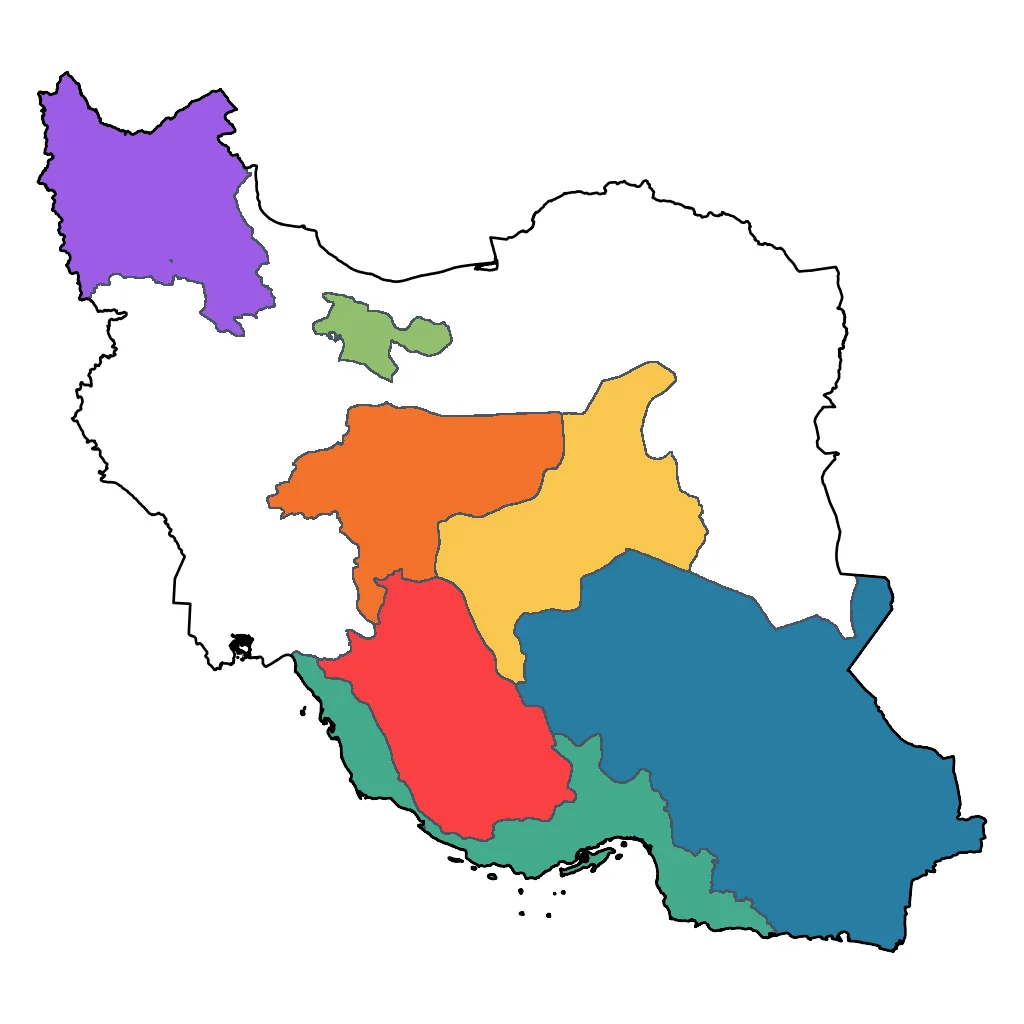
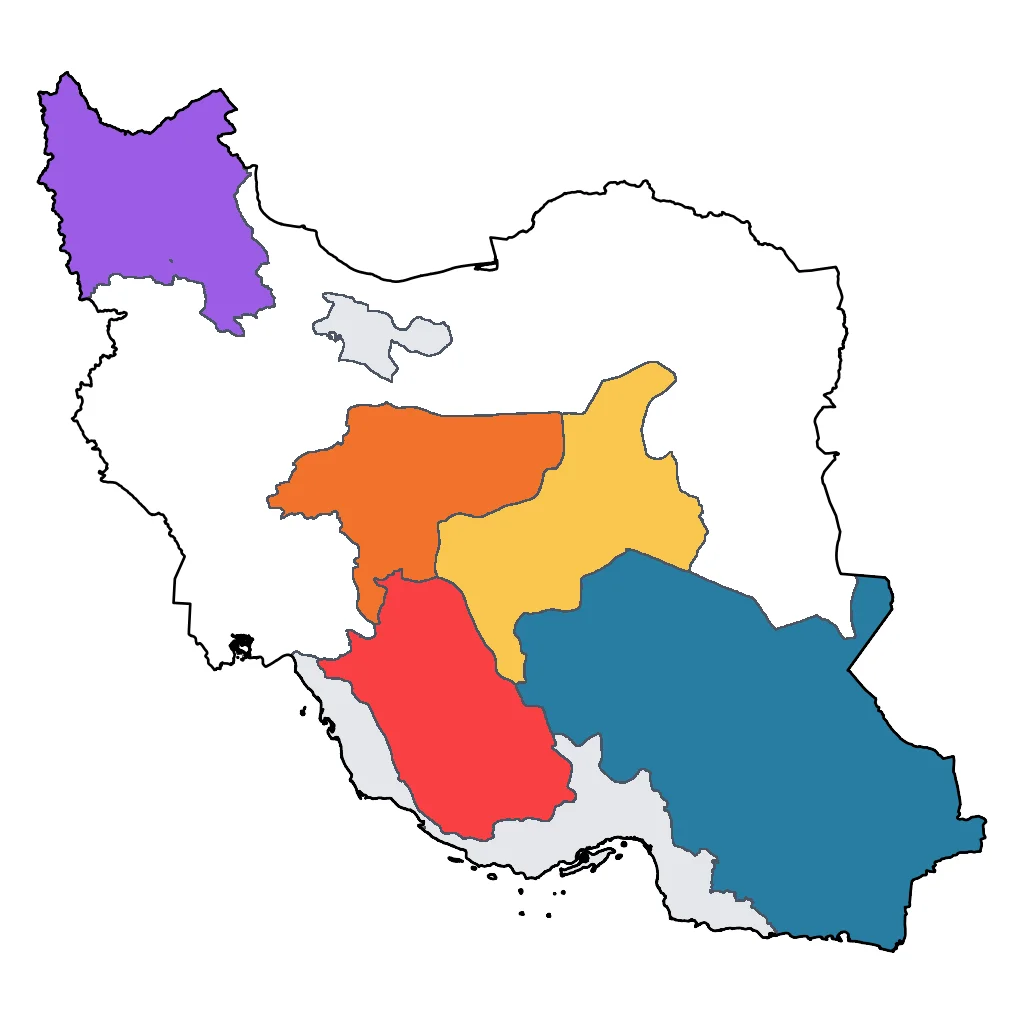
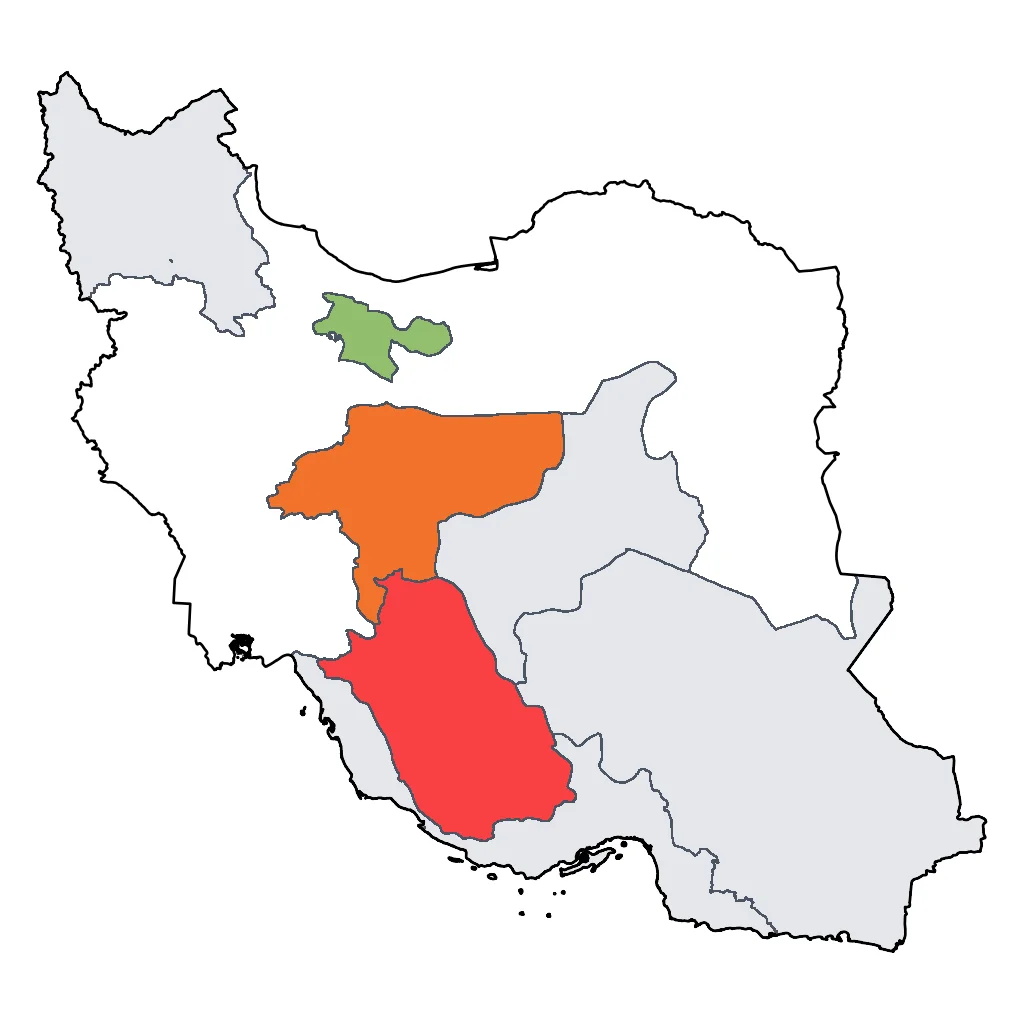
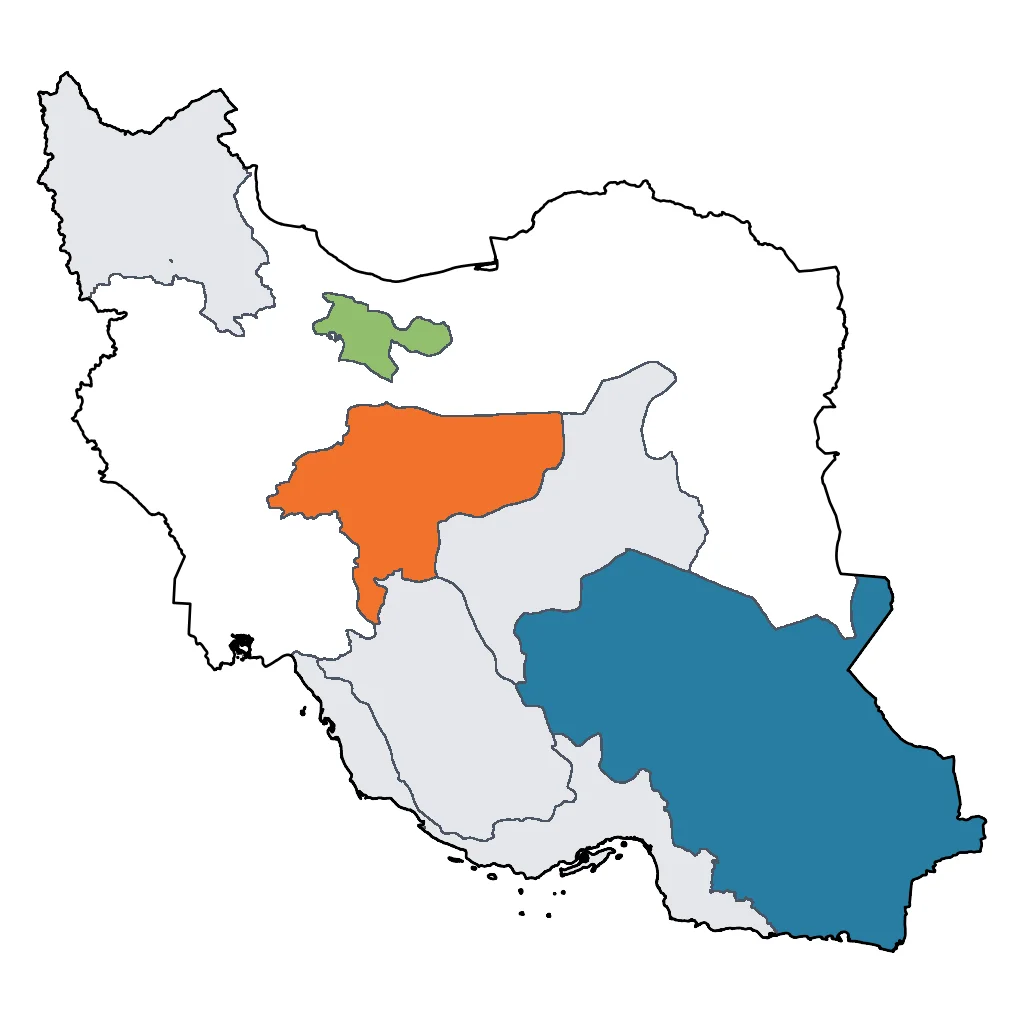
Click a region to explore

Activities & Best Times

Hiking, wildlife, outdoor exploration, ecotourism
The UNESCO-listed Lut Desert (Kaluts) offers some of the world's most spectacular and unique desert formations, comparable to the best of Namibia or Jordan. Peak months provide the moderate temperatures (21-28°C) essential for safe exploration; summer months are dangerously hot with record-breaking temperatures exceeding 42°C.

Urban tourism, museums, historical sites, architecture
While Bam Citadel is UNESCO-listed and Kerman has historic value, the region's cultural density does not match Isfahan, Shiraz, or Yazd for city/cultural tourism. Bam was severely damaged in 2003 and is still under reconstruction. 'Excellent' should be reserved for regions with globally top-tier, intact urban cultural density. The region's true strength is adventure/nature (Lut Desert).

Learning experiences, scientific sites, historical education
The region provides a world-class living classroom covering troglodyte civilizations in Meymand and sophisticated ancient water engineering (qanats). Peak months offer ideal conditions for immersive field visits; shoulder months remain viable but require more planning for midday heat or cooler winter nights.
Scenic drives, countryside tours, route-based travel
Vast, cinematic desert landscapes and well-paved routes connecting historic caravanserai make for an exceptional scenic driving experience. While winter (Jan-Feb) offers clear skies and cool drives, the peak summer period poses vehicle and passenger strain due to extreme temperatures and intense solar glare.

Events, celebrations, seasonal attractions
Nowruz (March) is an authentic, internationally significant cultural experience with local festivities centered around the region's historic gardens. Outside of this period and the pleasant autumn harvest months, there are fewer major events that cater to sophisticated international families.

Sport tourism, fitness activities, active recreation
Exceptional terrain for desert trekking and high-end 4x4 dune expeditions in the Kaluts. Peak physical activity is best enjoyed during the mildest months (March and November), whereas the extreme heat from May to September makes high-exertion activities medically inadvisable for families.

Spa retreats, wellness centers, peaceful getaways
Historic bathhouses and peaceful Persian gardens offer unique relaxation, though the region lacks the high-end luxury spa infrastructure found in the world's premier wellness hubs. The seasonal peak aligns with comfortable outdoor temperatures that allow families to enjoy the tranquility of the desert oases.