

⚠️ SAFETY WARNING: Due to severe risks of civil unrest, arbitrary detention, and terrorism, government agencies (including the USA, Canada, UK, Australia, Ireland, and New Zealand) advise travelers to avoid all travel to Iran. The security situation is volatile, and consular support is extremely limited or non-existent, particularly for dual nationals. Families are strongly urged to consult their own government's official travel advisory before considering a trip, as circumstances and risk assessments vary.
Situated on the Iranian Plateau, Iran is a country defined by dramatic contrasts, from the rugged peaks of the Zagros and Alborz mountains to the arid beauty of the Dasht-e Kavir desert. For families with a deep interest in history, the country serves as a living museum of the Persian Empire. The climate is diverse, featuring four distinct seasons, with cold winters in the northwest and sweltering summers along the Persian Gulf.
The cultural heart of the country is often found in Isfahan. Its central landmark, Naqsh-e Jahan Square, is one of the largest public plazas in the world, where families can watch horse-drawn carriages or explore the surrounding bazaars filled with handicrafts. The intricate tile work of the Sheikh Lotfollah Mosque offers a visual introduction to Islamic geometry. In the south, the city of Shiraz is celebrated for its gardens and the Tomb of Hafez, where locals gather to recite poetry, providing a gentle entry point into Persian literature.
A short drive from Shiraz lies Persepolis, the ceremonial capital of the Achaemenid Empire. The massive columns, staircases, and well-preserved stone reliefs allow children to walk through the history of ancient kings. In the bustling capital of Tehran, the National Jewelry Treasury displays staggering collections of gemstones, while the northern districts offer access to ski resorts like Dizin during the winter months.
Persian cuisine is well-suited for families, often featuring mild, aromatic flavors rather than intense heat. Meals typically center on fluffy saffron rice and grilled kebabs. Distinctive stews like ghormeh sabzi (herb stew) and fesenjan (pomegranate and walnut stew) introduce unique tastes, while the crispy rice crust known as tahdig is a favorite treat.
Travelers must navigate strict local laws and customs. There is a mandatory dress code for women and girls over the age of nine, requiring a headscarf and loose-fitting clothing in public. Alcohol is strictly prohibited. Furthermore, international credit cards do not work due to sanctions, requiring visitors to carry cash for all expenses, and internet access is heavily restricted.
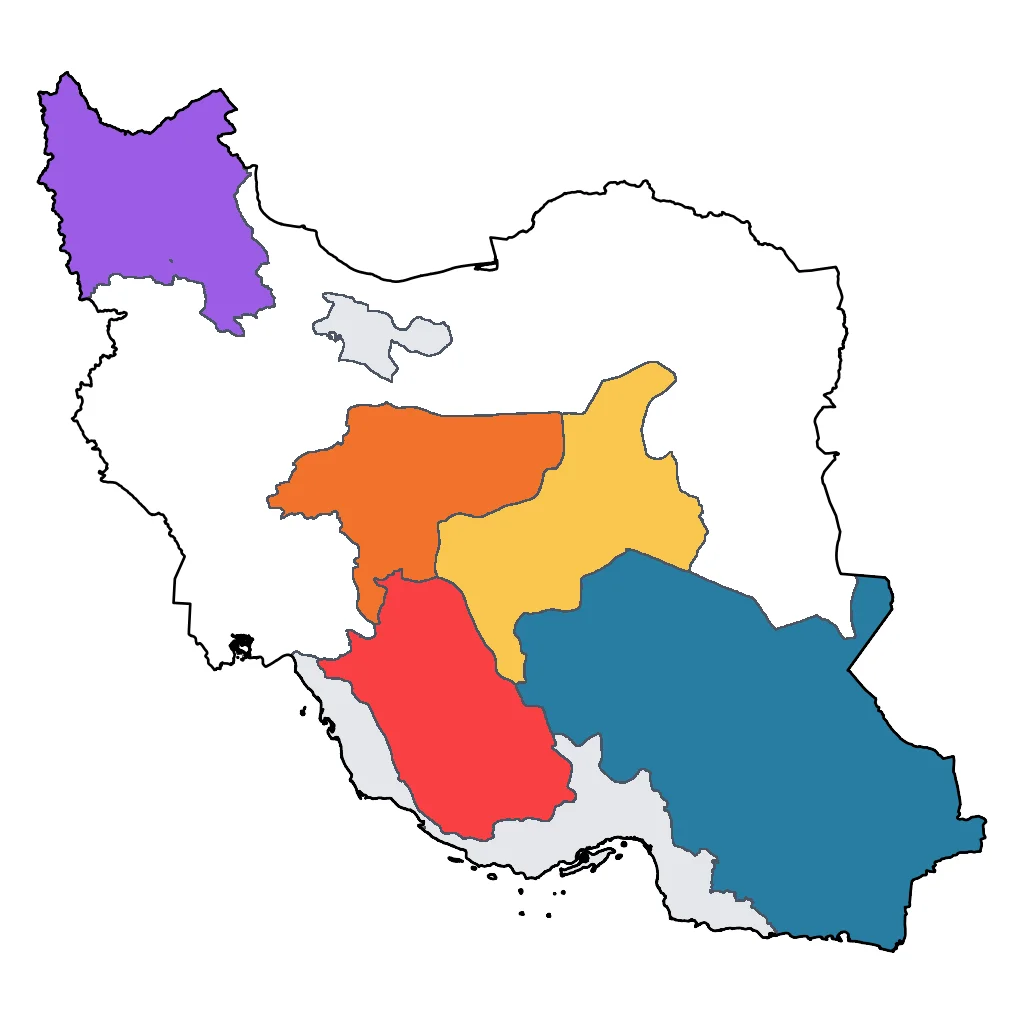
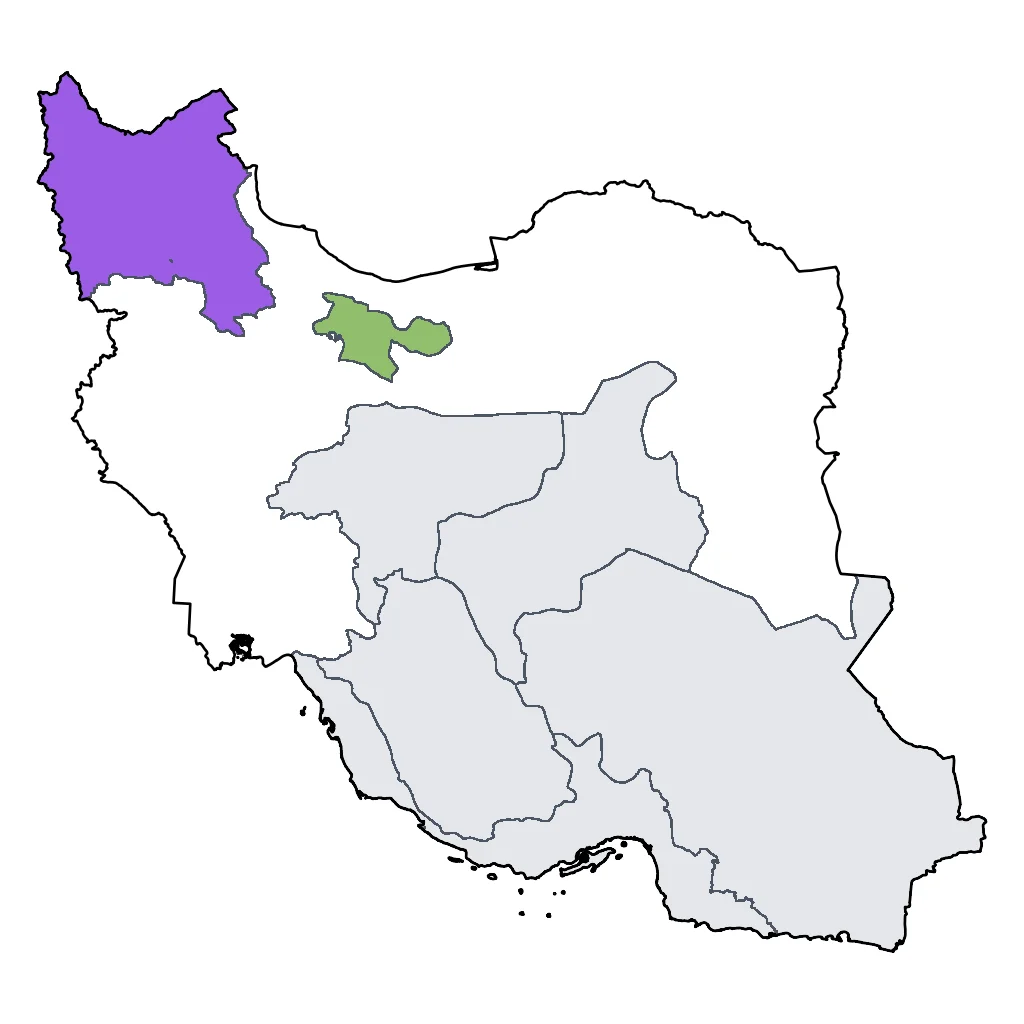
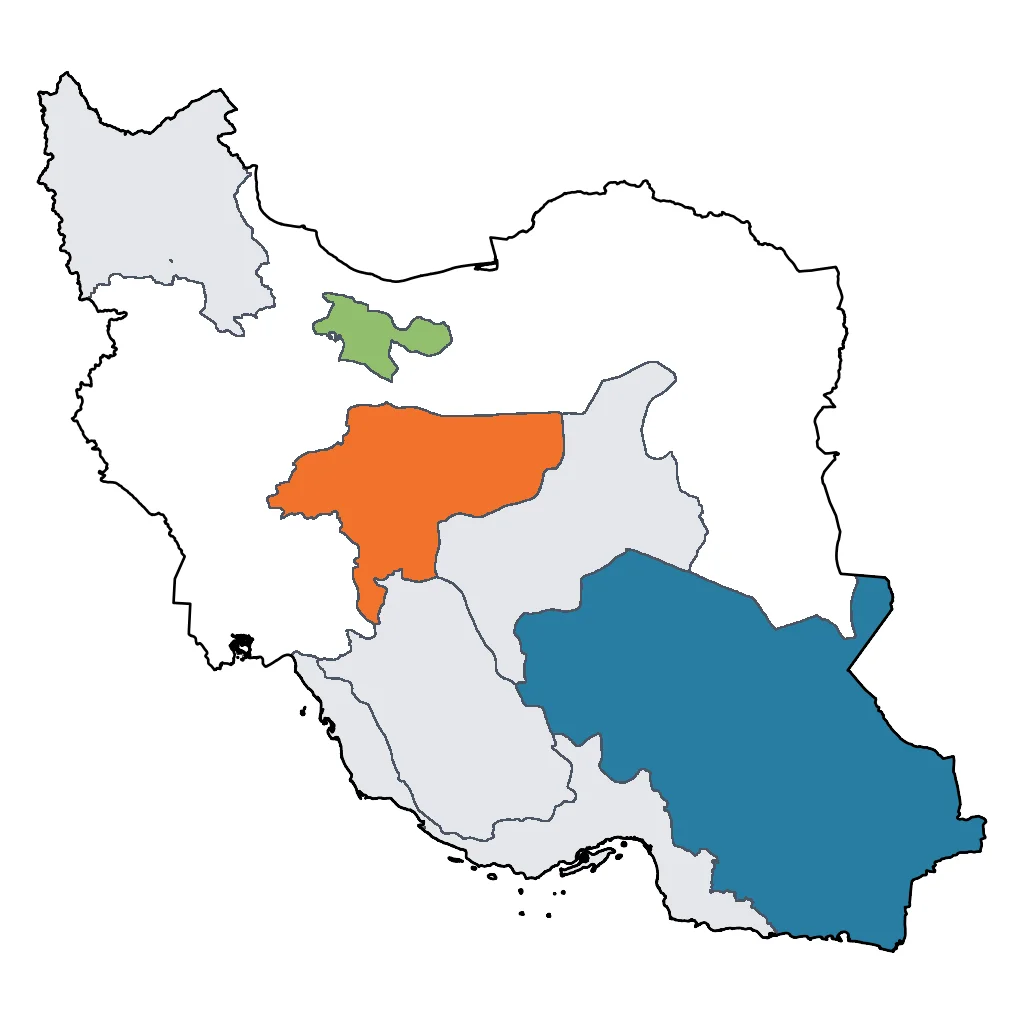
Explore Regions
7 Regions
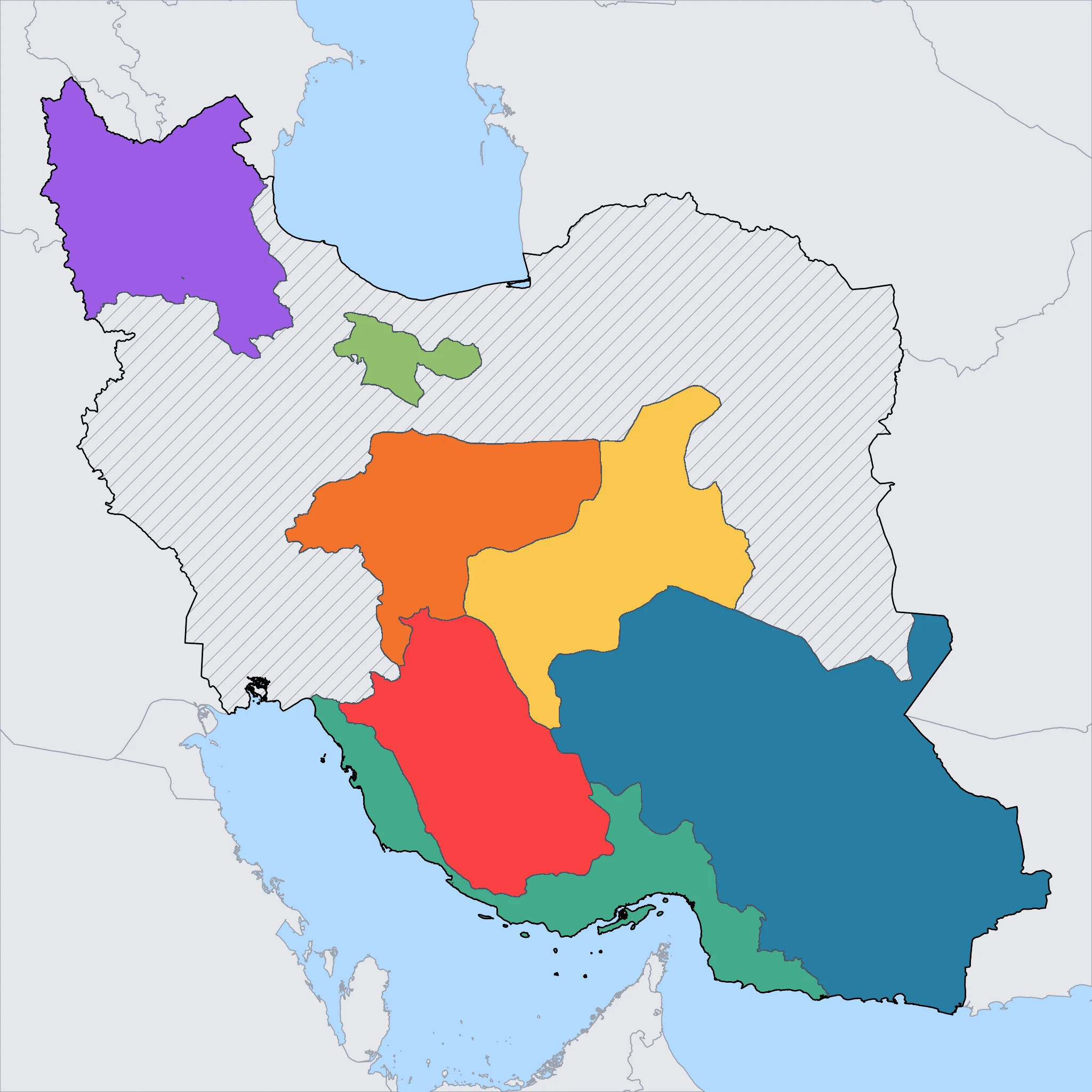
Isfahan
Turquoise domes and riverside bridges 🕌
Kerman & Southeast
Ancient citadels and desert gardens 🏜️
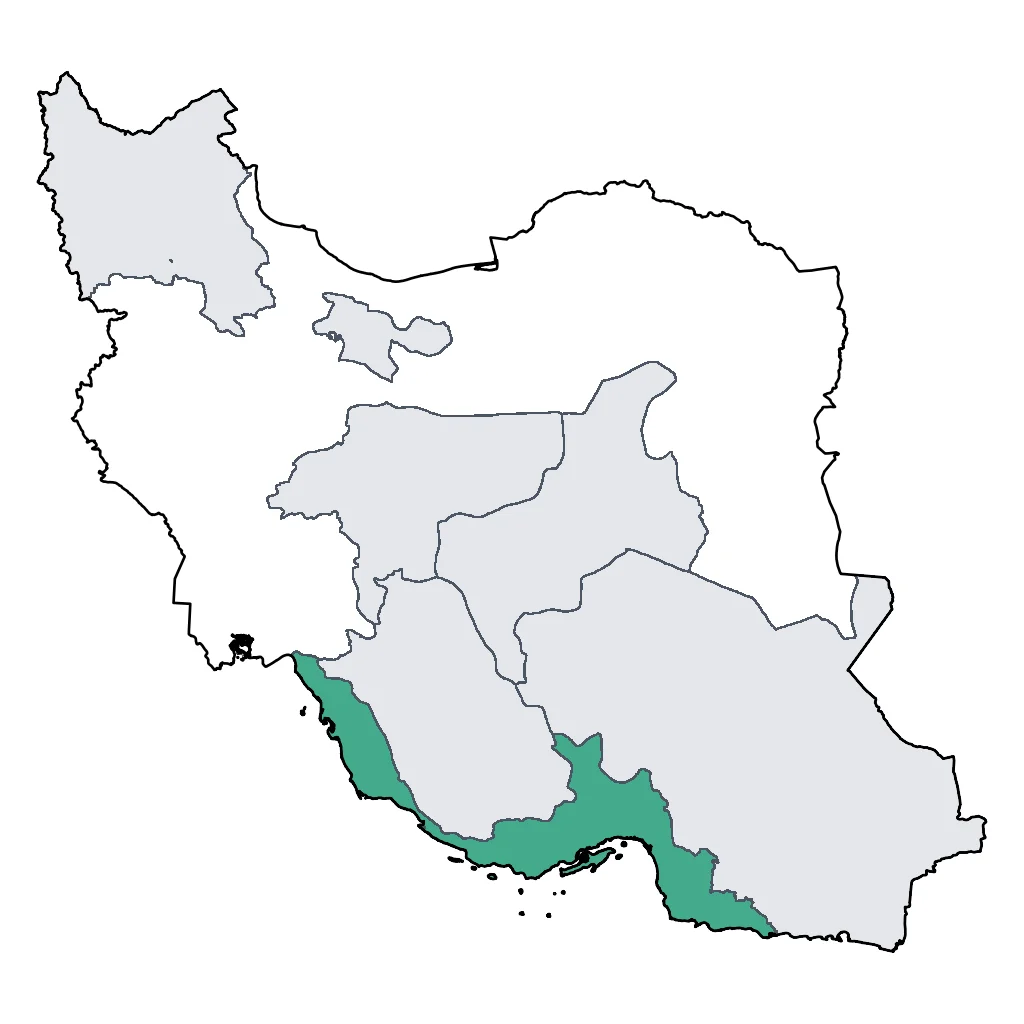
Persian Gulf Coast
Island adventures and geological wonders 🏝️
Shiraz & Persepolis
Poetic gardens and ancient empires 🌹
Tabriz & Northwest
Cave villages and Silk Road bazaars 🏔️
Tehran
Mountain views and modern treasures 🏙️
Yazd
Mud-brick mazes and desert winds 🌬️
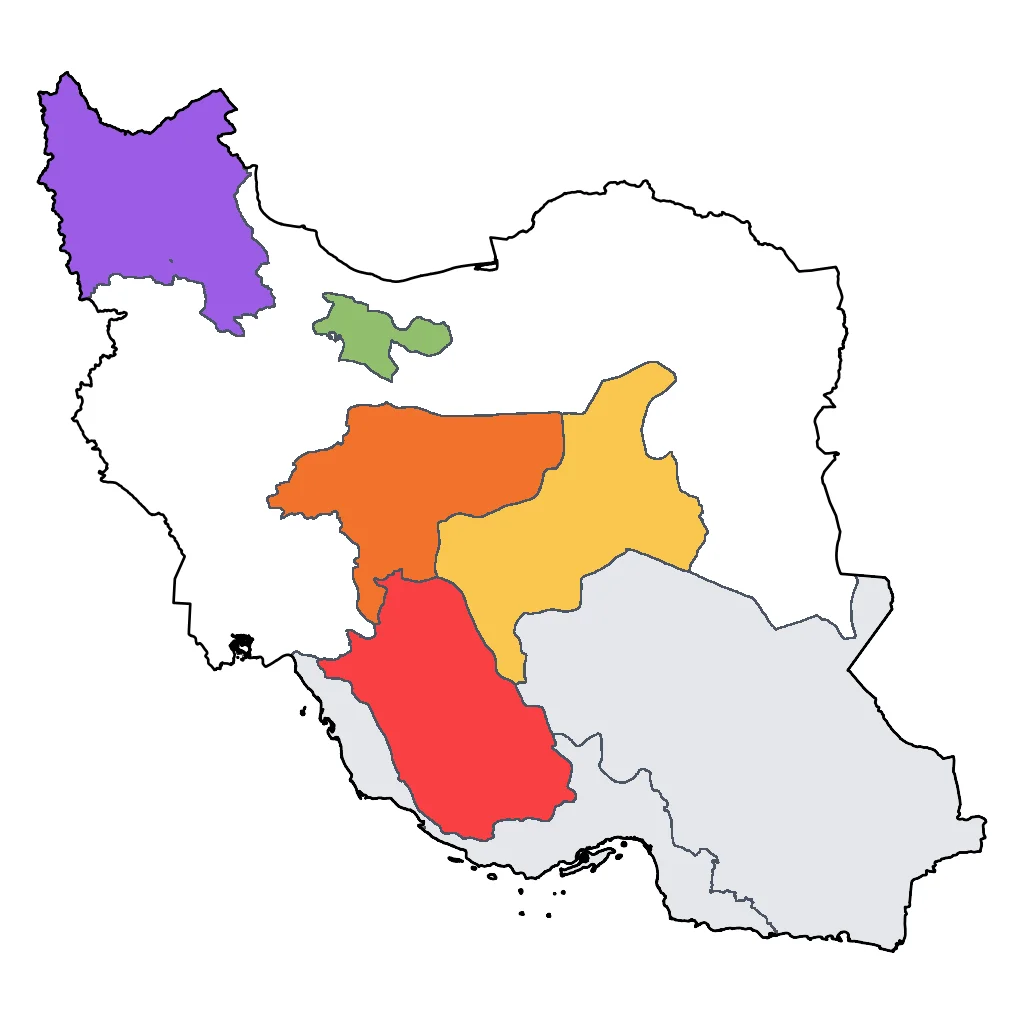
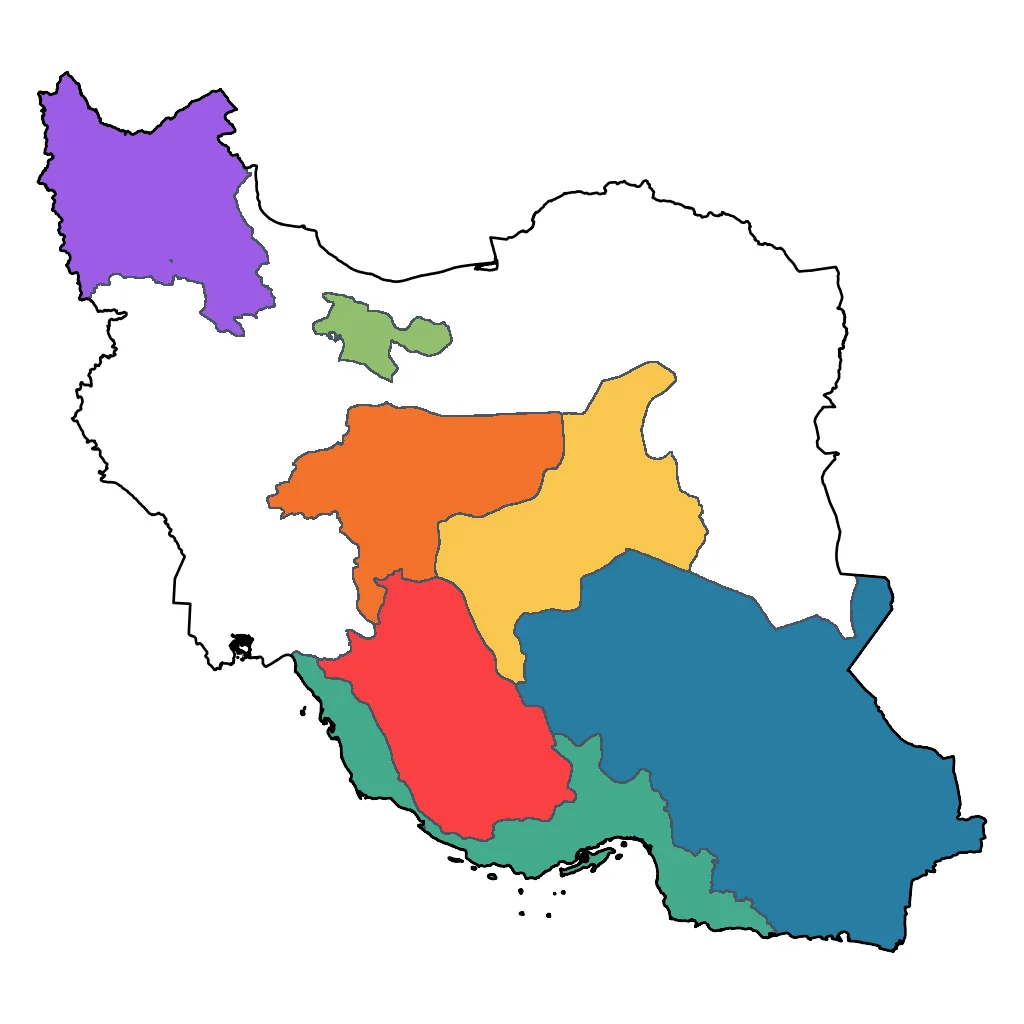
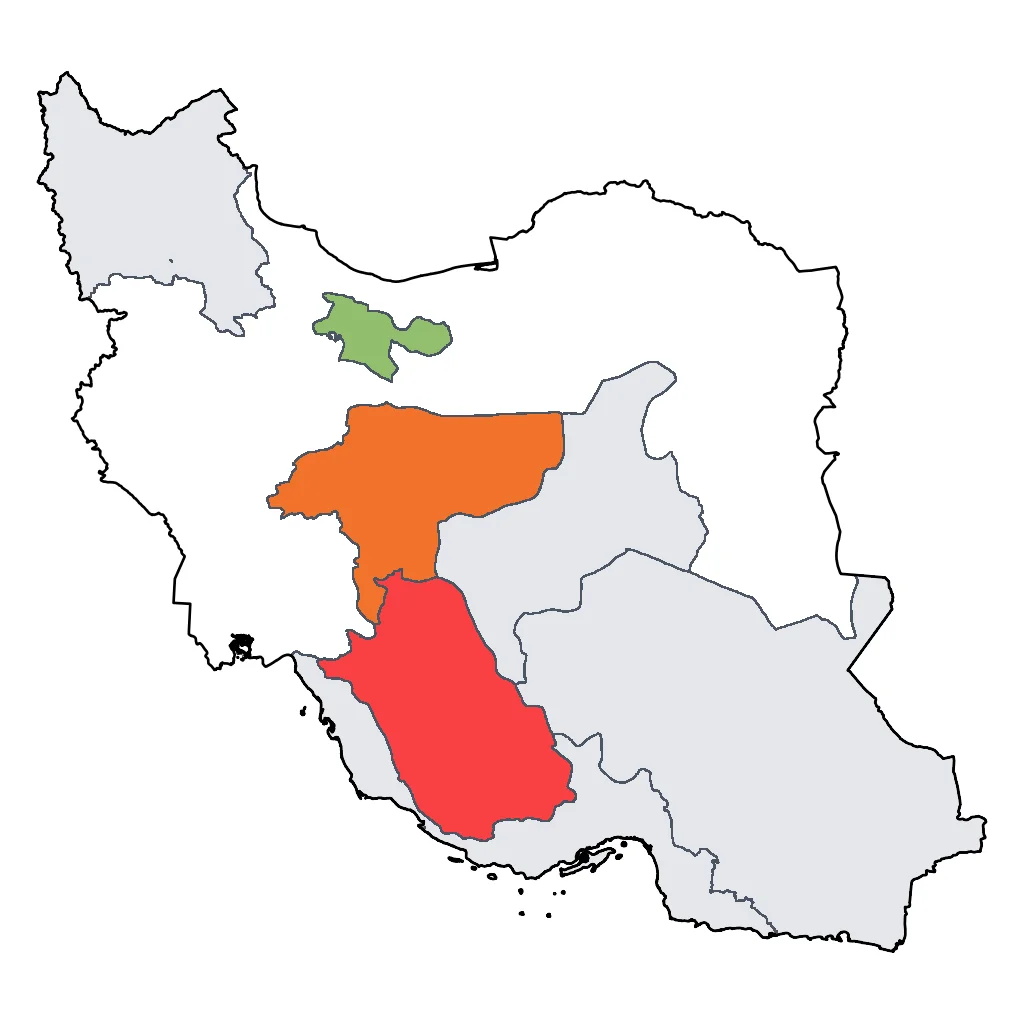
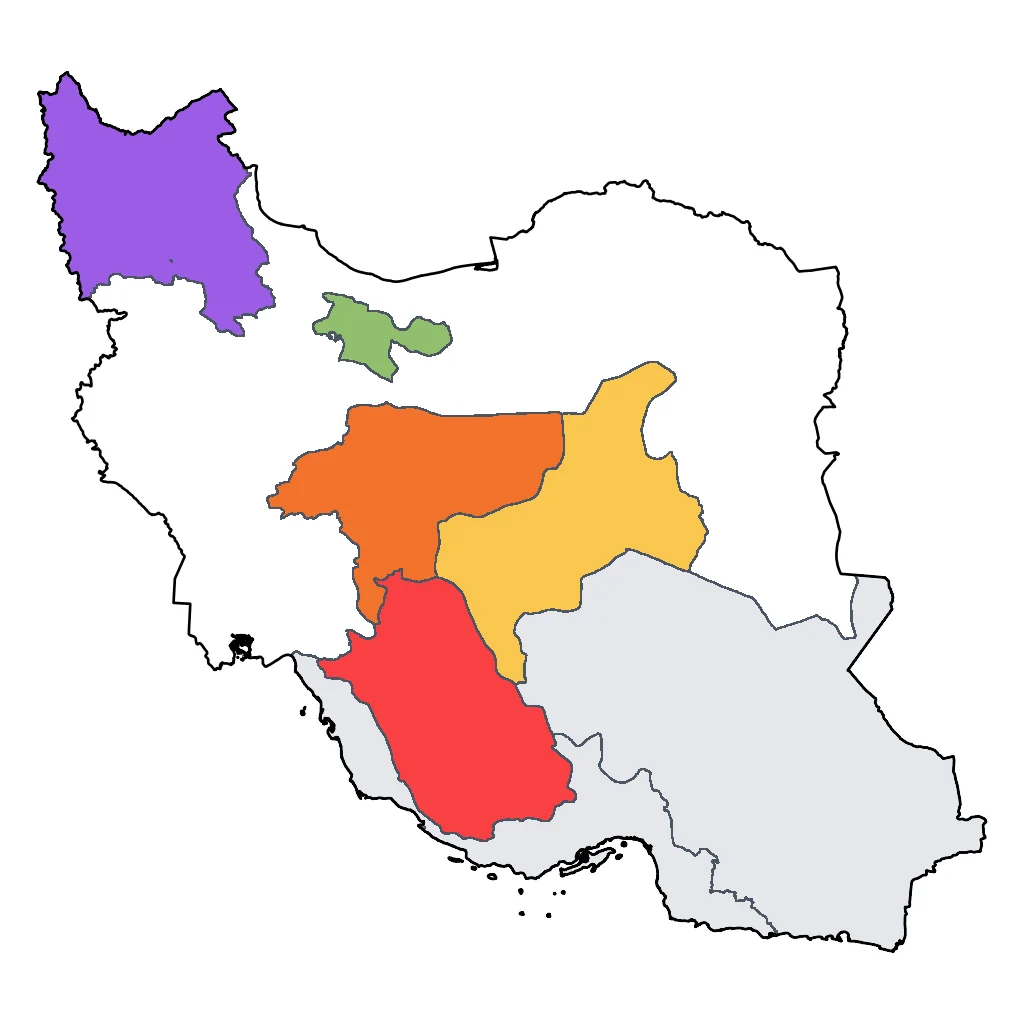
Click on a region marker to explore details. Use the dropdown to color regions by activity suitability.

Activities & Best Times

Adventure & Nature
ExcellentHiking, wildlife, outdoor exploration, ecotourism
The UNESCO-listed Lut Desert (Kaluts) offers some of the world's most spectacular and unique desert formations, comparable to the best of Namibia or Jordan. Peak months provide the moderate temperatures (21-28°C) essential for safe exploration; summer months are dangerously hot with record-breaking temperatures exceeding 42°C.
Direct access to the Alborz range offers exceptional hiking, rock climbing, and mountain escapes at Darband and Darakeh. Late spring and autumn provide the best trail conditions and visibility; summer remains a shoulder season as higher altitudes offer a cool refuge from the city's heat.
Home to the surreal geological wonders of Qeshm Island and the red sands of Hormuz, offering world-class exploration of canyons and mangrove forests. Peak months offer ideal hiking temperatures (17-24°C), while extreme summer heat exceeding 40°C makes outdoor adventure dangerous.

City & Cultural
ExcellentUrban tourism, museums, historical sites, architecture
A UNESCO World Heritage site recognized as one of the world's most authentic mud-brick cities, featuring iconic windcatchers and ancient alleyways. Peak months (Mar-Apr, Oct) offer the ideal 15-28°C range for urban exploration, while summer highs exceeding 40°C make walking tours nearly impossible.
Home to UNESCO-listed Golestan Palace and the world-class National Jewelry Museum, Tehran offers a sophisticated mix of Qajar history and contemporary art galleries. Peak months (Apr-May, Sept-Oct) provide mild temperatures (17-26°C) perfect for urban exploration, while mid-summer heat (>35°C) and winter smog can detract from the experience.
Home to UNESCO-listed Persepolis and the pinnacle of Persian architecture, this region offers cultural depth comparable to Rome or Kyoto. Peak spring and autumn provide the essential 15-28°C window for exploring vast outdoor sites; summer temperatures exceeding 40°C are prohibitive for families.

Educational & Exploratory
ExcellentLearning experiences, scientific sites, historical education
As the heart of the Achaemenid Empire, the region provides world-class archaeological and historical education for discerning families. Optimal conditions for detailed guided tours occur in the temperate months, while heavy winter rains and extreme summer heat limit access to outdoor learning sites.
The region is an elite destination for learning about Islamic geometry, Persian craftsmanship, and Silk Road history through high-quality museums and artisan workshops. Mild transition seasons in spring and autumn are ideal for guided archaeological exploration, whereas extreme climate variations in summer and winter limit access to open-air learning sites.
The region provides a world-class living classroom covering troglodyte civilizations in Meymand and sophisticated ancient water engineering (qanats). Peak months offer ideal conditions for immersive field visits; shoulder months remain viable but require more planning for midday heat or cooler winter nights.

Festivals & Seasonal
Very GoodEvents, celebrations, seasonal attractions
Nowruz (Persian New Year) in March is a spectacular, culturally rich celebration with unique traditions and vibrant public displays. March is the peak for this authentic experience, with festivities continuing into early April (Sizdah Bedar) as the city blooms with spring energy.
March hosts Nowruz, a globally significant celebration of the Persian New Year, while May features the authentic rose-water harvesting season. These peak months offer unparalleled cultural immersion, whereas the extreme climate of other months sees few significant outdoor traditional events.
Nowruz in March transforms the city with authentic Persian New Year celebrations, while the world-renowned rosewater harvest in nearby Kashan (May) offers a sensory world-class experience. These periods provide unmatched cultural authenticity, though the extreme temperatures of other seasons see a reduction in traditional public outdoor festivities.

Relaxation & Wellness
Very GoodSpa retreats, wellness centers, peaceful getaways
Sophisticated travelers can find tranquility in world-class heritage hotels like the Abbasi, which offer authentic Persian gardens and traditional hammam treatments. The temperate weather of the peak and shoulder months is essential for enjoying the indoor-outdoor flow of traditional architecture, which becomes less practical during the freezing winters or scorching summers.
High-end boutique hotels converted from traditional mansions offer serene courtyard retreats and authentic Persian bath experiences. These spaces are designed for the mild transition seasons where indoor-outdoor flow is optimal; winter and summer weather extremes force guests indoors, diminishing the unique desert-oasis atmosphere.
Upscale wellness centers in Northern Tehran and peaceful mountain-side retreats offer high-quality relaxation for discerning visitors. The pleasant weather of May, September, and October enhances the appeal of outdoor relaxation areas and terrace cafes that are less usable during the freezing winter or scorching summer.
Road Trips & Scenic
Very GoodScenic drives, countryside tours, route-based travel
Vast, cinematic desert landscapes and well-paved routes connecting historic caravanserai make for an exceptional scenic driving experience. While winter (Jan-Feb) offers clear skies and cool drives, the peak summer period poses vehicle and passenger strain due to extreme temperatures and intense solar glare.
Spectacular desert routes connect Yazd to high-quality heritage sites like the Meybod citadel and the abandoned village of Kharanaq. Best enjoyed in spring and autumn when visibility is clear and roads are safe; extreme summer heat can be hazardous for desert driving and winter months bring unpredictable precipitation.
The route connecting Shiraz to Persepolis and Pasargadae features spectacular desert landscapes and ancient monuments on well-maintained roads. Spring and autumn offer peak visibility and comfortable temperatures for frequent stops, while winter rainfall and summer heat make long drives uncomfortable for children.

Ski & Snow
Very GoodWinter sports, ski resorts, snow activities
The Alborz Mountains feature world-class high-altitude resorts like Dizin and Tochal, accessible via one of the world's longest gondola lifts. Peak winter months offer reliable dry powder and excellent vertical drops; shoulder months provide spring skiing but with variable snow quality at lower elevations.
Sahand and Alvares provide a genuine, less-commercialized alpine experience with reliable powder during the core winter months. While facilities are less advanced than European benchmarks, the authenticity and novelty appeal to adventurous families; snow vanishes rapidly by late spring.
Fereydunshahr Ski Resort offers a unique high-altitude Persian skiing experience, though infrastructure is modest compared to global benchmarks like the Alps. Peak snow conditions occur in January and February, but the lack of extensive facilities and the rapid spring thaw limit its appeal to shorter, more adventurous excursions.

Sports & Active
GoodSport tourism, fitness activities, active recreation
Exceptional terrain for desert trekking and high-end 4x4 dune expeditions in the Kaluts. Peak physical activity is best enjoyed during the mildest months (March and November), whereas the extreme heat from May to September makes high-exertion activities medically inadvisable for families.
The region serves as a base for high-altitude trekking and cycling near Mount Damavand. Peak conditions align with mild mountain weather in late spring and early autumn; summer is viable for high-altitude activities but winter poses significant safety risks for active sports due to snow and ice.
The Zayandeh River parks and Mount Soffeh provide authentic urban active experiences, including scenic cycling and hiking trails with panoramic city views. Optimal physical comfort is found in April and October; the intense summer sun (max >35°C) and biting winter winds make these activities unsuitable for discerning international families during those months.

Beach & Sea
GoodBeach resorts, marine activities: diving, snorkelling, kite surfing, wind surfing, sailing

Airports & Flight Routes
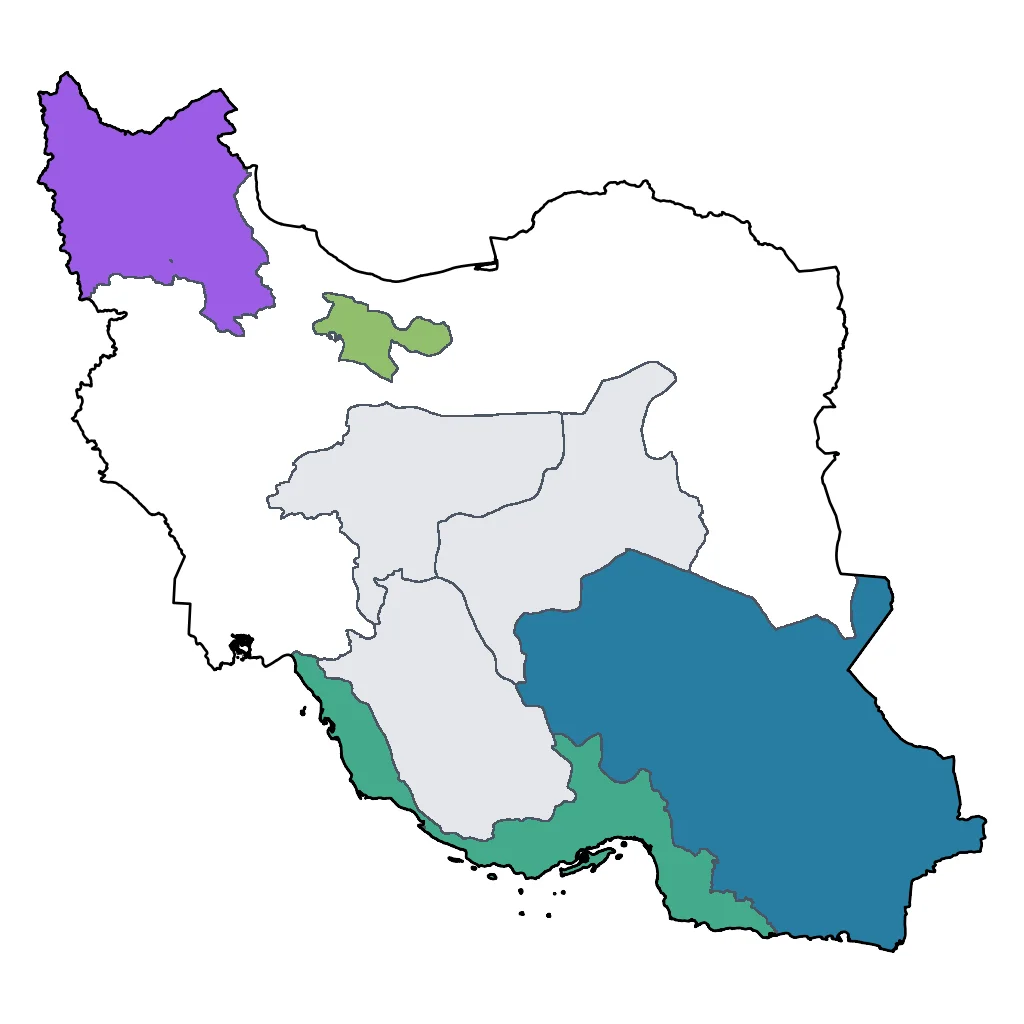
Toggle options to view domestic routes and international airports. Click an airport for details.
Climate & Weather
Isfahan
Show Details
| Month | Temp °C | Rain | Humidity |
|---|
Kerman & Southeast
Show Details
| Month | Temp °C | Rain | Humidity |
|---|
Persian Gulf Coast
Show Details
| Month | Temp °C | Rain | Humidity |
|---|
Shiraz & Persepolis
Show Details
| Month | Temp °C | Rain | Humidity |
|---|
Tabriz & Northwest
Show Details
| Month | Temp °C | Rain | Humidity |
|---|
Tehran
Show Details
| Month | Temp °C | Rain | Humidity |
|---|

Travel Advisory
All monitored agencies have issued their highest warning level, citing extreme risks to personal safety and the absence of diplomatic support.
Safety Topics
Traveller Advice (6 groups)

Dual citizens must be extremely cautious as local authorities do not recognize their second nationality and will treat them exclusively as local citizens, denying them foreign consular access.

Same-sex relationships are illegal and individuals may face severe discrimination, persecution, or physical harm from the state.

Academic researchers and students are frequently identified by authorities as high-risk individuals and have been subject to lengthy detentions.

Media professionals are at significant risk of being accused of espionage, facing intimidation, and being arrested for their work or perceived influence.

Professionals visiting for commercial purposes have been targeted for wrongful detention and accused of posing threats to national security.

Female visitors are subject to strict dress codes and may face harassment or persecution from security forces enforcing conservative social norms.