⚠️ SAFETY WARNING: Due to the risk of arbitrary detention and regional instability, government agencies (including the USA, UK, Canada, Australia, Ireland, and New Zealand) advise travelers to avoid all travel to Iran. While Yazd is generally calmer than border regions, the country-wide Level 4 advisories apply. Families are strongly urged to consult their own government's official travel advisory before considering a trip, as circumstances and risk assessments vary.
Yazd is a UNESCO World Heritage city that looks like it rose directly from the desert sands. It is one of the best places in Iran for families to explore on foot because the Old Town (Fahadan) is a pedestrian-friendly maze of narrow, high-walled lanes (kuches). The walls provide shade, and the layout was designed centuries ago to keep the city cool. Getting "lost" here is part of the fun; you might stumble upon a traditional bakery, a craft workshop, or a rooftop cafe with views over the forest of badgirs (wind towers). These ancient engineering marvels act as natural air conditioners, which you can learn about at the fascinating Yazd Water Museum.
Yazd is also the center of Zoroastrianism in Iran. The Fire Temple holds a sacred flame said to have been burning for over 1,500 years. On the outskirts of the city, the Towers of Silence sit atop two hills. These were traditional open-air burial sites; the climb up is short enough for active kids and offers sweeping views of the city and the surrounding desert. It’s a place with a spooky but educational history that captures the imagination.
For a sweet treat, Yazd is famous for its confectioneries. Families should visit Haj Khalifa to buy boxes of Baklava, Pashmak (Persian cotton candy), and Qottab (almond-filled pastries). Nearby, the Dowlat Abad Garden features the tallest wind catcher in the world and a beautiful pavilion with stained glass, offering a green respite where children can play near the long reflecting pools.
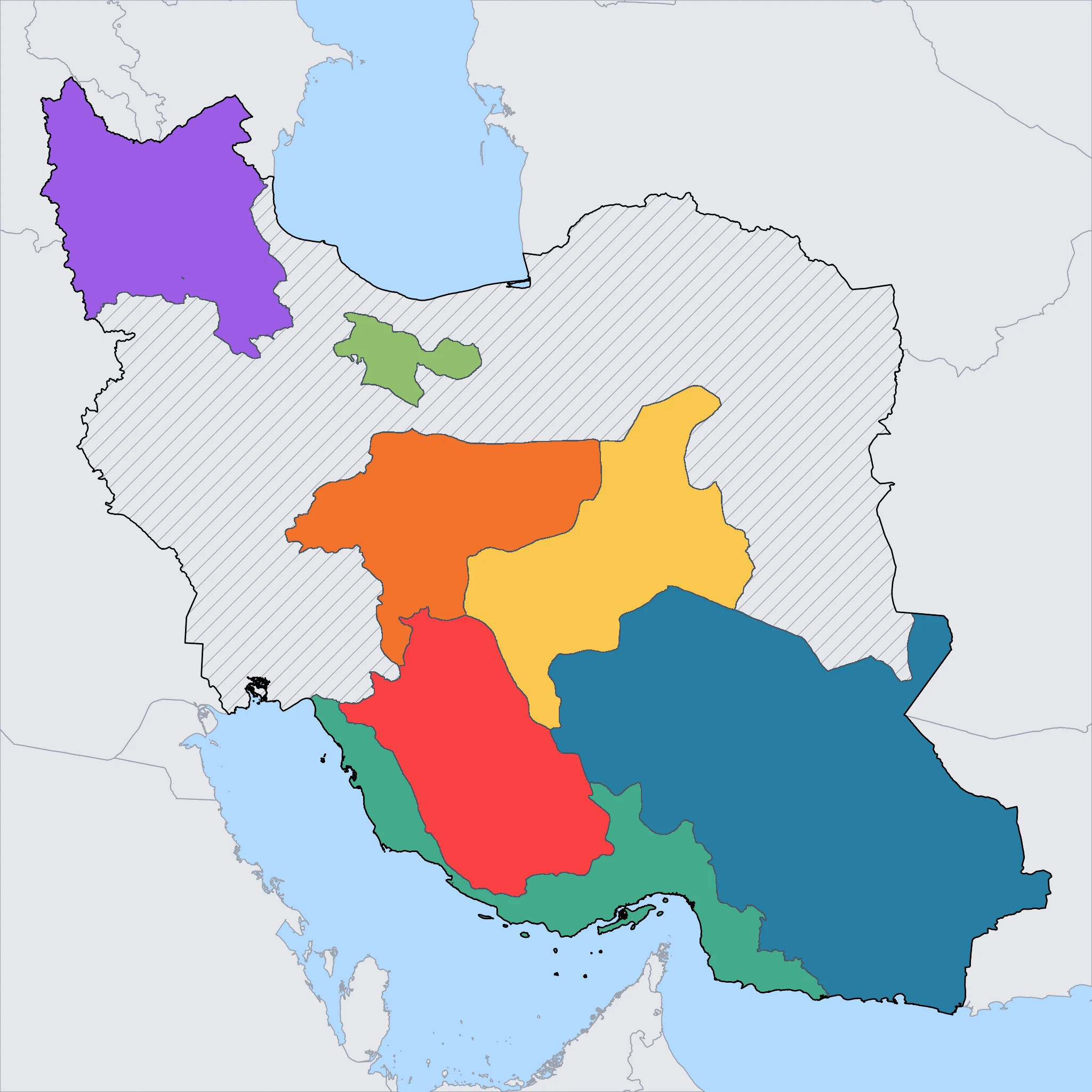
Click a region to explore

Activities & Best Times

Urban tourism, museums, historical sites, architecture
A UNESCO World Heritage site recognized as one of the world's most authentic mud-brick cities, featuring iconic windcatchers and ancient alleyways. Peak months (Mar-Apr, Oct) offer the ideal 15-28°C range for urban exploration, while summer highs exceeding 40°C make walking tours nearly impossible.

Learning experiences, scientific sites, historical education
Offers world-class educational value regarding Zoroastrianism and ancient hydrological engineering through its fire temples and Qanat water systems. The transition seasons provide the moderate temperatures necessary for guided educational walks, whereas summer extremes and winter rains limit site accessibility.

Scenic drives, countryside tours, route-based travel
Spectacular desert routes connect Yazd to high-quality heritage sites like the Meybod citadel and the abandoned village of Kharanaq. Best enjoyed in spring and autumn when visibility is clear and roads are safe; extreme summer heat can be hazardous for desert driving and winter months bring unpredictable precipitation.
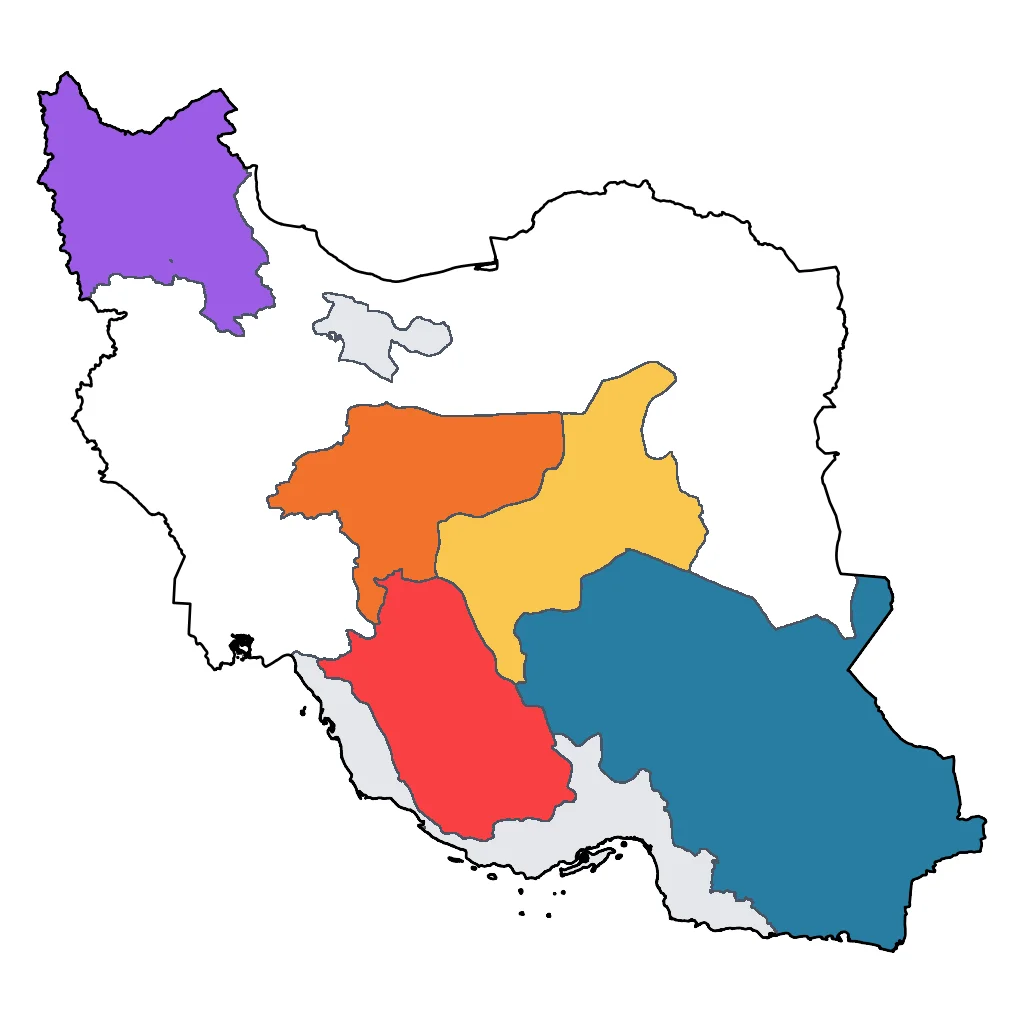

Hiking, wildlife, outdoor exploration, ecotourism
Provides access to unique desert landscapes and the Shirkuh mountain range for hiking and stargazing. Peak months align with the safest and most comfortable 15-28°C temperatures; summer is dangerously hot for desert exploration and winter temperatures frequently drop below freezing at night.
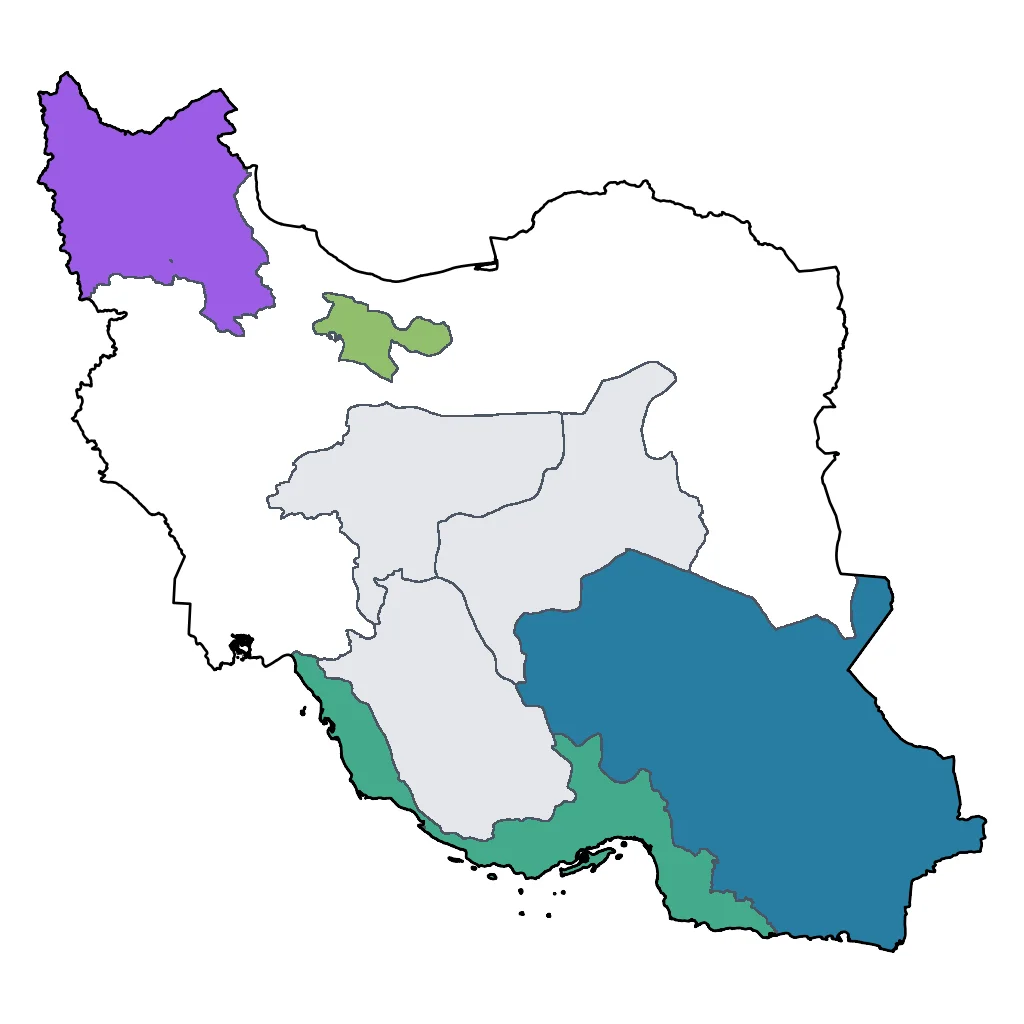

Events, celebrations, seasonal attractions
Yazd is a primary center for authentic celebrations like the Sadeh fire festival in late January and Persian New Year (Nowruz) in March. While January is cold, the unique cultural significance of the Zoroastrian fire rituals makes it a peak period for sophisticated travelers seeking genuine heritage experiences.
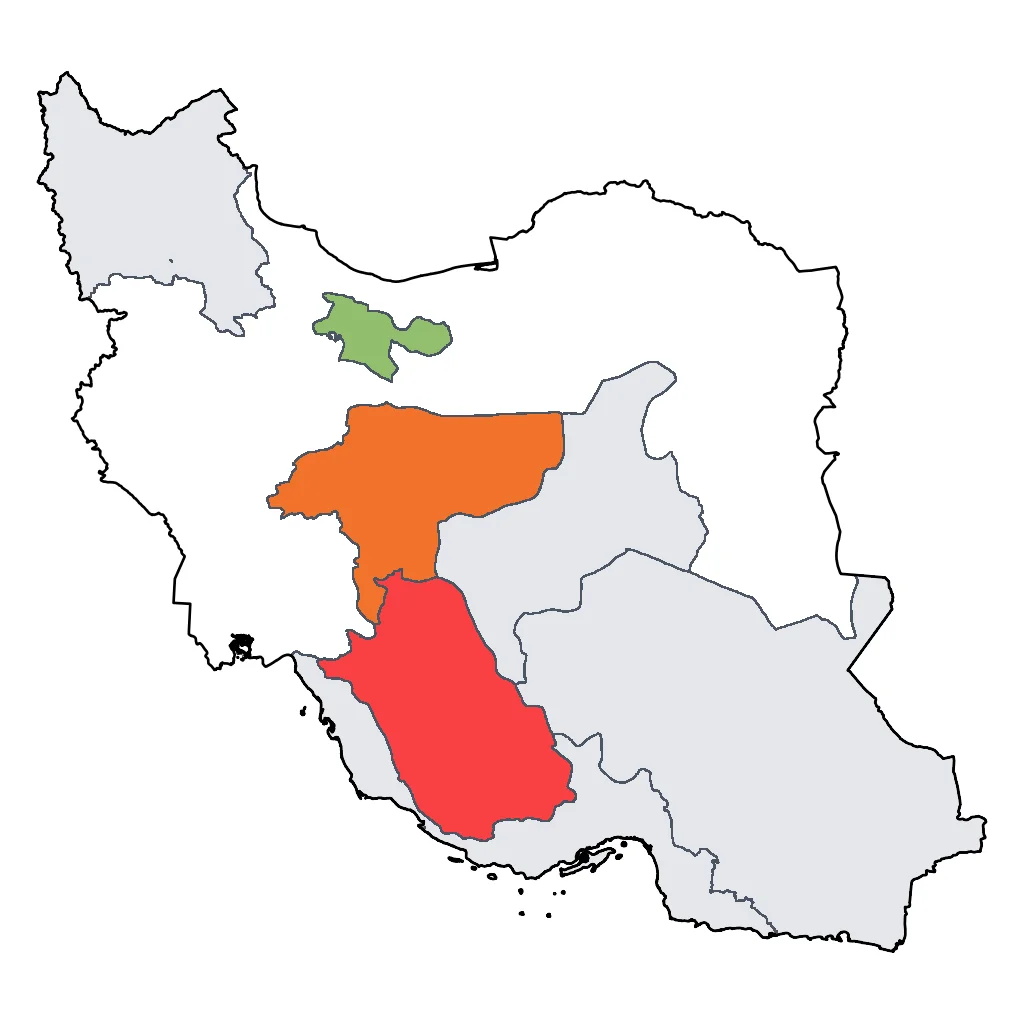

Spa retreats, wellness centers, peaceful getaways
High-end boutique hotels converted from traditional mansions offer serene courtyard retreats and authentic Persian bath experiences. These spaces are designed for the mild transition seasons where indoor-outdoor flow is optimal; winter and summer weather extremes force guests indoors, diminishing the unique desert-oasis atmosphere.