

While often overshadowed by its larger neighbors, Cambodia is an exceptional destination for families seeking culture and adventure without the overwhelming crowds. The country is geographically defined by the central plains, the massive Tonlé Sap lake, and the Mekong River, bordered by mountains and a short but beautiful coastline. For children, the appeal lies in the accessible adventures: riding in open-air tuk-tuks, exploring ruins that look like movie sets, and meeting locals who are famously welcoming to young travelers.
The crown jewel is the Angkor Archaeological Park near Siem Reap. While the main temple of Angkor Wat is impressive, children often prefer Ta Prohm, where massive silk-cotton tree roots strangle stone walls, creating a natural jungle gym atmosphere. The Bayon, with its hundreds of carved stone faces, is another favorite that captures the imagination. To keep temple fatigue at bay, families should alternate ruins with visits to the Angkor Centre for Conservation of Biodiversity or the Banteay Srey Butterfly Centre.
Siem Reap is also home to Phare, The Cambodian Circus. Unlike traditional circuses, this animal-free performance combines theater, dance, and high-energy acrobatics to tell Cambodian folklore stories. It is a social enterprise supporting local youth and is consistently rated as a highlight for visitors of all ages.
Beyond Siem Reap, the town of Battambang offers a slower pace where families can ride the famous "Bamboo Train" (Norry)-a makeshift platform on wheels that zooms along the tracks through rice paddies. On the coast, the island of Koh Rong Sanloem features Saracen Bay, where the water remains waist-deep for hundreds of meters, making it incredibly safe for toddlers and young swimmers.
Khmer cuisine is generally mild and approachable for children. The national dish, Fish Amok, is a gentle coconut curry often steamed in banana leaves. Fresh fruit shakes are available on every corner, and French colonial influence means excellent baguettes and croissants are easy to find. Adventurous older kids might enjoy the novelty of seeing fried crickets at local markets, even if they don't taste them.
Practical considerations are important when traveling here. The tropical heat is intense; booking accommodation with a pool is highly recommended for midday breaks. Malaria prophylaxis is usually not required for the main tourist trail (Siem Reap, Phnom Penh, Sihanoukville), but mosquito protection against dengue is essential. The US Dollar is widely accepted alongside the Cambodian Riel, simplifying transactions. Finally, while Phnom Penh has significant historical sites like the Tuol Sleng Genocide Museum, these are generally too confronting for young children; families in the capital might prefer exploring the Royal Palace or taking a sunset boat cruise on the Mekong.

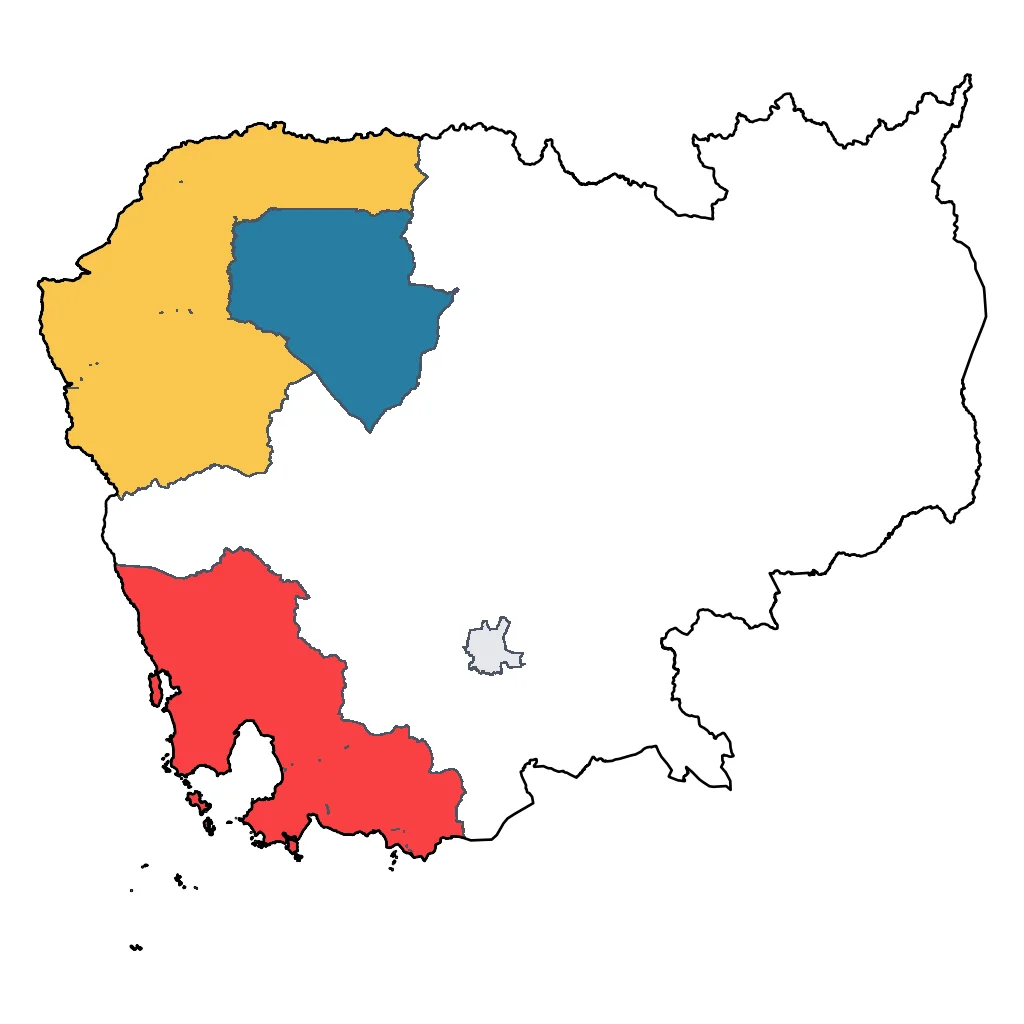
Explore Regions
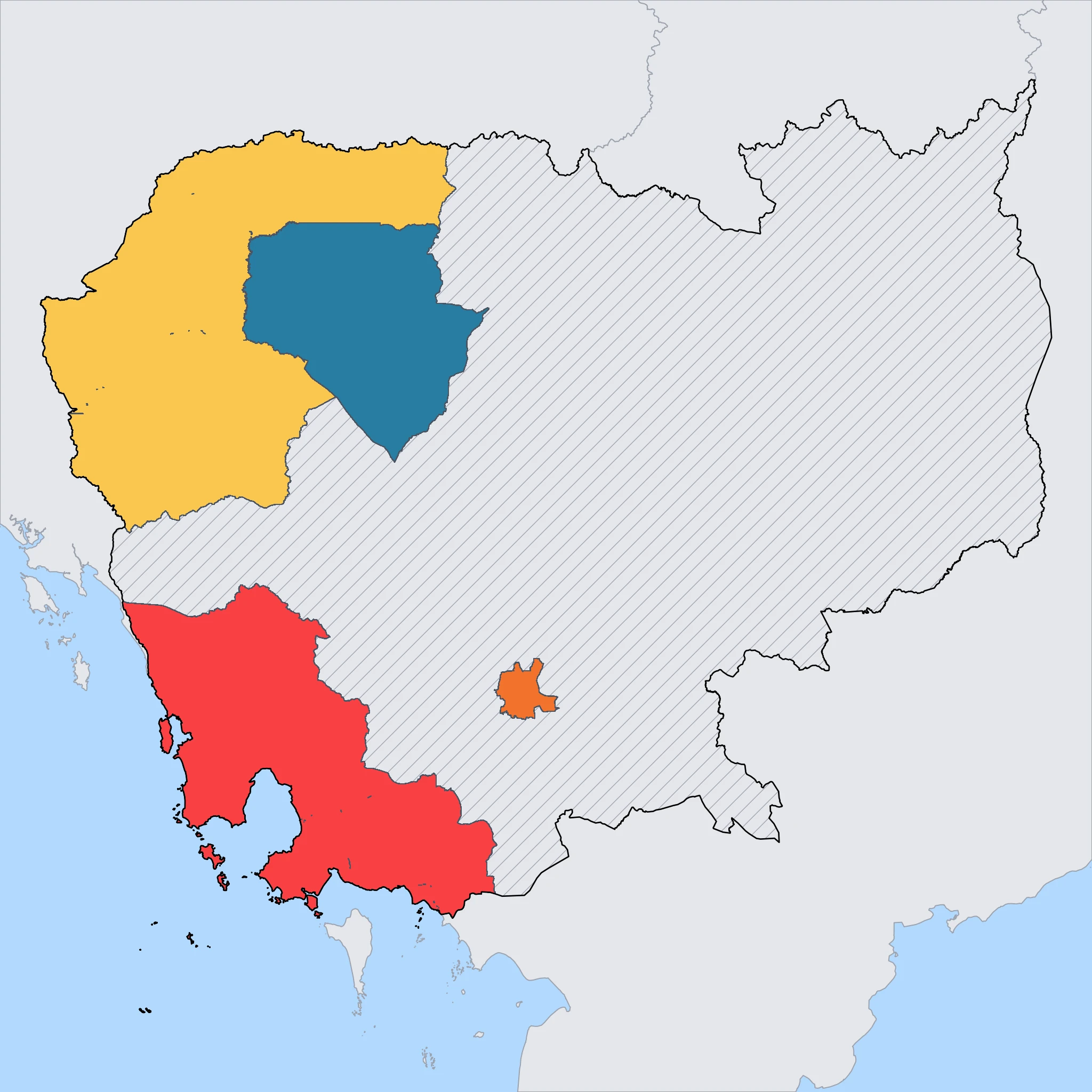
5 Regions
Battambang & Northwest
Ride the bamboo train and watch nature's evening show 🦇🚂
Koh Rong Islands
Tropical island adventures and bioluminescent magic 🏝️✨
Phnom Penh
Golden palaces and river cruises in the Kingdom's heart 🏯🚤
Siem Reap (Angkor Wat)
Ancient temple adventures and floating villages 🏛️🌳
Sihanoukville & Coast
Riverside charm, crab markets, and coastal mountains 🦀🛶
Click on a region marker to explore details. Use the dropdown to color regions by activity suitability.

Activities & Best Times

City & Cultural
ExcellentUrban tourism, museums, historical sites, architecture
Home to the world's most significant archaeological site, offering unparalleled access to ancient Khmer civilization and vibrant local traditions. Peak months provide optimal temperatures (25-27°C) and dry conditions; shoulder months are significantly hotter (up to 35°C), while the monsoon season (May-Oct) brings heavy rain exceeding 170mm monthly.
A compelling blend of Khmer architecture, French colonial history, and a sophisticated modern culinary scene. Peak months (Dec-Feb) offer dry weather and manageable heat; shoulder months are hotter or wetter, while the monsoon season (May-Oct) brings heavy afternoon downpours.
Kampot and Kep offer a sophisticated blend of French colonial architecture, authentic crab markets, and a burgeoning boutique arts scene. These heritage areas are best explored on foot during the cooler, drier months, as the heavy monsoon significantly hampers the charm of riverside walking.

Educational & Exploratory
ExcellentLearning experiences, scientific sites, historical education
A world-class destination for history and archaeology, featuring high-quality guided tours and research-focused exploration of the Angkor complex. Weather in the peak months allows for extensive outdoor study; the off-season monsoon rains and high humidity (up to 66%) make prolonged site visits challenging for discerning families.
Home to globally significant historical sites like the Tuol Sleng Museum and Choeung Ek, providing profound learning for sophisticated families. The dry season (Nov-Feb) is optimal for visiting these outdoor and semi-outdoor archaeological and historical complexes comfortably.
Provides high educational value through 11th-century archaeological sites and the Phare Ponleu Selpak circus arts school. Dry season months are ideal for site visits; heavy rains in September/October can disrupt travel to remote temples and outdoor performance schedules.

Adventure & Nature
Very GoodHiking, wildlife, outdoor exploration, ecotourism
Offers unique ecosystems like the Tonle Sap biosphere and jungle-shrouded temples, appealing to sophisticated explorers. Peak months feature dry trails and manageable heat; the off-season is defined by heavy rainfall (peaking at 310mm in September) which can restrict access to remote natural sites.
Authentic exploration is available through Ream National Park's mangroves and the Bokor plateau's unique ecosystems. Dry conditions are essential for navigating jungle trails and spotting wildlife; heavy rainfall from April onwards makes many natural areas inaccessible and muddy.
Features the world-class spectacle of the Phnom Sampeau bat caves and authentic rural immersion. Peak dry season offers comfortable temperatures for exploration; shoulder months are lush but humid, while the extreme heat of March/April and floods in September/October limit access.

Beach & Sea
Very GoodBeach resorts, marine activities: diving, snorkelling, kite surfing, wind surfing, sailing
Exclusive private islands like Koh Russey and Krabey offer world-class luxury and marine conservation experiences that rival top global resorts. Peak dry months ensure crystal-clear visibility and calm seas, while the intense monsoon (May-Oct) brings high turbidity and rough conditions unsuitable for island transfers.
Features pristine white-sand beaches and turquoise waters that rival top global destinations, with high-end private island options for discerning families. Peak dry months (Dec-Mar) offer crystal-clear visibility (>10m) and calm seas, while the intense monsoon (May-Oct) brings heavy rainfall and rough conditions.

Relaxation & Wellness
Very GoodSpa retreats, wellness centers, peaceful getaways
The region hosts some of Southeast Asia's most sophisticated wellness retreats, blending tropical isolation with high-end spa traditions. Low humidity and pleasant temperatures from December to February are ideal for outdoor meditation, whereas the extreme heat and rain of the shoulder and off-seasons can be stifling.
Features world-renowned luxury retreats and high-end spas specializing in authentic Khmer healing rituals. Peak months offer the lowest humidity levels (53-60%) and pleasant evenings; the off-season's persistent rain and high humidity are less conducive to the serene, outdoor-oriented wellness experiences expected by experienced travelers.
Secluded, eco-luxury retreats on Koh Rong Sanloem provide a world-class tranquil escape from the social bustle of the mainland. The dry season (Dec-Mar) features low humidity and pleasant breezes ideal for outdoor spa treatments, whereas the heavy rains and high humidity of the off-season limit the relaxation experience.

Festivals & Seasonal
Very GoodEvents, celebrations, seasonal attractions
Hosts culturally significant events like the Water Festival (Bon Om Touk) and Khmer New Year, providing authentic local immersion. Peak months align with these major international-draw celebrations; the off-season has fewer major traditional events and more challenging weather for outdoor festivities.
Hosts authentic celebrations like the Water Festival (Bon Om Touk) in Nov and Khmer New Year in Apr, offering high cultural immersion. Peak months align with these major events; the rainy season (May-Oct) lacks significant outdoor cultural festivities.
Home to authentic celebrations like Khmer New Year (April) and the Water Festival boat races (Oct/Nov). April is peak for cultural immersion despite the heat, while November offers the most vibrant atmosphere; other months lack significant internationally-scaled cultural events.

Road Trips & Scenic
GoodScenic drives, countryside tours, route-based travel
Provides scenic exploration of the Tonle Sap floodplains and rural Khmer villages via private transport or luxury remorks. Peak and shoulder months ensure reliable road conditions and visibility; the monsoon season's heavy rains can cause localized flooding and difficult travel on unpaved rural roads.
Offers unique scenic drives through pomelo orchards and rural landscapes on iconic red-dirt roads. Peak conditions ensure road accessibility and visibility; monsoon months (Sep-Oct) make many rural tracks impassable for families due to thick mud and flooding.
The scenic drive between the Elephant Mountains and the coast offers glimpses of rural Cambodian life and salt fields. While the new expressway improves access, the regional road quality and safety standards are only manageable for international travelers during the dry season.

Sports & Active
GoodSport tourism, fitness activities, active recreation
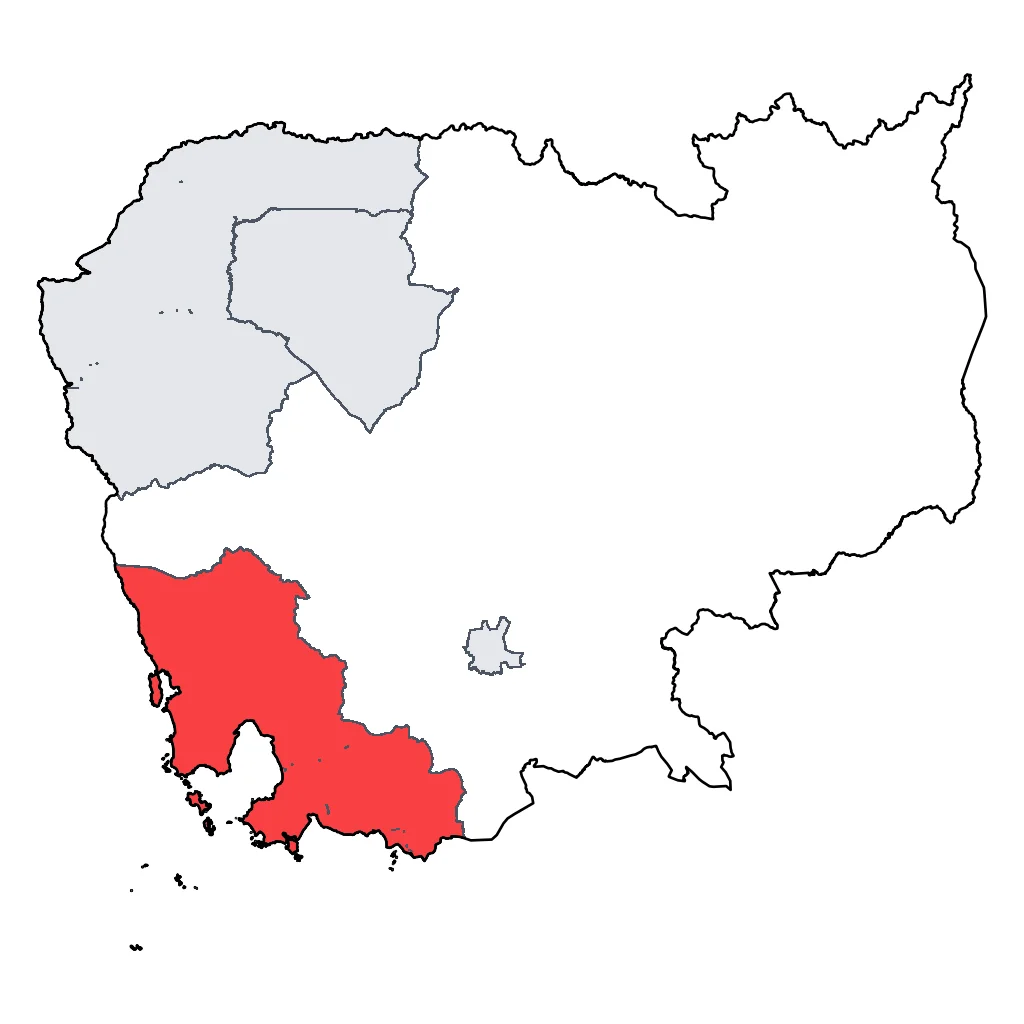
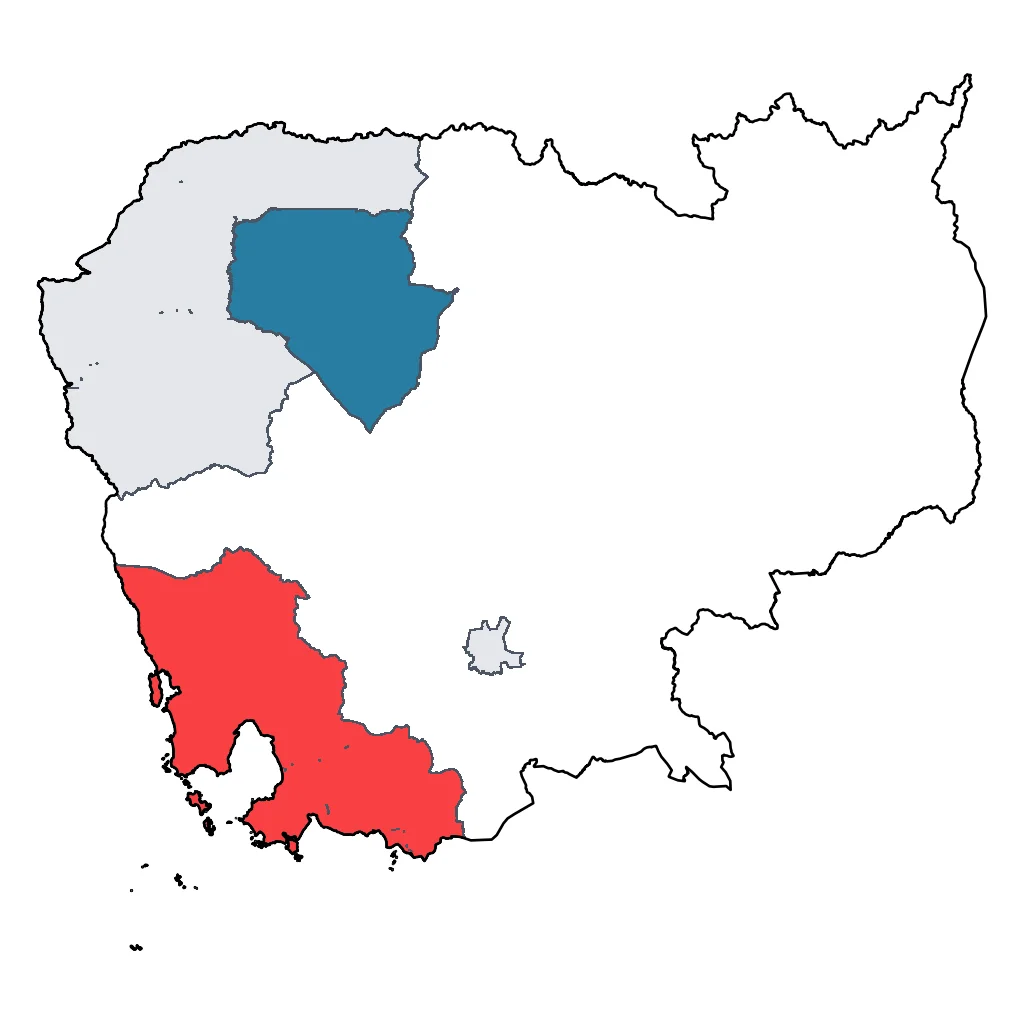
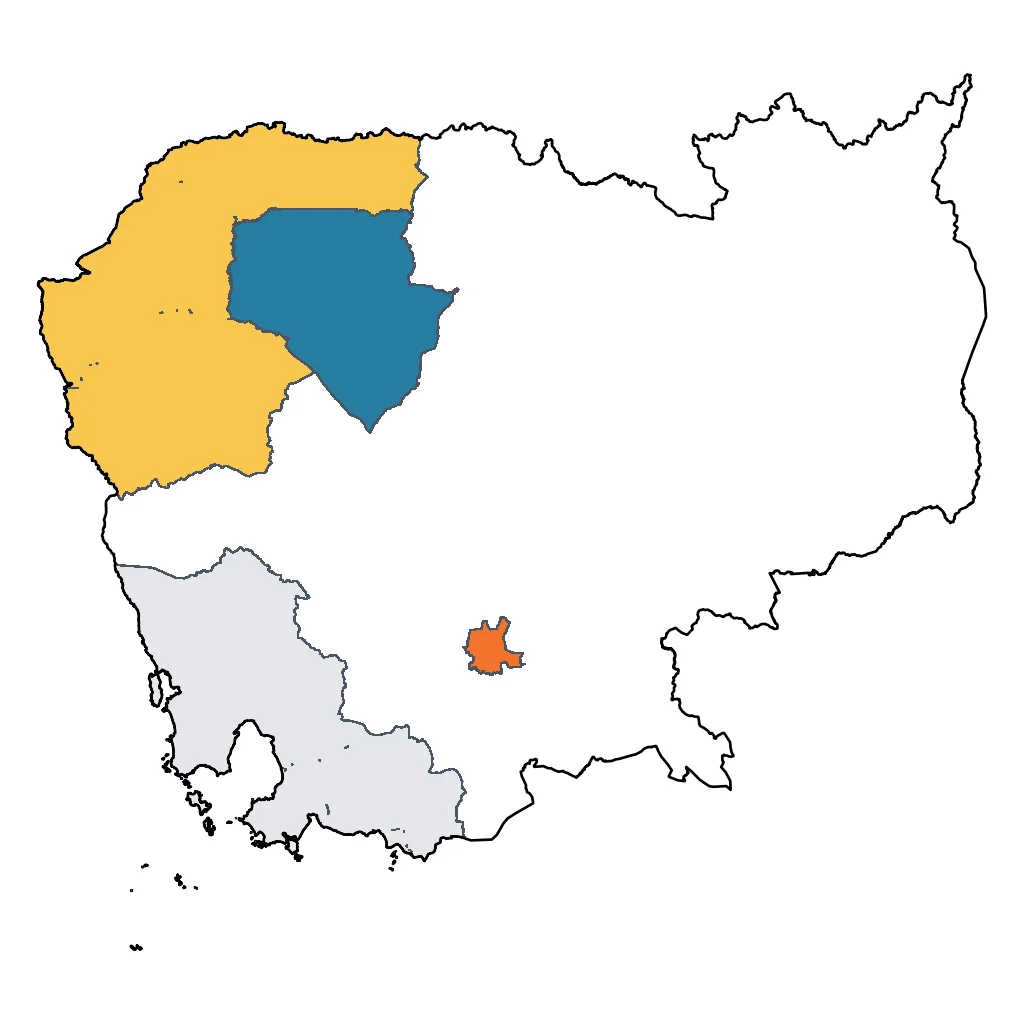
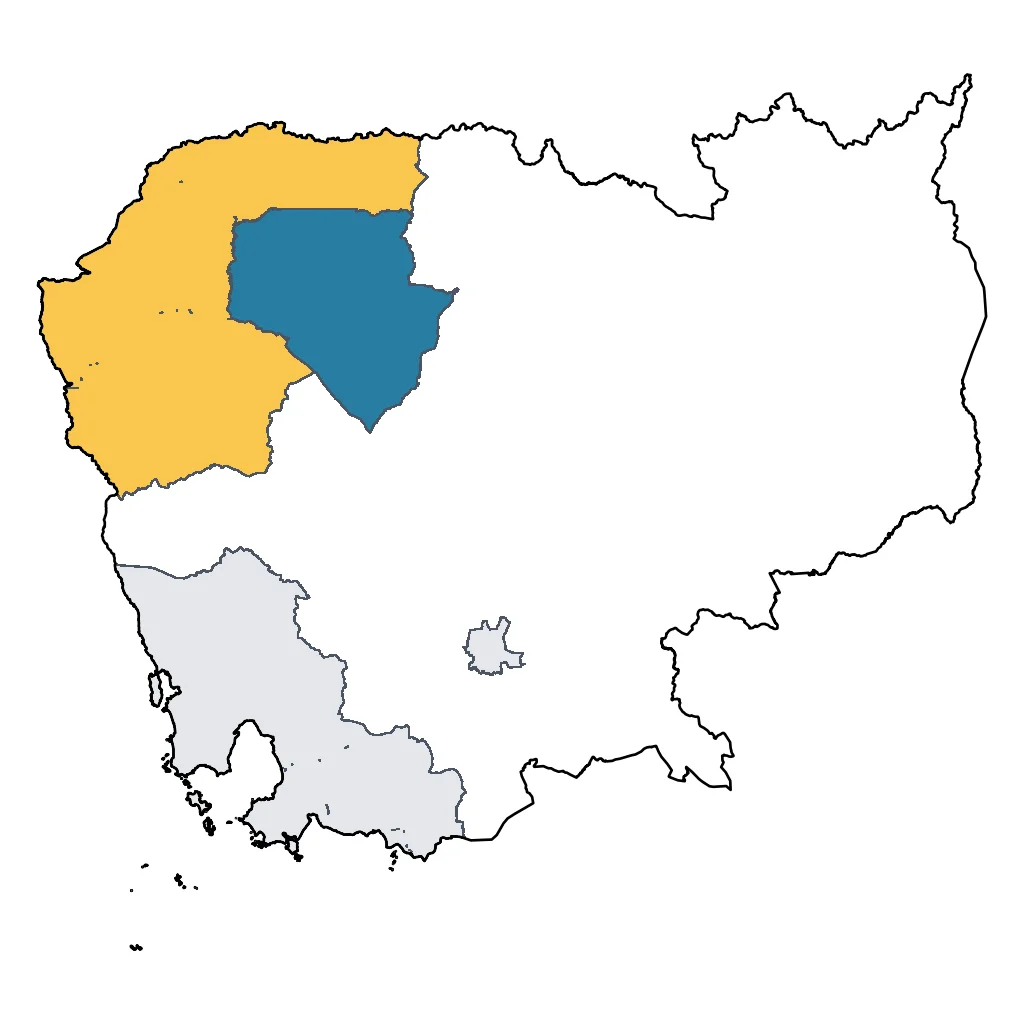
Kampot’s ‘Green Cathedral’ provides a world-class kayaking circuit through dense mangroves, complemented by sailing opportunities in the archipelago. Optimal conditions occur during the dry season when river currents are gentle and sea winds are predictable, unlike the volatile weather of the monsoon.
Siem Reap is not internationally recognized as a sports/active destination. While cycling around temples is enjoyable and golf courses exist, these do not meet the 'very_good' threshold of being nationally significant for active sports. Temple cycling is a cultural touring activity, not a sports-active one. Comparable SE Asian active destinations (Chiang Mai rock climbing, Bali surfing) offer more substantive active offerings.
Excellent for cycle-tourism through traditional villages and climbing hilltop pagodas. Cooler dry months are ideal for physical exertion; high heat in March-April and heavy rains in September-October make active recreation uncomfortable and potentially unsafe for children.
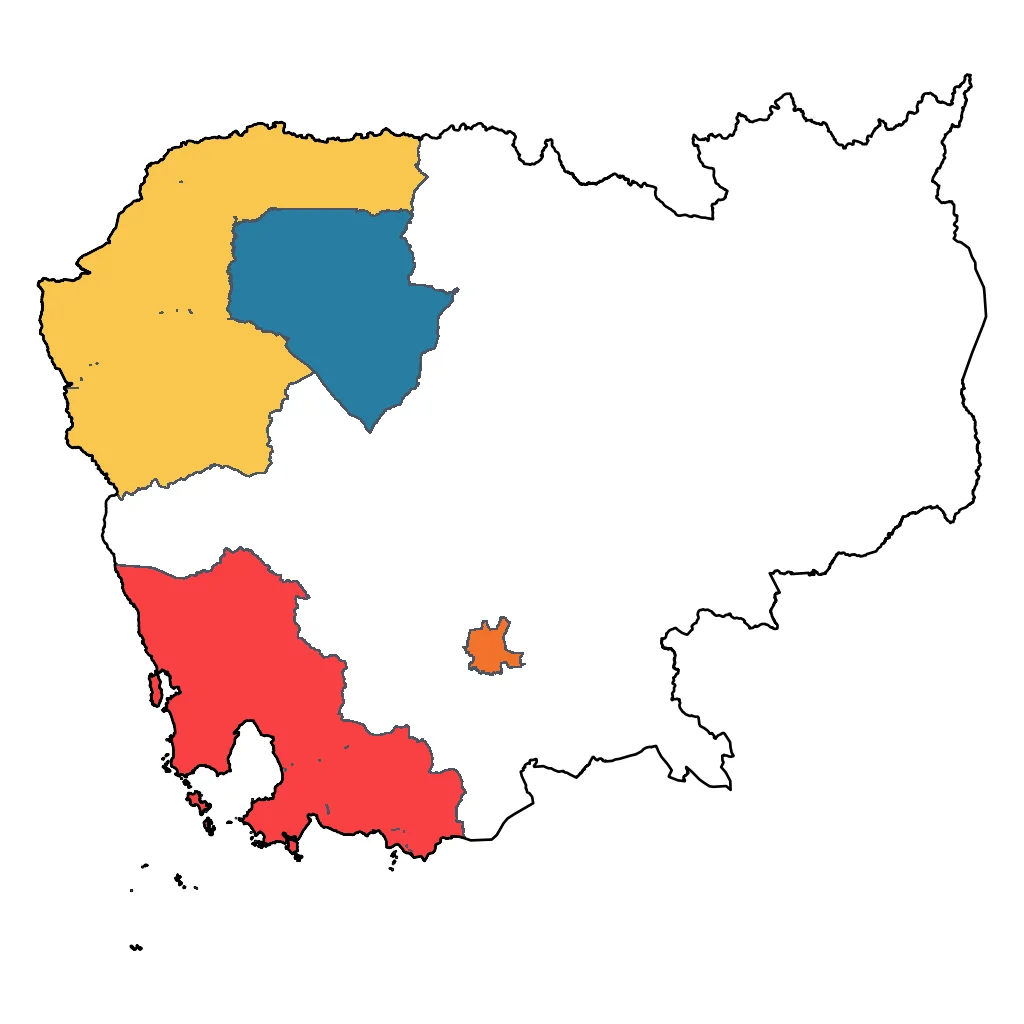
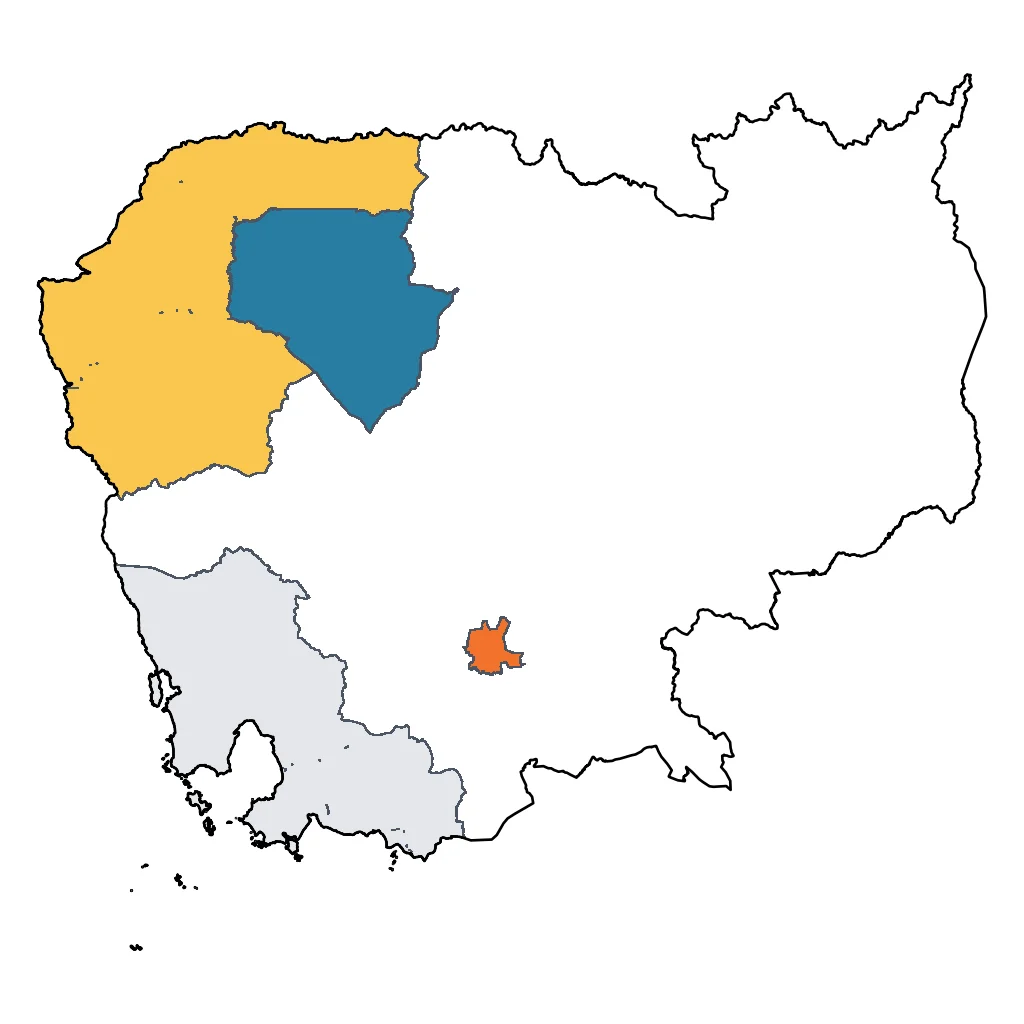
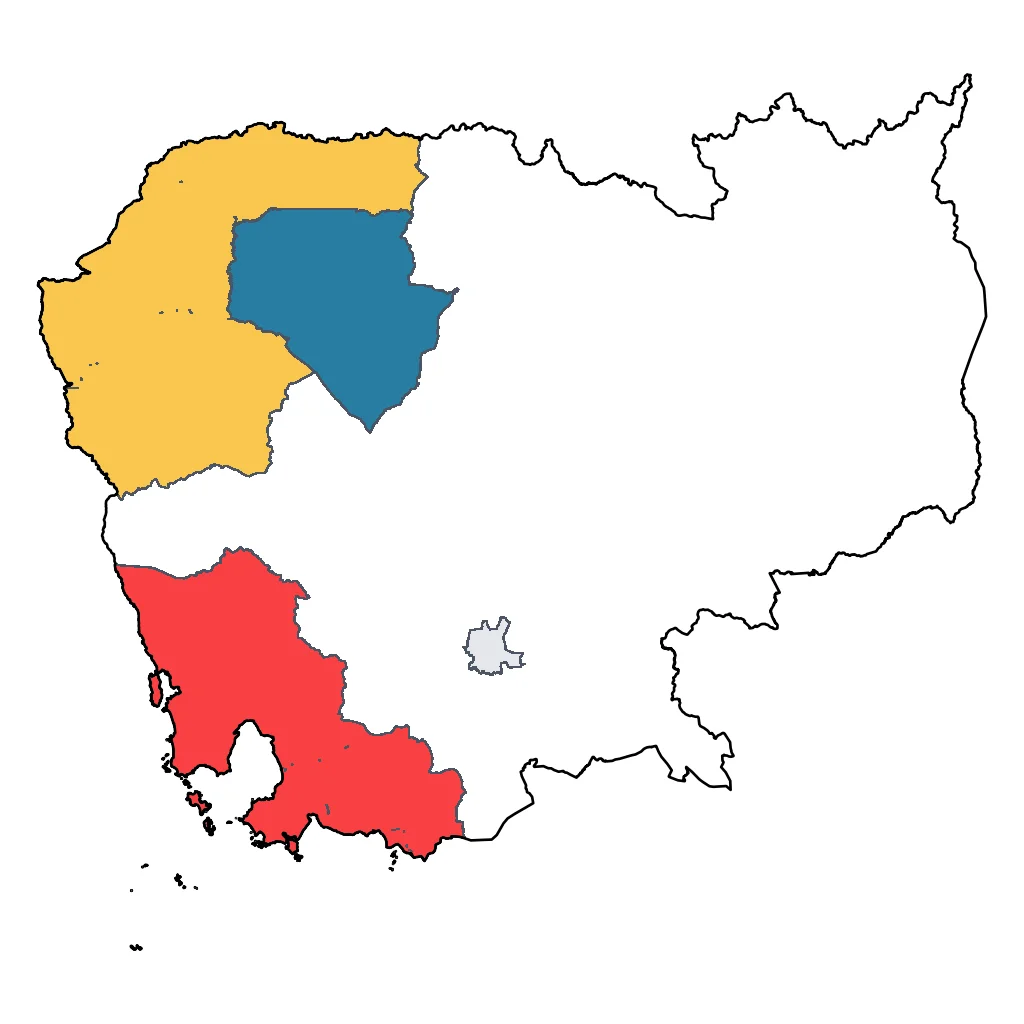

Airports & Flight Routes
Toggle options to view domestic routes and international airports. Click an airport for details.
Climate & Weather
Battambang & Northwest
Show Details
| Month | Temp °C | Rain | Humidity |
|---|
Koh Rong Islands
Show Details
| Month | Temp °C | Rain | Humidity |
|---|
Phnom Penh
Show Details
| Month | Temp °C | Rain | Humidity |
|---|
Siem Reap (Angkor Wat)
Show Details
| Month | Temp °C | Rain | Humidity |
|---|
Sihanoukville & Coast
Show Details
| Month | Temp °C | Rain | Humidity |
|---|

Travel Advisory
Consensus across all major agencies indicates that travellers must maintain a high level of vigilance, primarily due to street crime in urban areas and military tensions in border regions.
Safety Topics
Traveller Advice (2 groups)

Female travellers should be cautious when walking alone at night and avoid isolated areas. There have been reports of harassment and more serious physical assaults.

Ensure all travel documents and valuables are stored securely. Avoid carrying visible luxury items or large amounts of cash in crowded tourist areas.