Anjouan
The perfumed isle of waterfalls and historic citadels 🌺
Anjouan, locally known as Ndzuwani, is often described as the most dramatically beautiful island in the Comoros archipelago. For families who love nature and a bit of rugged adventure, this island offers a landscape defined by towering mountains, deep valleys, and lush vegetation. The air here is frequently thick with the scent of cloves and ylang-ylang, providing a sensory experience that children will likely remember long after the trip. While the terrain is steep and roads can be winding—making it less suitable for strollers—families with school-aged children will find plenty of rewarding exploration.
The island's capital, Mutsamudu, is a highlight for young history buffs. It features a well-preserved medina (old town) with narrow, twisting alleyways that feel like stepping back in time. Dominating the town is an 18th-century citadel built to protect against pirate attacks; climbing to the top rewards families with sweeping views of the harbor and the ocean. It is a fantastic spot for a family photo and a history lesson about the sultans of the past. Nearby, the majestic Tatringa Falls offers a refreshing sight, though parents should keep a close eye on younger kids near the slippery edges.
For a day trip, the drive across the island reveals black volcanic beaches and dense forests. A visit to the town of Domoni allows you to see former royal palaces and witness traditional silversmiths at work. The craftsmanship is intricate, and watching the artisans can be fascinating for children. Hiking is a major draw here, particularly around Mount Ntringui, but routes can be challenging, so hiring a local guide is essential for safety and navigation. The guides can also point out endemic birds and the massive Livingstone fruit bats that hang from the trees.
Practical Information for Families: Travel to Anjouan usually involves a short flight or a ferry ride from Grande Comore. The ferry can be rough, so flying is often the more comfortable option for those with sensitive stomachs. Accommodation options are more limited than on the main island, consisting mostly of small guesthouses and a few hotels in Mutsamudu. Dining often involves fresh seafood; try the langouste à la vanille (lobster with vanilla sauce) for a local treat that isn't too spicy for kids. Be aware that medical facilities are basic, so bring a comprehensive first-aid kit and any necessary prescription medications.
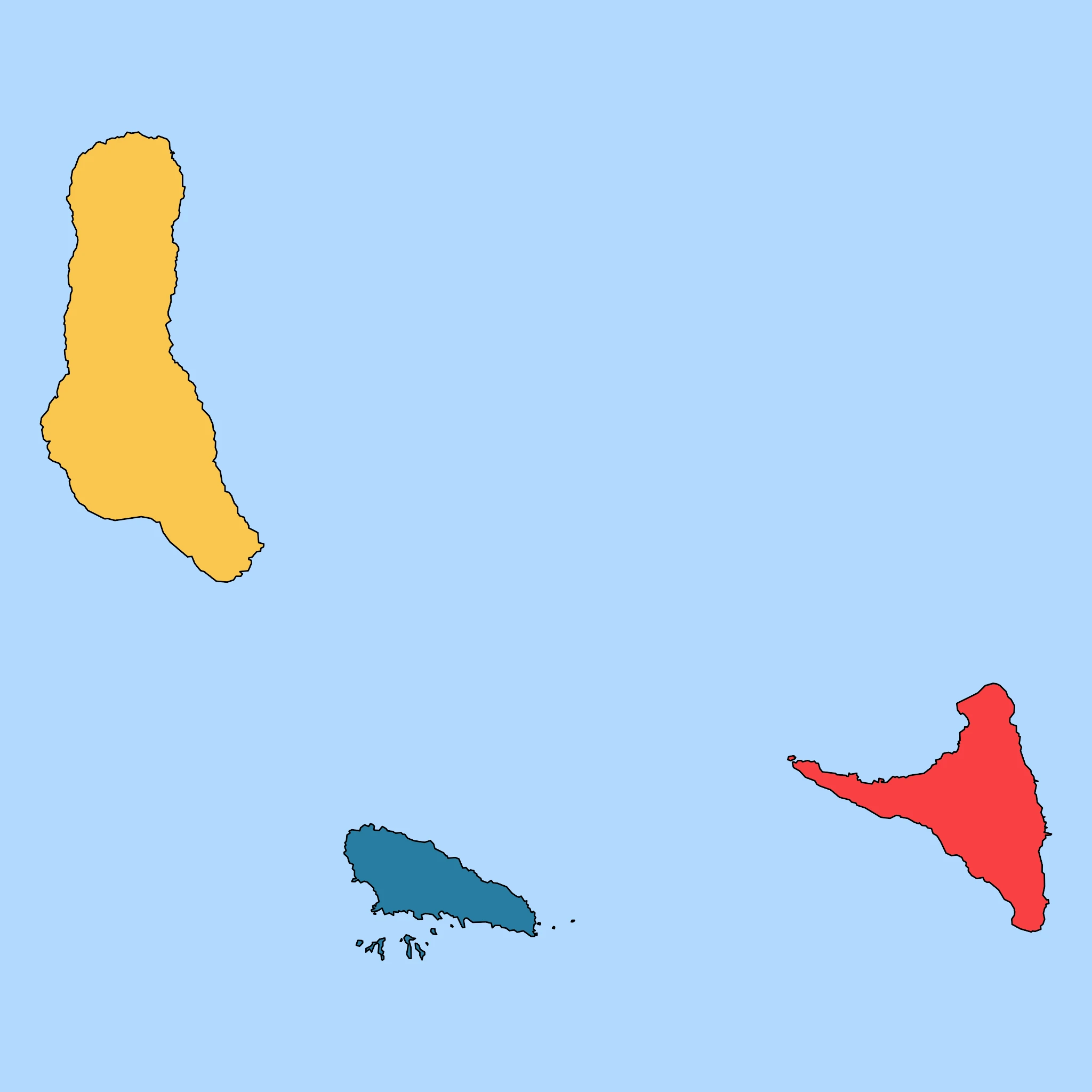
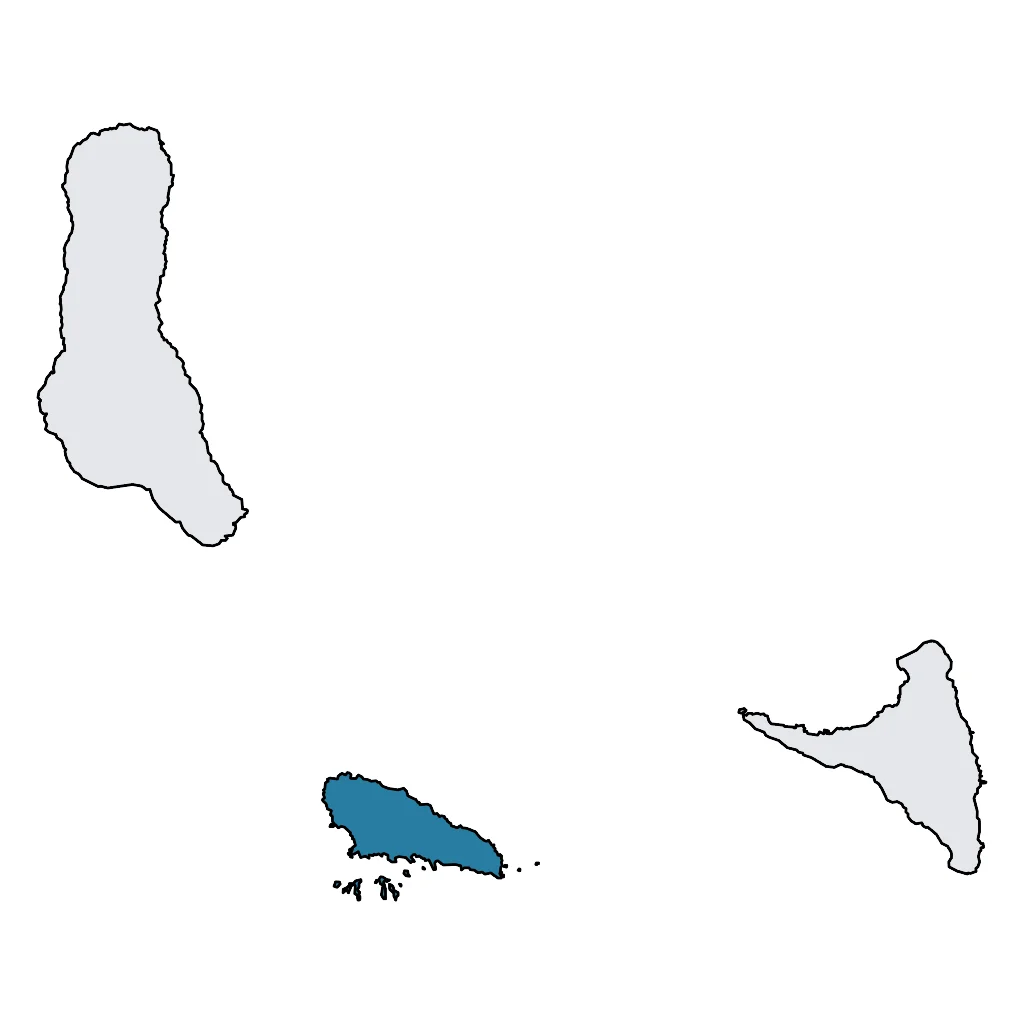
Click a region to explore

Activities & Best Times

Hiking, wildlife, outdoor exploration, ecotourism
Anjouan offers spectacular trekking to Mount Ntingui and the crater lake Dzialandzé through pristine, mist-covered rainforests rich in endemic flora. The dry season (Jun–Sep) provides the stable trail conditions and visibility required for mountain exploration, while the extreme rainfall of the monsoon (Dec–Apr) makes highland paths inaccessible and muddy.
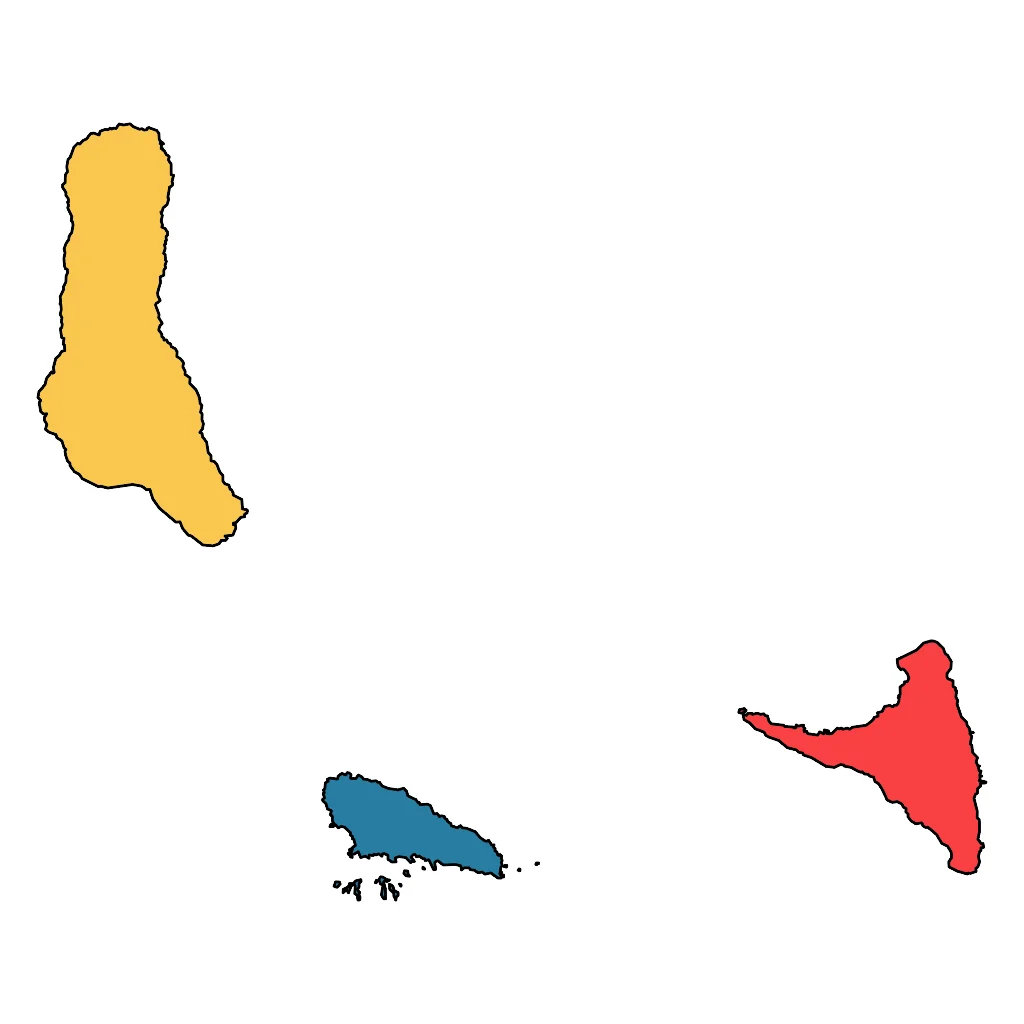

Beach resorts, marine activities: diving, snorkelling, kite surfing, wind surfing, sailing
The 'Pearl of the Comoros' features secluded, uncommercialized beaches and high marine biodiversity suitable for adventurous snorkeling and diving. Peak conditions occur during the driest months (Jul–Sep) when sea visibility is at its highest, whereas heavy tropical downpours from December to March significantly degrade water clarity and safety.
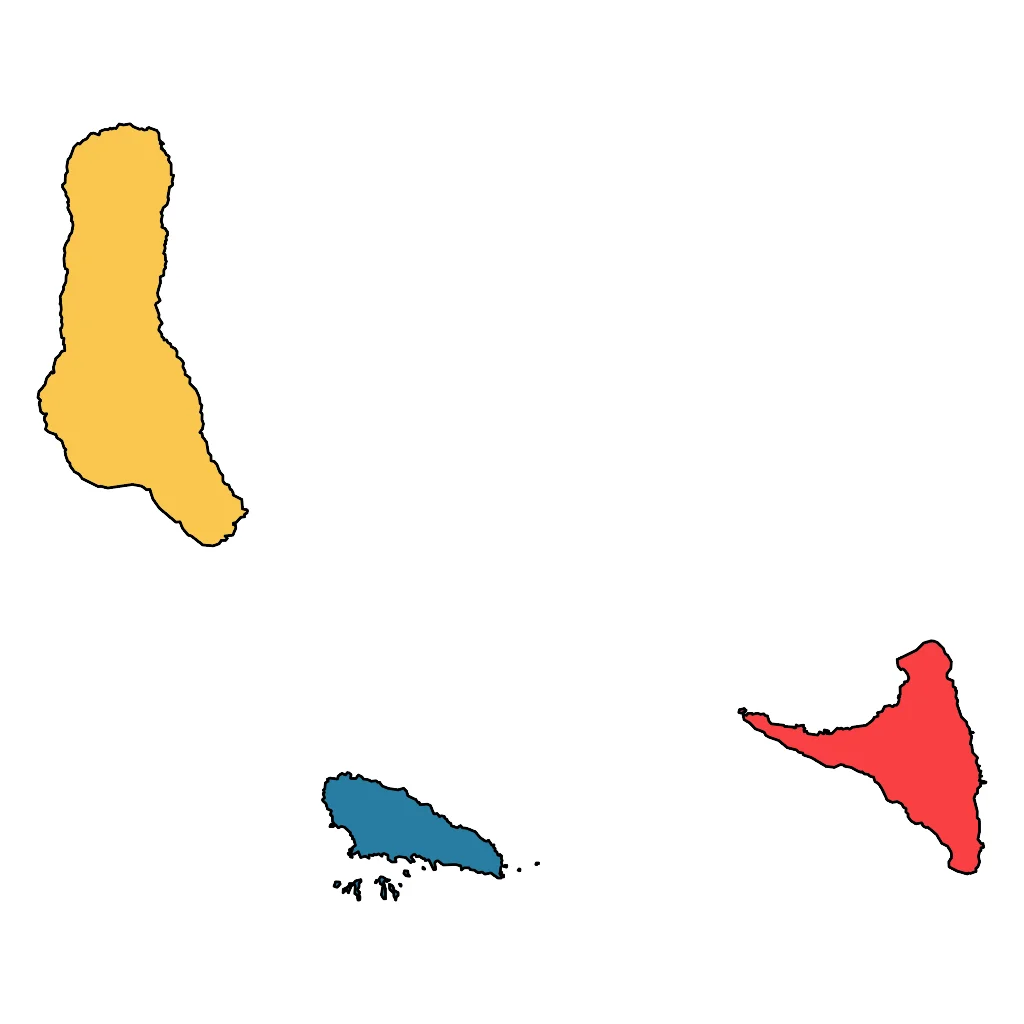

Urban tourism, museums, historical sites, architecture
The 11th-century Mutsamudu Medina offers a highly authentic experience for sophisticated travelers, with its labyrinthine alleys and historic Swahili architecture. The cooler, drier months (Jun–Sep) are ideal for navigating the steep stone streets, while the high humidity and heavy rains of the peak summer (Jan–Mar) can make urban exploration uncomfortable.
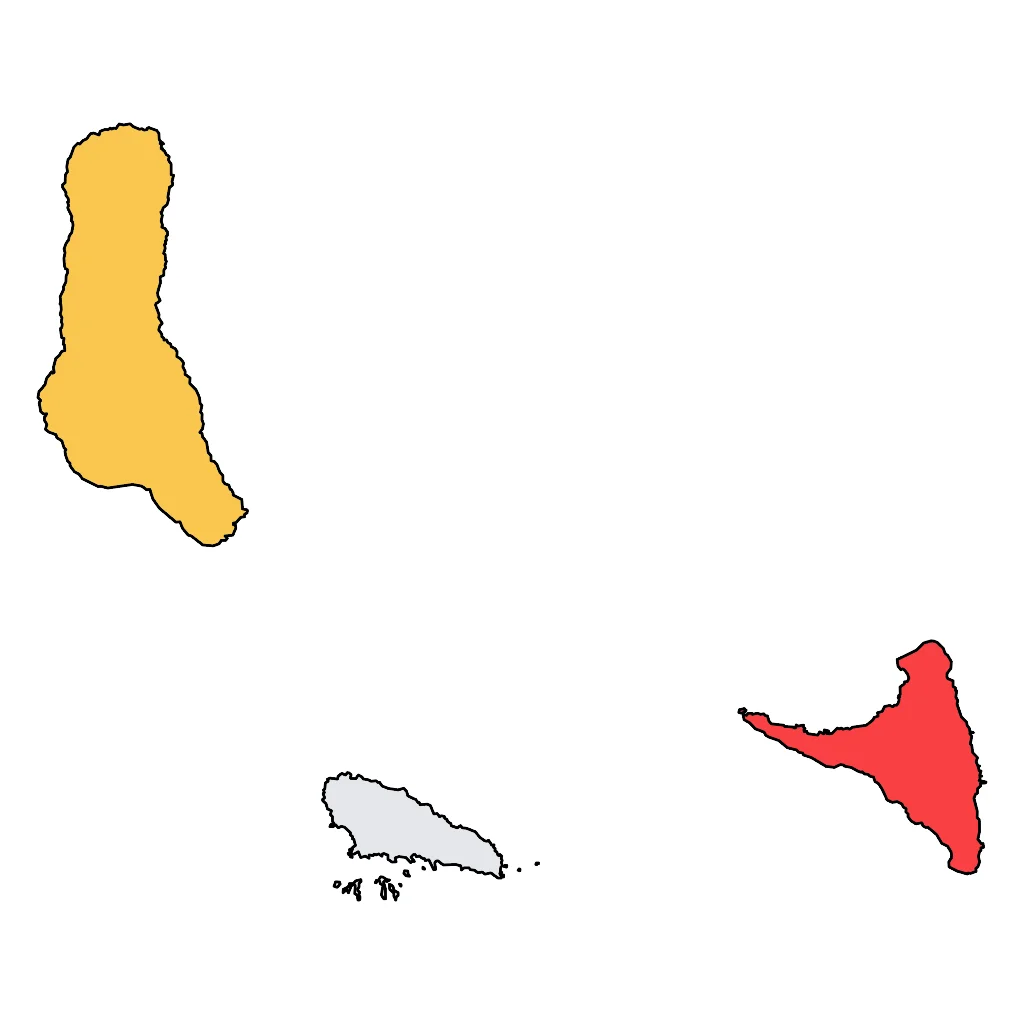

Learning experiences, scientific sites, historical education
Travelers can gain unique insights into the perfume industry by visiting ylang-ylang distilleries and clove plantations that maintain traditional methods. These site visits are best conducted during the harvest and dry seasons (Jun–Sep), though the lack of formal museum infrastructure limits this to a niche exploratory experience.

Scenic drives, countryside tours, route-based travel
The island offers spectacular, lush mountain vistas and scenic drives through spice plantations for travelers with a spirit of adventure. However, rugged infrastructure requires careful planning and local guides, especially outside the stable weather of the peak dry season.

Attractions (22 total)
Castle / Palace / Historic Site
Citadelle de Mutsamudu
Mutsamudu
An 18th-century hilltop fortress providing families with panoramic harbor views and an educational look at the island's maritime defense history.
Domoni Ancient City
Domoni
The former capital of the Sultanate, where families can explore ancient Swahili tombs and the 15th-century Friday Mosque.
Palais d'Ujumbé
Mutsamudu
A historic sultan's palace in the ancient Medina featuring traditional Swahili architecture and ornate carvings for a cultural family walk.
Historic Town / Village / Cultural Area
Historic Town of Domoni
Domoni
An ancient royal capital famous for its Shirazi-style architecture, 13th-century mosques, and the historic tombs of the Sultans.
Mutsamudu Medina
Mutsamudu
A dense 17th-century historic quarter featuring narrow labyrinthine alleys and traditional Swahili-influenced coral stone architecture.
Natural Feature / Scenic Site
Mount Ntringui and Lake Dzialandzé
Mutsamudu
Families can hike through the lush National Park to reach the island's highest peak and a serene volcanic crater lake.
Moya Beach
Moya
A stunning crescent of white sand and turquoise water sheltered by volcanic cliffs, ideal for family swimming and relaxation.
Sima Peninsula Coastline
Sima
The dramatic coastline of the Sima peninsula offers breathtaking panoramic ocean views and unique volcanic rock formations for sightseeing families.
Adventure Park / Outdoor Activity Center
Mount Ntringui National Park
Mutsamudu
The island's primary hub for outdoor recreation, featuring guided trails through rainforests to a scenic volcanic lake that fascinates nature-loving families.
Visit website →Hiking & Cycling Routes
Mount Ntringui Summit Trail
Bambao-Mtsanga
12km challenging day hike with approximately 1,100m elevation gain. Typically takes 6 to 8 hours to complete. This trail ascends through dense primary rainforest and high-altitude cloud forest to the highest point on Anjouan (1,595m), offering views of the entire Comoros archipelago on clear days. No equipment or bike rentals are available on the island; hiring a local guide is highly recommended.
Visit website →Tatringa Falls Trail
Bambao-Mtsanga
3.5km moderate out-and-back trail with 200m elevation gain, typically completed in 2 hours. The path winds through vanilla and spice gardens to reach one of the most scenic multi-tiered waterfalls on the island. The trail can be slippery after rain. No cycling or equipment rental facilities are available nearby.
Visit website →Lac Dzialandzé Nature Trail
Bambao-Mtsanga
4km moderate hike with approximately 300m elevation gain, taking about 2 to 3 hours. The route leads to a sacred volcanic crater lake situated at 900m altitude within the Mount Ntringui National Park. The path is surrounded by ylang-ylang and clove plantations. No bike rentals are available in this region.
Visit website →Landmark / Monument / Iconic Urban Attraction
Mutsamudu Citadel and Medina
Mutsamudu
A historic 15th-century fortress and ancient walled city featuring narrow winding alleys and traditional Swahili architecture.
Tatringa Falls
Mutsamudu
A beautiful and accessible waterfall surrounded by tropical forest, serving as a popular natural landmark for families and hikers.
Domoni Old Town
Domoni
The island's historic former capital known for its ancient carved doors, 13th-century mosques, and the Mausoleum of Ahmed Abdallah.
Mount Ntringui
Mutsamudu
The highest peak on Anjouan, offering challenging hikes through lush rainforest to reach panoramic views of the entire island and the crater lake Dziani Boundouni.
Road Trips & Scenic Drives
Mutsamudu to Moya Mountain Route
Mutsamudu
Approximately 45km paved mountain road (1.5 to 2 hours). This dramatic route traverses the central highlands of Anjouan, climbing steeply from the capital. Key highlights include the famous Col de Patsy viewpoint, the lush Tsembehou Valley, and the dense rainforests surrounding Mount Ntringui and Lake Dzialandzé. The road descends to the southern tip of the island, ending at the iconic crescent-shaped white sand beaches of Moya.
Visit website →Sima Peninsula Coastal Road
Mutsamudu
Approximately 20km paved coastal road (45 minutes). Heading west from Mutsamudu, this scenic drive explores the Sima Peninsula. The route hugs the shoreline of the Mozambique Channel, passing through the fishing village of Bimbini. Highlights include panoramic sea views, aromatic plant distilleries (Ylang-Ylang), and the dramatic coastline of the western tip of the island, which is often called the 'Perfume Road'.
Visit website →Mutsamudu to Domoni East Coast Drive
Mutsamudu
Approximately 25km paved coastal and interior highway (1 hour). This route connects the capital to the historic town of Domoni. The drive passes through the airport town of Ouani and the town of Bambao, featuring views of the rugged coastline and the Tatinga (Tatringa) Falls. The route terminates at the ancient medina of Domoni, known for its 15th-century Friday Mosque and the mausoleum of Ahmed Abdallah.
Visit website →Beach / Coastal Recreation Area
Chiroroni Beach
Chiroroni
A tranquil and remote white-sand beach known for its calm turquoise waters, providing a peaceful and safe environment for family swimming and picnics.
Bimbini Peninsula
Bimbini
This scenic coastal area features unique mangrove forests and vibrant coral reefs, offering families an excellent opportunity for snorkeling and nature exploration.
National Park / Nature Reserve
Shisiwani National Park
Sima
A coastal and marine reserve on the Sima peninsula that protects pristine coral reefs and dramatic volcanic shorelines for nature lovers.