

For families seeking a destination far removed from the well-trodden tourist trail, Comoros delivers an unforgettable lesson in nature and island life. Situated between Mozambique and Madagascar, this volcanic archipelago consists of three main islands, each with a distinct personality. It is not a destination for those seeking all-inclusive kids' clubs or polished infrastructure; rather, it is a playground for adventurous families who enjoy hiking, wildlife spotting, and cultural immersion in a truly authentic setting.
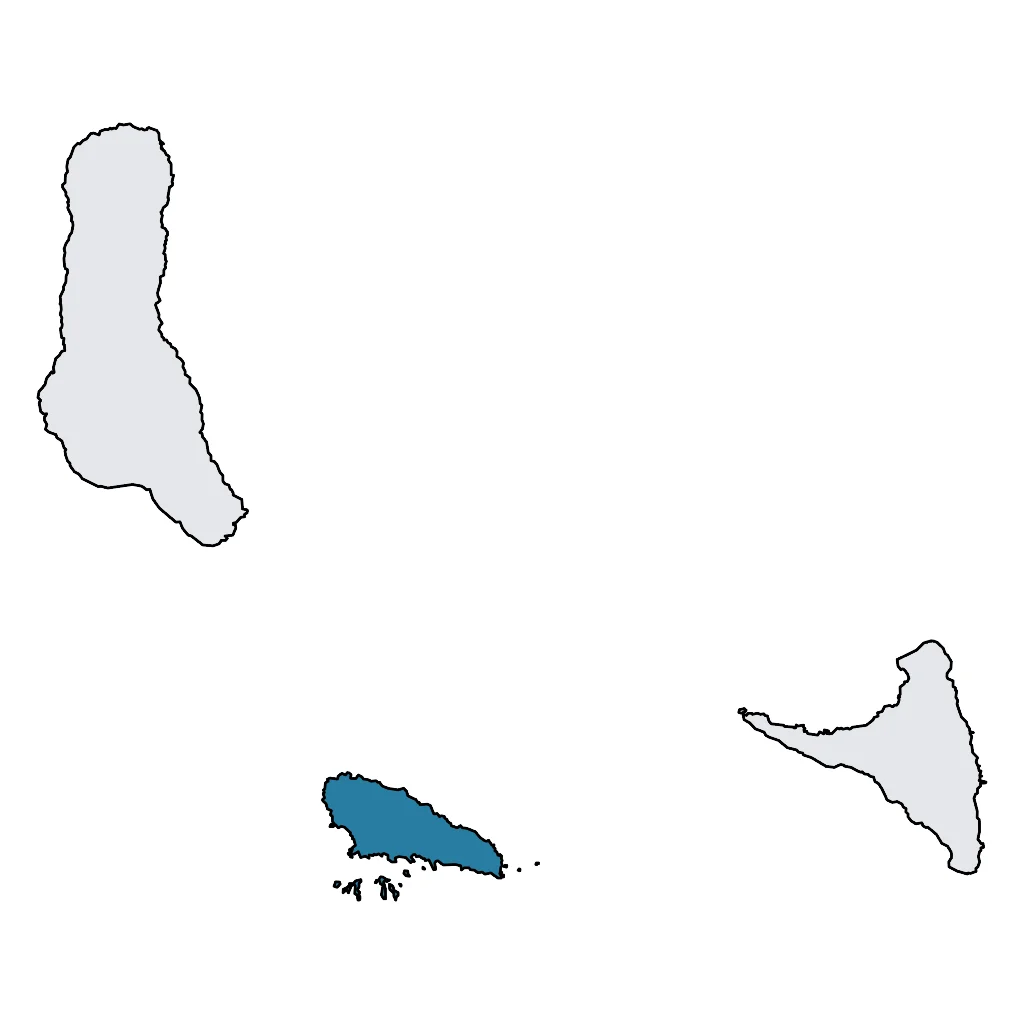
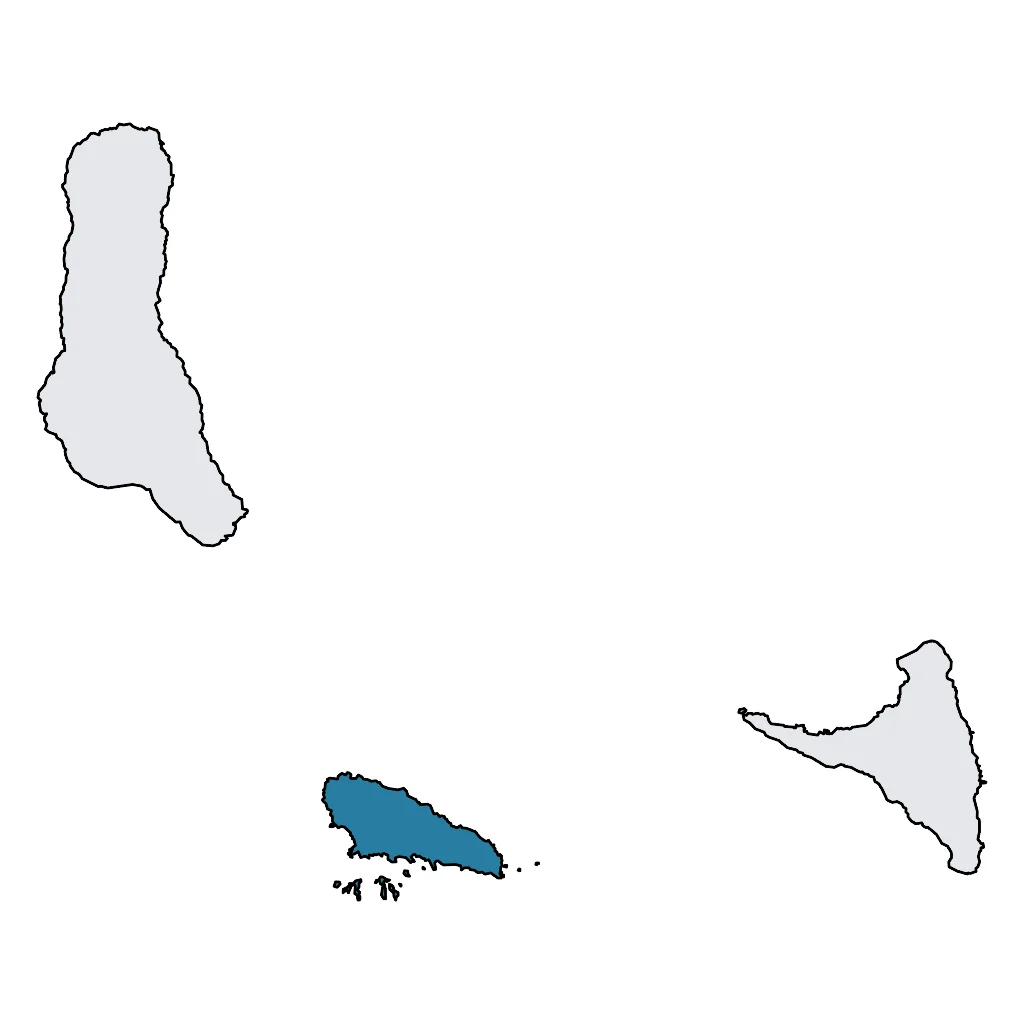
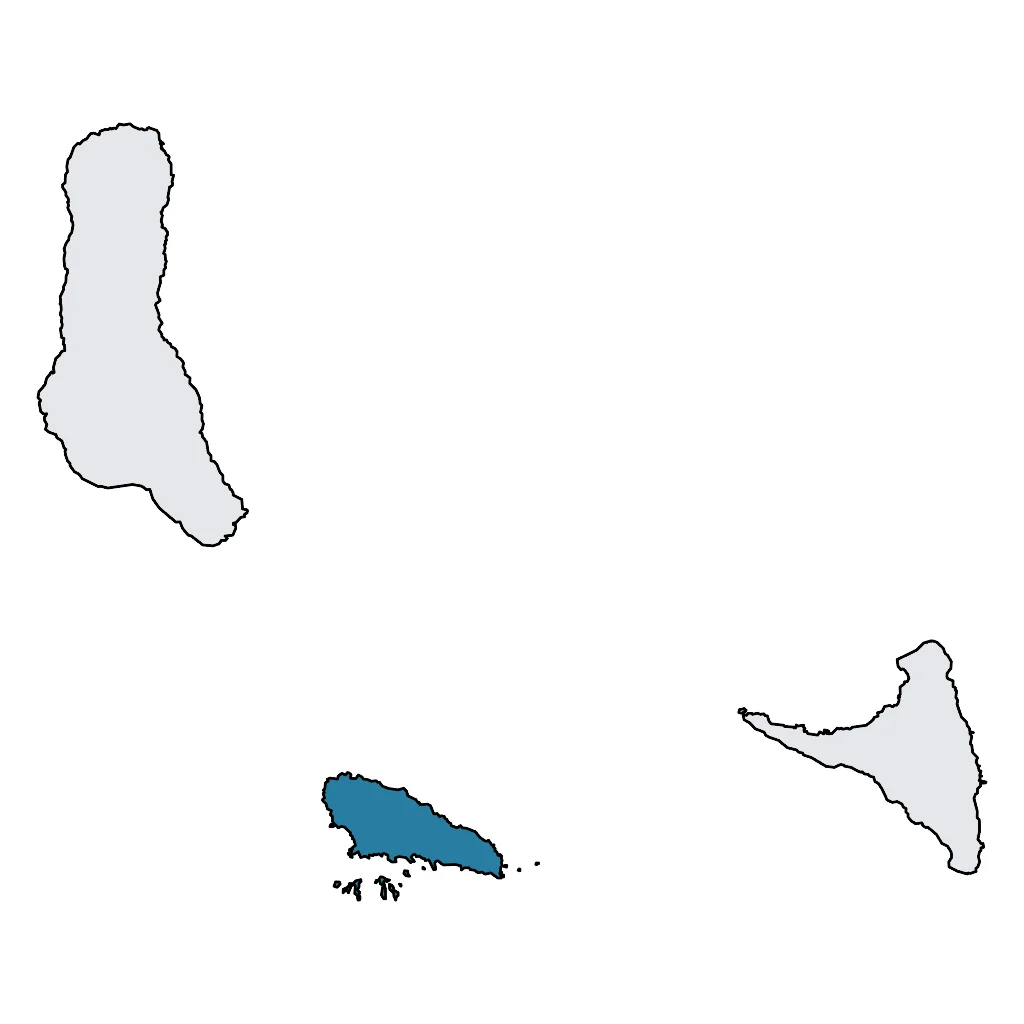
The highlight for children is undoubtedly Mohéli, the smallest and calmest island. Home to the Mohéli Marine Park, it is one of the few places on Earth where families can easily witness Green Sea Turtles nesting on the beaches at night. During the day, children can snorkel in the shallow, protected reefs to spot colourful clownfish and rays. The island is also home to the fascinating Livingstone’s fruit bats, massive flying foxes with wingspans over a metre wide, often seen hanging from trees in the forest.
On the largest island, Grande Comore (Ngazidja), the landscape is dominated by the active Mount Karthala volcano. While the summit hike is demanding, active teenagers can tackle the trek to see the massive crater. For a more relaxed outing, families can visit Lac Salé, a stunning saltwater crater lake, or explore the bustling Volo Volo Market in the capital, Moroni. Here, children can see the vibrant spices that give the islands their nickname and taste fresh tropical fruits like jackfruit and lychees.
Culture and cuisine play a big role in the experience. Comoros is a conservative Muslim nation with a warm, welcoming spirit. Families should dress modestly when exploring villages. The local cuisine is mild and fragrant, perfect for young palates; don't miss the chance to try fresh lobster with vanilla sauce or ladu, a sweet rice ball treat. The pace of life is slow, allowing families to disconnect from screens and connect with the environment.
Practical considerations are vital for a safe trip. Medical facilities are very limited, so comprehensive travel insurance with evacuation cover is essential. Malaria prophylaxis is recommended for all family members. The infrastructure is basic, with potholed roads and occasional power cuts, so bring a sense of humour and flexibility. Travel between islands is typically by small aircraft or boat. Families should carry sufficient cash (Euros or Comorian Francs), as ATMs are scarce outside the capital.

Explore Regions
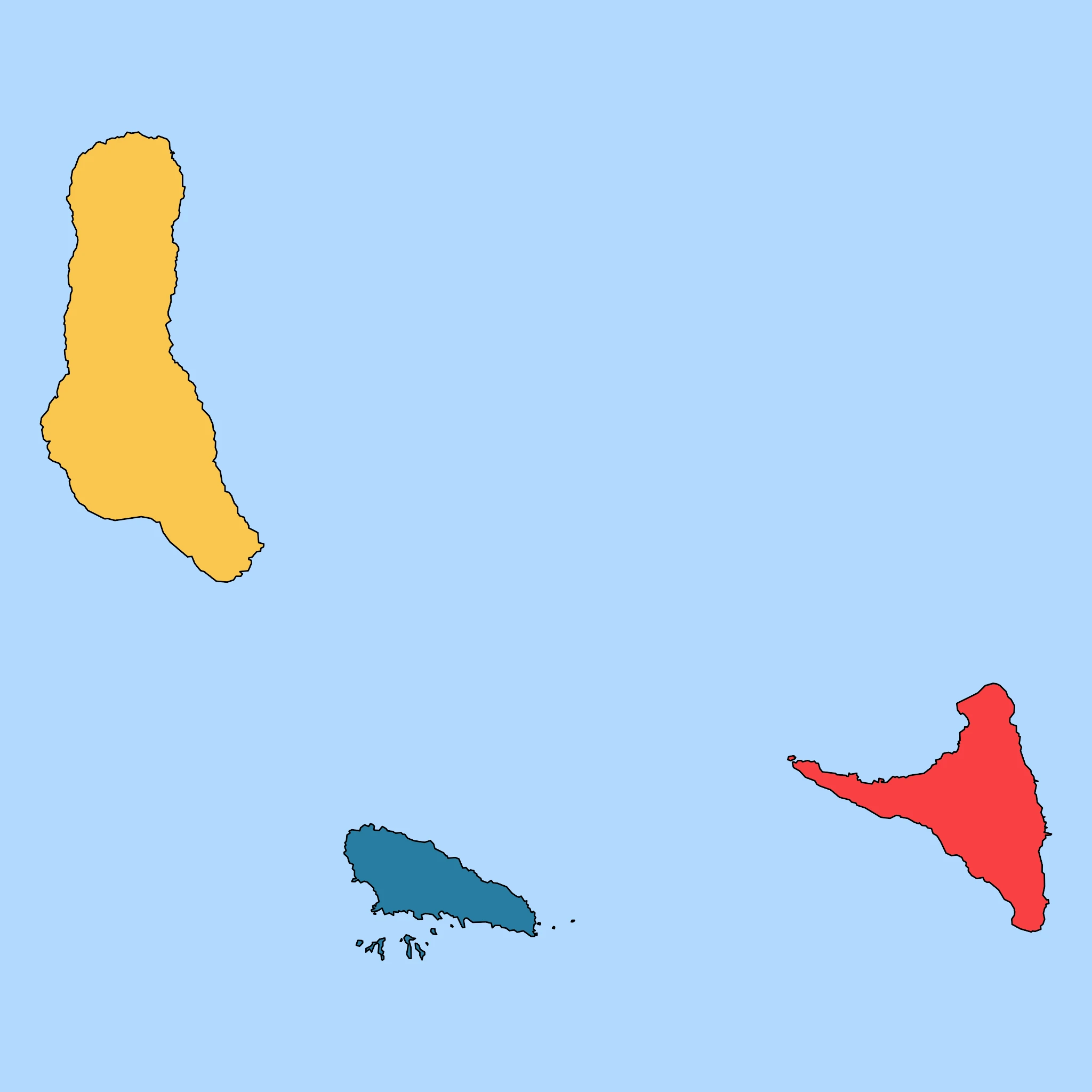
3 Regions
Anjouan
The perfumed isle of waterfalls and historic citadels 🌺
Grande Comore (Moroni, volcano)
Volcanic landscapes meeting white sand beaches 🌋
Mohéli
A pristine nature sanctuary for turtle watching 🐢
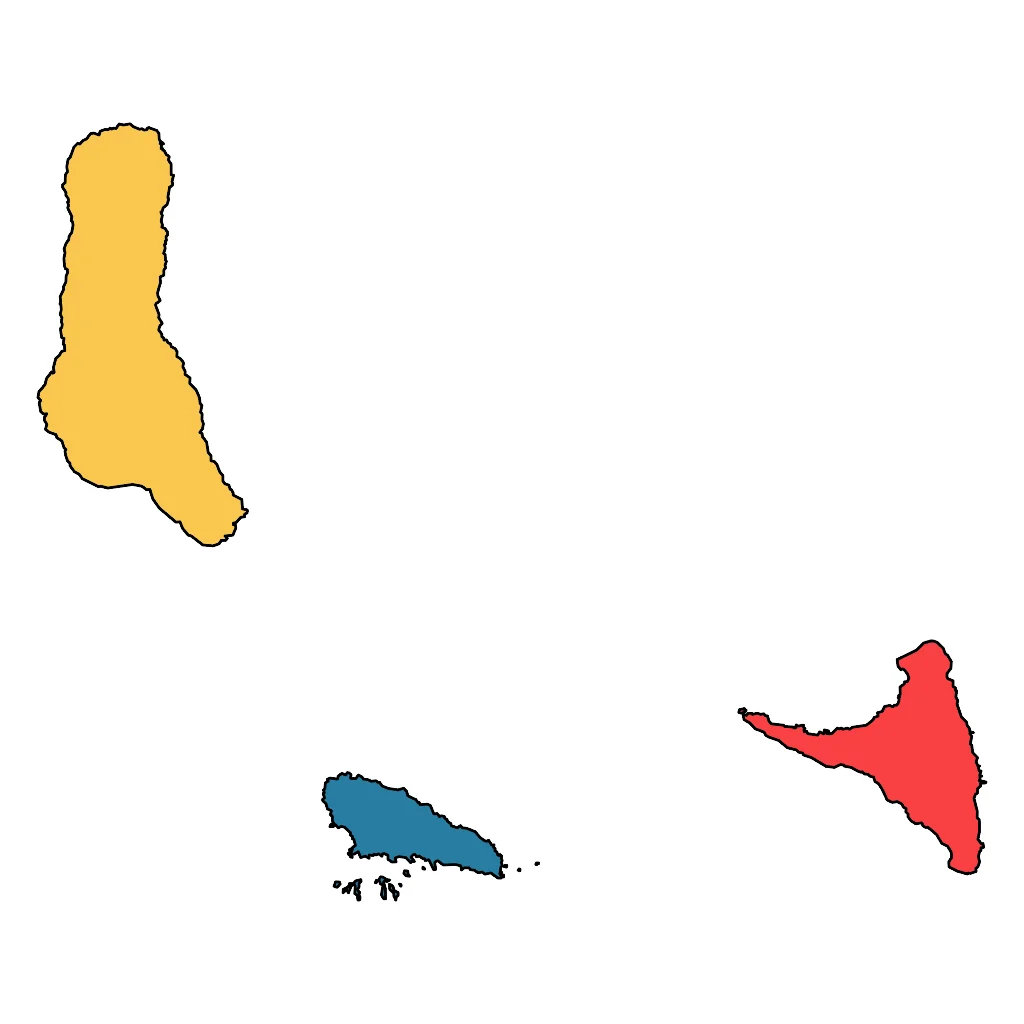
Click on a region marker to explore details. Use the dropdown to color regions by activity suitability.

Activities & Best Times

Adventure & Nature
Very GoodHiking, wildlife, outdoor exploration, ecotourism
Anjouan offers spectacular trekking to Mount Ntingui and the crater lake Dzialandzé through pristine, mist-covered rainforests rich in endemic flora. The dry season (Jun–Sep) provides the stable trail conditions and visibility required for mountain exploration, while the extreme rainfall of the monsoon (Dec–Apr) makes highland paths inaccessible and muddy.
While Mohéli Marine Park (UNESCO Biosphere Reserve) and Livingstone's fruit bat habitat are genuinely special, 'excellent' requires comparison to Serengeti, Galapagos, or Costa Rica. Mohéli has extremely limited tourism infrastructure, no established international-standard guided operations, and minimal capacity. It's a hidden gem, not a world-class adventure destination. Very_good accurately reflects its genuine but infrastructure-limited appeal.
Mount Karthala offers a world-class volcanic trekking experience with one of the world's largest active calderas and unique endemic biodiversity. The dry season (Jul-Sep) is essential for safe hiking and clear views, while the heavy monsoon rains from December to April make the volcano's slopes dangerous and muddy.

Beach & Sea
GoodBeach resorts, marine activities: diving, snorkelling, kite surfing, wind surfing, sailing
The 'Pearl of the Comoros' features secluded, uncommercialized beaches and high marine biodiversity suitable for adventurous snorkeling and diving. Peak conditions occur during the driest months (Jul–Sep) when sea visibility is at its highest, whereas heavy tropical downpours from December to March significantly degrade water clarity and safety.
While Mohéli has pristine reefs and genuine marine biodiversity, 'very_good' implies strong international reputation (Zanzibar, Mauritius, Réunion tier). Mohéli is largely unknown internationally, has no dive operators meeting international standards, and no beach resort facilities. The natural resource is excellent but the visitor experience and infrastructure don't match 'very_good' calibration.
The island features stunning, uncrowded white-sand beaches like Trou du Prophète and pristine coral reefs that offer an authentic alternative to mass-market resorts. Peak months align with the lowest rainfall and best sea visibility, whereas the high precipitation and humidity of the wet season (Dec-Apr) degrade the beach experience.

City & Cultural
GoodUrban tourism, museums, historical sites, architecture
The 11th-century Mutsamudu Medina offers a highly authentic experience for sophisticated travelers, with its labyrinthine alleys and historic Swahili architecture. The cooler, drier months (Jun–Sep) are ideal for navigating the steep stone streets, while the high humidity and heavy rains of the peak summer (Jan–Mar) can make urban exploration uncomfortable.
Moroni provides a genuine Swahili cultural experience through its historic Arab medina, traditional carved doors, and the ancient Friday Mosque. The cooler, drier winter months (Jul-Sep) are ideal for navigating the narrow alleys of the Old Town without the oppressive heat and humidity found during the monsoon.

Educational & Exploratory
GoodLearning experiences, scientific sites, historical education
No formal educational facilities, research stations open to tourists, or structured educational programs exist. Learning is informal and experiential through community turtle guardians. Compare to 'very_good' benchmarks like Galapagos research stations or Costa Rica's La Selva Biological Station. 'Good' accurately reflects genuine but informal educational value.
Travelers can gain unique insights into the perfume industry by visiting ylang-ylang distilleries and clove plantations that maintain traditional methods. These site visits are best conducted during the harvest and dry seasons (Jun–Sep), though the lack of formal museum infrastructure limits this to a niche exploratory experience.
The region serves as a significant site for volcanology and marine biology (notably the Coelacanth), though formal educational infrastructure is limited. Best explored during the dry season when geological sites and historic ruins are most accessible and guided tours are more reliable.

Relaxation & Wellness
GoodSpa retreats, wellness centers, peaceful getaways

Sports & Active
GoodSport tourism, fitness activities, active recreation

Road Trips & Scenic
MarginalScenic drives, countryside tours, route-based travel
The island offers spectacular, lush mountain vistas and scenic drives through spice plantations for travelers with a spirit of adventure. However, rugged infrastructure requires careful planning and local guides, especially outside the stable weather of the peak dry season.
A drive around the island offers dramatic contrasts between black lava fields and turquoise coastlines, appealing to those who value raw, scenic exploration. Peak months provide the best road safety and visibility; however, the lack of high-end rental infrastructure and poor road conditions during heavy rains limit its appeal for the average traveler.

Airports & Flight Routes
Toggle options to view domestic routes and international airports. Click an airport for details.
Climate & Weather
Anjouan
Show Details
| Month | Temp °C | Rain | Humidity |
|---|
Grande Comore (Moroni, volcano)
Show Details
| Month | Temp °C | Rain | Humidity |
|---|
Mohéli
Show Details
| Month | Temp °C | Rain | Humidity |
|---|

Travel Advisory
The majority of agencies recommend increased vigilance due to limited medical infrastructure and potential for civil unrest.
Safety Topics
Traveller Advice (2 groups)

To respect local Islamic customs, women should dress conservatively by ensuring their shoulders and knees are covered when in public.

Same-sex relationships are illegal in Comoros and can lead to imprisonment or fines. Public displays of affection should be avoided as they are socially unacceptable.