

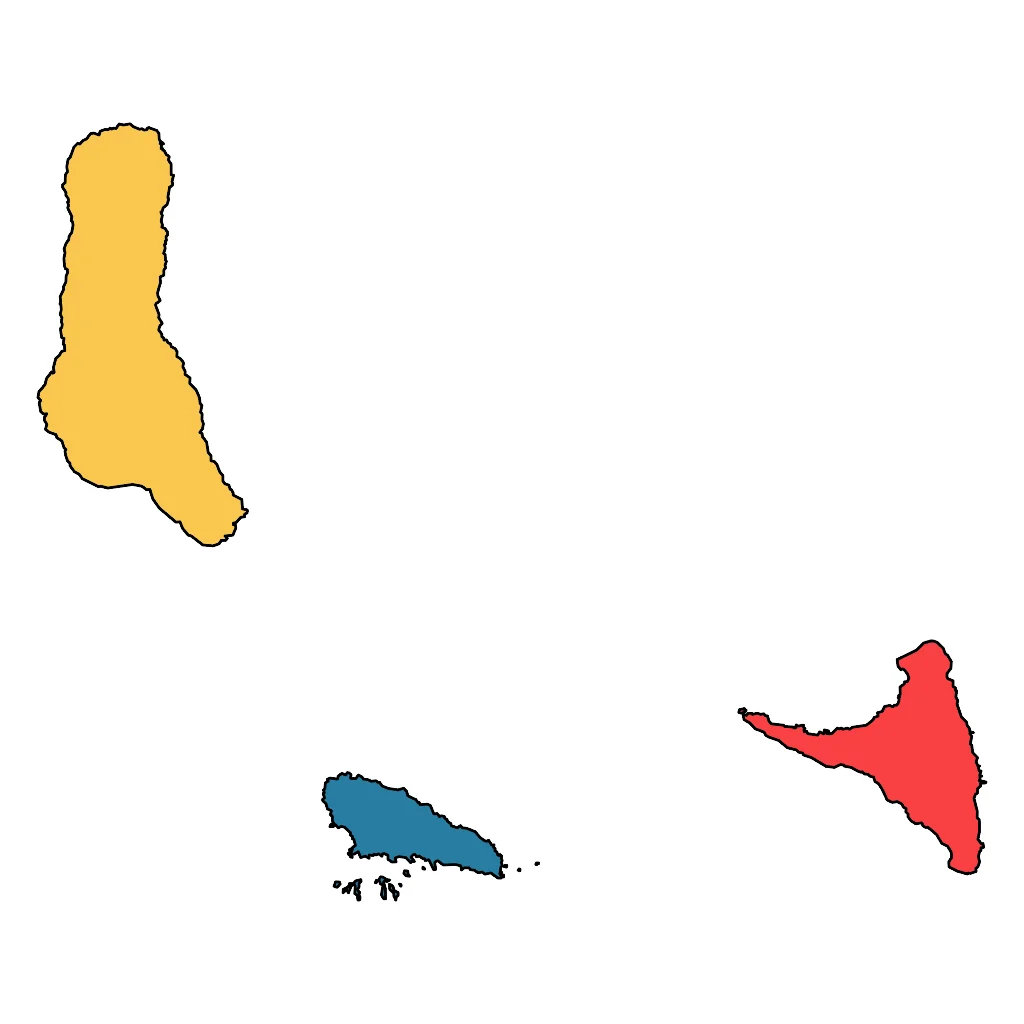
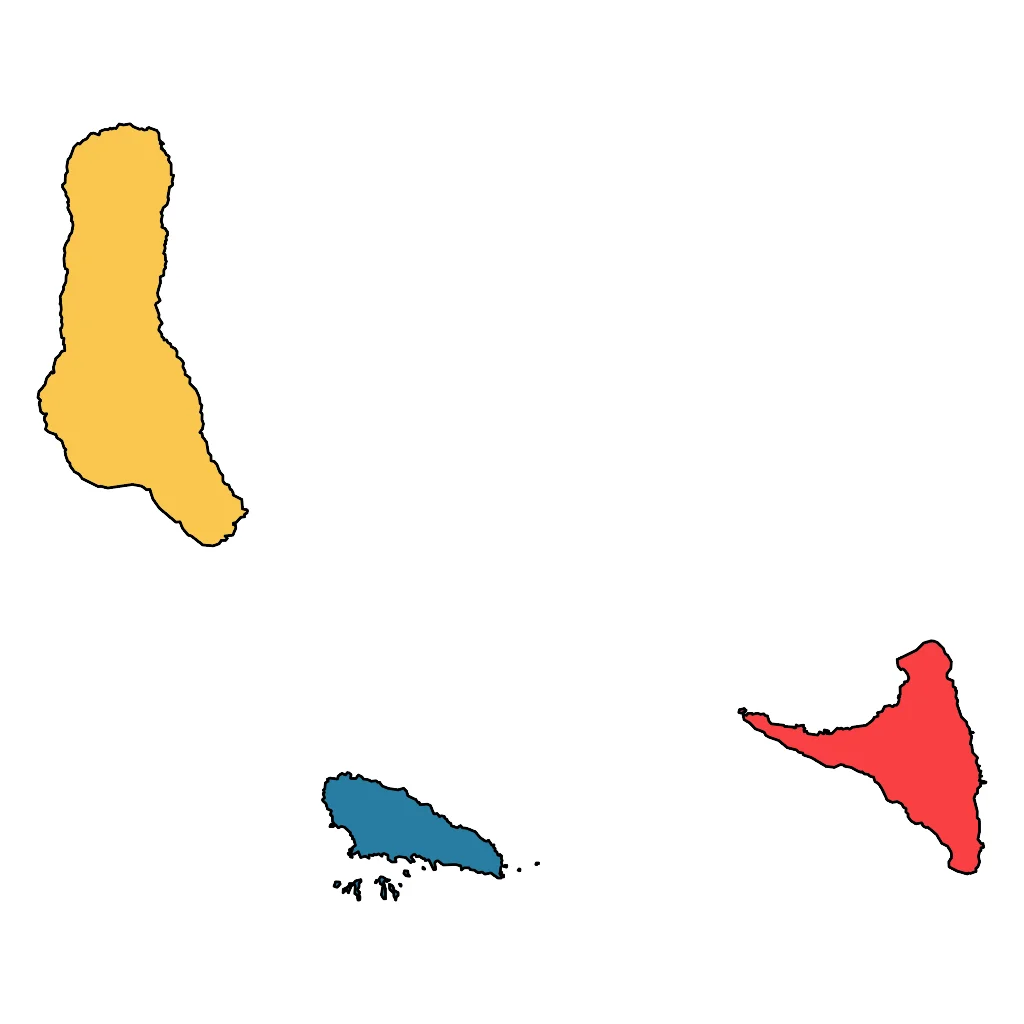
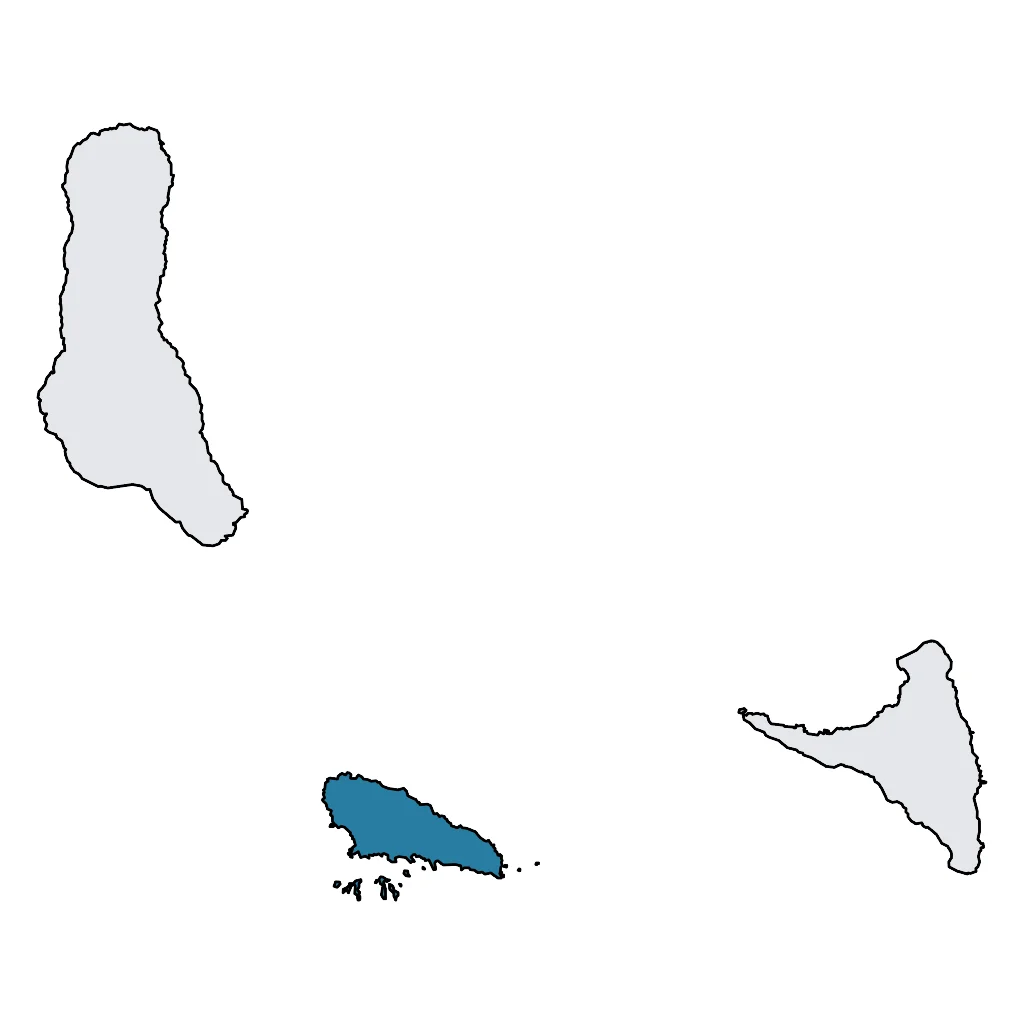
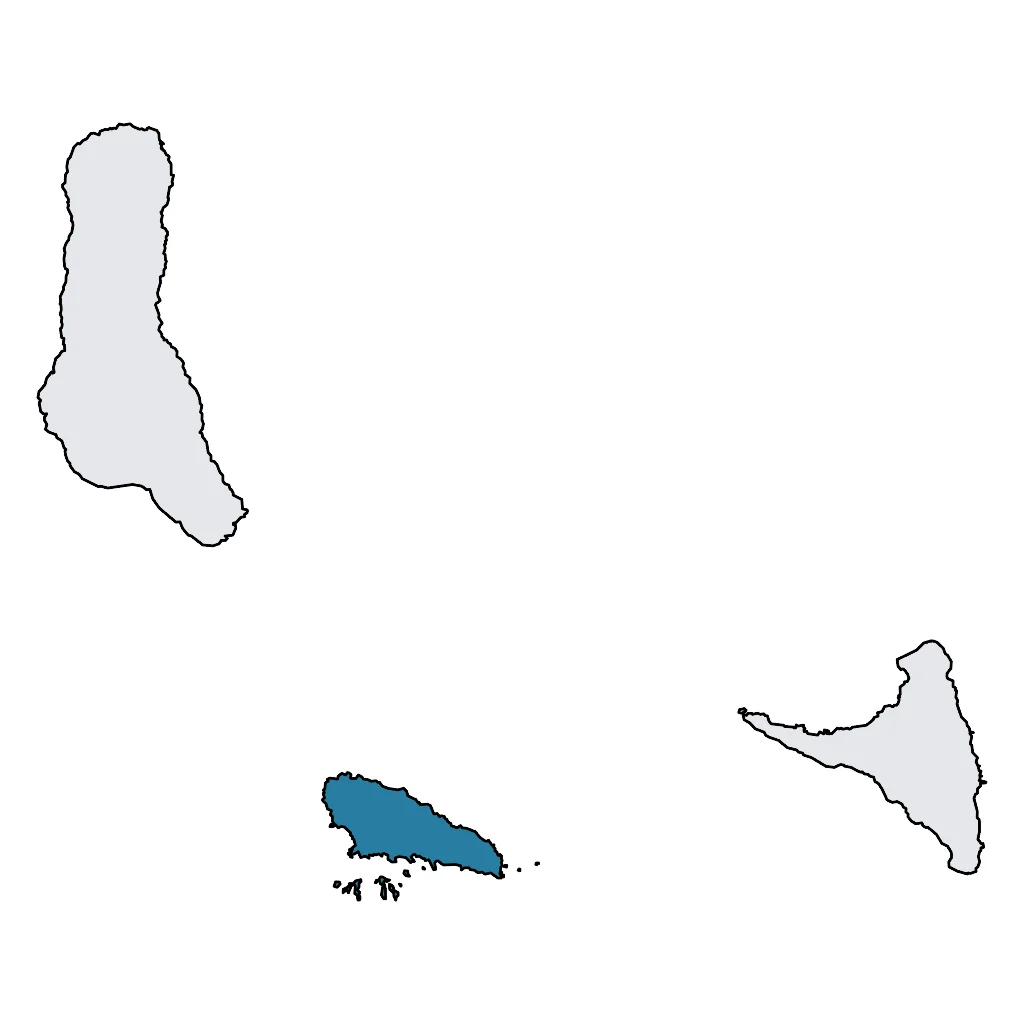
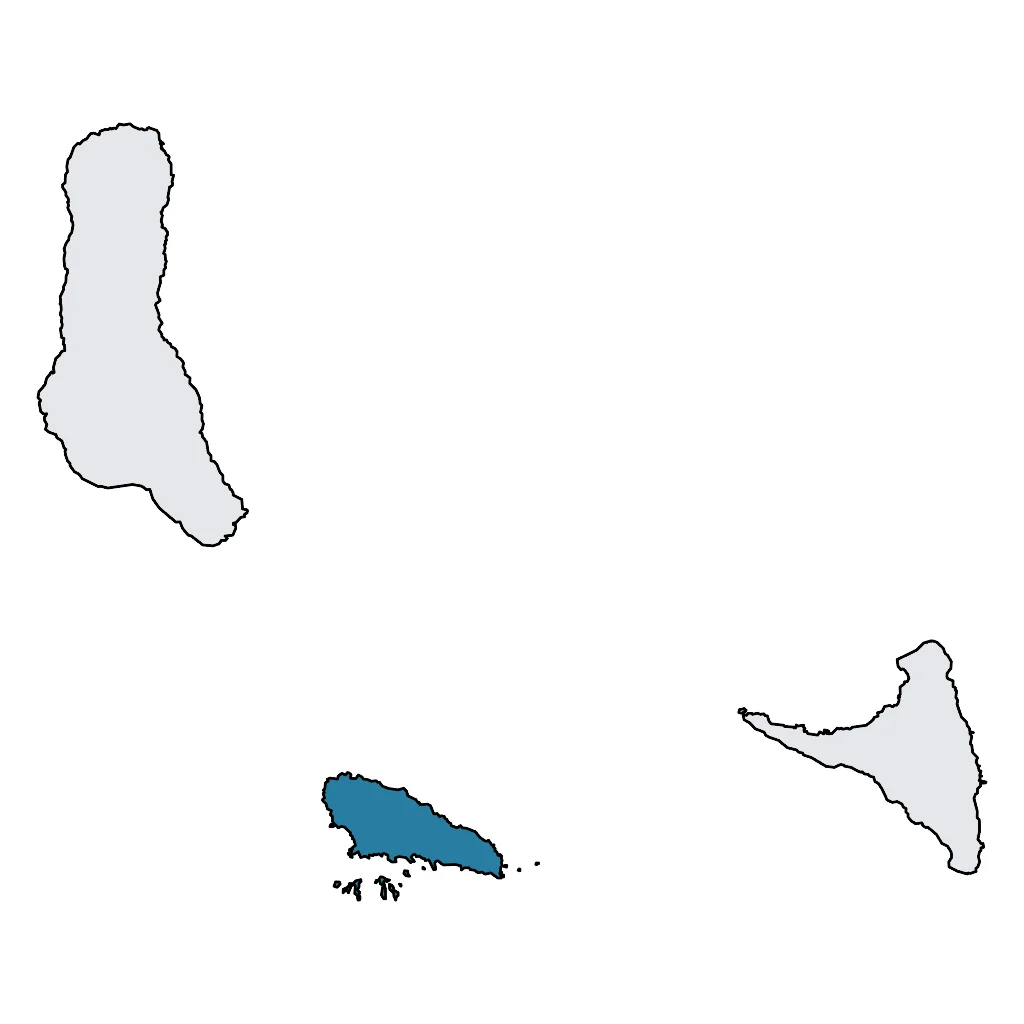
Mohéli (Mwali) is the smallest and quietest of the Comoros islands, often feeling like a world apart from modern stress. For nature-loving families, this is arguably the highlight of the archipelago. In 2001, much of the southern coast was designated as the Mohéli Marine Park, the first protected area in the country. This conservation effort has created a haven for wildlife, making it one of the best places in the Indian Ocean to see marine life without the crowds found in other destinations.
The village of Itsamia is world-renowned as a major nesting site for Green Turtles. Astonishingly, turtles come ashore here virtually every night of the year to lay their eggs. Local community guides run respectful tours that allow families to watch this incredible natural event under the moonlight—a magical and educational experience for children. During the day, the beaches are pristine and often empty. The calm lagoon waters near Nioumachoua are dotted with small islets and offer safe, shallow snorkeling conditions where kids can see clownfish, parrotfish, and sometimes even dolphins playing in the distance.
Inland, the island is green and fertile. A hike to see the Livingstone's fruit bats is a must; these are some of the largest bats in the world, with wingspans over a meter, yet they are fruit-eaters and gentle giants. Seeing them hanging from the tall trees is like walking into a dinosaur movie. The atmosphere on Mohéli is incredibly safe and communal, with a very slow pace of life that encourages disconnecting from screens and reconnecting with nature.
Practical Information for Families: Tourism infrastructure is basic but charming. Laka Lodge is the most well-known accommodation, offering comfortable bungalows and equipment rental for kayaking and snorkeling. Electricity can be intermittent on the island, so bringing power banks and solar chargers is a good idea. There are very few vehicles, making the roads quiet, but transport is usually arranged through your guesthouse. As with the other islands, stick to bottled water and ensure routine vaccinations are up to date before travel.
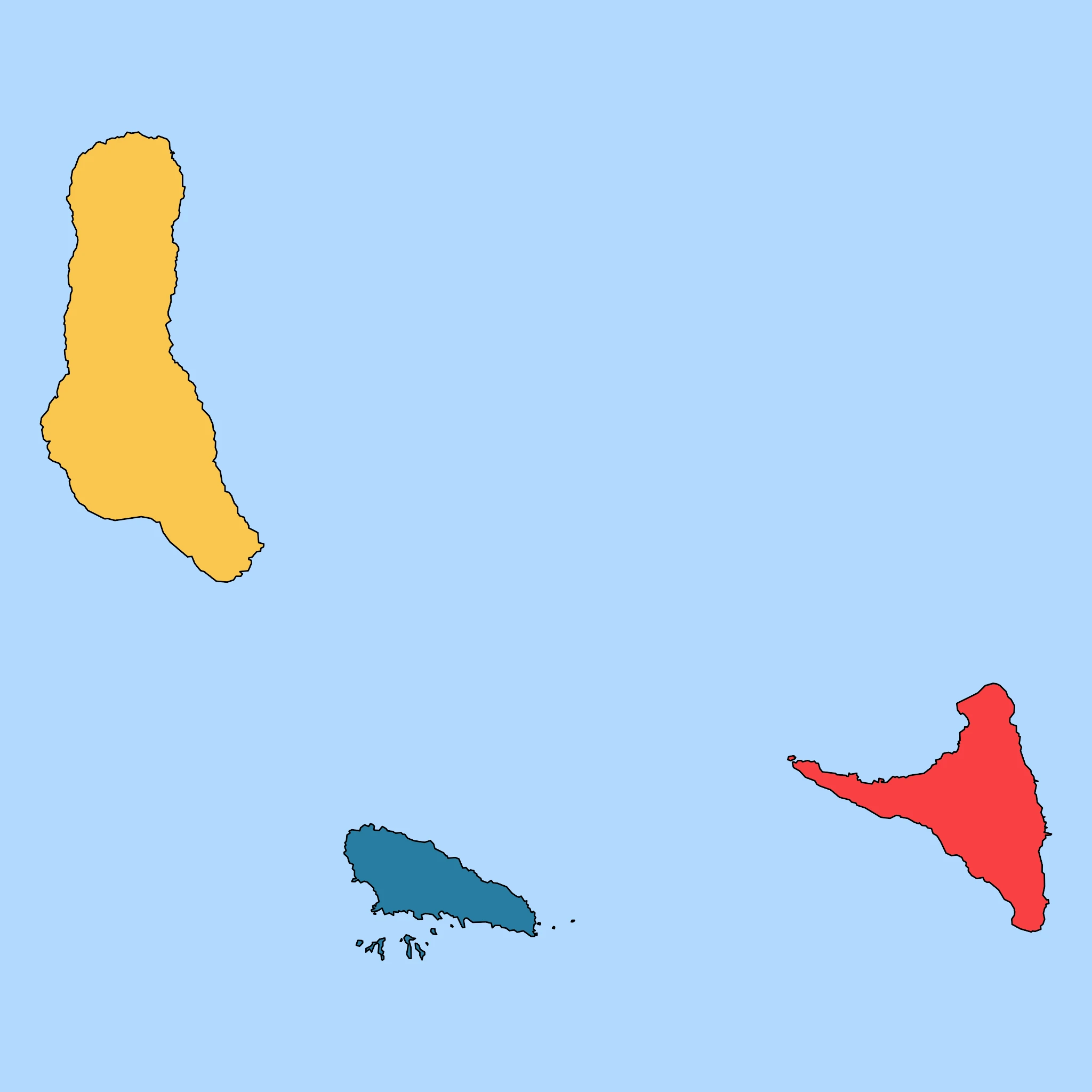
Click a region to explore

Activities & Best Times

Hiking, wildlife, outdoor exploration, ecotourism
While Mohéli Marine Park (UNESCO Biosphere Reserve) and Livingstone's fruit bat habitat are genuinely special, 'excellent' requires comparison to Serengeti, Galapagos, or Costa Rica. Mohéli has extremely limited tourism infrastructure, no established international-standard guided operations, and minimal capacity. It's a hidden gem, not a world-class adventure destination. Very_good accurately reflects its genuine but infrastructure-limited appeal.
Beach resorts, marine activities: diving, snorkelling, kite surfing, wind surfing, sailing
While Mohéli has pristine reefs and genuine marine biodiversity, 'very_good' implies strong international reputation (Zanzibar, Mauritius, Réunion tier). Mohéli is largely unknown internationally, has no dive operators meeting international standards, and no beach resort facilities. The natural resource is excellent but the visitor experience and infrastructure don't match 'very_good' calibration.

Learning experiences, scientific sites, historical education
No formal educational facilities, research stations open to tourists, or structured educational programs exist. Learning is informal and experiential through community turtle guardians. Compare to 'very_good' benchmarks like Galapagos research stations or Costa Rica's La Selva Biological Station. 'Good' accurately reflects genuine but informal educational value.

Spa retreats, wellness centers, peaceful getaways
An ideal 'digital detox' destination for families seeking tranquility and an escape from commercialization. The period from June to September is preferred as humidity levels drop to their annual lows (64-67%), providing a comfortable environment for outdoor relaxation compared to the oppressive heat and humidity of the wet season.

Sport tourism, fitness activities, active recreation
Provides high-quality sea kayaking and snorkeling in the islets of the marine park, though specialized equipment can be scarce. The dry season (Jul-Sep) is essential for active recreation to avoid the extreme precipitation (>200mm) and potential tropical storms that occur in the early months of the year.
Attractions (17 total)
Beach / Coastal Recreation Area
Itsamia Turtle Sanctuary
Itsamia
One of the most significant nesting sites in the Indian Ocean for green sea turtles, offering guided night walks to witness nesting.
Mohéli Marine Park
Nioumachoua
A UNESCO Biosphere Reserve protecting diverse marine life, including coral reefs, dugongs, and humpback whales in season.
Sambia Beach
Nioumachoua
A remote and pristine white-sand beach offering calm waters and exceptional snorkeling opportunities directly from the shore.
Nioumachoua Islets
Nioumachoua
A stunning archipelago of seven volcanic islands within the marine park, ideal for snorkeling and viewing Livingstone's fruit bats.
National Park / Nature Reserve
Mohéli Marine Park (Parc National de Mohéli)
Nioumachoua
Comoros' first national park and a UNESCO Biosphere Reserve, featuring pristine coral reefs, humpback whales, and a string of uninhabited volcanic islets.
Visit website →Lake Dziani Boundouni
Fomboni
A tranquil volcanic crater lake and Ramsar-designated wetland home to diverse endemic bird species and surrounded by lush tropical vegetation.
Livingstone's Fruit Bat Sanctuary (Ouallah II)
Ouallah
A protected forest area offering the rare opportunity to see the world's largest bats, the endemic Livingstone's fruit bats, in their natural habitat.
Science Museum / Natural History Museum / Discovery Centre
Mohéli National Park Visitor Center (Maison du Parc)
Nioumachoua
An informative discovery hub showcasing the biodiversity of the UNESCO Biosphere Reserve, including exhibits on dugongs, whales, and coral reef ecosystems.
Visit website →Maison de la Tortue (Itsamia Turtle House)
Itsamia
A community-run discovery center and museum focused on the conservation and biology of green sea turtles nesting on the island's beaches.
Hiking & Cycling Routes
Trans-Mohéli Trek (Fomboni to Nioumachoua)
Fomboni
18km challenging 1-day trek crossing the island's mountainous spine from the capital to the southern coast. Includes approximately 750m elevation gain through dense primary rainforest and cloud forest. Typical duration is 7-9 hours. Trail is often overgrown and requires a local guide from the Mohéli Marine Park. No specialized bike rentals are available on the island; hikers should arrange transport via local lodges like Laka Lodge (lakalodge.com).
Visit website →Itsamia Coastal Turtle Path
Itsamia
4km easy coastal walk connecting the five primary nesting beaches of the Itsamia Turtle Sanctuary. Negligible elevation gain. Typical duration 1.5 hours. The route follows the shoreline and sandy tracks used by researchers to monitor Green Sea Turtles. Publicly accessible but night access to beaches requires a guide from the ADSEI association to protect nesting sites.
Visit website →Livingstone's Fruit Bat Trail
Oualda
5km moderate out-and-back hike with 300m elevation gain, leading to the roosting sites of the endemic Pteropus livingstonii (Livingstone's fruit bat). Typical duration is 3 hours. The path climbs through steep forested ridges above the villages of Oualda or Vingoni. Guided tours are essential for locating the colonies and are managed by conservation NGO Dahari (daharicomores.org).
Visit website →Road Trips & Scenic Drives
Trans-Mwali Scenic Highway (Fomboni to Nioumachoua)
Fomboni
25km paved mountain pass (approx. 1 hour). This is the island's primary scenic artery, climbing steeply from the capital through the lush Viringoni rainforest and over a central mountain ridge. Highlights include panoramic views of the Mohéli Marine Park and its offshore volcanic islets as the road descends to the south coast.
Visit website →South Mohéli Coastal Road (Nioumachoua to Itsamia)
Nioumachoua
35km paved/well-maintained road (approx. 1.5 hours). This route traces the southern coastline of the island, passing through traditional Comorian villages and landscapes dotted with ancient baobab trees. It provides access to the Itsamia turtle sanctuary and offers constant views of the Indian Ocean's fringing reefs.
Visit website →Historic Town / Village / Cultural Area
Fomboni Town Center
Fomboni
The island's historic capital features a mix of colonial architecture and a lively central market where families can experience local Comorian culture.
Nioumachoua Village
Nioumachoua
A picturesque seaside village serving as the gateway to the Mohéli Marine Park, offering traditional island atmosphere and boat excursions for families.
Natural Feature / Scenic Site
Varingue Forest
Miringoni
A lush primary rainforest perfect for family hikes to spot the rare, endemic Livingstone's fruit bats hanging from giant trees.