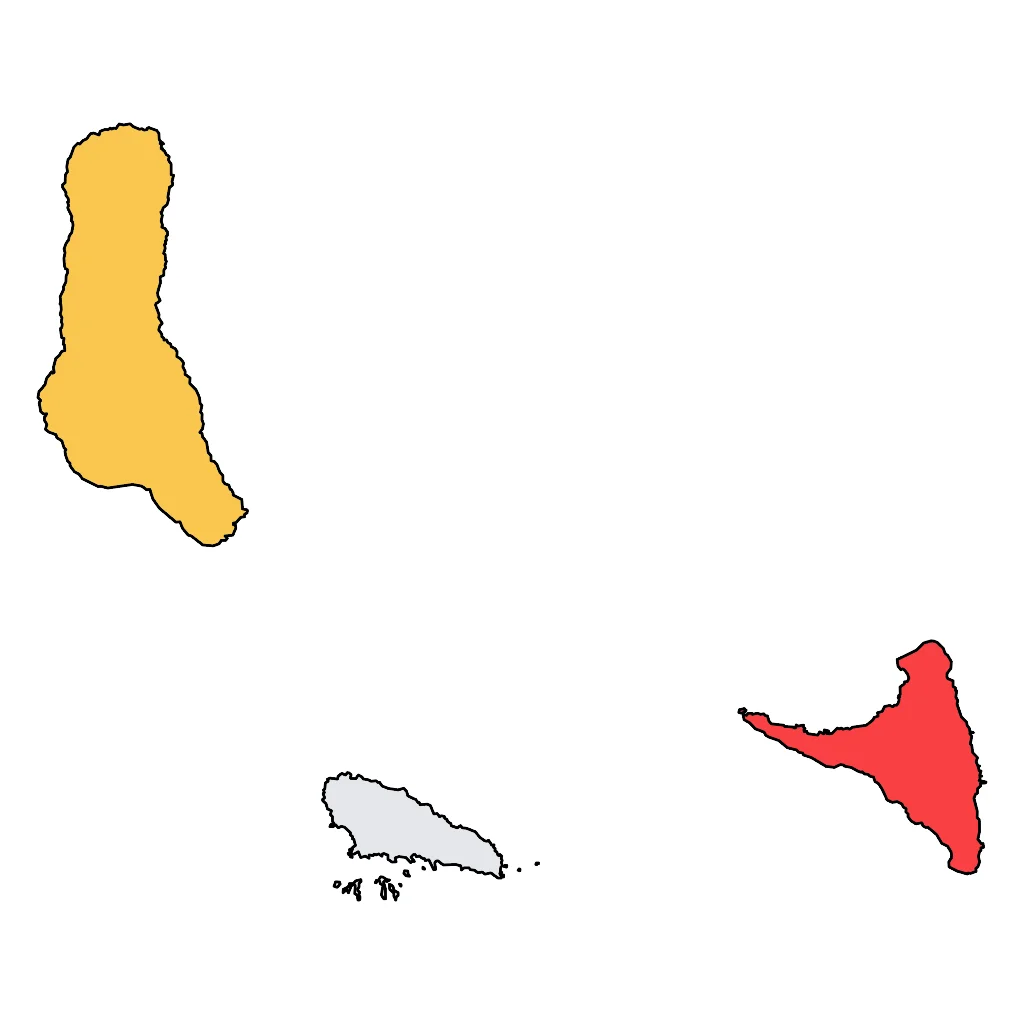
Grande Comore (Moroni, volcano)
Volcanic landscapes meeting white sand beaches 🌋
Grande Comore (Ngazidja) serves as the primary gateway to the nation and offers the most diverse range of activities for travelling families. Dominated by the massive Mount Karthala, an active volcano with one of the world's largest craters, the island presents a striking contrast of dark solidified lava flows and brilliant white sand beaches. While hiking to the volcano's rim is a strenuous full-day trek best suited for fit teenagers, the lower slopes offer easier walks through forests where you can spot lemurs and rare birds.
The capital city, Moroni, is a gentle introduction to Comorian culture. Families can walk around the port to see the iconic Ancienne Mosquée de Vendredi (Old Friday Mosque) made of coral stone, and watch traditional wooden dhows bobbing in the harbor. The Volo Volo Market is a colorful, sensory-rich experience where kids can see piles of tropical fruits, spices, and colorful fabrics. It is a great place to buy vanilla or locally woven baskets. Just north of the capital, Lac Salé is a saltwater crater lake adjacent to the ocean. Legend says it is bottomless, but for visitors, it is simply a stunning natural wonder surrounded by walks that offer great ocean views.
Beach time is essential here. Mitsamiouli in the north offers some of the most family-friendly beaches with fine white sand and shallow waters perfect for swimming. Chomoni Beach on the east coast is famous for its dramatic black lava rocks contrasting with white sand, providing fun rock pools for children to explore at low tide. Cultural events are frequent, particularly the "Grand Marriage" ceremonies which involve public festivities; if you encounter one, it is a colorful spectacle of traditional dress and community joy.
Practical Information for Families: Grande Comore has the best infrastructure in the country, with several hotels offering air conditioning and international cuisine. Renting a car is possible, but hiring a driver is recommended as roads can be potholed and unlit at night. Malaria is present, so families should use mosquito nets and repellent diligently. Bottled water is essential. The pace of life is slow "mora mora"—so patience is key when ordering food or waiting for transport.
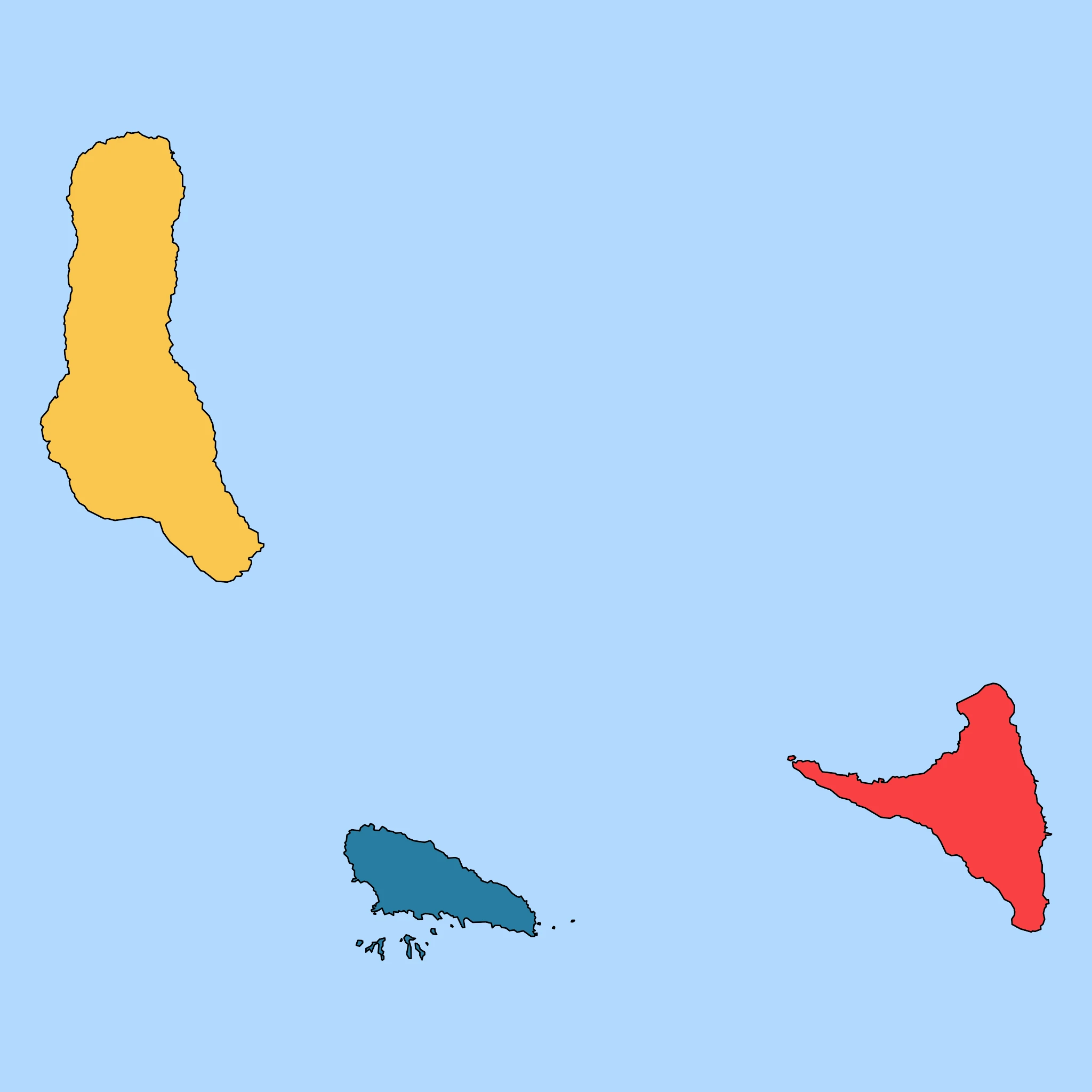
Click a region to explore

Activities & Best Times

Hiking, wildlife, outdoor exploration, ecotourism
Mount Karthala offers a world-class volcanic trekking experience with one of the world's largest active calderas and unique endemic biodiversity. The dry season (Jul-Sep) is essential for safe hiking and clear views, while the heavy monsoon rains from December to April make the volcano's slopes dangerous and muddy.
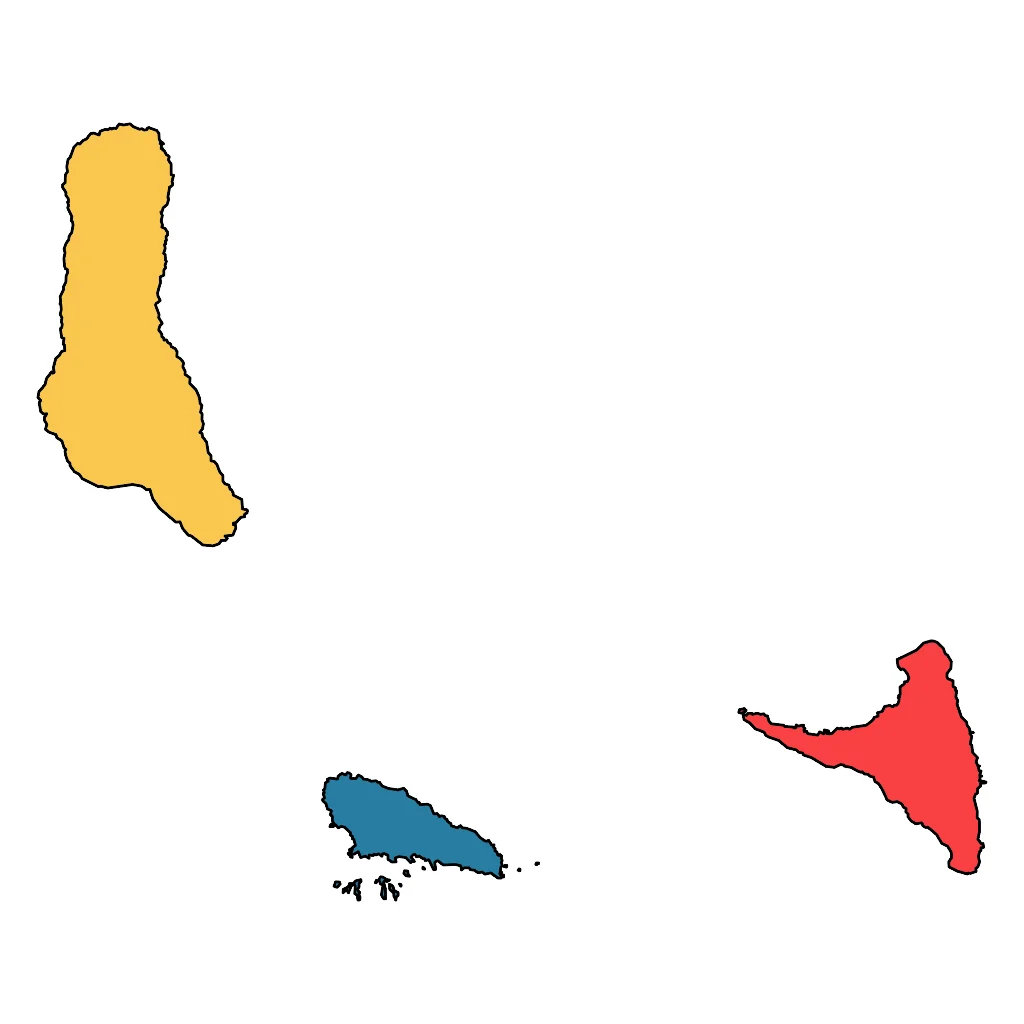
Beach resorts, marine activities: diving, snorkelling, kite surfing, wind surfing, sailing
The island features stunning, uncrowded white-sand beaches like Trou du Prophète and pristine coral reefs that offer an authentic alternative to mass-market resorts. Peak months align with the lowest rainfall and best sea visibility, whereas the high precipitation and humidity of the wet season (Dec-Apr) degrade the beach experience.
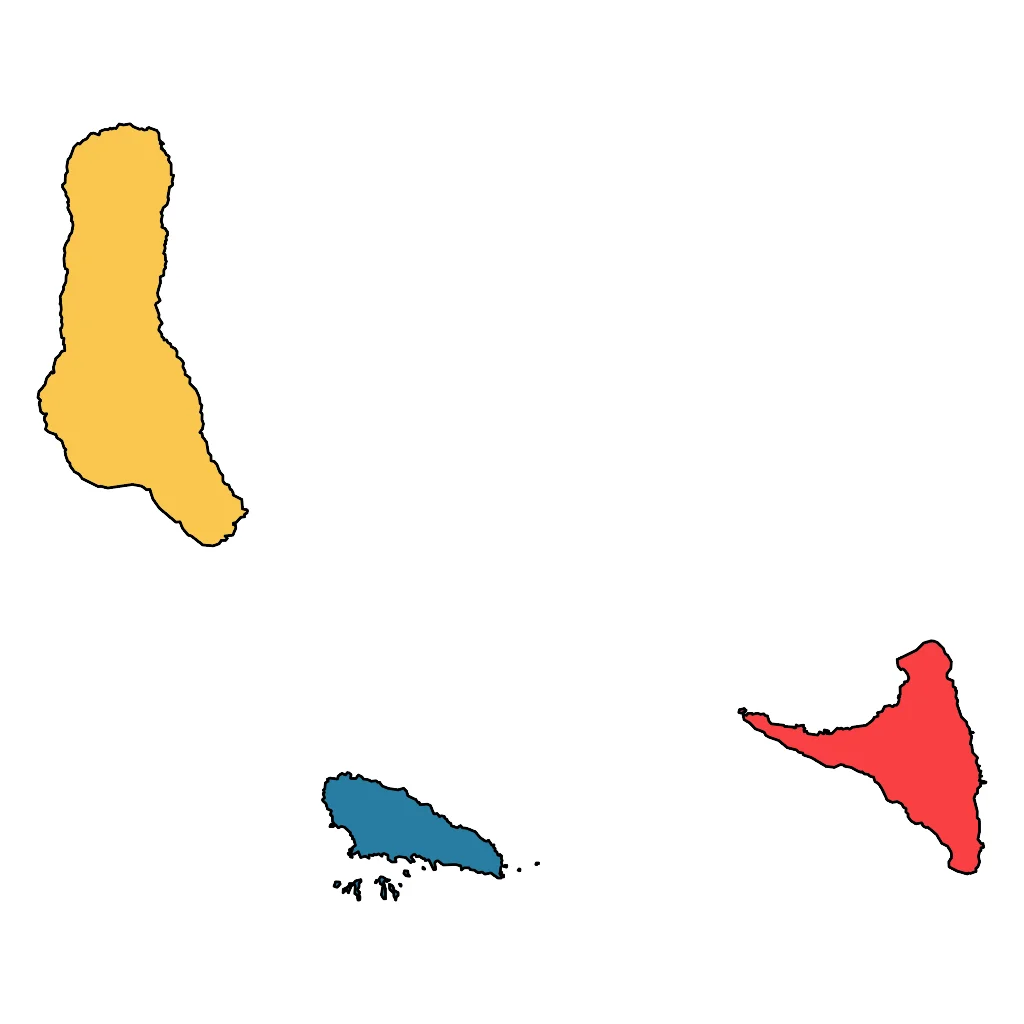

Urban tourism, museums, historical sites, architecture
Moroni provides a genuine Swahili cultural experience through its historic Arab medina, traditional carved doors, and the ancient Friday Mosque. The cooler, drier winter months (Jul-Sep) are ideal for navigating the narrow alleys of the Old Town without the oppressive heat and humidity found during the monsoon.

Learning experiences, scientific sites, historical education
The region serves as a significant site for volcanology and marine biology (notably the Coelacanth), though formal educational infrastructure is limited. Best explored during the dry season when geological sites and historic ruins are most accessible and guided tours are more reliable.

Scenic drives, countryside tours, route-based travel
A drive around the island offers dramatic contrasts between black lava fields and turquoise coastlines, appealing to those who value raw, scenic exploration. Peak months provide the best road safety and visibility; however, the lack of high-end rental infrastructure and poor road conditions during heavy rains limit its appeal for the average traveler.

Attractions (24 total)
Castle / Palace / Historic Site
Ancienne Mosquée du Vendredi
Moroni
A striking 15th-century mosque by the harbor, featuring a iconic white minaret and classic Swahili-Arabic architecture.
Iconi Historic Site
Iconi
The former capital of the Bambao Sultanate, home to a 16th-century mosque and historic cliffs with significant cultural legends.
The Medina of Moroni
Moroni
A historic labyrinth of narrow alleys and ancient stone buildings known for their beautifully carved traditional wooden doors.
Road Trips & Scenic Drives
Grande Comore Northern Loop (RN1)
Moroni
Approximately 100km paved coastal loop (6-8 hours) encircling the northern half of Ngazidja. The route follows the RN1 highway through the fishing hub of Mitsamiouli, the volcanic formations of Dos du Dragon (Dragon's Back), the turquoise Lac Salé (Salt Lake) crater, and the secluded Trou du Prophète bay. The road is paved but frequently potholed, requiring cautious driving.
Visit website →Iconi and the South Coast Road
Moroni
15km paved coastal drive (half-day with stops) heading south from the capital to the historic town of Iconi. Highlights include the 15th-century Kavhiridjewo Palace ruins, the sheer Iconi Cliffs where legendary local women once leapt to escape pirates, and stark black lava flows that meet the turquoise sea. The route provides an intimate look at Comorian history and traditional Swahili architecture.
Visit website →Diboini Plateau Scenic Drive
Moroni
35km paved mountain crossing (2-3 hours) connecting the west and east coasts over the central volcanic highlands. This route offers panoramic views of the 'Seven Cones'—a series of extinct volcanic craters—and traverses dramatic lava fields from past eruptions of Mount Karthala. The road reaches high vantage points overlooking the coastal plains and dense tropical forests.
Visit website →Historic Town / Village / Cultural Area
Moroni Medina
Moroni
The historic heart of the capital city features a labyrinth of narrow alleys, carved wooden doors, and the iconic 15th-century Old Friday Mosque.
Itsandra Fortress and Royal Tombs
Itsandra
The historic seat of the sultanate contains the ruins of an ancient stone fortress and royal tombs overlooking a picturesque fishing bay.
Iconi Village
Iconi
The island's former capital offers a step back in time with its ancient mosque, ruins of a 16th-century sultan's palace, and dramatic volcanic cliffs.
Landmark / Monument / Iconic Urban Attraction
Mount Karthala
Moroni
One of the world's largest active shield volcanoes, this massive peak offers adventurous families a challenging trek to its impressive, lunar-like crater.
Lac Salé
Bangoua Kouni
A striking circular volcanic crater filled with deep saltwater, this legendary lake is surrounded by steep cliffs and offers panoramic views of the coast.
Medina of Moroni
Moroni
The historic heart of the city consists of a labyrinth of narrow alleys, ancient coral-stone buildings, and beautifully carved wooden doors.
Hiking & Cycling Routes
Mount Karthala Summit Trail (Mvouni Route)
Mvouni
18km challenging day hike, typically 8-10 hours, with approximately 2,200m elevation gain. This is the primary route to the summit of the active Karthala volcano. The trail passes through dense rainforest, giant heather zones, and ends at the massive volcanic caldera. Guided tours are highly recommended due to complex terrain. Equipment rental and guides: Karthala Eco-Tours (karthala-ecotours.com).
Visit website →Lac Salé and Bangoua Kouni Coastal Trail
Mitsamiouli
4.5km moderate loop, 1.5-2 hours, 60m elevation gain. This scenic trail circles the emerald-green saltwater crater lake and traverses the dramatic black basalt cliffs of the northern coast. The route provides access to the 'Trou du Prophète' and offers views of the turquoise Indian Ocean against volcanic rock formations.
Visit website →Mount Karthala Northern Traverse (Bahani Route)
Bahani
22km expert multi-day trek, usually 2 days, with 2,400m total elevation gain. This northern approach is longer and more gradual than the Mvouni route, often used as an ascent for those wishing to camp overnight on the mountain. It features diverse ecosystems and spectacular views of the island's northern peninsula. Guided services available via local operators in Moroni.
Visit website →Art Gallery / Fine Art Museum
National Museum of the Comoros
Moroni
This museum showcases the islands' artistic heritage through traditional wood carvings, textiles, and historical artifacts in a family-friendly setting.
Science Museum / Natural History Museum / Discovery Centre
National Museum of the Comoros (CNDRS)
Moroni
A cultural and scientific hub featuring exhibits on the rare coelacanth fish, volcanic geology, and the natural heritage of the archipelago.
Beach / Coastal Recreation Area
Trou du Prophète
Mitsamiouli
A secluded and legendary coastal lagoon featuring calm turquoise waters and white sand, ideal for family swimming and snorkeling.
Bouni Beach
Bouni
One of the island's most expansive white sand beaches, providing a pristine and tranquil environment for coastal relaxation.
Lac Salé (Salt Lake)
Bangoua Kouni
A deep, circular saltwater crater lake located on the coast, offering dramatic views and unique geological scenery for visitors.
Chomoni Beach
Chomoni
A picturesque beach famous for the stark visual contrast between its bright white sands and dark volcanic basalt rock formations.
Farm Park / Petting Zoo / Rural Experience
Distillerie d'Ylang-Ylang de Hansambou
Hansambou
A traditional essential oil distillery near Moroni where visitors watch the steam distillation of yellow ylang-ylang flowers into perfume extracts.
Coopérative Agricole de Mbeni
Mbeni
An educational agricultural cooperative where families can learn about vanilla and ylang-ylang cultivation and observe local tortoises and lemurs in garden enclosures.
Natural Feature / Scenic Site
Dos du Dragon
Ivembéni
A series of iconic volcanic rock ridges protruding from the grassy hillside into the sea, resembling the scales on a dragon's back.