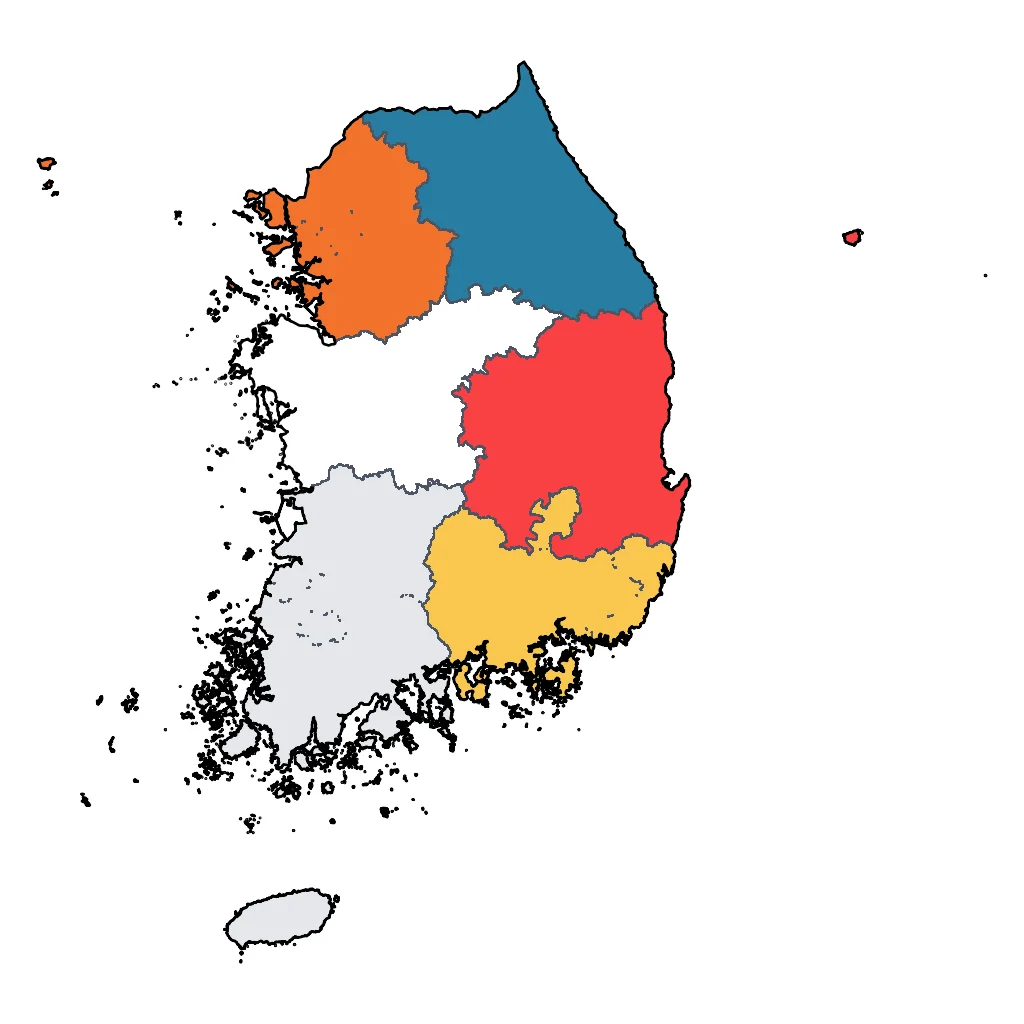

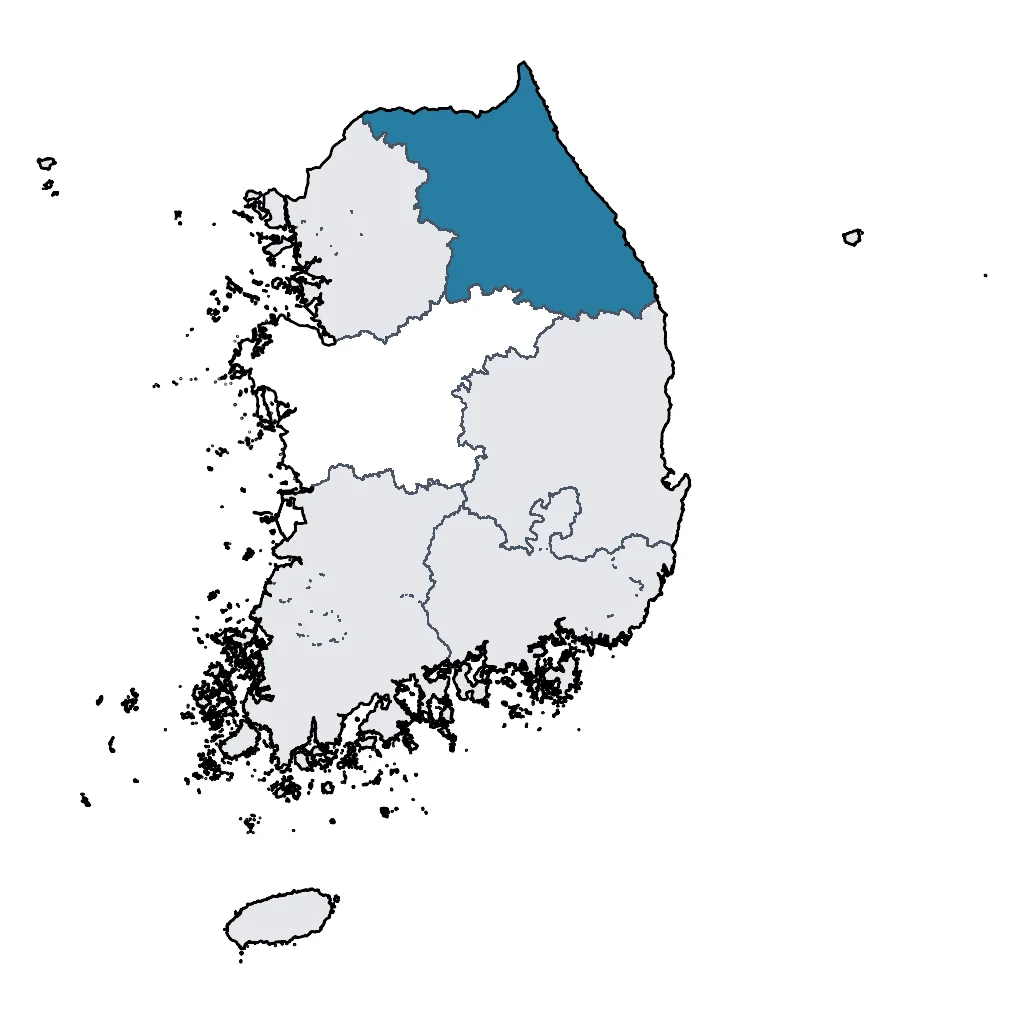
Gangwon Province is the outdoor playground of South Korea, heavily mountainous and bordering the East Sea. It is the country's snowiest region, making it the centre for winter sports, yet it remains a popular destination year-round for its national parks and clean coastal air. The pace here is significantly slower and quieter than Seoul, focusing on nature and relaxation.
In winter, the area around Pyeongchang—host of the 2018 Winter Olympics—comes alive. Resorts like Alpensia and Yongpyong are specifically designed with families in mind, offering ski schools with English-speaking instructors, gentle beginner slopes, and dedicated sledding hills for younger children. The facilities often include indoor water parks, providing a warm alternative after a morning in the snow.
During the warmer months, Seoraksan National Park is the primary draw. While serious hikers scale the jagged peaks, families can utilize the Seoraksan Cable Car to reach the Gwongeumseong Fortress ruins. This allows children to experience high-altitude views of the distinct rock formations and the East Sea without an exhausting trek. Near the coast, the Gangchon Rail Park allows families to pedal 4-seater rail bikes along retired train tracks that weave through tunnels and along riverbanks, a safe and active way to see the countryside.
Culturally, the region is famous for Nami Island, a half-moon-shaped river island accessible by a short ferry ride or a zipline tower. The island is pedestrian-only and features tree-lined paths, roaming ostriches, and ample space for children to run freely. Food in Gangwon is rustic and hearty; local specialties include dakgalbi (spicy stir-fried chicken) in Chuncheon and fresh tofu dishes in Gangneung. Travelers can reach major hubs like Gangneung via the KTX-Eum train, making the region accessible for weekend trips from the capital.
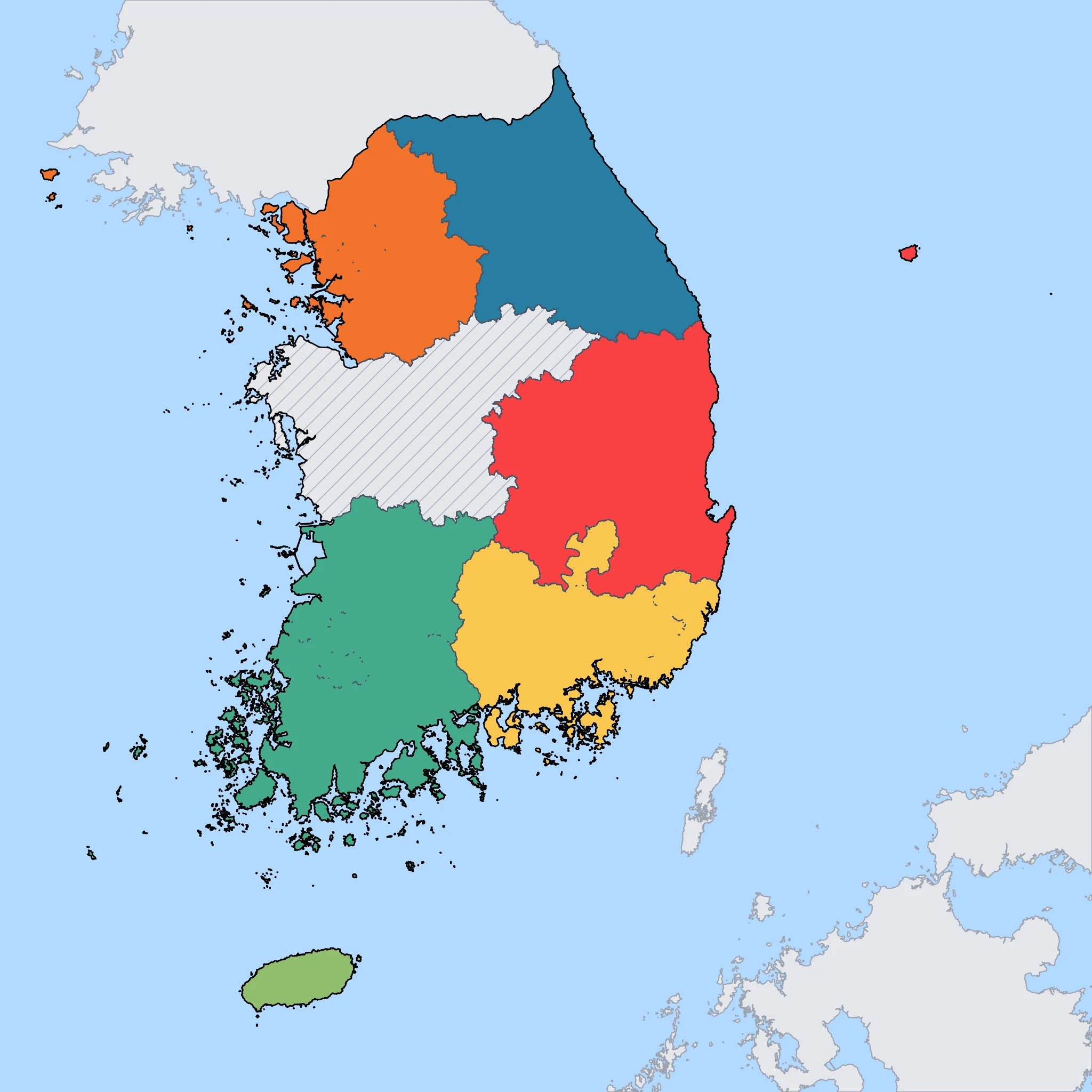
Click a region to explore

Activities & Best Times

Winter sports, ski resorts, snow activities
Home to the 2018 Winter Olympics, the region features world-class resorts like Yongpyong and Alpensia with sophisticated lift infrastructure and reliable snowmaking. Peak conditions occur in Jan-Feb with sub-zero temperatures ensuring crisp powder, while December and March offer viable but variable spring-skiing conditions.

Hiking, wildlife, outdoor exploration, ecotourism
The majestic Seoraksan National Park offers dramatic granite peaks and ancient forests that are world-renowned for autumn foliage and spring blooms. May and October provide the most stable, clear weather for trekking; however, the heavy monsoon rains in July and August (over 340mm) make many trails unsuitable.

Scenic drives, countryside tours, route-based travel
Stunning coastal drives along the East Sea and winding mountain passes provide high-quality asphalt and breathtaking vistas for experienced drivers. Peak months offer the best visibility and colorful landscapes, whereas winter ice and summer monsoon downpours significantly degrade the driving experience and safety.

Beach resorts, marine activities: diving, snorkelling, kite surfing, wind surfing, sailing
The 'Surfy Beach' in Yangyang offers a unique, high-quality surf culture and pristine sands rare in East Asia. Although July and August are rainy, they are the only months with air and water temperatures high enough for beach activities; the rest of the year is too cold for standard seaside recreation.

Urban tourism, museums, historical sites, architecture
Authentic Buddhist temple stays and the unique proximity to the DMZ offer deep cultural and historical immersion for sophisticated families. Comfortable temperatures in May and October are ideal for exploring outdoor heritage sites, while extreme winter cold and summer monsoons limit accessibility to these often remote locations.

Learning experiences, scientific sites, historical education
The Goseong Unification Observatory and various DMZ sites provide profound geopolitical education for older children and adults. Visiting is best during the clear shoulder seasons; heavy summer rain and winter snow can obscure views across the border and make the outdoor educational sites difficult to navigate.

Events, celebrations, seasonal attractions
Features authentic events like the Pyeongchang Trout Ice Festival and UNESCO-listed Gangneung Danoje. Peak months align with specific cultural celebrations and the dramatic autumn foliage season, offering unique experiences that appeal to well-traveled families seeking local tradition.
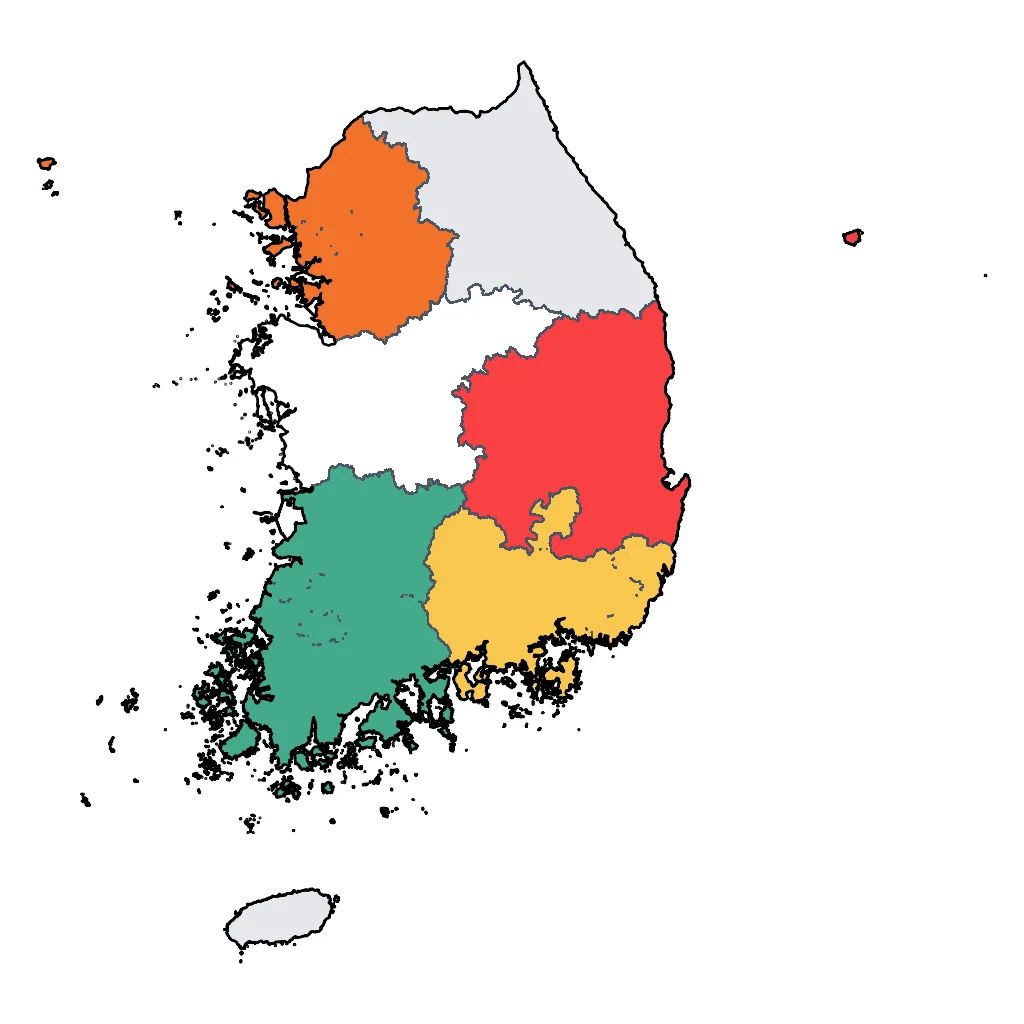

Spa retreats, wellness centers, peaceful getaways
The region is famous for natural alkaline hot springs and high-end mountain retreats offering authentic Korean wellness therapies. Winter is the peak season for soaking in outdoor onsen-style baths amidst the snow, while the high humidity of summer (over 65%) makes steam-based relaxation less appealing.
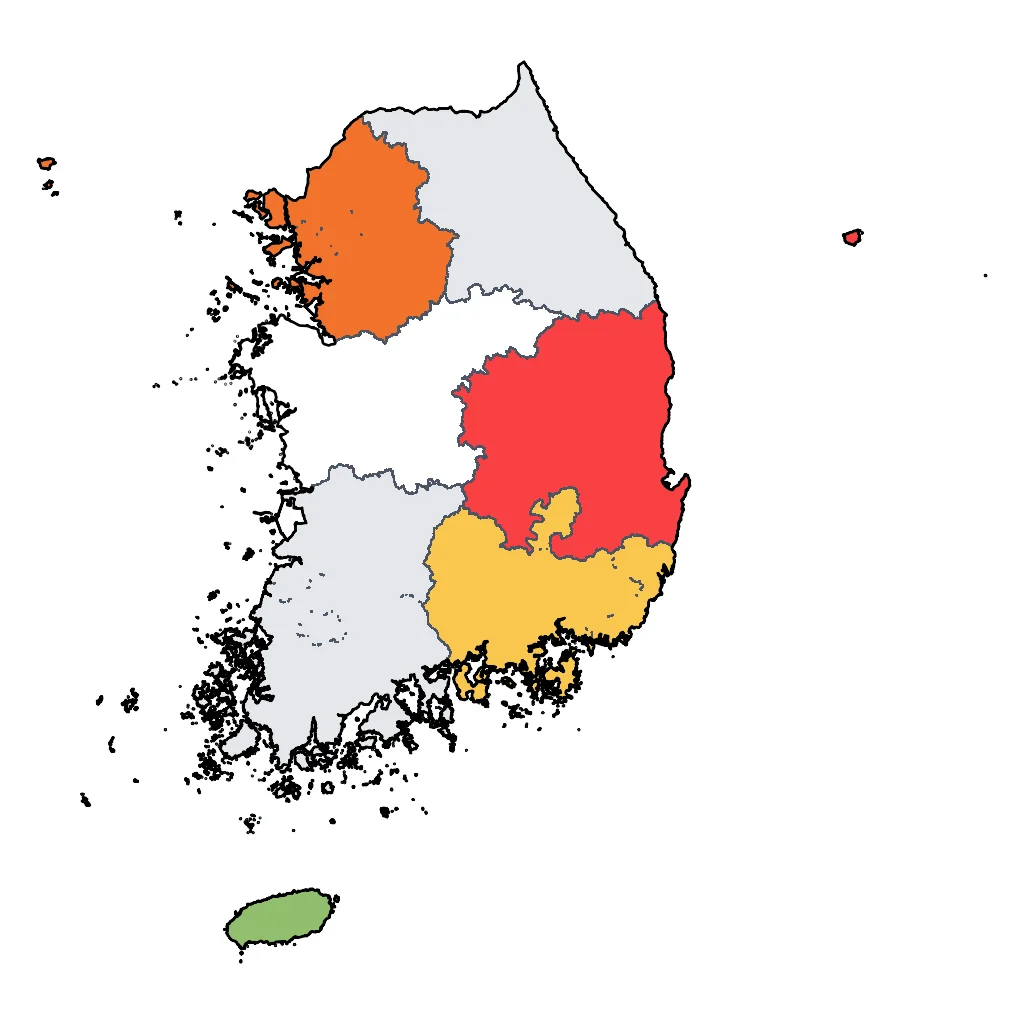

Sport tourism, fitness activities, active recreation
Excellent infrastructure for cycling and mountain biking complements the world-class hiking trails. Optimal weather for active pursuits occurs during the dry, temperate months of late spring and autumn, while the winter months are dedicated exclusively to snow sports.
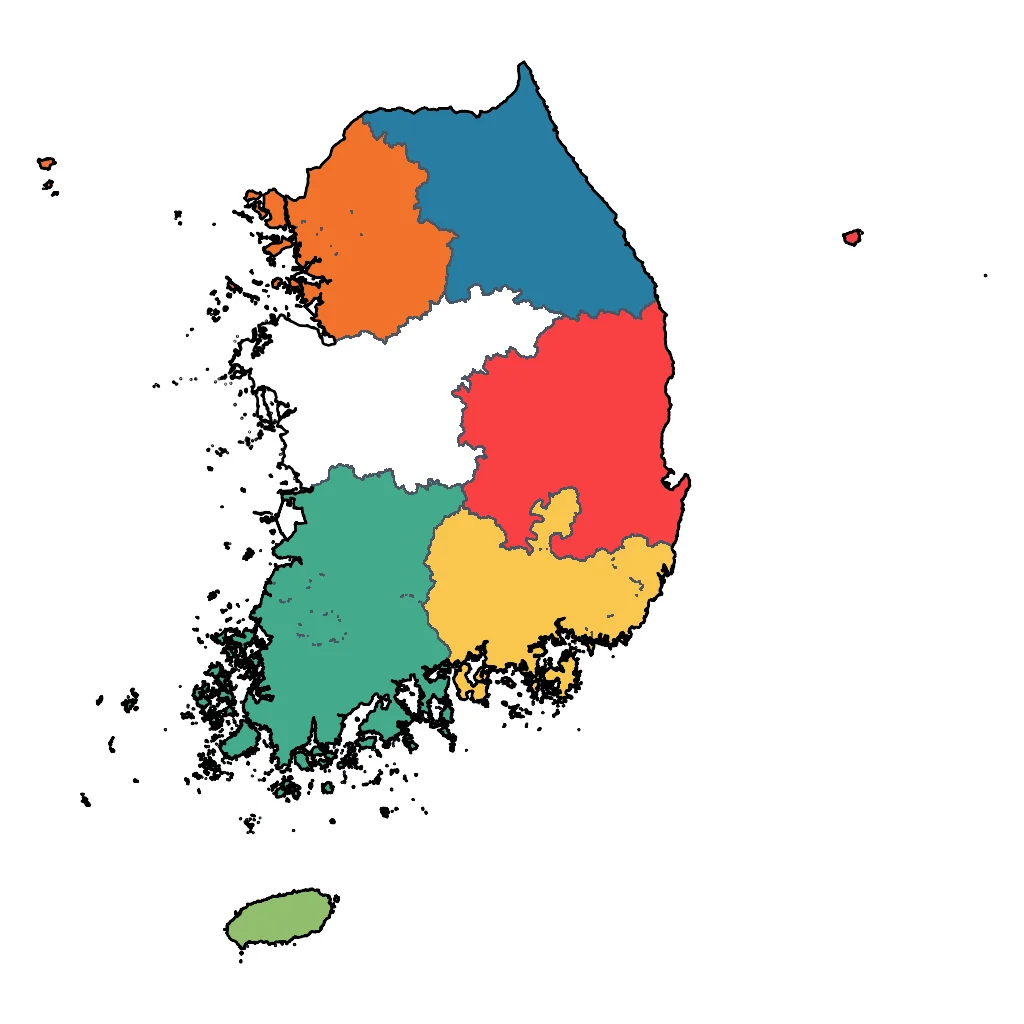

Amusement parks, family entertainment venues
Legoland Korea Resort in Chuncheon provides an internationally recognized family entertainment destination with modern facilities. The park is best enjoyed during the mild spring and autumn months; sub-zero winter temperatures lead to seasonal operational limits for outdoor attractions.