

South Korea stands out as an exceptionally manageable and engaging destination for families. Known for its safety, cleanliness, and efficient infrastructure, the country allows parents to navigate exotic cultural experiences with minimal stress. The juxtaposition of 600-year-old palaces against futuristic skyscrapers provides visual stimulation for all ages, while the distinct four seasons offer activities ranging from cherry blossom viewing in spring to skiing in Pyeongchang during winter.
Most family trips begin in Seoul, a sprawling metropolis that caters heavily to children. Families can watch the colourful Changing of the Guard ceremony at Gyeongbokgung Palace before exploring the traditional hanok houses of Bukchon Village. For active play, the city is famous for its high-quality "Kids Cafes"-indoor playgrounds that serve coffee to parents while children navigate elaborate jungle gyms. The Cheonggyecheon Stream provides a calm, sunken walking path through the city centre, perfect for strollers and dipping toes in the water during summer.
Beyond the capital, the southern port city of Busan offers sandy beaches like Haeundae and the brightly painted alleyways of the Gamcheon Culture Village. For a dedicated nature break, a short flight leads to Jeju Island, a volcanic UNESCO World Heritage site. Here, families can explore the Manjanggul Lava Tube, visit the Teddy Bear Museum, or pick tangerines at local farms. The pace on Jeju is slower, making it ideal for younger children who need a break from the urban rush.
Dining with children in South Korea is an adventure rather than a chore. While the cuisine is famous for spice, there are ample non-spicy options. Kids typically love bulgogi (sweet marinated beef), kimbap (seaweed rice rolls), and mandu (steamed dumplings). Street food stalls sell gyeran-ppang (egg bread) and sweet pancakes, which serve as excellent snacks on the go. Most restaurants are family-welcoming, often providing children’s cutlery and high chairs.
Practical considerations make travel here efficient. The subway systems in major cities are extensive, clean, and generally elevator-accessible. The high-speed KTX trains connect major cities in hours, offering a comfortable alternative to flying. Convenience stores are found on nearly every corner, stocked with snacks, drinks, and emergency supplies like diapers. Public restrooms are free, frequent, and well-maintained, often featuring family stalls.

Explore Regions
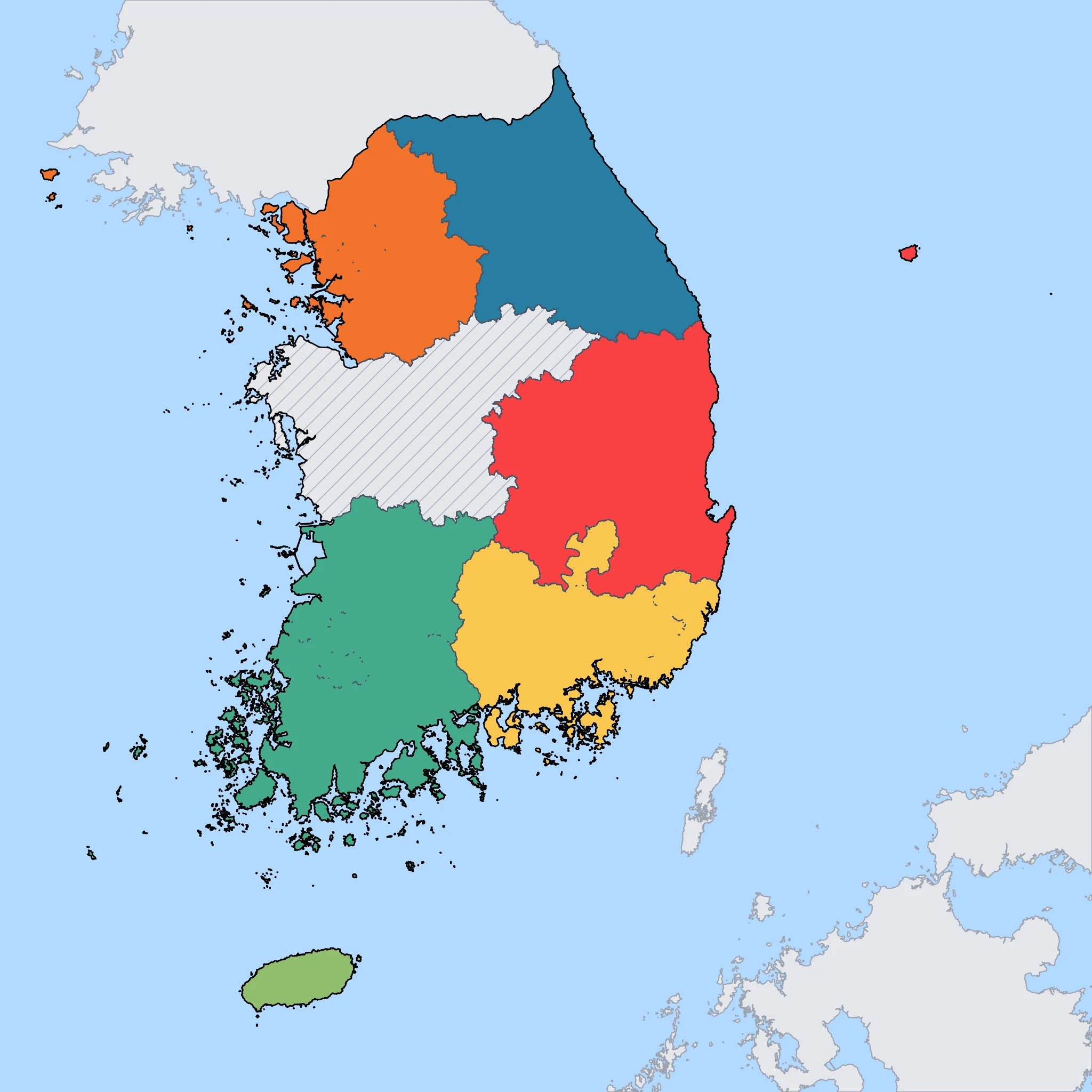
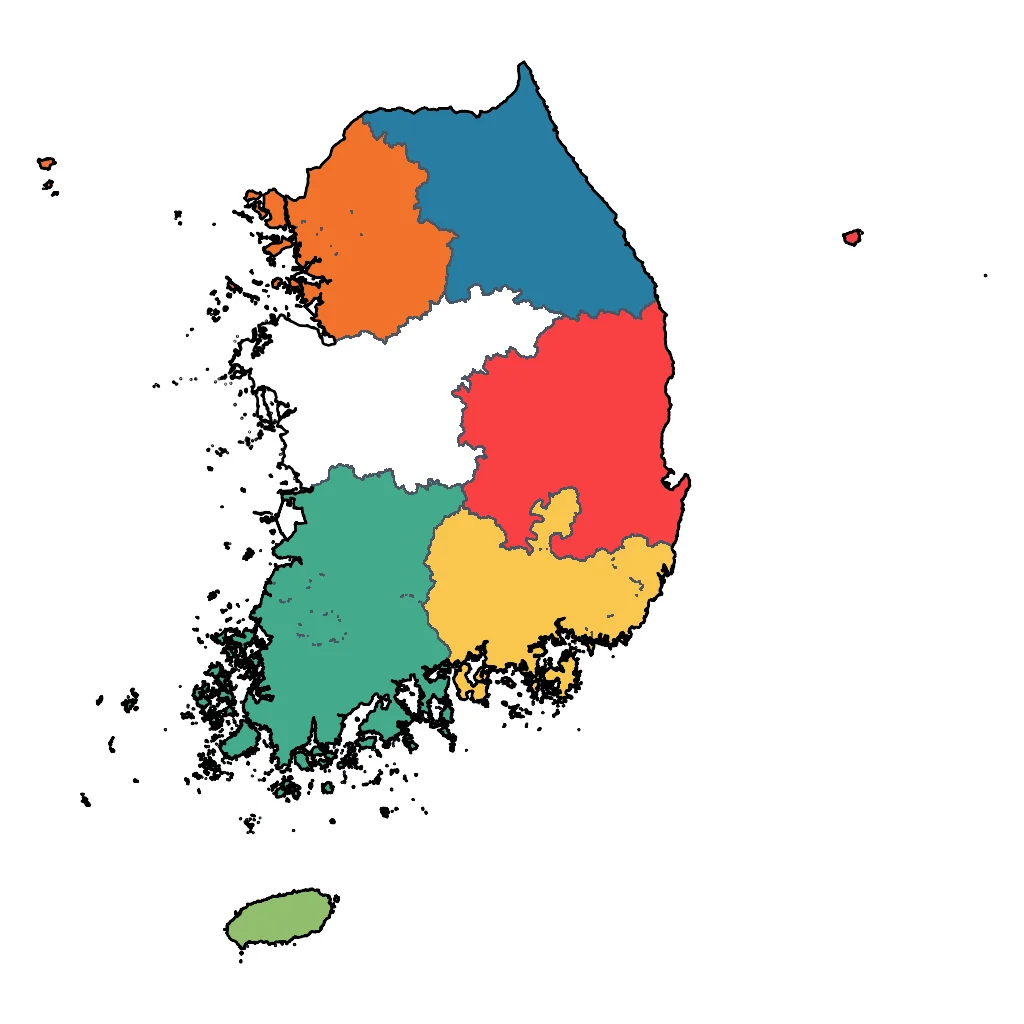
6 Regions
Busan & Southeast
🌊 Seaside temples and colourful cliffside trains
Gangwon (skiing, nature)
🎿 Snowy peaks and coastal rail bikes
Gyeongju (historic)
🚲 Cycle through the ancient Silla Kingdom
Jeju Island
🍊 Volcanic craters and emerald beaches
Jeonju & Southwest
🍚 Hanok stays and bamboo forests
Seoul & Gyeonggi
🏯 Royal palaces and high-tech fun
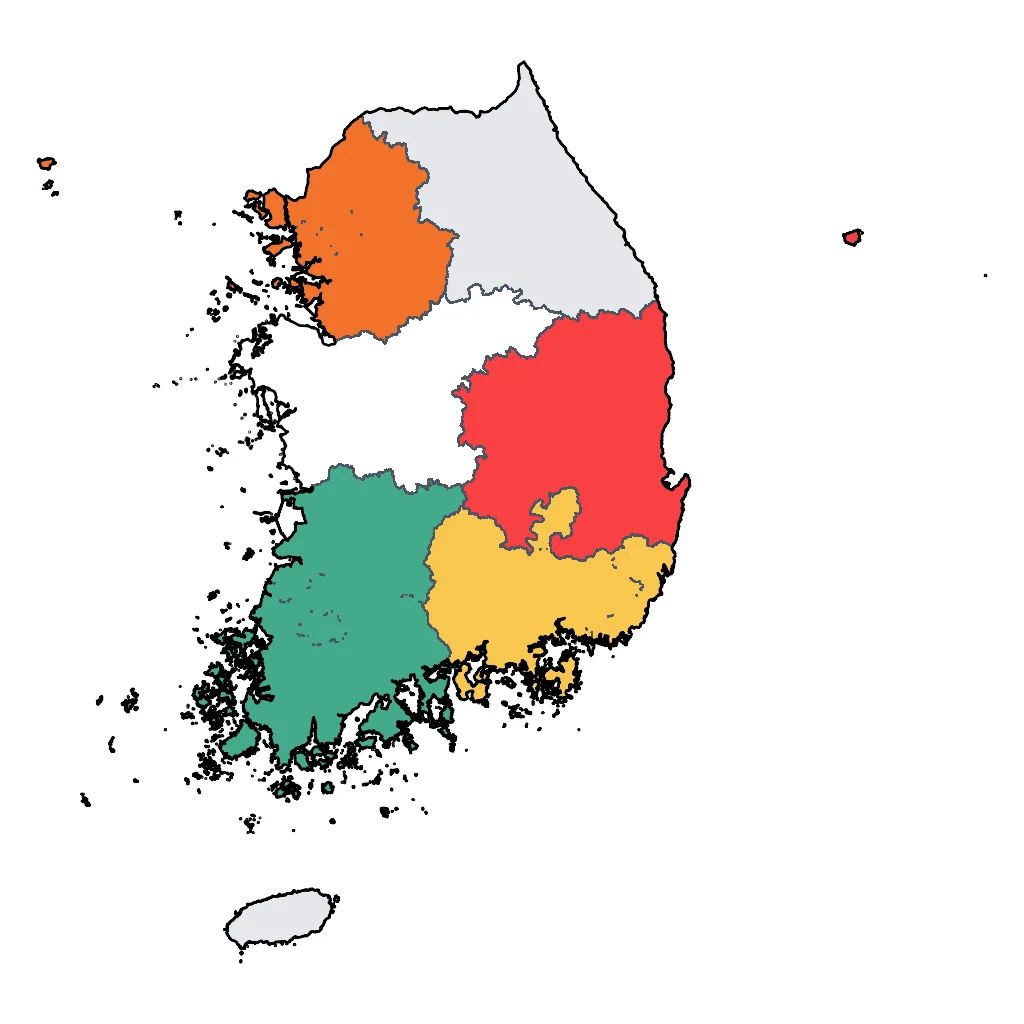
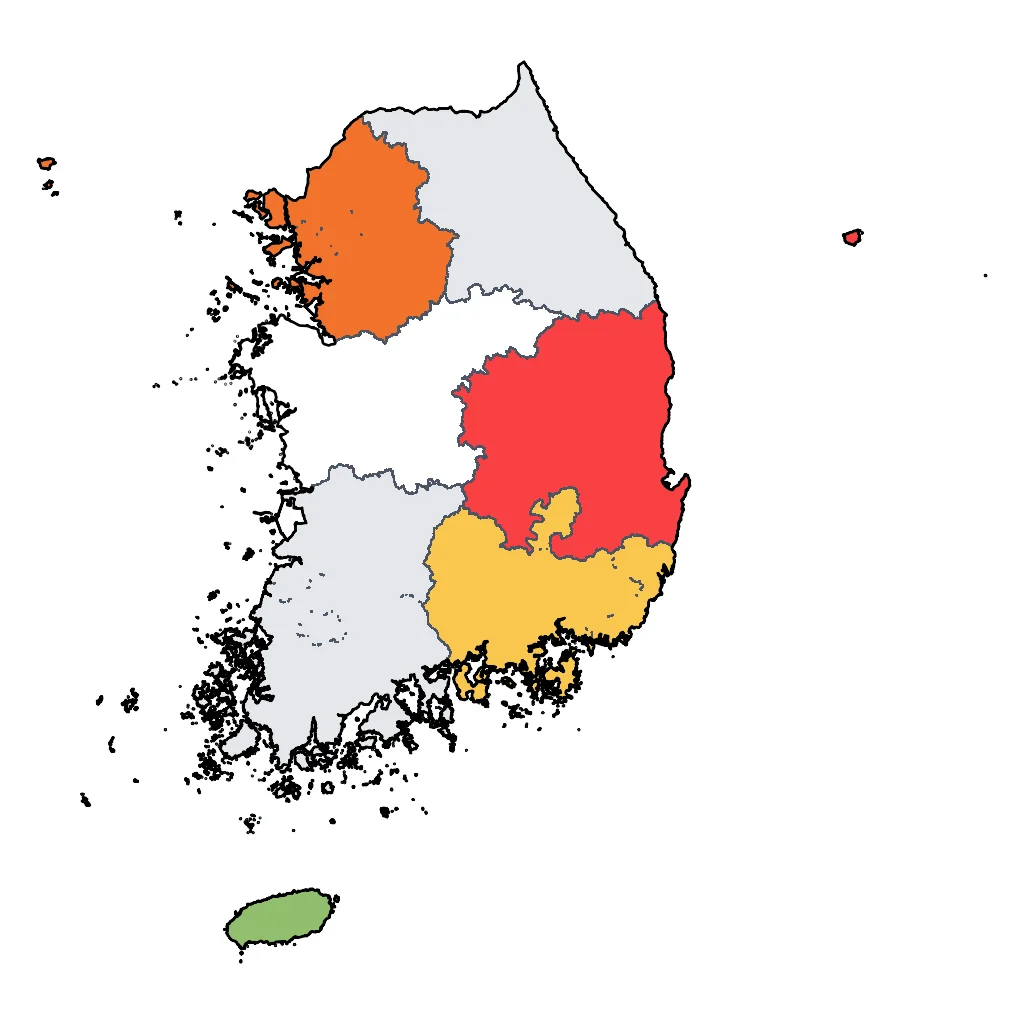
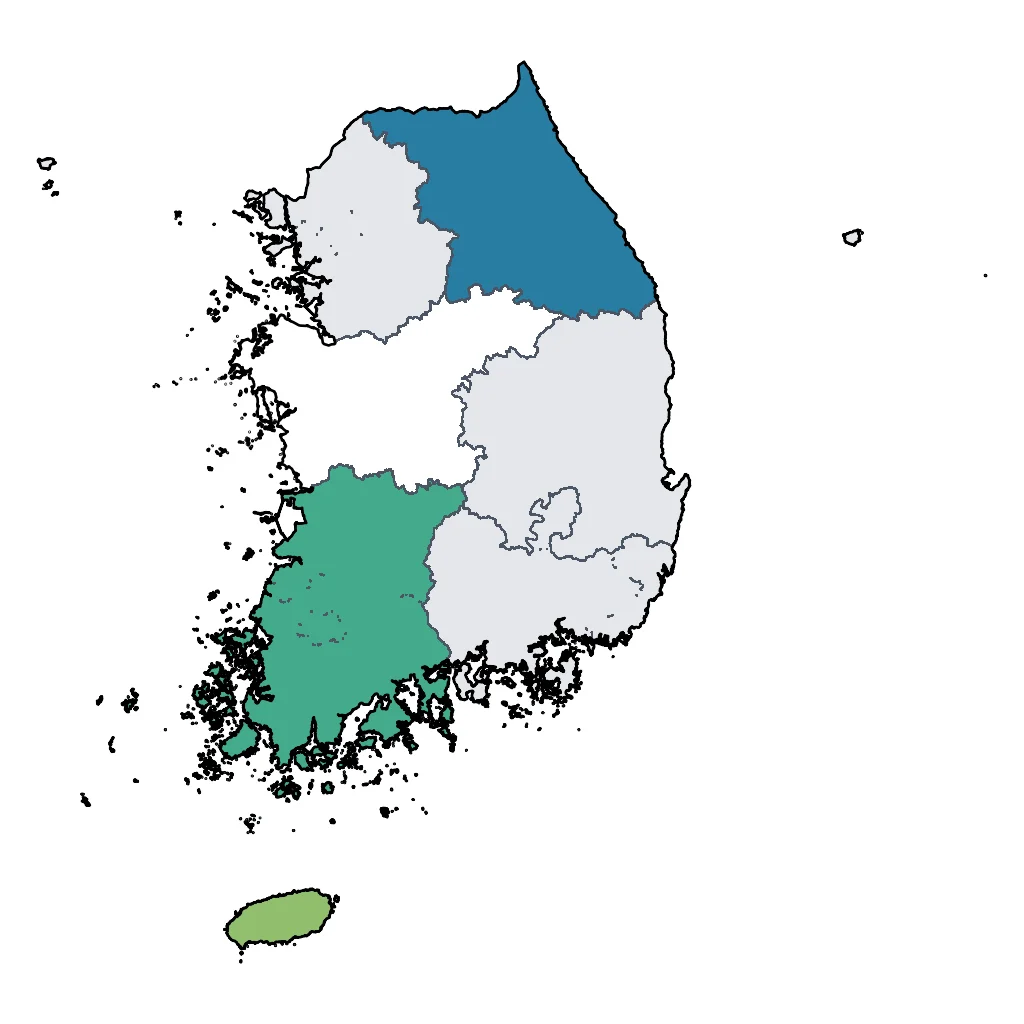
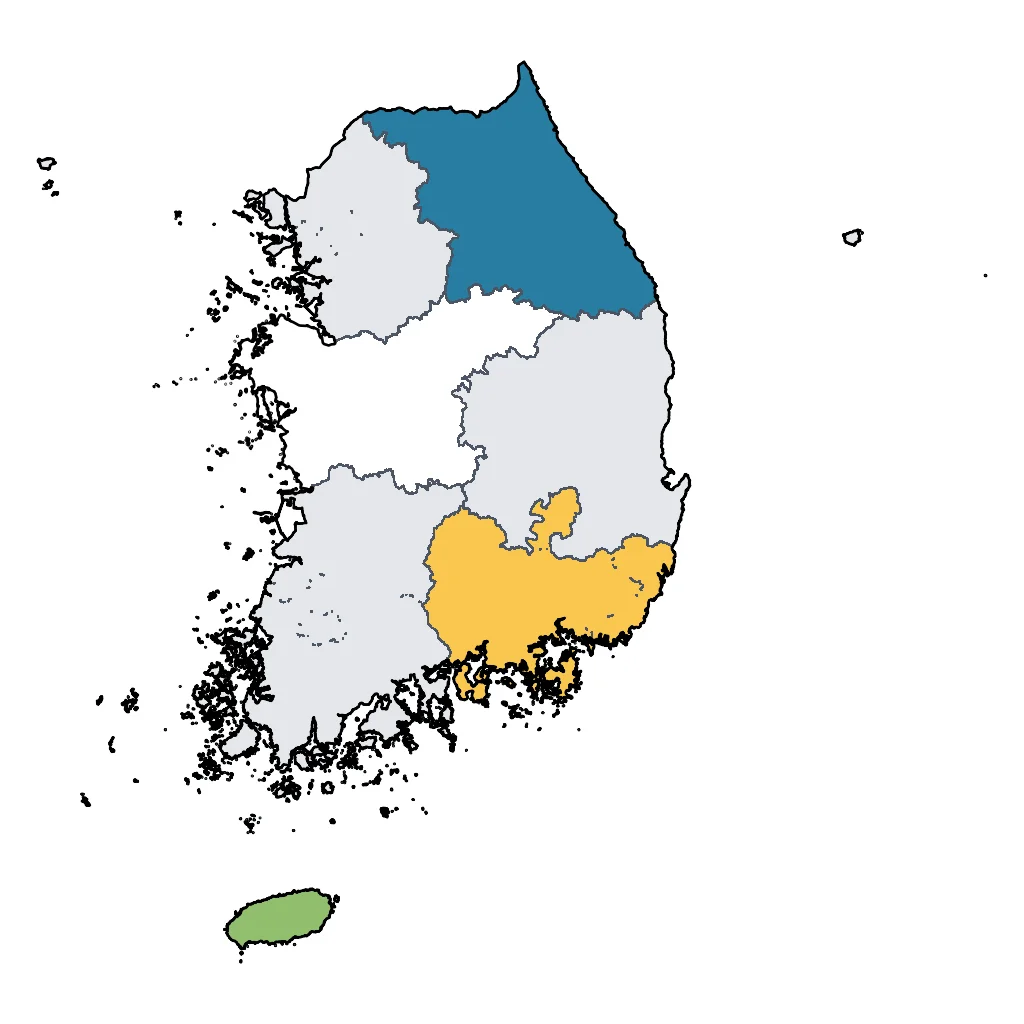
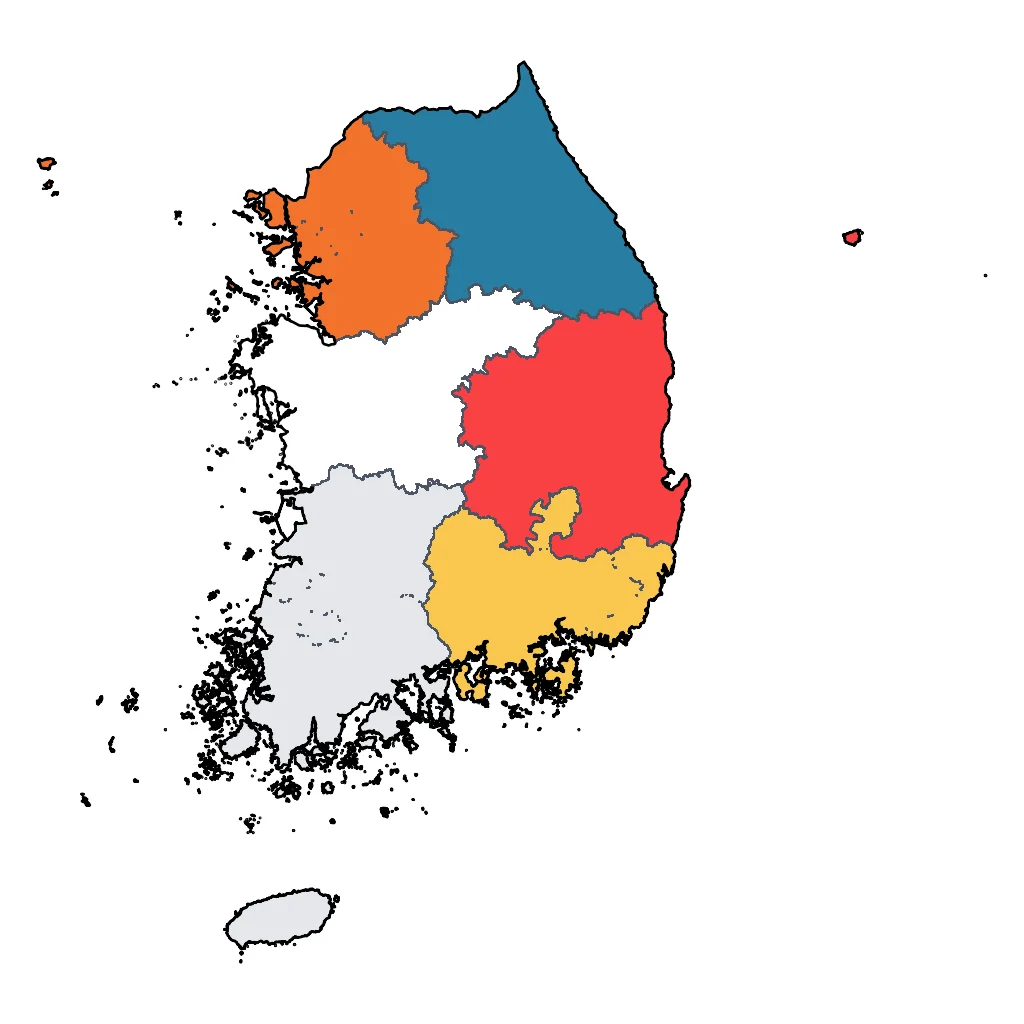
Click on a region marker to explore details. Use the dropdown to color regions by activity suitability.

Activities & Best Times

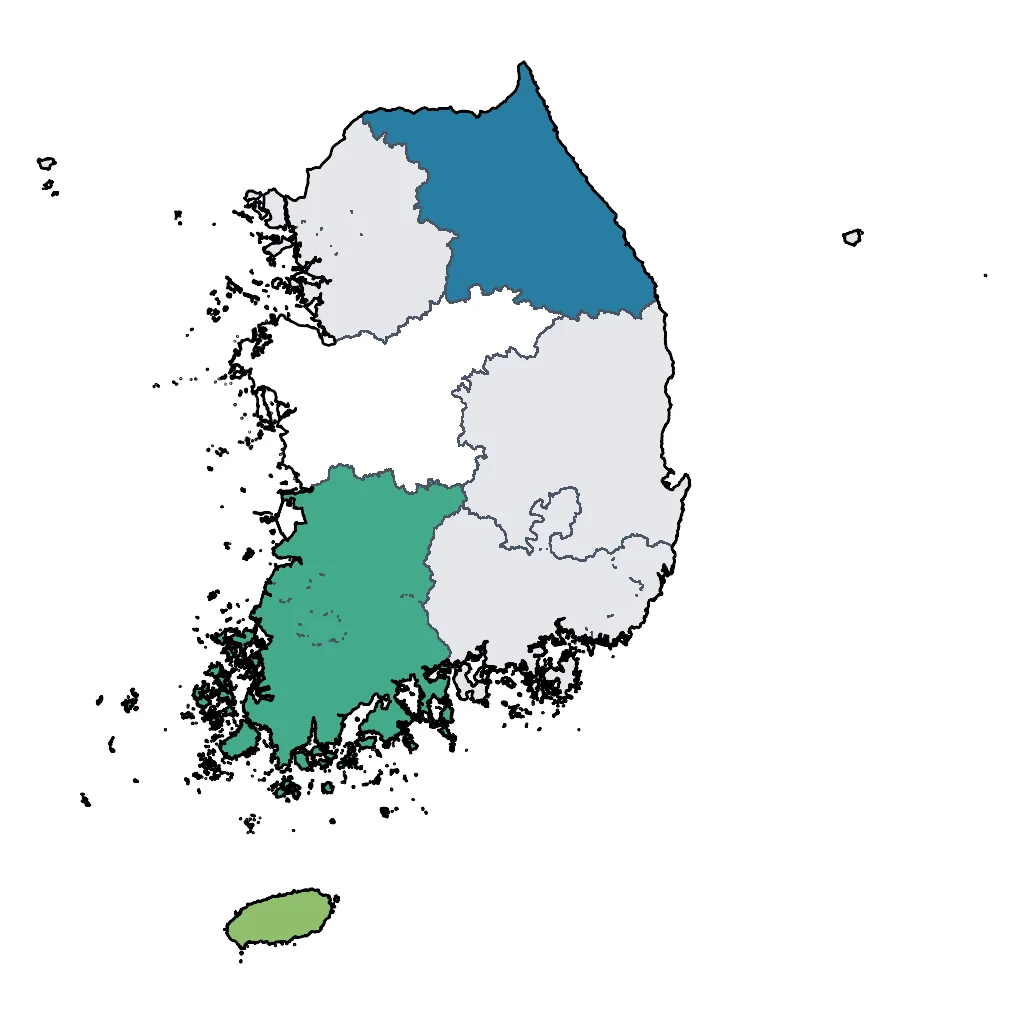
Adventure & Nature
ExcellentHiking, wildlife, outdoor exploration, ecotourism
A UNESCO Triple Crown site featuring the Hallasan shield volcano, extensive lava tube systems, and unique volcanic oreums. October offers the ideal balance of mild temperatures and clearer skies for trekking; summer months are avoided due to extreme monsoon rainfall and humidity.
The majestic Seoraksan National Park offers dramatic granite peaks and ancient forests that are world-renowned for autumn foliage and spring blooms. May and October provide the most stable, clear weather for trekking; however, the heavy monsoon rains in July and August (over 340mm) make many trails unsuitable.
Features the unique Suncheon Bay Wetlands and Jirisan National Park, offering sophisticated families pristine ecosystems and high-quality hiking. Spring and autumn provide the best trail conditions and visibility; the summer monsoon (Jul-Aug) and sub-zero winter temperatures create unfavorable conditions for exploration.

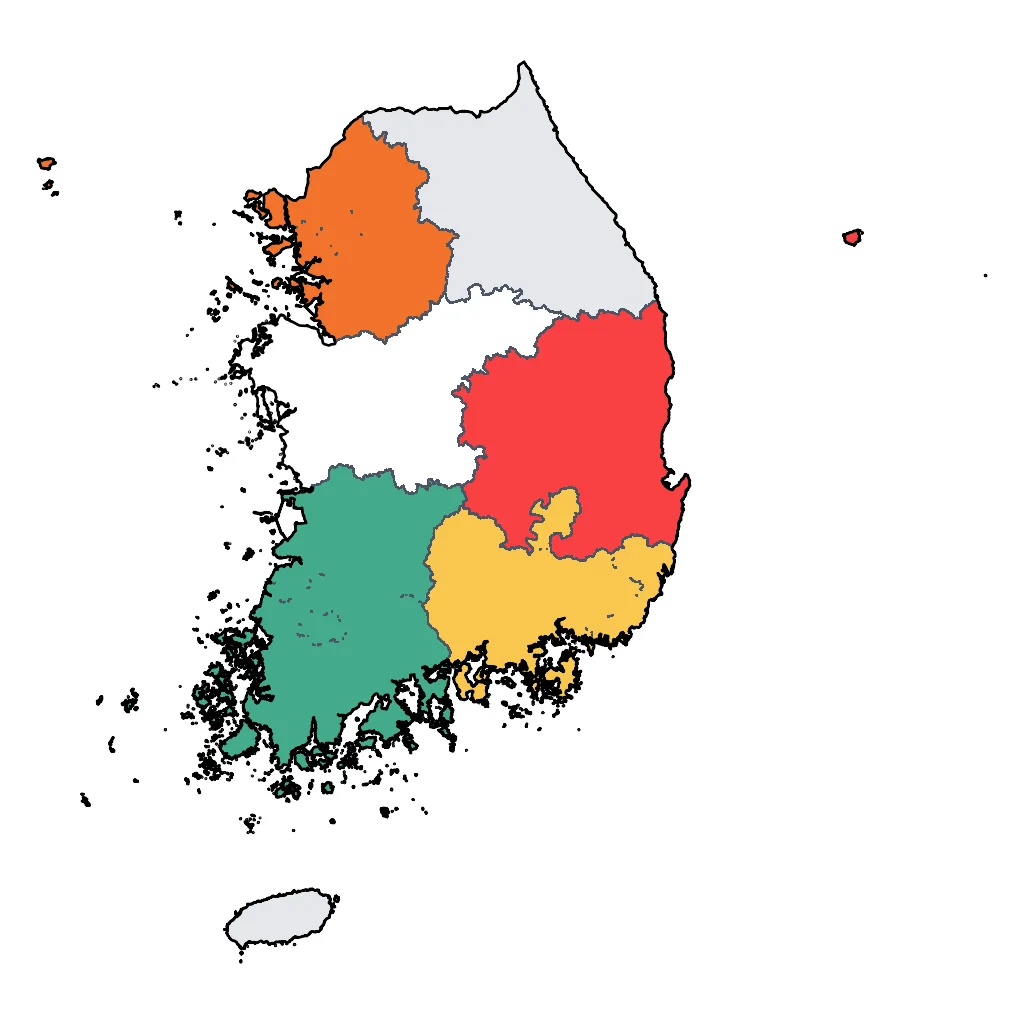
City & Cultural
ExcellentUrban tourism, museums, historical sites, architecture
As the 'museum without walls,' Gyeongju offers a world-class concentration of UNESCO-listed Silla heritage comparable to Kyoto. October provides the ideal climate (15.1°C, low rainfall) for exploring burial mounds and temples, while the summer monsoon (Jul-Aug) and freezing winter months (Dec-Feb) significantly detract from the outdoor experience.
A world-class destination where five Joseon-era palaces and ultra-modern districts like Gangnam offer a unique blend of imperial history and futuristic urbanism. Peak months (May, Oct) offer ideal temps and low rain for palace walking tours; summer monsoon and winter extremes are less suitable for exploration.
Busan provides a unique maritime urban identity with sites like the colorful Gamcheon Culture Village and the rare seaside Haedong Yonggungsa Temple. Peak months offer dry, mild weather perfect for navigating steep coastal alleys, while the summer monsoon and winter chills make outdoor cultural exploration uncomfortable.

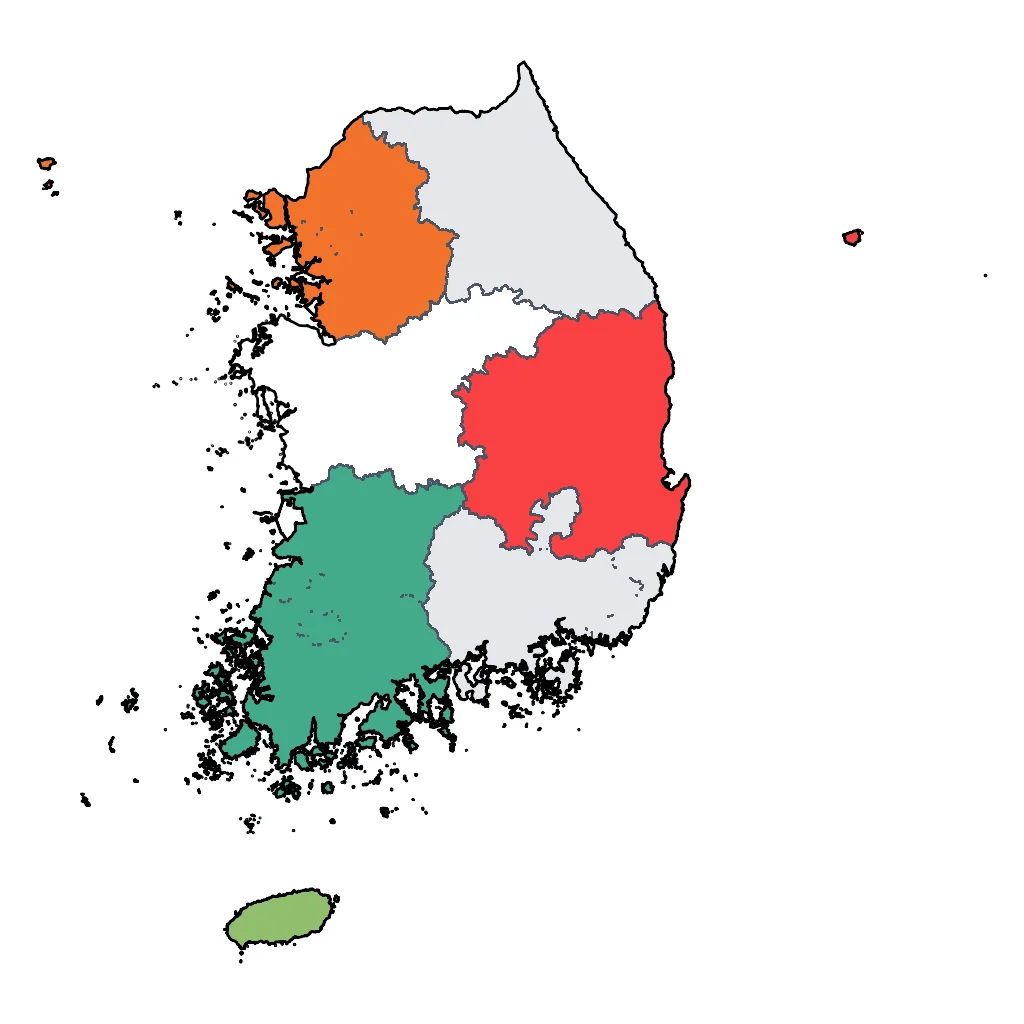
Educational & Exploratory
ExcellentLearning experiences, scientific sites, historical education
Exceptional archaeological wealth, including the Gyeongju National Museum and active excavation sites, provides a profound learning environment for families. Peak periods in spring and autumn offer the most comfortable temperatures for guided tours of the Bulguksa temple and Seokguram Grotto.
Features unique educational opportunities including the DMZ (border with North Korea), high-tech corporate innovation centers, and the National Museum of Korea. Best visited in spring and autumn when outdoor historical sites are accessible; extreme winter cold and summer humidity make focused learning tours challenging.
Highly authentic educational opportunities regarding the UNESCO-recognized Haenyeo (female divers) culture and volcanic geology. Peak months allow for comfortable outdoor exploration of heritage sites; shoulder seasons offer lower crowds with manageable weather.

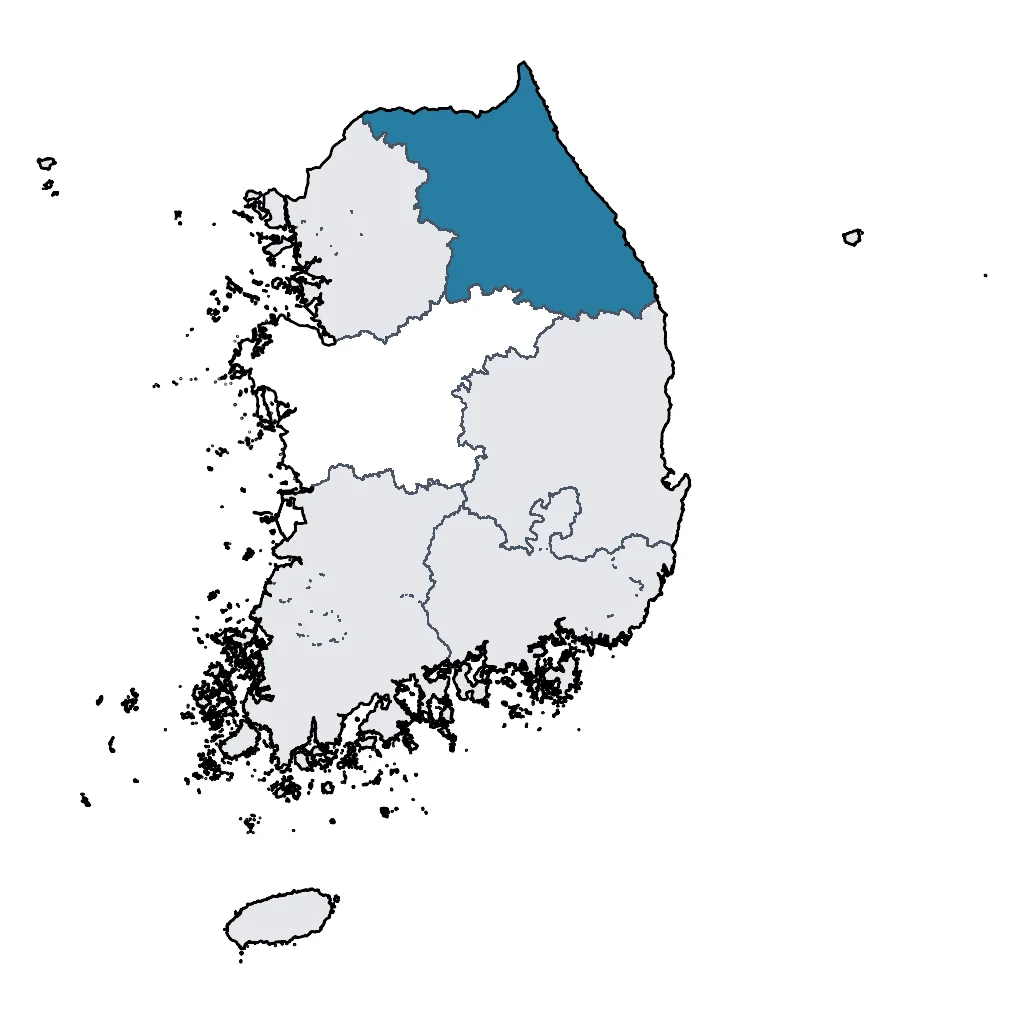
Ski & Snow
ExcellentWinter sports, ski resorts, snow activities
Home to the 2018 Winter Olympics, the region features world-class resorts like Yongpyong and Alpensia with sophisticated lift infrastructure and reliable snowmaking. Peak conditions occur in Jan-Feb with sub-zero temperatures ensuring crisp powder, while December and March offer viable but variable spring-skiing conditions.
Several ski resorts are accessible from Seoul, providing convenient family-friendly winter sports, though terrain and scale are limited compared to world-class alpine destinations. Reliable conditions for snow-making only exist from late December through February when temperatures remain consistently below freezing.
Muju Deogyusan Resort offers Korea's most southern major ski terrain with authentic alpine settings. While infrastructure is good, the season is short and snow reliability is lower than international benchmarks like the Alps; only Jan-Feb offer consistent sub-zero temperatures (max 4.9-6.4°C) for winter sports.

Festivals & Seasonal
Very GoodEvents, celebrations, seasonal attractions
The region hosts the world-class Busan International Film Festival (BIFF) and the spectacular Gwangalli Drone/Firework shows, alongside stunning spring cherry blossoms in April. These events are timed for the best weather, whereas the heavy rains of July/August and winter temperatures deter major outdoor celebrations.
The region hosts one of Asia's most spectacular cherry blossom displays in April and vibrant cultural festivals during the autumn harvest in October. These windows offer peak visual and cultural richness, whereas the heavy monsoon rains in June-August prevent major outdoor celebrations.
Hosts internationally significant events like the Lotus Lantern Festival (May) and major autumn cultural festivals with high authenticity. These coincide with the most pleasant weather, whereas the heavy rains of July/August and sub-zero winter temperatures prevent major outdoor celebrations.

Relaxation & Wellness
Very GoodSpa retreats, wellness centers, peaceful getaways
Home to world-class facilities like Centum City's Spaland, the region offers a sophisticated take on traditional Korean bathhouse culture. While indoor spas are year-round, the oppressive humidity and heavy rainfall of the summer months (June-August) degrade the overall sense of tranquility and ease of travel.
Sophisticated travelers can access authentic Hanok stays and high-end temple stays that emphasize spiritual tranquility and traditional Korean aesthetics. May is the peak for outdoor wellness with perfect temperatures (18.6°C), while extreme humidity in summer and bitter winter cold limit the appeal of traditional wooden architecture.
Home to world-class architectural wellness retreats and forest-therapy centers like Saryeoni Forest. May and October provide optimal outdoor conditions for meditation and relaxation; summer is often too humid and wet, while winter temperatures are less conducive to outdoor serenity.

Road Trips & Scenic
Very GoodScenic drives, countryside tours, route-based travel
Stunning coastal drives along the East Sea and winding mountain passes provide high-quality asphalt and breathtaking vistas for experienced drivers. Peak months offer the best visibility and colorful landscapes, whereas winter ice and summer monsoon downpours significantly degrade the driving experience and safety.
The Ilju-ro coastal road offers a stunning 234km loop with world-class basalt-fringed vistas and boutique architecture. Late spring and autumn provide the best visibility and blooming landscapes, whereas summer monsoons significantly degrade the driving experience and scenic views.
Scenic drives through the Damyang Metasequoia Road and the Boseong tea plantations offer spectacular, well-maintained routes. October and November are peak for their world-famous autumn foliage and low precipitation; summer months are avoided due to heavy rain limiting visibility and dangerous road conditions.

Sports & Active
Very GoodSport tourism, fitness activities, active recreation
Jeju is a premier destination for world-class golf and cycling via the Fantasy Bike Path. May and October offer the precise 15-28°C range ideal for high-performance activities; July and August are too wet and hot for serious outdoor sport.
Excellent infrastructure for cycling and mountain biking complements the world-class hiking trails. Optimal weather for active pursuits occurs during the dry, temperate months of late spring and autumn, while the winter months are dedicated exclusively to snow sports.
The Suyeong-man Yachting Center provides world-class sailing facilities, and the surrounding mountains offer rugged cycling terrain. Activity peaks in the stable winds and moderate temperatures of May and October, whereas the summer monsoon brings unsafe conditions and poor visibility.

Beach & Sea
GoodBeach resorts, marine activities: diving, snorkelling, kite surfing, wind surfing, sailing
The 'Surfy Beach' in Yangyang offers a unique, high-quality surf culture and pristine sands rare in East Asia. Although July and August are rainy, they are the only months with air and water temperatures high enough for beach activities; the rest of the year is too cold for standard seaside recreation.
Haeundae and Gwangalli are premium urban beaches with excellent infrastructure and the scenic Blue Line Park coastal rail. However, sea temperatures only become comfortable for swimming in late summer, and the extreme rainfall in July (316mm) limits the peak window to August.
Features unique emerald waters and basalt-sand beaches, though the swimming season is short for international standards. July and August are the only months with water temperatures exceeding 22°C, though travelers must navigate the high likelihood of seasonal monsoon rains.

Theme Park & Entertainment
GoodAmusement parks, family entertainment venues
Legoland Korea Resort in Chuncheon provides an internationally recognized family entertainment destination with modern facilities. The park is best enjoyed during the mild spring and autumn months; sub-zero winter temperatures lead to seasonal operational limits for outdoor attractions.
Lotte World Adventure Busan offers modern, family-friendly entertainment with international standards on the city's outskirts. Peak enjoyment is highly weather-dependent, favoring the dry and mild transition months to avoid long queues in the summer rain or winter cold.
Gyeongju World features the 'Draken,' a world-class dive coaster that appeals to thrill-seeking families, though the park overall remains more regional than global. Peak operations and comfort are best in October's dry weather; summer monsoon closures and winter maintenance shutdowns make those months unreliable.

Airports & Flight Routes
Toggle options to view domestic routes and international airports. Click an airport for details.
Climate & Weather
Busan & Southeast
Show Details
| Month | Temp °C | Rain | Humidity |
|---|
Gangwon (skiing, nature)
Show Details
| Month | Temp °C | Rain | Humidity |
|---|
Gyeongju (historic)
Show Details
| Month | Temp °C | Rain | Humidity |
|---|
Jeju Island
Show Details
| Month | Temp °C | Rain | Humidity |
|---|
Jeonju & Southwest
Show Details
| Month | Temp °C | Rain | Humidity |
|---|
Seoul & Gyeonggi
Show Details
| Month | Temp °C | Rain | Humidity |
|---|

Travel Advisory
The country is considered safe for travel with standard awareness. All major agencies agree on a low risk level.
Safety Topics
Traveller Advice (4 groups)

Female travelers should be aware of reports regarding hidden cameras (molka) in public restrooms and changing rooms. Caution is also advised in popular nightlife zones where incidents of harassment have occurred.

While same-sex relations are legal, the country remains socially conservative. Public displays of affection may draw unwanted attention or negative reactions in certain settings.

Familiarize yourself with the 'Emergency Ready' smartphone app provided by the government, which offers alerts and shelter locations during civil or natural emergencies.

Accessibility is generally good in newer metropolitan areas and on major transit systems, though older districts may have steep hills and limited elevator access. Assistance can often be requested through local municipal offices.