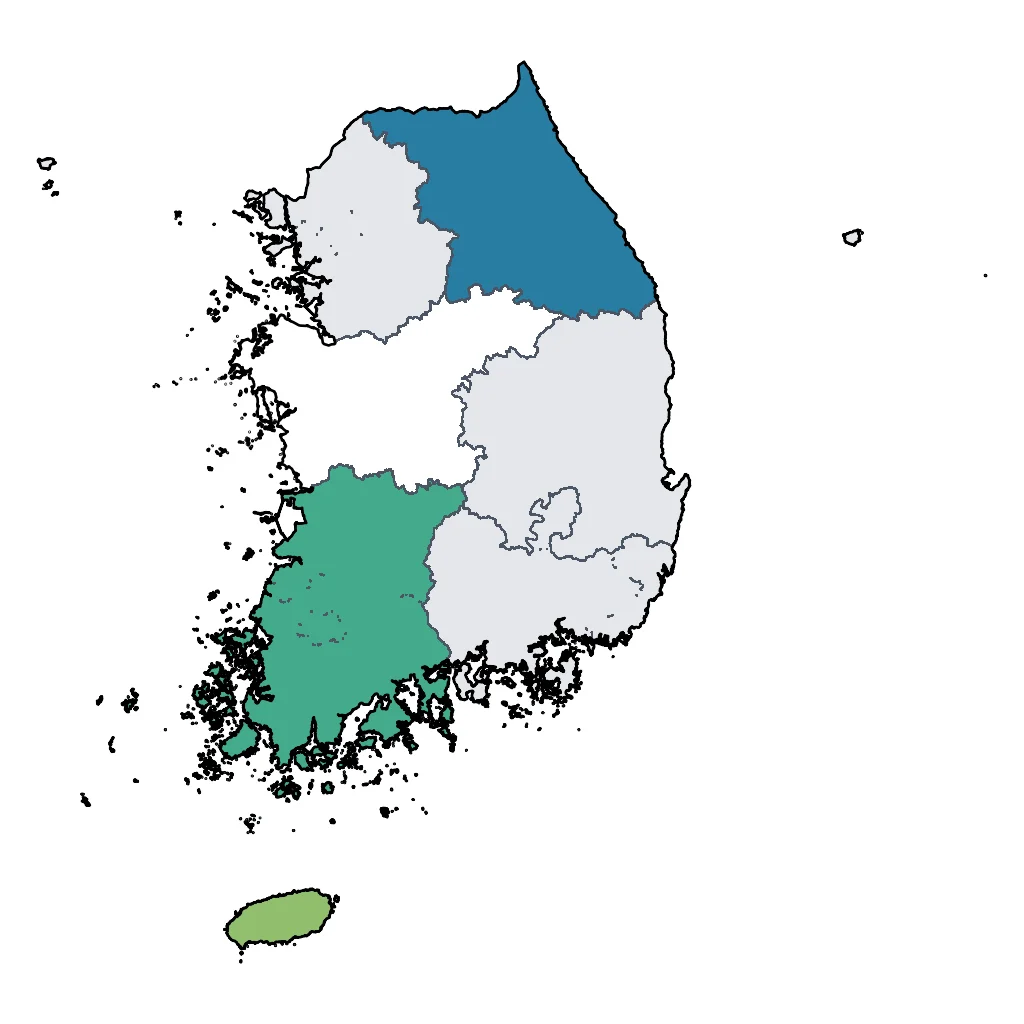

Busan serves as the energetic maritime hub of South Korea, distinct from the capital with its rugged coastline, sandy beaches, and steep hillsides. For families, the region offers an engaging blend of modern entertainment and accessible cultural experiences. The city's geography is defined by mountains cutting through the urban centre, separating neighbourhoods and creating unique vantage points.
A highlight for visiting families is the Gamcheon Culture Village. Once a refugee enclave during the Korean War, it is now a maze of brightly painted houses and narrow alleyways. Kids enjoy the stamp scavenger hunt map available at the entrance, which turns exploring the steep streets into a game. The Songdo Marine Cable Car provides another perspective, carrying passengers in glass-floored cabins over the ocean to a park with dinosaur models and forest trails.
The region's coastal location makes it a prime destination for water-adjacent activities. Haeundae Beach is famous not just for swimming, but for the Sea Life Aquarium located right on the shore. Nearby, the Blue Line Park runs the Sky Capsule, a slow-moving, retro-styled train on an elevated track that offers ocean views without the fatigue of hiking. For a touch of history, Haedong Yonggungsa Temple sits dramatically on seaside rocks, offering a rare example of a Korean temple located on the coast rather than in the mountains.
Practical travel here is straightforward. The KTX high-speed train connects Seoul to Busan in under three hours. Within the city, the subway system reaches most major tourist sites, though families with strollers should be aware that the hilly terrain and older subway stations can present accessibility challenges. Food is a major draw; while spicy seafood stews are a staple, children often enjoy eomuk (fish cake) skewers and ssiat hotteok (seed-filled pancakes) sold by street vendors in Nampo-dong. Summers can be humid and rainy, so the shoulder seasons of spring and autumn offer the most comfortable weather for outdoor exploration.
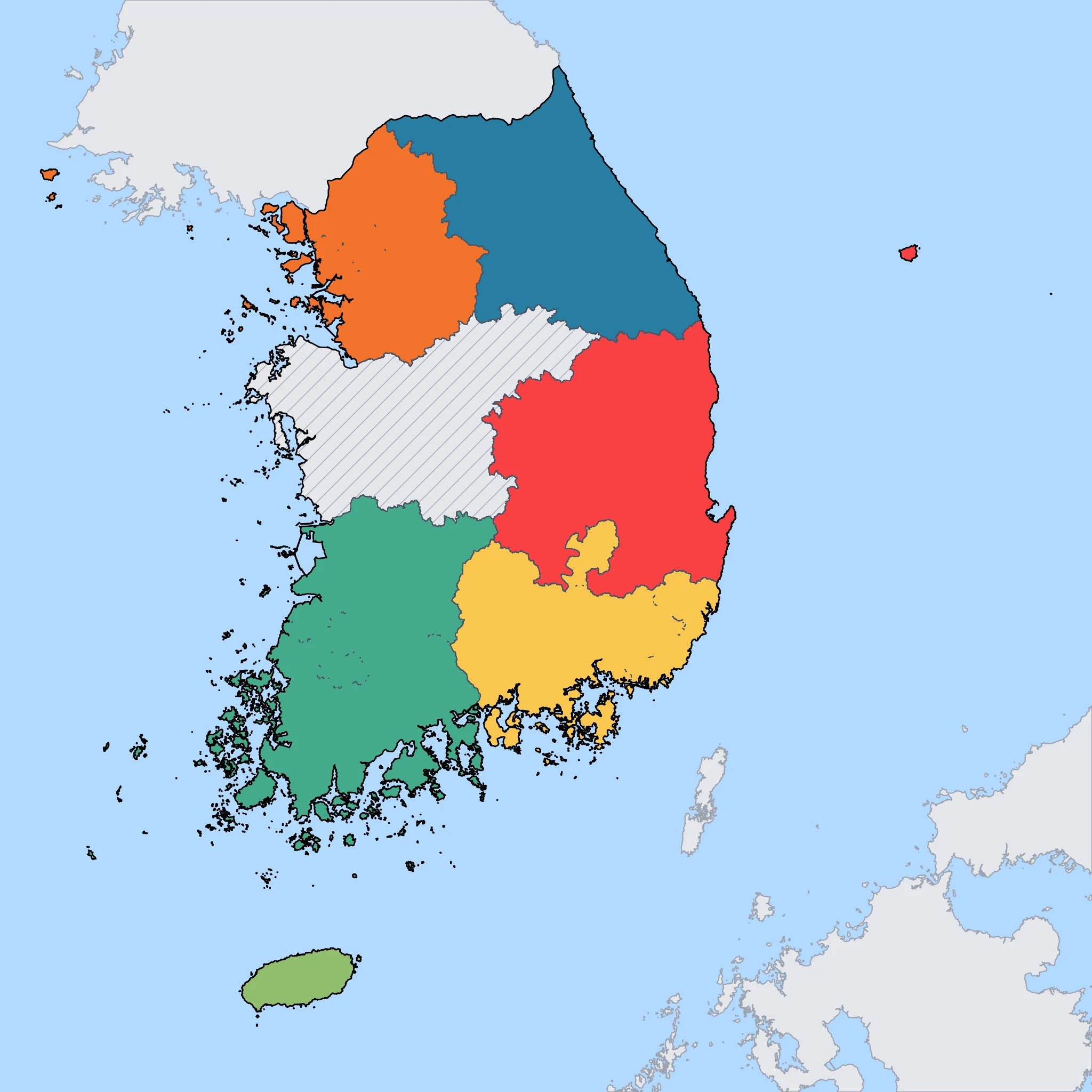
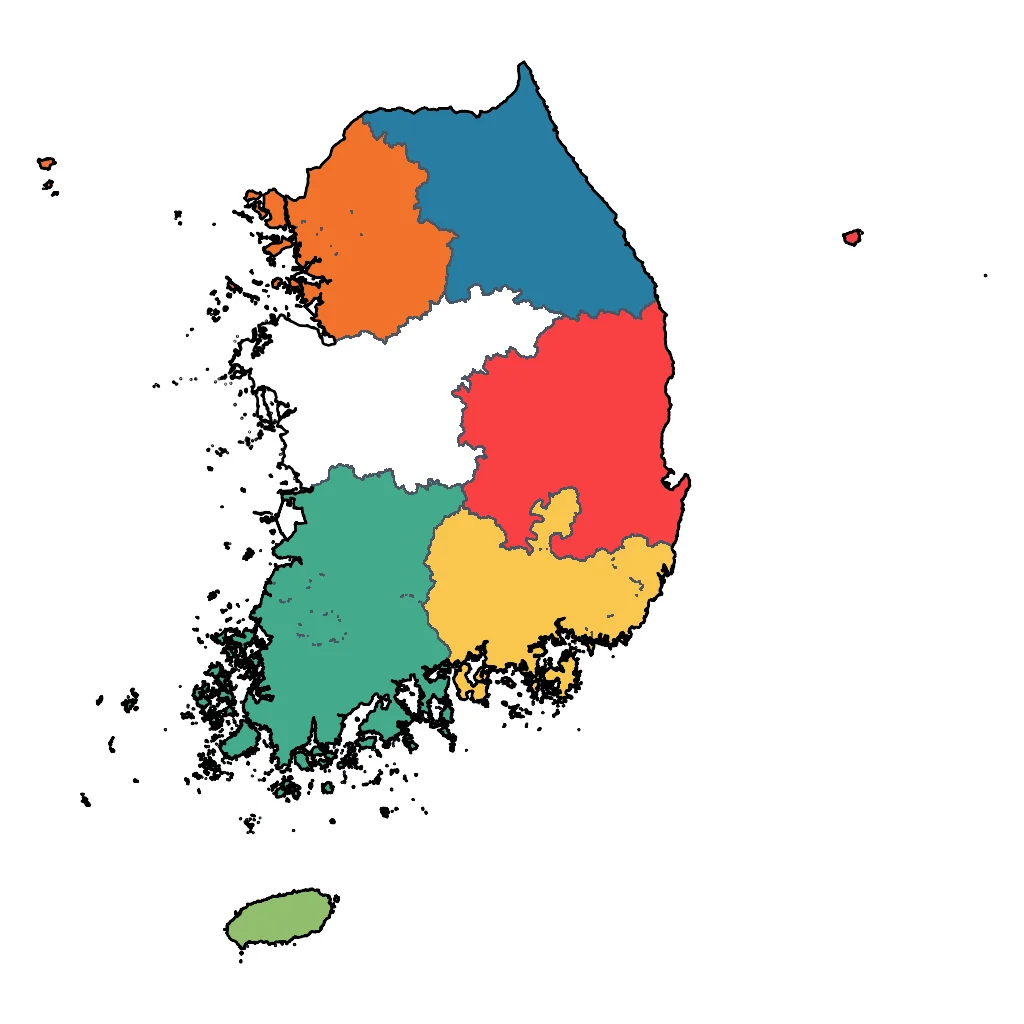
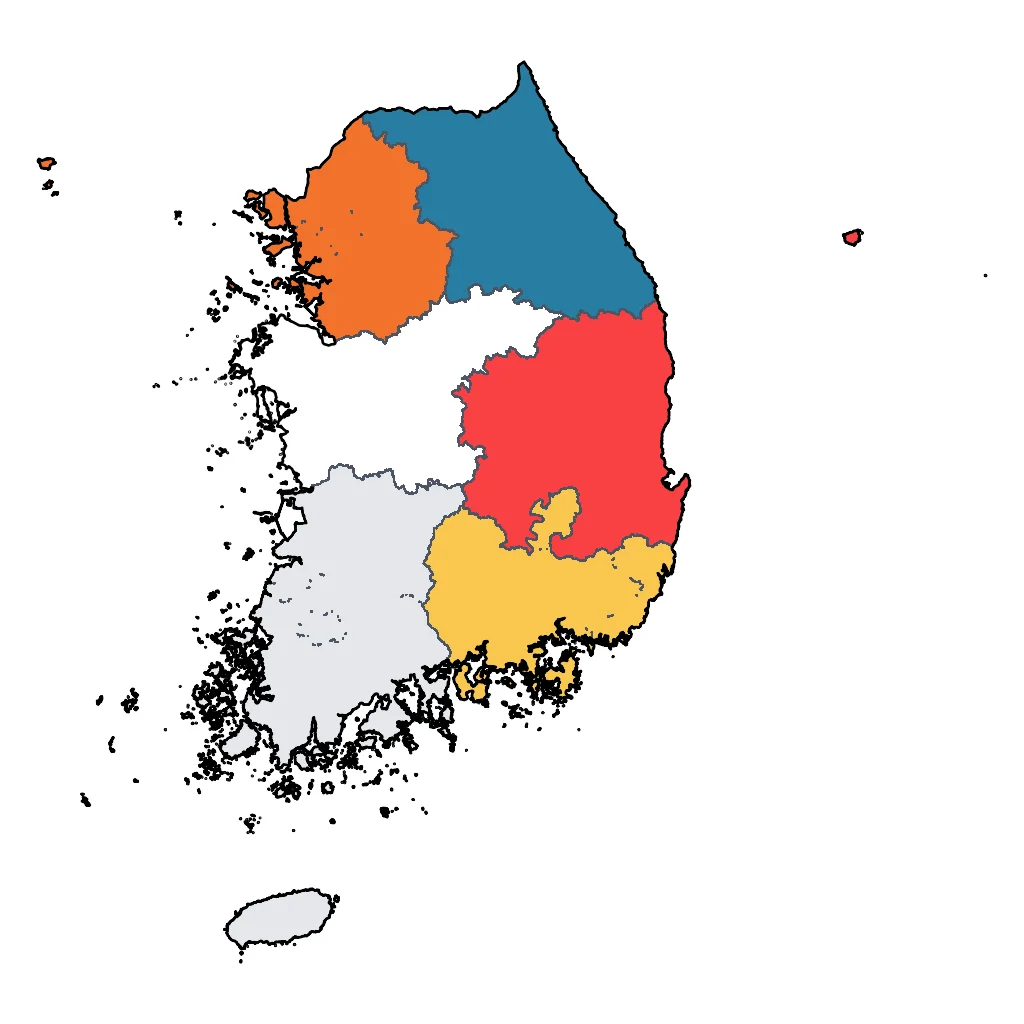
Click a region to explore

Activities & Best Times

Urban tourism, museums, historical sites, architecture
Busan provides a unique maritime urban identity with sites like the colorful Gamcheon Culture Village and the rare seaside Haedong Yonggungsa Temple. Peak months offer dry, mild weather perfect for navigating steep coastal alleys, while the summer monsoon and winter chills make outdoor cultural exploration uncomfortable.

Events, celebrations, seasonal attractions
The region hosts the world-class Busan International Film Festival (BIFF) and the spectacular Gwangalli Drone/Firework shows, alongside stunning spring cherry blossoms in April. These events are timed for the best weather, whereas the heavy rains of July/August and winter temperatures deter major outdoor celebrations.

Spa retreats, wellness centers, peaceful getaways
Home to world-class facilities like Centum City's Spaland, the region offers a sophisticated take on traditional Korean bathhouse culture. While indoor spas are year-round, the oppressive humidity and heavy rainfall of the summer months (June-August) degrade the overall sense of tranquility and ease of travel.
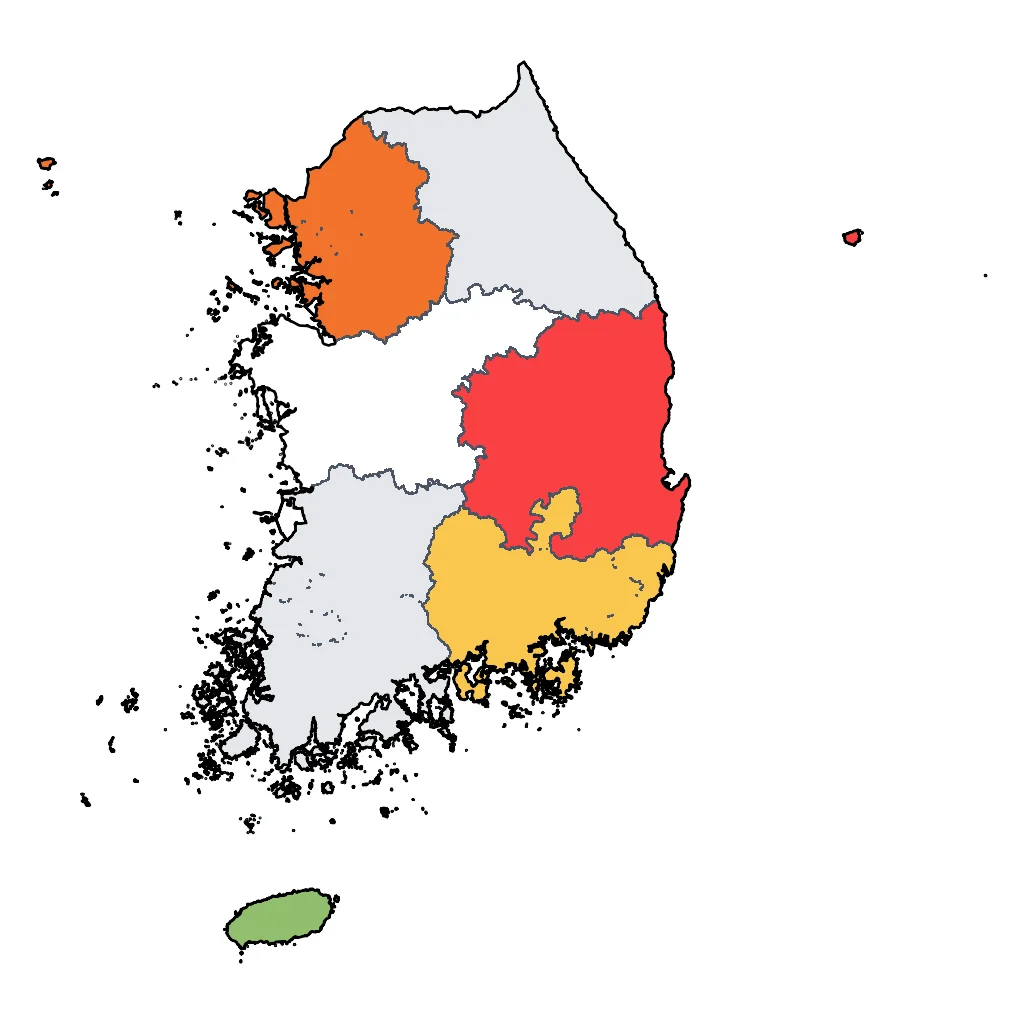

Hiking, wildlife, outdoor exploration, ecotourism
Coastal trails like the Igidae Galmaetgil offer dramatic cliffs and suspension bridges with authentic maritime scenery. Peak hiking occurs during the autumn foliage (October-November) when visibility is highest and rainfall is minimal, avoiding the dangerous slippery conditions of the summer monsoon.
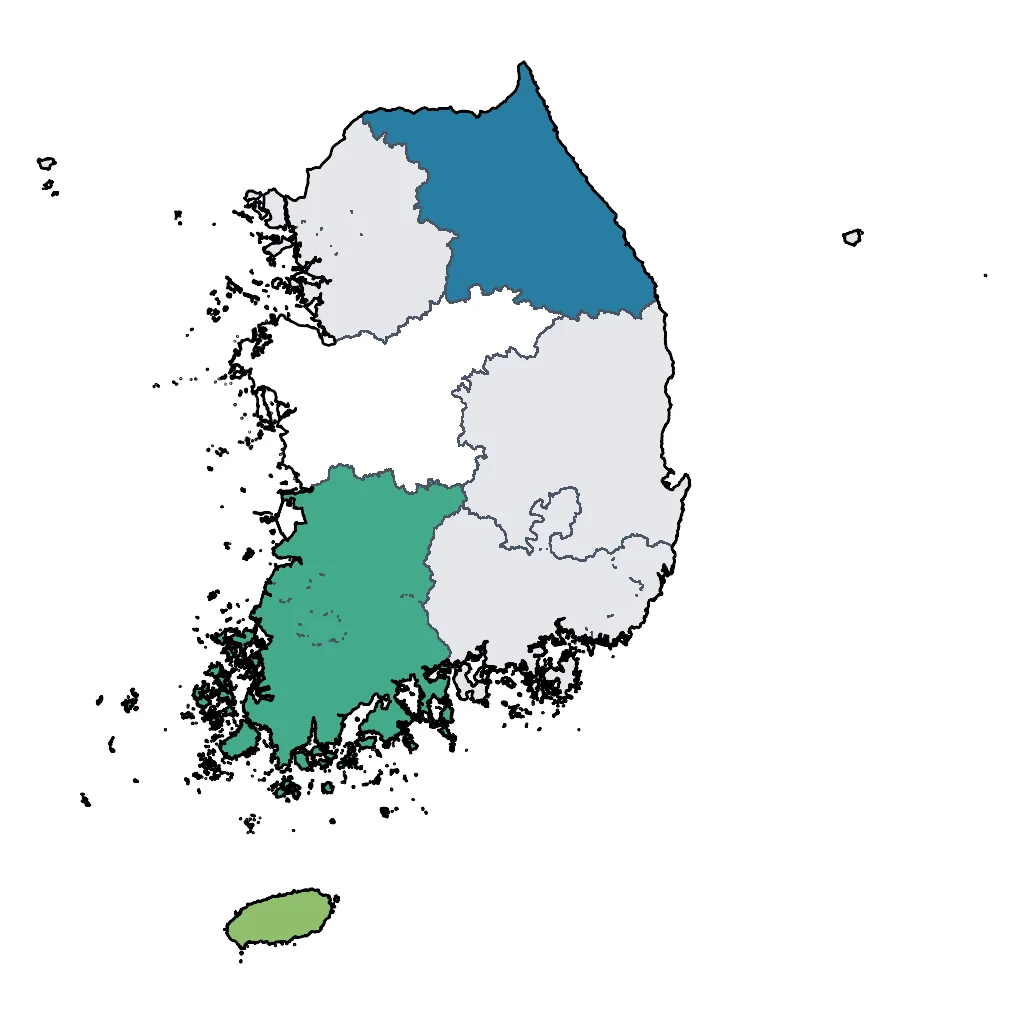

Beach resorts, marine activities: diving, snorkelling, kite surfing, wind surfing, sailing
Haeundae and Gwangalli are premium urban beaches with excellent infrastructure and the scenic Blue Line Park coastal rail. However, sea temperatures only become comfortable for swimming in late summer, and the extreme rainfall in July (316mm) limits the peak window to August.
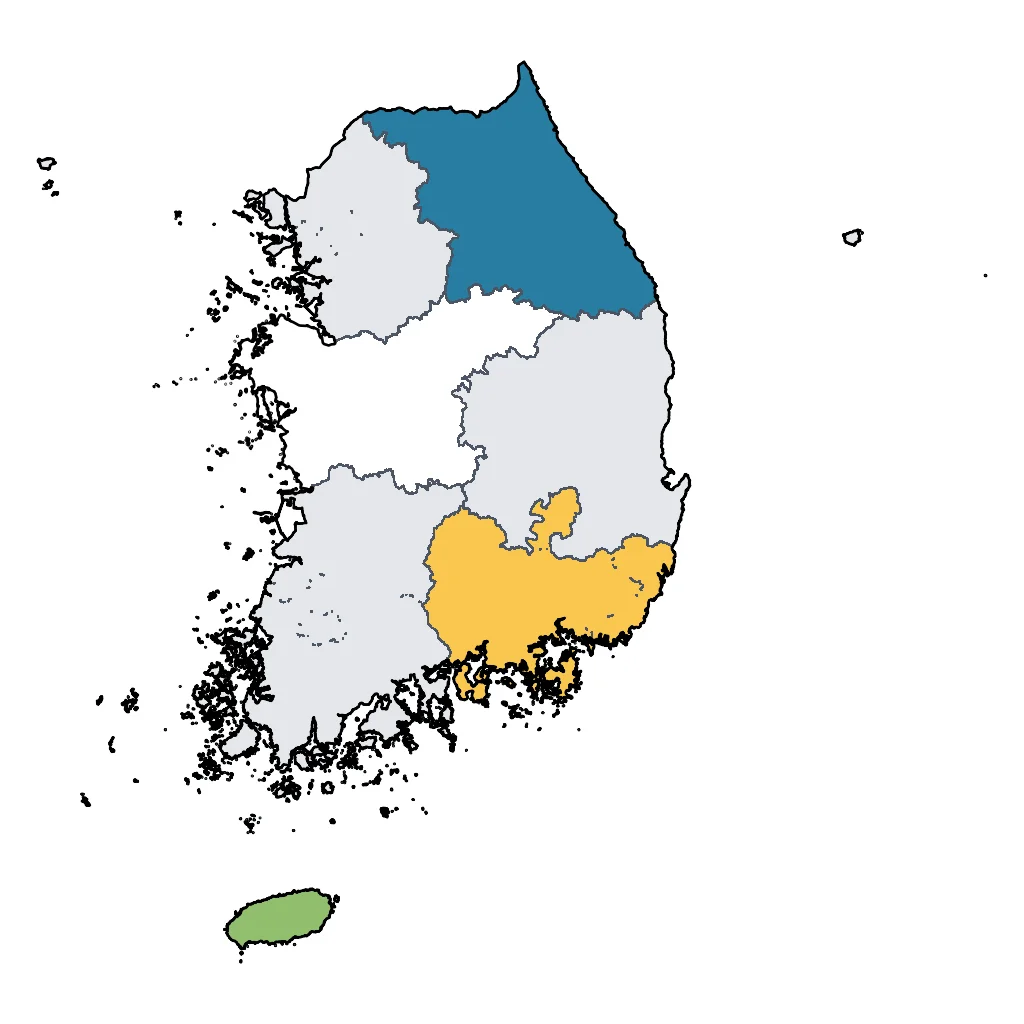

Learning experiences, scientific sites, historical education
Significant historical sites such as the UN Memorial Cemetery and various maritime museums provide deep insights into the Korean War and Pacific history. Optimal learning occurs in the mild spring and autumn, while extreme summer humidity and winter frosts make the outdoor components of these sites less accessible.
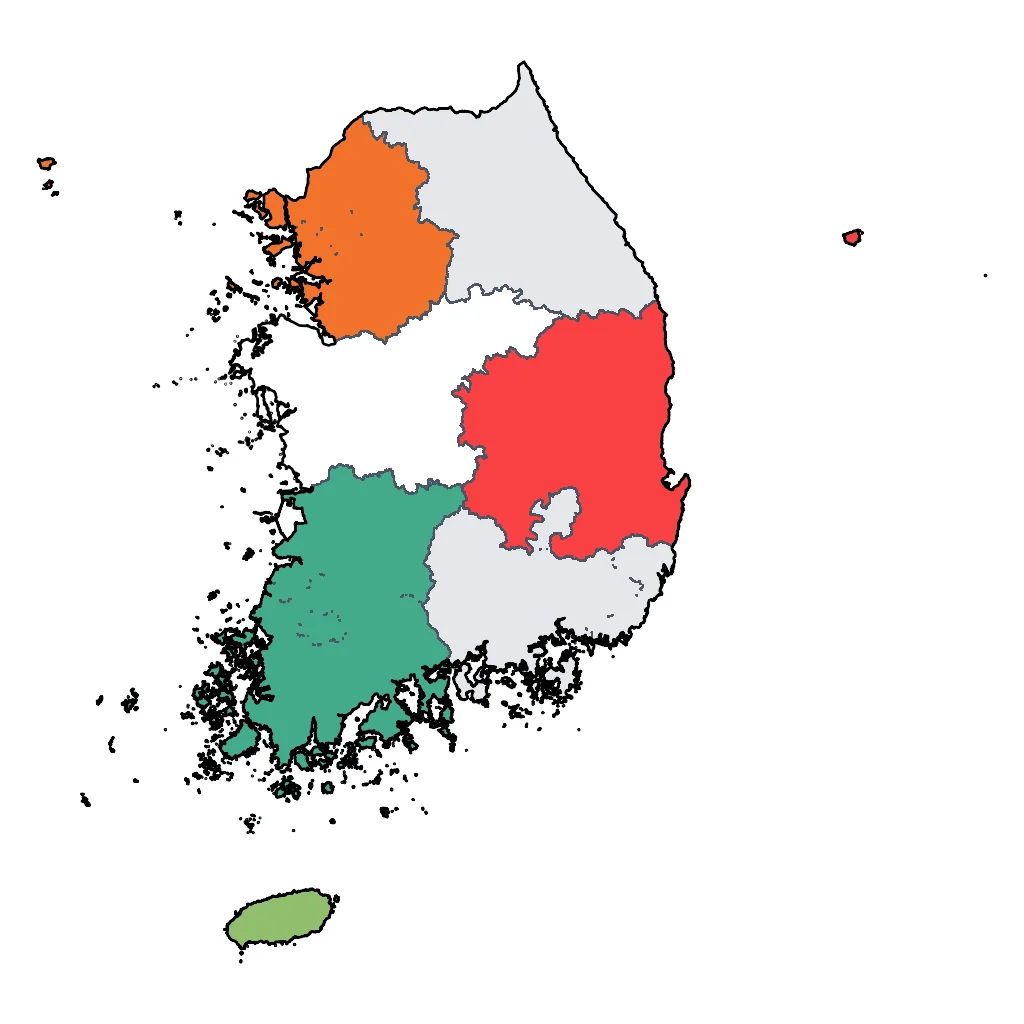

Sport tourism, fitness activities, active recreation
The Suyeong-man Yachting Center provides world-class sailing facilities, and the surrounding mountains offer rugged cycling terrain. Activity peaks in the stable winds and moderate temperatures of May and October, whereas the summer monsoon brings unsafe conditions and poor visibility.

Amusement parks, family entertainment venues
Lotte World Adventure Busan offers modern, family-friendly entertainment with international standards on the city's outskirts. Peak enjoyment is highly weather-dependent, favoring the dry and mild transition months to avoid long queues in the summer rain or winter cold.

Scenic drives, countryside tours, route-based travel
While the coastal drive toward Gijang offers scenic ocean vistas, heavy urban congestion in Busan can be a deterrent for international travelers. The best conditions for visibility and scenery occur during the autumn bloom, while the summer rains and winter haze frequently obscure the coastal views.