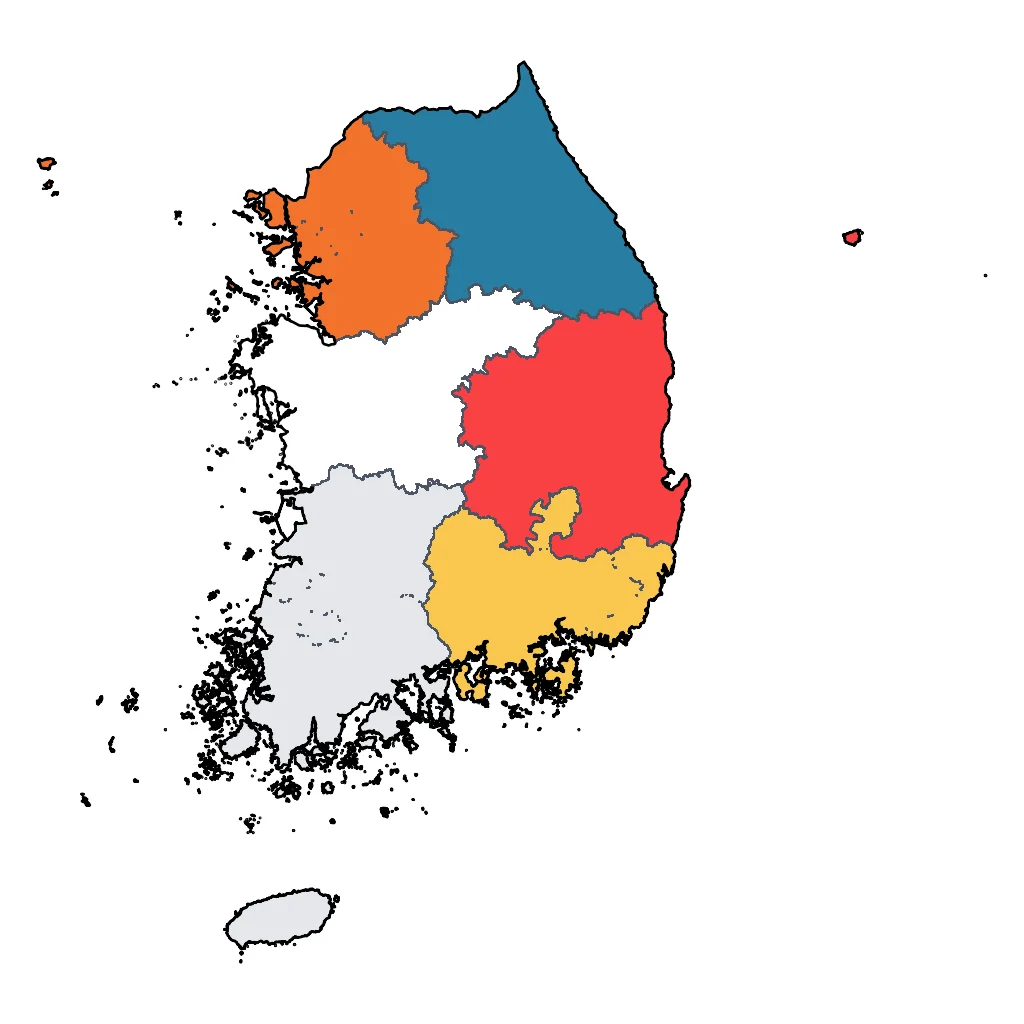

Gyeongju was the capital of the Silla Kingdom for nearly a millennium, and the city integrates its ancient heritage directly into the modern landscape. Unlike the enclosed museums of Seoul, Gyeongju's history is open-air and tangible. Massive grassy mounds, which are actually royal tombs, rise up in the middle of the city, creating a surreal but peaceful park environment at Daereungwon.
For families, the best way to navigate the central historic district is by renting bicycles or family scooters. The terrain is flat and remarkably bike-friendly. You can ride past Cheomseongdae, the oldest surviving astronomical observatory in Asia, where locals often fly kites in the surrounding fields. At night, the Donggung Palace and Wolji Pond are illuminated, offering a magical reflection on the water that captivates children and provides excellent photo opportunities without the daytime heat.
A short bus or taxi ride from the centre leads to Bulguksa Temple and the Seokguram Grotto. While these are active Buddhist sites requiring respectful quiet, the temple grounds feature wide courtyards and intricate stone pagodas that fascinate older children. The nearby Gyeongju World amusement park offers a modern counterpoint to the history, featuring everything from gentle rides for toddlers to intense rollercoasters.
Accommodation options here range from standard hotels at the Bomun Lake resort complex to traditional hanok guesthouses where families can sleep on heated floors (ondol). The region is particularly busy during the cherry blossom season in early April, when the roads around Bomun Lake transform into pink tunnels. Dining often involves ssambap, a meal where you wrap rice and meat in various fresh vegetables, a healthy and interactive way for kids to eat.
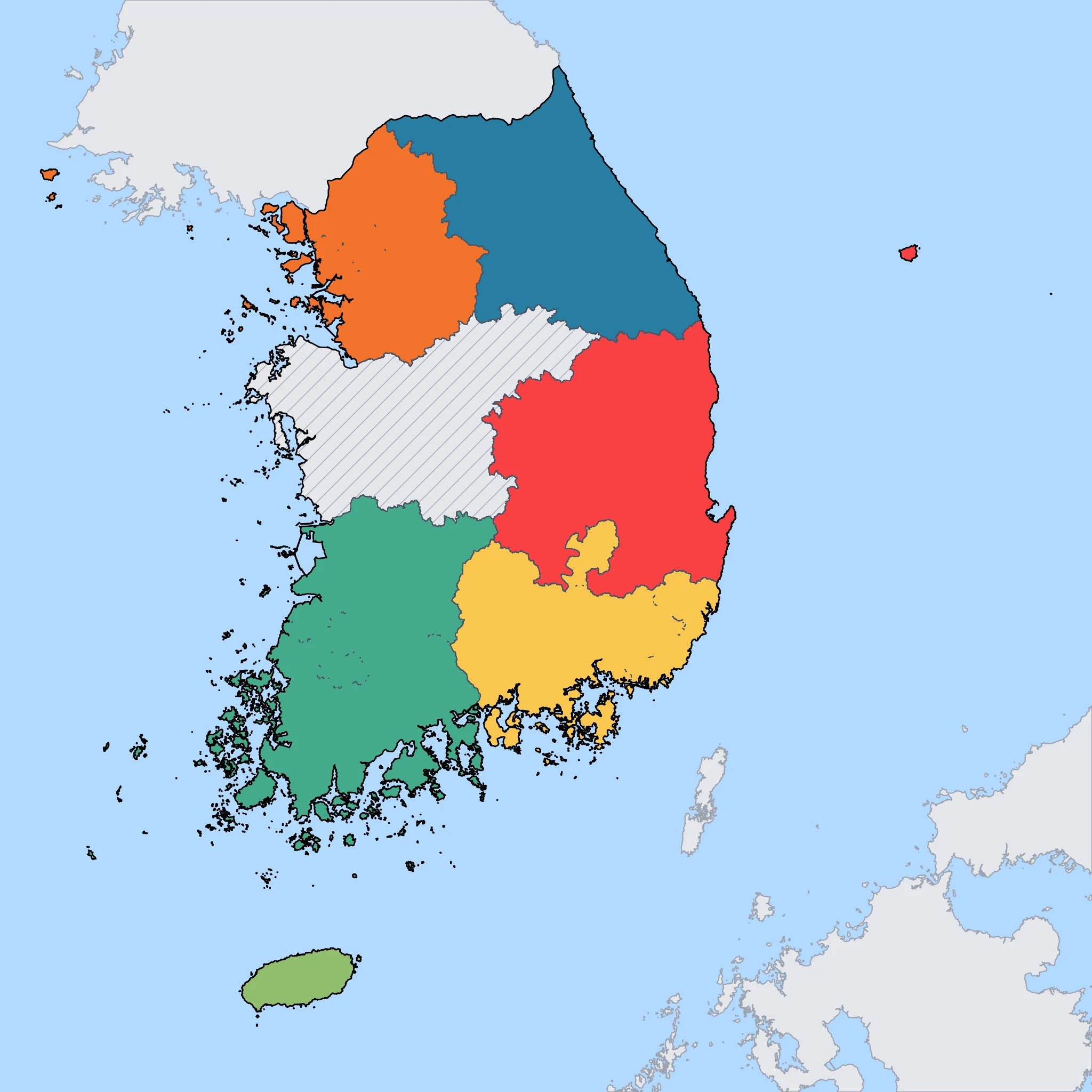
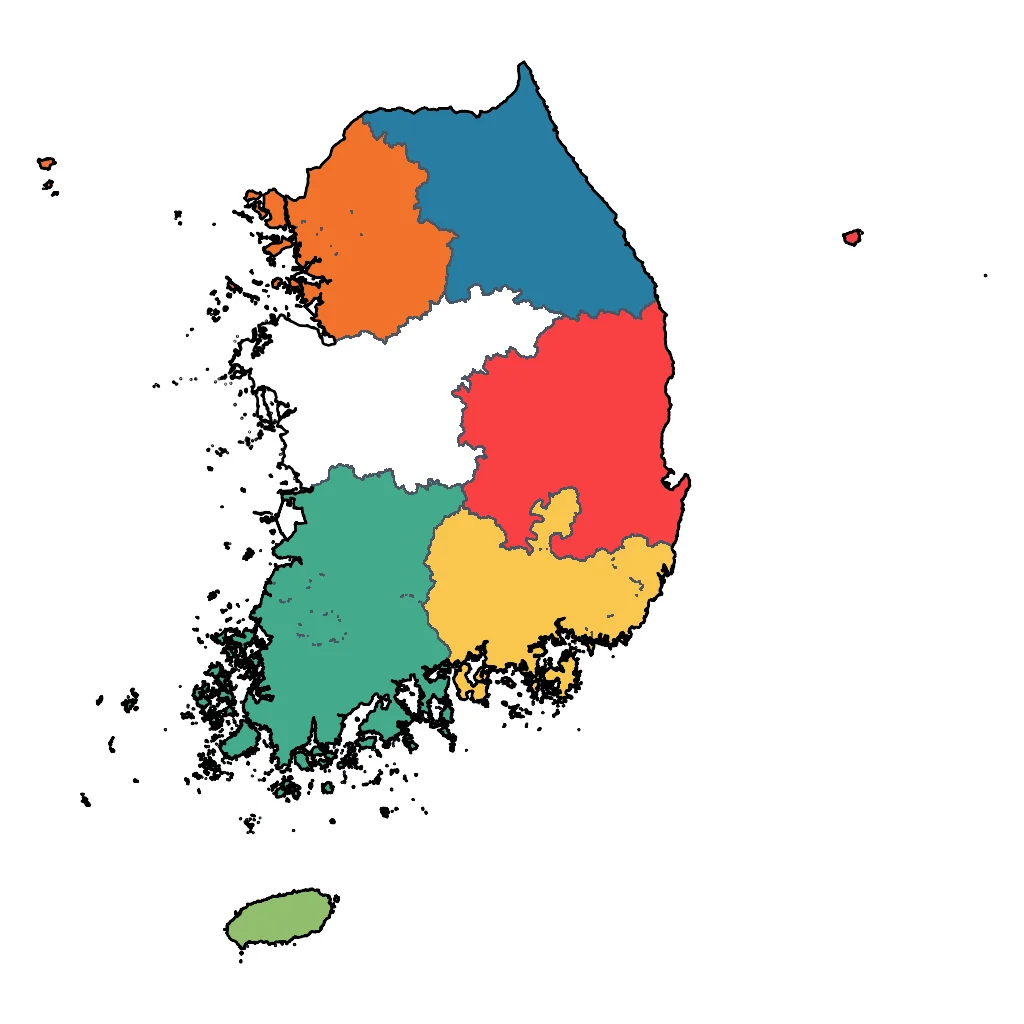
Click a region to explore

Activities & Best Times

Urban tourism, museums, historical sites, architecture
As the 'museum without walls,' Gyeongju offers a world-class concentration of UNESCO-listed Silla heritage comparable to Kyoto. October provides the ideal climate (15.1°C, low rainfall) for exploring burial mounds and temples, while the summer monsoon (Jul-Aug) and freezing winter months (Dec-Feb) significantly detract from the outdoor experience.
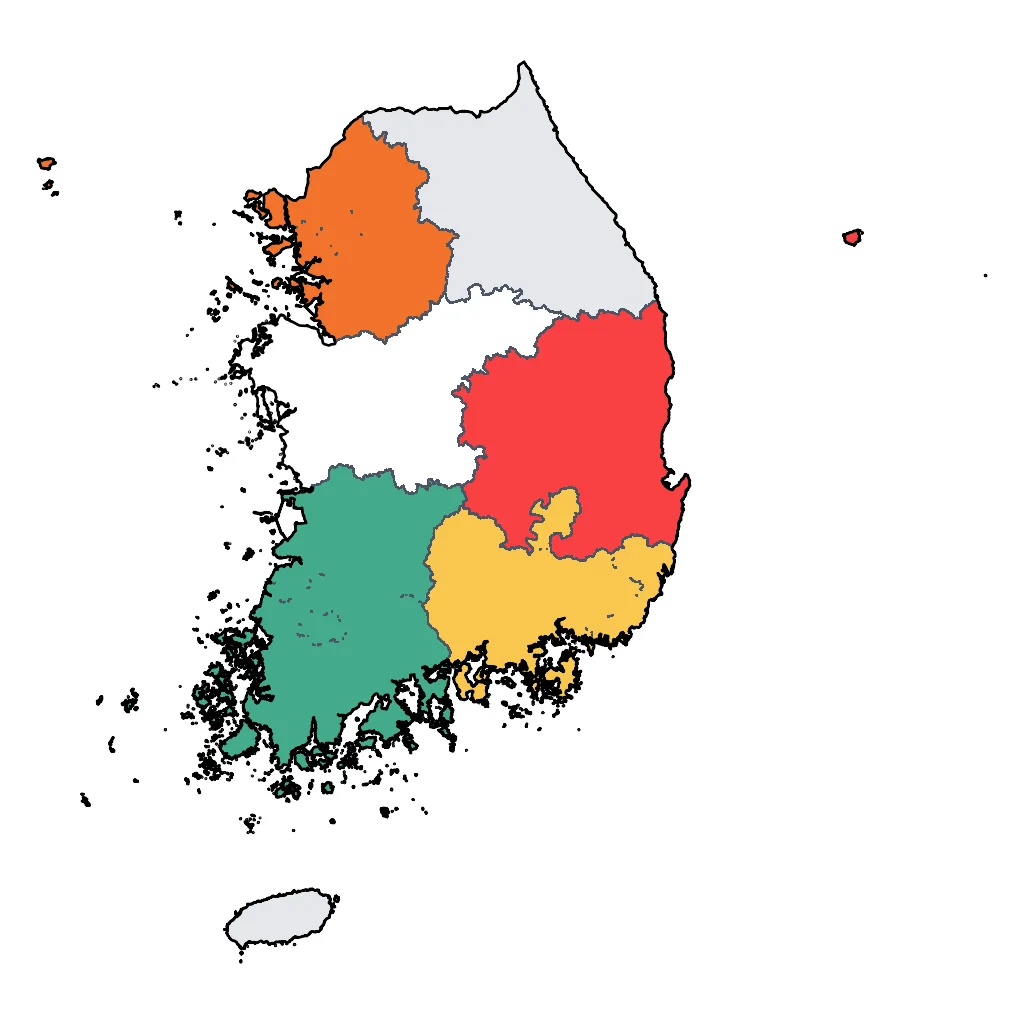

Learning experiences, scientific sites, historical education
Exceptional archaeological wealth, including the Gyeongju National Museum and active excavation sites, provides a profound learning environment for families. Peak periods in spring and autumn offer the most comfortable temperatures for guided tours of the Bulguksa temple and Seokguram Grotto.
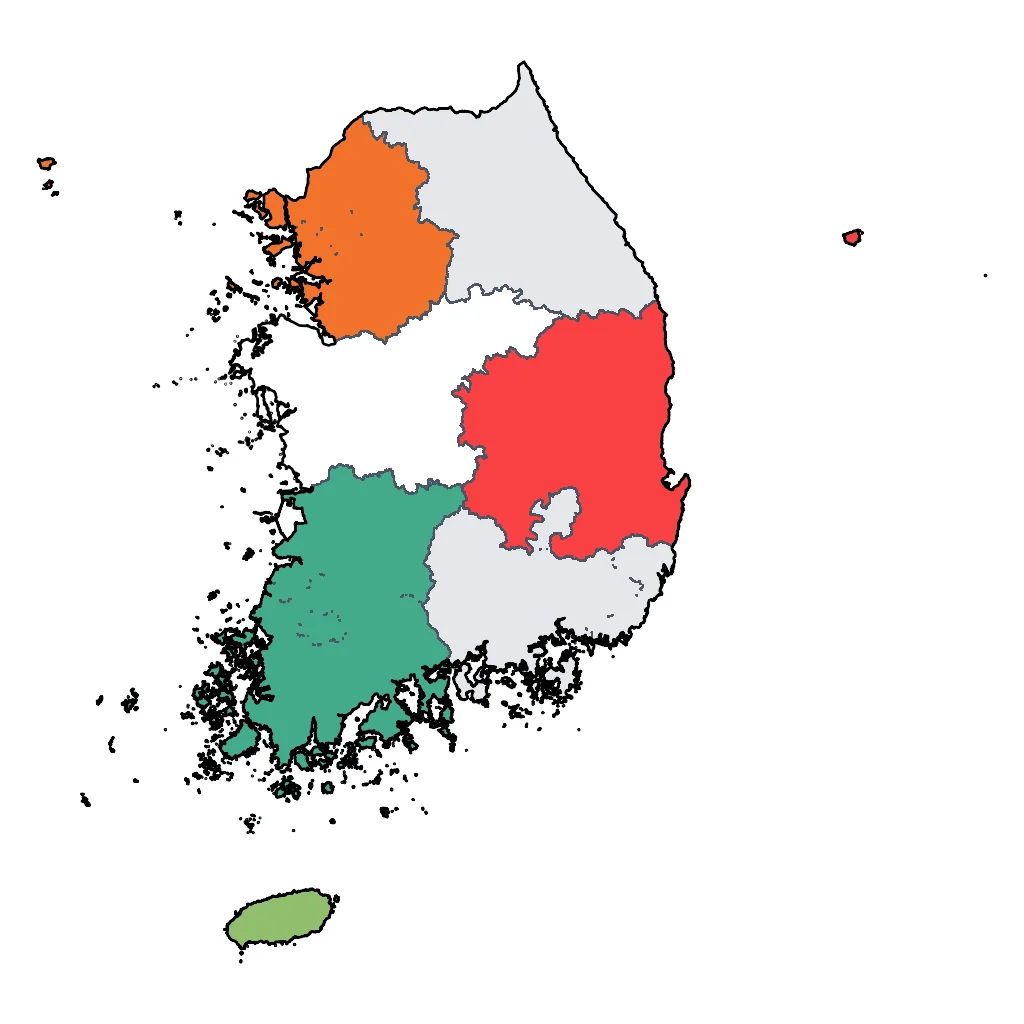

Events, celebrations, seasonal attractions
The region hosts one of Asia's most spectacular cherry blossom displays in April and vibrant cultural festivals during the autumn harvest in October. These windows offer peak visual and cultural richness, whereas the heavy monsoon rains in June-August prevent major outdoor celebrations.
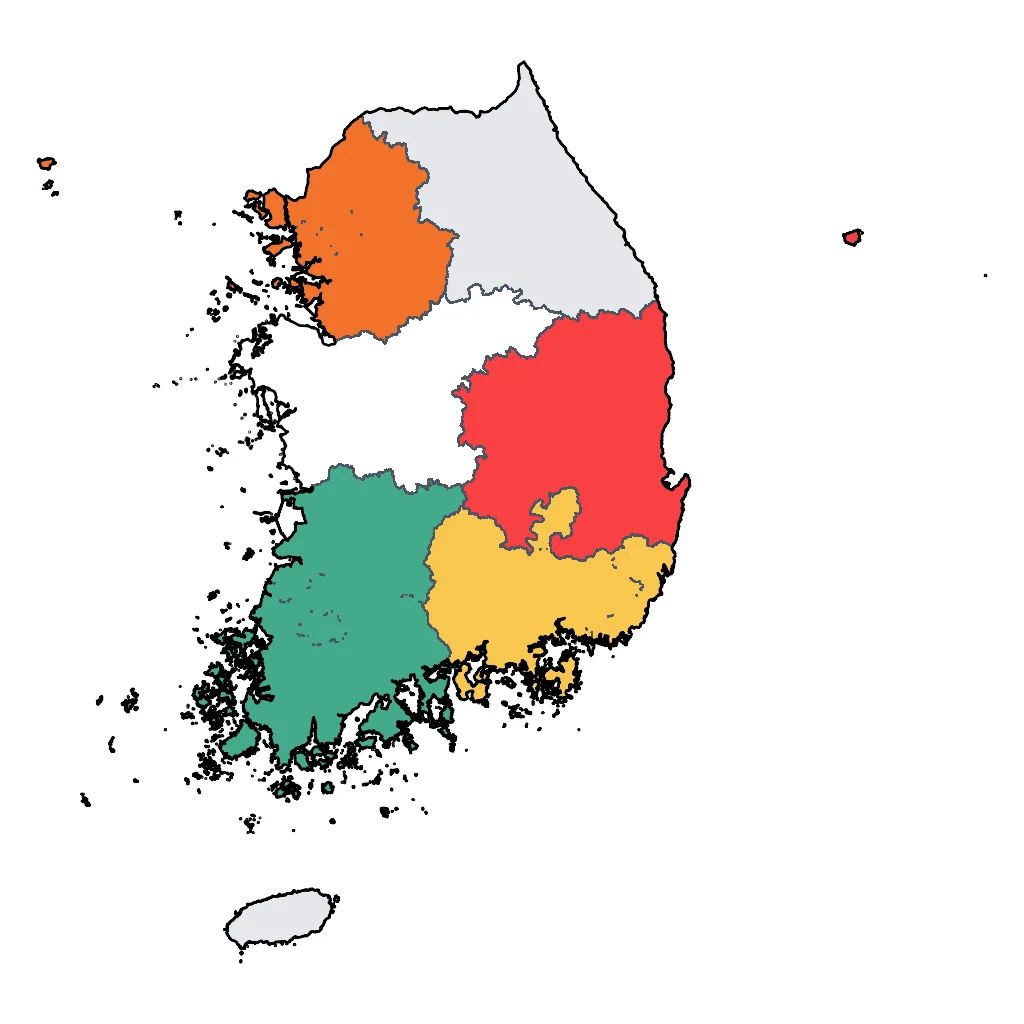

Spa retreats, wellness centers, peaceful getaways
Sophisticated travelers can access authentic Hanok stays and high-end temple stays that emphasize spiritual tranquility and traditional Korean aesthetics. May is the peak for outdoor wellness with perfect temperatures (18.6°C), while extreme humidity in summer and bitter winter cold limit the appeal of traditional wooden architecture.
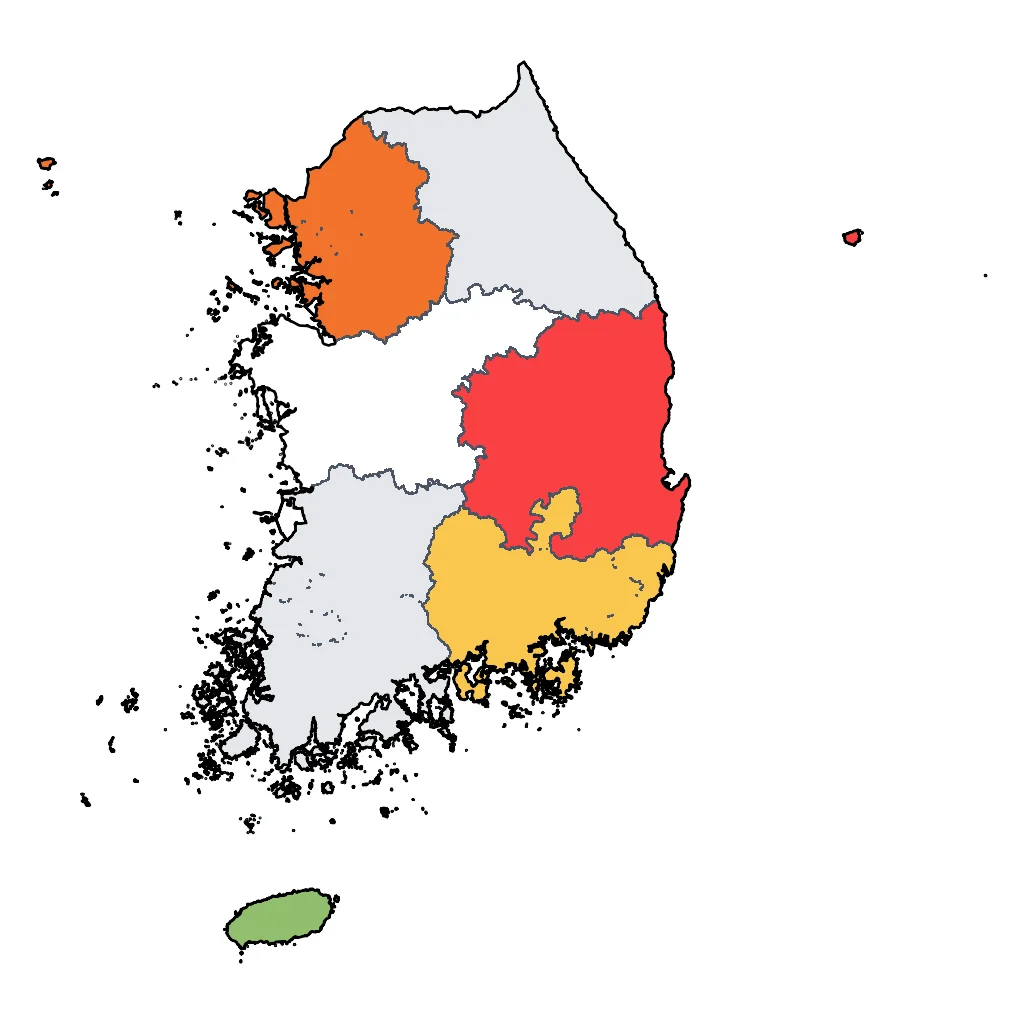

Hiking, wildlife, outdoor exploration, ecotourism
Mount Namsan offers a unique 'hiking museum' experience with ancient Buddhist carvings scattered along pristine trails. Conditions are optimal in May and October when temperatures are mild and rainfall is manageable; however, winter trail conditions can be icy and summer humidity is oppressive.
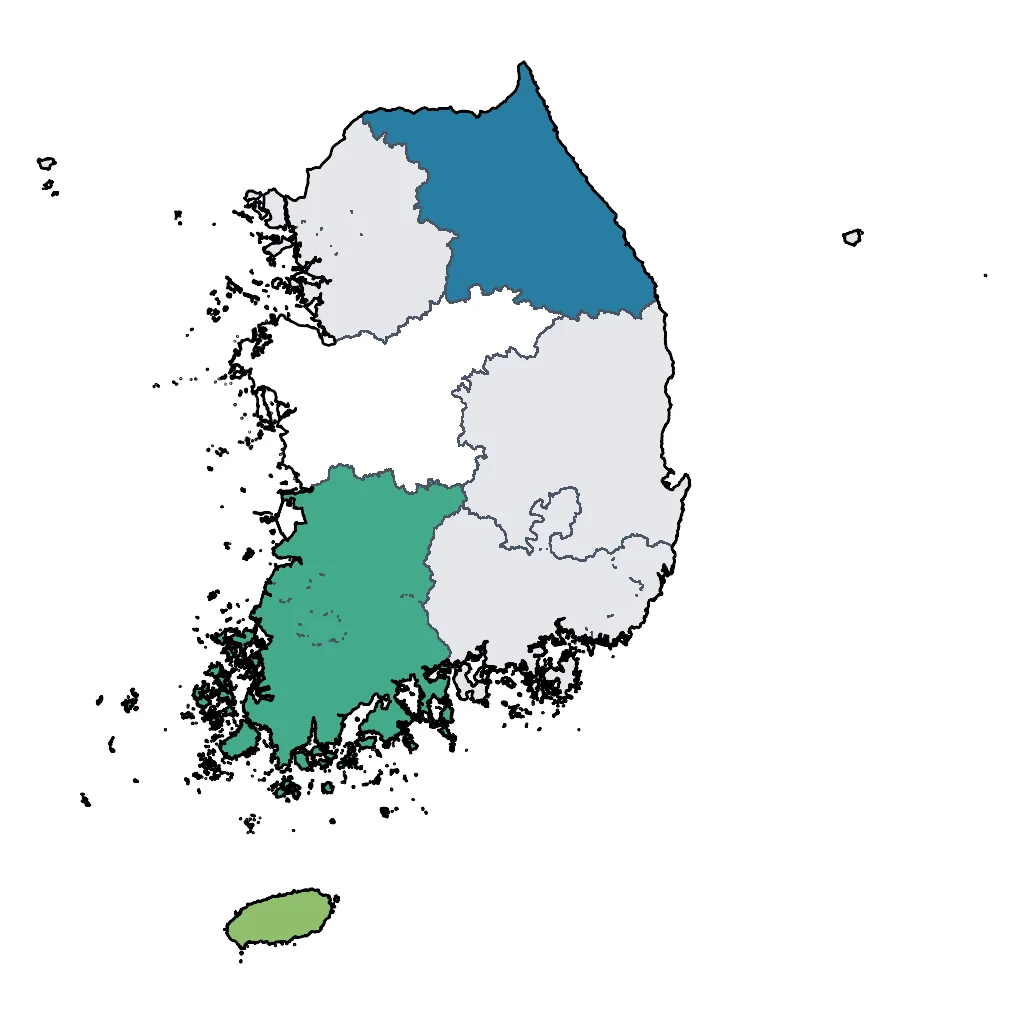

Scenic drives, countryside tours, route-based travel
Scenic drives around Bomun Lake and the rugged coastal stretches near Gampo provide well-maintained routes with beautiful seasonal vistas. October offers the best visibility and fall foliage; summer monsoon conditions create hazardous driving and poor visibility for sightseers.
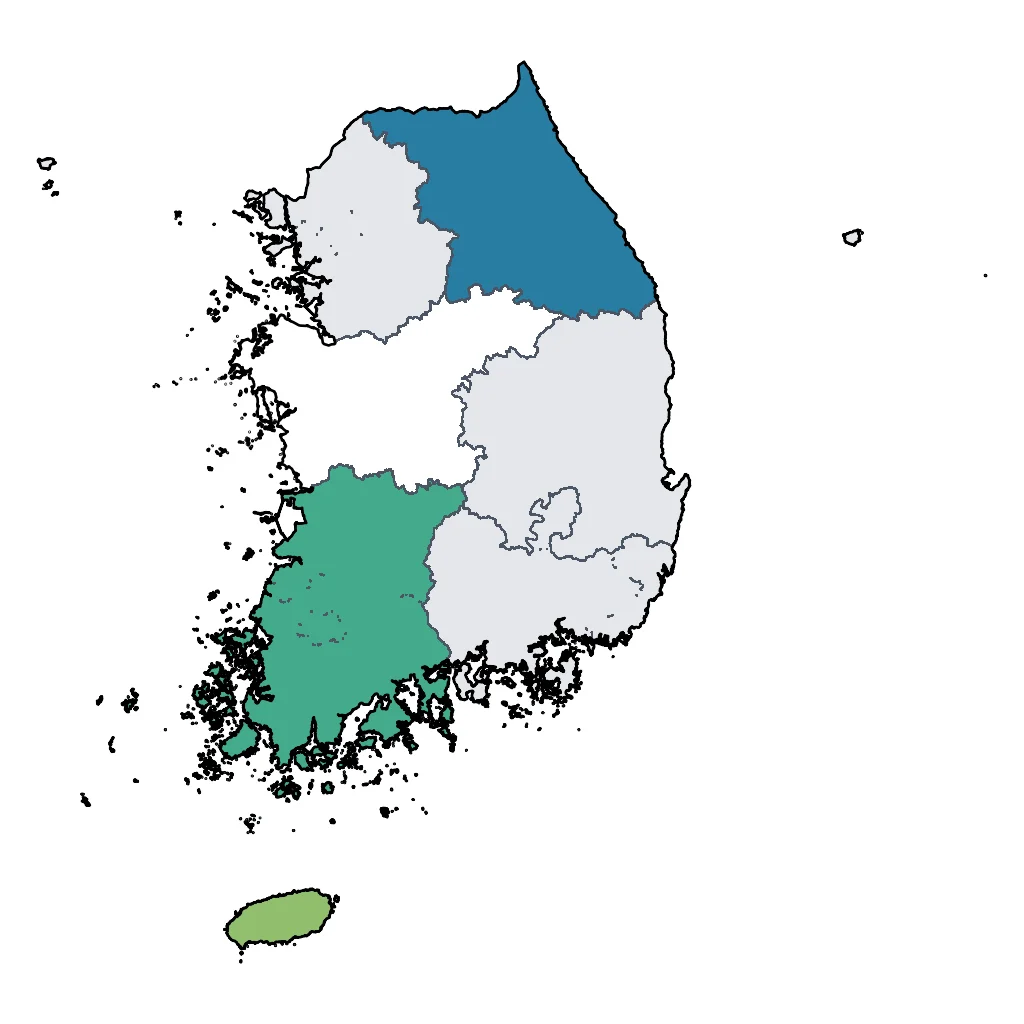

Sport tourism, fitness activities, active recreation
The flat terrain surrounding the historic district is perfect for family cycling tours through ancient parklands, complemented by high-quality golf facilities in the Bomun Lake area. October is the premier month for activity due to dry, cool air; summer months are unsuitable for active recreation due to extreme rainfall (>250mm/month).

Amusement parks, family entertainment venues
Gyeongju World features the 'Draken,' a world-class dive coaster that appeals to thrill-seeking families, though the park overall remains more regional than global. Peak operations and comfort are best in October's dry weather; summer monsoon closures and winter maintenance shutdowns make those months unreliable.