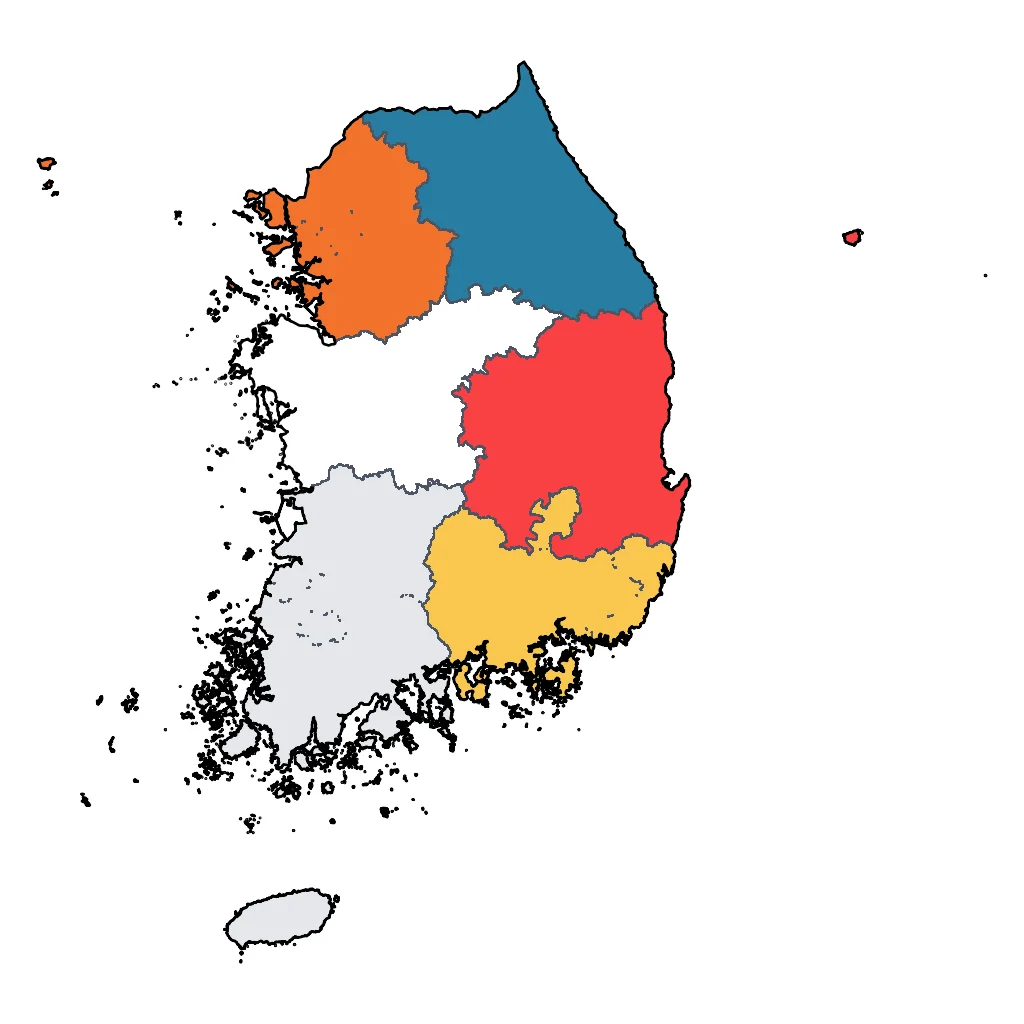

Jeju Island is South Korea's premier holiday destination, often compared to Hawaii due to its volcanic origins and laid-back atmosphere. The geography is defined by Hallasan Mountain, a dormant volcano at the centre of the island, and the surrounding coastline of black basalt rocks and sandy coves. The climate is milder than the mainland, making it a viable destination even in late autumn or early spring.
Nature education is effortless here. Families can hike up Seongsan Ilchulbong (Sunrise Peak), a massive crater rising from the sea. The path is paved and involves many stairs, but the view from the rim is rewarding. Underground, the Manjanggul Lava Tube allows you to walk inside a massive volcanic tunnel; it is dark, cool, and damp, so sturdy shoes and a light jacket are essential even in summer. On the west coast, Hyeopjae Beach features shallow, turquoise waters ideal for young swimmers and sandcastle building.
Jeju is exceptionally catered to tourism, with a high density of quirky museums and theme parks. The Teddy Bear Museum, Hello Kitty Island, and the Chocolate Museum provide excellent rainy-day diversions. For a unique cultural experience, families can visit a tangerine farm to pick their own fruit (seasonally) or watch the Haenyeo—female free-divers, many in their 70s and 80s—harvest seafood without breathing equipment, a UNESCO-recognized tradition.
Public transport exists but can be slow; renting a car is highly recommended for families to maximize flexibility. The drive along the coastal roads offers plenty of stops for photos and cafes. Food highlights include grilled black pork (a local speciality) and hallabong (citrus) juice. Visitors should note that flights from Seoul to Jeju are frequent, but booking well in advance is necessary during holidays.
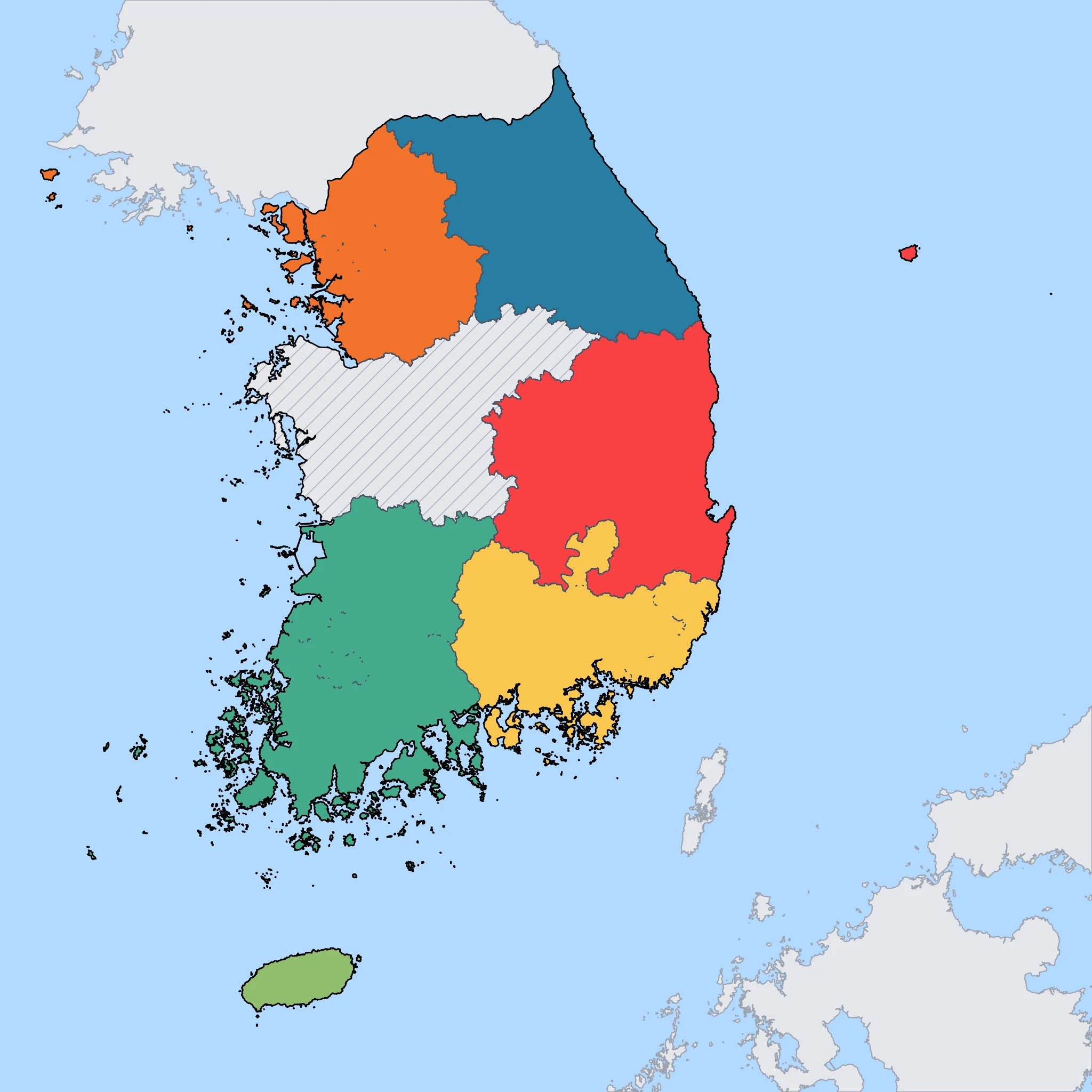
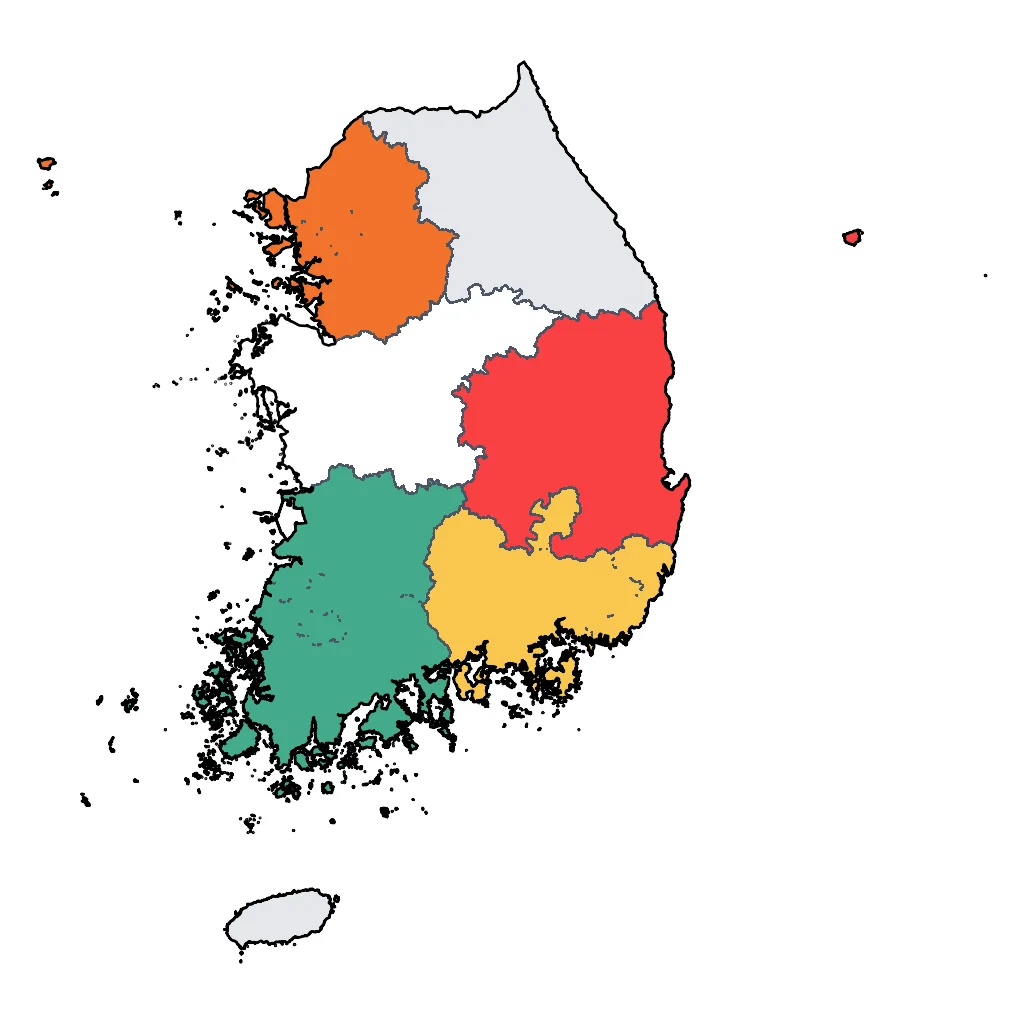
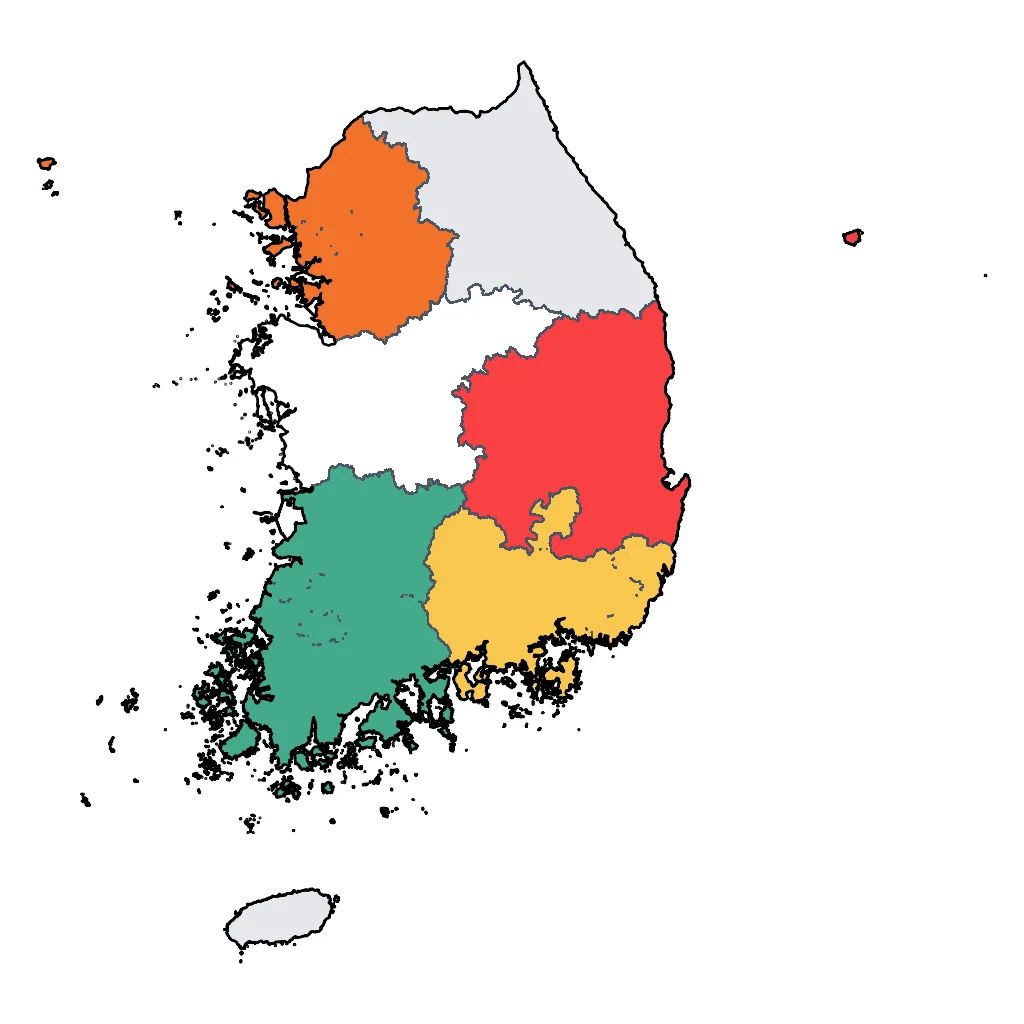
Click a region to explore

Activities & Best Times

Hiking, wildlife, outdoor exploration, ecotourism
A UNESCO Triple Crown site featuring the Hallasan shield volcano, extensive lava tube systems, and unique volcanic oreums. October offers the ideal balance of mild temperatures and clearer skies for trekking; summer months are avoided due to extreme monsoon rainfall and humidity.

Learning experiences, scientific sites, historical education
Highly authentic educational opportunities regarding the UNESCO-recognized Haenyeo (female divers) culture and volcanic geology. Peak months allow for comfortable outdoor exploration of heritage sites; shoulder seasons offer lower crowds with manageable weather.

Spa retreats, wellness centers, peaceful getaways
Home to world-class architectural wellness retreats and forest-therapy centers like Saryeoni Forest. May and October provide optimal outdoor conditions for meditation and relaxation; summer is often too humid and wet, while winter temperatures are less conducive to outdoor serenity.
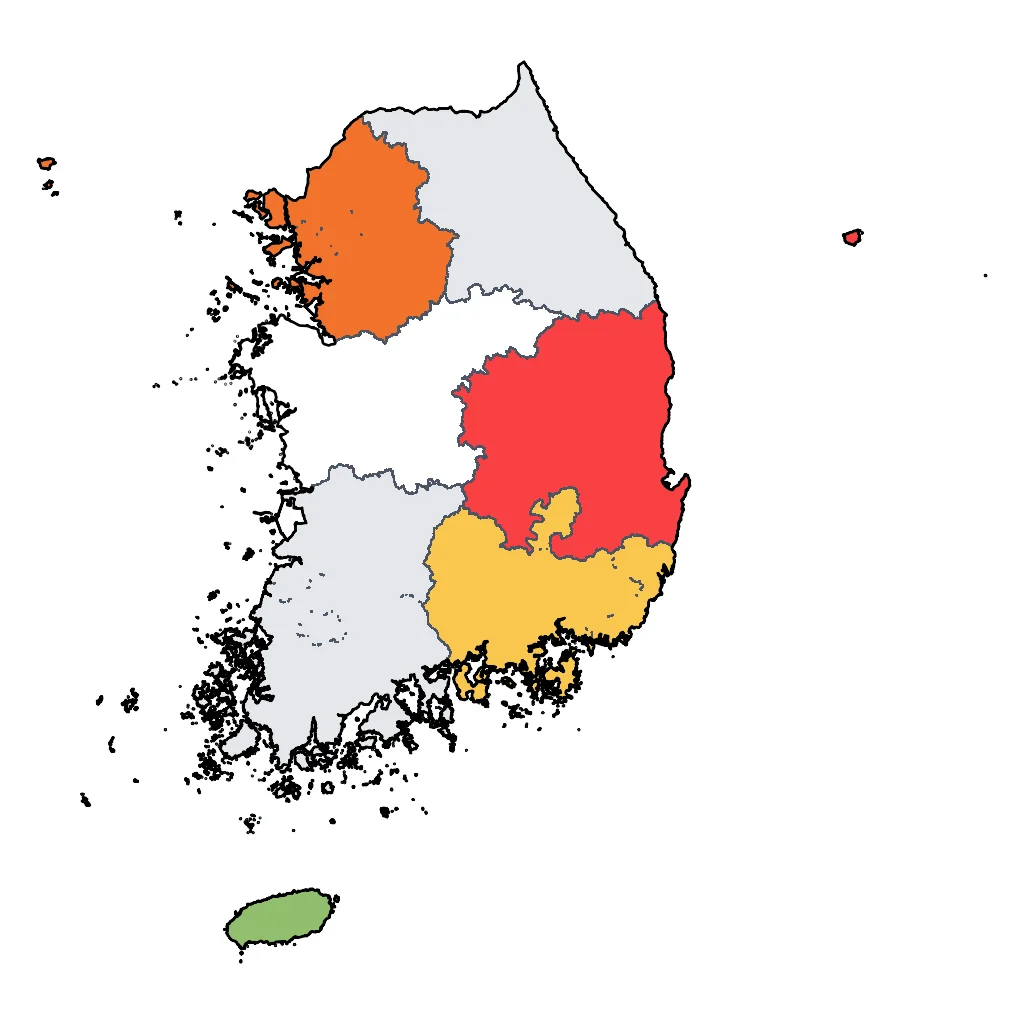

Scenic drives, countryside tours, route-based travel
The Ilju-ro coastal road offers a stunning 234km loop with world-class basalt-fringed vistas and boutique architecture. Late spring and autumn provide the best visibility and blooming landscapes, whereas summer monsoons significantly degrade the driving experience and scenic views.
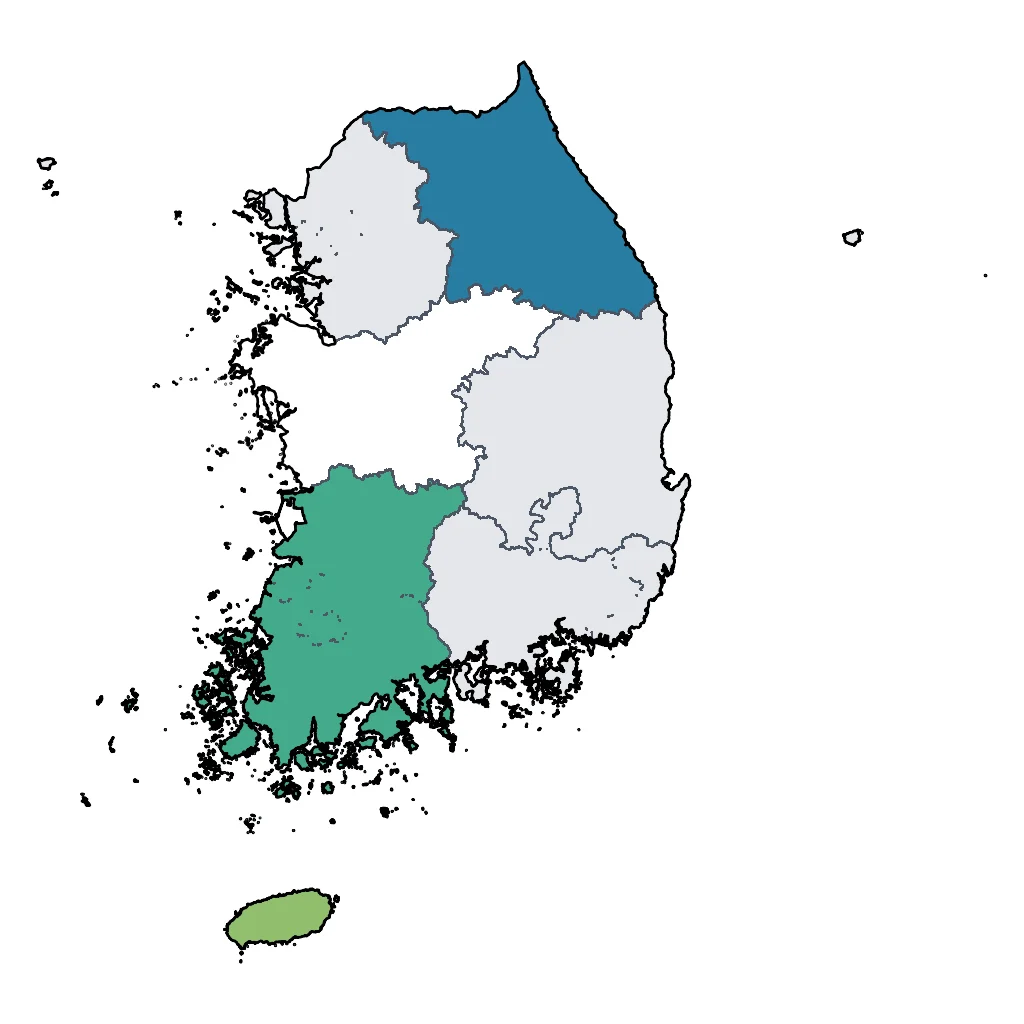

Sport tourism, fitness activities, active recreation
Jeju is a premier destination for world-class golf and cycling via the Fantasy Bike Path. May and October offer the precise 15-28°C range ideal for high-performance activities; July and August are too wet and hot for serious outdoor sport.
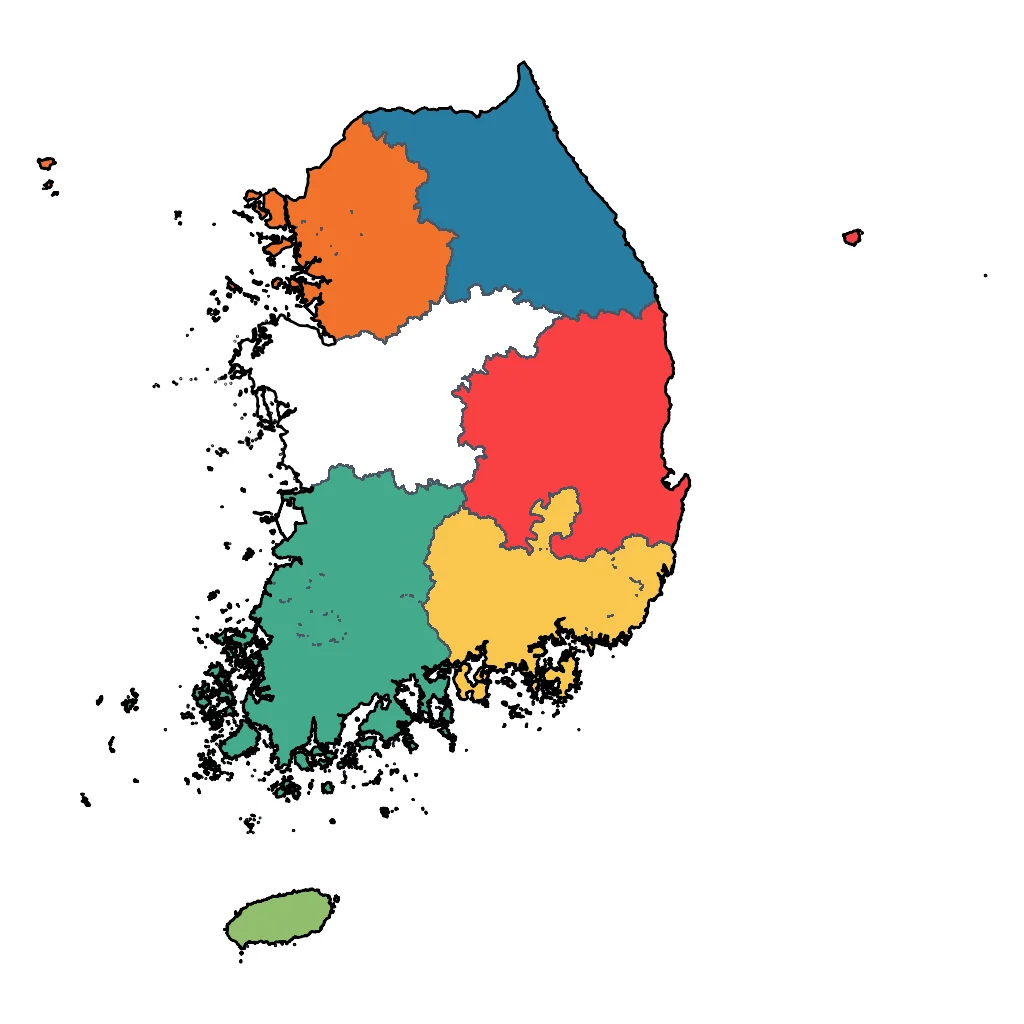

Beach resorts, marine activities: diving, snorkelling, kite surfing, wind surfing, sailing
Features unique emerald waters and basalt-sand beaches, though the swimming season is short for international standards. July and August are the only months with water temperatures exceeding 22°C, though travelers must navigate the high likelihood of seasonal monsoon rains.
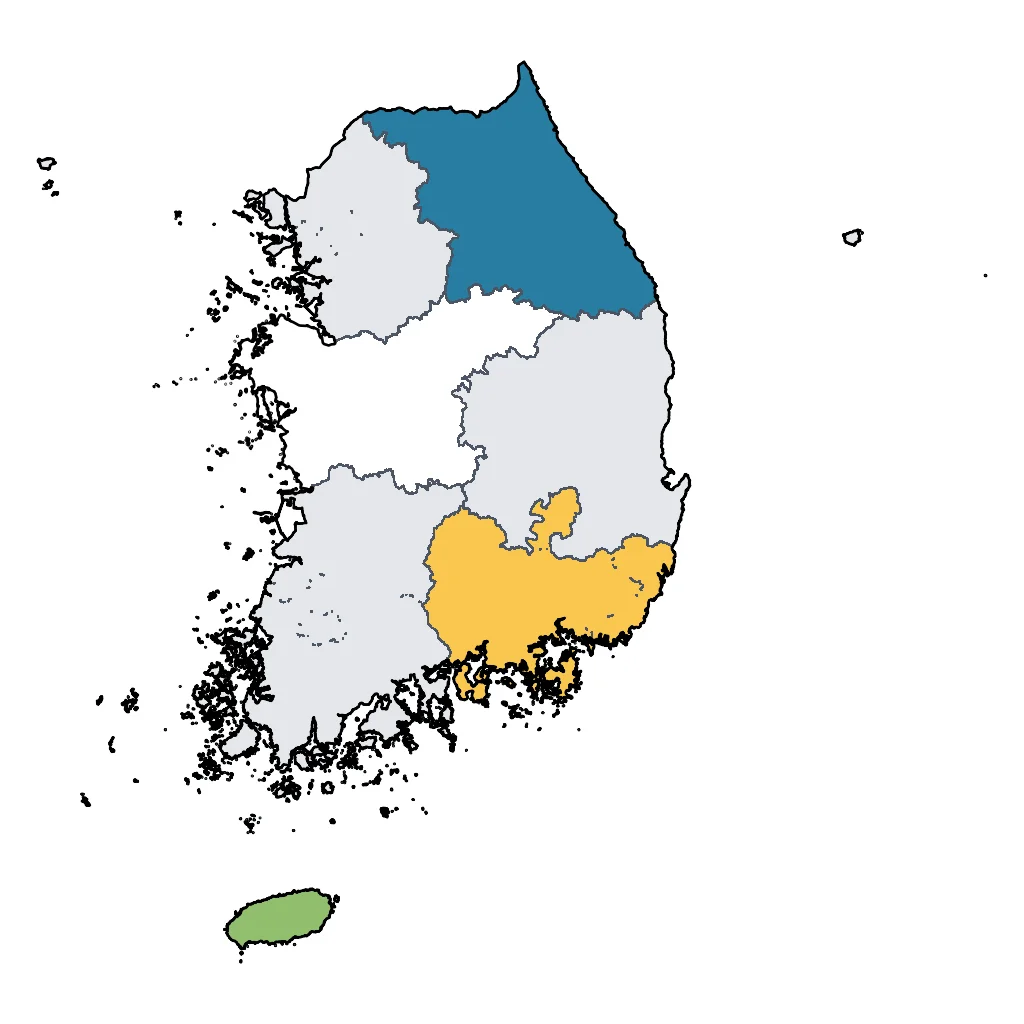

Urban tourism, museums, historical sites, architecture
Significant for its unique Tamna heritage and world-class modern architecture by masters like Tadao Ando and Itami Jun. Spring and autumn are the most pleasant for touring architectural sites; the off-season weather limits the appreciation of buildings designed to integrate with the landscape.

Events, celebrations, seasonal attractions
Features internationally recognized events like the Jeju Fire Festival and spectacular spring cherry and canola blooms. March and April are peak for these specific authentic celebrations, while the rest of the year has fewer major traditional events of international scale.

Amusement parks, family entertainment venues
While Jeju has many kitschy attractions, the Shinhwa World resort and the world-class Spirited Garden offer more sophisticated entertainment. Best visited in mild weather to enjoy the manicured grounds; however, many local parks lack the world-class standards sought by discerning travelers.