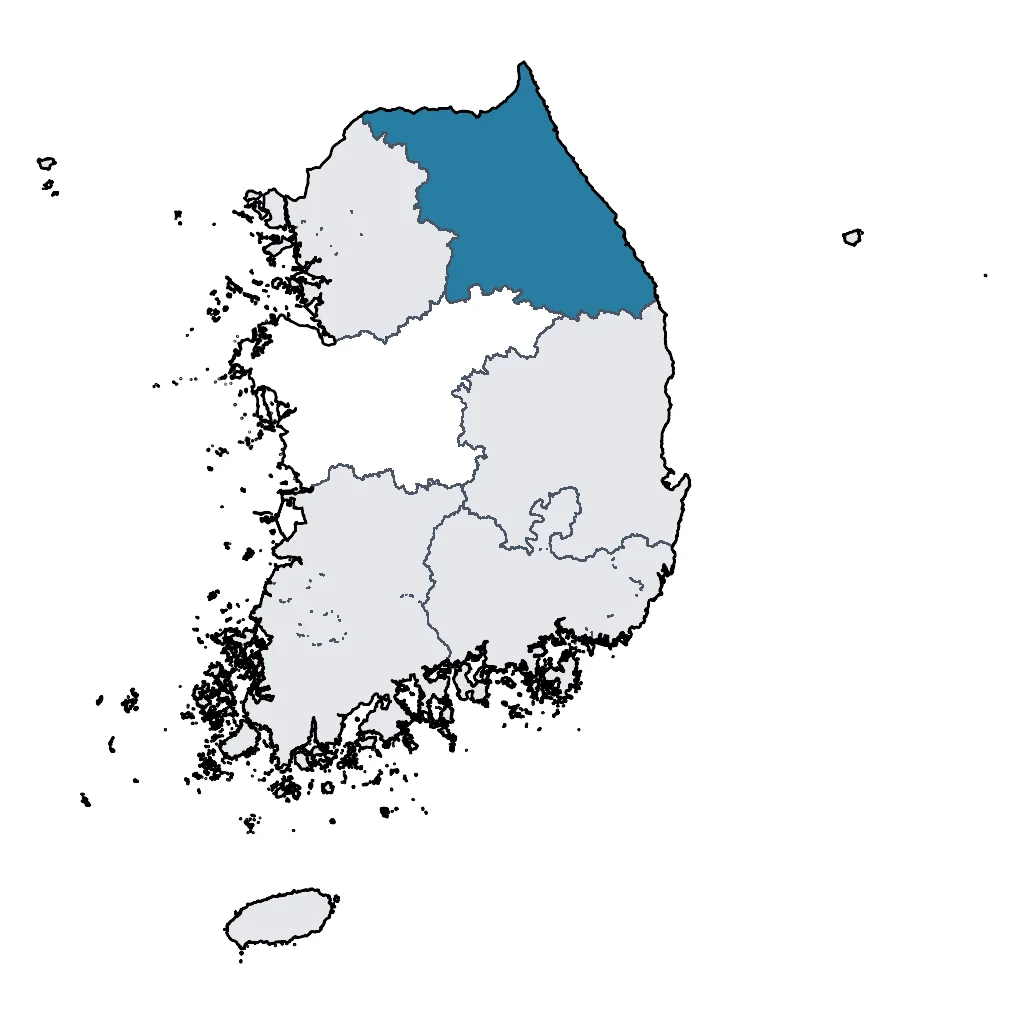

Seoul and the surrounding Gyeonggi Province form the metropolitan heart of South Korea. This massive urban area is incredibly safe, clean, and connected by one of the world's best subway systems, making it surprisingly easy for families to navigate. The city is bisected by the broad Han River, which offers miles of flat riverside parks perfect for renting bicycles or having a delivery-food picnic.
History comes alive at the Five Grand Palaces. Gyeongbokgung is the largest, where the colourful Changing of the Guard ceremony takes place twice daily—a spectacle of drums and flags that captivates children. Nearby, the Bukchon Hanok Village allows families to walk through narrow alleys of traditional houses. For a modern contrast, the Lotte World Tower features a glass-floored observation deck, and the attached Lotte World Adventure is a massive indoor theme park suitable for all weather conditions.
Just outside Seoul in Gyeonggi Province lies Suwon Hwaseong Fortress, a UNESCO World Heritage site. Visitors can try traditional Korean archery or ride the 'Dragon Train' around the massive stone walls. For a full day trip, Everland is Korea's largest outdoor theme park, featuring a zoo with pandas and a safari ride that gets you close to bears and tigers. The DMZ (Demilitarized Zone) is also accessible from here; while intense, the Dora Observatory and Third Tunnel can be an educational experience for older children interested in history.
Dining in Seoul is an adventure. Street food stalls in areas like Myeongdong offer kid-friendly treats like gyeran-ppang (egg bread) and tall soft-serve ice cream. Convenient stores are everywhere, providing easy access to snacks and drinks. The climate varies greatly; summers are hot and humid with monsoon rains, while winters are freezing but dry. Spring and autumn are the ideal seasons for walking the city's extensive parks and palace grounds.
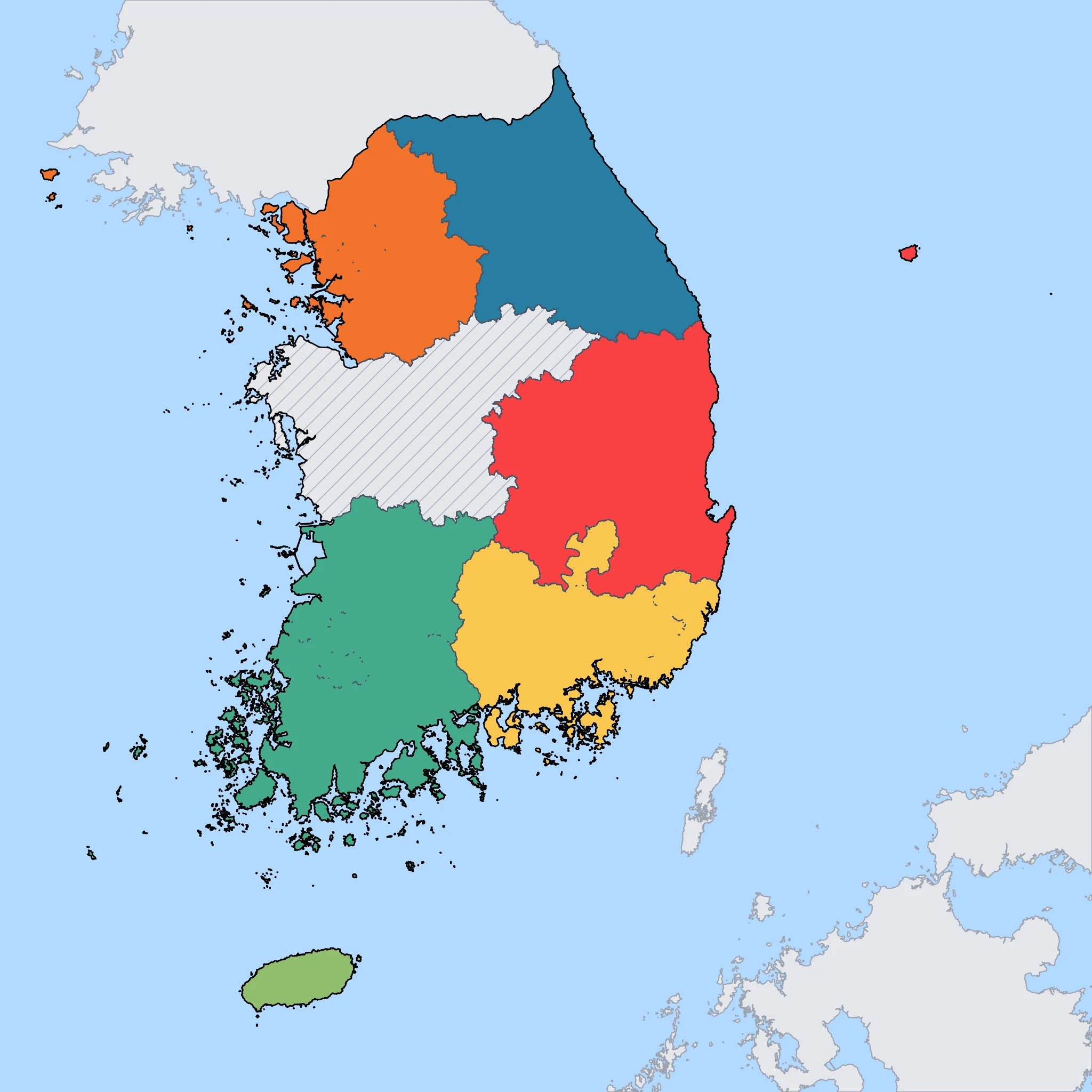
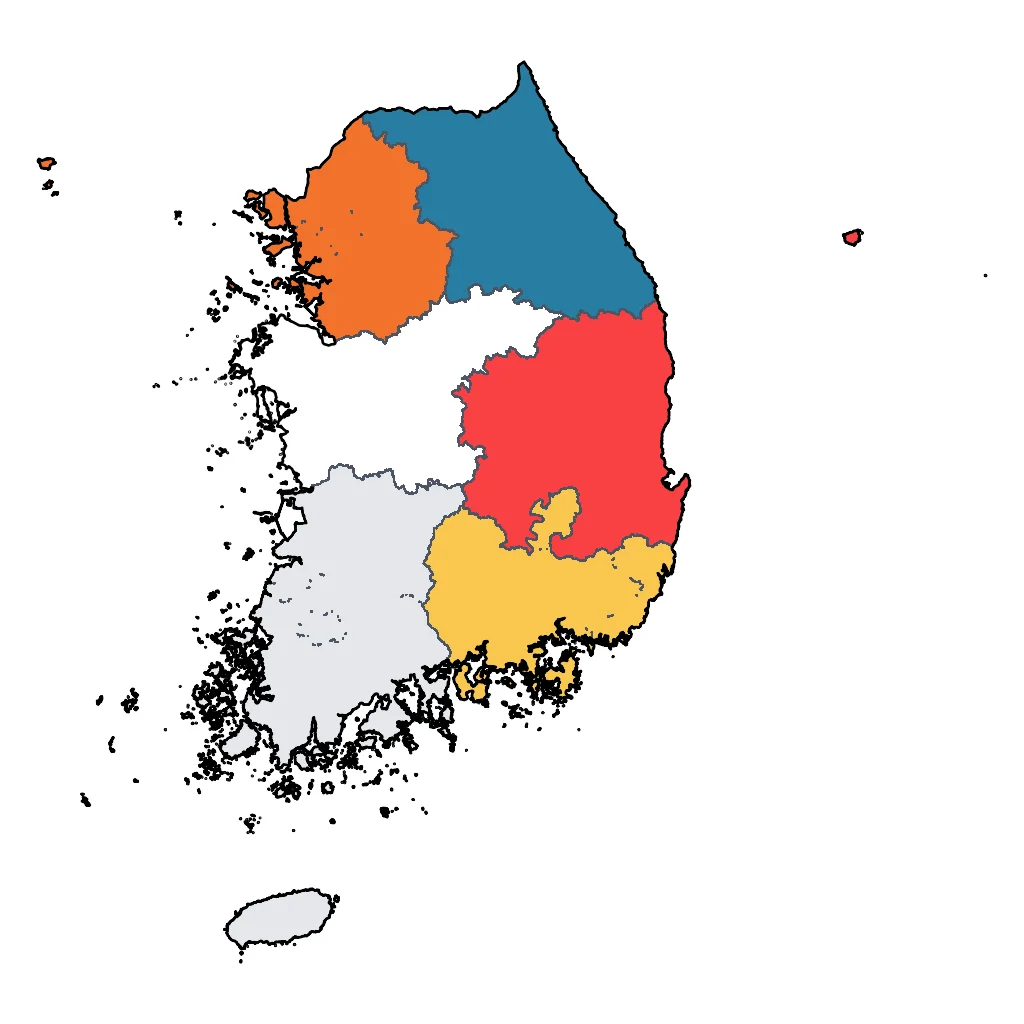
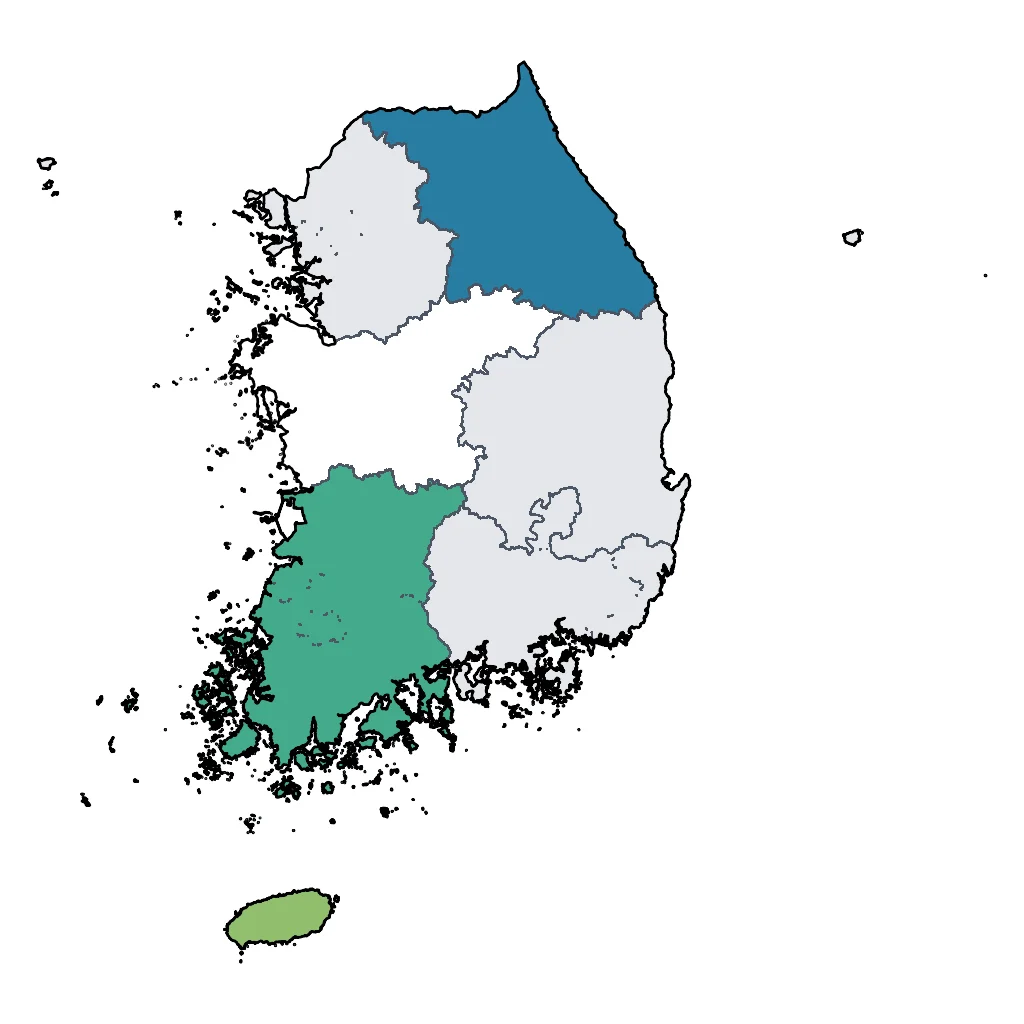
Click a region to explore

Activities & Best Times

Urban tourism, museums, historical sites, architecture
A world-class destination where five Joseon-era palaces and ultra-modern districts like Gangnam offer a unique blend of imperial history and futuristic urbanism. Peak months (May, Oct) offer ideal temps and low rain for palace walking tours; summer monsoon and winter extremes are less suitable for exploration.

Learning experiences, scientific sites, historical education
Features unique educational opportunities including the DMZ (border with North Korea), high-tech corporate innovation centers, and the National Museum of Korea. Best visited in spring and autumn when outdoor historical sites are accessible; extreme winter cold and summer humidity make focused learning tours challenging.

Events, celebrations, seasonal attractions
Hosts internationally significant events like the Lotus Lantern Festival (May) and major autumn cultural festivals with high authenticity. These coincide with the most pleasant weather, whereas the heavy rains of July/August and sub-zero winter temperatures prevent major outdoor celebrations.
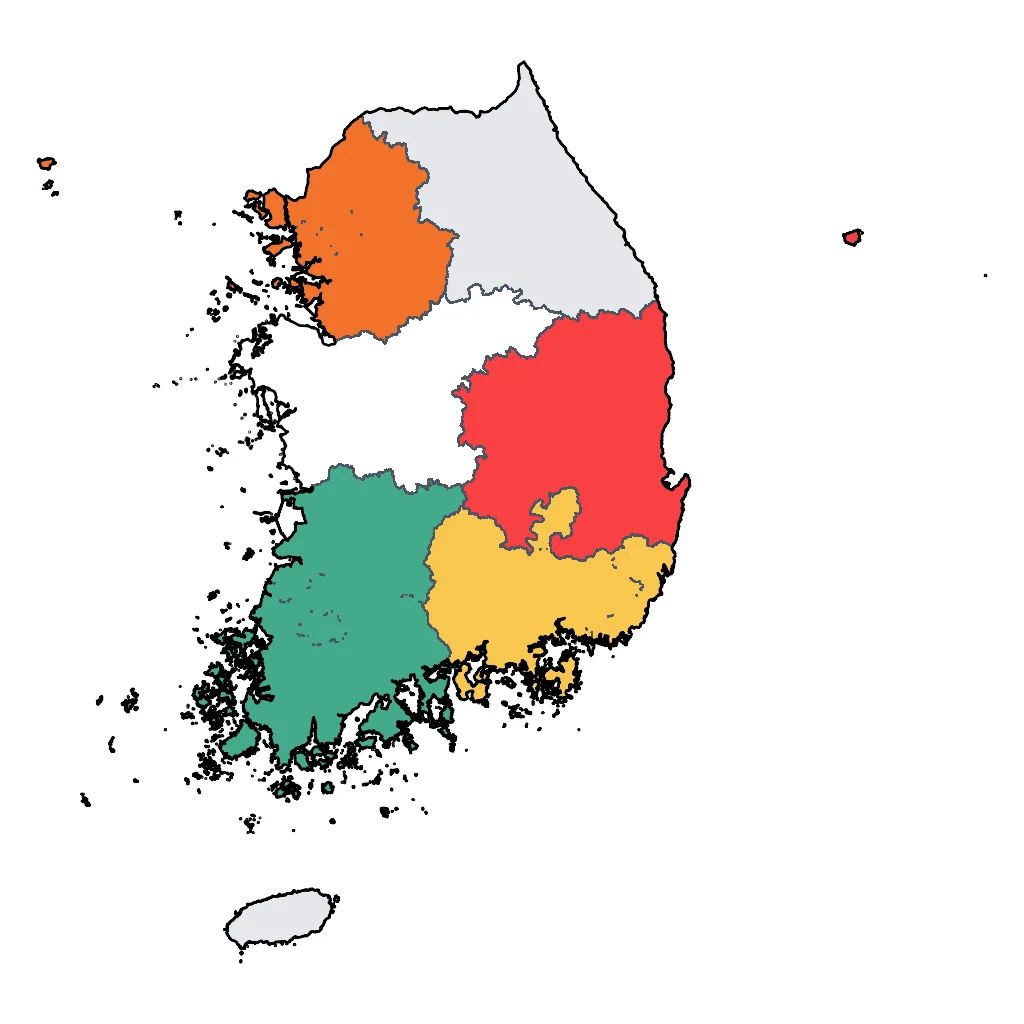

Spa retreats, wellness centers, peaceful getaways
Renowned for sophisticated wellness culture, from high-end urban spas at Paradise City to authentic temple stays in the Gyeonggi mountains. While indoor facilities are world-class year-round, the peak outdoor environments are most tranquil during the temperate spring and autumn seasons.
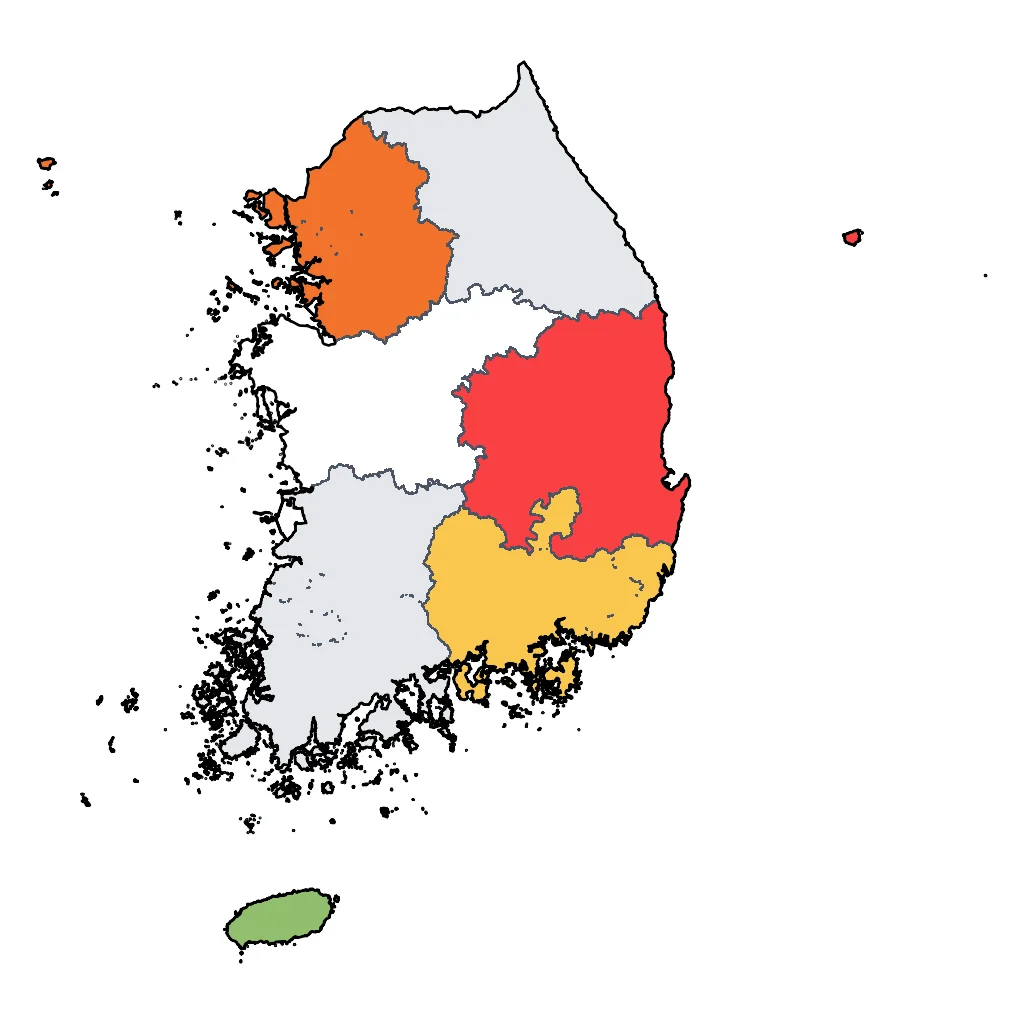

Hiking, wildlife, outdoor exploration, ecotourism
Bukhansan National Park offers unique granite peaks and rugged hiking directly from the city metro, though it is often crowded with local hikers. Peak months provide the dry, clear weather necessary for safe granite scrambling; the summer monsoon (Jul-Aug) and winter ice make trails hazardous.
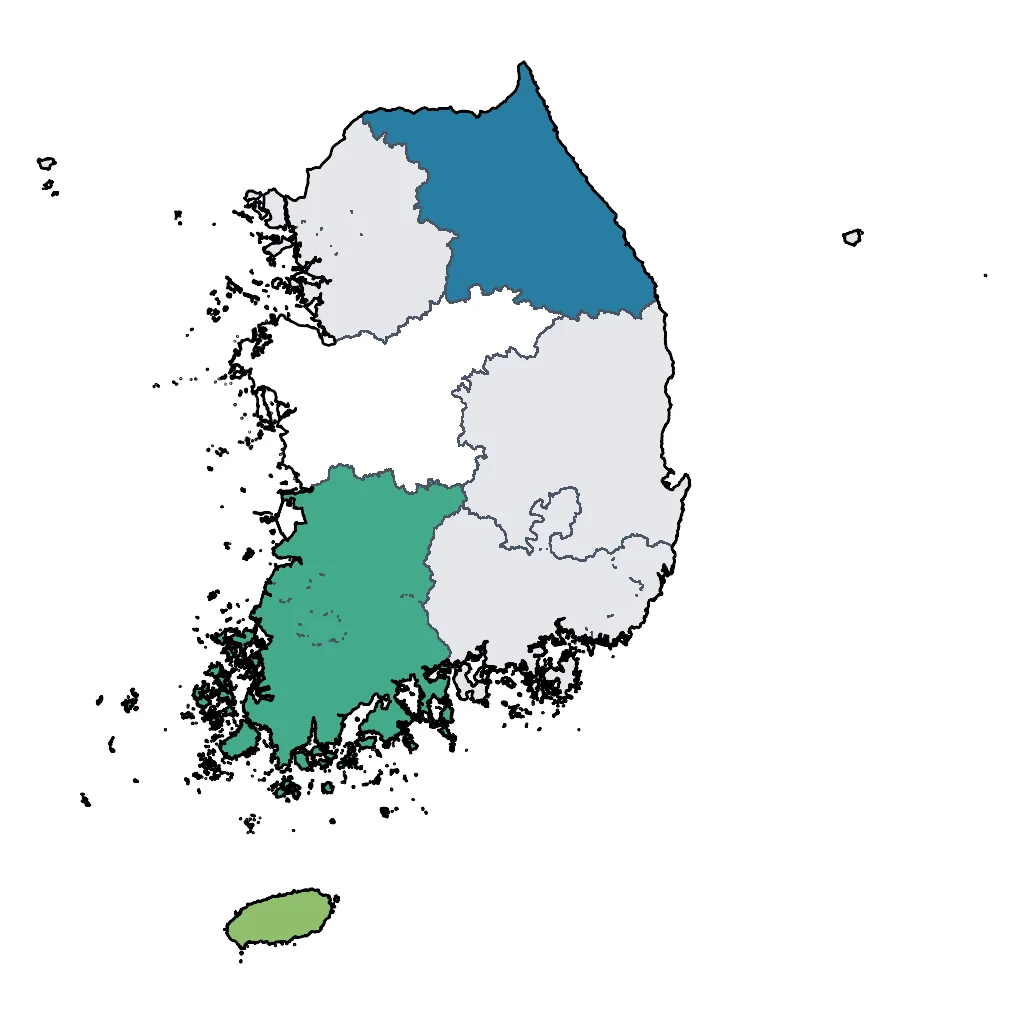

Sport tourism, fitness activities, active recreation
Features extensive, high-quality cycling paths along the Han River and premium golf facilities in the Gyeonggi countryside. Optimal conditions occur during the mild, dry windows of May and October; summer humidity and winter freezes are unsuitable for most active outdoor pursuits.
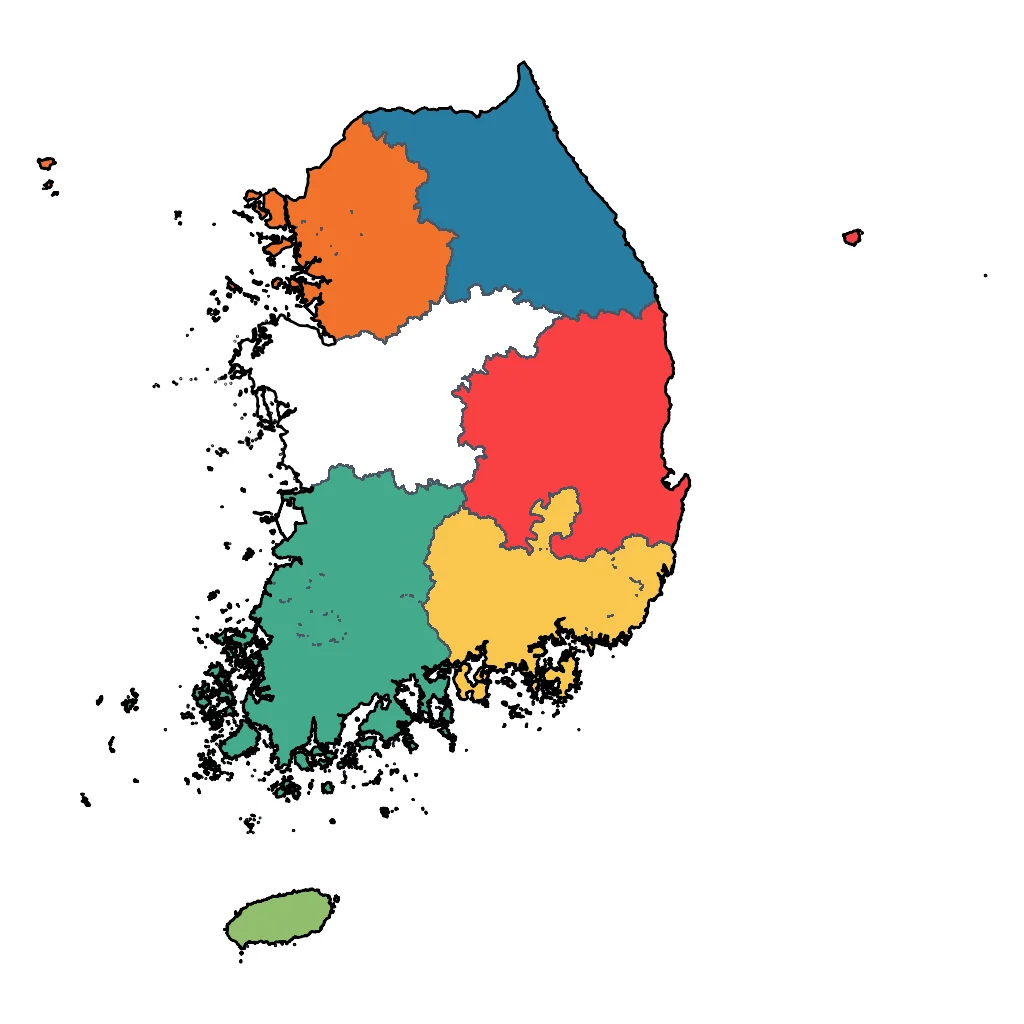

Amusement parks, family entertainment venues
Home to major parks like Everland and Lotte World, which feature world-class attractions but can suffer from heavy crowds and domestic-focused service. Peak attendance is best during mild weather months; extreme heat/rain in summer and freezing winters limit the enjoyment of outdoor park areas.

Scenic drives, countryside tours, route-based travel
Scenic driving routes exist along the DMZ border and through Gyeonggi's mountain valleys, particularly beautiful during the October autumn foliage. Heavy metropolitan traffic and complex urban navigation significantly limit the appeal compared to dedicated road-trip destinations.

Winter sports, ski resorts, snow activities
Several ski resorts are accessible from Seoul, providing convenient family-friendly winter sports, though terrain and scale are limited compared to world-class alpine destinations. Reliable conditions for snow-making only exist from late December through February when temperatures remain consistently below freezing.