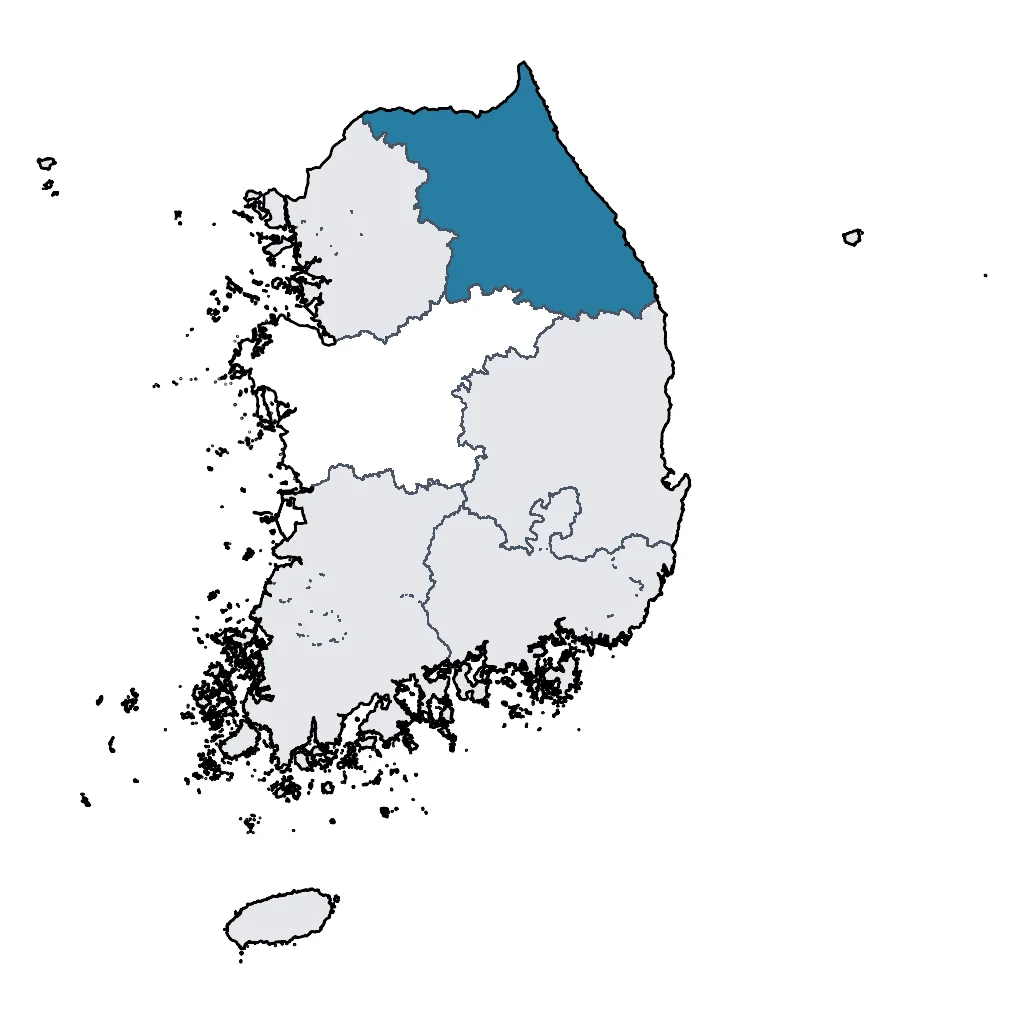

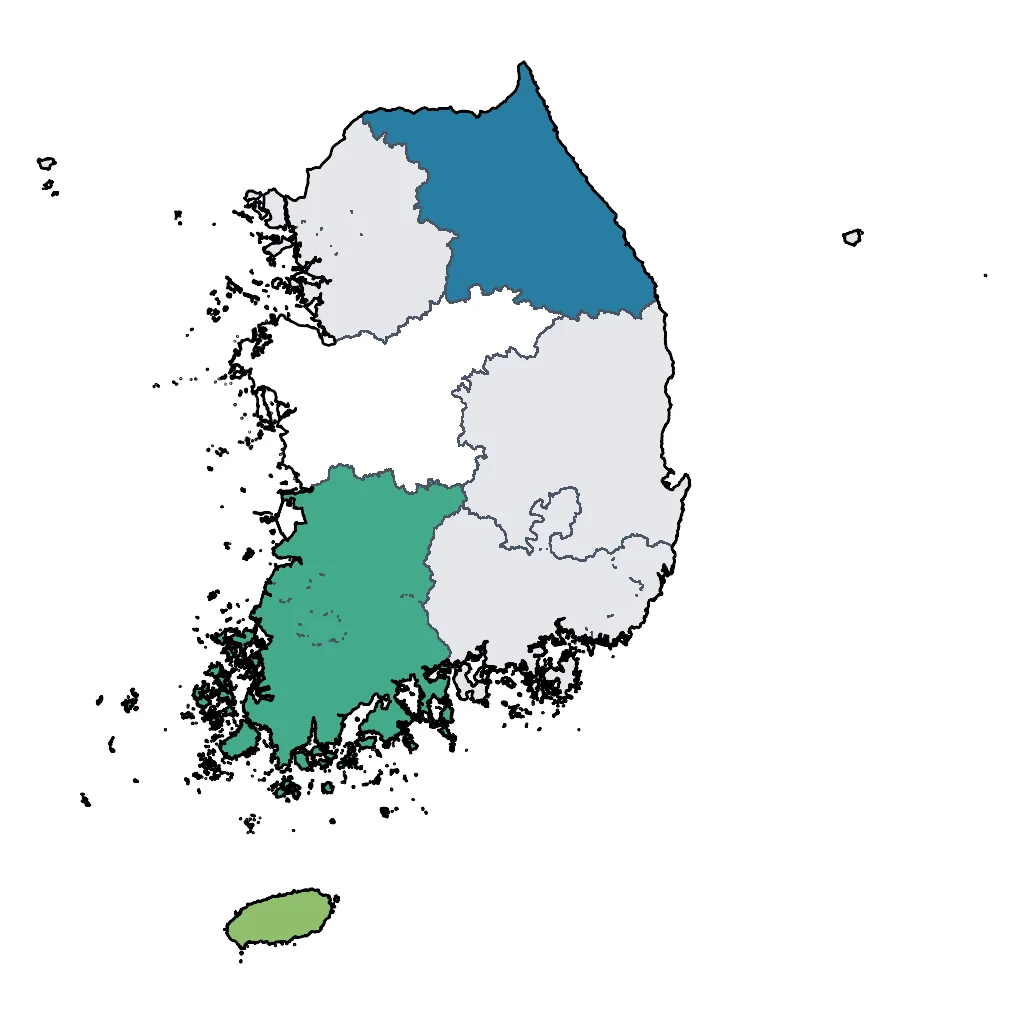
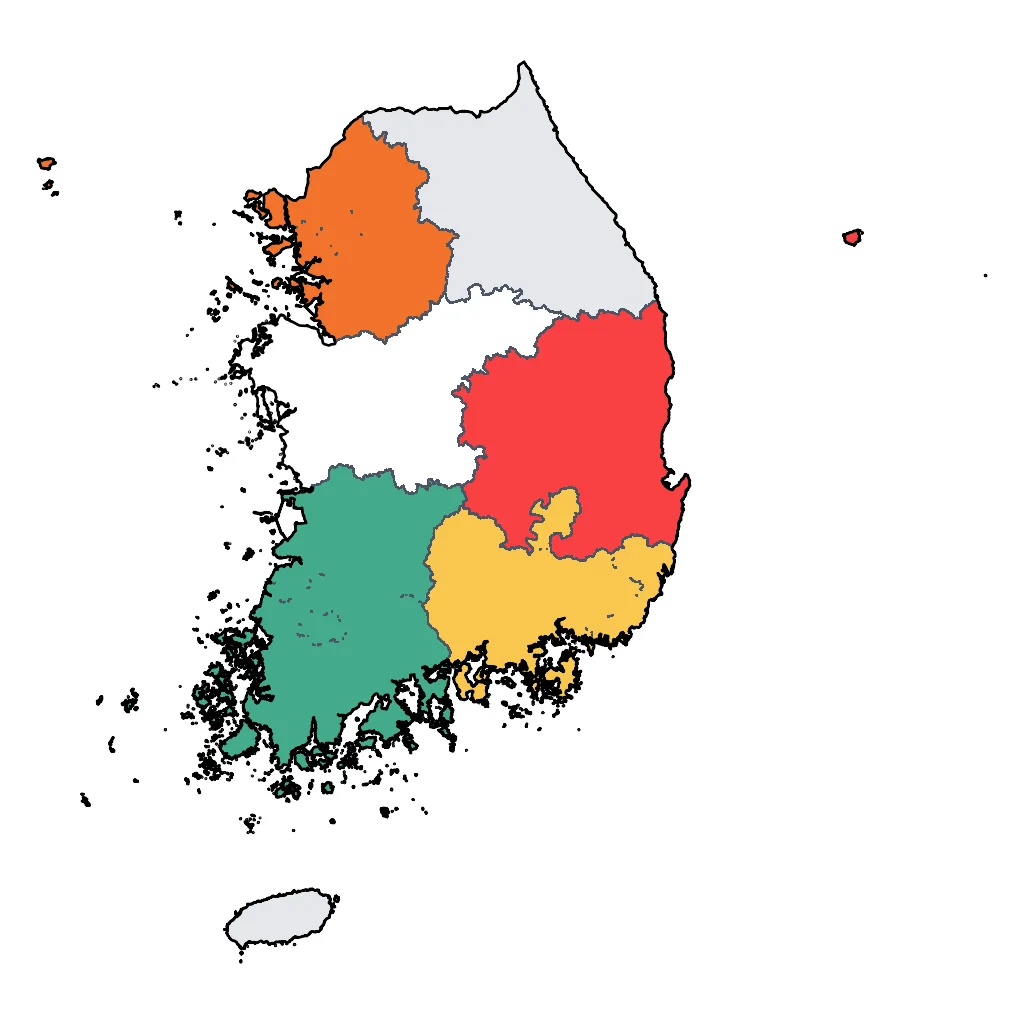
The Southwest region, encompassing Jeonju and the Jeolla provinces, is the custodian of Korean tradition and cuisine. The landscape here is a mix of fertile plains, coastal wetlands, and rolling hills dedicated to agriculture. For families, this region offers a chance to slow down and engage with Korean heritage in a tangible, immersive way.
The focal point is the Jeonju Hanok Village, a preserved district of over 800 traditional houses. A major activity for families here is renting Hanbok (traditional clothing); shops offer sizes for toddlers up to adults, and wearing them grants free entry to Gyeonggijeon Shrine. Staying overnight in a Hanok guesthouse is a memorable experience; kids often find sleeping on the heated ondol floors (on thick futons) to be a novel camping-style adventure.
Further south, the nature activities are robust. Damyang's Juknokwon is a massive bamboo forest with walking paths where children can run safely among the towering green stalks. In Suncheon, the Suncheonman Bay National Garden is a colossal park featuring themed gardens from around the world, connected to a vast wetland reserve via a distinctive bridge of dreams. It provides ample space for strollers and picnics. The Boseong Green Tea Fields offer terraced hillsides that are visually striking, and the on-site cafe serves green tea ice cream that is popular with visitors of all ages.
Jeonju is recognized as a UNESCO City of Gastronomy. It is the birthplace of Bibimbap (mixed rice), and non-spicy versions are easily available for children. The region is also famous for its generous side dishes (banchan). Travel between these cities is best done via express buses or KTX trains, though a rental car helps for reaching rural sites like Boseong. The atmosphere is distinctly more rural and welcoming than the frenetic pace of Seoul.
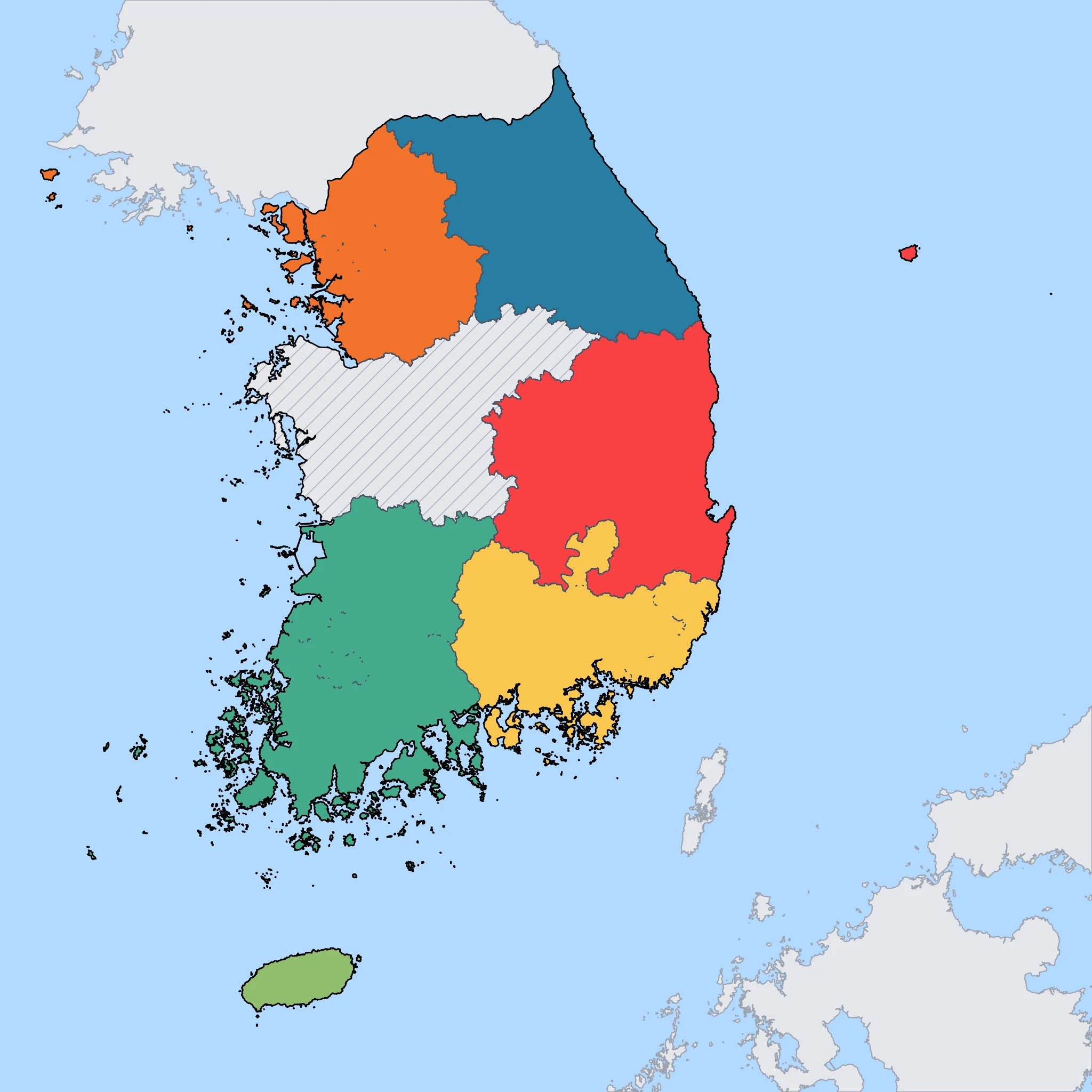
Click a region to explore

Activities & Best Times

Hiking, wildlife, outdoor exploration, ecotourism
Features the unique Suncheon Bay Wetlands and Jirisan National Park, offering sophisticated families pristine ecosystems and high-quality hiking. Spring and autumn provide the best trail conditions and visibility; the summer monsoon (Jul-Aug) and sub-zero winter temperatures create unfavorable conditions for exploration.

Urban tourism, museums, historical sites, architecture
Jeonju Hanok Village and UNESCO City of Gastronomy status are impressive but don't match the heritage density of Seoul (5 UNESCO palaces, 15 attractions) or Gyeongju (UNESCO Triple Crown). Only 2 attraction records in the DB, one of which (Dolmen Sites) is rural/prehistoric rather than urban-cultural. VERY_GOOD better reflects the relative standing within this country and globally.

Learning experiences, scientific sites, historical education
Offers deep immersion into Confucian philosophy, traditional paper making (Hanji), and Korean folk music (Pansori) through interactive centers. Ideal weather in May and October facilitates outdoor workshops and archaeological site visits; extreme seasonal temperatures in winter and summer limit access to educational programs.
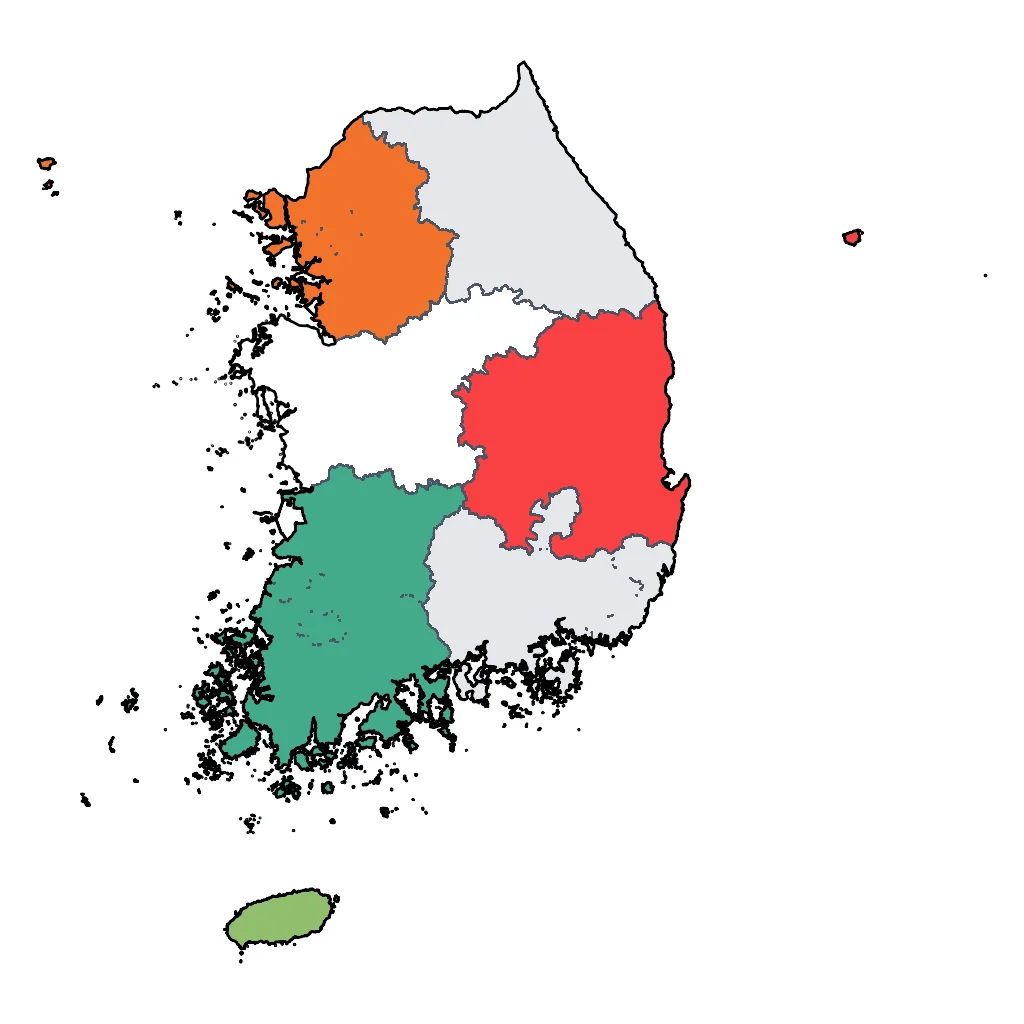

Events, celebrations, seasonal attractions
While the Gwangju Biennale and Jeonju Bibimbap Festival are nationally significant, they do not reach the international caliber required for 'excellent' (e.g., Venice Biennale, Edinburgh Fringe, Rio Carnival). Zero festival-category attractions in the DB. VERY_GOOD accurately reflects a strong regional festival scene with some international recognition.
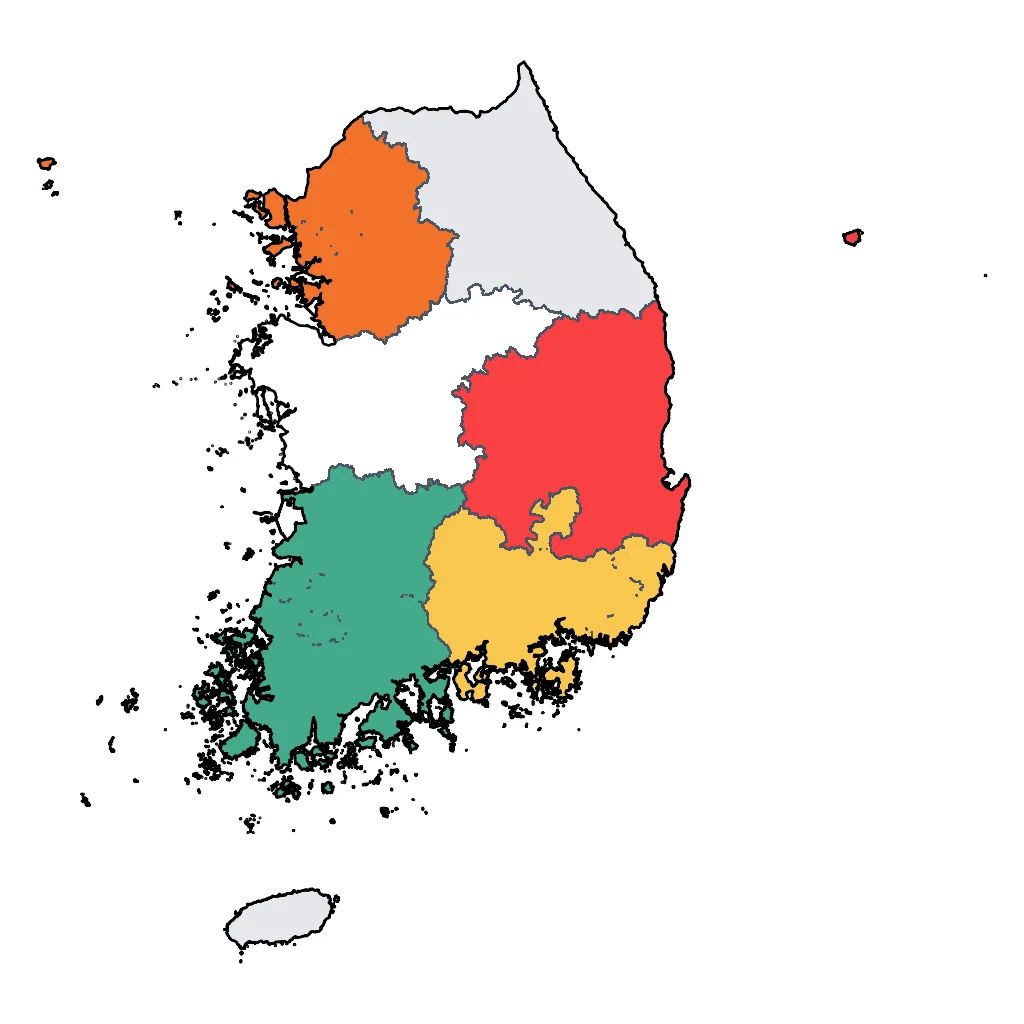

Scenic drives, countryside tours, route-based travel
Scenic drives through the Damyang Metasequoia Road and the Boseong tea plantations offer spectacular, well-maintained routes. October and November are peak for their world-famous autumn foliage and low precipitation; summer months are avoided due to heavy rain limiting visibility and dangerous road conditions.
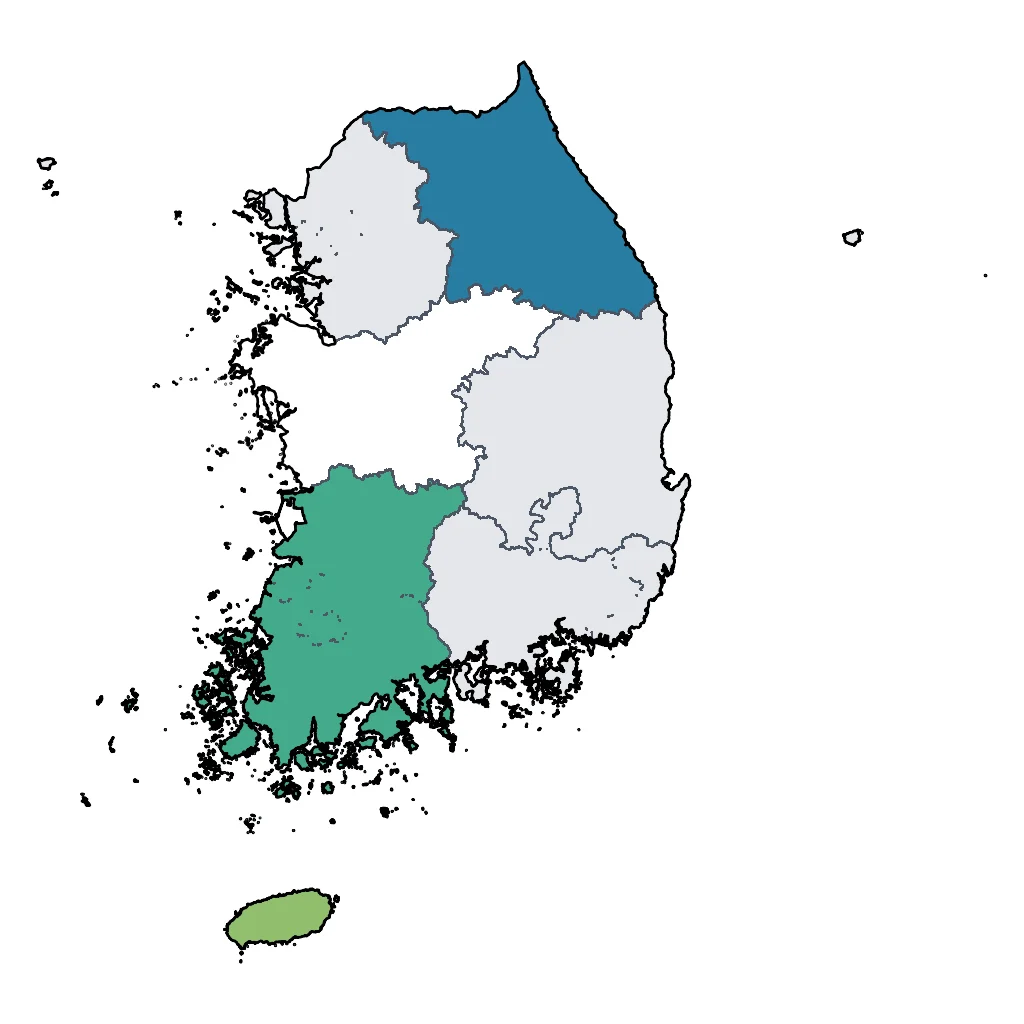

Spa retreats, wellness centers, peaceful getaways
Specializes in traditional Korean medicine (Hanbang) and serene tea-themed wellness retreats in the rolling hills of Boseong. Moderate spring and autumn weather enhances the tranquility of outdoor meditation and tea ceremonies; humidity and rain in summer disrupt the peaceful atmosphere required for these retreats.
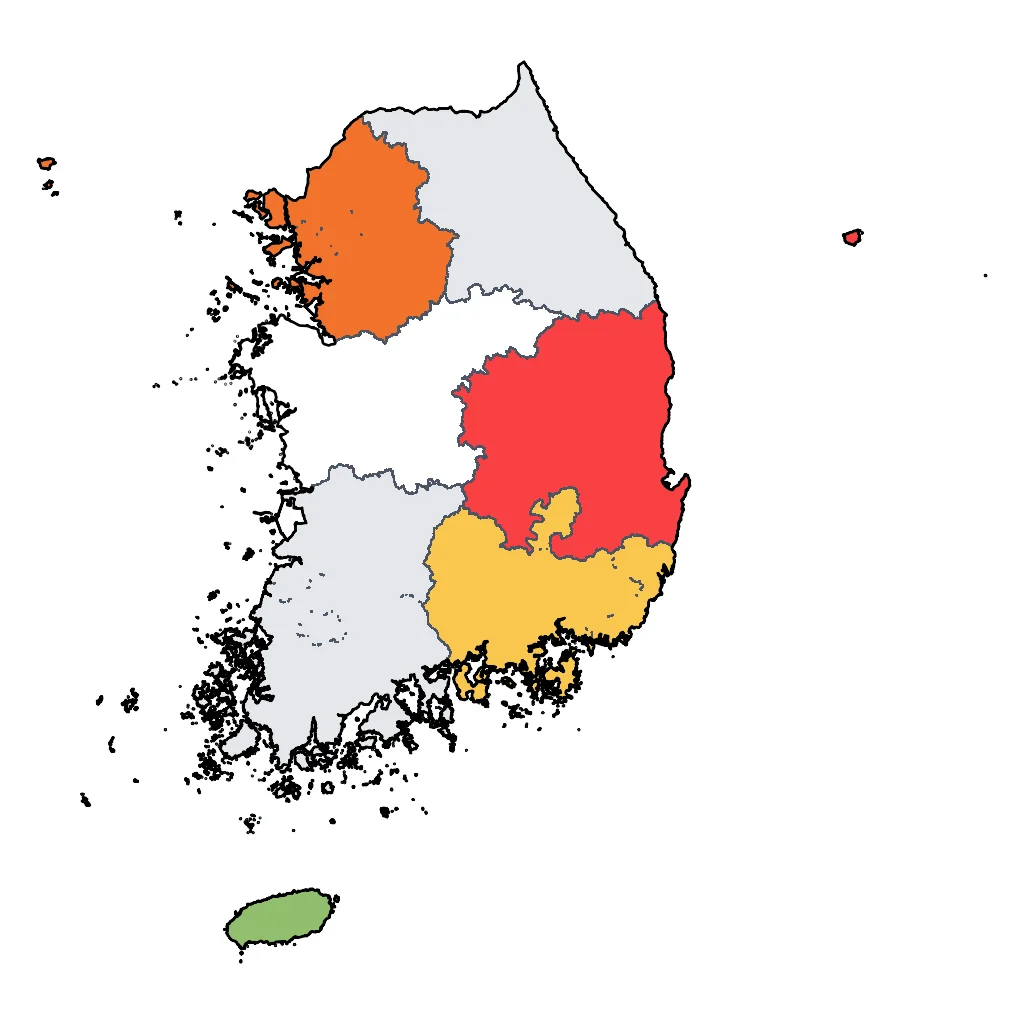

Sport tourism, fitness activities, active recreation
Excellent hiking trails in Damyang’s bamboo forests and cycling paths through the rural southwest. Peak performance months avoid the high humidity of July-August and the freezing mountain temperatures of winter.
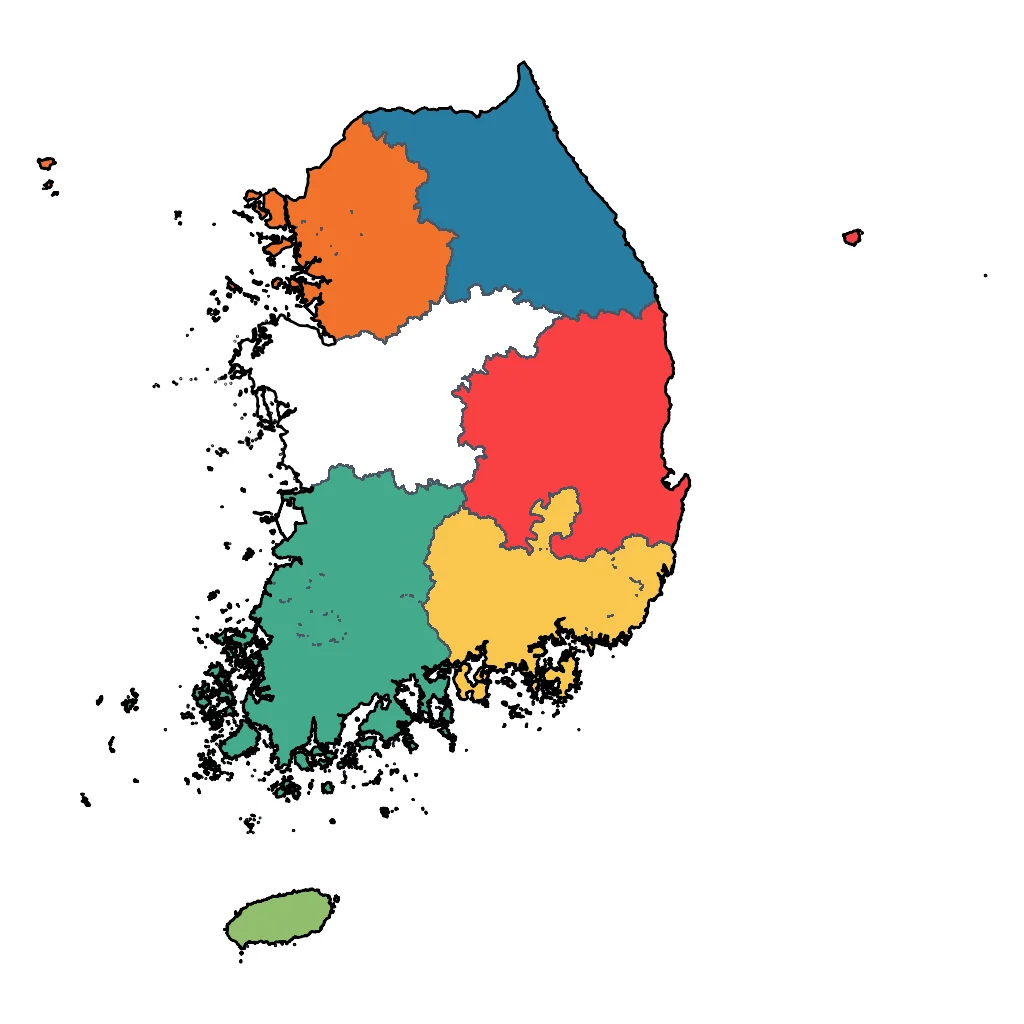

Beach resorts, marine activities: diving, snorkelling, kite surfing, wind surfing, sailing
While the Southwest coast features unique mudflats and coastal parks, it lacks the 'pristine white sand' appeal sought by global elite travelers. Summer is the only viable time for water activities due to sea temperatures, but high humidity and domestic crowds during this period can impact the sense of exclusivity.
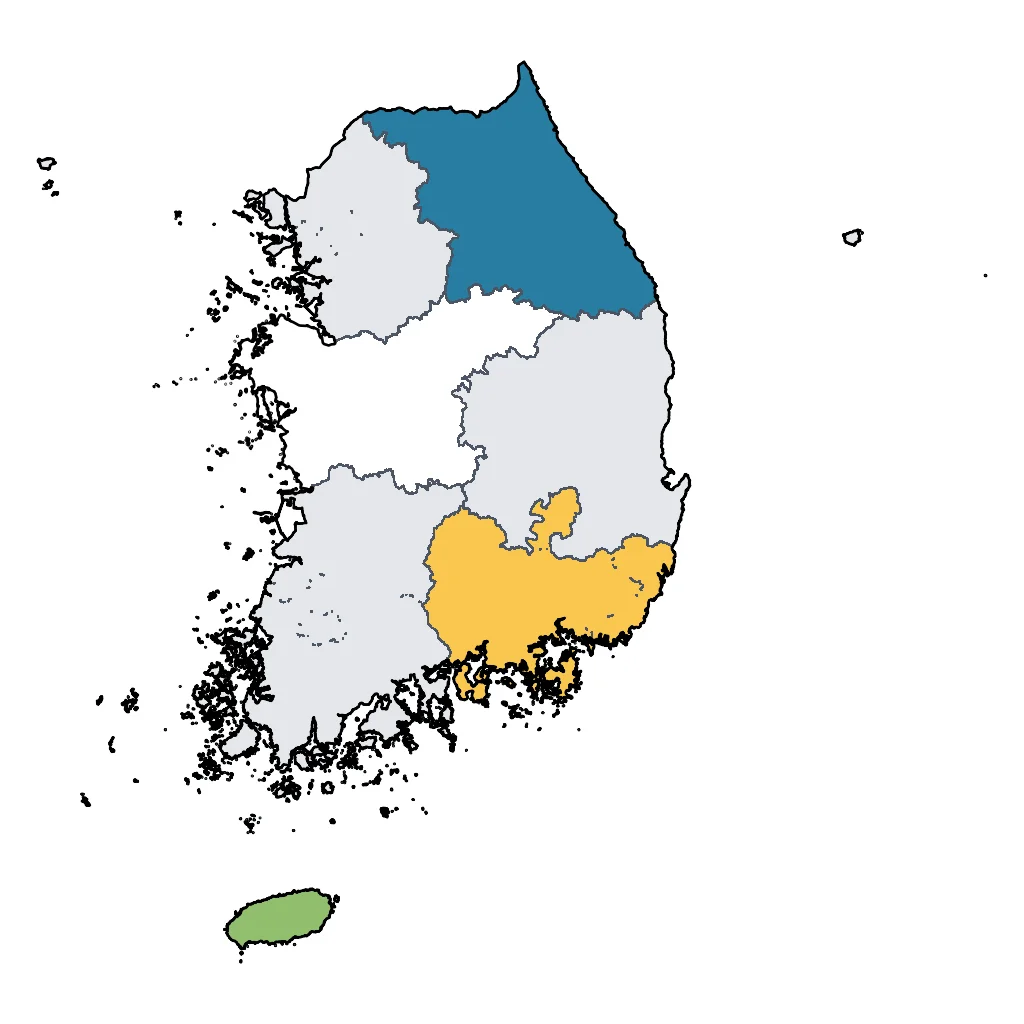

Winter sports, ski resorts, snow activities
Muju Deogyusan Resort offers Korea's most southern major ski terrain with authentic alpine settings. While infrastructure is good, the season is short and snow reliability is lower than international benchmarks like the Alps; only Jan-Feb offer consistent sub-zero temperatures (max 4.9-6.4°C) for winter sports.