Vilnius is a compact, walkable capital that enchants families with its UNESCO-listed Old Town, one of the largest surviving medieval quarters in Northern Europe. The streets are cobbled and winding, leading to hidden courtyards and grand churches. A great starting point is Cathedral Square, where you can spot the 'Stebuklas' (Miracle) tile—legend says spinning around on it grants a wish. Dominating the skyline is the Gediminas Castle Tower. While you can walk up the winding path, families often prefer taking the funicular for a quick ride to the top for panoramic views.
The city is surprisingly green and filled with activities for kids. The Bernardine Garden, located right next to the Vilnia River, features musical fountains and two excellent playgrounds. For indoor fun, the Toy Museum allows children to touch and play with replicas of historical toys, while the Museum of Illusions provides photo-worthy mind tricks. Older children and teenagers will appreciate the Republic of Užupis, a bohemian artist district that declared itself an independent republic; reading its 'Constitution' on the wall (translated into many languages) is a fun cultural activity, featuring rights like 'A dog has the right to be a dog'.
Dining in Vilnius is easy with a wide range of international and traditional options. Cold beetroot soup (šaltibarščiai) is a bright pink favourite that kids often find fascinating. Public transport is reliable, with trolleybuses connecting the centre to outlying attractions like the TV Tower or the Belmontas entertainment complex. Safe, clean, and full of history, Vilnius offers a high-quality European city break without the overwhelming crowds found in larger western capitals.
Click a region to explore

Activities & Best Times

Urban tourism, museums, historical sites, architecture
International calibration: Vilnius has a lovely Baroque Old Town (UNESCO), but 'excellent' for city/cultural competes with Rome, Florence, Paris, Prague, Istanbul, and Kyoto. Vilnius is nationally and regionally outstanding but not globally top-tier. 'very_good' properly reflects its status as a high-quality but niche European cultural destination.

Learning experiences, scientific sites, historical education
The city offers profound historical insights, from the Palace of the Grand Dukes to the sobering Museum of Occupations and Freedom Fights. Summer provides optimal conditions for visiting nearby archaeological sites like Kernavė, while the off-season weather makes outdoor historical exploration uncomfortable.

Hiking, wildlife, outdoor exploration, ecotourism
The region offers world-class hot air ballooning directly over the historical center—a rare global experience—complemented by kayaking on the Neris. Peak summer provides the stable weather and visibility required for flights, whereas winter conditions are unsuitable for these activities.
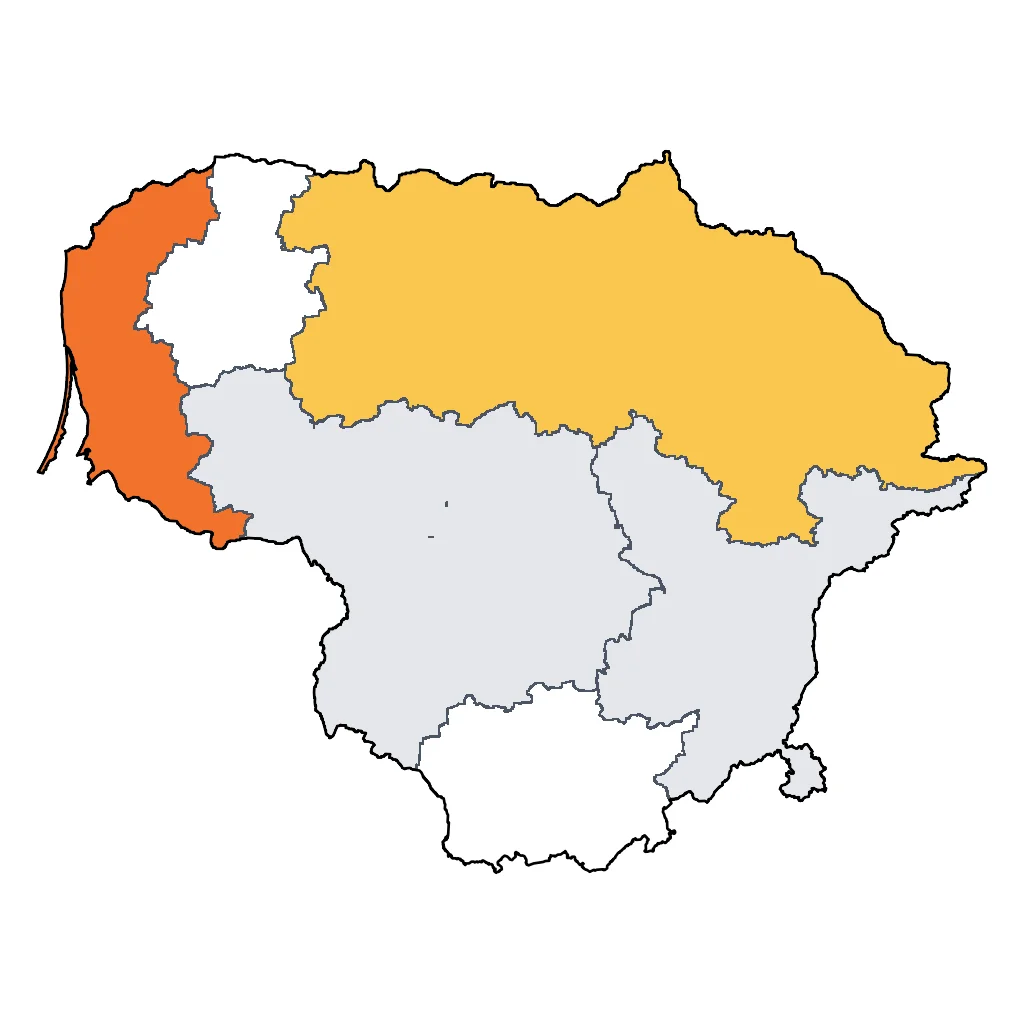

Events, celebrations, seasonal attractions
International calibration: Vilnius Christmas markets and the Kaziukas Fair are nationally significant but not internationally prominent. Compared to Vienna, Strasbourg, Edinburgh Fringe, or Munich Oktoberfest, these events do not reach 'very_good' internationally. 'good' is more accurate.
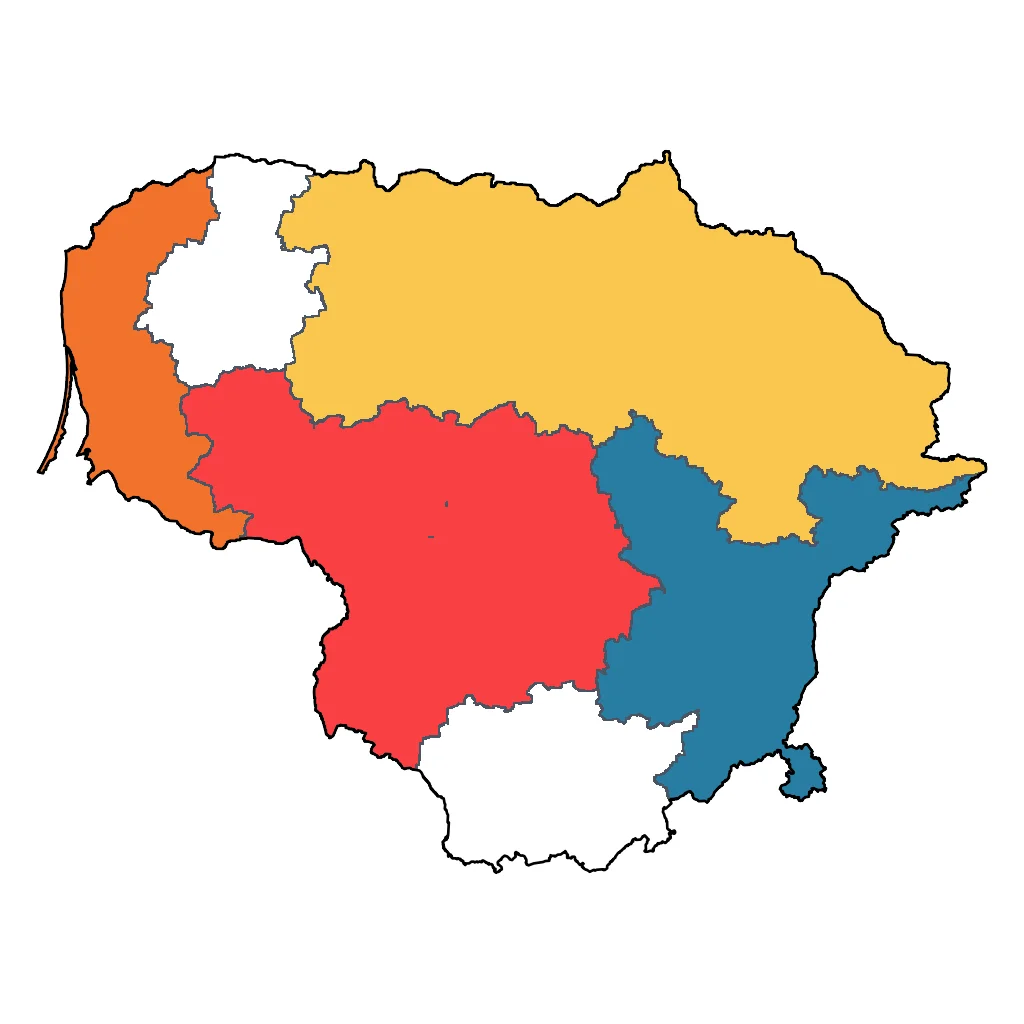

Spa retreats, wellness centers, peaceful getaways
Sophisticated travelers can enjoy high-end urban spa retreats within luxury boutique hotels like Pacai. The experience is best in summer when wellness can be combined with the city's extensive green spaces; winter's damp cold limits the appeal of the overall environment.
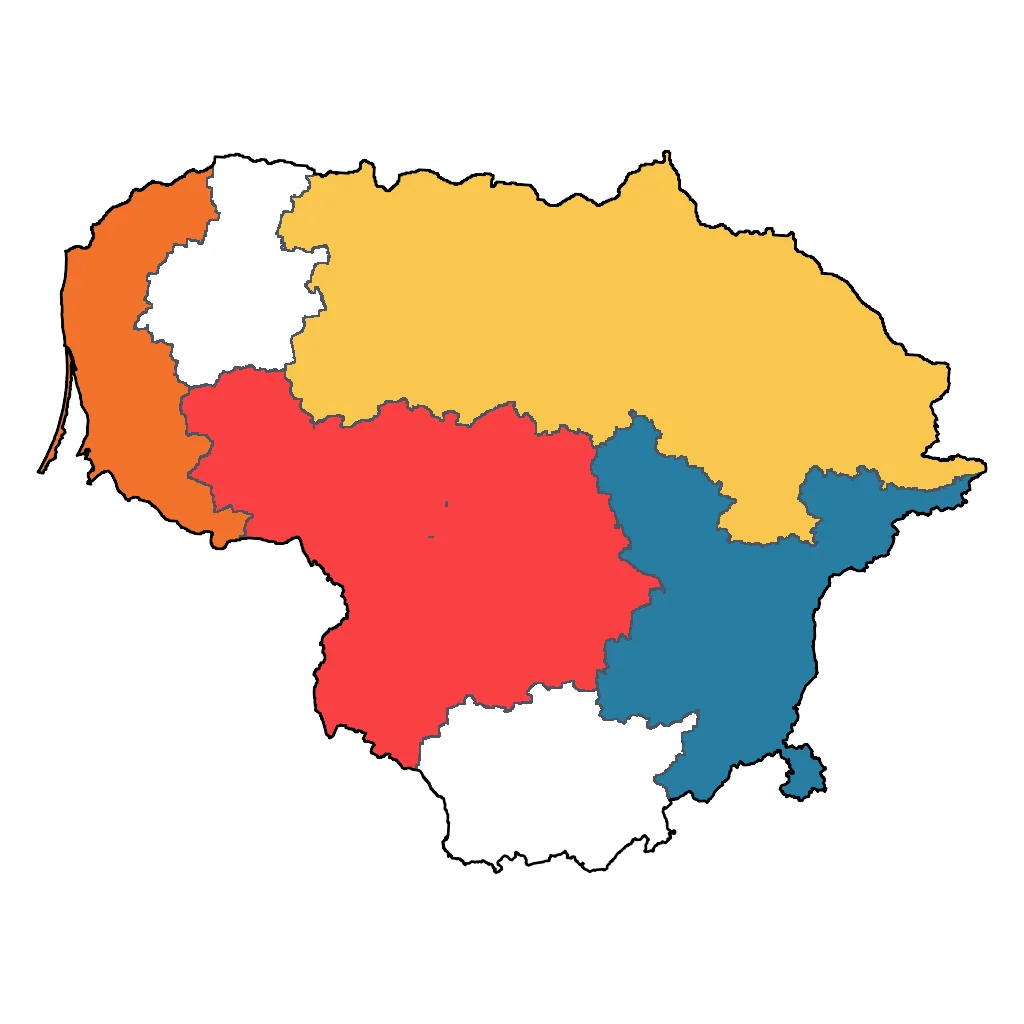

Scenic drives, countryside tours, route-based travel
Vilnius serves as a gateway to the stunning Trakai Island Castle and the surrounding lake district, offering high-quality scenic drives. Summer months offer peak visibility and lush landscapes, while the winter period is marred by high humidity, slush, and limited daylight.
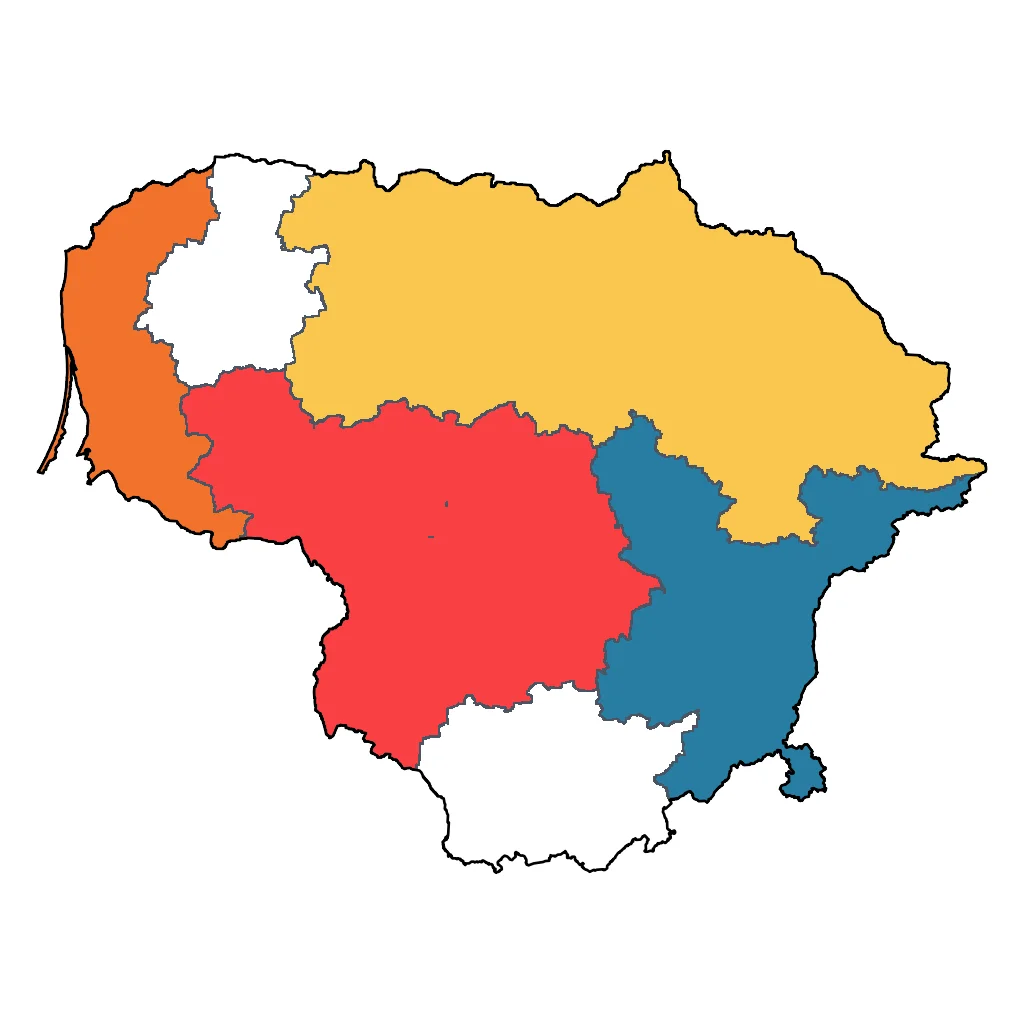

Sport tourism, fitness activities, active recreation
The city features excellent cycling trails and river sports facilities that meet high international standards for urban recreation. Activity is concentrated in the warmer months with low rainfall (May-Sept), as sub-zero winter temperatures and ice make outdoor sports impractical.