

Lithuania offers families a gentle yet fascinating introduction to the Baltic states, blending deep forests, sandy coastlines, and history that feels like a storybook. Unlike busier European destinations, Lithuania provides space to breathe, making it ideal for parents traveling with energetic children. The country is largely flat, which simplifies navigation with strollers and makes family cycling trips-a popular local pastime-accessible for all ages.
Most journeys begin in Vilnius, the compact and walkable capital. The UNESCO-listed Old Town is a maze of cobblestone streets free from heavy traffic. Families can ride the funicular to the Gediminas Castle Tower for panoramic views or visit the Toy Museum, which encourages hands-on play with replicas of historical toys. Uniquely, Vilnius is one of the few capitals where hot air balloons fly directly over the city center, a colorful spectacle that captivates children.
A short drive or train ride west brings you to Trakai, the country's most iconic image. Here, a red-brick Gothic castle sits on an island in the middle of Lake Galvė. Families can rent paddle boats to view the fortress from the water or walk the wooden bridge to explore the castle courtyard. After exploring, try a local specialty called kibinai-moon-shaped savory pastries that are easy for kids to eat on the go.
For nature lovers, the Curonian Spit is an essential stop. This narrow sand peninsula separates the Curonian Lagoon from the Baltic Sea and features some of Europe's highest drifting sand dunes. Near the resort town of Juodkrantė, the Hill of Witches (Raganų Kalnas) offers a forest trail lined with distinct wooden sculptures of devils, witches, and dragons from Lithuanian folklore. It turns a simple hike into an exciting scavenger hunt for children.
Further inland, the resort town of Druskininkai focuses on wellness and recreation. It houses a massive indoor aqua park with slides suited for toddlers and teenagers alike, as well as the Snow Arena, where you can ski indoors even during summer. Nearby Grūtas Park provides a history lesson in an open-air setting, displaying Soviet-era statues in a forest environment.
Practical Information: The best time to visit is late spring through summer (May to August) when days are long and temperatures are mild. Winters can be dark and snowy, though the Christmas markets are charming. Lithuania uses the Euro, and English is widely spoken by younger generations. The food is hearty and comforting; adventurous kids will enjoy the vibrant pink color of šaltibarščiai (cold beet soup), while blynai (potato pancakes) are a familiar favorite.

Explore Regions
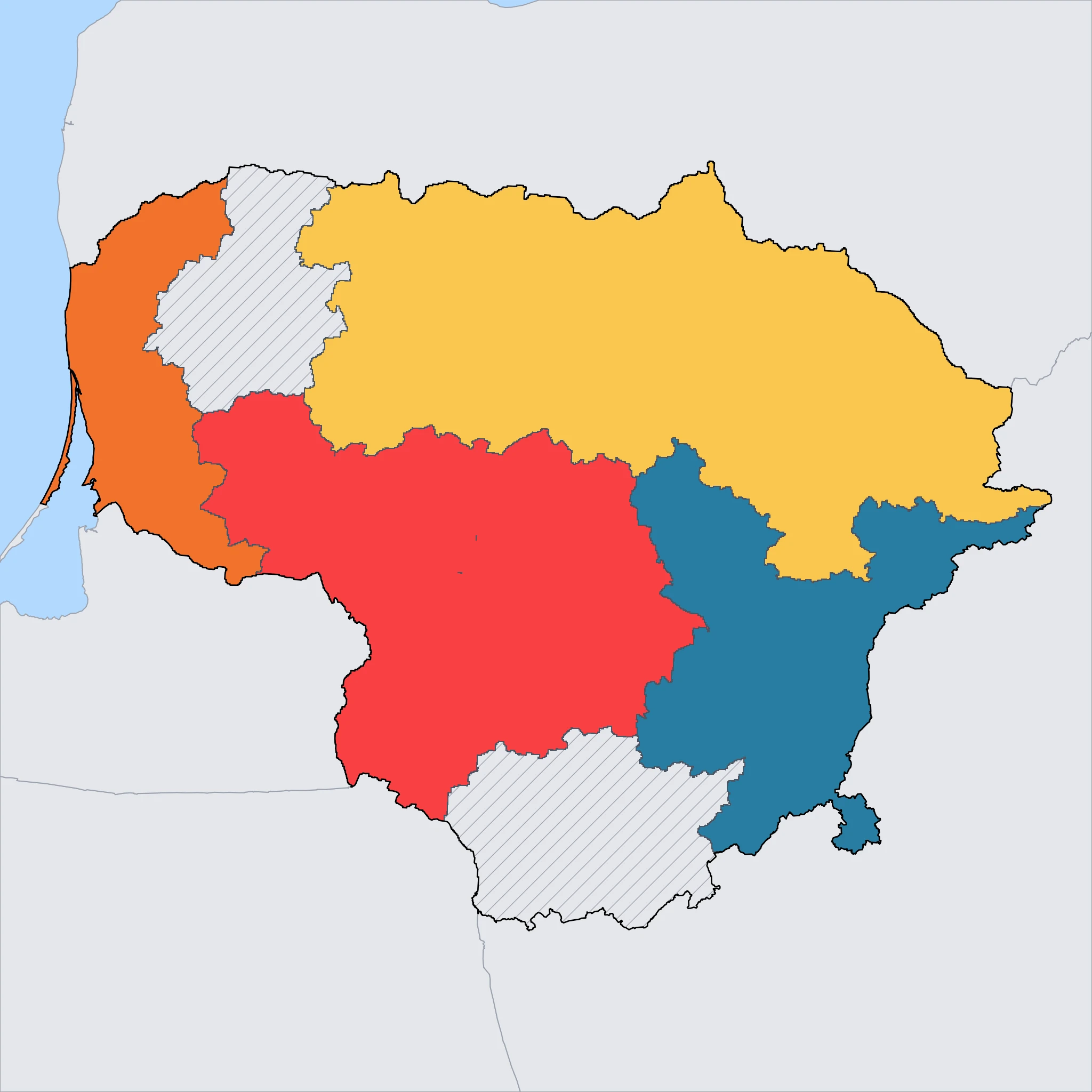
5 Regions
Aukštaitija (Hill of Crosses, lakes)
Land of a thousand lakes and ancient legends 🌲🛶
Curonian Spit & Coast (Klaipėda, Nida)
Where giant sand dunes meet the Baltic Sea 🌊🪁
Kaunas & Central Lithuania
Modernist architecture and living history 🏰🚋
Trakai & Surroundings
Island castles and culinary adventures 🏰🥟
Vilnius (standalone)
Baroque charm with a youthful spirit 🏙️🎈
Click on a region marker to explore details. Use the dropdown to color regions by activity suitability.

Activities & Best Times

Adventure & Nature
Very GoodHiking, wildlife, outdoor exploration, ecotourism
A pristine landscape featuring over 100 interconnected glacial lakes and ancient forests within Lithuania's first national park. Peak summer offers mild temperatures (15-22°C) ideal for exploring water trails, while shoulder months provide quiet, authentic wilderness experiences away from the domestic summer rush.
International calibration: The Curonian Spit is UNESCO-listed and ecologically unique, but 'excellent' for adventure/nature should be reserved for globally top-tier destinations (Patagonia, NZ, Costa Rica). The Spit is a narrow peninsula offering walking, birdwatching, and dune landscapes — beautiful but not diverse enough in adventure activities for the highest tier. Additionally, this region has zero editorial attraction evidence in the database.
The region features a stunning archipelago of 21 islands set within the pristine Lake Galvė and Trakai Historical National Park. Peak conditions for lakeside hiking and forest exploration occur in summer; shoulder months remain pleasant but see temperatures dip toward 12°C.

City & Cultural
Very GoodUrban tourism, museums, historical sites, architecture
International calibration: Vilnius has a lovely Baroque Old Town (UNESCO), but 'excellent' for city/cultural competes with Rome, Florence, Paris, Prague, Istanbul, and Kyoto. Vilnius is nationally and regionally outstanding but not globally top-tier. 'very_good' properly reflects its status as a high-quality but niche European cultural destination.
Kaunas features a UNESCO-listed ensemble of interwar Modernist architecture and a well-preserved Hanseatic Old Town that offers a sophisticated, niche urban experience. Peak summer months provide the most vibrant atmosphere and ideal walking temperatures, while shoulder months offer a quieter but authentic experience before the cold, dark Baltic winter sets in.
A sophisticated blend of Prussian maritime history in Klaipėda and the unique ethnographic fishing village architecture of Nida, featuring high-end cultural sites like the Thomas Mann house. Summer months allow for vibrant outdoor café culture and full museum accessibility; winter is often too dark and cold for comfortable exploration.

Educational & Exploratory
Very GoodLearning experiences, scientific sites, historical education
The city offers profound historical insights, from the Palace of the Grand Dukes to the sobering Museum of Occupations and Freedom Fights. Summer provides optimal conditions for visiting nearby archaeological sites like Kernavė, while the off-season weather makes outdoor historical exploration uncomfortable.
The region offers profound historical education through the Ninth Fort memorial and the Sugihara House, appealing to families seeking significant intellectual depth. The peak period ensures all museums and outdoor memorial sites are fully accessible with maximum daylight; shoulder months remain viable for indoor exhibits, but winter weather makes outdoor historical sites difficult to navigate.
Features unique sites like the Museum of Ethnocosmology and traditional beekeeping museums, offering sophisticated families deep insights into Baltic science and history. Summer provides optimal conditions for stargazing and interactive educational tours, whereas winter weather and short days significantly limit the educational value.

Sports & Active
Very GoodSport tourism, fitness activities, active recreation
Boasts a world-class, dedicated cycling route through pine forests and dunes, alongside excellent kite-surfing and sailing in the shallow Curonian Lagoon. Summer months offer consistent winds and pleasant temperatures for active recreation; shoulder months provide value but require technical gear.
The city features excellent cycling trails and river sports facilities that meet high international standards for urban recreation. Activity is concentrated in the warmer months with low rainfall (May-Sept), as sub-zero winter temperatures and ice make outdoor sports impractical.
Exceptional for family-friendly kayaking and canoeing through safe, interconnected lake systems that allow for multi-day water journeys. Peak summer is the only time water temperatures and air conditions (avg max 22°C) are truly comfortable for extended active recreation on the water.

Festivals & Seasonal
GoodEvents, celebrations, seasonal attractions
International calibration: Vilnius Christmas markets and the Kaziukas Fair are nationally significant but not internationally prominent. Compared to Vienna, Strasbourg, Edinburgh Fringe, or Munich Oktoberfest, these events do not reach 'very_good' internationally. 'good' is more accurate.
June features the authentic Joninės (Midsummer) celebrations, a world-class display of traditional fire rituals and folk music. Late summer shoulder months host various harvest and lake-themed festivals that maintain a high degree of cultural authenticity for sophisticated visitors.
Authentic rural traditions, including midsummer celebrations and craft demonstrations in Rumšiškės, provide unique seasonal appeal. The warmest summer months align with the peak of traditional outdoor festivals, while the off-season lacks significant international-standard cultural events.

Relaxation & Wellness
GoodSpa retreats, wellness centers, peaceful getaways
Sophisticated travelers can enjoy high-end urban spa retreats within luxury boutique hotels like Pacai. The experience is best in summer when wellness can be combined with the city's extensive green spaces; winter's damp cold limits the appeal of the overall environment.
The region specializes in high-quality eco-retreats and authentic 'pirtis' (Baltic sauna) culture set against tranquil lakeside backdrops. Peak summer allows for the integration of lake swimming with wellness treatments, while shoulder months offer the deep silence and privacy preferred by discerning international travelers.
The nearby spa town of Birštonas provides world-class mineral water treatments and high-end wellness retreats in a serene forest setting. Summer is peak for integrating outdoor mineral pools with nature, while spring and autumn are solid shoulder months for cozy indoor wellness; deep winter is less suitable due to the region's harsh climate and limited daylight.

Road Trips & Scenic
GoodScenic drives, countryside tours, route-based travel
Vilnius serves as a gateway to the stunning Trakai Island Castle and the surrounding lake district, offering high-quality scenic drives. Summer months offer peak visibility and lush landscapes, while the winter period is marred by high humidity, slush, and limited daylight.
Well-maintained roads wind through a scenic landscape of rolling hills, historic manors, and shimmering lakes. Summer offers the best visibility and longest daylight hours for exploration, while October is a strong shoulder month for experiencing the vibrant autumn foliage across the region's vast forests.
The Panemunė Road follows the Nemunas River, connecting a series of authentic 16th and 17th-century castles and manors through picturesque landscapes. This route is best experienced from late spring to early autumn when the countryside is in bloom or changing color; winter road conditions and poor visibility make it unsuitable for scenic driving.
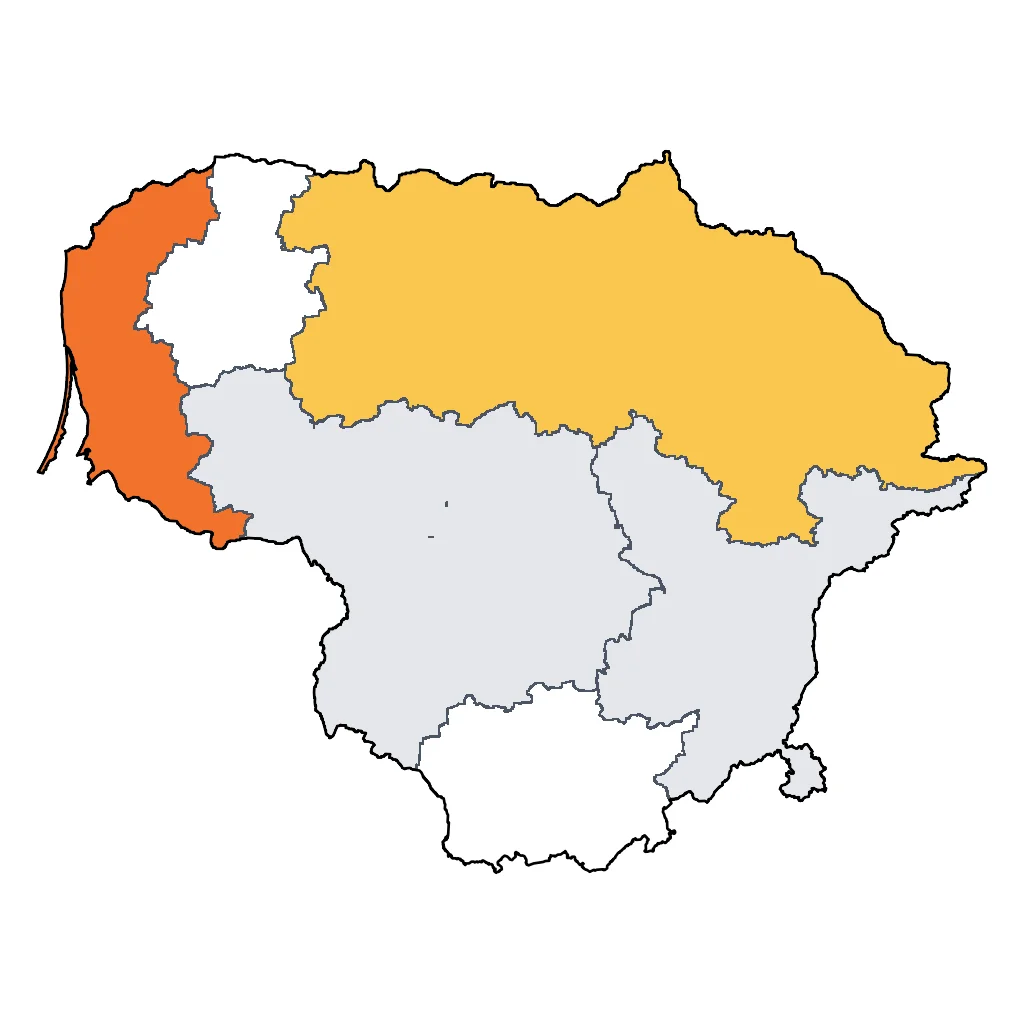
Beach & Sea
GoodBeach resorts, marine activities: diving, snorkelling, kite surfing, wind surfing, sailing
Features stunning, pristine Baltic beaches with white sand and towering dunes, though water temperatures remain cool even in summer (~18-20°C). Peak July and August offer the only window for traditional beach activities; the rest of the year the sea is primarily for aesthetic appreciation due to the northern climate.
The 'Lithuanian Highlands' offer pristine lake swimming and rowing, though it lacks the infrastructure of international beach resorts. Water and air temperatures only reach comfortable levels for children in July and August, with the rest of the year being significantly too cold for water-focused holidays.
Lake Galvė offers picturesque freshwater swimming and boating, though water temperatures rarely reach international resort standards. Peak summer (July-August) is the only time water temperatures are tolerable for swimming; the rest of the year is too cold for beach activities.
Theme Park & Entertainment
GoodAmusement parks, family entertainment venues

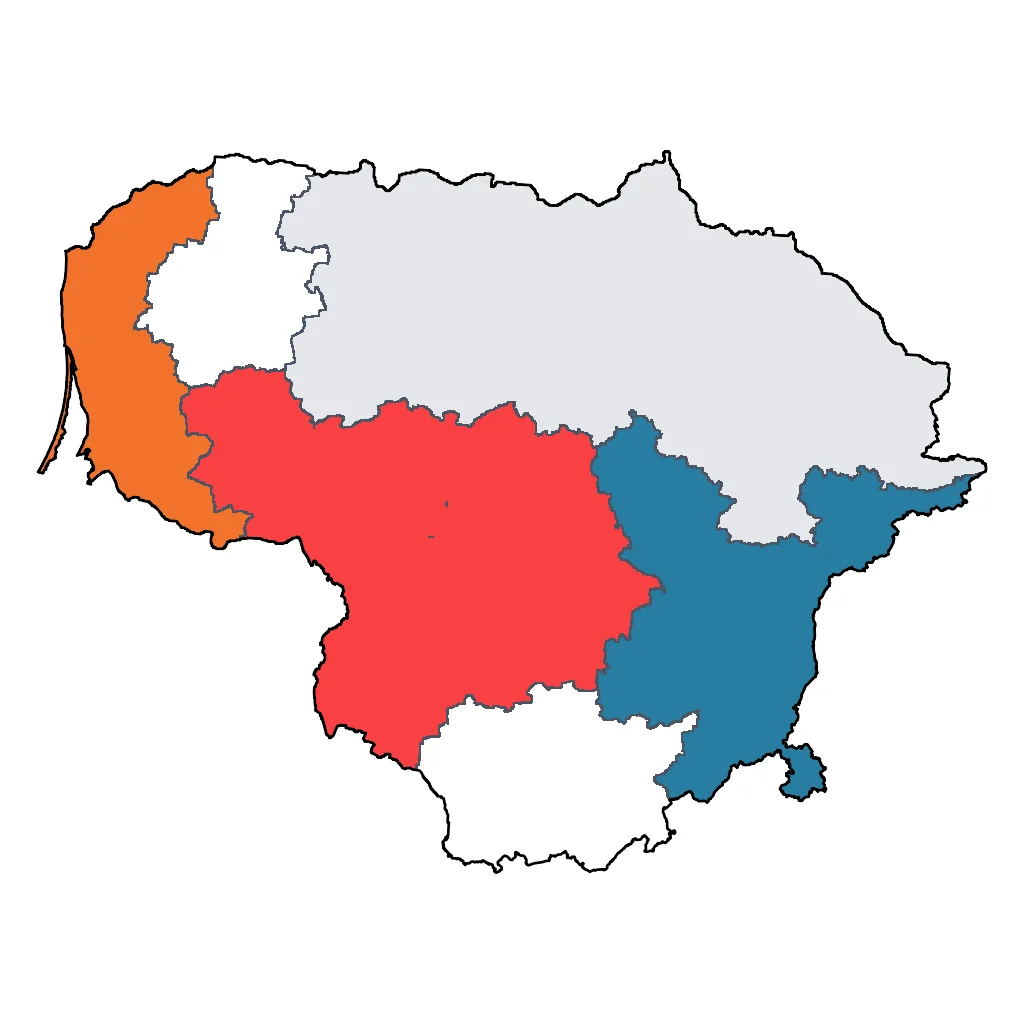
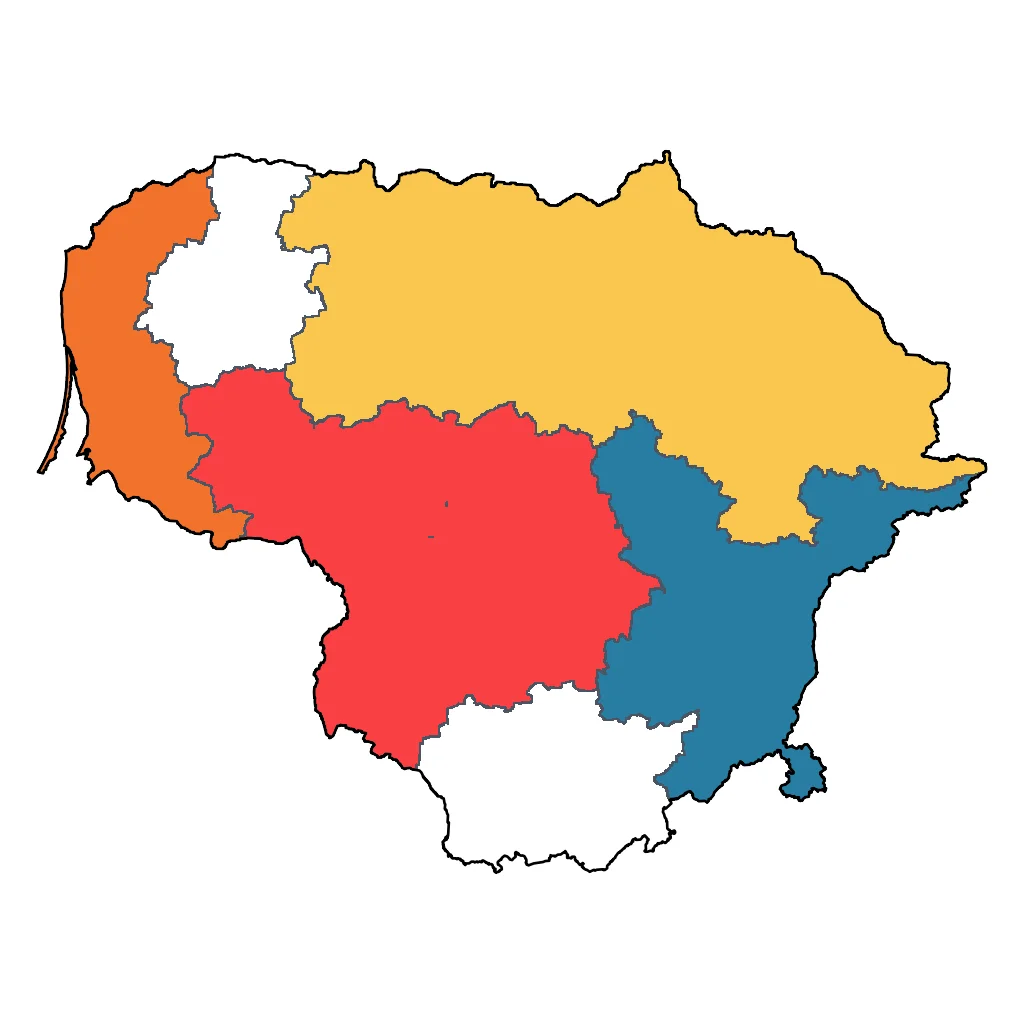
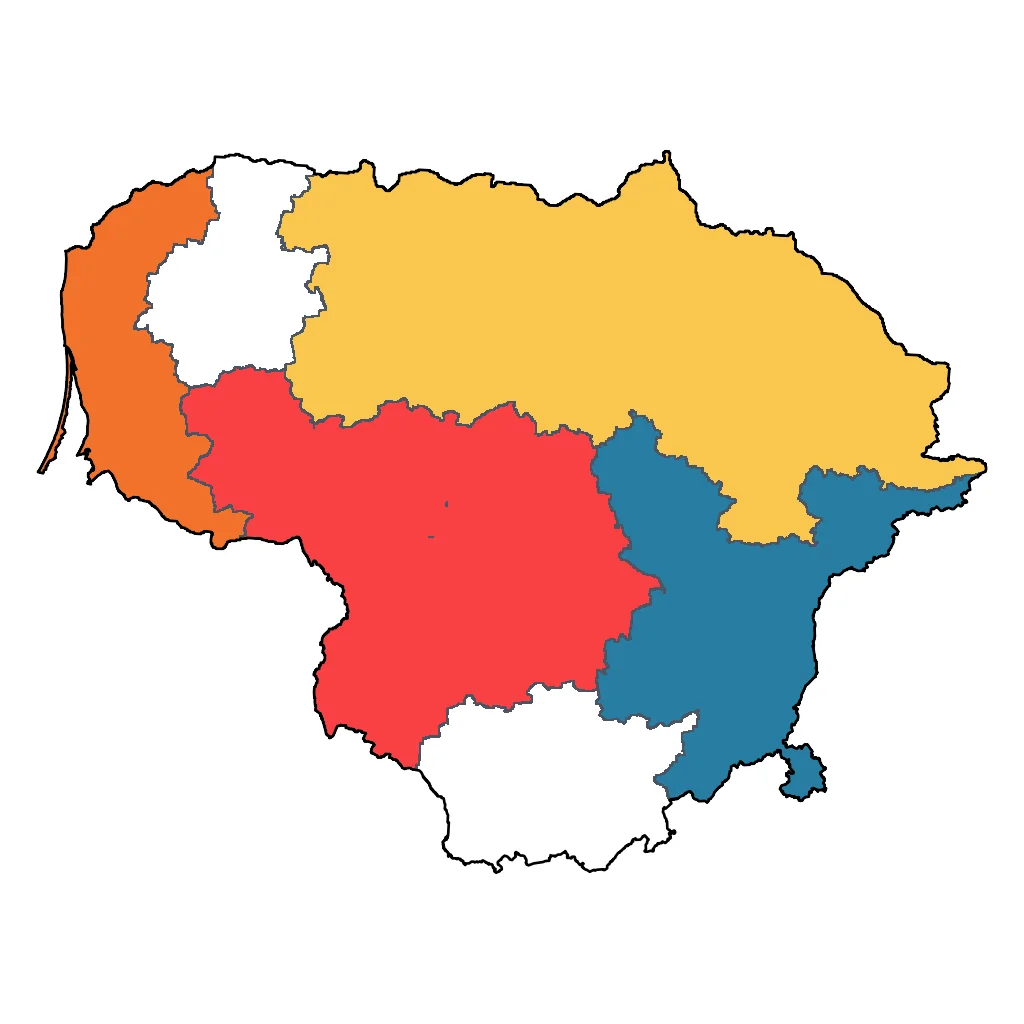
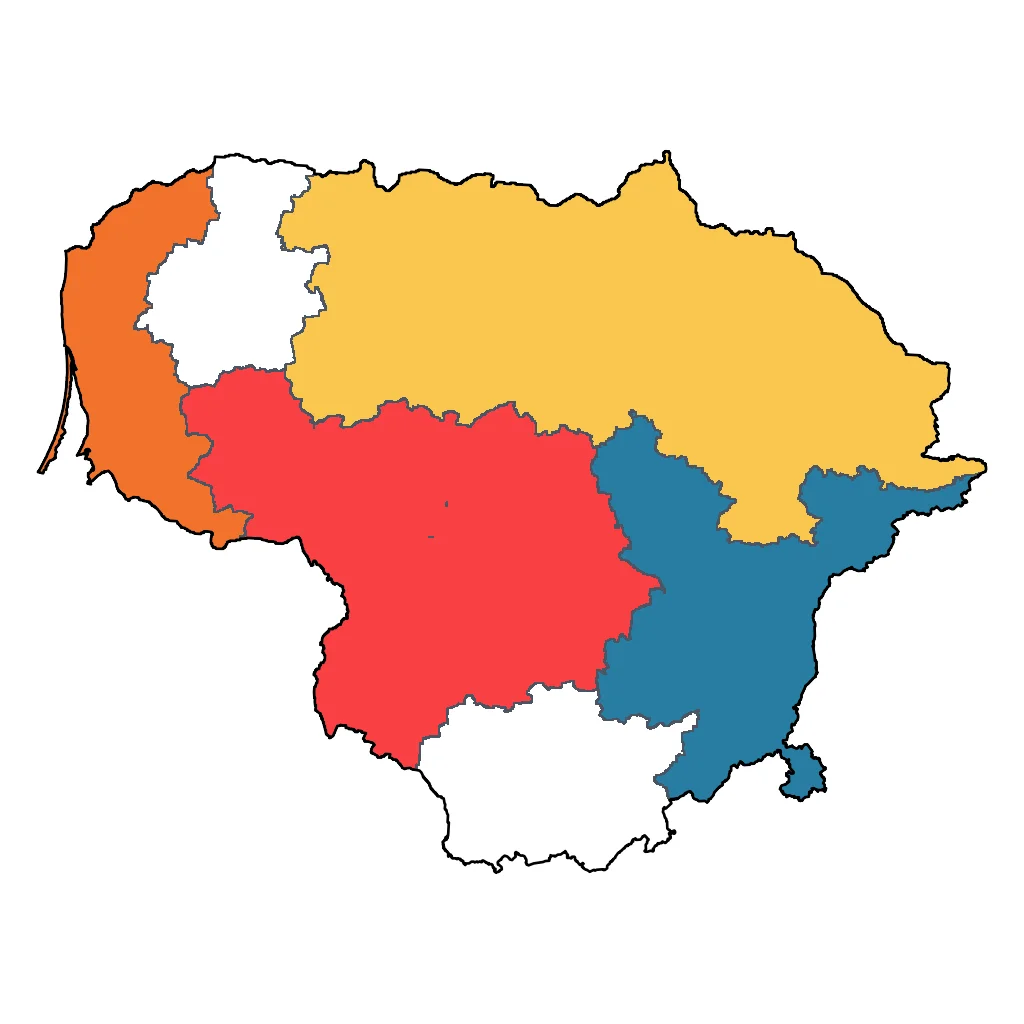
Ski & Snow
MarginalWinter sports, ski resorts, snow activities
While the region experiences cold, snowy winters suitable for gentle winter walks, it does not possess the world-class ski infrastructure or reliable deep snow coverage required for international-standard ski and snow sports. January and February offer the most consistent snow for basic snow activities, with December and March providing variable conditions; other months are unsuitable due to lack of snow.
While winters are cold and snowy, providing conditions for snow activities, the region lacks world-class ski infrastructure suitable for discerning international travelers. Peak months (Jan-Feb) offer the most reliable snow; shoulder months (Dec, Mar) have variable conditions; other months are unsuitable due to lack of snow.
The Snow Arena in Druskininkai offers high-quality indoor skiing, but the region lacks an authentic alpine culture or natural elevation. Peak winter months provide the best atmosphere for snow activities; the off-season relies solely on the indoor facility which may not satisfy experienced mountain skiers.
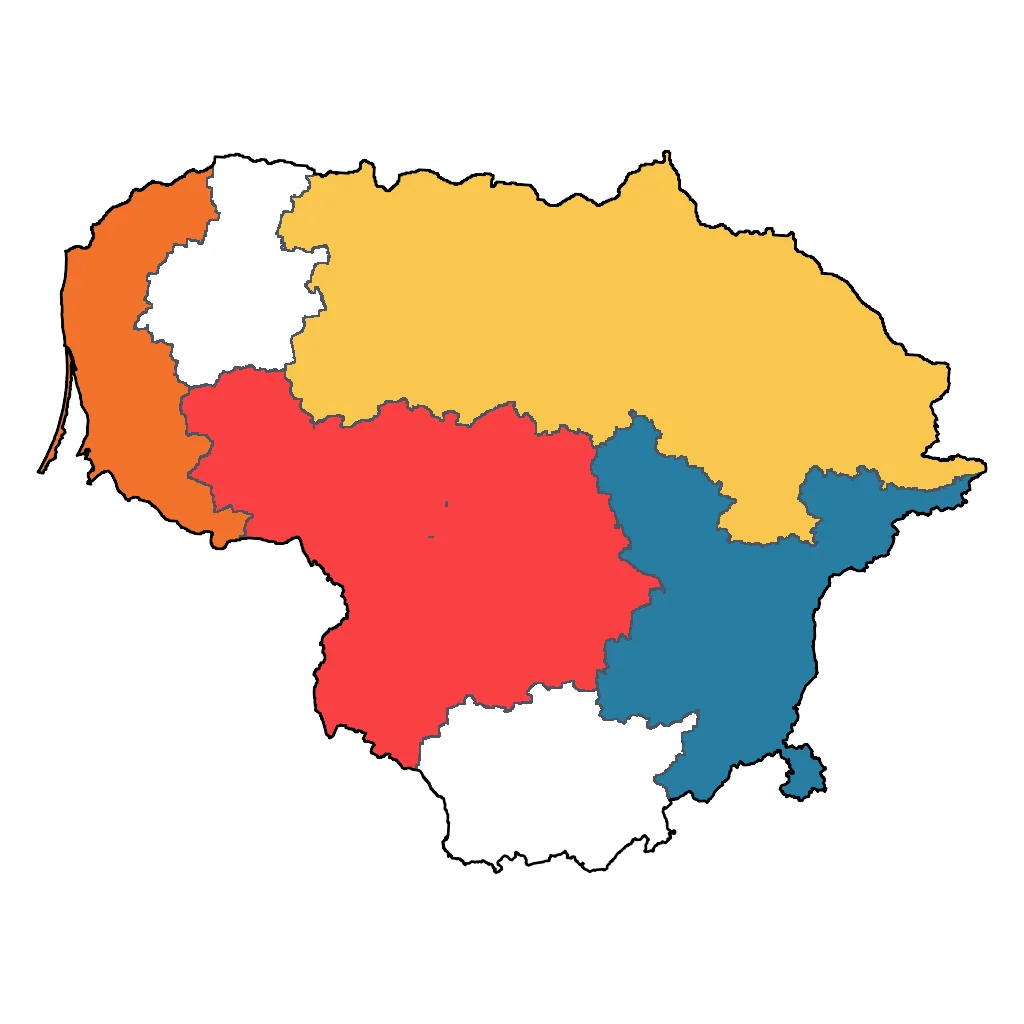
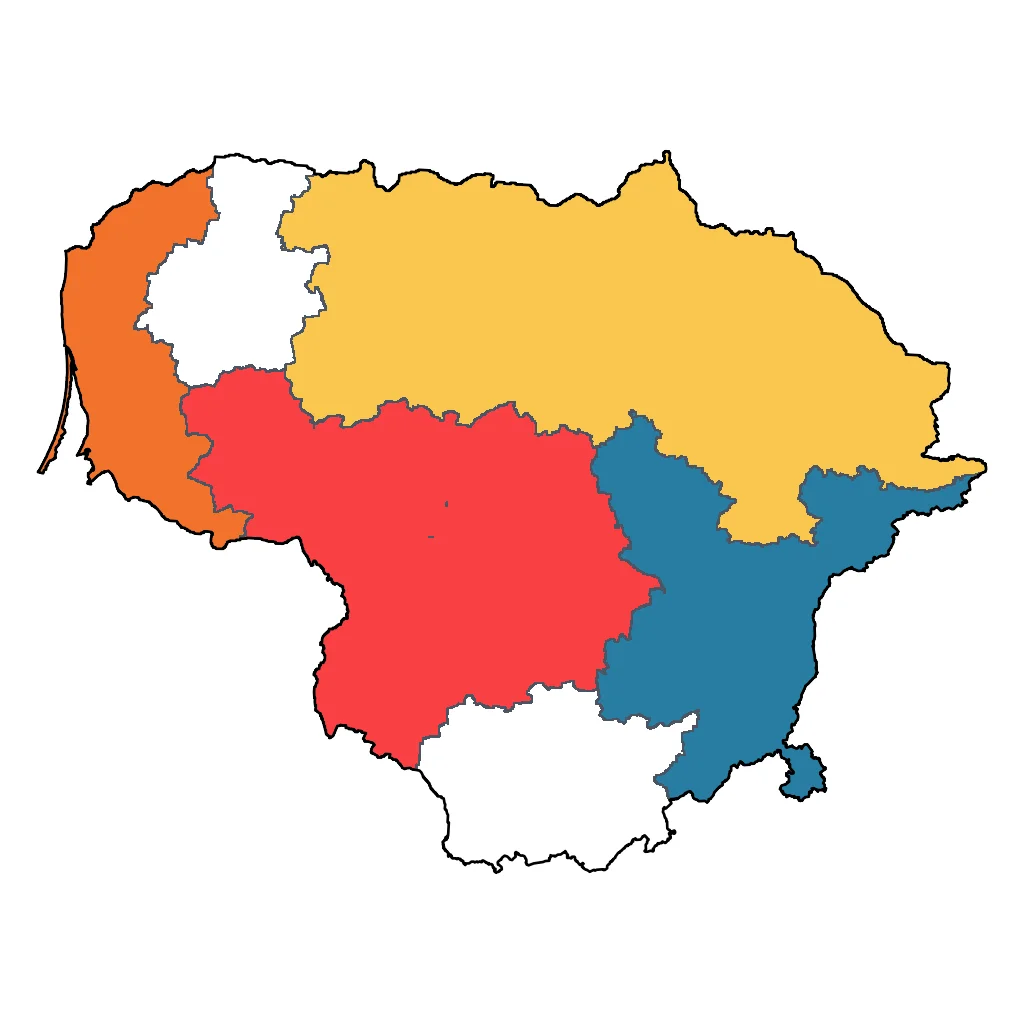
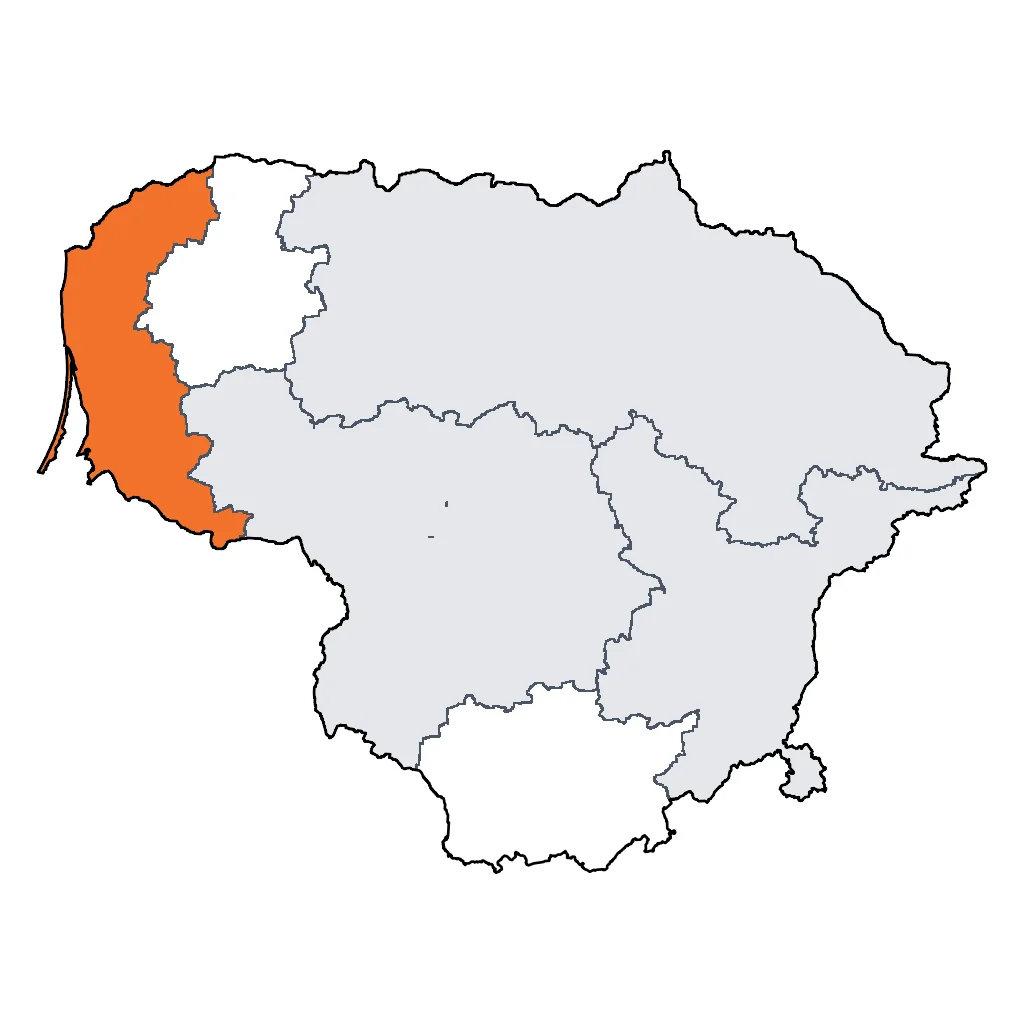
Airports & Flight Routes
Toggle options to view domestic routes and international airports. Click an airport for details.
Climate & Weather
Aukštaitija (Hill of Crosses, lakes)
Show Details
| Month | Temp °C | Rain | Humidity |
|---|
Curonian Spit & Coast (Klaipėda, Nida)
Show Details
| Month | Temp °C | Rain | Humidity |
|---|
Kaunas & Central Lithuania
Show Details
| Month | Temp °C | Rain | Humidity |
|---|
Trakai & Surroundings
Show Details
| Month | Temp °C | Rain | Humidity |
|---|
Vilnius (standalone)
Show Details
| Month | Temp °C | Rain | Humidity |
|---|

Travel Advisory
Lithuania is consistently rated as a low-risk destination where standard safety awareness is sufficient for travelers.
Safety Topics
Traveller Advice (3 groups)

Always carry a valid passport as ID, as police checks can occur. Ensure your travel insurance explicitly covers the cost of medical repatriation, as public healthcare may require up-front payment for non-EU citizens.

Homosexuality is legal, and same-sex couples are generally safe in major cities like Vilnius. However, social attitudes can be more conservative in rural regions, and public displays of affection may occasionally lead to unwanted attention or hostility.

Outdoor public spaces and playgrounds are widely available, though safety standards for equipment may vary from those in North America or Australia. Ensure children have valid travel documentation and, if traveling with only one parent, carry a signed consent letter.