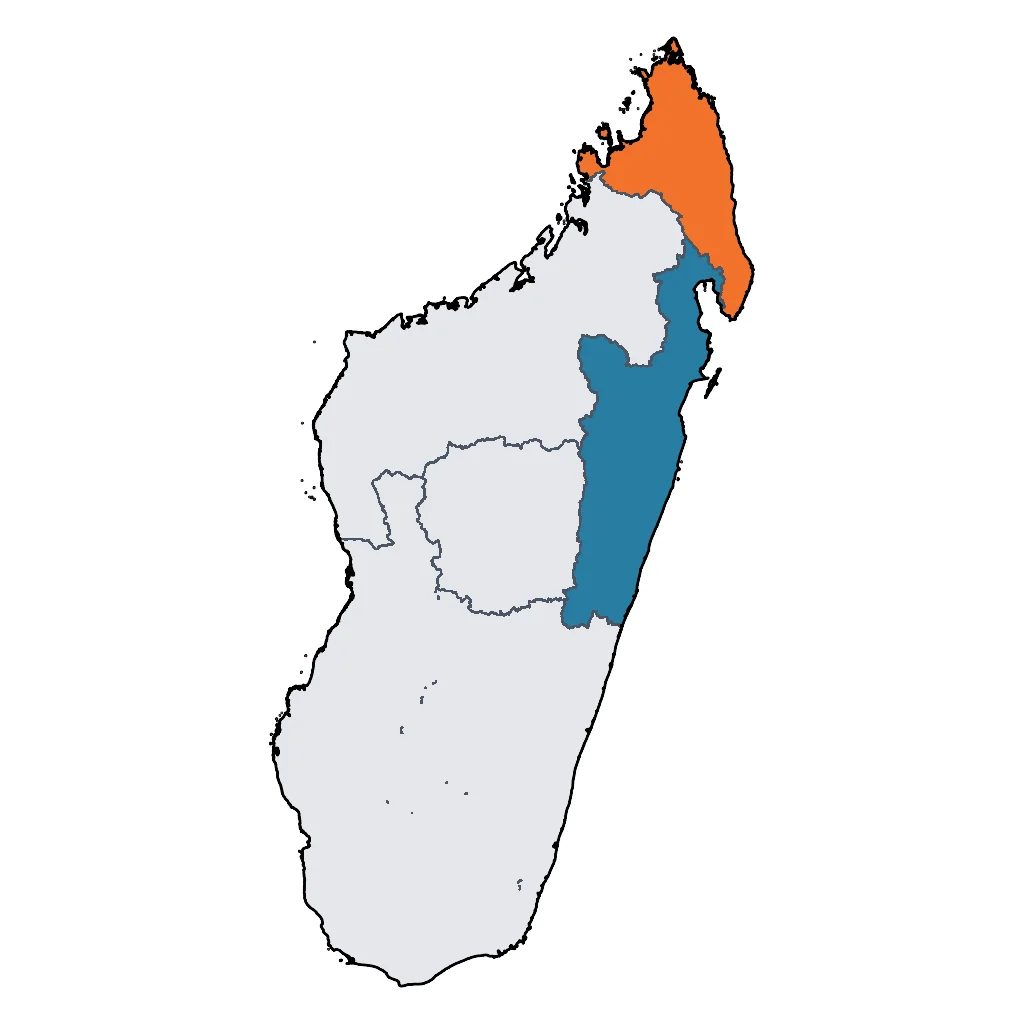
South & Southwest (spiny forest, Isalo)
Canyons, ring-tails, and spiny forests 🌵🐒
⚠️ SAFETY WARNING: Due to reports of armed banditry on remote roads, government agencies (including the US, UK, and Canada) advise travelers to reconsider overland travel in certain southern areas. Attacks have occurred on national routes, and night driving is strongly discouraged. Families are strongly urged to consult their own government's official travel advisory before considering a trip, as circumstances and risk assessments vary.
The South and Southwest offer some of Madagascar's most iconic imagery, reminiscent of the Wild West. The classic route follows the RN7 highway, passing through changing landscapes of granite mountains and grassy savannahs. A major highlight for families is the Anja Community Reserve near Ambalavao. This small, community-managed park has the highest density of ring-tailed lemurs in the country. These charismatic animals—made famous by animated films—are accustomed to visitors, allowing children to observe them playing and sunbathing from a close but safe distance on easy, flat trails.
Further south lies Isalo National Park, a Jurassic landscape of sandstone canyons and eroded massifs. While the park looks arid, hidden canyons contain lush oases. The hike to the Piscine Naturelle (Natural Pool) is a popular choice for active families; the reward is a refreshing swim in a crystal-clear rock pool surrounded by pandanus trees. The terrain is rocky, so sturdy shoes are essential, but the swim is a fantastic motivator for kids.
Reaching the coast at Toliara and the beach villages of Ifaty or Anakao, the environment transforms into the unique 'spiny forest'. Here, families can see the strange, octopus-like Didierea trees and sturdy Baobabs. The Reniala Reserve offers ox-cart tours through this prickly wonderland, which is a fun, low-energy way to explore the botany. The coastal areas provide a chance to relax by the Mozambique Channel, exploring tide pools and enjoying fresh seafood after the long road trip.
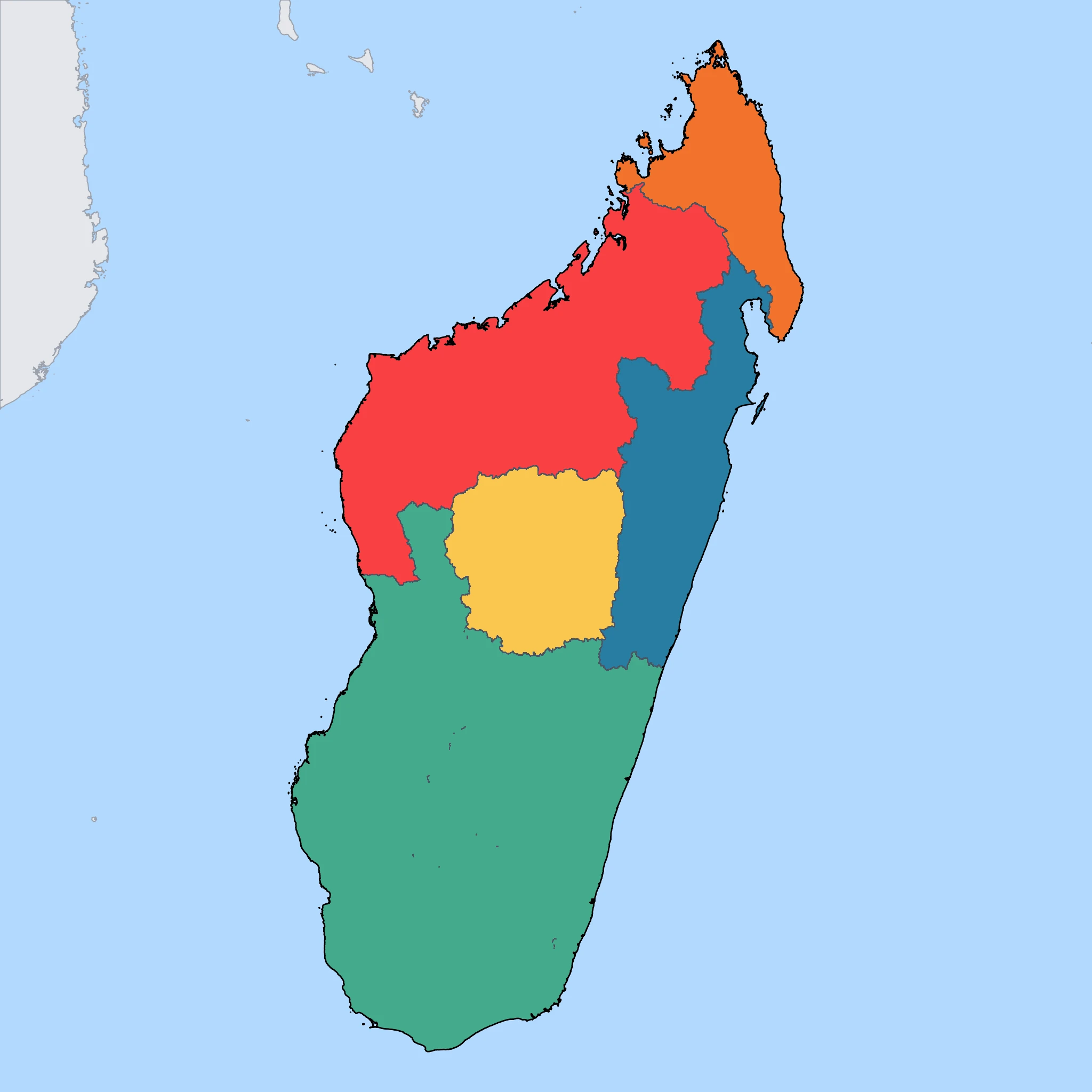
Click a region to explore

Activities & Best Times

Hiking, wildlife, outdoor exploration, ecotourism
The region offers globally unique ecosystems, including the Jurassic canyons of Isalo and the alien-like Spiny Forest with endemic Didiereaceae and lemurs. Peak dry months provide comfortable hiking temperatures (21-24°C), while the wet season (Nov-Mar) brings extreme heat and difficult trail conditions.

Learning experiences, scientific sites, historical education
An exceptional destination for natural history education, focusing on isolated evolution and unique xerophytic flora found nowhere else on Earth. Comfortable temperatures in the dry season facilitate field observation, while the monsoon period makes scientific exploration challenging due to heat and rain.

Beach resorts, marine activities: diving, snorkelling, kite surfing, wind surfing, sailing
Anakao/Vezo coast is remote and undeveloped with no beach attractions in the database. While diving and snorkeling are possible, accessibility is poor and infrastructure is very basic. 'very_good' is over-generous for beaches that most international travelers would find challenging to reach and lacking in amenities.
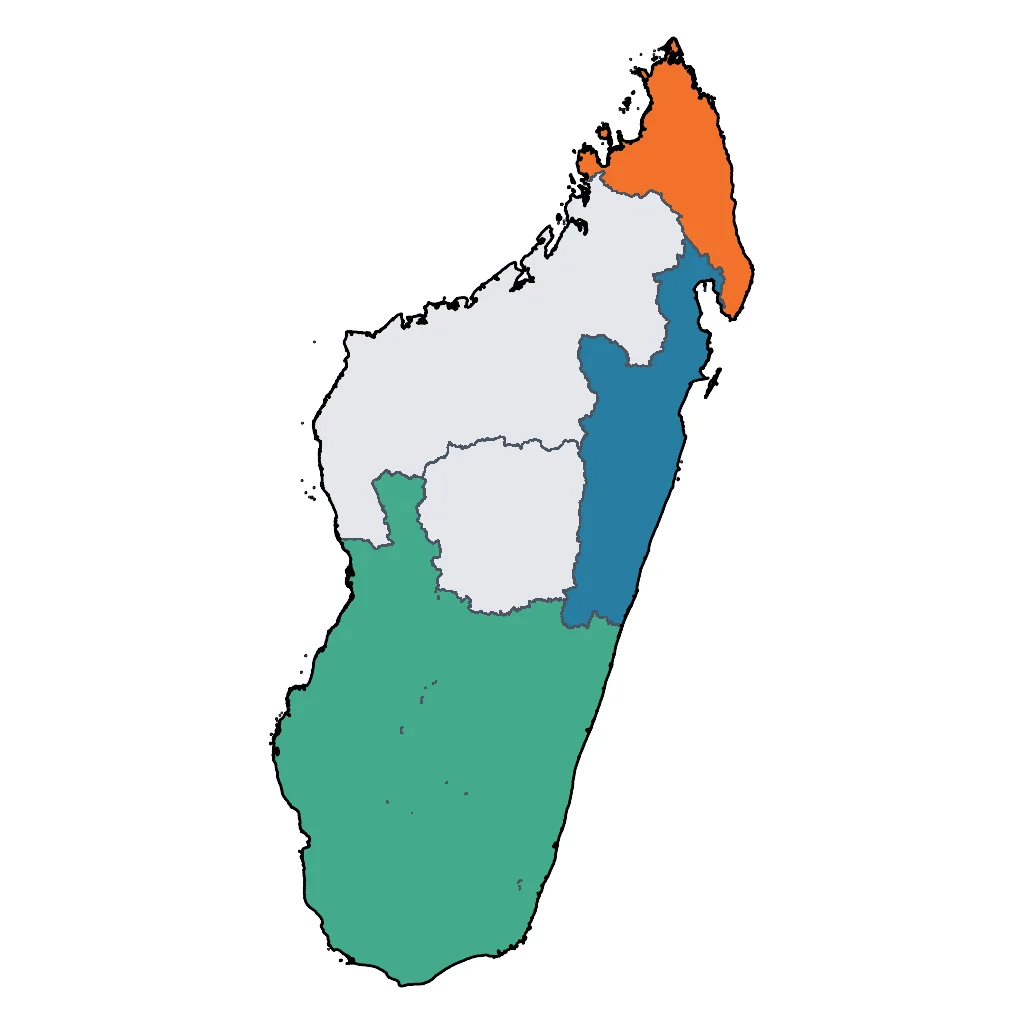

Scenic drives, countryside tours, route-based travel
The iconic RN7 route offers dramatic scenery transitioning from highland plateaus to semi-arid deserts, appealing to adventure-seeking families. Peak months offer dry, stable road conditions and clear visibility, while heavy summer rains (Dec-Feb) can make unpaved access roads to the Spiny Forest impassable.
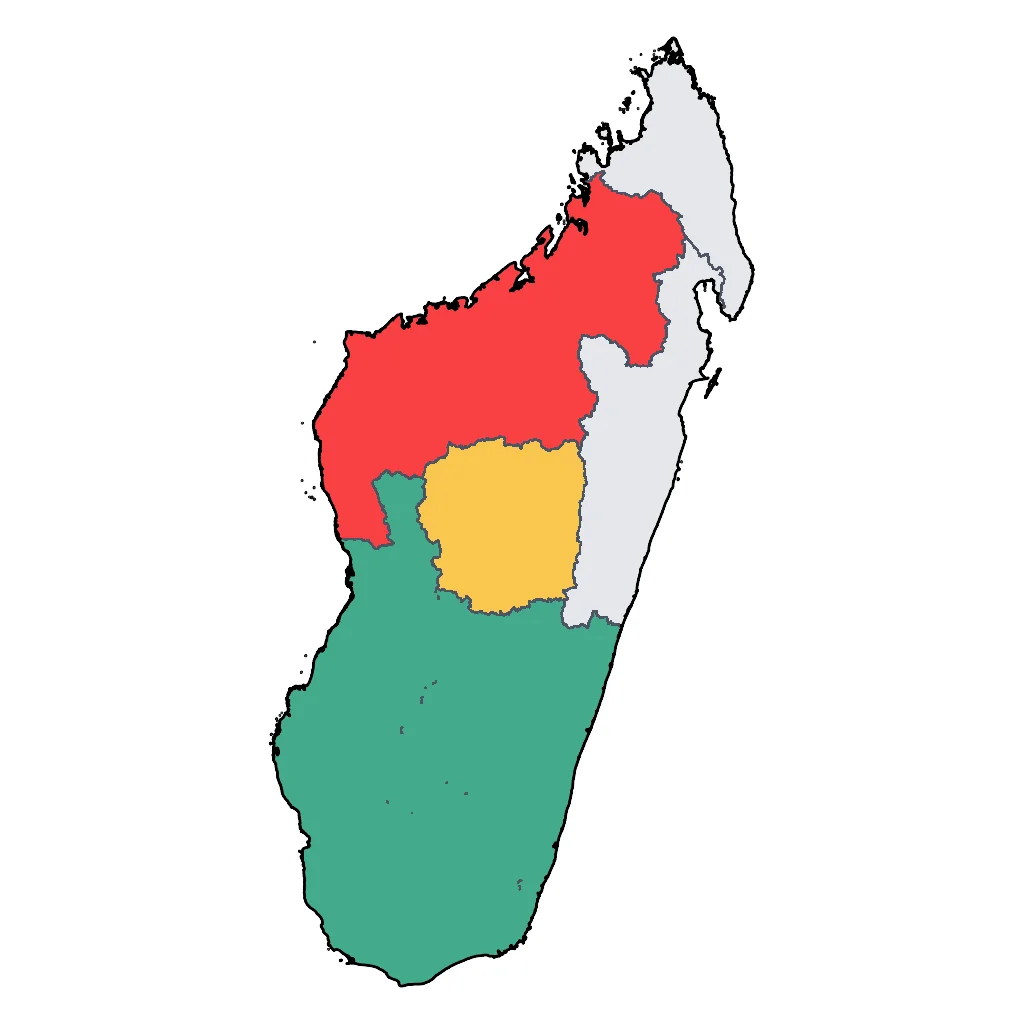

Sport tourism, fitness activities, active recreation
Canyon hiking in Isalo and reef snorkeling at Ifaty are good activities but not internationally significant for sports tourism. No hiking/cycling or adventure park attractions in the DB for this region. 'good' better reflects activities that exist but don't draw sports-focused travelers internationally.
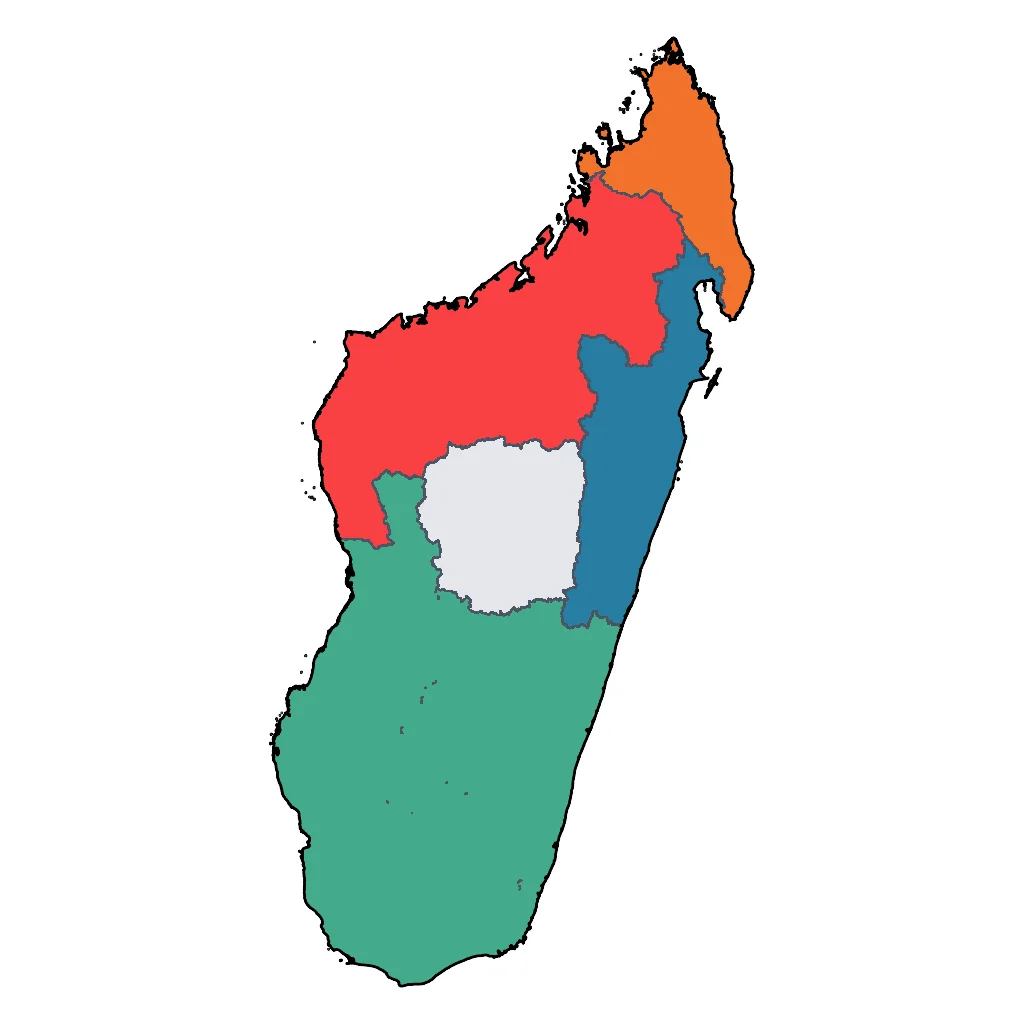

Spa retreats, wellness centers, peaceful getaways
Boutique eco-lodges in Isalo provide a serene, remote atmosphere for relaxation, though world-class spa infrastructure is limited compared to global hubs. The dry season offers the low humidity and mild air temperatures necessary for an authentic, comfortable retreat experience.