

Madagascar is a destination unlike any other, offering families a front-row seat to evolution's most creative experiments. Separated from mainland Africa for millions of years, this vast island is home to wildlife that exists nowhere else. For families willing to trade luxury for discovery, it promises an educational and unforgettable journey.
The island's most famous residents, the lemurs, are the highlight of any trip. Andasibe-Mantadia National Park is the most family-friendly location to see them; it is accessible from the capital and offers flat trails where children can hear the whale-like call of the Indri lemur. Unlike an African safari where you stay in a jeep, here families explore on foot, spotting colourful chameleons, leaf-tailed geckos, and rare birds in the forest canopy. Importantly for parents, there are no large predators or venomous snakes, making hiking relatively stress-free.
Beyond the rainforests, the landscape shifts dramatically. The iconic Avenue of the Baobabs near Morondava looks like a scene from a fantasy movie, especially at sunset when the massive trees form striking silhouettes. For a relaxing end to an active trip, the island of Nosy Be offers calm, turquoise waters perfect for swimming and snorkelling, with family-friendly hotels that provide a comfortable break from the rugged interior.
Practical Advice for Families: Madagascar is a developing nation and best described as an "adventure" destination. Road travel can be slow and potholes are common, so hiring a reputable driver and 4x4 vehicle is essential for both safety and comfort. Domestic flights can be unreliable, so build flexibility into your schedule. Families should consult a travel doctor regarding malaria prophylaxis and vaccinations before departure. While French is the second language, a few words of Malagasy will warm hearts everywhere. For families with a spirit of exploration, Madagascar offers a raw, authentic connection to nature that is disappearing elsewhere.

Explore Regions
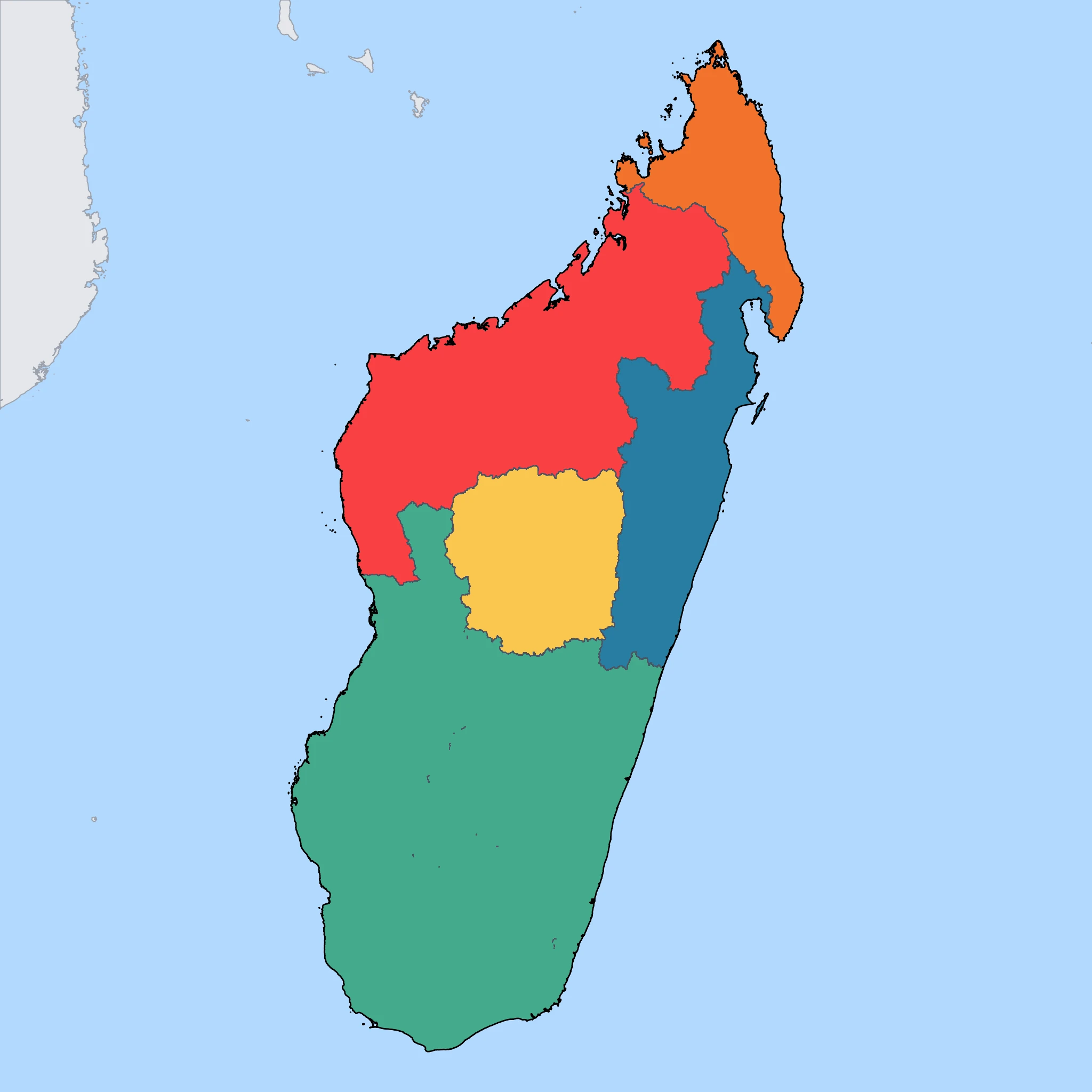
5 Regions
Antananarivo & Highlands
Royal history and cool highland breezes 👑⛰️
East Coast (rainforest, Andasibe)
Rainforest songs and canal adventures 🌿🚣
North & Nosy Be (beaches)
Golden beaches and volcanic peaks 🏖️🐢
South & Southwest (spiny forest, Isalo)
Canyons, ring-tails, and spiny forests 🌵🐒
West (Tsingy, baobabs)
Giant trees and stone forests 🌳🪨
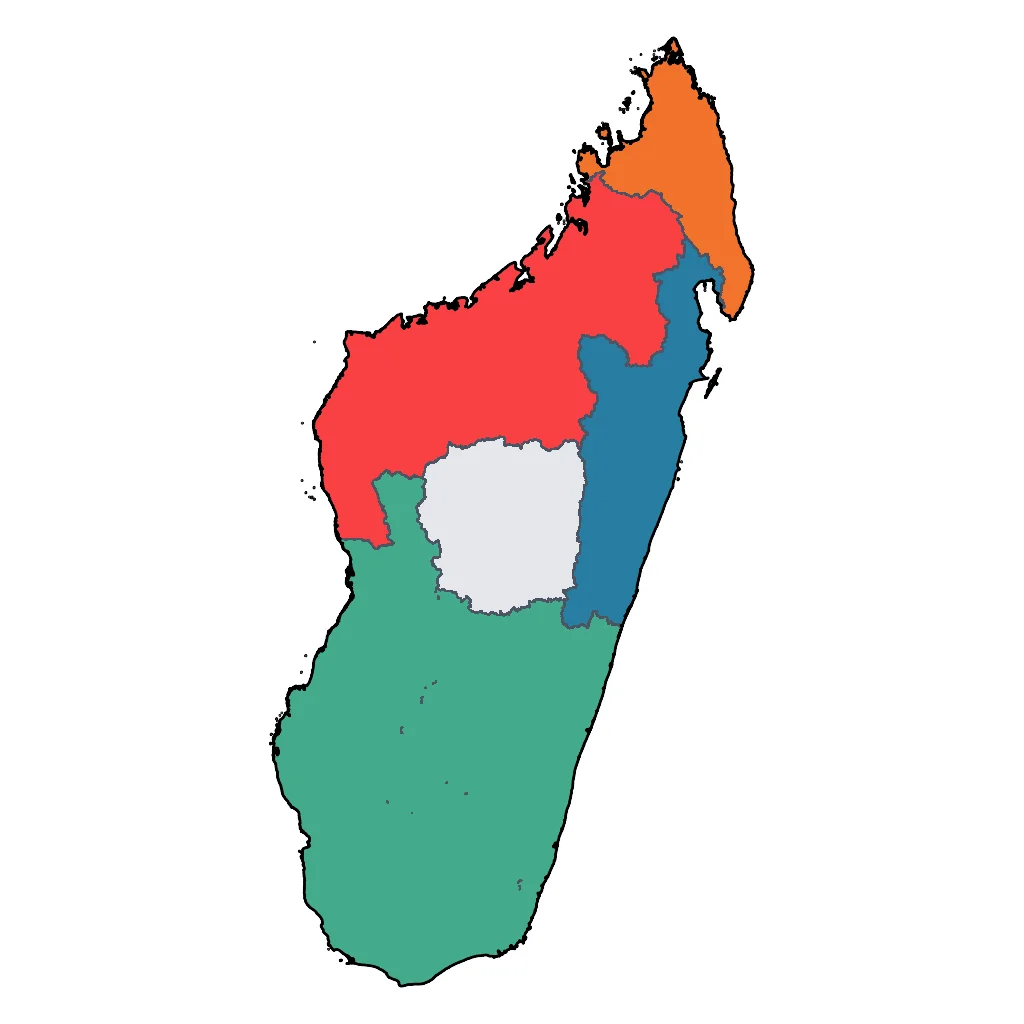
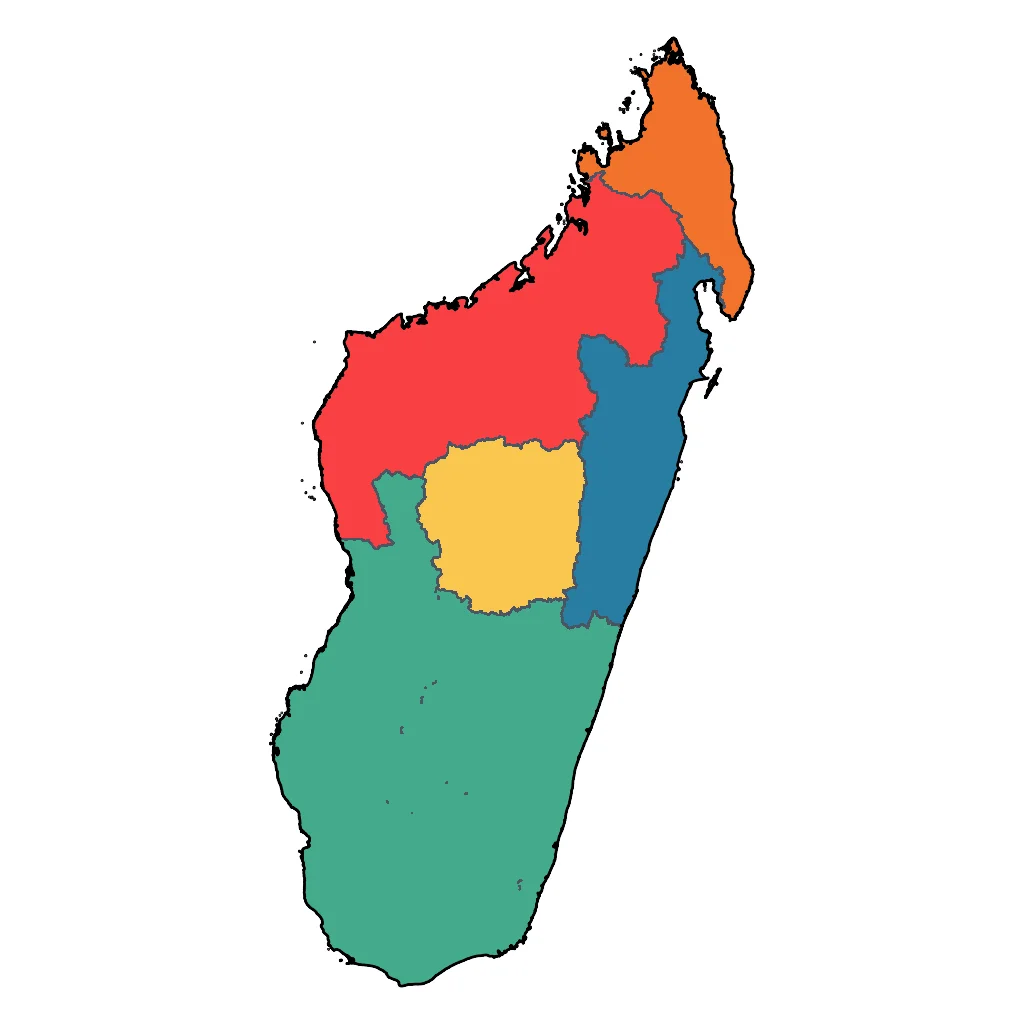
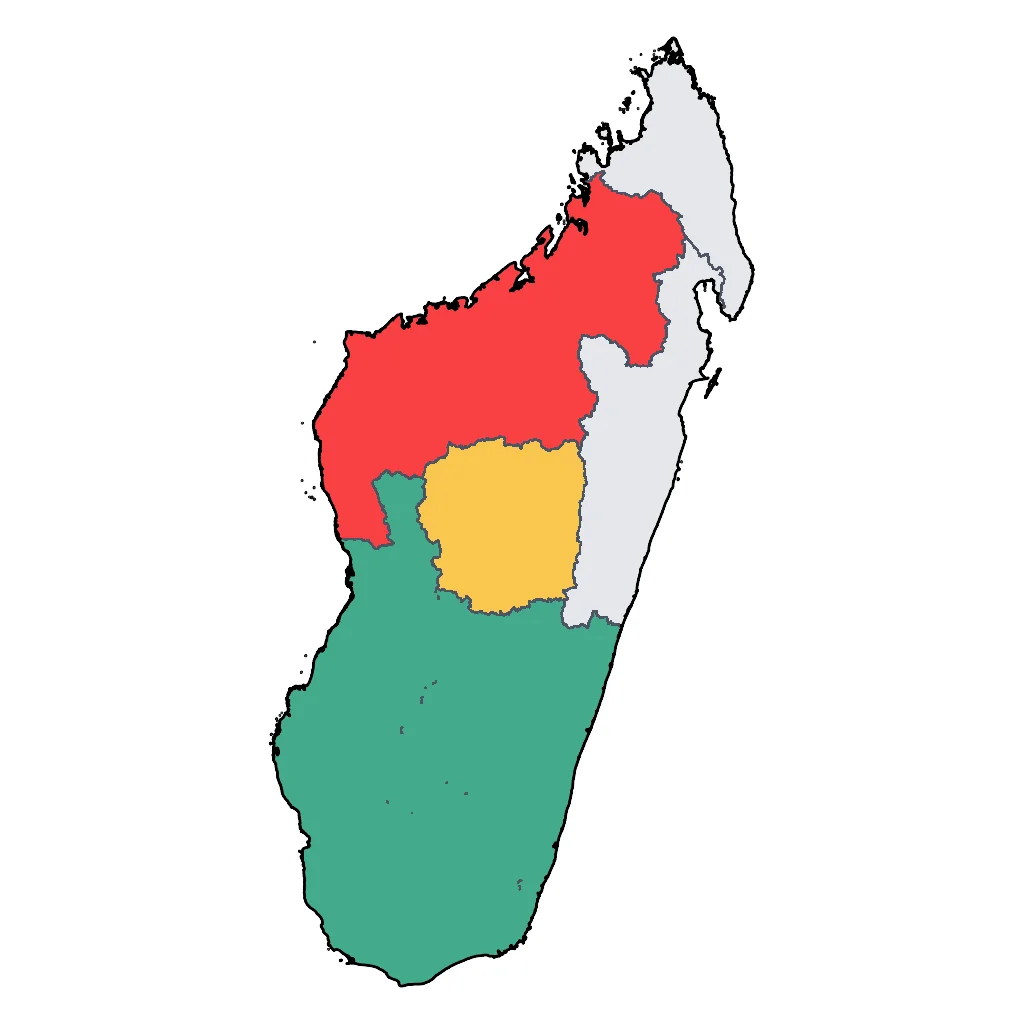
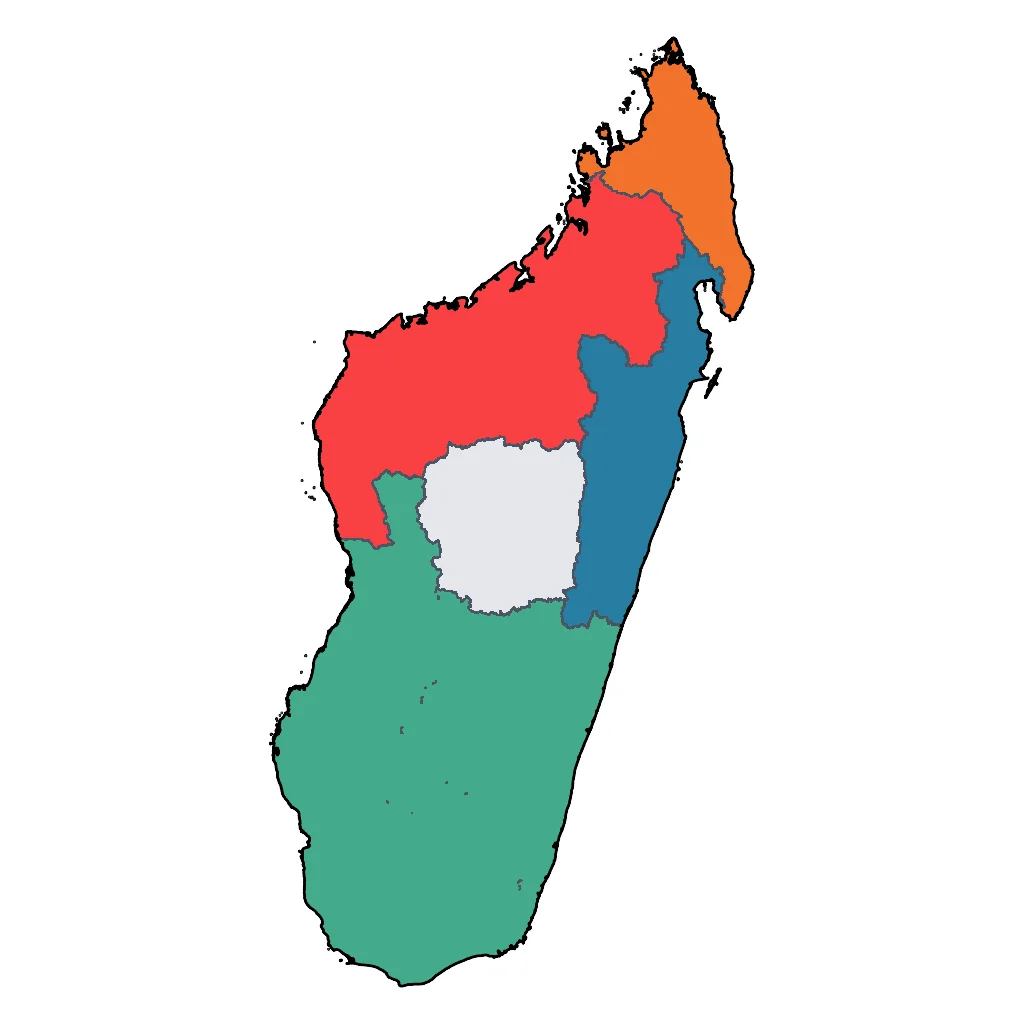
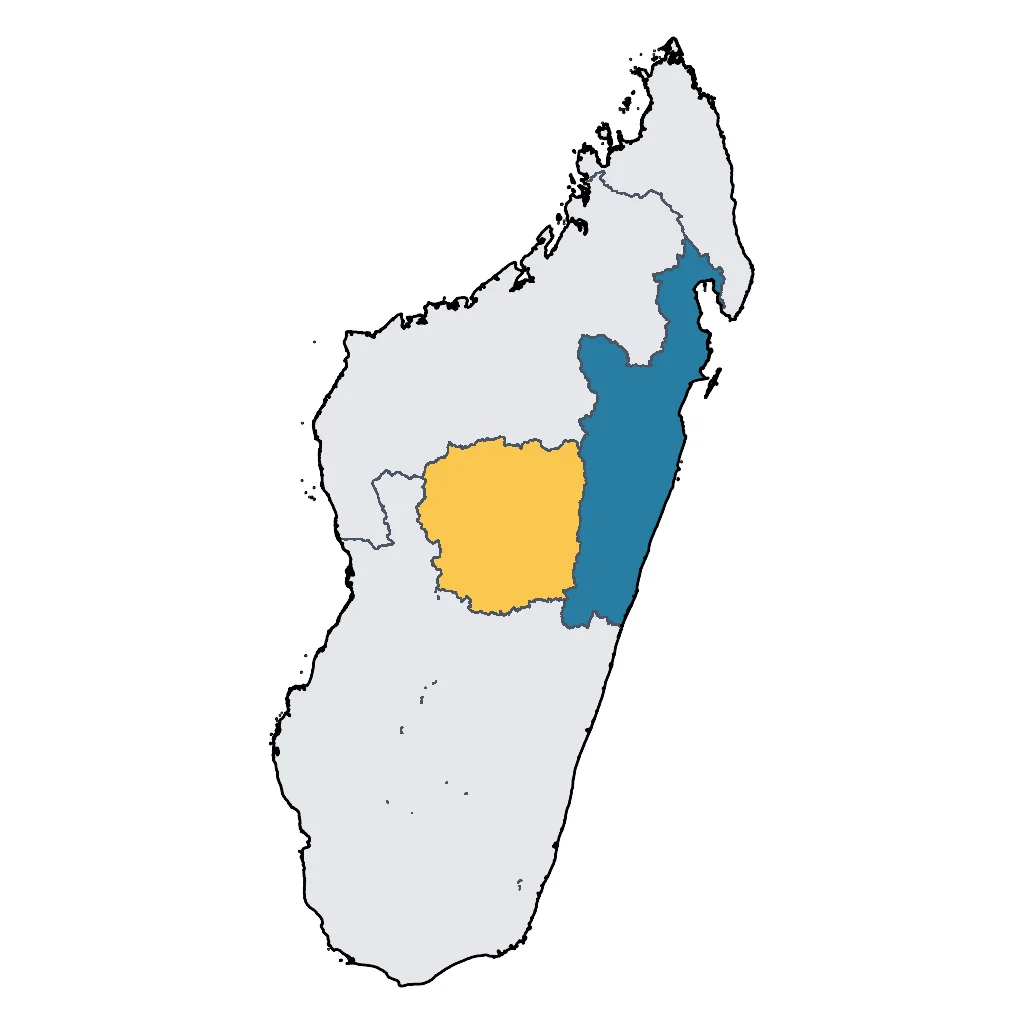
Click on a region marker to explore details. Use the dropdown to color regions by activity suitability.

Activities & Best Times

Adventure & Nature
ExcellentHiking, wildlife, outdoor exploration, ecotourism
Home to the surreal Tsingy de Bemaraha UNESCO site and the iconic Avenue of the Baobabs, offering an unparalleled 'stone forest' experience found nowhere else on Earth. Peak dry season (Jun-Sep) provides optimal temperatures and access to the labyrinthine limestone formations, while heavy monsoon rains (Dec-Apr) flood rivers and render the region's dirt roads impassable.
Home to the unique limestone 'Tsingy' of Ankarana and rare endemic lemurs, offering a truly authentic wilderness experience. The dry winter months (Jun-Oct) are essential for navigating rugged trails, as summer rains make the sharp limestone formations and remote tracks impassable.
Home to the Indri-Indri, this is a world-class destination for unique biodiversity and primary rainforest exploration that appeals to high-end adventure seekers. Peak months of September and October provide the driest conditions for lemur trekking; December to March see extreme precipitation and cyclone risks that make forest trails impassable.

Educational & Exploratory
Very GoodLearning experiences, scientific sites, historical education
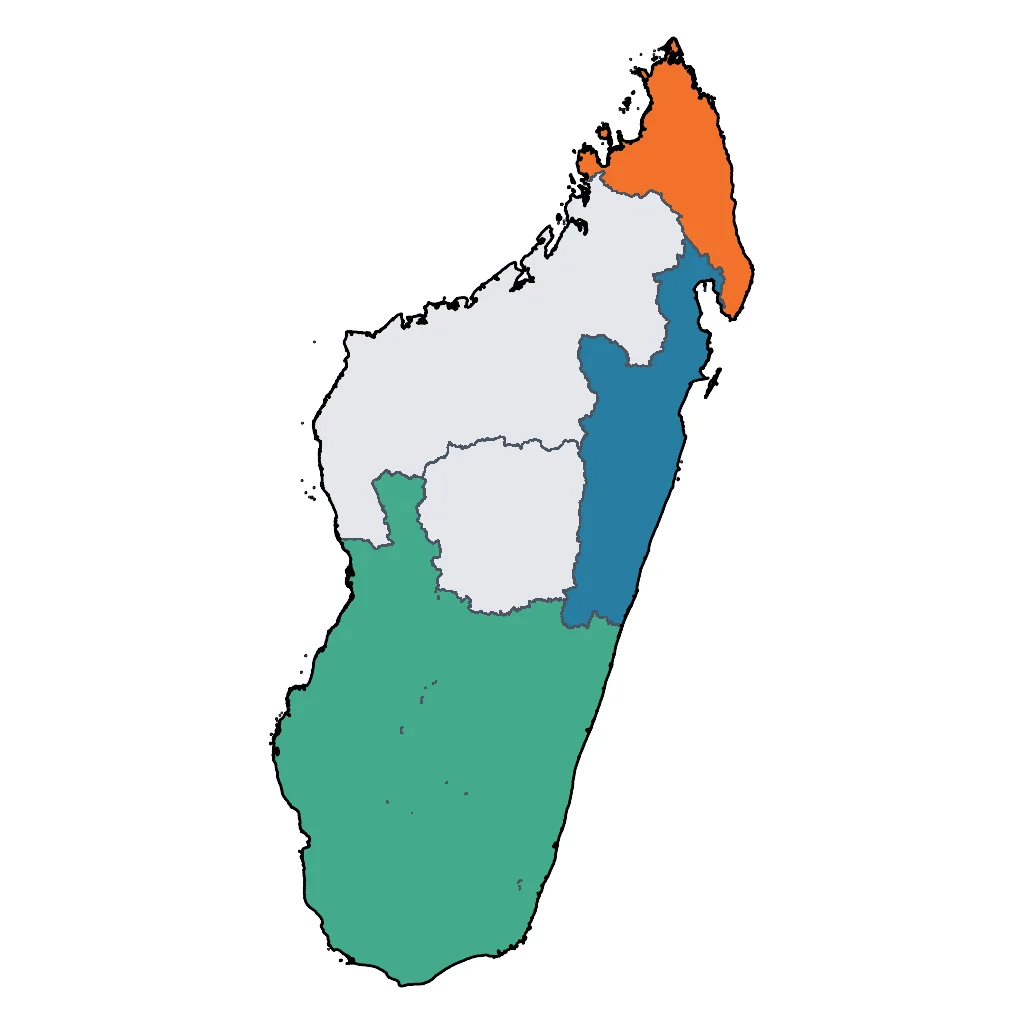
An exceptional 'living classroom' for families to learn about evolution, endemism, and conservation through professional guided walks in the Andasibe-Mantadia corridor. The driest months offer optimal visibility and safety for night walks to spot rare nocturnal species; heavy tropical rains in the summer months limit access to scientific sites and research stations.
An exceptional destination for natural history education, focusing on isolated evolution and unique xerophytic flora found nowhere else on Earth. Comfortable temperatures in the dry season facilitate field observation, while the monsoon period makes scientific exploration challenging due to heat and rain.
Provides profound scientific insights into unique 'karst' geology and the evolution of endemic Madagascar flora like the giant baobab. Access to expert-led explorations of these biological hotspots is best in the dry season (Jun-Sep), as the intense heat and humidity of the summer months (Oct-Mar) can be taxing for children and often leads to seasonal park closures.

Road Trips & Scenic
Very GoodScenic drives, countryside tours, route-based travel
Serving as the starting point for the iconic RN7 route, the region offers world-class scenic driving through red-clay villages and highland vistas. Peak dry months (May-Sep) ensure safe road conditions and high visibility, whereas heavy summer rains (Dec-Mar) can wash out unpaved sections and create hazardous driving conditions.
The Avenue of the Baobabs is iconic and photogenic, but the roads to the Tsingy are extremely rough unpaved tracks requiring serious 4x4 capability. No road-trips-scenic-drives attraction in the DB. By international scenic driving standards (Great Ocean Road, Route 66, Amalfi Coast), this is frontier adventure driving, not a scenic road trip. The 'good' rating still acknowledges the photogenic Avenue.
The iconic RN7 route offers dramatic scenery transitioning from highland plateaus to semi-arid deserts, appealing to adventure-seeking families. Peak months offer dry, stable road conditions and clear visibility, while heavy summer rains (Dec-Feb) can make unpaved access roads to the Spiny Forest impassable.

Sports & Active
Very GoodSport tourism, fitness activities, active recreation
The Emerald Sea near Diego Suarez is a premier global destination for kitesurfing and windsurfing due to the consistent Varatraza winds. Peak season aligns with the strongest, most reliable trade winds and clear weather, whereas the rainy season lacks the necessary wind consistency.
Tsingy via ferrata is unique but a short, niche experience - not a sustained sports destination. No hiking/cycling or adventure park attractions in the DB. International sports travelers would not choose this region specifically for active sports. The via ferrata is better captured under adventure_nature (already excellent).
Offers distinctive active experiences like canoeing the Canal des Pangalanes and trekking through rugged rainforest terrain. Ideal conditions occur when rainfall is under 120mm (Sep-Oct), ensuring safe footing and stable water levels; the monsoon season from December to March renders the natural terrain too dangerous for high-quality active tourism.

Beach & Sea
Very GoodBeach resorts, marine activities: diving, snorkelling, kite surfing, wind surfing, sailing
While Nosy Be has exceptional marine biodiversity, it lacks the beach infrastructure and resort quality of genuinely 'excellent' international beach destinations (Maldives, Seychelles, Caribbean). The marine environment is outstanding but beach facilities, accessibility, and consistency of experience are below top global tier. No beach-specific attractions in the DB.
Sainte Marie is primarily known for seasonal whale watching (already covered under festivals_seasonal), not beach quality. No beach-coastal-recreation-area attractions in the database. The island has charm but beaches are not internationally competitive. Year-round high humidity and rainfall further limit beach appeal.
Anakao/Vezo coast is remote and undeveloped with no beach attractions in the database. While diving and snorkeling are possible, accessibility is poor and infrastructure is very basic. 'very_good' is over-generous for beaches that most international travelers would find challenging to reach and lacking in amenities.

City & Cultural
Very GoodUrban tourism, museums, historical sites, architecture
Antananarivo and the UNESCO site of Ambohimanga offer deep insight into the Merina Kingdom and a unique synthesis of Malayo-Polynesian and African cultures. The dry season is essential for navigating the city's steep, cobbled streets and historic palaces; the monsoon season (Dec-Mar) causes significant urban flooding and travel disruption.
Diego Suarez (Antsiranana) offers a glimpse into French colonial history and Malagasy culture in a dramatic bay setting. While authentic, it lacks world-class museum infrastructure, and urban exploration is only comfortable during the cooler, drier months (Jun-Aug).

Relaxation & Wellness
Very GoodSpa retreats, wellness centers, peaceful getaways
Secluded private island retreats offer high-end, sophisticated tranquility amidst the scent of blooming ylang-ylang. Optimal conditions occur when humidity is lowest (May-Oct), while the extreme humidity and heavy rainfall of the summer months are unsuitable for outdoor wellness.
Several luxury eco-lodges offer sophisticated 'nature-immersion' and digital detox experiences within the rainforest canopy. The warmer, dryer transition into late spring (Oct-Nov) provides the most comfortable humidity levels for outdoor wellness activities, while the peak rainy season creates oppressive humidity and limits access to lodge facilities.
The thermal springs of Antsirabe and high-altitude boutique lodges provide a unique, peaceful retreat for experienced travelers. The crisp, dry mountain air from May to September is perfect for spa and thermal activities, while high humidity and frequent storms in summer (Jan-Mar) detract from the tranquil atmosphere.

Festivals & Seasonal
GoodEvents, celebrations, seasonal attractions
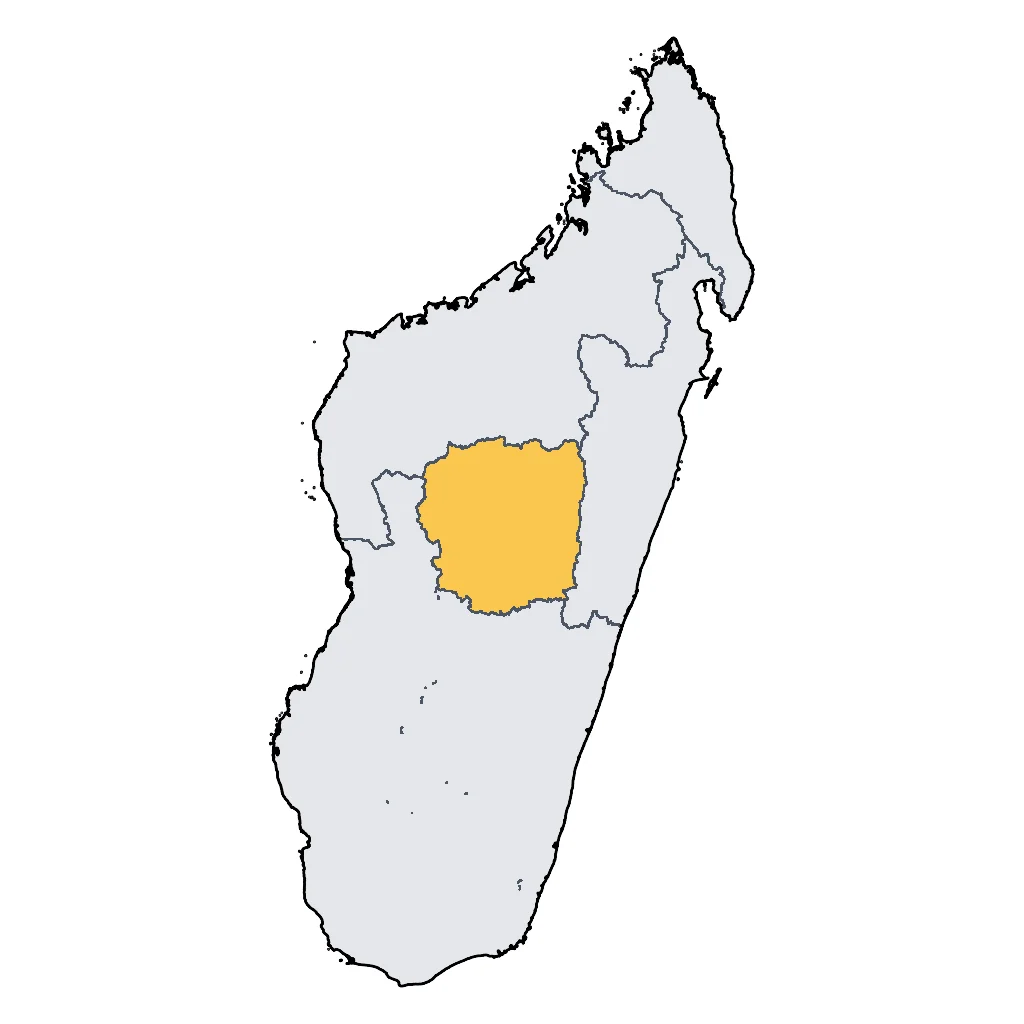
This region is the heart of the 'Famadihana' (turning of the bones) tradition and 'Hira Gasy' musical theater, offering an exceptionally authentic cultural experience. These traditional ceremonies occur almost exclusively during the cool, dry winter months (Jun-Sep), with very few public cultural events during the rainy summer.
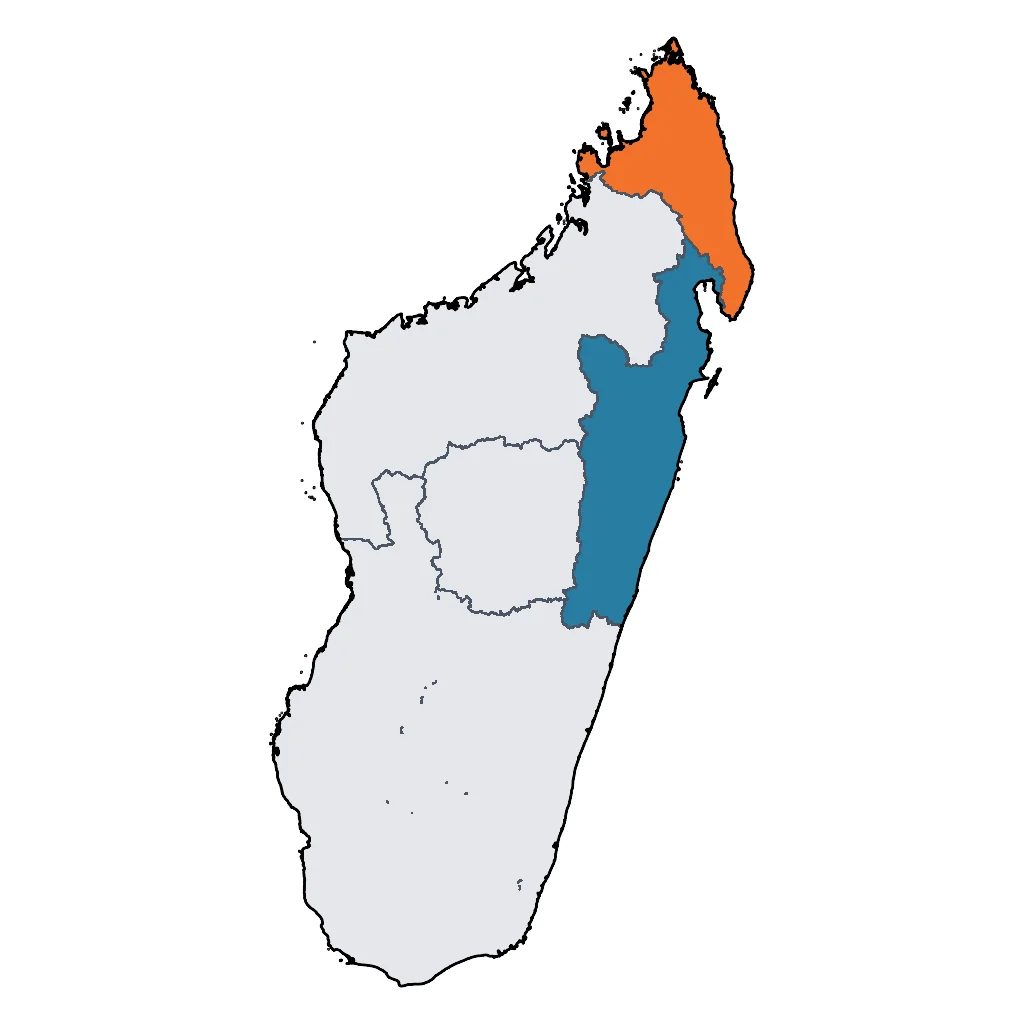
The annual arrival of humpback whales creates a significant seasonal attraction with high international appeal for wildlife enthusiasts. This phenomenon is strictly seasonal, making other months unsuitable for this specific highlight.

Airports & Flight Routes
Toggle options to view domestic routes and international airports. Click an airport for details.

Climate & Weather
Antananarivo & Highlands
Show Details
| Month | Temp °C | Rain | Humidity |
|---|
East Coast (rainforest, Andasibe)
Show Details
| Month | Temp °C | Rain | Humidity |
|---|
North & Nosy Be (beaches)
Show Details
| Month | Temp °C | Rain | Humidity |
|---|
South & Southwest (spiny forest, Isalo)
Show Details
| Month | Temp °C | Rain | Humidity |
|---|
West (Tsingy, baobabs)
Show Details
| Month | Temp °C | Rain | Humidity |
|---|

Travel Advisory
The majority of agencies recommend increased vigilance due to crime and potential civil instability, though no blanket ban on travel is currently in place.
Safety Topics
Traveller Advice (4 groups)

Humanitarian staff working in the southern and western 'red zones' should follow strict security protocols due to the high risk of Dahalo-related violence and kidnapping.

Homosexuality is not illegal, but there is significant social stigma. Public displays of affection should be avoided to prevent harassment or unwanted attention.

Solo female travellers should exercise extra vigilance. Avoid walking alone after dark and be wary of unwanted attention in crowded urban areas or isolated beaches.

Parents should ensure children are up-to-date on all vaccinations, particularly measles and plague precautions. Documentation proving parental relationship may be requested at borders.