

⚠️ SAFETY WARNING: Due to active conflict, intercommunal violence, and a high risk of kidnapping, government agencies (including NZ, CA, USA, UK, AU, and IE) advise travelers to avoid all travel to Dogon Country. The once-popular trekking routes along the Bandiagara Escarpment are now dangerous, and tour operators have ceased activities. Families are strongly urged to consult their own government's official travel advisory before considering a trip, as circumstances and risk assessments vary.
Dogon Country is defined by the imposing Bandiagara Escarpment, a sandstone cliff that stretches for approximately 150 kilometres and rises up to 500 metres from the sandy plains below. This geological wonder is home to the Dogon people, who built their villages along the scree slopes and on the plateau top for protection and spiritual reasons. The architecture is iconic: small, rectangular mud-brick granaries with conical straw roofs dot the landscape, alongside family compounds that blend seamlessly with the reddish-brown rock of the cliffs. High up on the sheer vertical faces, one can still see the remains of the Tellem dwellings, built by a mysterious people who inhabited the region before the Dogon arrived.
The region is culturally profound, known for the complex Dogon cosmology that weaves together astronomy, mythology, and daily life. The people here are famous for their masked dances (the Dama), which are performed to guide the souls of the deceased to the afterlife. These ceremonies involve elaborate wooden masks and stilts, creating a visual spectacle that has long fascinated anthropologists and travelers. The social structure is organized around the Togu Na, or 'House of Words', a low-ceilinged shelter where village elders meet to discuss community issues—the ceiling is kept low to prevent anyone from standing up in anger during debates.
Before the security crisis, this was Mali's premier trekking destination. Trails connected the villages along the top of the cliff, down the gorges, and across the plains of the Sénou Gondo. The landscape is dotted with baobab trees, which provide fruit and rope materials for the locals. The climate is typically hot and dry, with a short rainy season that brings the fields of millet and onions to life in the valleys. The isolation that once preserved the Dogon culture has, in recent years, made the area vulnerable, but it remains one of West Africa's most significant cultural landscapes.
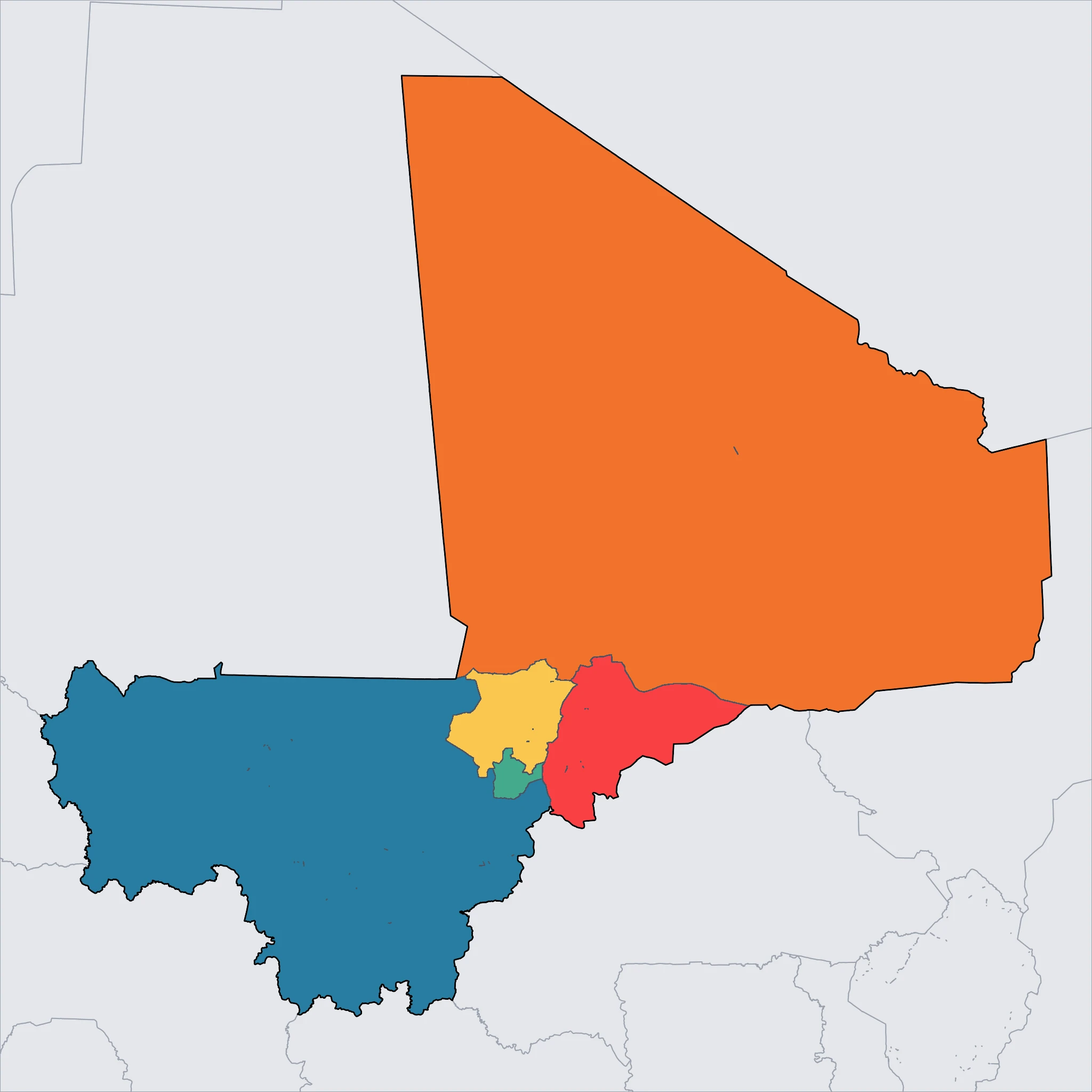
Click a region to explore

Activities & Best Times

Hiking, wildlife, outdoor exploration, ecotourism
The Bandiagara Escarpment provides a globally unique trekking environment through ancient sandstone cliffs and pristine cultural landscapes. Peak months offer the cool, dry conditions necessary for multi-day exploration, while the extreme heat of April and the heavy monsoon rains of August make the rugged trails dangerous or inaccessible.
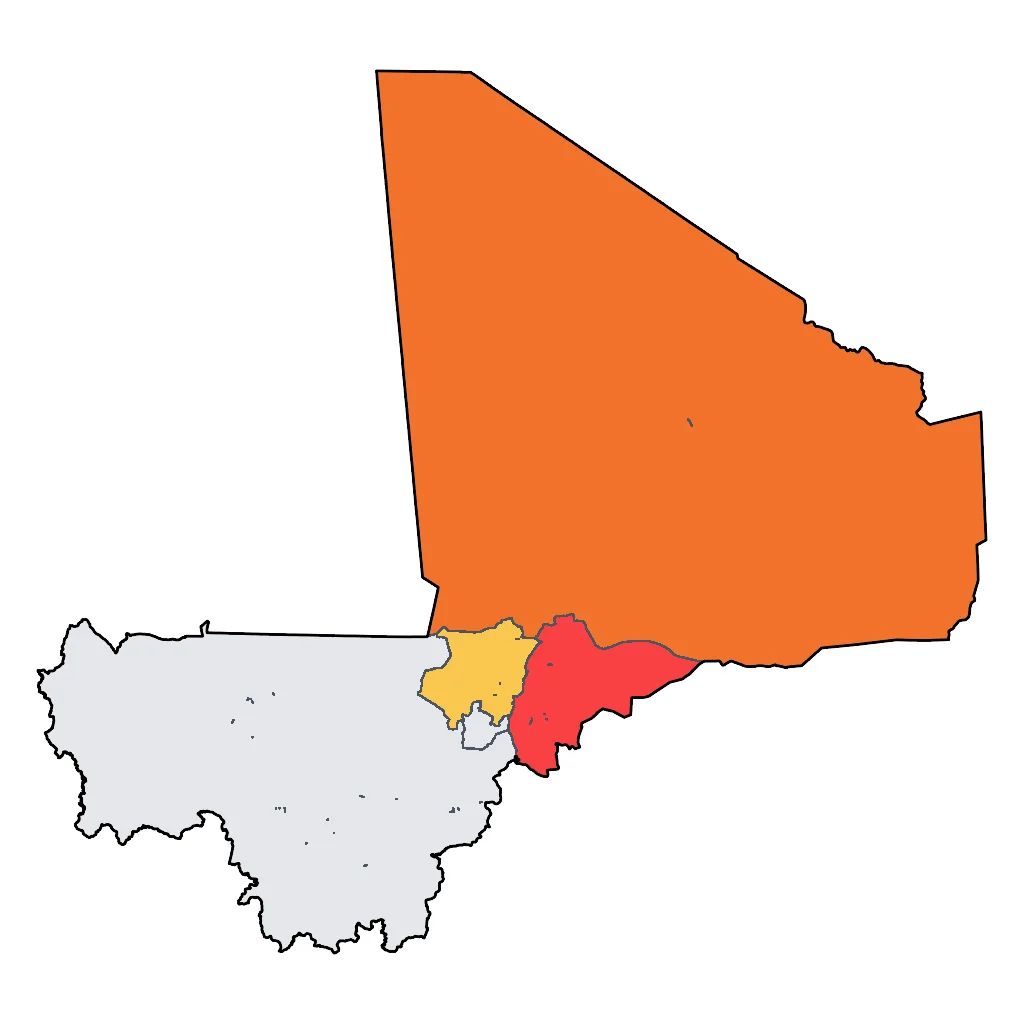

Urban tourism, museums, historical sites, architecture
Dogon Country is a rural cliff-dwelling landscape, not an urban cultural destination. While the cultural significance is undeniable (UNESCO World Heritage), the 'city' framing of this holiday type is a poor fit. The experience is anthropological and architectural in a rural/wilderness setting, not a city cultural experience. Downgrading to very_good to reflect the mismatch between holiday type and actual offering. Additionally, no editorial attraction evidence exists in the database for this region.
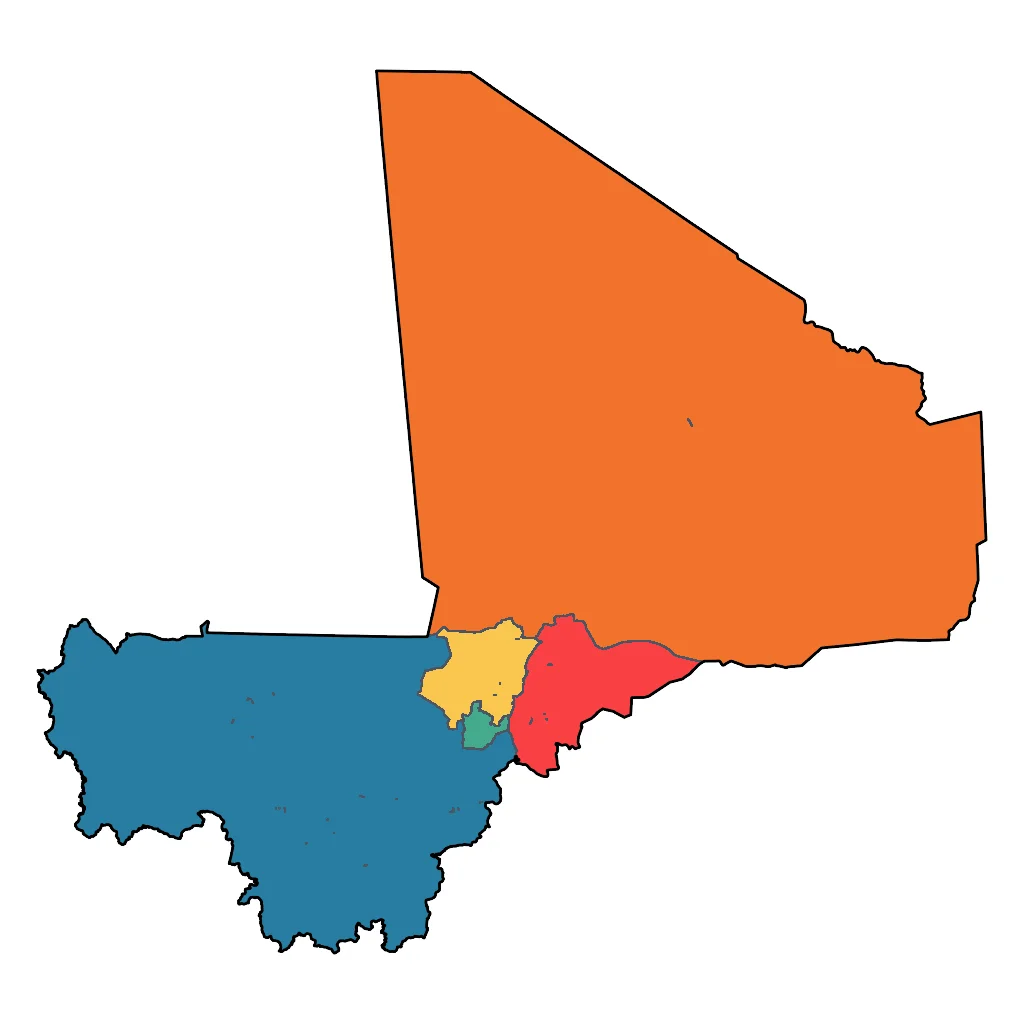

Learning experiences, scientific sites, historical education
A living laboratory for anthropology and celestial mythology, perfect for families seeking deep intellectual engagement with African history. Optimal learning occurs during the dry season when local guides and elders are most accessible; the harsh climate of the mid-year months significantly limits the ability to engage in prolonged outdoor instruction.
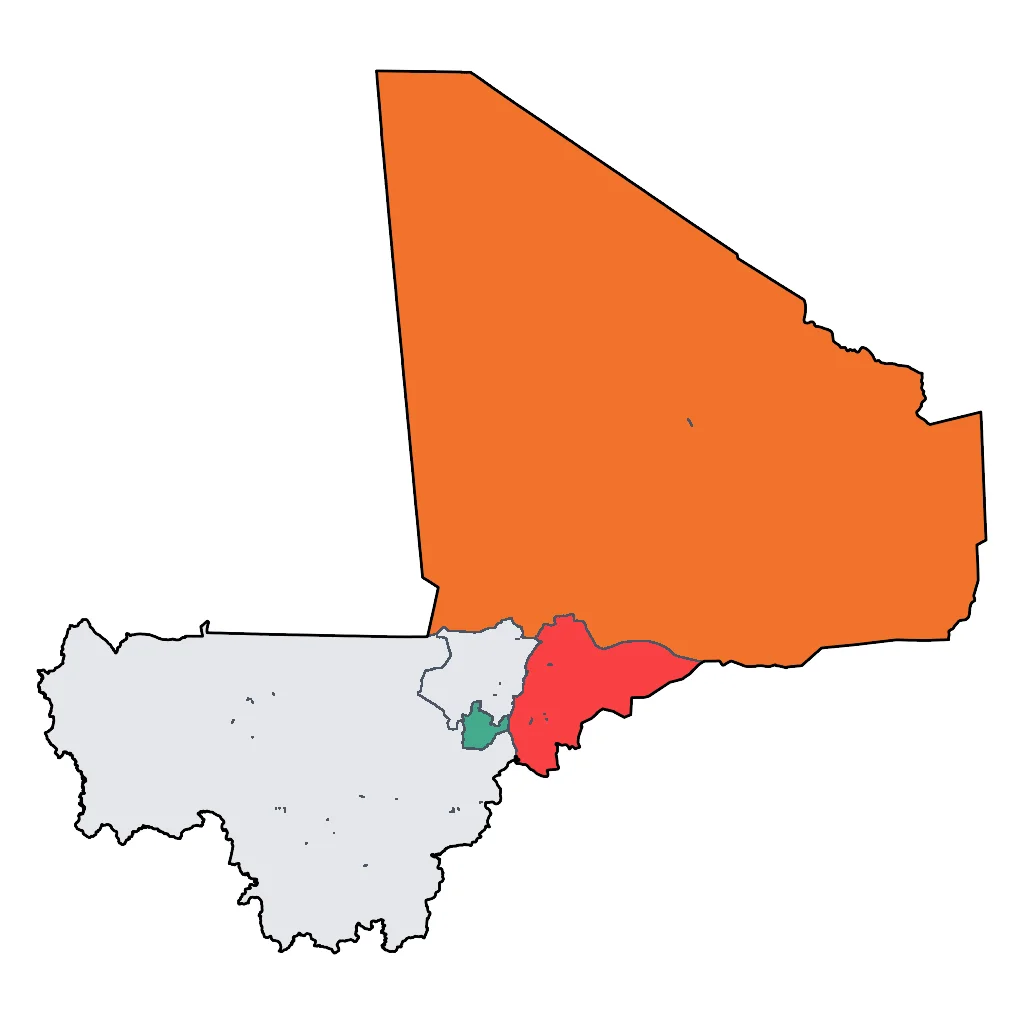

Events, celebrations, seasonal attractions
World-renowned for the Dama masked dances, which provide a profound and authentic display of Dogon spiritual life. Most significant cultural ceremonies are timed for the dry season to ensure village accessibility; the rainy season (Jul-Sep) often leads to road washouts that prevent international visitors from reaching remote festival sites.
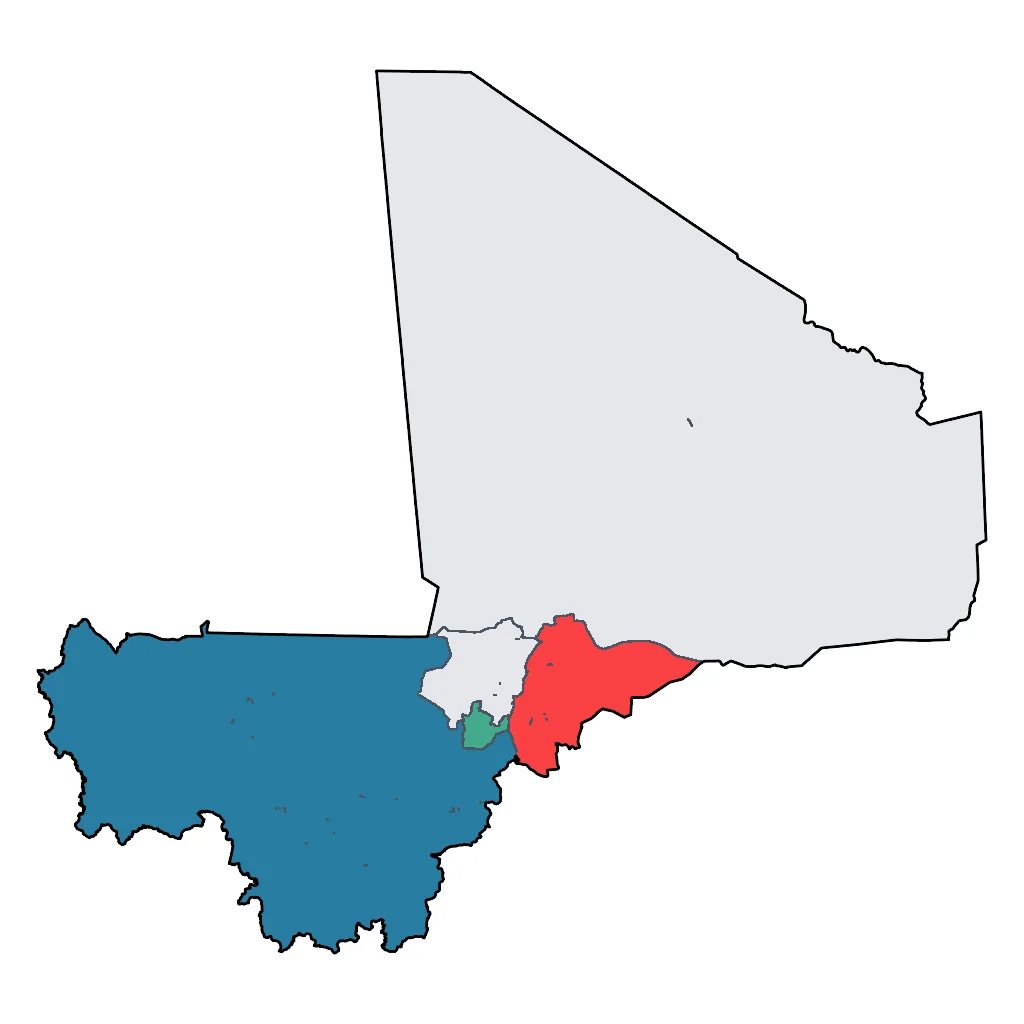

Sport tourism, fitness activities, active recreation
Offers world-class trekking and climbing opportunities along the 150km escarpment face for active, experienced families. Conditions are ideal from November to February when humidity and heat are low; the high temperatures of the pre-monsoon months (Apr-Jun) pose a significant risk of heat exhaustion for active travelers.
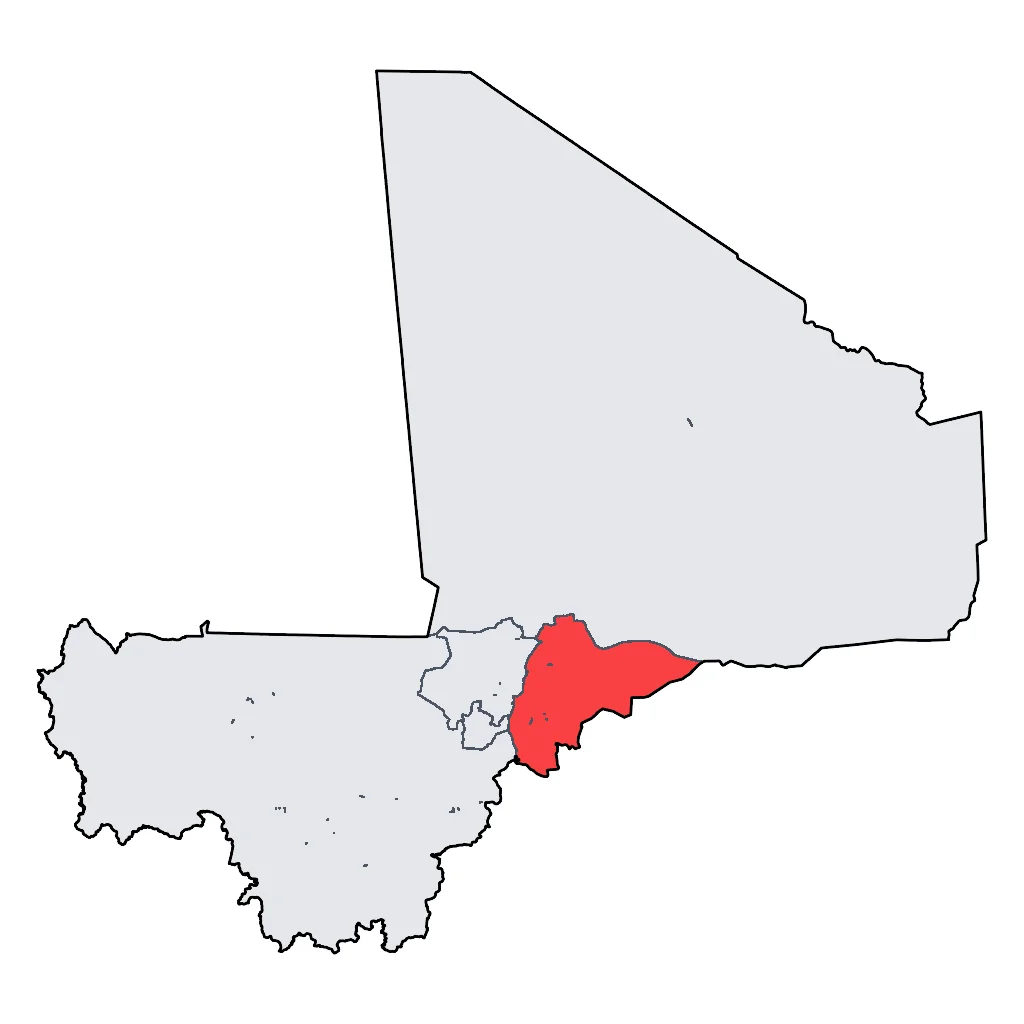

Scenic drives, countryside tours, route-based travel
While the drive toward the escarpment offers spectacular vistas, the infrastructure is rugged and best suited for high-clearance 4x4 vehicles. The dry season ensures road stability, whereas the heavy rains of July and August can turn unpaved routes into impassable mud, making travel unpredictable for international families.
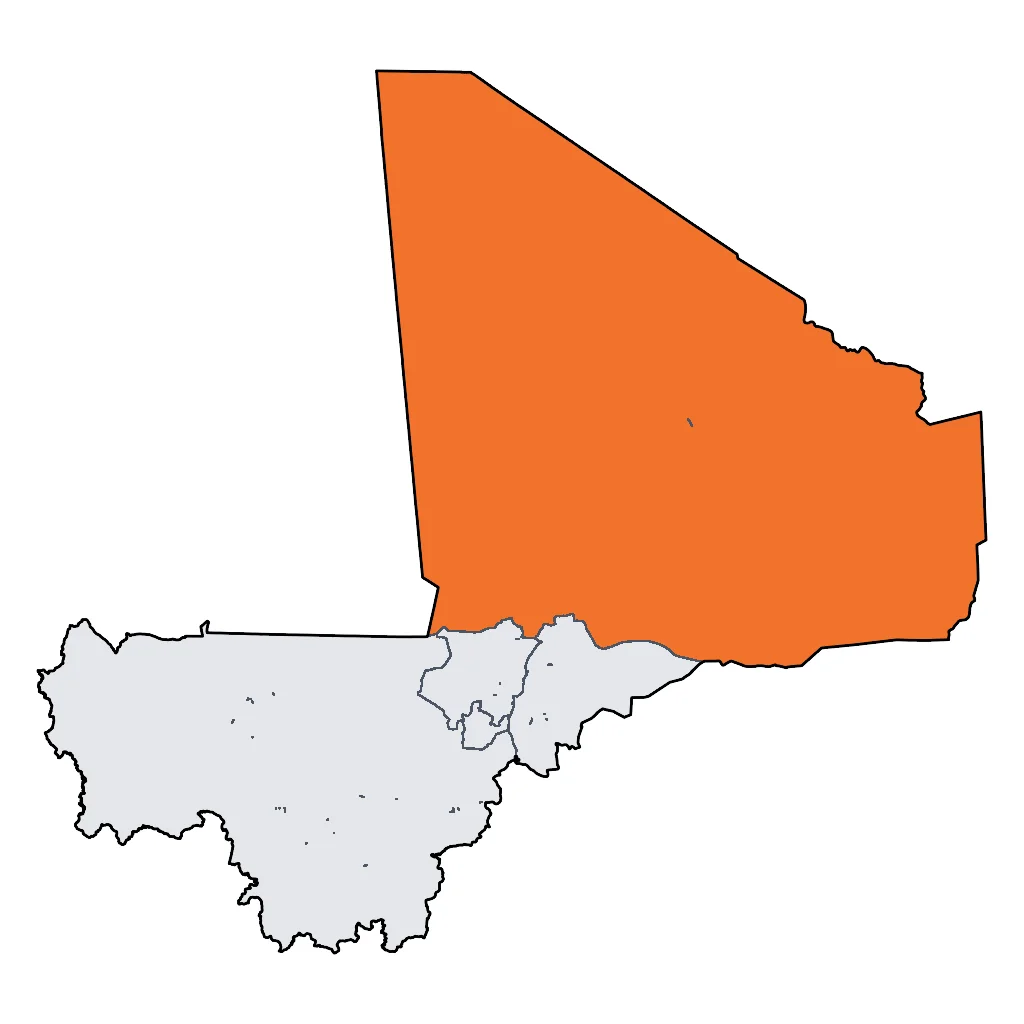

Attractions (22 total)
Natural Feature / Scenic Site
Bandiagara Escarpment
Sangha
A 200-kilometer-long sandstone cliff that houses remarkable ancient dwellings and offers breathtaking views of the Dogon plateau.
Waterfall of Dourou
Dourou
A seasonal natural waterfall that creates a lush green oasis and scenic pools amidst the rugged sandstone terrain of the plateau.
Seno-Gondo Plain
Bandiagara
A vast, sandy expanse stretching from the base of the cliffs toward the horizon, dotted with traditional baobab trees and Dogon villages.
Hiking & Cycling Routes
Bandiagara Escarpment Long-Distance Trek
Bandiagara
85km moderate 5-to-7-day trek spanning the length of the UNESCO-listed escarpment. The route traverses the plateau and descends into the sandy Gondo Plain, passing through major Dogon villages like Dourou and Nombori. Elevation gain is approximately 1,200m cumulative over several cliff ascents/descents. Bike/equipment rental: Local guides in Bandiagara or Mopti provide logistics as formal rental shops are unavailable.
Visit website →Dourou to Nombori Trail
Dourou
10km moderate day trail connecting the plateau village of Dourou to the valley village of Nombori. The route is famous for its transition from rocky highlands to the sandy dunes of the Gondo Plain. Elevation loss is approximately 300m. Duration: 4-5 hours. Part of the larger trekking network frequently used by international visitors for cultural immersion.
Visit website →Sangha to Banani and Ireli Loop
Sangha
15km challenging day hike starting from the cliff-top town of Sangha. The trail features a steep, rocky descent down the 300m cliff face to the village of Banani, continues through Ireli, and climbs back up the escarpment. Elevation gain is 450m. Typically takes 6-8 hours depending on heat and exploration of the Tellem caves.
Visit website →Landmark / Monument / Iconic Urban Attraction
Cliff of Bandiagara
Sangha
A dramatic sandstone escarpment home to ancient cliff-side dwellings and a rich UNESCO-protected cultural heritage.
Visit website →Village of Ireli
Sangha
A breathtaking village nestled directly against the base of the escarpment, famous for its dense cluster of traditional granaries.
Maison des Dogons
Bandiagara
A cultural museum in Bandiagara town that showcases the traditional crafts, masks, and architectural history of the region.
Togu Na of Sangha
Sangha
An iconic open-air meeting house featuring thick thatched roofs and hand-carved pillars, central to Dogon village life.
Castle / Palace / Historic Site
Cliffs of Bandiagara
Bandiagara
A UNESCO World Heritage landscape featuring dramatic sandstone cliffs and ancient cliff-dwellings that showcase the unique architectural and cultural history of the Dogon people.
Hogon's House of Arou
Sangha
The historic spiritual seat of the Hogon, the supreme religious leader, featuring ancient ritual masonry and sacred carvings built directly into the side of the escarpment.
Village of Sangha
Sangha
The cultural heart of the Dogon region, this historic village complex is famous for its traditional mud-brick granaries and sacred communal meeting places called Togunas.
Historic Town / Village / Cultural Area
Cliffs of Bandiagara (Land of the Dogons)
Bandiagara
A UNESCO World Heritage site featuring dramatic sandstone cliffs and ancient cave dwellings that offer a fascinating look into West African history.
Visit website →Sangha Village Complex
Sangha
The cultural heart of Dogon Country where families can explore traditional Toguna meeting houses and witness the unique mud-brick architecture of the Ogol villages.
Amani Crocodile Pond
Sangha
A sacred site where families can safely observe crocodiles that have lived in harmony with the Dogon villagers for centuries.
Endé Village
Bankass
Located on the Sénou-Gondo plain, this village is famous for its traditional indigo dyeing workshops and accessible Dogon craftsmanship.
Ireli Village
Sangha
Widely considered the most beautiful village in the region, it features iconic granaries perched precariously along the lower slopes of the escarpment.
Road Trips & Scenic Drives
Route des Dogons (Sévaré to Sangha)
Sévaré
105km route (approx. 3-4 hours). The first 65km from Sévaré to Bandiagara is paved, while the final 40km to Sangha is a well-maintained laterite/gravel road (4WD recommended). This route climbs from the Niger River floodplains onto the rugged sandstone plateau, passing through ancient Baobab groves and rock-strewn landscapes before reaching the cliff-edge village of Sangha.
Visit website →The Bandiagara-Bankass Escarpment Drive
Bandiagara
40km steep descent (approx. 2 hours). This rugged, rocky track requires a 4WD vehicle. It features a dramatic descent from the high Bandiagara Plateau down the face of the UNESCO-listed escarpment to the Sénou-Gondo plains. It offers panoramic views of the 500-meter-high sandstone cliffs and the vast desert floor stretching toward the horizon.
Visit website →National Park / Nature Reserve
Sangha Waterfall
Sangha
A seasonal natural waterfall and rocky pool that offers a refreshing oasis and scenic views overlooking the vast Sénou Gondo plains.
Art Gallery / Fine Art Museum
Museum of Dogon Culture
Bandiagara
This museum showcases an impressive collection of traditional Dogon masks, ritual statuettes, and carved wooden doors, offering insight into the region's complex spiritual art.