

⚠️ SAFETY WARNING: Due to the extreme threat of terrorism, kidnapping, and armed conflict, government agencies (including NZ, CA, USA, UK, AU, and IE) strongly advise travelers to avoid all travel to Mali. The security situation is highly volatile, with frequent attacks and a risk of violent crime. Families are strongly urged to consult their own government's official travel advisory before considering a trip, as circumstances and risk assessments vary.
Located in the heart of West Africa, Mali bridges the arid Sahara Desert in the north and the greener savannas of the south. The life-giving Niger River curves through the landscape, serving as a historical artery for trade and culture. The geography is dramatic, ranging from rolling sand dunes to the imposing sandstone cliffs of the Bandiagara Escarpment, an area of immense anthropological importance.
Mali holds a distinct place in history as the seat of wealthy ancient empires. The city of Timbuktu, a UNESCO World Heritage site, was once a thriving center of Islamic scholarship and trade, known for its ancient manuscripts. In Djenné, the Great Mosque stands as a masterpiece of Sudano-Sahelian architecture. Traditionally, the entire community gathers annually to re-plaster the mosque with mud, a festival that highlights the region's communal spirit.
The country is also celebrated globally for its music, which blends traditional instruments like the kora and balafon with desert blues. The culture is diverse, with numerous ethnic groups including the Bambara, Tuareg, and Dogon peoples, each maintaining distinct traditions. The Dogon villages, built directly into the cliff faces, possess a unique cosmology and architectural style that has fascinated historians for decades.
Practically, travel within Mali is challenging even outside of security concerns. The climate is hot and dry, particularly from March to May, and infrastructure is limited outside the capital, Bamako. While the markets offer vibrant textiles and local crafts, the current risks mean that for most families, appreciating Mali is currently best done through its exported music, literature, and historical study rather than physical visitation.

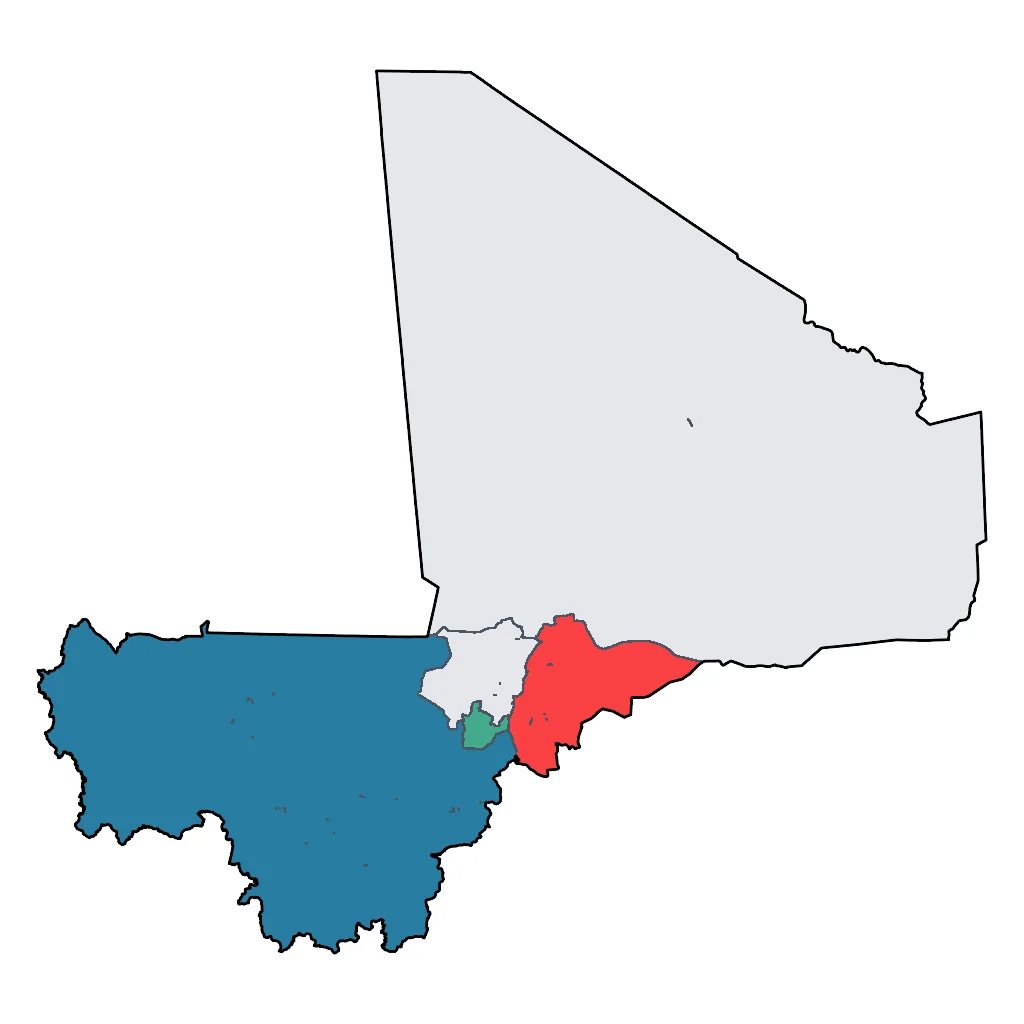
Explore Regions
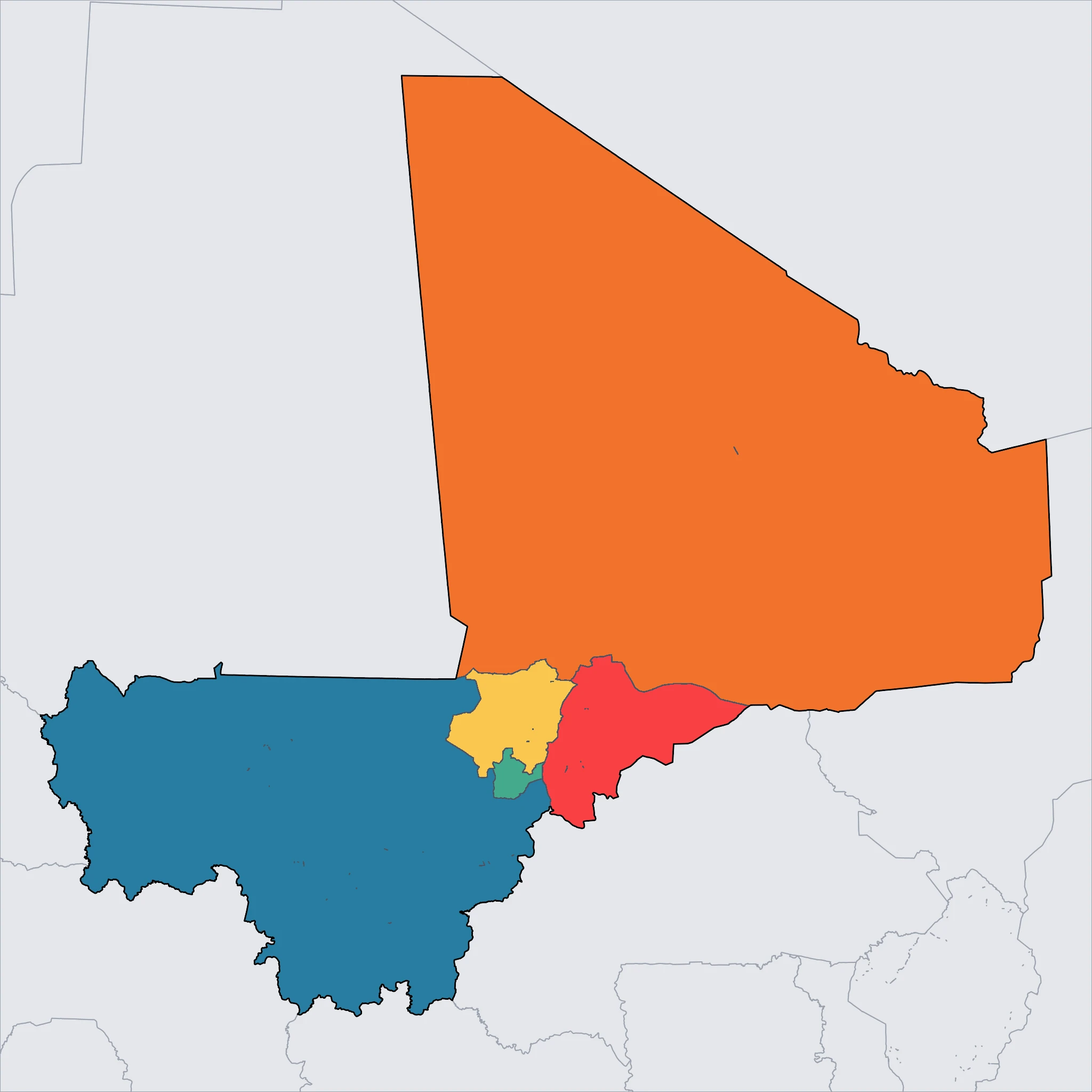
5 Regions
Bamako & South
The vibrant cultural heart of the nation 🇲🇱
Djenné
A masterpiece of earth architecture on the river 🕌
Dogon Country
Ancient cliff villages and living traditions 🧗
Mopti & Niger Inland Delta
The bustling river crossroads of the delta 🛶
Timbuktu & North
The legendary city of 333 Saints and desert sands 🐪
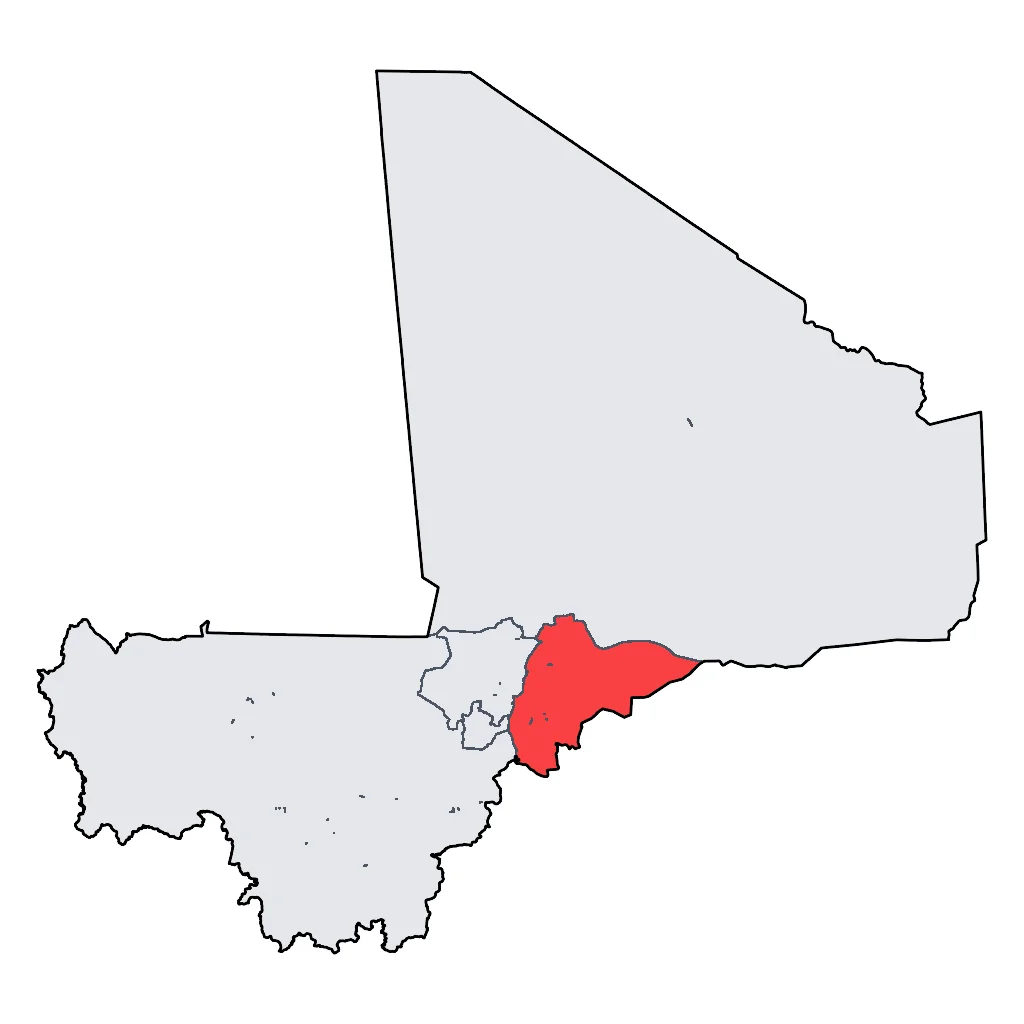
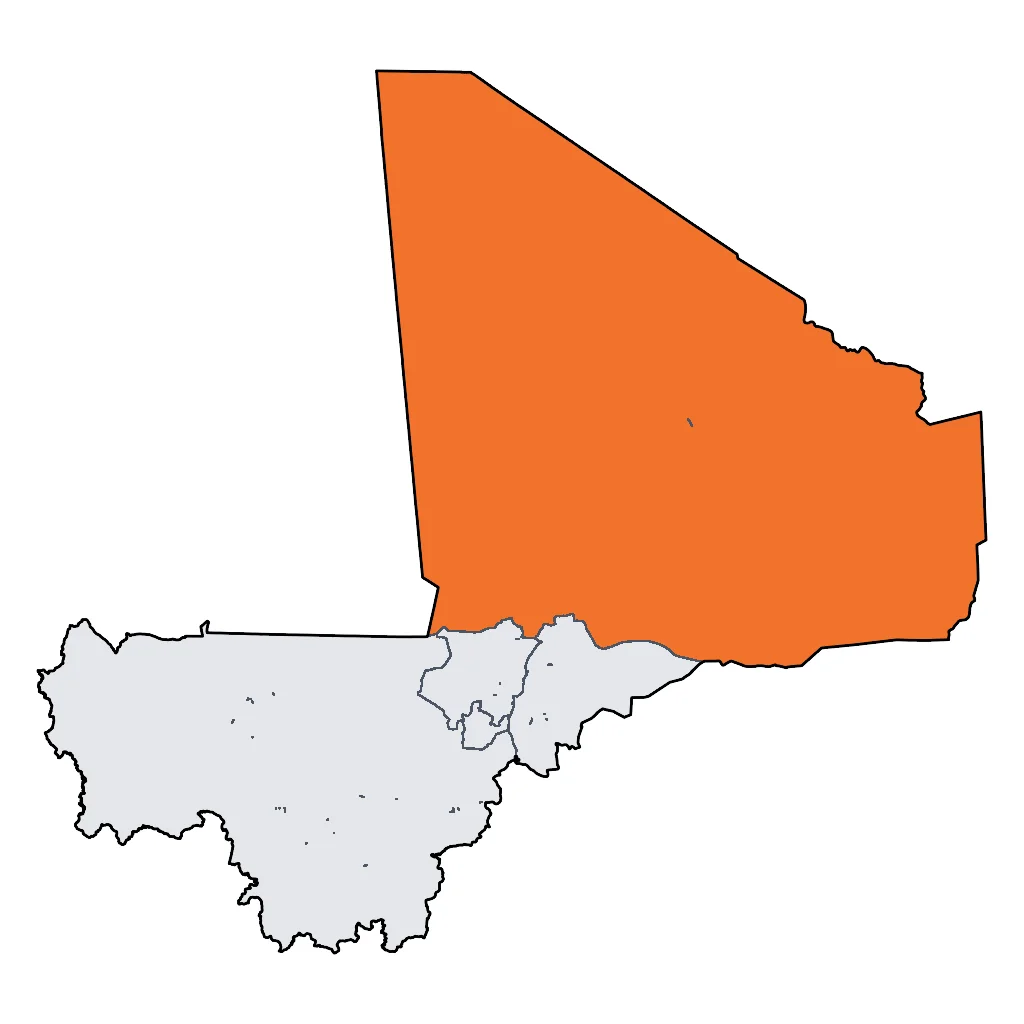
Click on a region marker to explore details. Use the dropdown to color regions by activity suitability.

Activities & Best Times

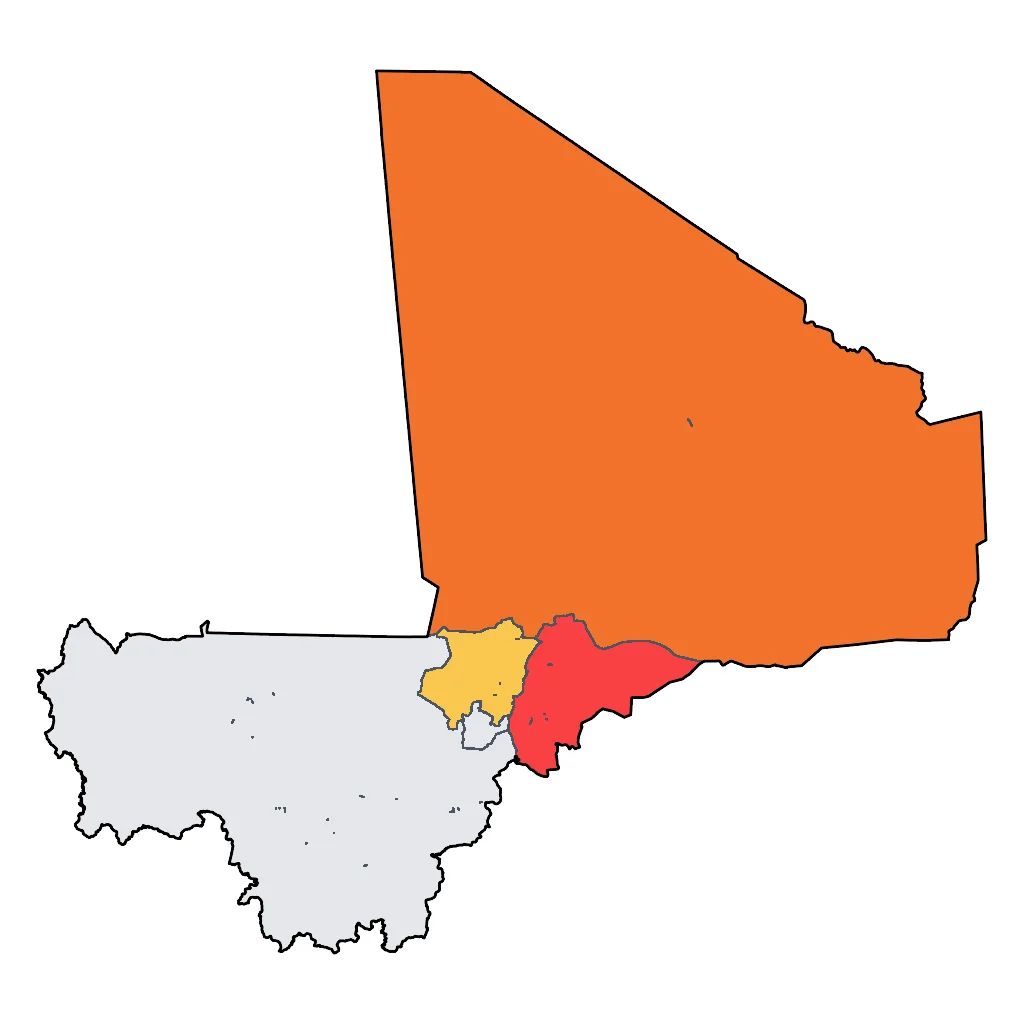
Adventure & Nature
ExcellentHiking, wildlife, outdoor exploration, ecotourism
The Bandiagara Escarpment provides a globally unique trekking environment through ancient sandstone cliffs and pristine cultural landscapes. Peak months offer the cool, dry conditions necessary for multi-day exploration, while the extreme heat of April and the heavy monsoon rains of August make the rugged trails dangerous or inaccessible.
Provides an authentic and raw Sahara experience, including camel expeditions and nomadic encounters at the edge of the desert. Peak season offers manageable daytime temperatures for desert survival and exploration; however, the extreme heat from March to October (max 35-43°C) makes wilderness adventures unsafe for families.
Navigate the sprawling Niger Inland Delta in a traditional pinasse to encounter remote fishing villages and diverse migratory birdlife in a unique wetland ecosystem. Peak months provide the only bearable temperatures (max ~32°C) for outdoor exploration, whereas the extreme heat of April-June (>40°C) and heavy monsoon rains (July-September) make nature travel hazardous and uncomfortable.

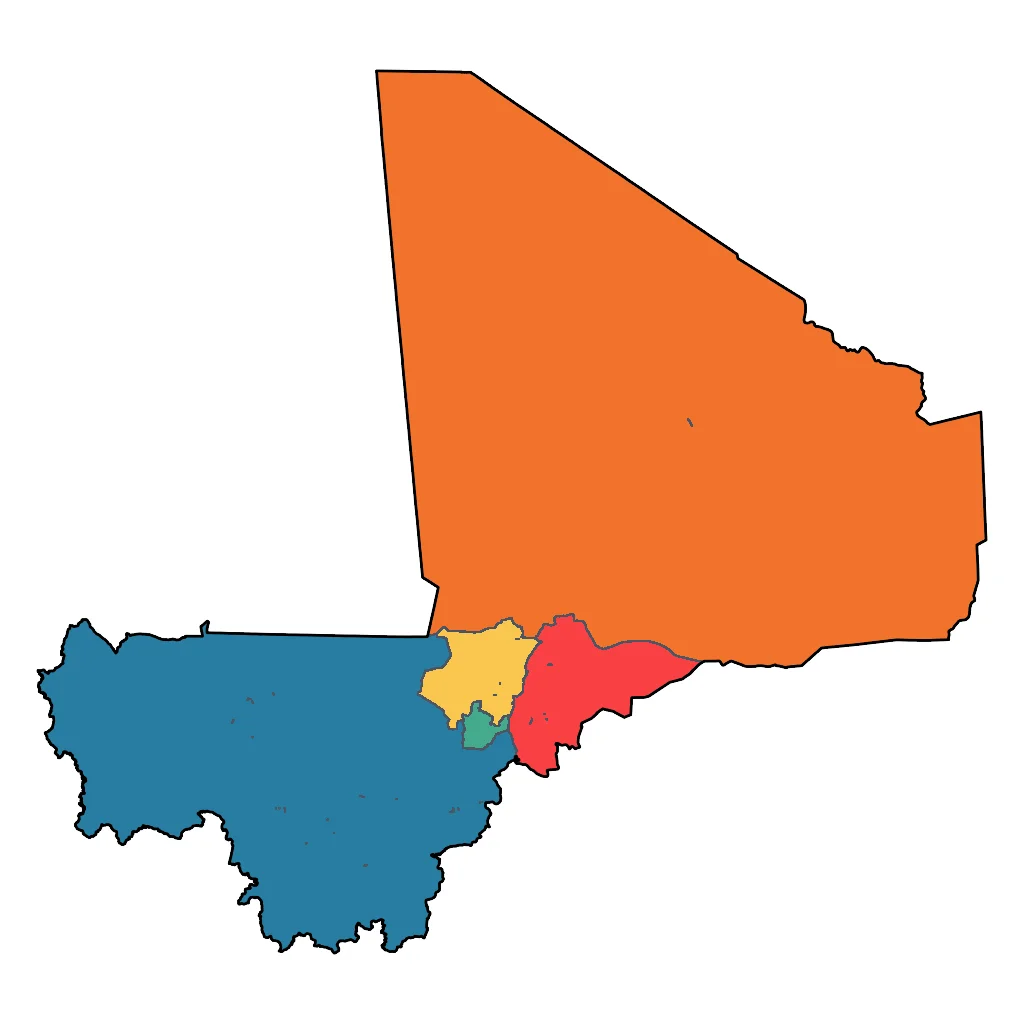
City & Cultural
ExcellentUrban tourism, museums, historical sites, architecture
Home to the world's largest mud-brick building and a UNESCO-listed urban fabric, Djenné is an unparalleled masterpiece of Sudano-Sahelian architecture. Peak winter months offer the only comfortable temperatures for navigating the labyrinthine alleys; the extreme heat of March–June (exceeding 40°C) and heavy summer rains make exploration physically demanding and less authentic.
Timbuktu is a legendary intellectual capital featuring iconic mud-brick mosques and ancient libraries that offer an unparalleled look into West African history. The cool winter months provide the necessary mild climate (max 27-29°C) for walking tours, while extreme summer temperatures exceeding 40°C are prohibitive for cultural exploration.
Dogon Country is a rural cliff-dwelling landscape, not an urban cultural destination. While the cultural significance is undeniable (UNESCO World Heritage), the 'city' framing of this holiday type is a poor fit. The experience is anthropological and architectural in a rural/wilderness setting, not a city cultural experience. Downgrading to very_good to reflect the mismatch between holiday type and actual offering. Additionally, no editorial attraction evidence exists in the database for this region.

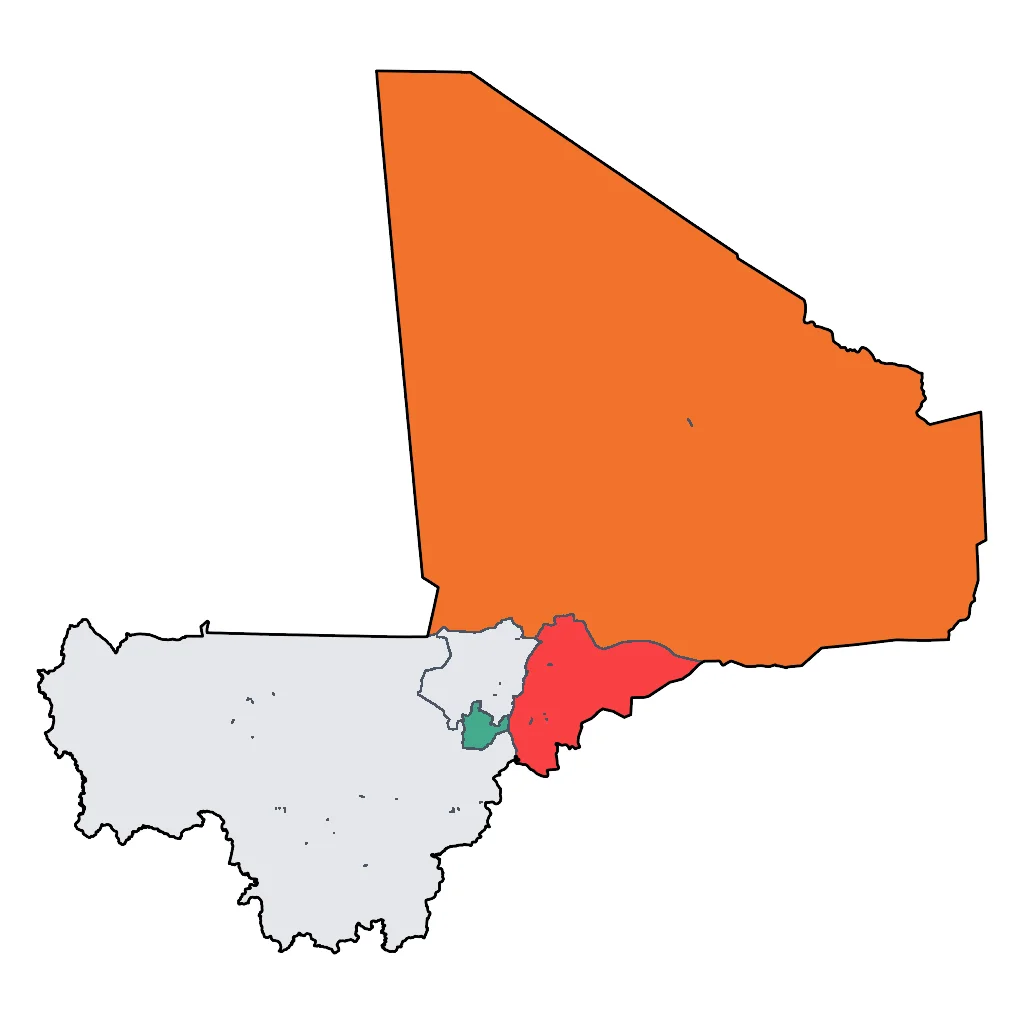
Educational & Exploratory
Very GoodLearning experiences, scientific sites, historical education
A living laboratory for anthropology and celestial mythology, perfect for families seeking deep intellectual engagement with African history. Optimal learning occurs during the dry season when local guides and elders are most accessible; the harsh climate of the mid-year months significantly limits the ability to engage in prolonged outdoor instruction.
The region serves as an immersive classroom for traditional masonry, Islamic scholarship, and the history of the trans-Saharan trade. Dry, cooler months are ideal for visiting the nearby archaeological site of Djenné-Djeno, while the monsoon season and pre-monsoon heat limit access to outdoor historical and scientific sites.
The region serves as a premier destination for studying Islamic scholarship through its world-class collections of medieval manuscripts and ancient university history. Ideal weather in December and January facilitates extended study and guided archaeological visits, whereas the intense desert heat in other months limits outdoor educational activities.

Festivals & Seasonal
Very GoodEvents, celebrations, seasonal attractions
World-renowned for the Dama masked dances, which provide a profound and authentic display of Dogon spiritual life. Most significant cultural ceremonies are timed for the dry season to ensure village accessibility; the rainy season (Jul-Sep) often leads to road washouts that prevent international visitors from reaching remote festival sites.
The weekly Monday market and the annual collective plastering of the Great Mosque (Crépissage) are globally significant cultural spectacles. While these events are deeply authentic, the peak months provide the most tolerable weather for families to witness the vibrant communal activity without the duress of 40°C heat or torrential rains.
Renowned for the Bamako Photo Biennial and its legendary live music scene, the region offers elite cultural authenticity found nowhere else. Peak season aligns with major international events and manageable temperatures; the off-season is plagued by oppressive heat and humidity that prevents comfortable outdoor gatherings.

Sports & Active
Very GoodSport tourism, fitness activities, active recreation

Road Trips & Scenic
GoodScenic drives, countryside tours, route-based travel
Trans-Saharan 4x4 routes offer some of the most spectacular and remote landscapes on the planet for experienced adventure travelers. Travel is best restricted to the coolest months to ensure vehicle reliability and passenger comfort, as the off-season brings hazardous heat and increased dust storm activity.
While the drive toward the escarpment offers spectacular vistas, the infrastructure is rugged and best suited for high-clearance 4x4 vehicles. The dry season ensures road stability, whereas the heavy rains of July and August can turn unpaved routes into impassable mud, making travel unpredictable for international families.

Airports & Flight Routes
Toggle options to view domestic routes and international airports. Click an airport for details.

Climate & Weather
Bamako & South
Show Details
| Month | Temp °C | Rain | Humidity |
|---|
Djenné
Show Details
| Month | Temp °C | Rain | Humidity |
|---|
Dogon Country
Show Details
| Month | Temp °C | Rain | Humidity |
|---|
Mopti & Niger Inland Delta
Show Details
| Month | Temp °C | Rain | Humidity |
|---|
Timbuktu & North
Show Details
| Month | Temp °C | Rain | Humidity |
|---|

Travel Advisory
All monitored international agencies have issued a maximum-level warning, advising against all travel to the country due to severe security threats.
Safety Topics
Traveller Advice (4 groups)

Media professionals face significant danger in conflict zones and may be subject to detention or violence by various armed groups.

Commercial interests, particularly in the mining and resource sectors, have been explicitly threatened by terrorist groups. Extensive private security is recommended for all business travel.

Aid workers are at a heightened risk of kidnapping and should operate under strict security protocols, avoiding rural areas whenever possible.

While not explicitly illegal under national law, same-sex relationships are socially taboo and may lead to harassment or local legal challenges under 'public decency' statutes.