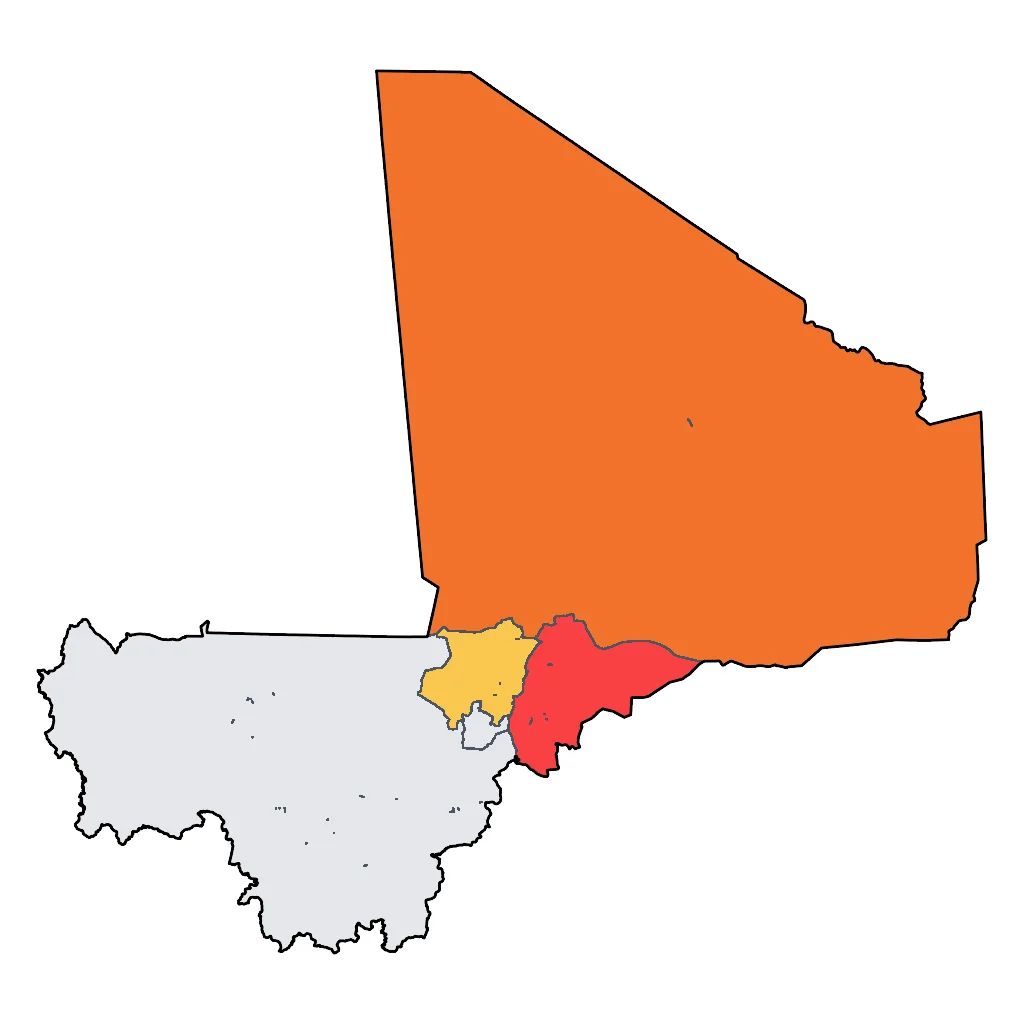
⚠️ SAFETY WARNING: Due to its location in central Mali's active conflict zone, government agencies (including NZ, CA, USA, UK, AU, and IE) advise travelers to avoid all travel to Djenné. The region faces significant risks of terrorism and kidnapping, making the town and its surrounding roads unsafe for tourists. The historic sites cannot be safely visited under current conditions. Families are strongly urged to consult their own government's official travel advisory before considering a trip, as circumstances and risk assessments vary.
Djenné is one of the most visually distinctive towns in West Africa, renowned globally for its extraordinary use of earth as a building material. The skyline is dominated by the Great Mosque of Djenné, a towering structure built from sun-baked mud bricks and reinforced with palm wood beams. It is a site of immense cultural pride and community effort; every year, the entire population participates in the Crepissage, a festival where the mosque is re-plastered with fresh mud before the rainy season arrives. This event is a lively display of unity, with children playing in the mud and music filling the air, though it is currently inaccessible to international visitors.
Geographically, Djenné is unique because it becomes an island during the rainy season when the Bani River swells and floods the surrounding plains. To reach the town, travelers and locals traditionally cross the river by ferry, adding to the sense of entering a place set apart from the modern world. The town's narrow, winding alleyways are lined with traditional two-story mud houses known as Tukulor, featuring intricate façades that denote the status of the families living within. The layout of the town has remained largely unchanged since the Middle Ages, preserving an atmosphere of antiquity that led to its UNESCO World Heritage status.
The heartbeat of the town is the Monday Market, one of the most colourful and vibrant markets in the Sahel. Traders from surrounding villages and ethnic groups, including the Bozo, Fulani, and Bambara, converge here to sell cattle, fish, spices, and textiles. The square in front of the mosque transforms into a chaotic, energetic sea of people and goods. While the heat in this region can be intense, particularly before the rains, the architectural style of the thick mud walls provides natural cooling for the interiors of homes and mosques. This region represents the intersection of Islamic scholarship and trade that once flourished across the Sudanian savanna.
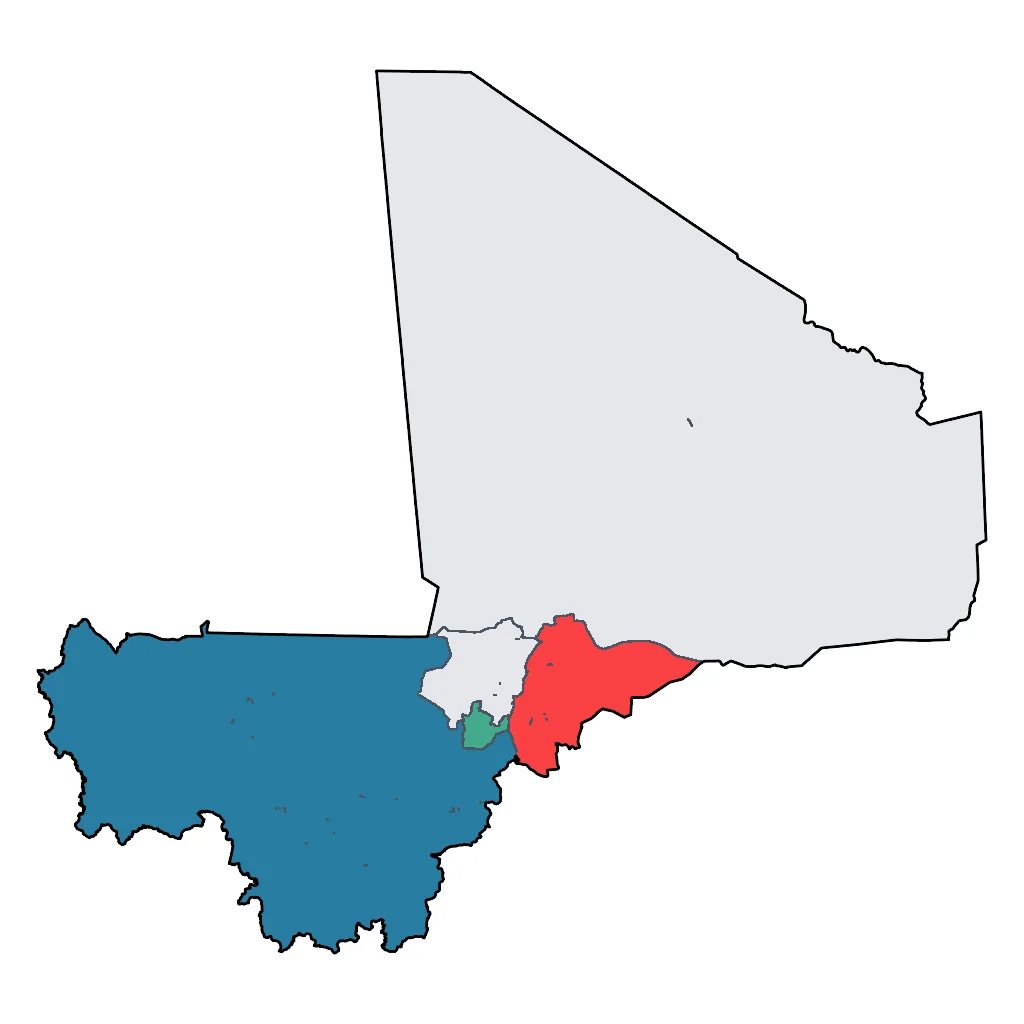
Click a region to explore

Activities & Best Times

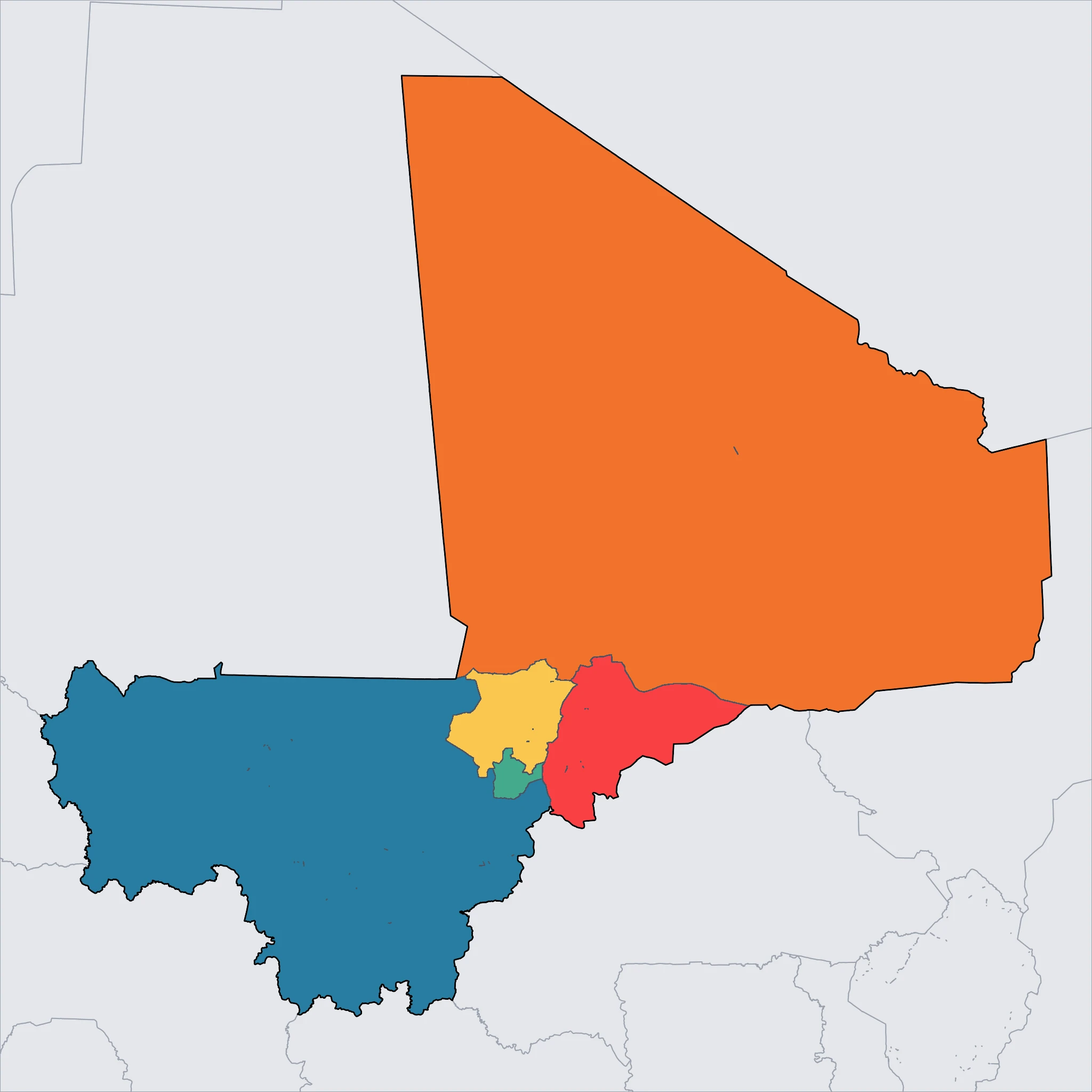
Urban tourism, museums, historical sites, architecture
Home to the world's largest mud-brick building and a UNESCO-listed urban fabric, Djenné is an unparalleled masterpiece of Sudano-Sahelian architecture. Peak winter months offer the only comfortable temperatures for navigating the labyrinthine alleys; the extreme heat of March–June (exceeding 40°C) and heavy summer rains make exploration physically demanding and less authentic.
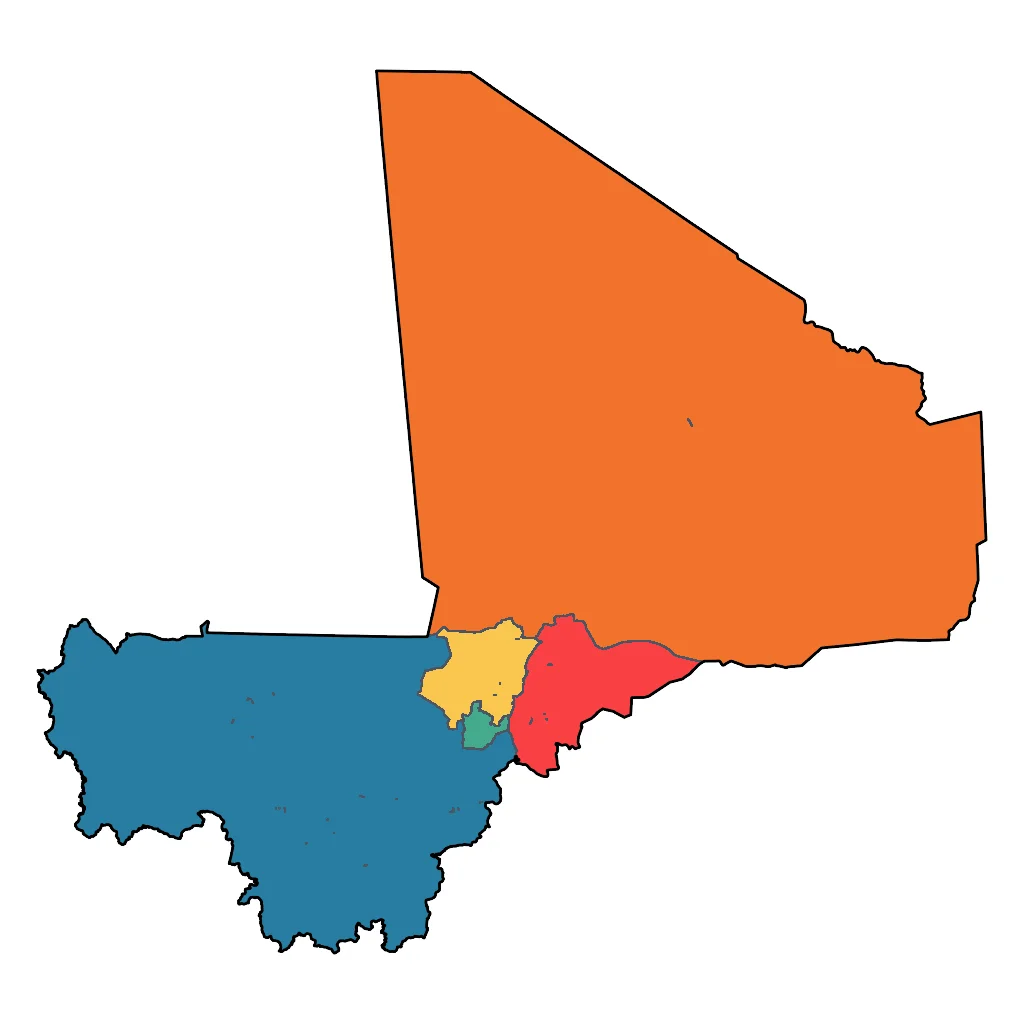

Learning experiences, scientific sites, historical education
The region serves as an immersive classroom for traditional masonry, Islamic scholarship, and the history of the trans-Saharan trade. Dry, cooler months are ideal for visiting the nearby archaeological site of Djenné-Djeno, while the monsoon season and pre-monsoon heat limit access to outdoor historical and scientific sites.
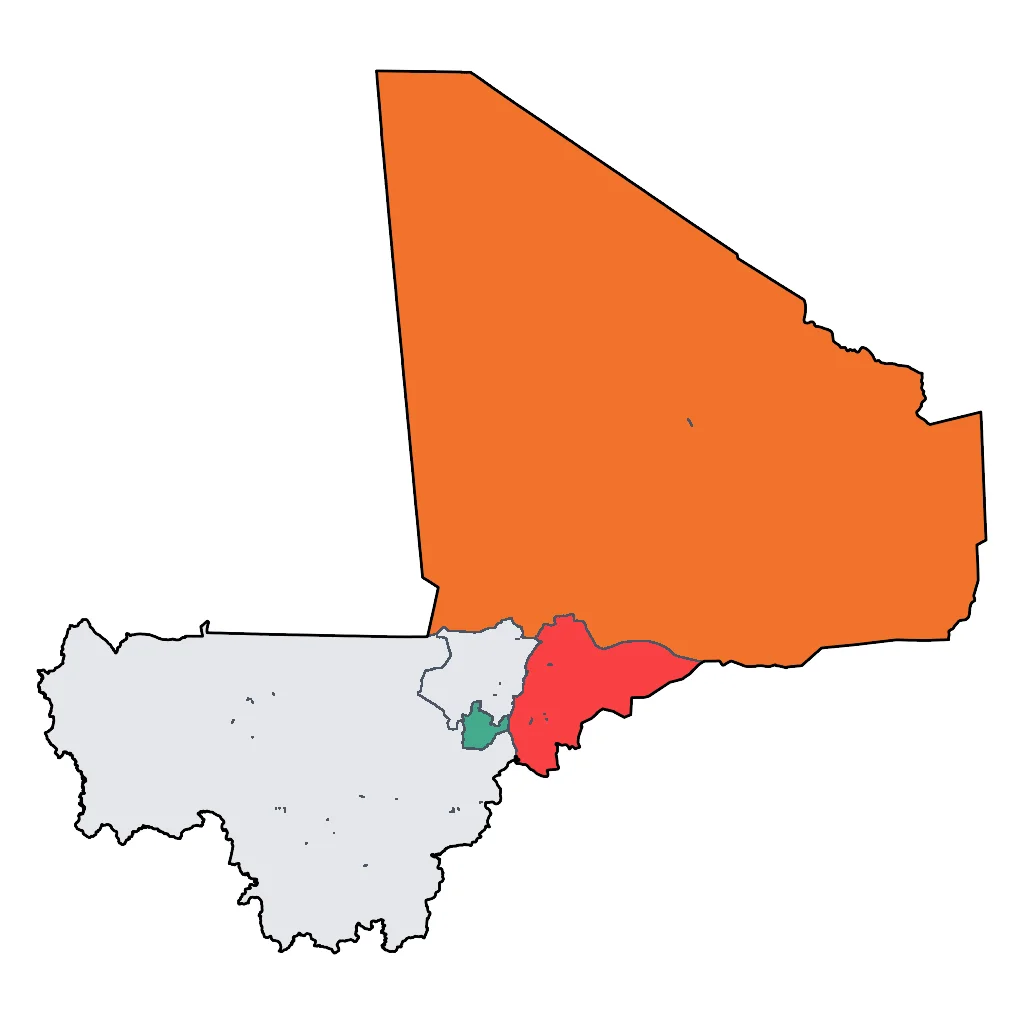

Events, celebrations, seasonal attractions
The weekly Monday market and the annual collective plastering of the Great Mosque (Crépissage) are globally significant cultural spectacles. While these events are deeply authentic, the peak months provide the most tolerable weather for families to witness the vibrant communal activity without the duress of 40°C heat or torrential rains.

Hiking, wildlife, outdoor exploration, ecotourism
The Inland Niger Delta offers a unique wetland ecosystem that can be explored via traditional pirogues, providing a rare perspective on local fishing and birdlife. Peak months align with migratory bird seasons and comfortable river travel, though a lack of high-end ecotourism infrastructure for families prevents an 'excellent' rating.