

Mopti & Niger Inland Delta
The bustling river crossroads of the delta 🛶
⚠️ SAFETY WARNING: Due to ongoing armed conflict and a severe risk of kidnapping, government agencies (including NZ, CA, USA, UK, AU, and IE) advise travelers to avoid all travel to Mopti and the Niger Inland Delta. The security situation poses extreme danger to Western tourists, and movement throughout the region is highly restricted. Families are strongly urged to consult their own government's official travel advisory before considering a trip, as circumstances and risk assessments vary.
Mopti serves as the commercial crossroads of central Mali, strategically located where the Bani River meets the great Niger River. The city is essentially built on three islands linked by dykes, earning it the nickname 'The Venice of Mali'. The waterfront is a chaotic and captivating spectacle of river life, packed with pinasses—large, wooden motorized canoes that serve as the primary mode of transport and cargo shipping along the river. The boat-building workshops at the water's edge are famous, where craftsmen construct these vessels using traditional methods passed down through generations, hammering wood and caulking seams in the open air.
The region is dominated by the Niger Inland Delta, a massive wetland that floods annually, transforming the arid landscape into a lush network of lakes, creeks, and rice paddies. This unique ecosystem determines the rhythm of life for the local populations, particularly the Bozo people, who are master fishermen. During the flood season, water levels rise significantly, allowing boats to travel freely to remote villages that are otherwise isolated by sand. The receding waters leave behind rich alluvial soil perfect for agriculture and grazing land for the cattle herded by the Fulani people.
Culturally, Mopti is a melting pot of Mali's diverse ethnic groups, reflected in the busy markets selling smoked fish, pottery, and wool blankets. The Grand Mosque of Mopti, built in the traditional Sudano-Sahelian style, stands as a landmark in the Komoguel district. For nature enthusiasts, the delta is theoretically a paradise for birdwatching, hosting millions of migratory birds from Europe and Asia during the winter months. The interplay between water and land creates a shifting geography that is both beautiful and challenging, defining the livelihoods of everyone who calls this riverine region home.
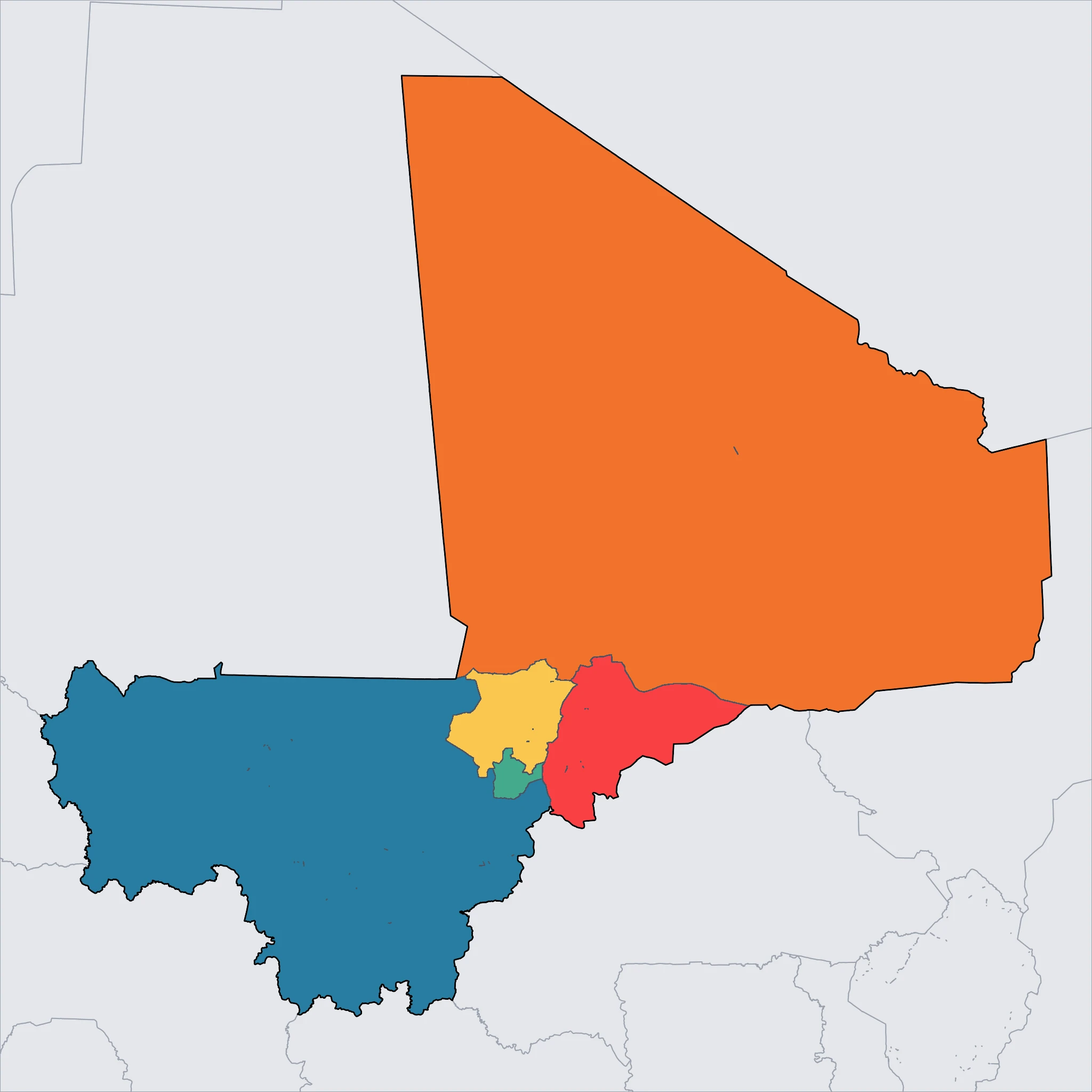
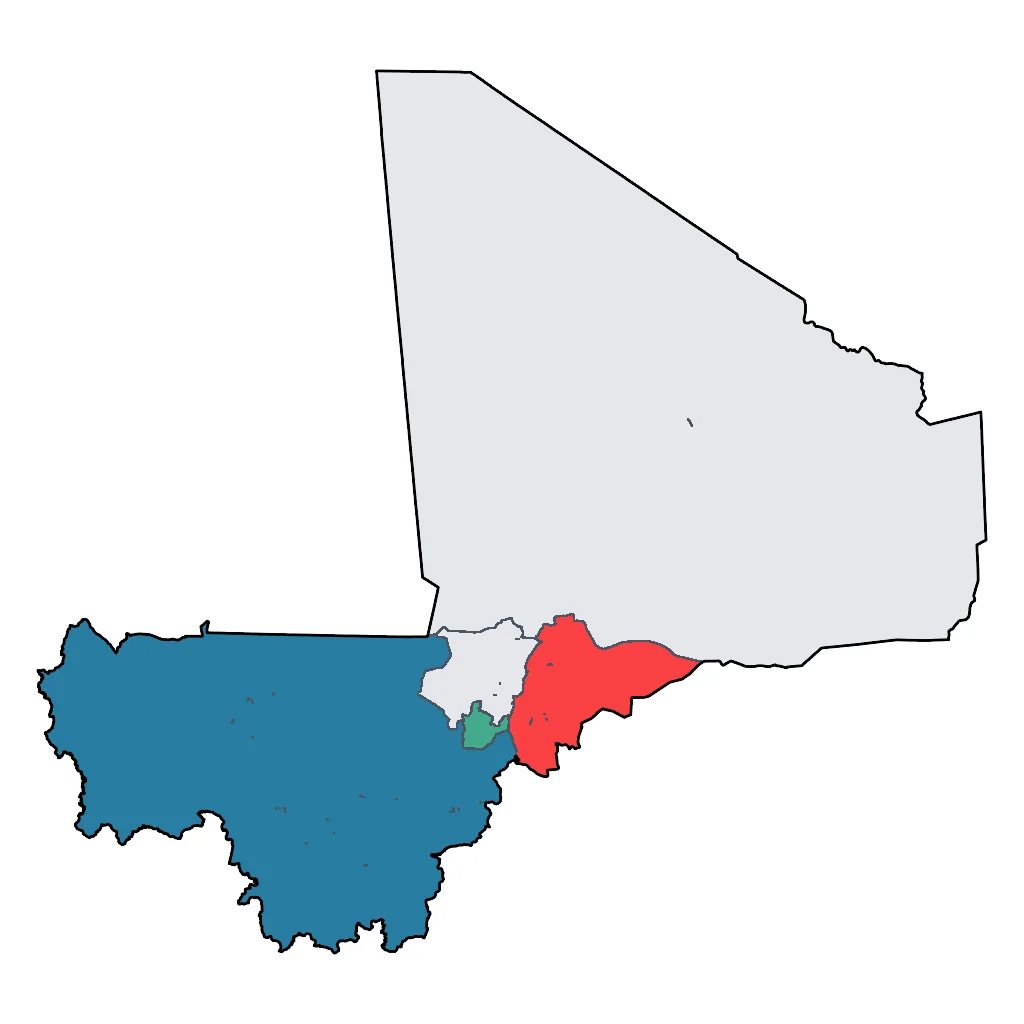
Click a region to explore

Activities & Best Times

Hiking, wildlife, outdoor exploration, ecotourism
Navigate the sprawling Niger Inland Delta in a traditional pinasse to encounter remote fishing villages and diverse migratory birdlife in a unique wetland ecosystem. Peak months provide the only bearable temperatures (max ~32°C) for outdoor exploration, whereas the extreme heat of April-June (>40°C) and heavy monsoon rains (July-September) make nature travel hazardous and uncomfortable.
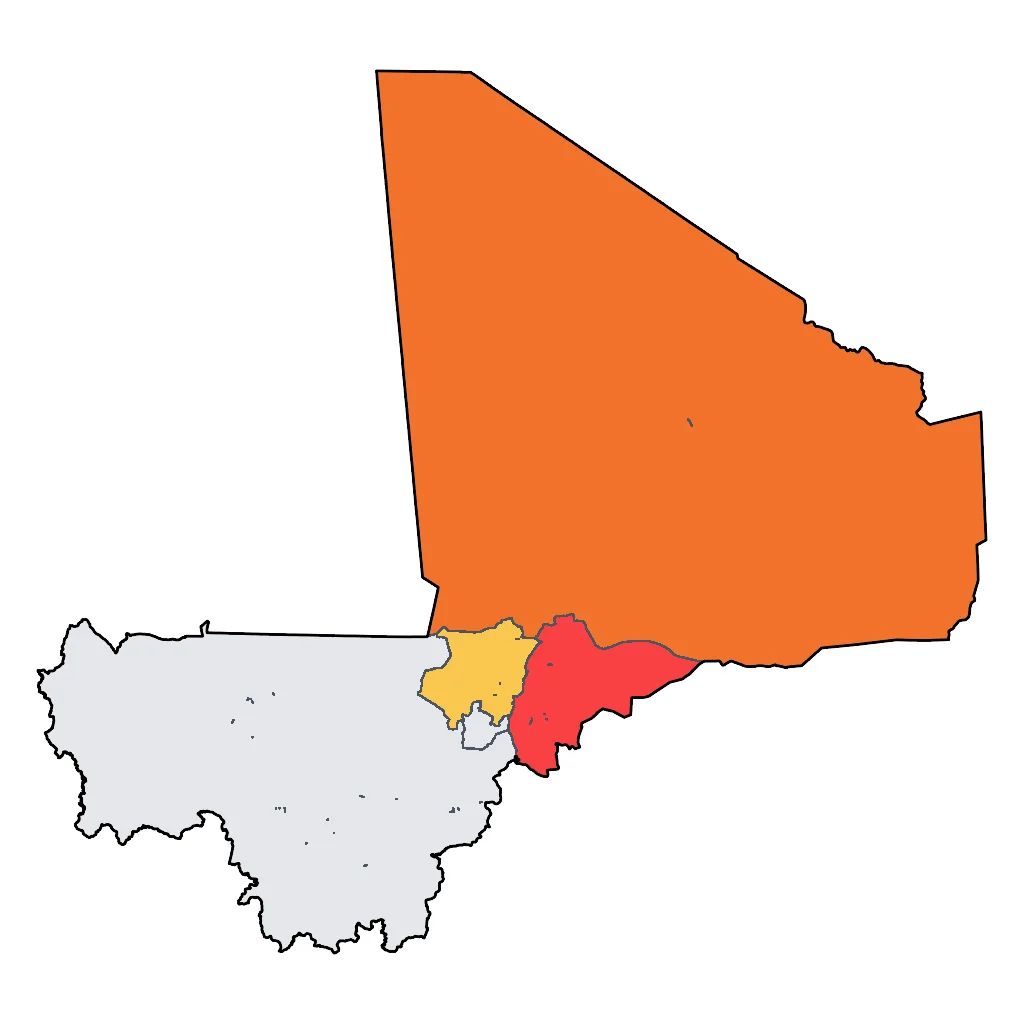

Urban tourism, museums, historical sites, architecture
Known as the 'Venice of Mali,' Mopti offers world-class authenticity through its bustling river port and striking Sudano-Sahelian mud-brick architecture. The dry, cooler winter months allow for immersive cultural walks; however, the intense pre-monsoon heat and the subsequent flooding during the rainy season significantly degrade the urban experience for discerning travelers.
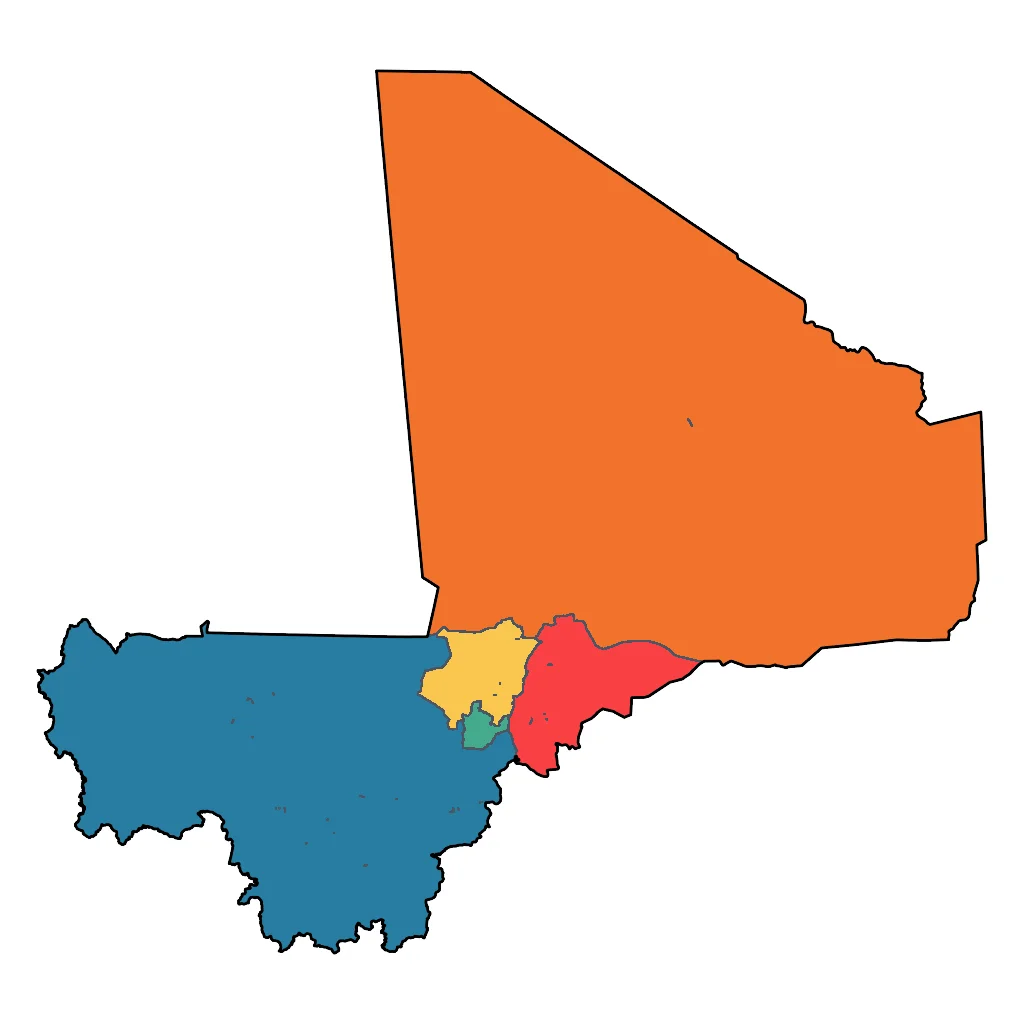

Learning experiences, scientific sites, historical education
A fascinating destination for families to learn about ancient trade routes, traditional Bozo fishing techniques, and the complex hydrology of the Sahel. Best visited when cooler temperatures facilitate guided tours of historical sites; educational programs are limited during the extreme heat of the dry season and the peak of the rains.
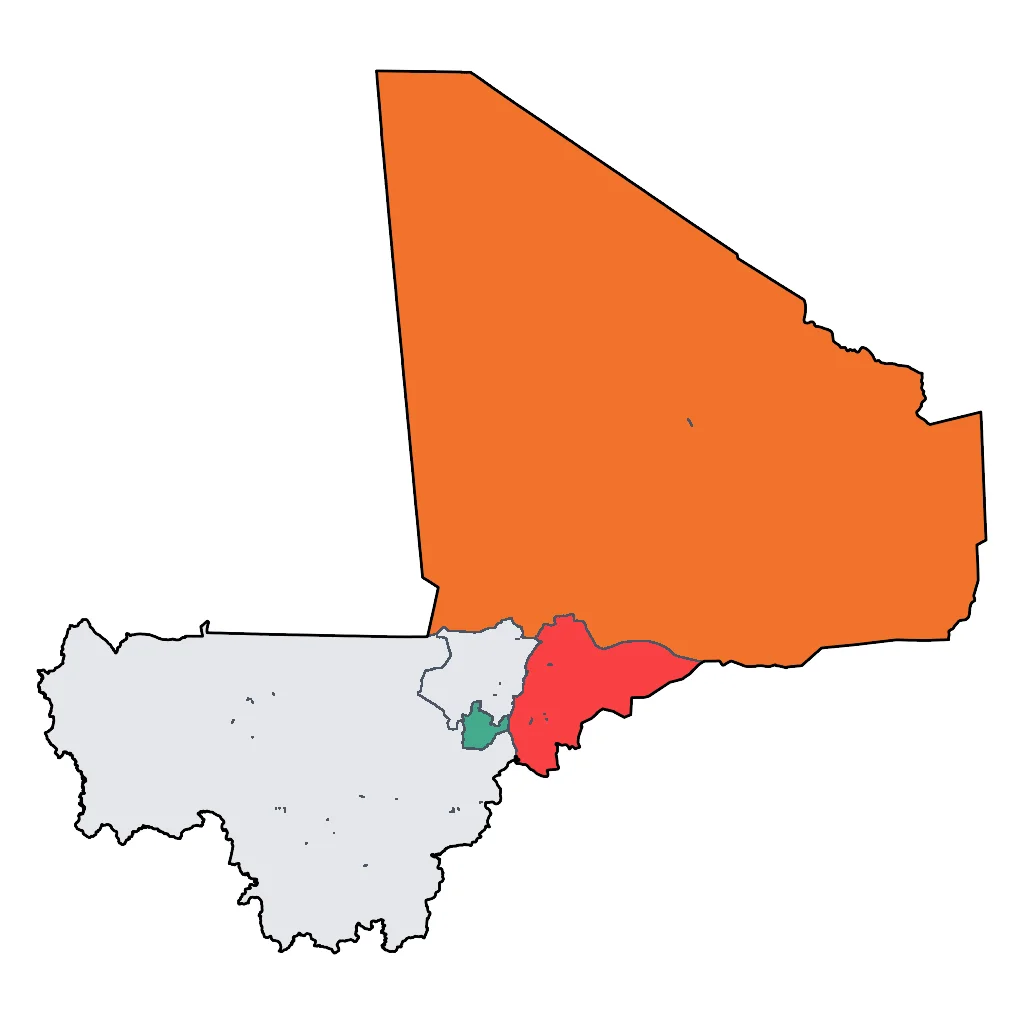

Events, celebrations, seasonal attractions
The region hosts the spectacular 'Crossing of the Cattle' (Yaral and Degal), an UNESCO-recognized Fulani tradition occurring as water levels recede in the delta. These vibrant events are highly seasonal and align with the peak weather window (Dec-Jan); the lack of major cultural festivals and oppressive weather during the rest of the year limits this category's appeal.

Attractions (22 total)
National Park / Nature Reserve
Bandiagara Escarpment
Bandiagara
A UNESCO World Heritage site featuring stunning sandstone cliffs and ancient cliff dwellings that offer a unique combination of natural beauty and cultural history.
Natural Feature / Scenic Site
Cliffs of Bandiagara
Bandiagara
A UNESCO World Heritage-listed sandstone escarpment known for its dramatic 150-kilometer-long rock face and unique geological formations.
Visit website →Inner Niger Delta
Mopti
A vast, seasonal wetland system where the Niger River spreads into a network of lakes and floodplains, offering incredible birdwatching and boat exploration.
Confluence of the Niger and Bani Rivers
Mopti
The scenic meeting point of Mali's two most significant rivers, providing expansive water views and a bustling display of traditional river life.
Farm Park / Petting Zoo / Rural Experience
Djenné Weekly Market
Djenné
This world-famous weekly market offers families a colorful spectacle of traditional rural life, with local crafts and delta produce sold in front of a grand mud-brick mosque.
Visit website →Mopti Port and Fish Market
Mopti
This lively riverfront allows families to watch traditional large wooden boats being loaded with salt and see how local fish is processed and dried.
Fatoma Cattle Market
Fatoma
Families can witness thousands of long-horned cattle and goats at this massive weekly livestock market, a fascinating display of traditional Sahelian herding culture.
Hiking & Cycling Routes
Dogon Country Trek (Bandiagara Escarpment)
Sangha
Approx 80-150km network of ancient cultural trails. Moderate difficulty due to heat and uneven stone paths; typical duration 5-7 days. Total elevation gain varies (~300m per ascent/descent of the cliff). No formal bike rentals available; local guides are mandatory for navigation.
Visit website →Mount Hombori and Hand of Fatima Trek
Hombori
12-15km rugged trekking route. Challenging/Expert difficulty involving steep scrambling to reach the base of the rock spires or the summit of Mali's highest peak (1,153m). Duration 6-8 hours. Elevation gain approx 550m.
Visit website →Historic Town / Village / Cultural Area
Great Mosque of Djenné
Djenné
The world's largest mud-brick building and a masterpiece of Sudano-Sahelian architecture, serving as the cultural heart of the region.
Visit website →Komoguel Mosque
Mopti
A stunning example of traditional earthen architecture, this mosque is a central landmark in Mopti's historic district.
Old Towns of Djenné
Djenné
A UNESCO World Heritage site featuring thousands of traditional earthen houses that represent centuries of Islamic and West African history.
Visit website →Port of Mopti
Mopti
A vibrant riverside hub where traditional wooden pinasse boats dock, offering an authentic look at the trade and fishing life of the Niger Delta.
Landmark / Monument / Iconic Urban Attraction
Great Mosque of Mopti
Mopti
Also known as the Komoguel Mosque, this beautifully restored mud-brick structure is the architectural centerpiece of the city.
Castle / Palace / Historic Site
Great Mosque of Mopti (Komoguel Mosque)
Mopti
A stunning example of traditional earthen architecture, this historic mosque serves as the cultural and spiritual center of Mopti's historic Komoguel district.
Archaeological Site of Jenné-Jeno
Djenné
An important UNESCO-listed archaeological site that predates the current city, revealing the remains of one of sub-Saharan Africa's oldest urban civilizations.
Road Trips & Scenic Drives
Mopti to Bandiagara (The Dogon Country Route)
Mopti
110km paved route (2-3 hours) transitioning from the riverine port of Mopti to the high sandstone plateau. This route (RN15) leads to the UNESCO-listed Bandiagara Escarpment, featuring dramatic cliffside views, ancient baobab trees, and the unique architecture of Dogon villages. The road is well-maintained and provides the primary access for international visitors to the region's most famous cultural landscape.
Visit website →Mopti to Djenné Inner Delta Drive
Mopti
130km route (3-4 hours) primarily on the paved RN6, including a traditional ferry crossing at the Bani River. The drive traverses the seasonally flooded wetlands of the Inner Niger Delta, offering exceptional birdwatching and views of Bozo fishing settlements. The journey concludes at the world-famous Great Mosque of Djenné, the largest mud-brick building in the world.
Visit website →Mopti to Sévaré Gateway Road
Mopti
15km paved causeway (20 minutes) connecting the historic river port of Mopti with the regional hub of Sévaré. This short but highly scenic drive is elevated above the wetlands, offering panoramic views of the Niger and Bani river confluence, the busy artisanal boat-building yards, and the vast floodplains of the delta.
Beach / Coastal Recreation Area
Niger-Bani Confluence
Mopti
The scenic meeting point of the Niger and Bani rivers, offering a tranquil location for boat excursions and observing traditional fishing life.
Major International Festival / Cultural Event
Plastering of the Great Mosque (Crepissage)
Djenné
Held annually in April or May, this one-day event involves the entire community working together to replaster the Great Mosque of Djenné, the world's largest mud-brick building. Attracting thousands of locals and significant international cultural observers, it features traditional music, drumming, and a competitive spirit. It is a UNESCO-recognized event essential for the structure's preservation and is suitable for families to witness from the surrounding square.
The Crossing of the Cattle (Yaaral and Degal)
Diafarabé
Typically occurring in December (the Saturday following the first Friday), this 2-day event marks the return of Fulani cattle herds from the Sahel to the Inner Niger Delta. Recognized by UNESCO, the festival features thousands of cattle swimming across the Niger River, accompanied by traditional pastoral music, poetry contests, and competitions for the best-managed herd. It is one of West Africa's most iconic cultural spectacles, attracting thousands of participants and specialized international travelers.