⚠️ SAFETY WARNING: Due to periodic civil unrest, political tensions, and road insecurity, government agencies (including USA and UK) advise travelers to reconsider travel to parts of Central Mozambique. Road travel can be unpredictable, particularly on the EN1 highway and in remote districts. Families are strongly urged to consult their own government's official travel advisory before considering a trip, as circumstances and risk assessments vary.
The highlight of Central Mozambique is undoubtedly Gorongosa National Park. Once decimated by civil war, the park is now one of the world's greatest conservation success stories. For families, Gorongosa offers a profound educational experience; it is not just about seeing the "Big Five," but understanding how an ecosystem heals. The park's biodiversity laboratory welcomes young scientists, and the game drives offer sightings of growing lion populations, elephants, and thousands of waterbuck on the floodplain. The facilities are modern and family-oriented, making it a comfortable base for a safari adventure.
Beyond the wildlife, the central region features the port city of Beira, which serves as the entry point for the region, though it is largely commercial. Inland, the scenery becomes dramatic with the Chimanimani Mountains on the Zimbabwe border, offering rugged hiking for active families with older teenagers. To the north lies the massive Lake Cahora Bassa, a man-made reservoir famous for tiger fishing and houseboat stays. While the region holds immense beauty, the logistics of travel here are more challenging than in the south, requiring careful planning and awareness of the local security context.
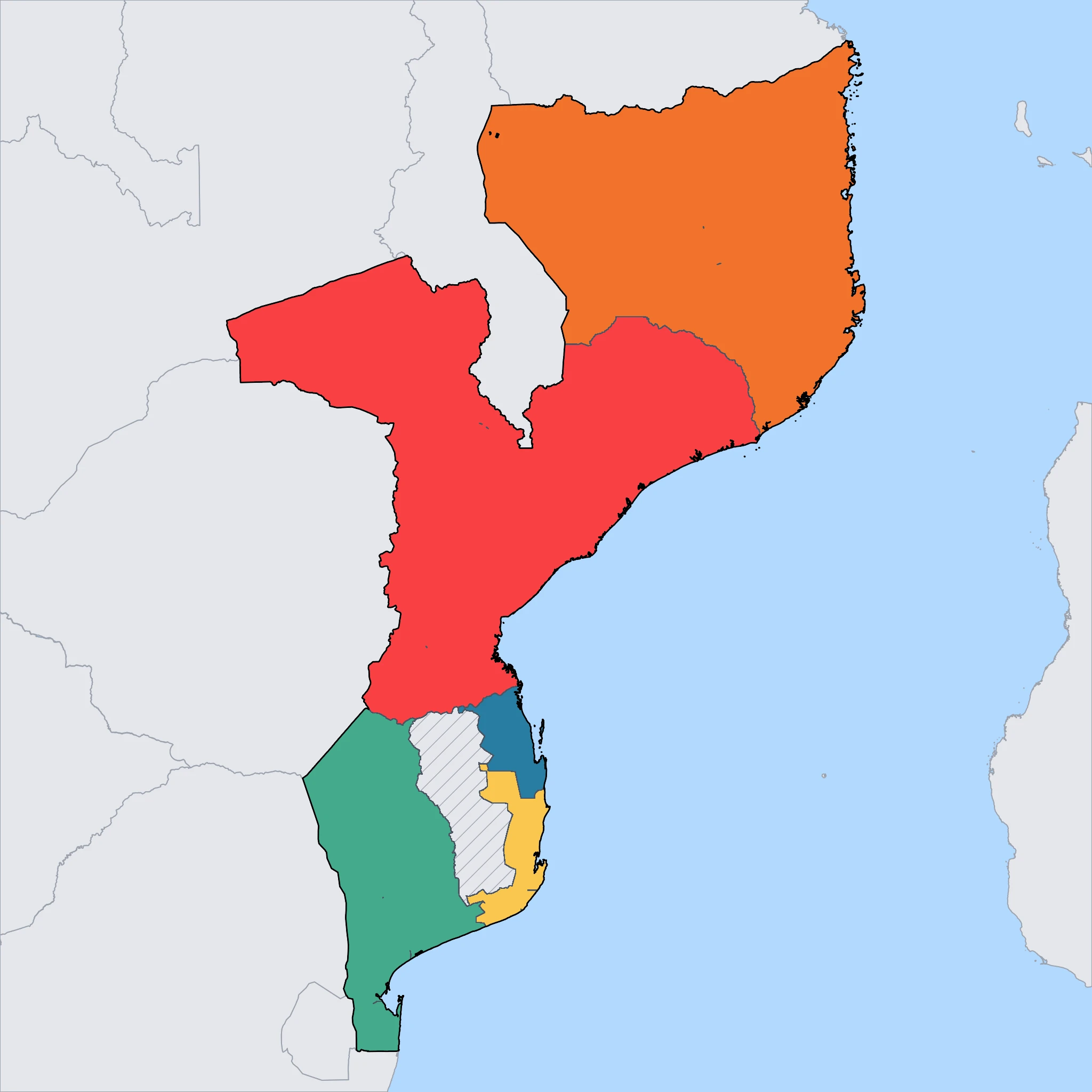
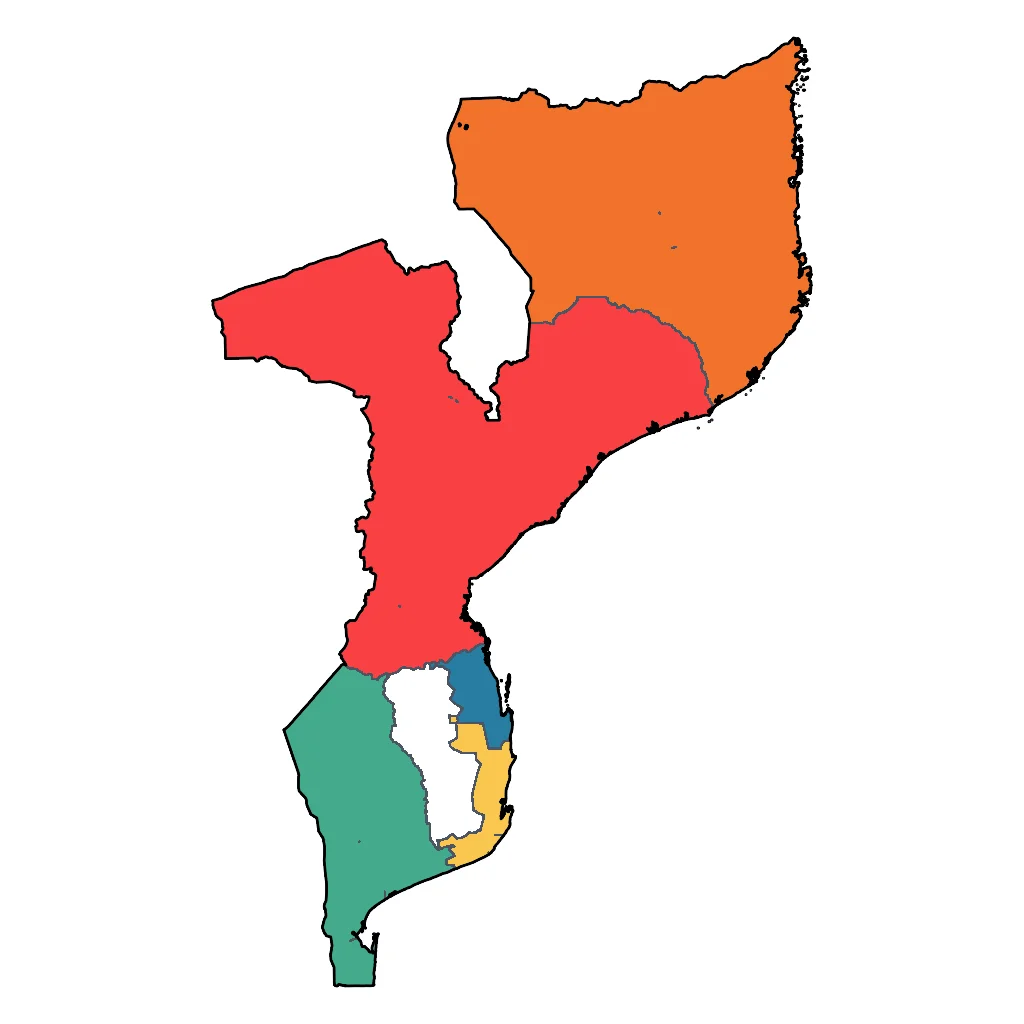
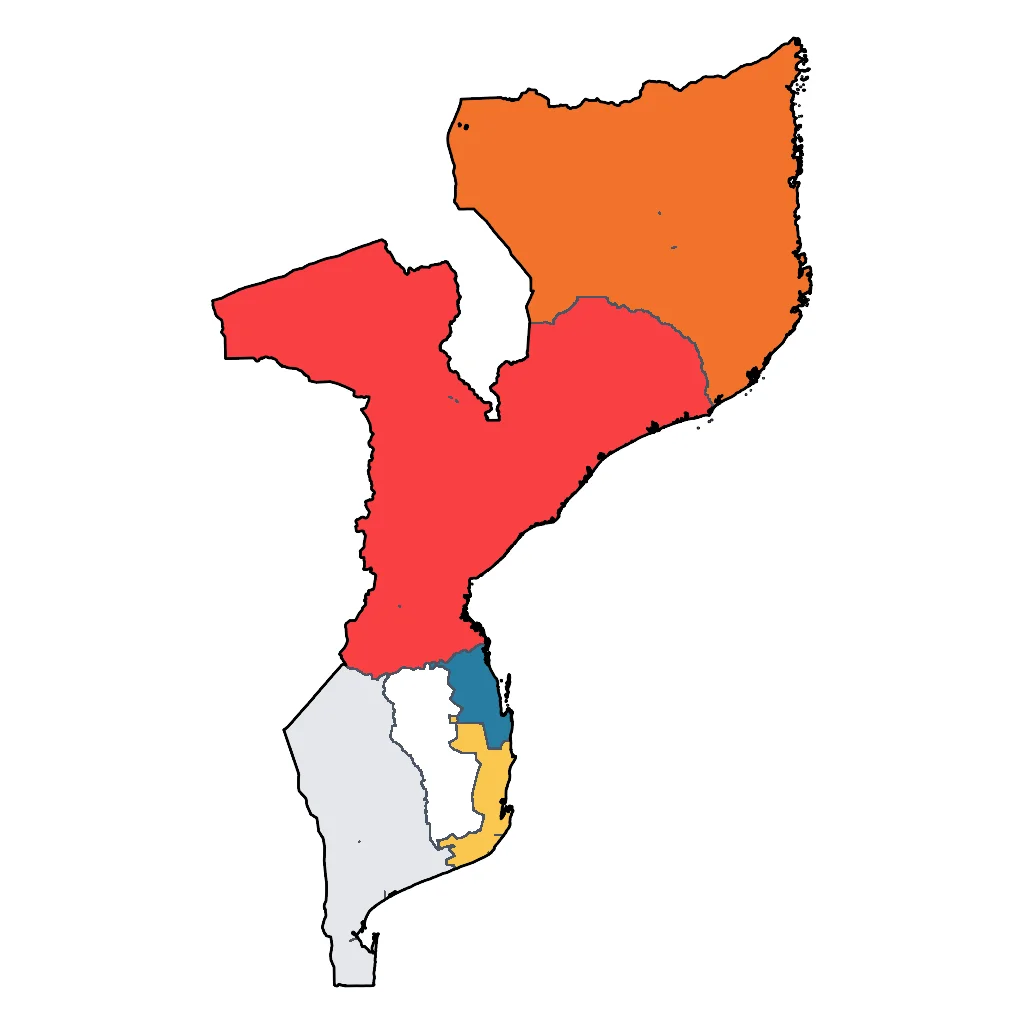
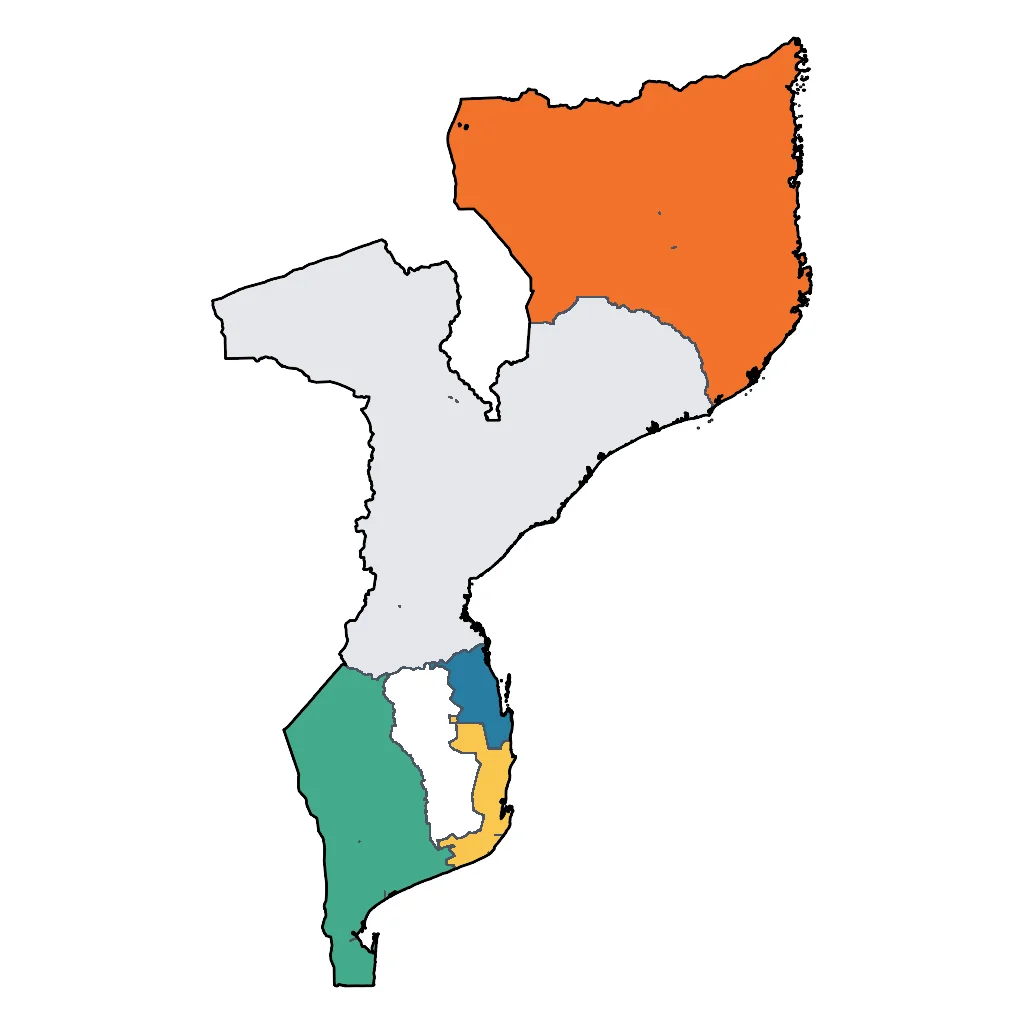
Click a region to explore
Activities & Best Times
Hiking, wildlife, outdoor exploration, ecotourism
Gorongosa National Park is a remarkable ecological restoration story, but it is still rebuilding its large mammal populations and tourism infrastructure. It does not yet match the wildlife density of Serengeti, Kruger, or Masai Mara that would warrant 'excellent' at international calibration. very_good accurately reflects its current state as a significant but developing destination.

Learning experiences, scientific sites, historical education
The E.O. Wilson Biodiversity Laboratory in Gorongosa provides world-class scientific engagement and learning opportunities for curious families. Seasonal access mirrors the adventure calendar, with the best educational programs occurring during the dry season when field research is most active.
Beach resorts, marine activities: diving, snorkelling, kite surfing, wind surfing, sailing
Zambézia’s coastline offers raw, uncrowded beauty and authentic coastal culture, though it lacks the manicured luxury of the Maldives. The dry winter months (May-Sep) are peak due to lower humidity and pleasant 21-25°C air temperatures; summer rains bring high humidity and cyclone risks.

Urban tourism, museums, historical sites, architecture
Quelimane and Beira offer a gritty, authentic look at Mozambican history and colonial architecture that appeals to well-travelled cultural explorers. The cooler dry season is essential for urban exploration as summer temperatures frequently exceed 32°C with high humidity, making city walking uncomfortable.
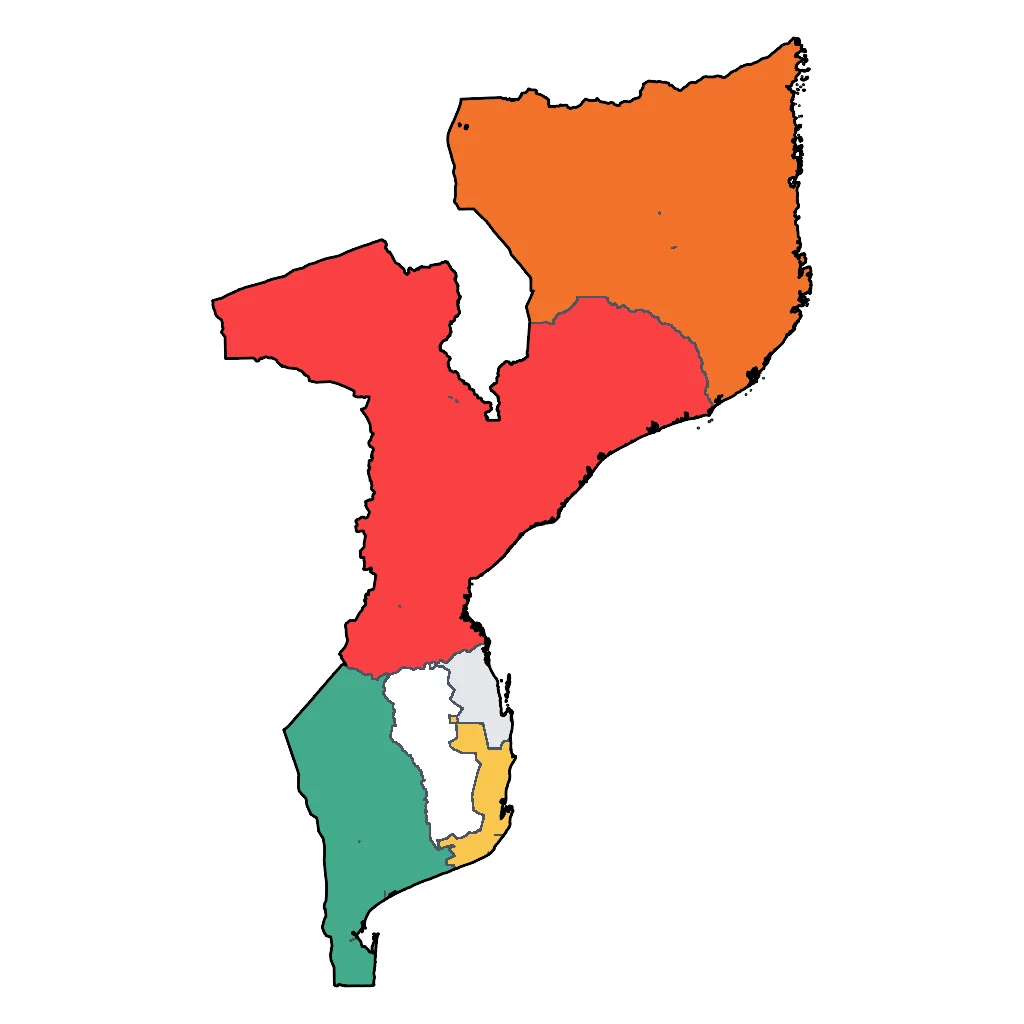

Sport tourism, fitness activities, active recreation
The granite inselbergs of Gurúè provide spectacular trekking and hiking opportunities through mist-covered tea plantations. Peak conditions occur in the coolest, driest months (Jun-Aug); off-season trekking is dangerous due to slippery granite surfaces and heavy tropical downpours.
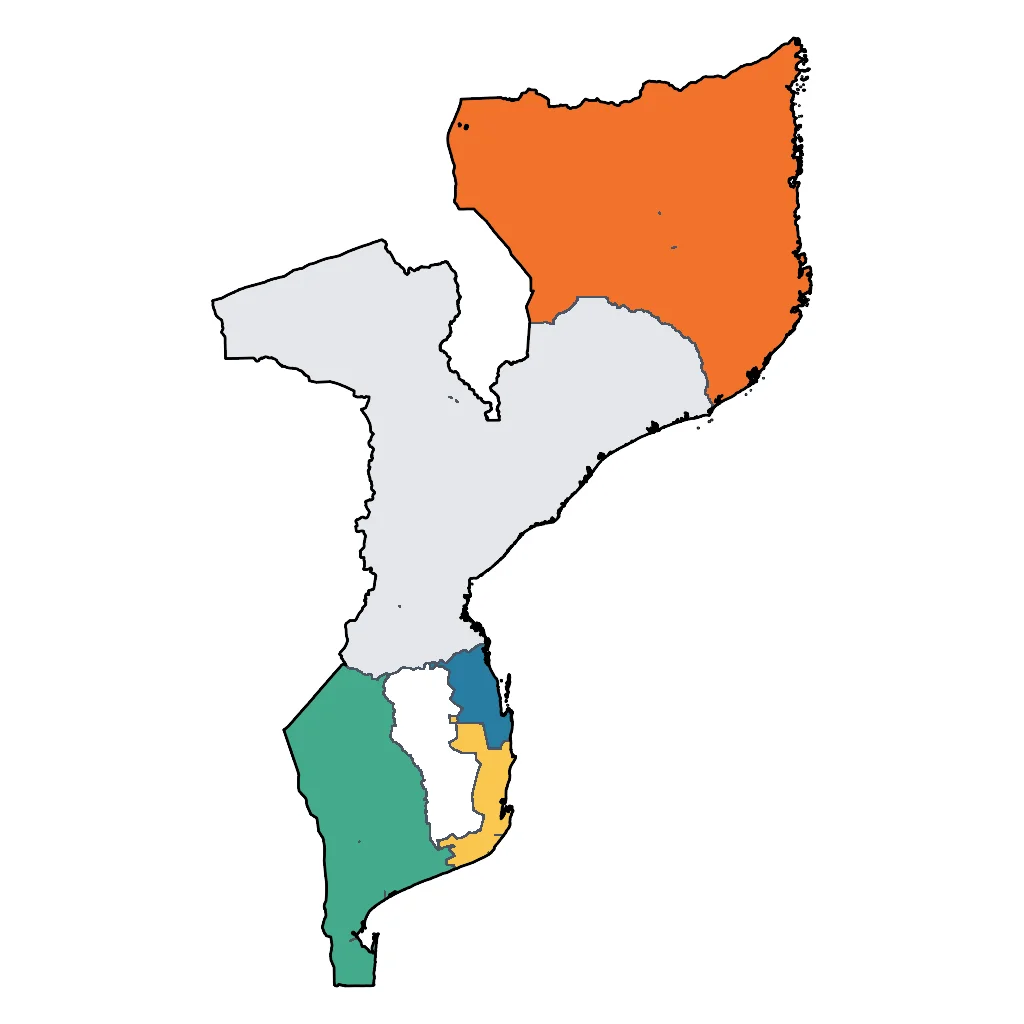

Spa retreats, wellness centers, peaceful getaways
Offers a peaceful, off-the-beaten-path escape for families seeking a quiet retreat in nature, though it lacks high-end international spa facilities. The dry, cooler season (Jun-Sep) provides the most comfortable environment for outdoor relaxation and escaping the region's intense humidity.
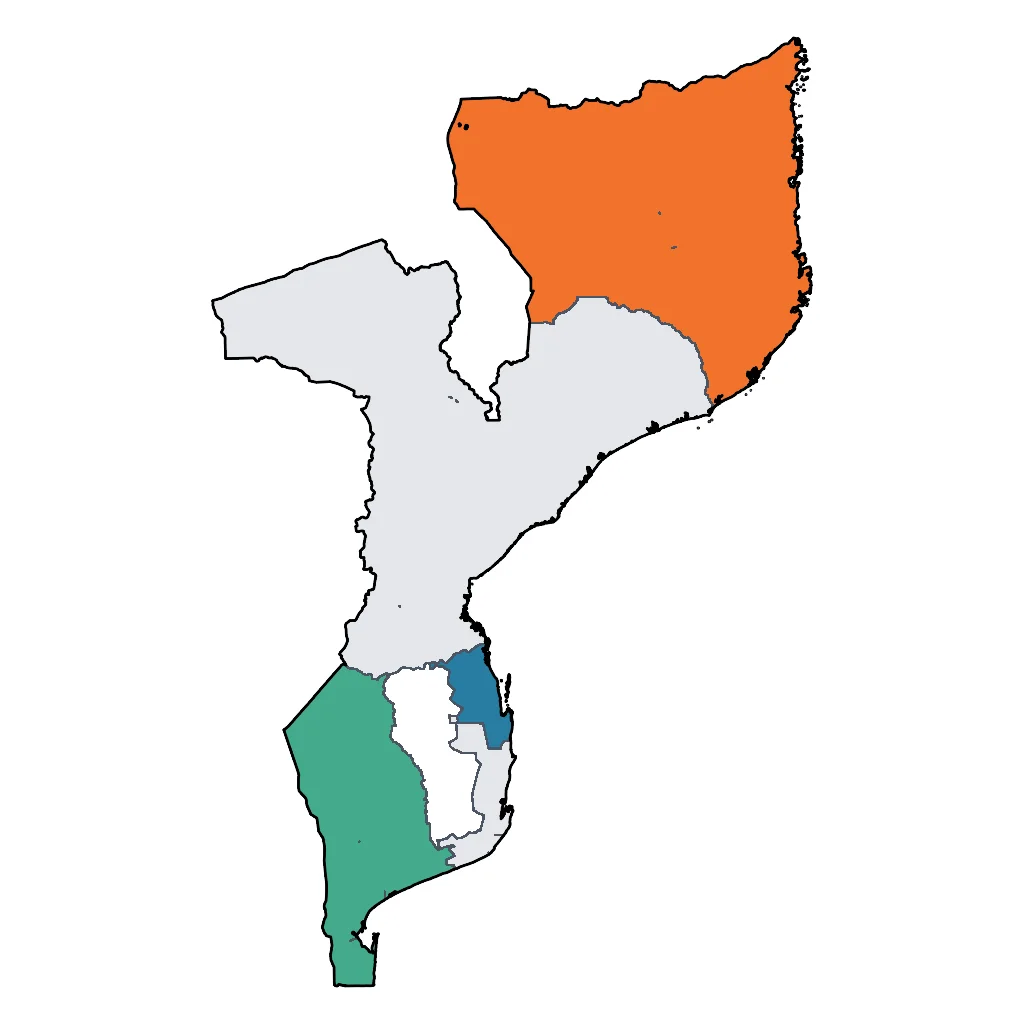

Scenic drives, countryside tours, route-based travel
Driving through the tea estates of Gurúè offers world-class scenery, but infrastructure can be challenging for families used to European standards. The peak dry season is the only reliable time for travel as roads can wash out or become hazardous during the heavy Jan-Mar rains.
Attractions (35 total)
Landmark / Monument / Iconic Urban Attraction
Cahora Bassa Dam
Songo
One of Africa's largest engineering feats, this massive dam offers spectacular views of the Zambezi River carved through a deep rocky gorge.
Visit website →Beira Cathedral
Beira
A historic stone cathedral built in the early 20th century using materials from the ancient 16th-century Fortress of San Caetano of Sofala.
Cabeça do Velho
Chimoio
A striking natural granite rock formation that resembles the profile of an old man's face, offering a popular hiking spot and city viewpoint.
Samora Machel Bridge
Tete
An iconic suspension bridge that spans the wide Zambezi River, serving as the primary architectural landmark and gateway to the city of Tete.
Castle / Palace / Historic Site
Chinamapere Rock Paintings
Chimoio
A UNESCO tentative site featuring ancient San rock art on a sacred hillside, offering a fascinating look at prehistoric spiritual life.
Jesuit Mission of Boroma
Tete
An imposing 19th-century mission complex with castle-like brick architecture and twin towers overlooking the Zambezi River.
Beira Railway Station
Beira
An architectural masterpiece of African modernism, this historic 1960s transit hub features striking concrete arches and a grand facade.
Fort of São Tiago Maior
Tete
A 16th-century Portuguese fortification that houses the Tete Museum, showcasing the region's colonial history and military architecture.
Natural Feature / Scenic Site
Gorongosa National Park
Chitengo
A premier wildlife destination offering family-friendly safaris and educational centers focused on conservation and biodiversity.
Visit website →Chimanimani National Park
Sussundenga
A stunning mountain reserve on the Zimbabwean border featuring quartzite peaks, waterfalls, and ancient rock art for active families.
Lake Cahora Bassa
Songo
One of Africa's largest man-made lakes, providing dramatic scenery of rocky gorges and opportunities for boat tours and fishing.
Mount Namuli
Gurué
An iconic granite inselberg surrounded by lush tea plantations, offering spectacular hiking and a cool highland climate.
Beach / Coastal Recreation Area
Macuti Beach
Beira
A popular urban beach famous for its iconic red-and-white striped lighthouse and the nearby scenic shipwreck of the Macuti.
Praia de Zalala
Quelimane
An expansive white-sand beach lined with tall casuarina trees, offering a tranquil retreat and a glimpse into traditional local fishing culture.
Savane Beach
Beira
A pristine and secluded coastal area reached by a scenic boat crossing, known for its untouched sand dunes and clear turquoise waters.
Hiking & Cycling Routes
Mount Binga Trail
Rotanda
32km challenging 2-3 day trek to the highest peak in Mozambique (2,436m). The route features rugged quartzite ridges, alpine grasslands, and dramatic views over the Chimanimani Mountains into Zimbabwe. Elevation gain is approximately 1,100m. Camping gear is required; logistics often handled via operators in Chimoio.
Visit website →Mount Gorongosa Summit Trail
Chitengo
14km moderate to challenging day hike through rare montane rainforest to the summit plateau (1,863m). Features multiple waterfalls and high biodiversity, including endemic bird species. Elevation gain is approximately 900m. Guides must be booked through the Gorongosa National Park headquarters (gorongosa.org).
Visit website →Nyamadzi River Trail
Sussundenga
18km moderate day hike within the Chimanimani National Reserve. The path follows the river valley through woodland and protea savanna, leading to ancient San rock art sites and secluded swimming holes. Elevation gain is approximately 450m. Access is via the reserve entrance near Sussundenga.
Visit website →Mount Namuli Trek
Gurue
25km expert 2-day trek to the granite summit of Mount Namuli (2,419m). The route starts through rolling tea plantations before ascending steep granite 'bornhardts'. Elevation gain is 1,400m. This is a significant site for biodiversity and local traditional culture. Local guides in Gurue are essential.
Visit website →Road Trips & Scenic Drives
The Gurué Tea Route
Mocuba
Approximately 200km route (5-7 hours) on a mix of paved and graded gravel roads. This drive climbs into the Namuli Mountains, passing through the 'Alps of Mozambique' with lush, rolling tea plantations and views of the 2,419m Mount Namuli granite monolith.
Visit website →The Manica Mountain Pass (EN6)
Chimoio
A 95km section of the newly rehabilitated EN6 highway (1.5-2 hours) from Chimoio to the Machipanda border. The route winds through the scenic Vumba and Chimanimani foothills, featuring steep mountain gradients, tropical forests, and granite outcrops.
Visit website →Tete to Songo Scenic Drive
Tete
A 155km paved route (3 hours) following the EN222. The drive features a dramatic descent into the Zambezi Valley and the Songo plateau, offering panoramic views of the Zambezi River and the massive Cahora Bassa Dam wall and reservoir.
Visit website →Water Park / Splash Park / Aquatic Centre
Clube de Tete
Tete
A central riverside social and sports hub on the Zambezi River, featuring a large public-access swimming pool and family-friendly recreational facilities.
Complexo Turístico do Chicamba
Chicamba
A major lakeside recreation center at the Chicamba Real Dam, offering expansive swimming pools and water-based leisure activities in a scenic mountain-valley setting.
Clube Náutico da Beira
Beira
A historic beachfront aquatic center and social hub featuring a large outdoor swimming pool, renowned seafood restaurant, and direct access to Macuti Beach.
National Park / Nature Reserve
Gilé National Park
Gilé
A remote and peaceful Miombo woodland sanctuary perfect for adventurous families looking for birdwatching and elephant sightings.
Visit website →Magoe National Park
Tete
Located on the southern banks of Lake Cahora Bassa, this park offers unique boat-based wildlife viewing and exceptional fishing opportunities.
Farm Park / Petting Zoo / Rural Experience
Gorongosa Coffee Project
Gorongosa
An inspiring rural agroforestry initiative on the slopes of Mount Gorongosa where shade-grown coffee supports rainforest restoration and local farming communities.
Visit website →Vumba Coffee Estate
Manica
A boutique coffee estate nestled in the mist-shrouded Vumba Mountains, offering guided tours of high-altitude plantations and traditional processing methods.
Gurué Tea Estates
Gurué
A vast, picturesque landscape of emerald-green tea plantations at the base of Mount Namuli, offering scenic walks and insights into regional agro-industry.
Historic Town / Village / Cultural Area
Igreja de São José de Boroma
Tete
An imposing 19th-century Jesuit mission complex constructed of red brick, offering panoramic views over the Zambezi River valley.
Old Cathedral of Quelimane
Quelimane
An 18th-century Portuguese church and historical landmark that anchors the riverfront of this ancient trading port city.
Catedral de Nossa Senhora do Rosário
Beira
A historic early 20th-century stone cathedral built using material from the 16th-century Fort of Sofala, representing the city's deep colonial heritage.
Chinhamapere Rock Art
Manica
An ancient San rock art site on the UNESCO Tentative List featuring well-preserved prehistoric paintings set among dramatic granite boulders.
Science Museum / Natural History Museum / Discovery Centre
E.O. Wilson Biodiversity Laboratory
Gorongosa
A world-class scientific hub where families can tour a massive synoptic biodiversity collection and learn about pioneering wildlife conservation and ecosystem restoration.
Visit website →