

⚠️ SAFETY WARNING: Travelers should exercise increased caution due to crime and limited medical infrastructure. Do not travel to the northern province of Cabo Delgado due to active insurgency. Most family tourism is concentrated in the safe southern and central regions (Maputo, Inhambane, Vilanculos), which remain far from the conflict zone.
Mozambique offers a coastline that stretches for 2,500 kilometres, defined by swaying palms, dunes, and the warm Indian Ocean. For families, this is not a destination of kids' clubs and paved promenades, but rather a place to disconnect and engage with nature. The Portuguese heritage influences the architecture and cuisine, meaning you can enjoy fresh pão (bread) and mild peri-peri chicken after a day in the water.
The country's biggest draw is its marine life. In Tofo Beach, older children can join "ocean safaris" to swim alongside gentle whale sharks and manta rays, which inhabit these nutrient-rich waters year-round. For younger children, the calm, shallow waters of the Bazaruto Archipelago near Vilanculos are ideal. Here, families can take boat trips to search for pansy shells on tidal sandbars, spot dolphins, and snorkel in aquarium-like coral reefs. The archipelago is also one of the last strongholds of the elusive dugong.
Inland, Gorongosa National Park is a powerful lesson in conservation. Once devastated by conflict, the park has been restored and now teems with lions, elephants, and wild dogs. Families can stay in unfenced camps and take guided game drives to see the wildlife recovery firsthand. The park also focuses on community education, offering a meaningful context for visiting children.
Maputo, the capital, offers a dose of culture with its Iron House (designed by Gustave Eiffel), the historic Fortress, and the Tunduru Gardens. Families can navigate the city via tuk-tuk and visit the fish market to choose fresh seafood for lunch.
Practical Advice: Malaria prophylaxis is essential for all family members. Road travel often requires a 4x4 and patience; many families prefer flying directly into coastal hubs like Vilanculos or Inhambane to avoid long drives. The best time to visit is the dry season from May to October, when temperatures are cooler and the risk of rain is low.

Explore Regions
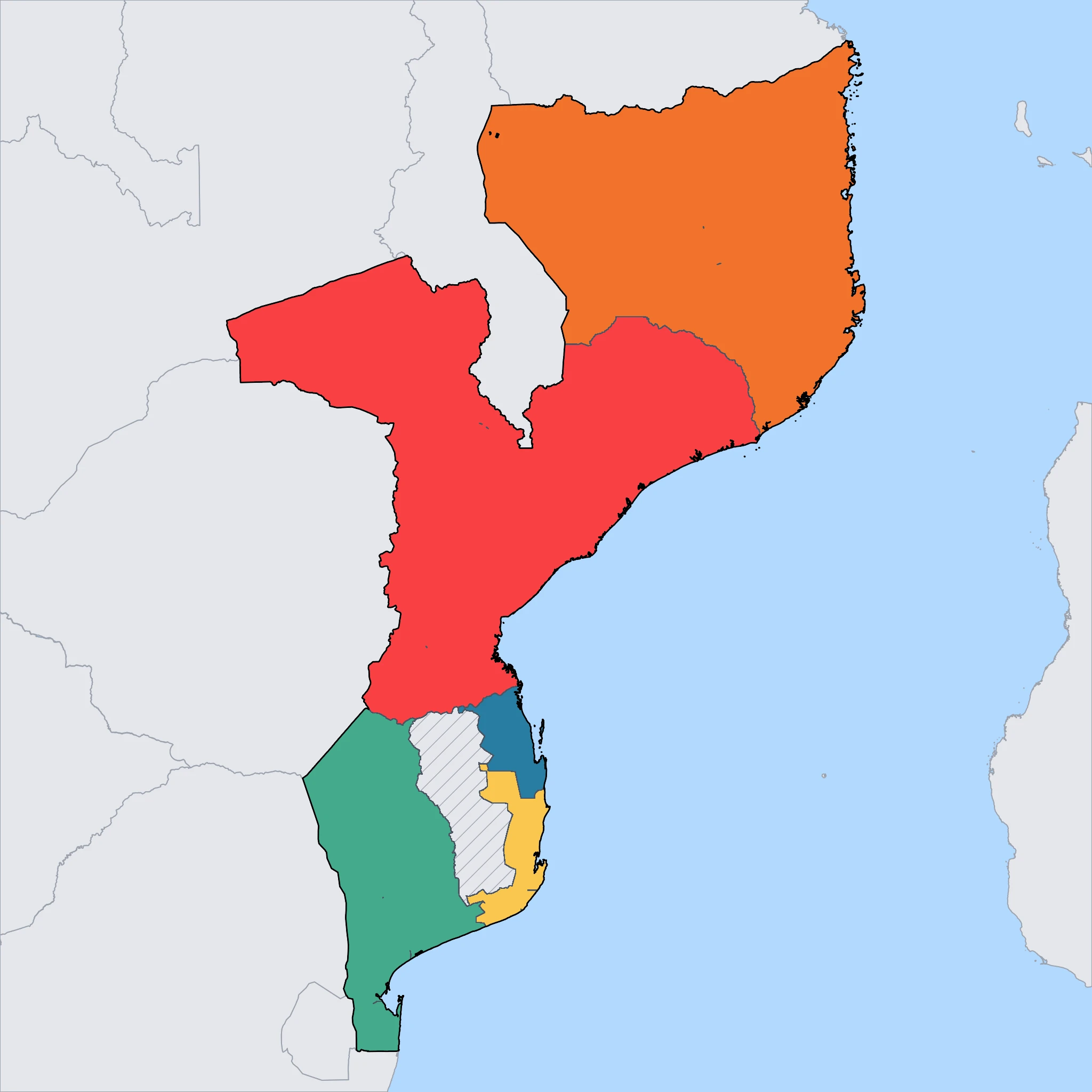
5 Regions
Bazaruto & Vilankulo (islands)
Dunes, Dhows & Dugongs 🏝️
Inhambane & Tofo
Ocean Giants & Endless Beaches 🐋
Maputo & South
City Culture Meets Wild Coast 🏛️
Northern Mozambique & Quirimbas
Ancient History & Archipelagoes 🏰
Zambézia & Central
Wildlife Recovery & Mountain Peaks 🦁
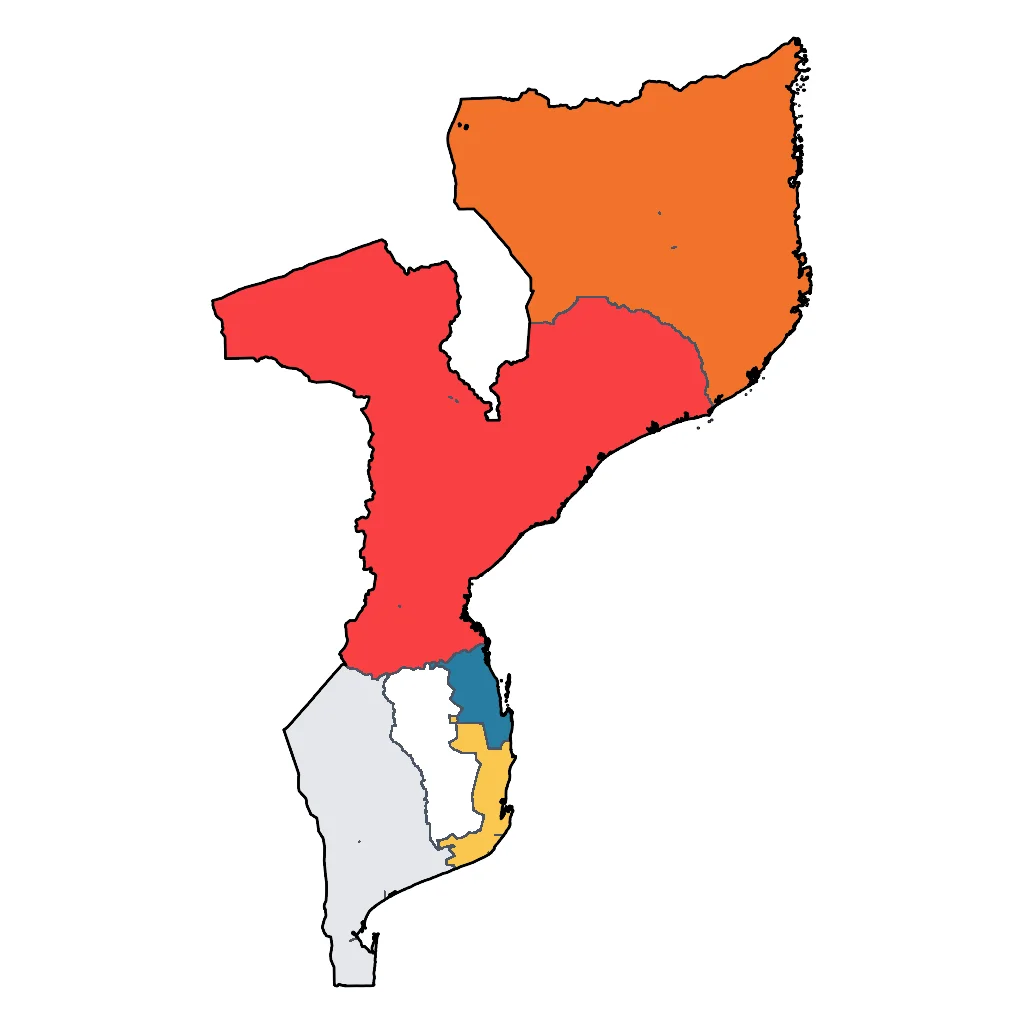
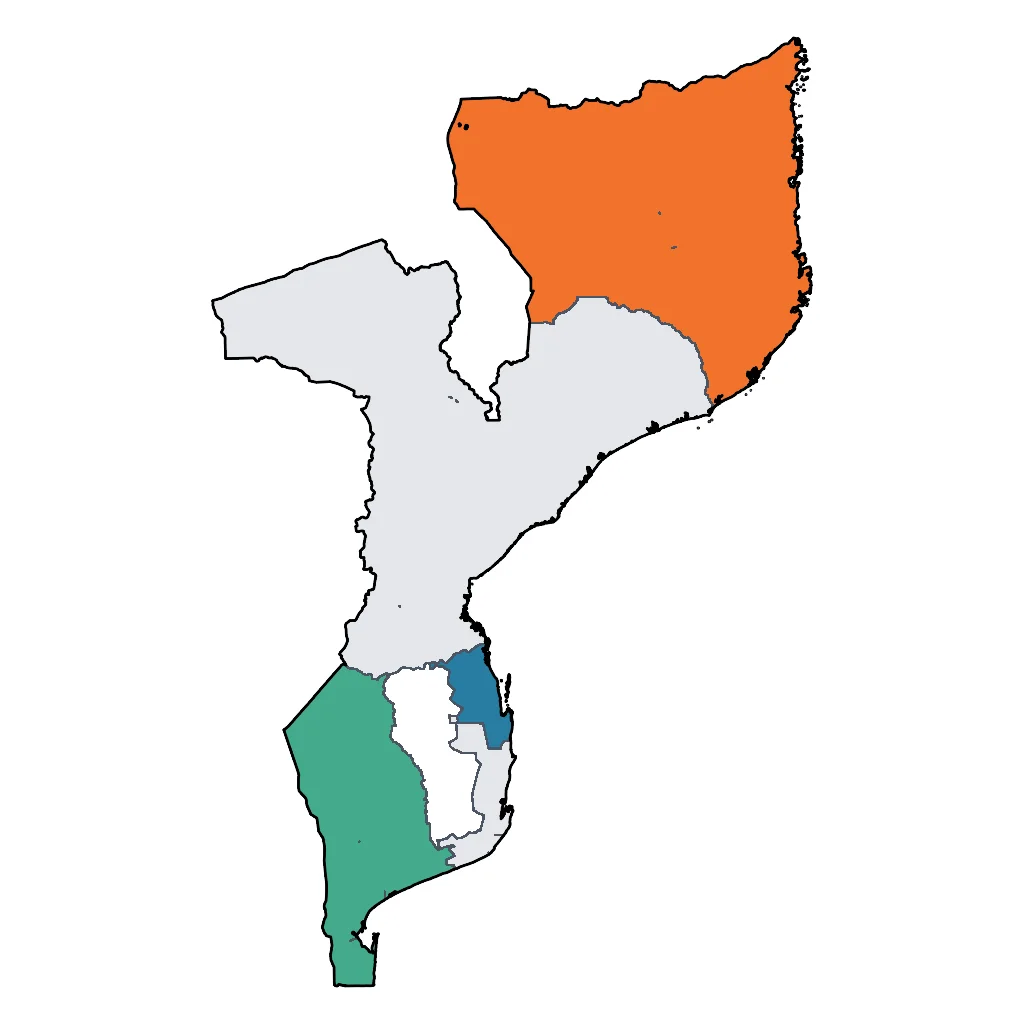
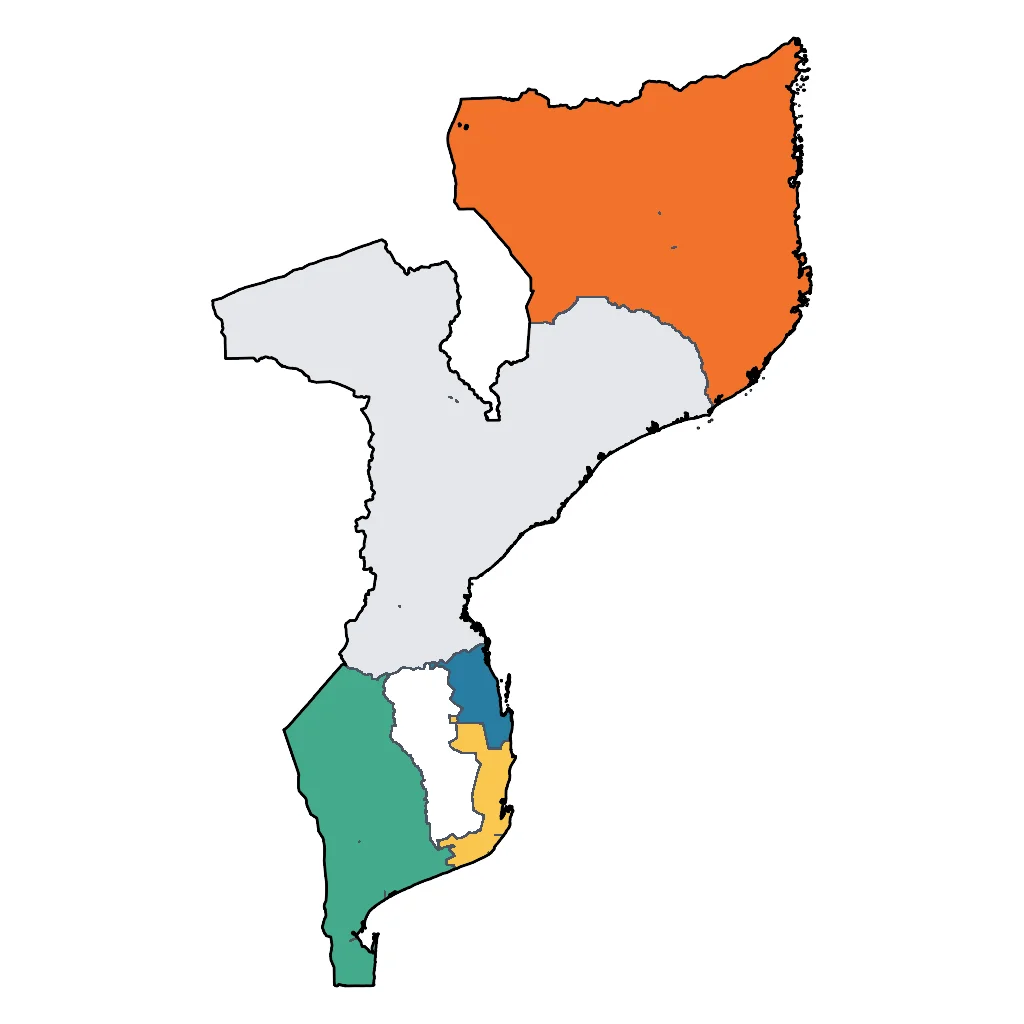
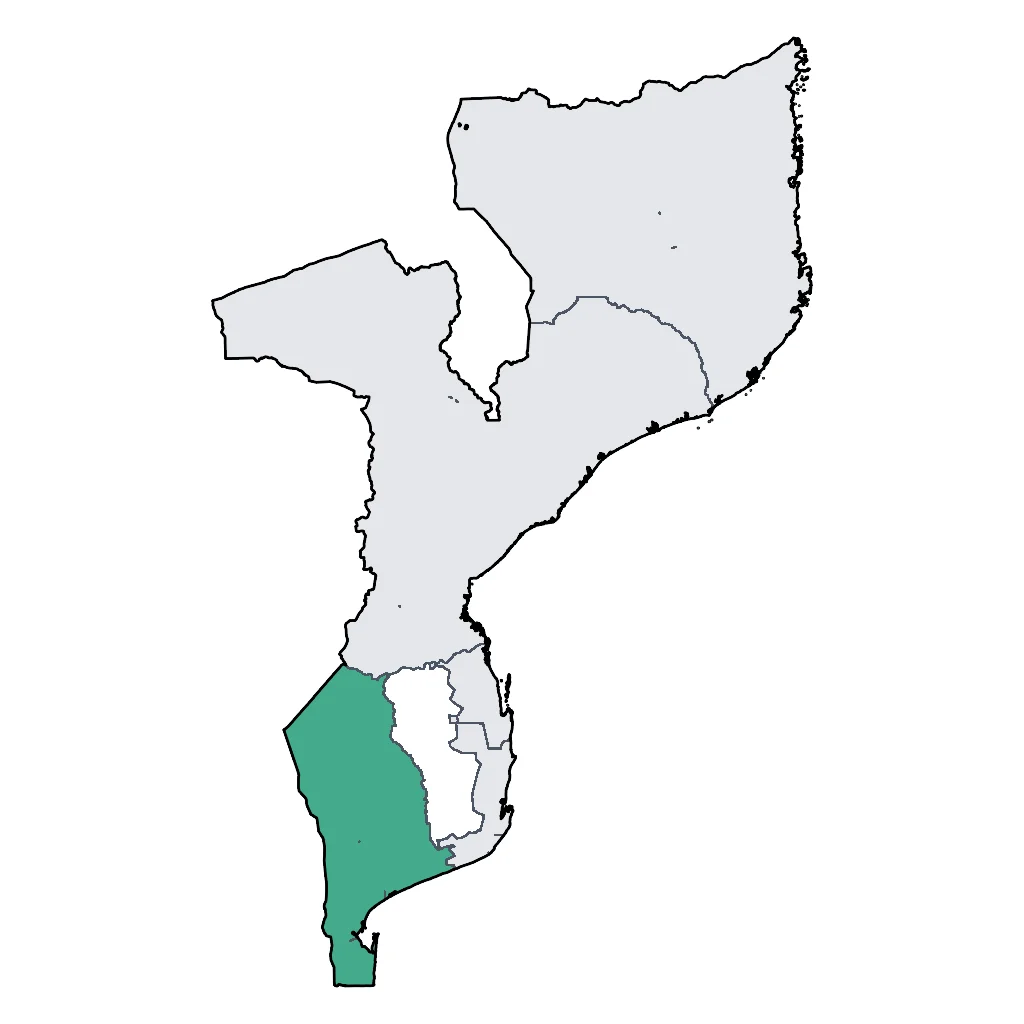
Click on a region marker to explore details. Use the dropdown to color regions by activity suitability.

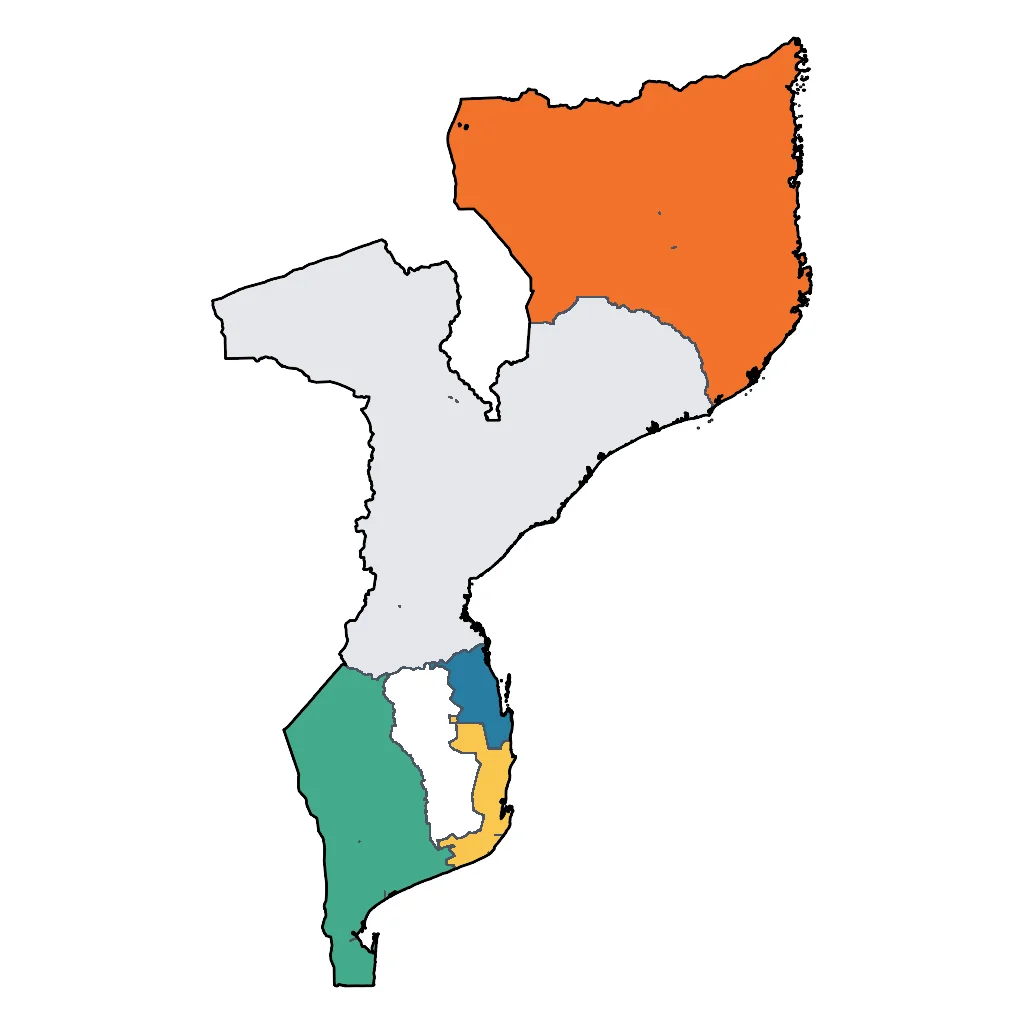
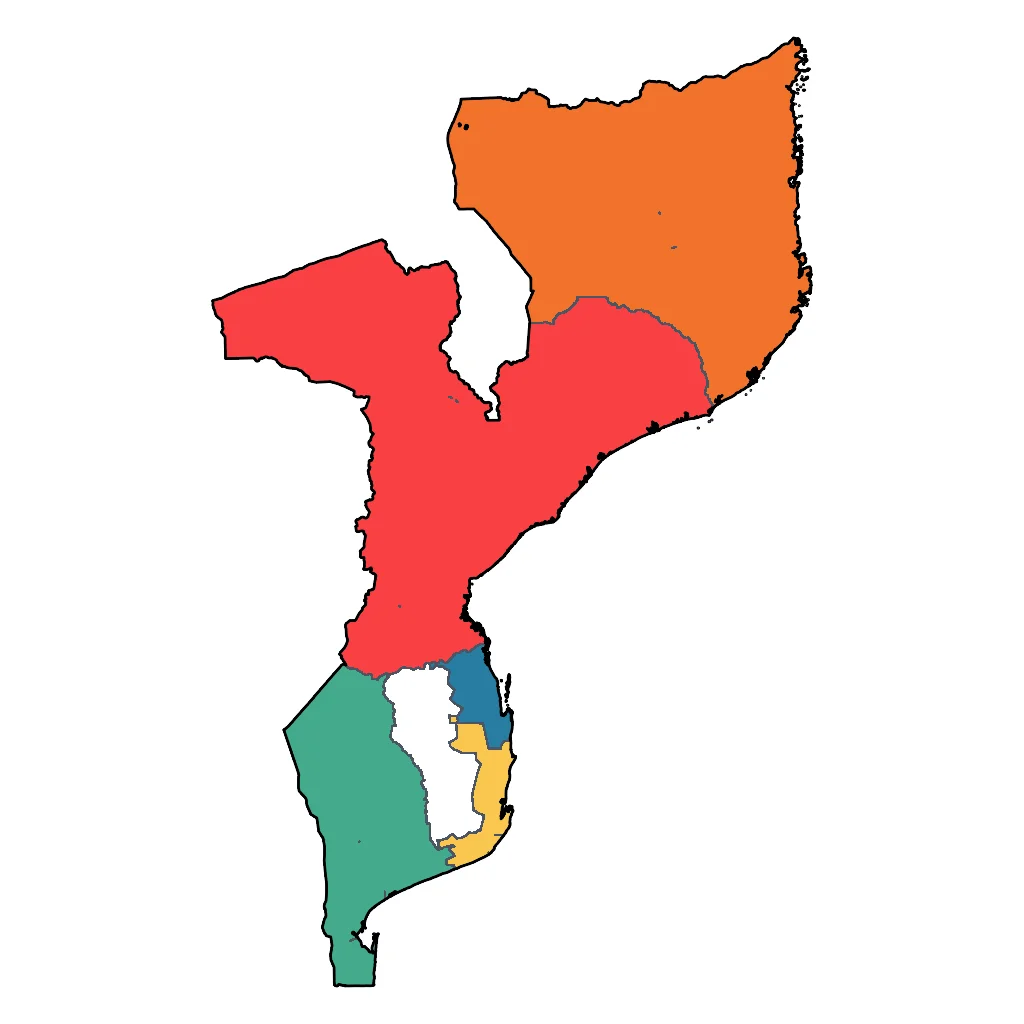
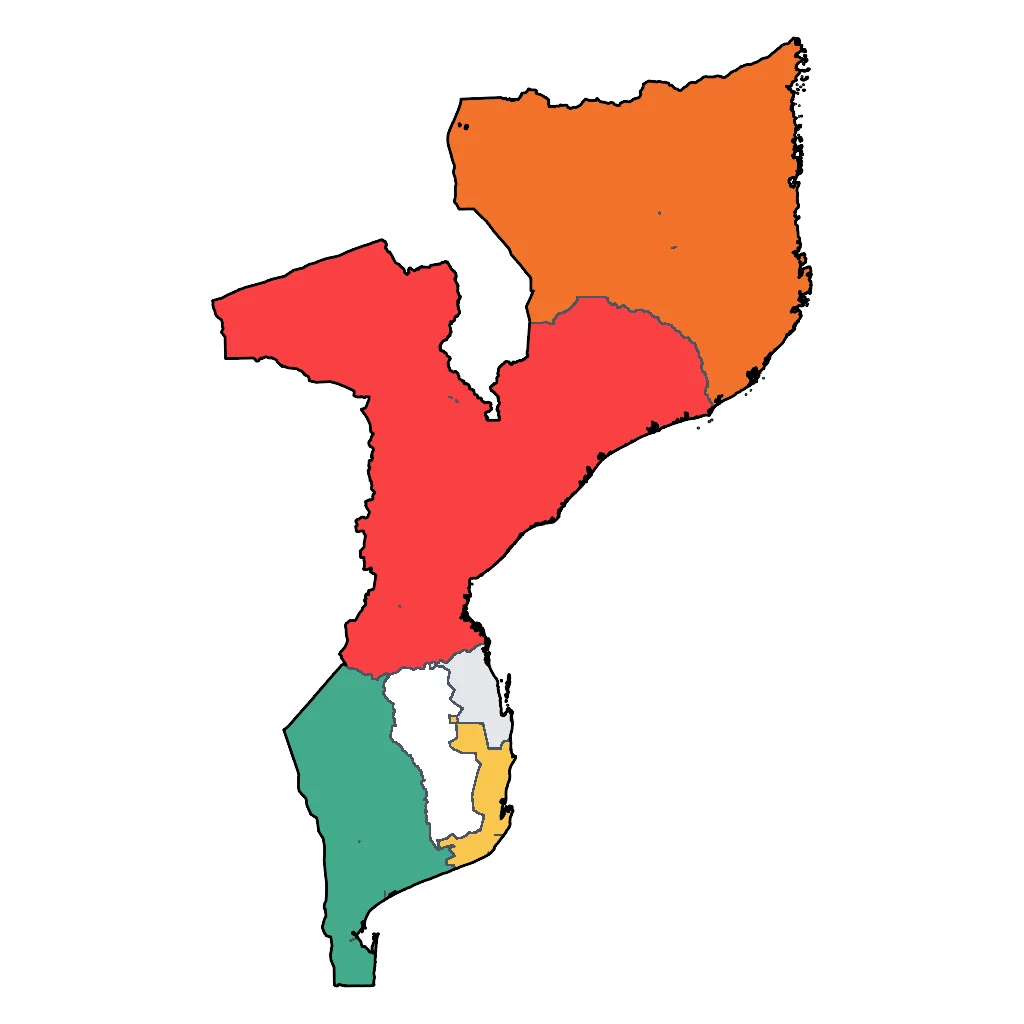
Activities & Best Times

Beach & Sea
ExcellentBeach resorts, marine activities: diving, snorkelling, kite surfing, wind surfing, sailing
Home to the Quirimbas Archipelago, offering world-class diving and pristine, uncrowded coral reefs that rival the Maldives in biodiversity. Peak months provide perfect 25-30°C temperatures and minimal rainfall, while the rainy season (Dec-Mar) brings high humidity and reduced underwater visibility.
A world-class alternative to the Maldives featuring ivory dunes and the Indian Ocean's most pristine coral reefs. Peak months offer the best balance of warm air and dry conditions, while the rainy summer (Dec-Mar) brings high humidity and poor water visibility.
While Tofo is world-class for diving and marine life encounters, the beach infrastructure and general beach holiday experience does not match truly 'excellent' international destinations (Maldives, Caribbean, Thailand). The draw is underwater, not the beach itself. Downgrade to very_good to differentiate from Bazaruto's genuinely world-class beach setting.

Adventure & Nature
Very GoodHiking, wildlife, outdoor exploration, ecotourism
Gorongosa National Park is a remarkable ecological restoration story, but it is still rebuilding its large mammal populations and tourism infrastructure. It does not yet match the wildlife density of Serengeti, Kruger, or Masai Mara that would warrant 'excellent' at international calibration. very_good accurately reflects its current state as a significant but developing destination.
Offers authentic marine 'safaris' via traditional dhows and exploration of the Quirimbas National Park's mangroves and remote islands. Peak timing aligns with the dry season for optimal wildlife viewing and island hopping, whereas the monsoon season poses logistical challenges and rougher seas.
Home to the Indian Ocean's last viable dugong population and seasonal humpback whales (Jul-Oct). The dry winter months provide optimal conditions for wildlife tracking and exploring the unique dune ecosystems, whereas the wet season poses cyclone risks and high heat.

City & Cultural
Very GoodUrban tourism, museums, historical sites, architecture
UNESCO-listed Ilha de Moçambique offers a unique, authentic fusion of Swahili, Arab, and Portuguese history within a living 'stone town.' The dry, cooler months of May-Sep are ideal for exploring the architectural heritage on foot; summer months are oppressively hot and wet.
Quelimane and Beira offer a gritty, authentic look at Mozambican history and colonial architecture that appeals to well-travelled cultural explorers. The cooler dry season is essential for urban exploration as summer temperatures frequently exceed 32°C with high humidity, making city walking uncomfortable.
The historic town of Inhambane offers an authentic, non-commercialized glimpse into Portuguese-African colonial history and architecture. Cooler, dry months are ideal for walking the tree-lined streets, while the high humidity and rain of Jan-Mar make urban exploration uncomfortable.

Educational & Exploratory
Very GoodLearning experiences, scientific sites, historical education
The E.O. Wilson Biodiversity Laboratory in Gorongosa provides world-class scientific engagement and learning opportunities for curious families. Seasonal access mirrors the adventure calendar, with the best educational programs occurring during the dry season when field research is most active.
The region provides deep historical insights into Indian Ocean trade routes and colonial history through its remarkably preserved forts and museums. The climate is most conducive to educational exploration during the dry winter months when walking through historical sites is comfortable.
Offers unique insights into marine conservation and traditional dhow sailing techniques for intellectually curious families. Optimal learning occurs during the dry season when marine research projects and community workshops are most accessible.

Relaxation & Wellness
Very GoodSpa retreats, wellness centers, peaceful getaways
Features exclusive, eco-luxury island retreats that provide sophisticated 'off-grid' relaxation for discerning families. The low-humidity period from May to October is perfect for open-air spa treatments and coastal tranquility, avoiding the intense heat of the African summer.
Host to some of Africa's most exclusive eco-lodges offering high-end spa treatments and total seclusion. The dry, low-humidity winter months (May-Oct) are perfect for open-air wellness, while summer rains and humidity (Dec-Mar) detract from the peaceful atmosphere.
Remote, high-end eco-lodges offer exclusive privacy and world-class spa facilities in untouched coastal settings. Peak relaxation occurs during the temperate shoulder months when the weather is mild and dry; winter months can be breezy, while summer humidity disrupts the tranquil atmosphere.

Sports & Active
Very GoodSport tourism, fitness activities, active recreation
Superb conditions for kite surfing, sailing, and deep-sea fishing with consistent trade winds and clear waters. Peak season offers the most reliable wind and water conditions, while the rainy season's storm potential and high precipitation make active outdoor sports difficult.
A premier destination for kite surfing and deep-sea fishing with consistent trade winds in the winter months. Peak season offers the best visibility for diving and reliable winds, whereas the rainy season brings rougher seas and less predictable conditions.
Renowned for consistent surf breaks at Tofinho and world-class scuba diving infrastructure catering to experienced adventurers. The dry winter and spring provide the most stable swell and wind conditions, whereas the summer rainy season can cause rough sea states and poor visibility.

Road Trips & Scenic
GoodScenic drives, countryside tours, route-based travel
The scenic drive from Maputo to the South African border offers stunning coastal vistas across the Maputo-Katembe bridge. Road conditions are best during the dry season (May-Oct); the off-season months carry a high risk of localized flooding and difficult driving conditions on secondary sand tracks.
Driving through the tea estates of Gurúè offers world-class scenery, but infrastructure can be challenging for families used to European standards. The peak dry season is the only reliable time for travel as roads can wash out or become hazardous during the heavy Jan-Mar rains.
While the drive from Maputo offers an authentic African landscape, it is long and requires a high tolerance for rural road conditions. Travel is only recommended in the dry season to avoid mud-slicked roads and ensure safe passage for adventurous families.

Festivals & Seasonal
MarginalEvents, celebrations, seasonal attractions

Airports & Flight Routes
Toggle options to view domestic routes and international airports. Click an airport for details.

Climate & Weather
Bazaruto & Vilankulo (islands)
Show Details
| Month | Temp °C | Rain | Humidity |
|---|
Inhambane & Tofo
Show Details
| Month | Temp °C | Rain | Humidity |
|---|
Maputo & South
Show Details
| Month | Temp °C | Rain | Humidity |
|---|
Northern Mozambique & Quirimbas
Show Details
| Month | Temp °C | Rain | Humidity |
|---|
Zambézia & Central
Show Details
| Month | Temp °C | Rain | Humidity |
|---|

Travel Advisory
Travel to Mozambique is generally possible but requires a high degree of vigilance due to significant security, crime, and health risks, alongside extreme danger in specific northern provinces.
Safety Topics
Traveller Advice (3 groups)

Women should avoid walking alone, especially in isolated areas like beaches or at night, as they may be targeted for harassment or assault.

While Mozambique was declared mine-free in 2015, remnants of war like unexploded ordnance may still exist in remote rural areas. Consult local authorities before off-road travel.

Avoid displaying signs of wealth such as jewelry or large amounts of cash. Always lock vehicle doors and keep windows closed when driving in urban traffic.