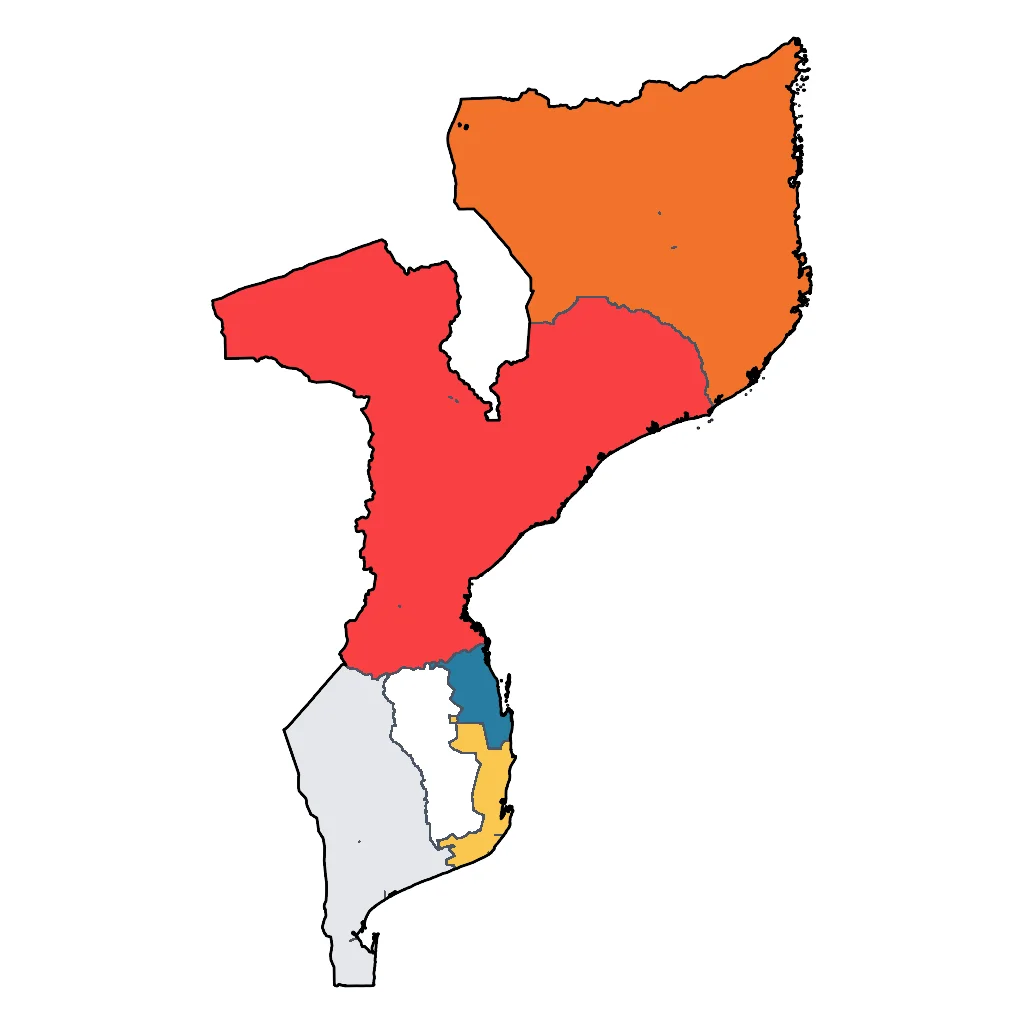
Northern Mozambique & Quirimbas
Ancient History & Archipelagoes 🏰
⚠️ SAFETY WARNING: Due to ongoing armed conflict, terrorism, and kidnapping risks, government agencies (including CA, USA, UK, AU) advise travelers to avoid all travel to Cabo Delgado and the Quirimbas Archipelago. The security situation is volatile. Families are strongly urged to consult their own government's official travel advisory before considering a trip to any part of Northern Mozambique, as circumstances vary and risk levels are extreme in specific districts.
For those able to visit the safer southern districts of Nampula province, the crown jewel is Ilha de Moçambique. This UNESCO World Heritage site was the capital of Portuguese East Africa for nearly four centuries and remains a living museum of history. A three-kilometer bridge connects the island to the mainland, leading families into a world of 16th-century stone fortresses, whitewashed colonial hospitals, and historic mosques. The northern half of the island, Stone Town, is perfect for walking tours where children can learn about the spice route and the diverse cultures that have shaped the coast. The southern half, Makuti Town, offers a vibrant look at local life with its thatched-roof houses.
While the Quirimbas Archipelago in the far north is currently inaccessible for tourism due to the insurgency, it remains geographically one of the most stunning environments in East Africa, known for the ancient silversmiths of Ibo Island and pristine mangrove channels. Inland, the vast Niassa Special Reserve connects with Tanzania's ecosystems, home to wild dogs and large elephant populations, though it is extremely remote and best suited for very experienced travelers. Current travel to the North requires meticulous planning and strict adherence to security guidance.
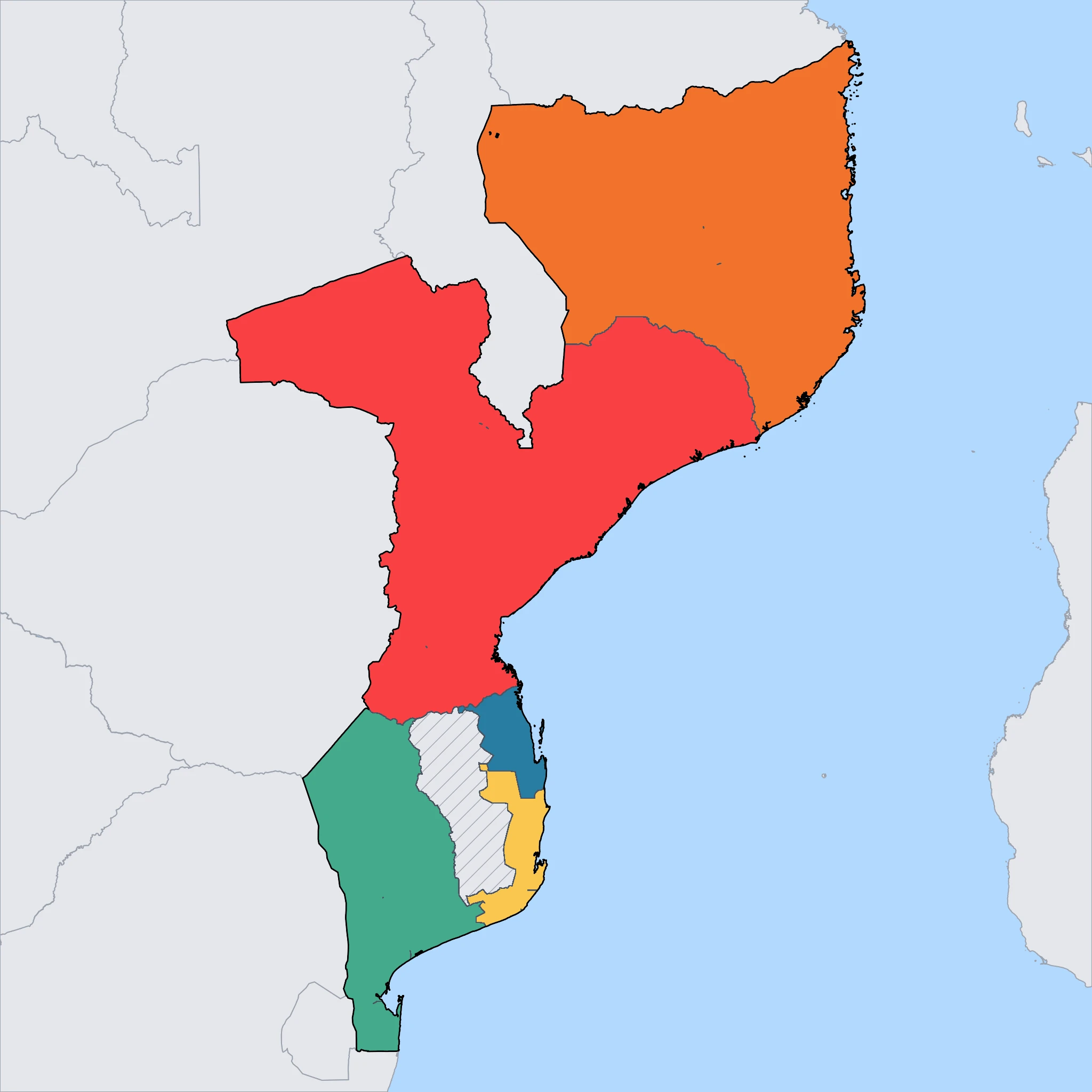
Click a region to explore

Activities & Best Times

Beach resorts, marine activities: diving, snorkelling, kite surfing, wind surfing, sailing
Home to the Quirimbas Archipelago, offering world-class diving and pristine, uncrowded coral reefs that rival the Maldives in biodiversity. Peak months provide perfect 25-30°C temperatures and minimal rainfall, while the rainy season (Dec-Mar) brings high humidity and reduced underwater visibility.
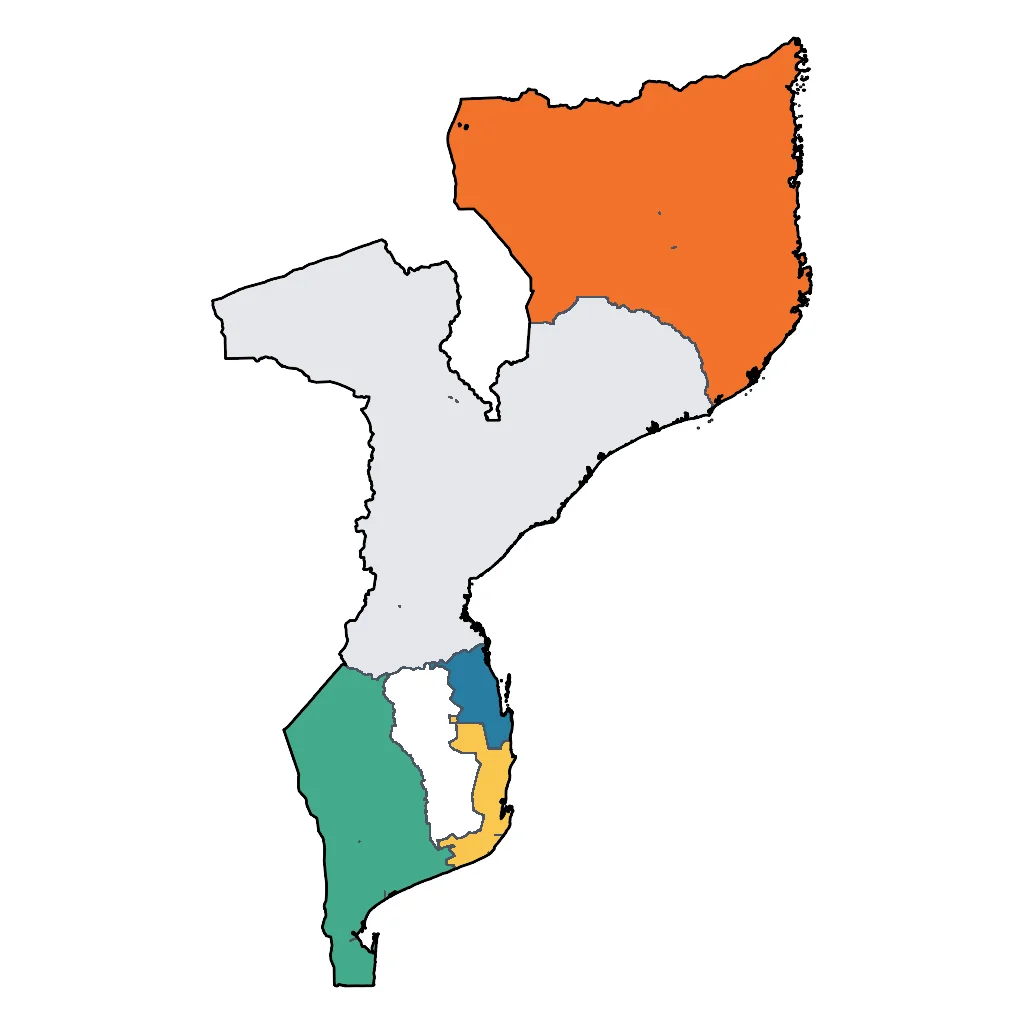

Hiking, wildlife, outdoor exploration, ecotourism
Offers authentic marine 'safaris' via traditional dhows and exploration of the Quirimbas National Park's mangroves and remote islands. Peak timing aligns with the dry season for optimal wildlife viewing and island hopping, whereas the monsoon season poses logistical challenges and rougher seas.
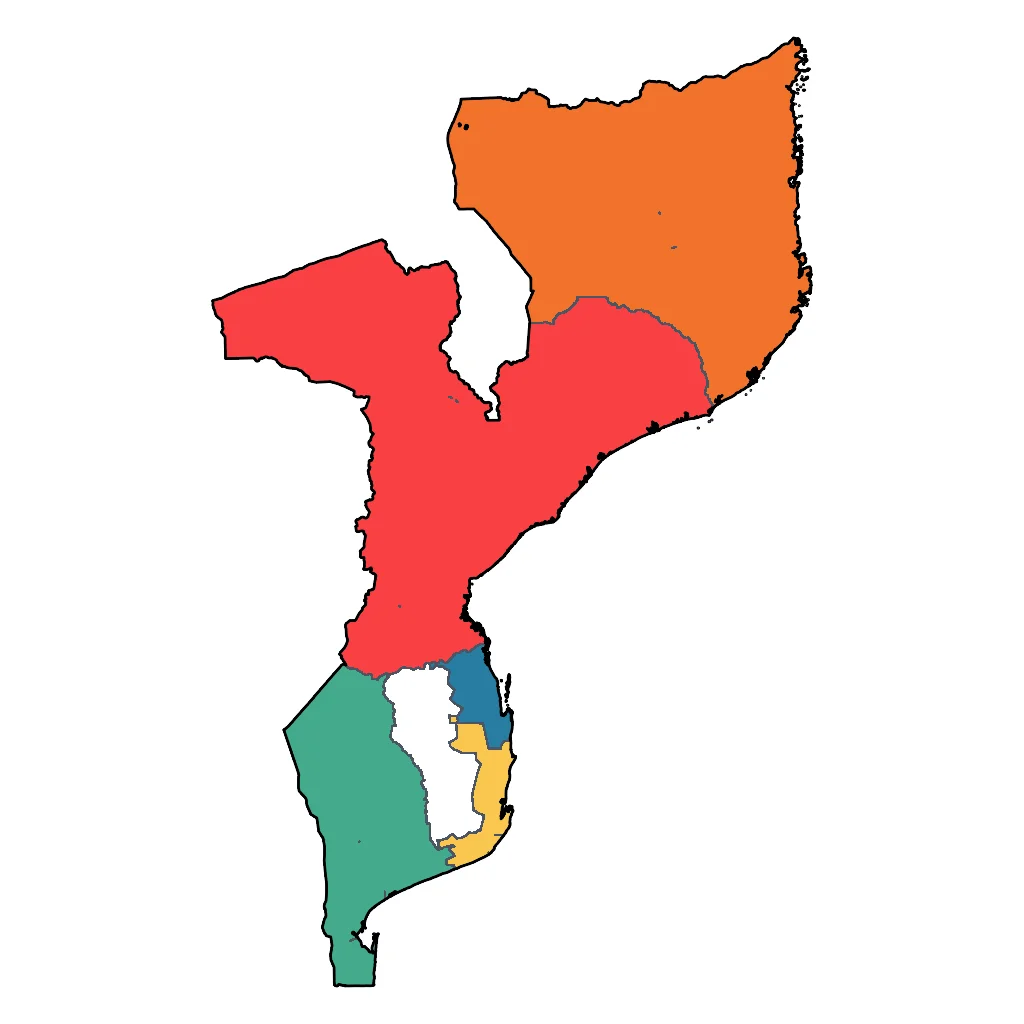

Urban tourism, museums, historical sites, architecture
UNESCO-listed Ilha de Moçambique offers a unique, authentic fusion of Swahili, Arab, and Portuguese history within a living 'stone town.' The dry, cooler months of May-Sep are ideal for exploring the architectural heritage on foot; summer months are oppressively hot and wet.
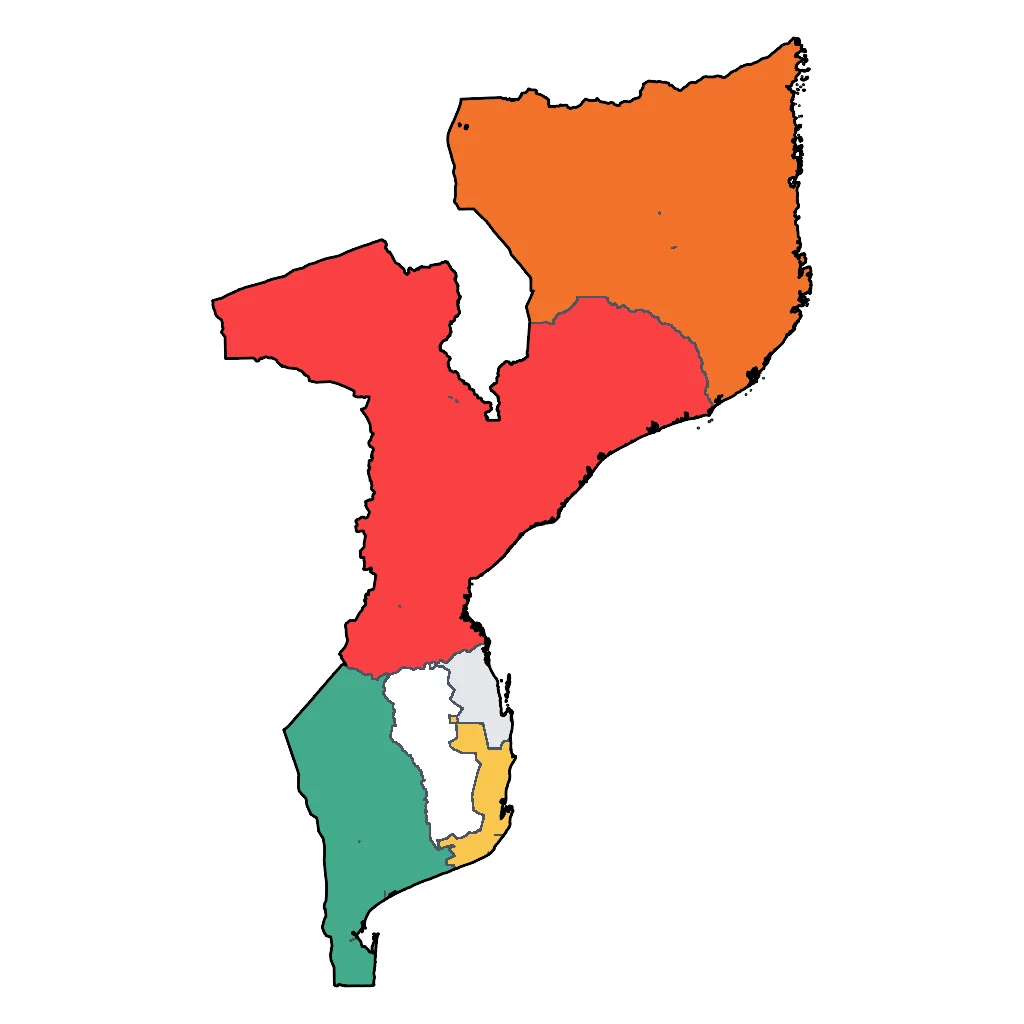

Spa retreats, wellness centers, peaceful getaways
Features exclusive, eco-luxury island retreats that provide sophisticated 'off-grid' relaxation for discerning families. The low-humidity period from May to October is perfect for open-air spa treatments and coastal tranquility, avoiding the intense heat of the African summer.
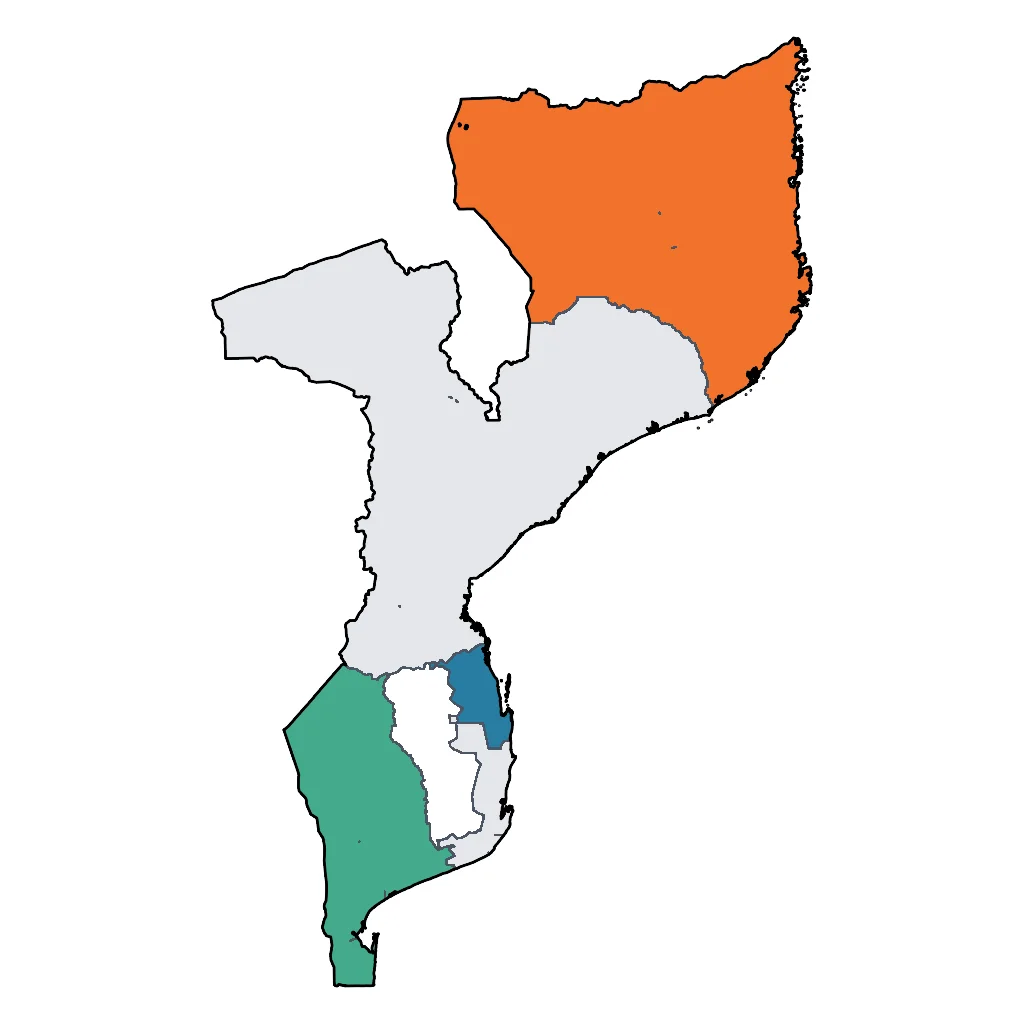

Sport tourism, fitness activities, active recreation
Superb conditions for kite surfing, sailing, and deep-sea fishing with consistent trade winds and clear waters. Peak season offers the most reliable wind and water conditions, while the rainy season's storm potential and high precipitation make active outdoor sports difficult.
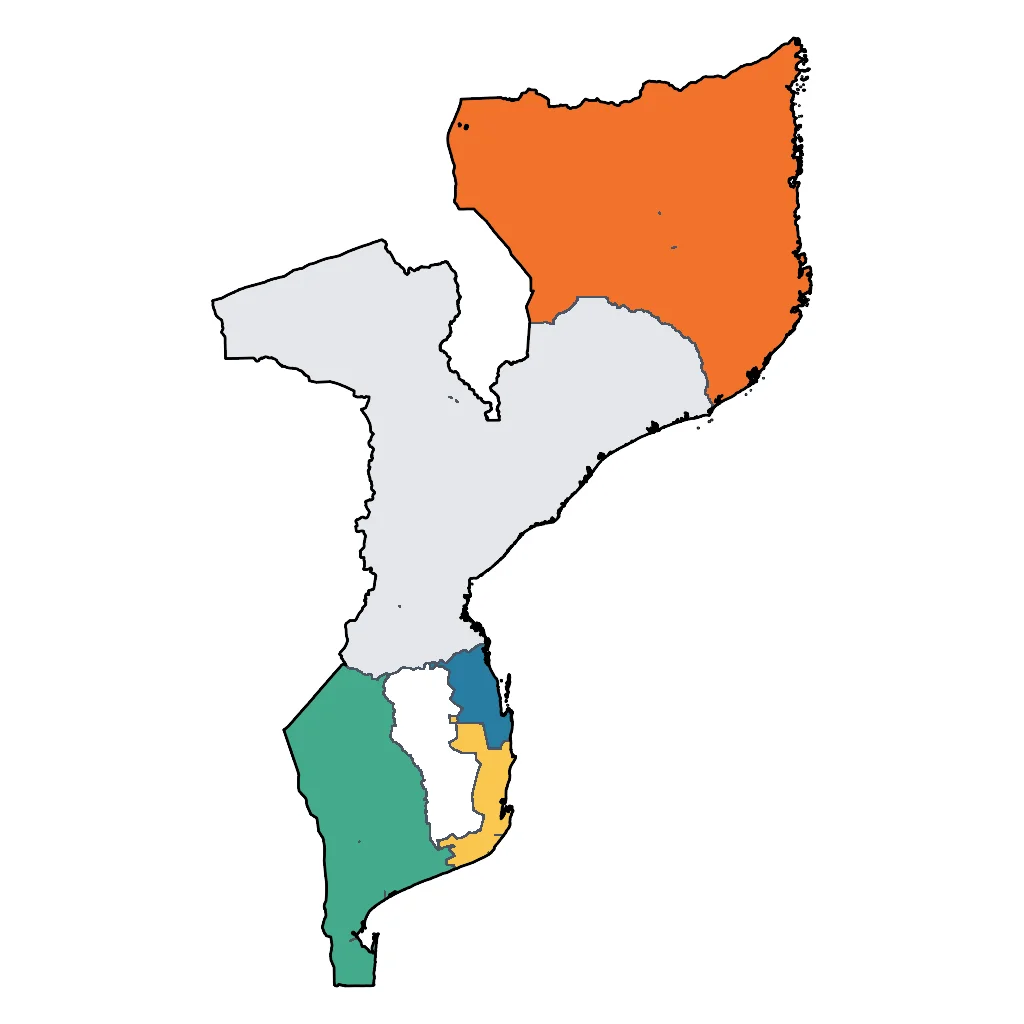

Learning experiences, scientific sites, historical education
The region provides deep historical insights into Indian Ocean trade routes and colonial history through its remarkably preserved forts and museums. The climate is most conducive to educational exploration during the dry winter months when walking through historical sites is comfortable.