

Namibia offers a distinct alternative to the traditional African safari experience. Characterized by vast horizons, ancient deserts, and a low population density, it provides families with a sense of freedom and safety rarely found elsewhere on the continent. The country is particularly famous for its self-drive culture, where families rent 4x4 vehicles equipped with rooftop tents. For children, the daily routine of climbing into their "treehouse" atop the car is often as memorable as the wildlife sightings.
The geography is dominated by the Namib Desert, the oldest in the world. At Sossusvlei, families can challenge themselves to climb towering red sand dunes like Dune 45 or Big Daddy. The descent involves running or rolling down the soft sand, a highlight for energetic kids. Nearby, the surreal white clay pan of Deadvlei provides a striking backdrop for family photos amongst ancient camel thorn trees. Just remember to visit in the early morning to avoid the midday heat.
For wildlife enthusiasts, Etosha National Park is the premier destination. Unlike parks with thick vegetation where animals are hard to spot, Etosha features a massive salt pan and open plains. During the dry season (May to October), animals congregate around established waterholes. Families can park their vehicle at a safe distance and watch elephants, giraffes, zebras, and rhinos interact without needing a professional guide. This flexibility allows parents to manage their own schedule, stopping for bathroom breaks or snacks whenever necessary.
On the coast, the town of Swakopmund offers a cool respite from the desert heat. With its German colonial architecture and seaside promenades, it feels distinct from the rest of the country. Here, families can join a "Living Desert" tour to find transparent geckos and dancing lizards in the dunes, or take a catamaran cruise from Walvis Bay to see pelicans, dolphins, and thousands of Cape fur seals. The nearby Skeleton Coast adds a layer of mystery with its fog-shrouded shipwrecks.
Practical Considerations for Families:
Traveling in Namibia requires preparation. Distances between destinations are long, often involving 4 to 6 hours of driving on gravel roads. Families should pack ample entertainment, water, and snacks for these journeys. While the roads are generally well-maintained, driving cautiously is essential to avoid accidents on loose surfaces. The dry winter months (May–October) are best for game viewing and have a lower malaria risk, though the nights can be freezing. While English is the official language and widely spoken, the cuisine often reflects German influence, meaning familiar foods like schnitzel and apple strudel are readily available alongside local game meat.
Explore Regions
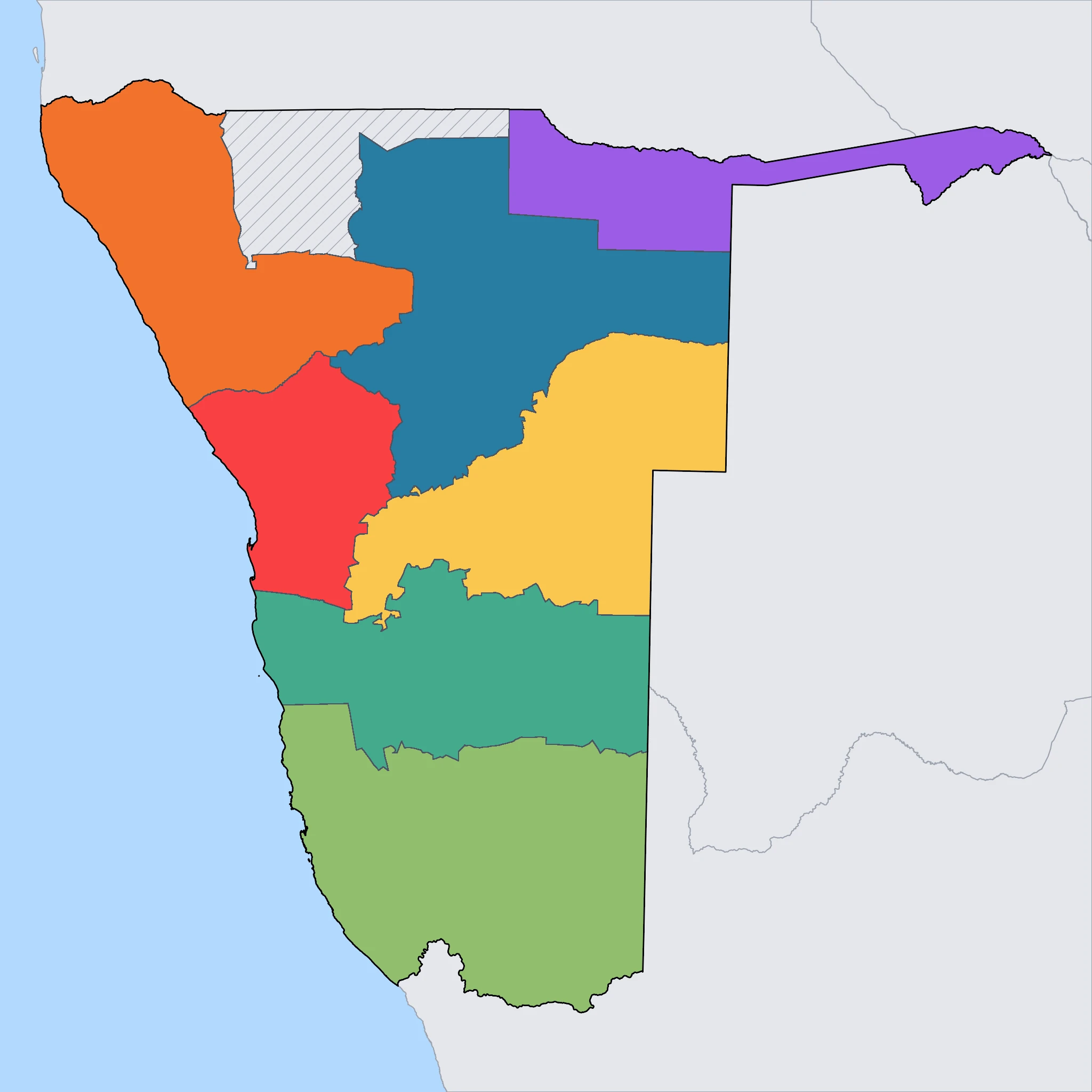
7 Regions
Caprivi Strip (Zambezi Region)
Where rivers flow and elephants swim 🐘🌿
Etosha National Park
Namibia's premier wildlife sanctuary 🦁🦓
Fish River Canyon & South
Canyons, ghost towns, and wild horses 🌵🐎
Skeleton Coast
Where the desert meets the sea ☠️🌊
Sossusvlei & Namib Desert
Climb the world's oldest dunes 🏜️☀️
Swakopmund & Coast
Adventures between dunes and ocean 🐬🏙️
Windhoek & Central Plateau
The heart of Namibia 🏙️🦒
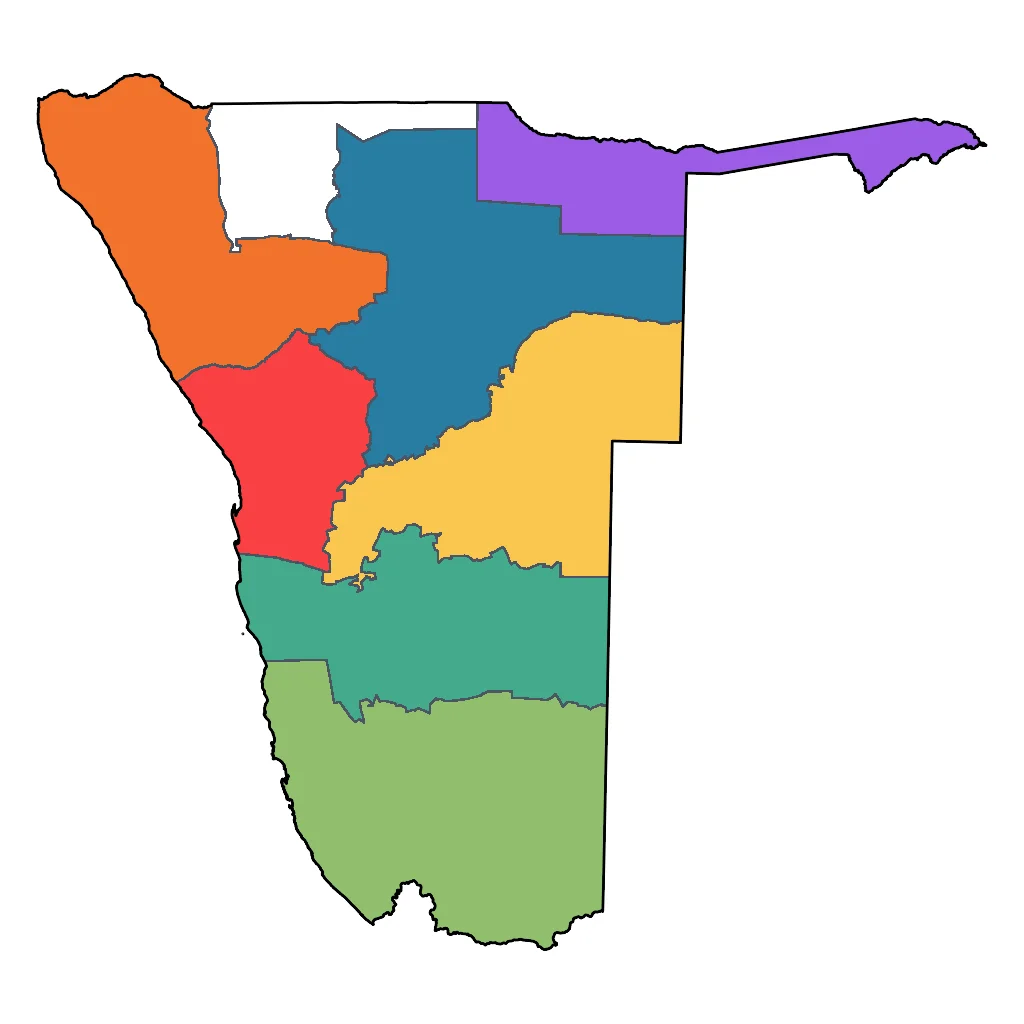
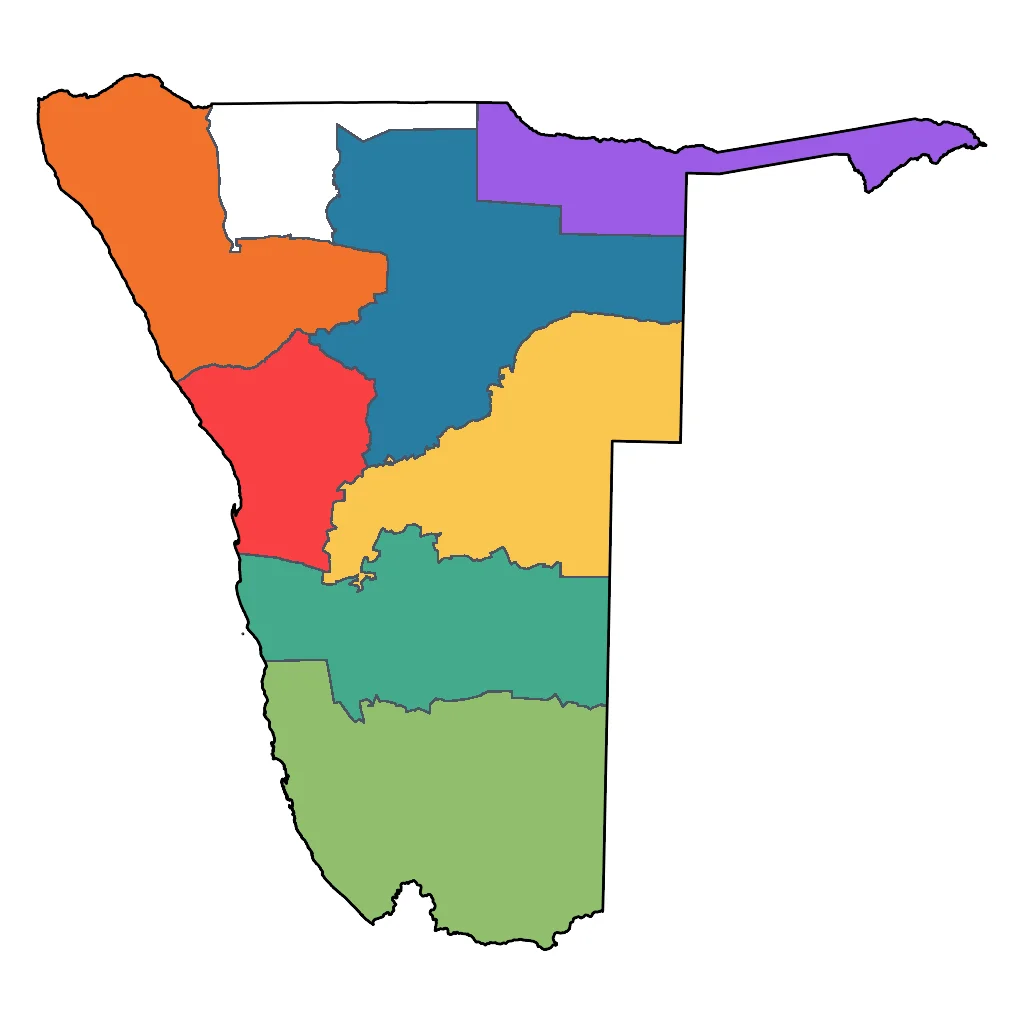
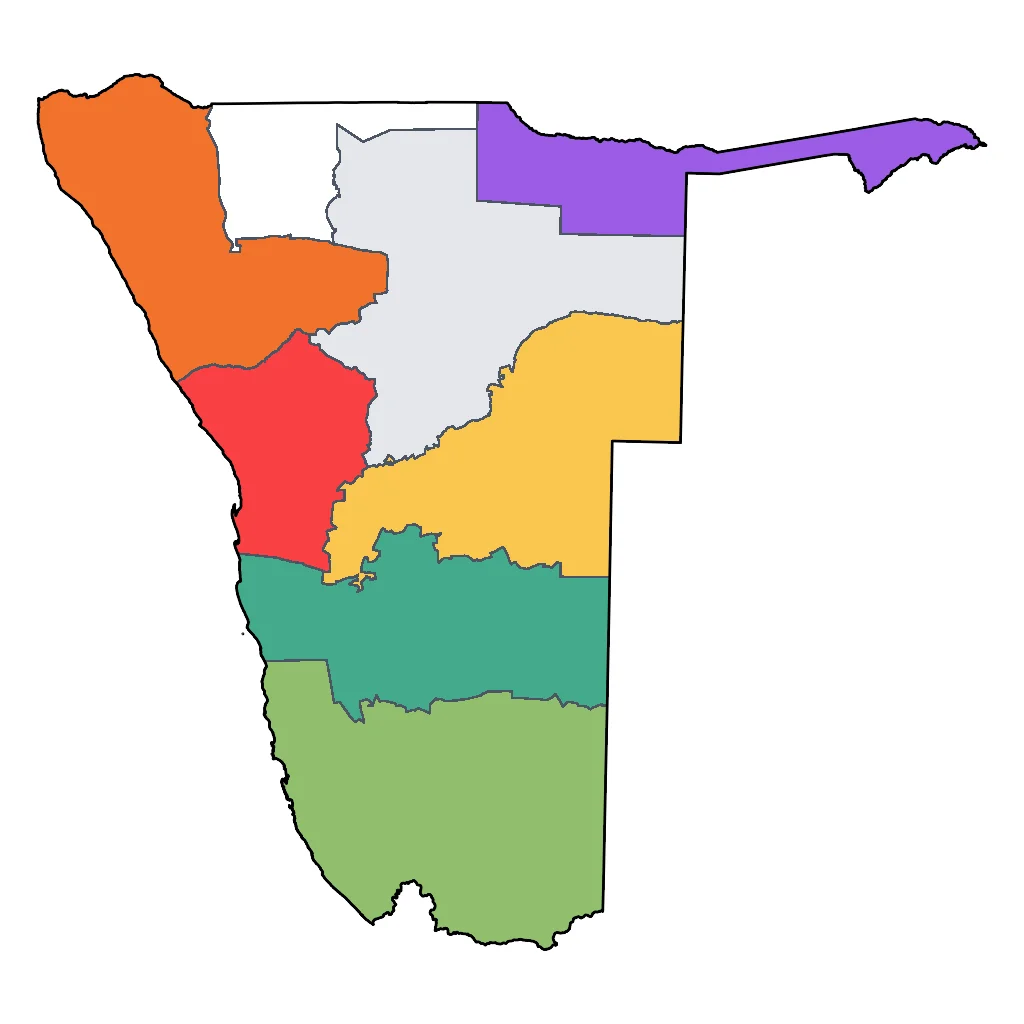
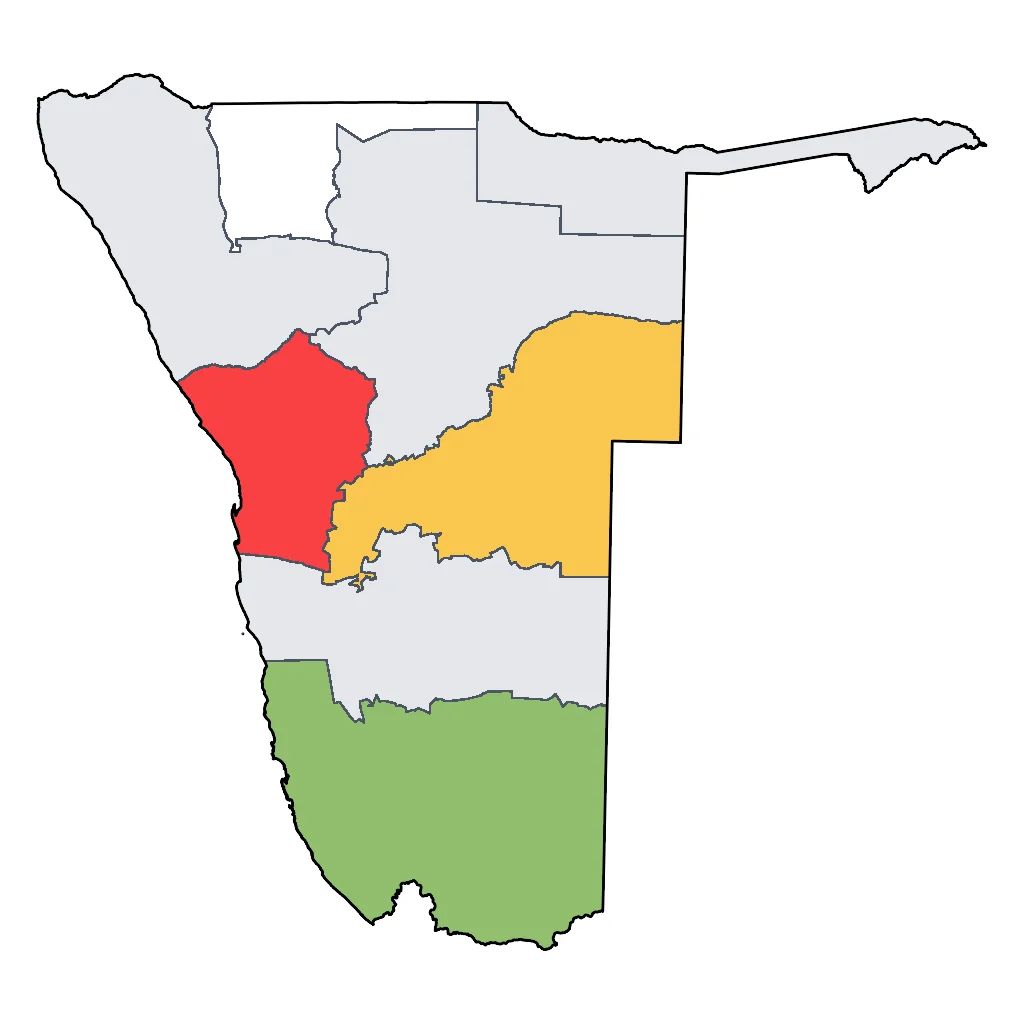
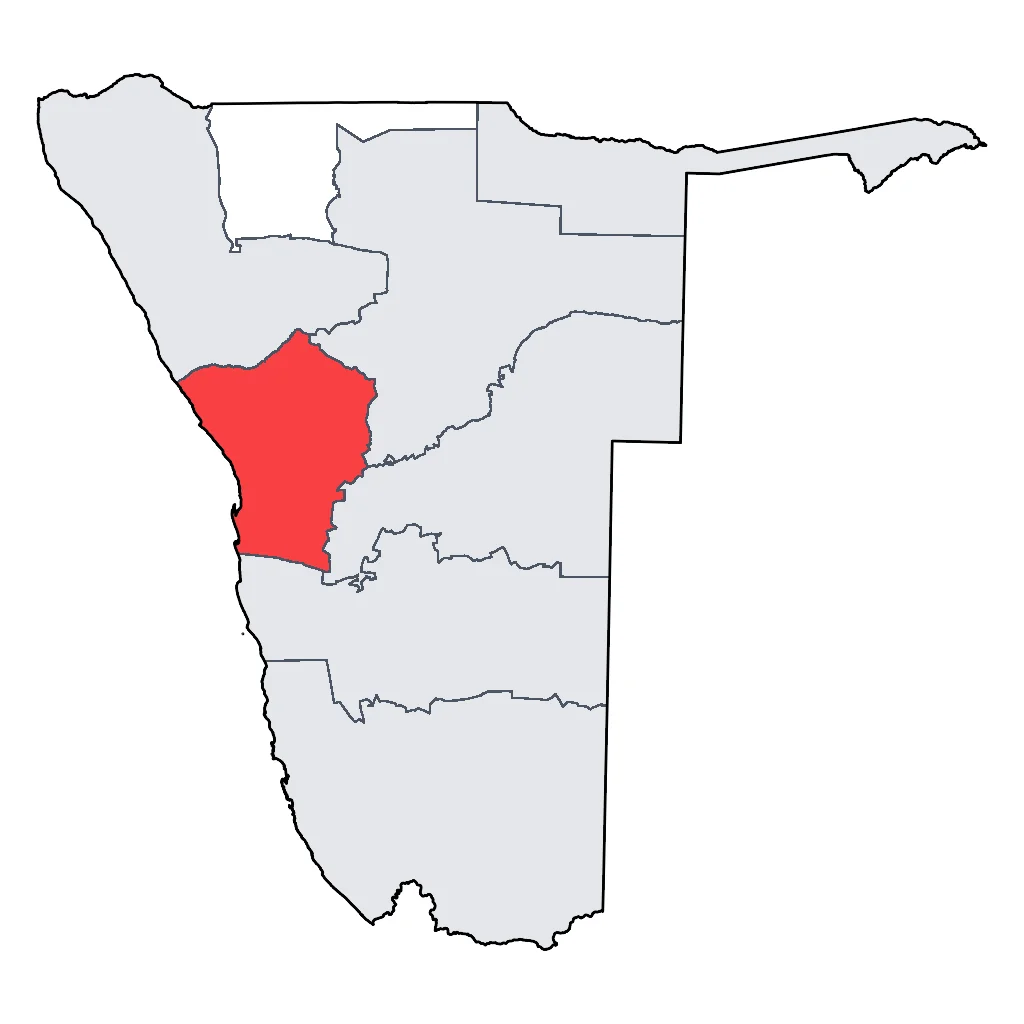
Click on a region marker to explore details. Use the dropdown to color regions by activity suitability.

Activities & Best Times
Adventure & Nature
ExcellentHiking, wildlife, outdoor exploration, ecotourism
A globally unique wilderness where desert-adapted lions and elephants roam among haunting shipwrecks and massive seal colonies. Peak months offer dry, moderate temperatures and optimal visibility, while the summer months (Dec-Mar) see increased heat, humidity, and rare but disruptive rainfall.
Home to the world's second-largest canyon, this region offers a superlative wilderness experience characterized by dramatic geology and world-class stargazing. Peak months provide the cool, dry conditions necessary for exploring the canyon floor, whereas summer temperatures frequently exceed 35°C, making deep-canyon exploration dangerous.
A world-class water wilderness offering unique river safaris and massive elephant migrations that rival the Okavango Delta. Peak dry months (May-Sep) provide optimal wildlife viewing as animals congregate at permanent water sources; shoulder months are hot but offer good sightings, while the wet season (Nov-Mar) sees wildlife disperse and high humidity.

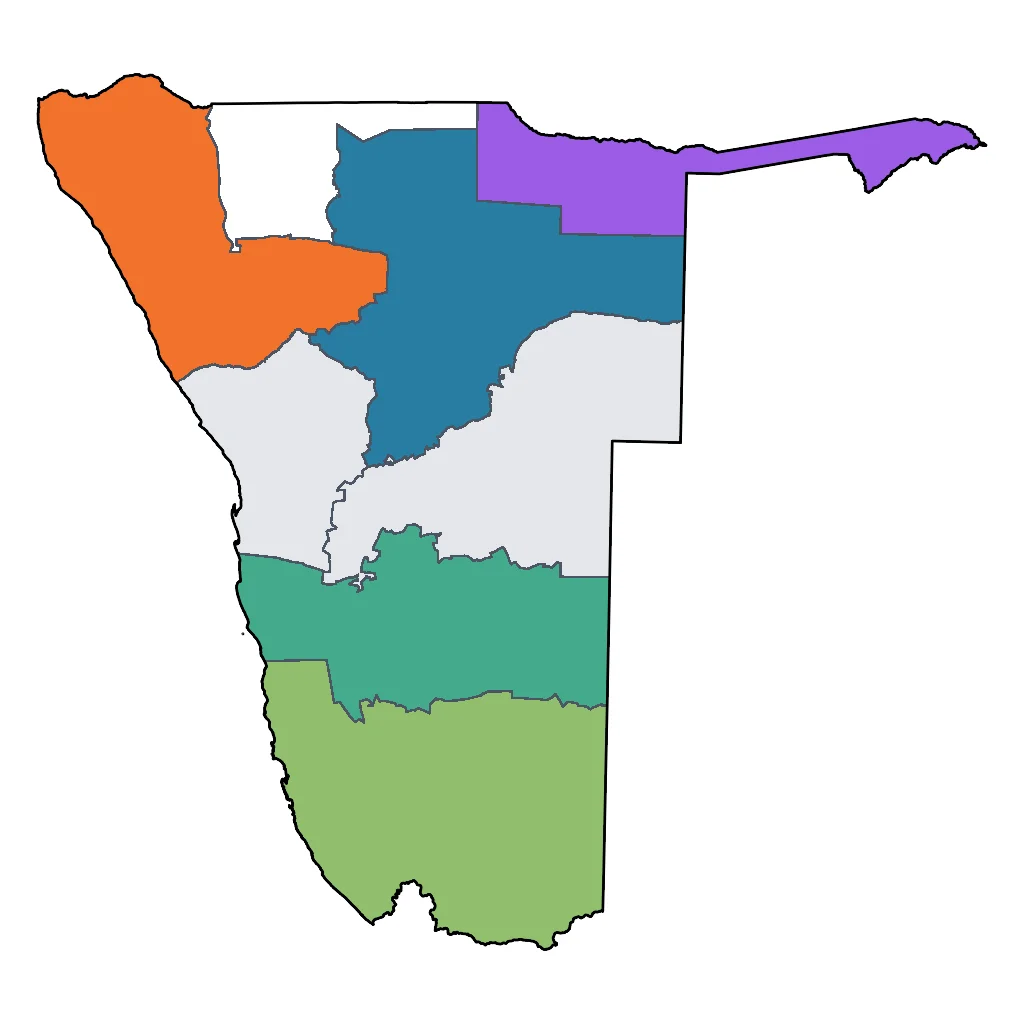
Sports & Active
ExcellentSport tourism, fitness activities, active recreation
Internationally renowned for extreme sports including sandboarding, quad biking, and world-class kitesurfing due to consistent Atlantic winds. Peak season offers cool, dry air (18-24°C) ideal for high-exertion activities; off-season months are significantly warmer with higher humidity, making desert sports less comfortable.
The Fish River Canyon hike is one of the most prestigious multi-day treks in Africa, attracting elite hikers globally. Access is strictly limited to the cooler winter window (May-Aug) for safety; the extreme heat of the canyon floor during the rest of the year makes the primary active offering of the region impossible.
Renowned for world-class Tiger fishing on the Zambezi and exceptional birding by canoe or motorboat. Peak conditions occur when water levels drop (Jun-Aug), concentrating fish; the rainy season (Nov-Mar) disrupts river activities with high water and frequent thunderstorms.

Educational & Exploratory
Very GoodLearning experiences, scientific sites, historical education
Provides an exceptional 'outdoor classroom' for natural history and conservation, highlighting desert-adapted biology and ecosystem management. The dry peak season allows for easy observation of complex social behaviors in megafauna; educational value is reduced during the rainy season when visibility is obscured by lush vegetation.
An exceptional site for learning about maritime history, the unique Benguela Current, and complex desert ecosystems. The cooler, dry season (May-Sep) is ideal for guided educational expeditions, while extreme summer heat and fog can limit access to remote archaeological and scientific sites.
The region serves as an exceptional outdoor classroom for ancient geology, paleontology, and astronomy with some of the world's lowest light pollution. Peak conditions align with the dry winter season when clear skies for astronomy are most consistent and outdoor fossil tours are comfortable for children.

Relaxation & Wellness
Very GoodSpa retreats, wellness centers, peaceful getaways
Features world-class luxury lodges focused on silence, solitude, and stargazing within an International Dark Sky Reserve. The winter peak offers crisp, clear nights and pleasant days for outdoor relaxation, while the extreme summer heat can make even high-end desert suites feel oppressive during the day.
Home to world-class, architectural lodges that offer profound isolation and silent, luxury retreats for discerning families. Peak conditions align with the dry winter months for comfortable outdoor relaxation, whereas summer humidity and heat detract from the region's characteristic 'chilly' desert atmosphere.
Natural thermal springs at Ai-Ais and secluded high-end lodges offer a 'digital detox' and solitude-based wellness. The experience is best in the peak of winter (Jun-Aug) when the contrast between the cool desert air and the hot springs is most restorative; summer humidity and heat are less conducive to outdoor relaxation.
Road Trips & Scenic
Very GoodScenic drives, countryside tours, route-based travel
Offers some of the world's most dramatic, desolate coastal drives and fly-in safari routes through shifting dunes and gravel plains. The dry winter months provide stable track conditions and cooler weather, whereas the summer season brings higher temperatures and the risk of flash floods in ephemeral riverbeds.
The vast, open landscapes and unique flora like the Quiver Tree Forest provide a quintessential Southern African driving experience on well-maintained gravel routes. The winter months (May-Sep) offer crystal-clear visibility and comfortable daytime driving temperatures, while the intense summer heat can make remote desert travel taxing for families.
Part of the iconic 'Golden Triangle' route connecting Etosha to Victoria Falls, offering lush scenery that contrasts sharply with the Namibian desert. Peak months offer clear skies and excellent road visibility; the wet season can make unpaved access roads to luxury camps difficult to navigate for families.

City & Cultural
GoodUrban tourism, museums, historical sites, architecture
Lüderitz provides a surreal glimpse into German colonial architecture and maritime history on the edge of the Namib Desert. While unique and authentic, it lacks the depth of global cultural capitals, making it a strong secondary highlight rather than a primary cultural destination.
Swakopmund is a charming, architecturally unique small town, but 'very_good' for city & cultural implies competition with globally significant cultural destinations. It lacks major museums, galleries, or cultural institutions. 'Good' more accurately reflects an authentic but limited cultural offering.
Windhoek offers a sophisticated blend of German colonial architecture and modern African governance, with high-quality museums and a safe, walkable city center. The mild daytime temperatures of the dry season are perfect for exploring historic landmarks, while the peak summer heat and afternoon downpours limit urban exploration.
Beach & Sea
GoodBeach resorts, marine activities: diving, snorkelling, kite surfing, wind surfing, sailing

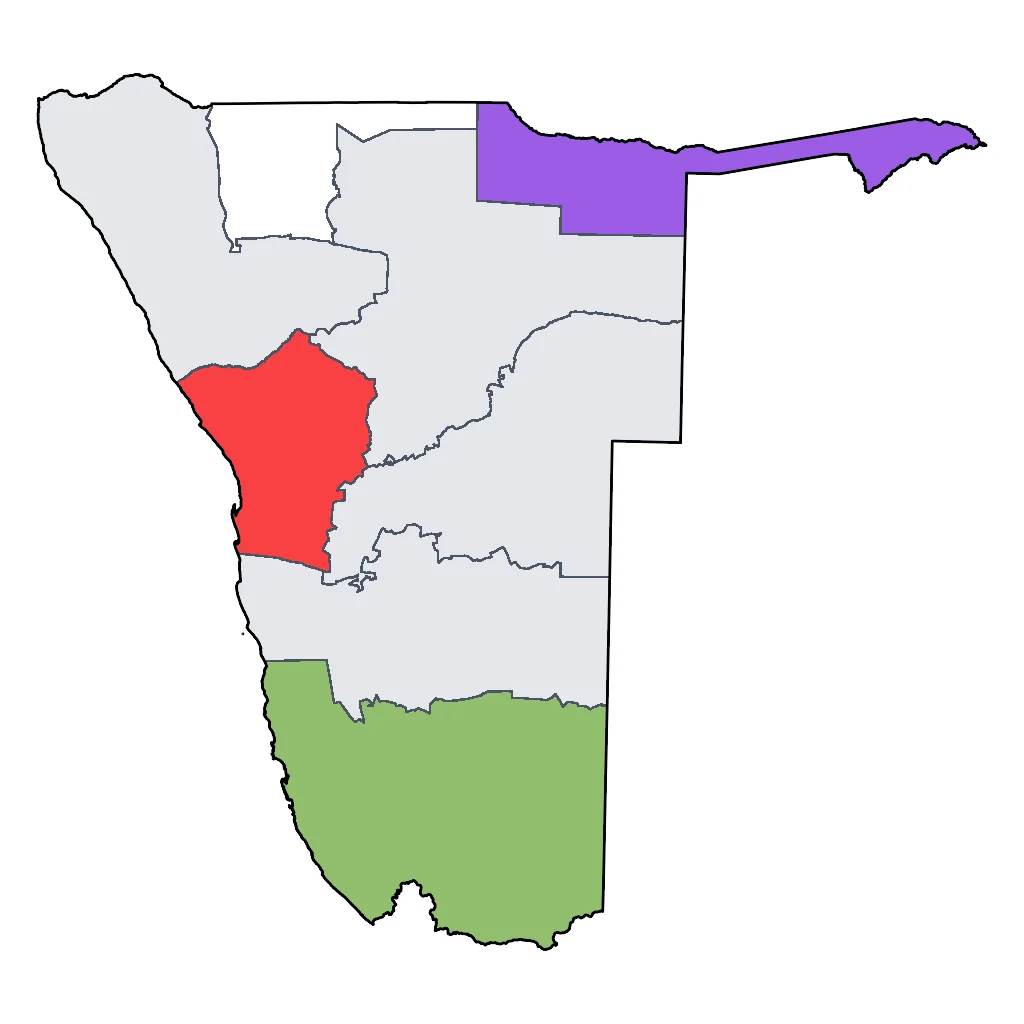
Festivals & Seasonal
MarginalEvents, celebrations, seasonal attractions
Airports & Flight Routes
Toggle options to view domestic routes and international airports. Click an airport for details.
Climate & Weather
Caprivi Strip (Zambezi Region)
Show Details
| Month | Temp °C | Rain | Humidity |
|---|
Etosha National Park
Show Details
| Month | Temp °C | Rain | Humidity |
|---|
Fish River Canyon & South
Show Details
| Month | Temp °C | Rain | Humidity |
|---|
Skeleton Coast
Show Details
| Month | Temp °C | Rain | Humidity |
|---|
Sossusvlei & Namib Desert
Show Details
| Month | Temp °C | Rain | Humidity |
|---|
Swakopmund & Coast
Show Details
| Month | Temp °C | Rain | Humidity |
|---|

Travel Advisory
The majority of international agencies suggest standard safety awareness is sufficient, though specific caution is advised for urban crime.
Safety Topics
Traveller Advice (3 groups)

Solo female travellers should be particularly cautious at night and avoid taking unbooked taxis to minimize the risk of harassment or assault.

Local laws criminalize same-sex acts. While the social environment is relatively tolerant compared to regional neighbors, public displays of affection should be avoided to prevent legal issues or hostility.

Those travelling to remote regions should carry dual spare tires, satellite communications, and significant water supplies, as breakdown services and medical help are many hours away.