

⚠️ SAFETY WARNING: Due to the unstable security environment following the 2023 coup, high threats of terrorism, and a high risk of kidnapping, government agencies (including CA, USA, UK, AU, IE, and NZ) advise travelers to avoid all travel to Niger. The security situation is volatile, with a state of emergency in effect in many regions and borders subject to closure. Families are strongly urged to consult their own government's official travel advisory before considering any trip, as risks to personal safety are currently critical.
Niger is a vast, landlocked nation in West Africa that bridges the Sahara Desert and the sub-Saharan savannah. Geographically, it is dominated by arid landscapes, including the sweeping dunes of the Ténéré Desert and the Aïr Mountains. The country's lifeline is the Niger River, which winds through the southwest, creating a green ribbon of fertility where much of the population lives. The climate is generally hot and dry, with a brief rainy season appearing between June and September.
For those interested in wildlife, Niger is significant as the home of the last wild population of West African giraffes. These rare creatures are typically found in the Kouré Giraffe Reserve, just an hour from the capital. Historically, the W National Park-a UNESCO World Heritage site shared with Benin and Burkina Faso-has been a sanctuary for elephants, lions, and buffalo, although access is currently severely restricted due to regional insecurity.
Culturally, Niger is a crossroads of ancient civilizations. The historic city of Agadez serves as a gateway to the desert, famous for its towering mud-brick mosque and its role as a hub for trans-Saharan trade. The country is also known for the rich traditions of its diverse ethnic groups, including the semi-nomadic Tuareg and the Wodaabe, whose annual Gerewol festival is renowned for its elaborate beauty contests and dancing.
In the capital city of Niamey, the National Museum of Niger (Musée National Boubou Hama) offers an educational experience for visitors. It features a zoo, pavilions dedicated to traditional architecture and costumes, and impressive paleontological exhibits, including the complete skeleton of a Sarcosuchus imperator (SuperCroc), a prehistoric crocodile that once roamed the region. While the country holds immense historical and natural value, current travel conditions make it inaccessible for tourism.

Explore Regions
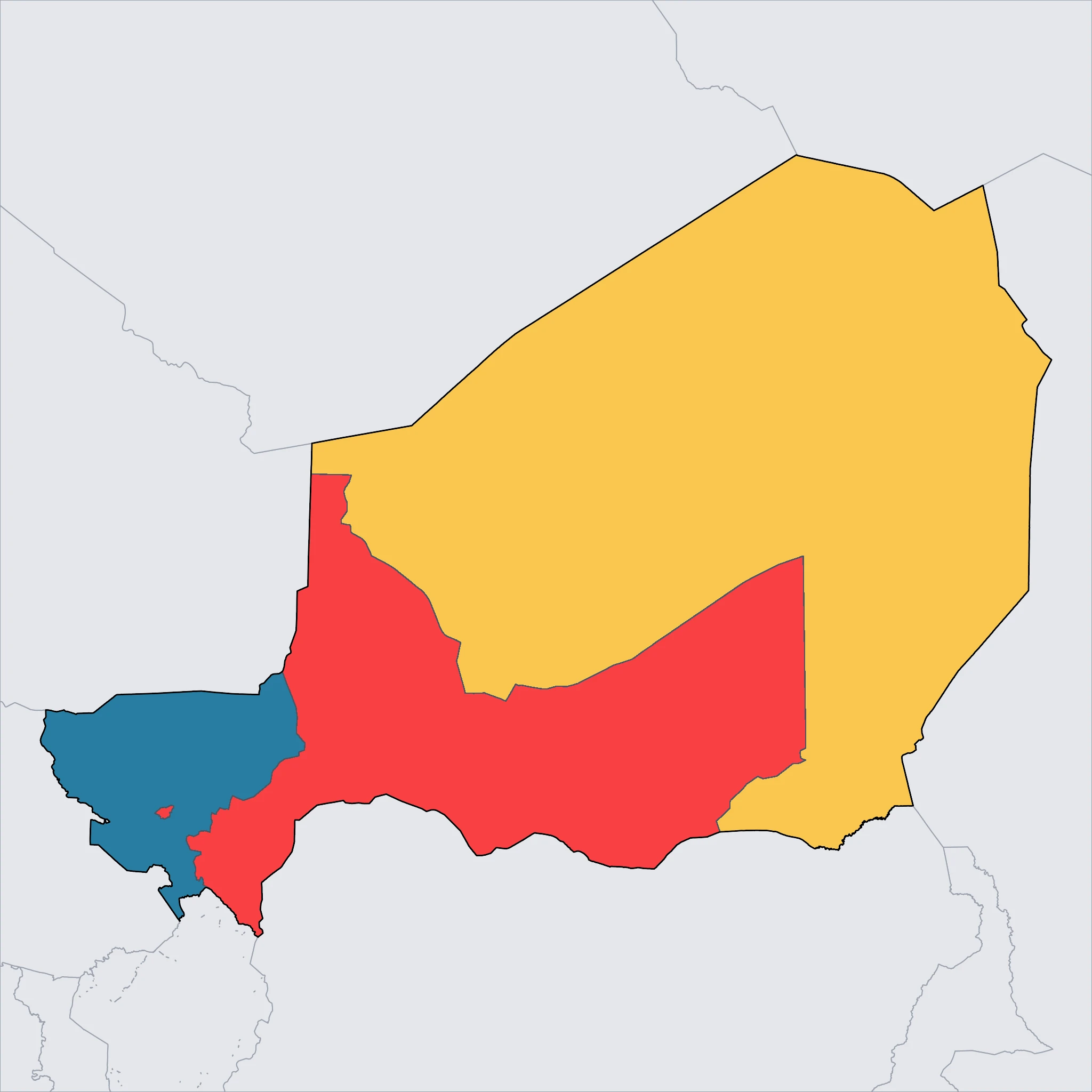
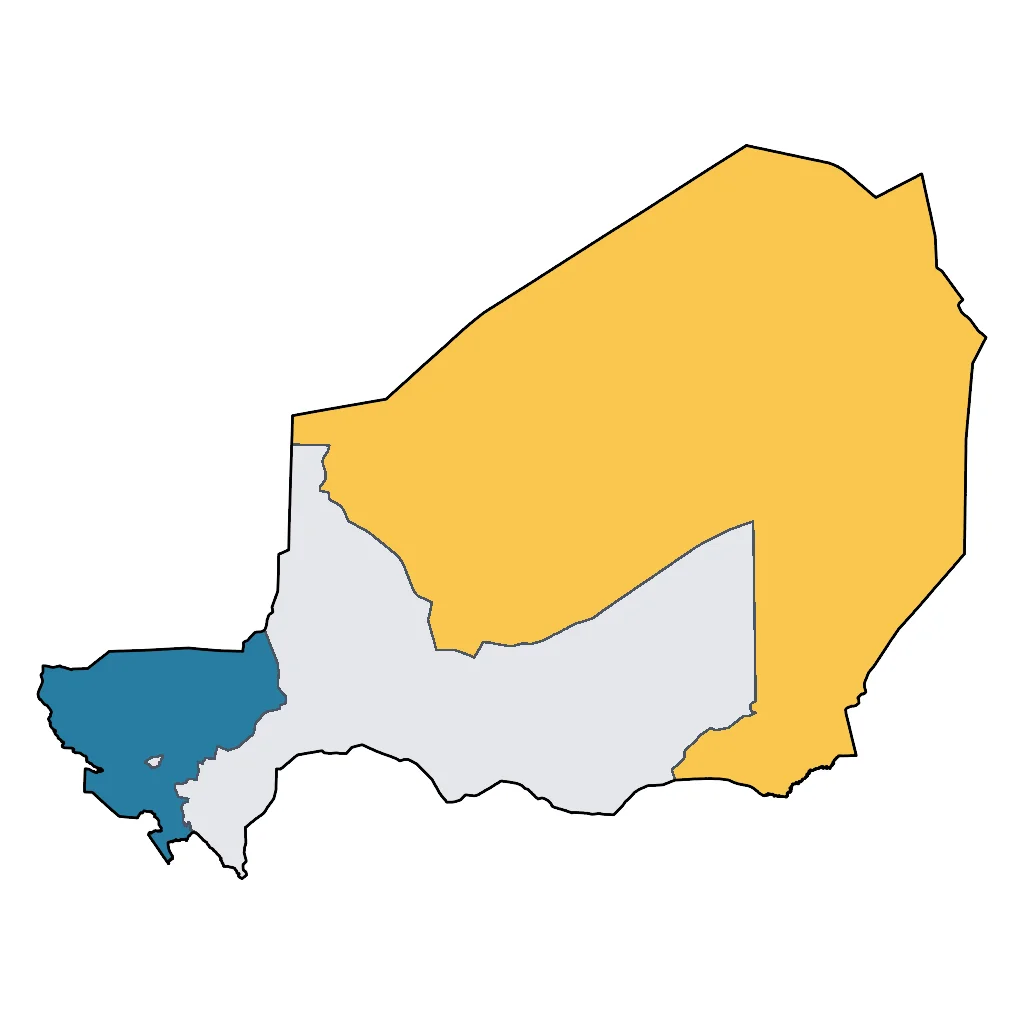
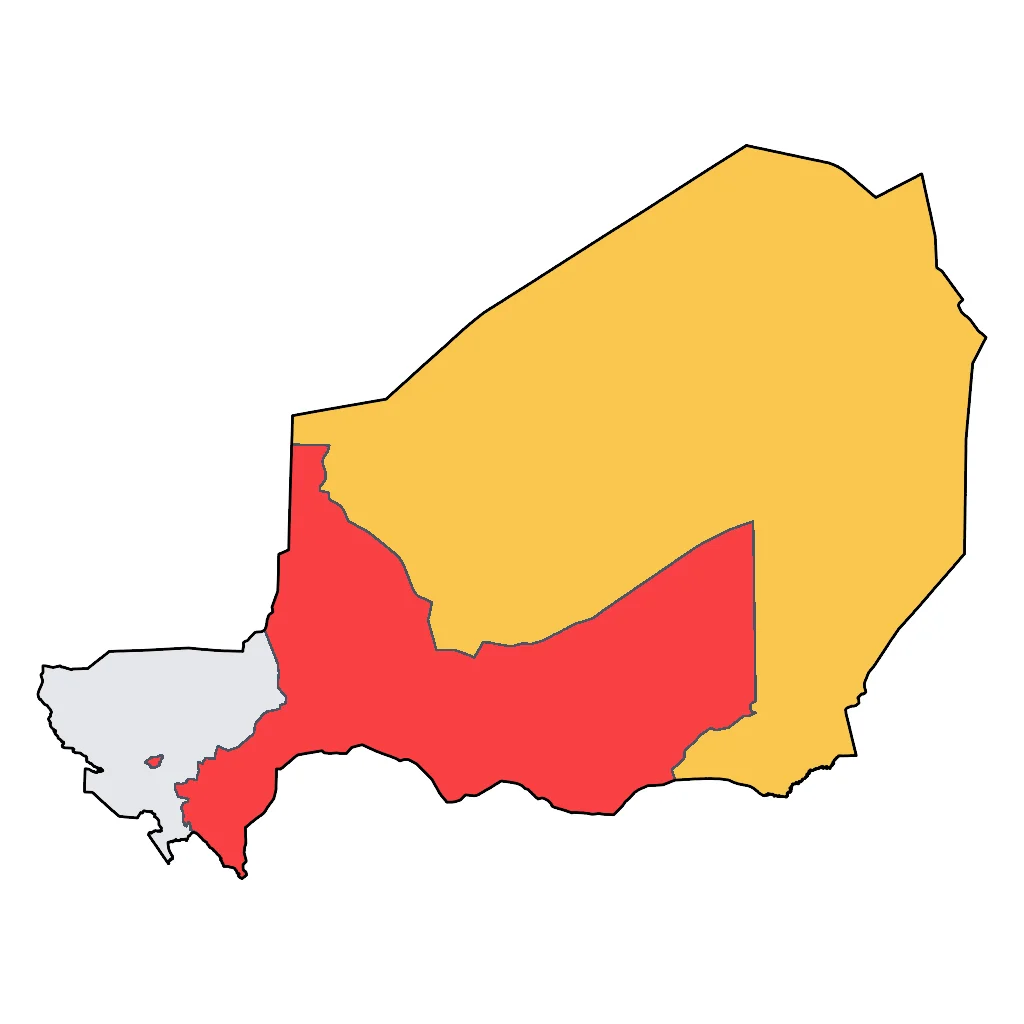
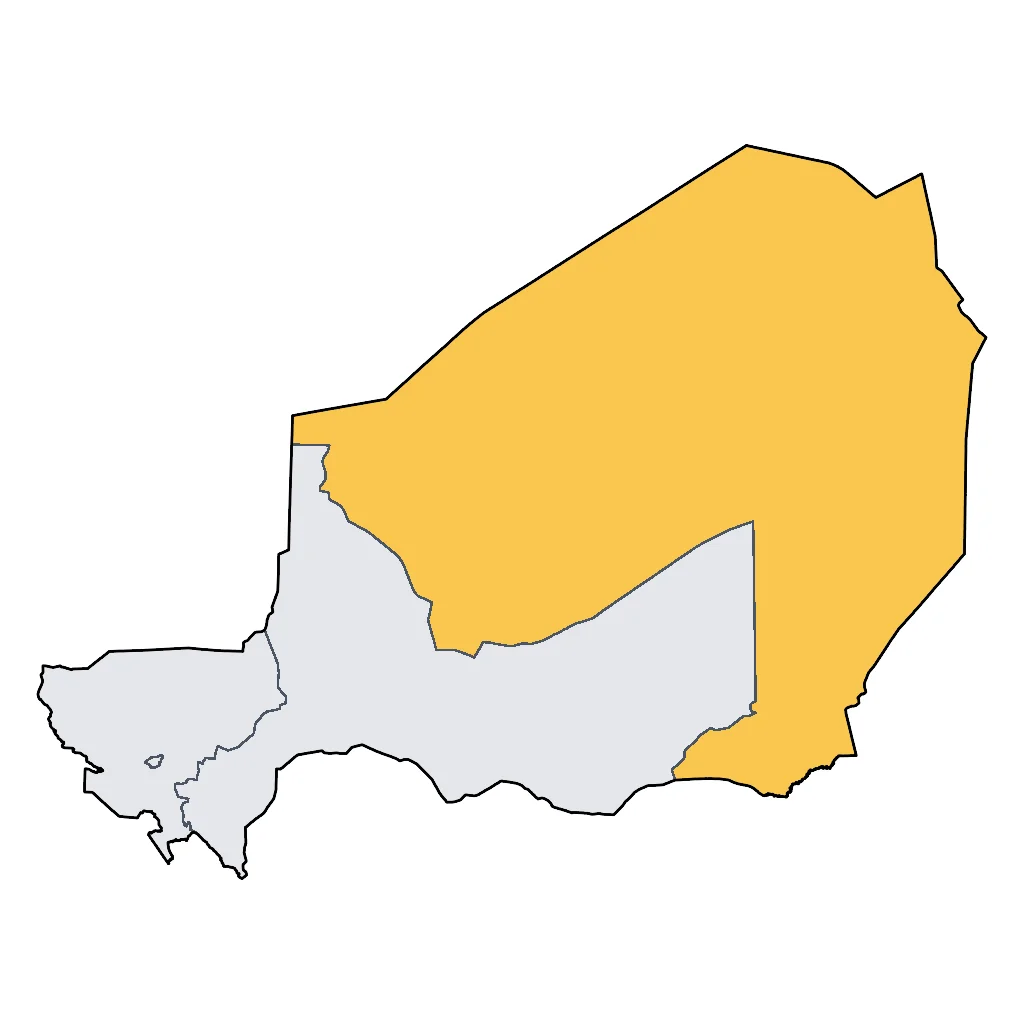
3 Regions
Agadez & Sahara
Ancient desert crossroads and dramatic mountain peaks 🏜️
Niamey & South
River culture, rare giraffes, and historic sultanates 🦒
W National Park
A wild river sanctuary for West African wildlife 🦁
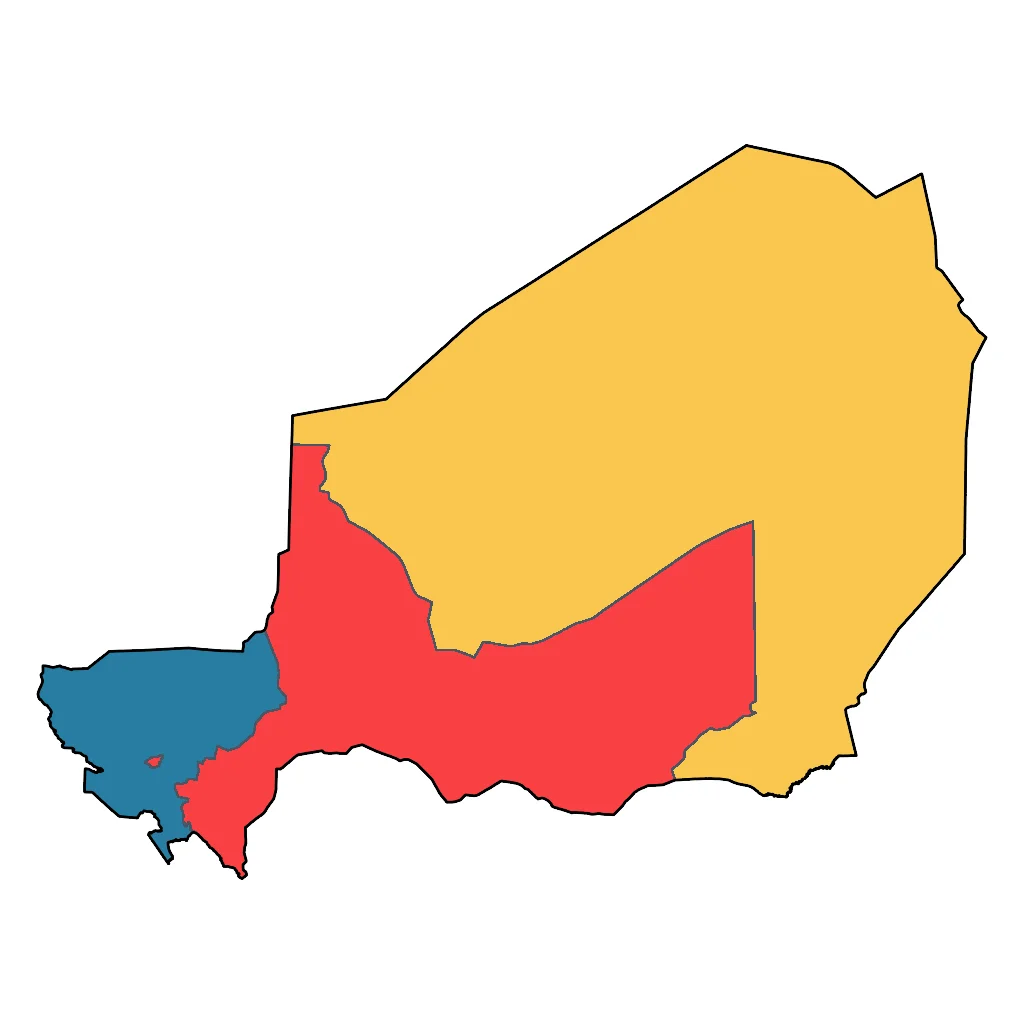
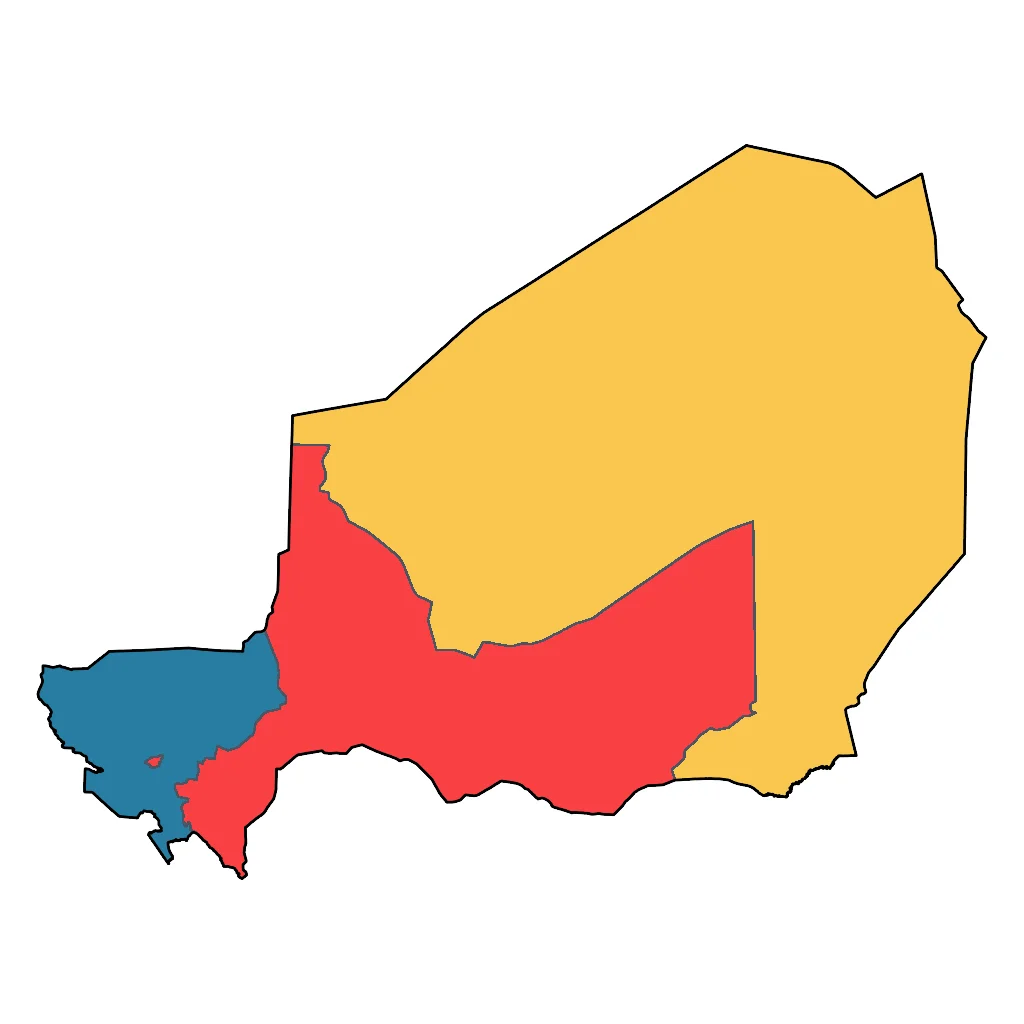
Click on a region marker to explore details. Use the dropdown to color regions by activity suitability.

Activities & Best Times

Adventure & Nature
Very GoodHiking, wildlife, outdoor exploration, ecotourism
This UNESCO-listed transborder reserve offers a rare, authentic West African safari experience with significant populations of elephants, lions, and diverse birdlife. Peak months provide dry conditions and manageable temperatures for wildlife viewing; the off-season is defined by extreme Saharan heat exceeding 40°C or heavy monsoon rains that make tracks impassable.
While the Ténéré Desert and Aïr Mountains are world-class desert landscapes, 'excellent' implies a viable top-tier global destination. Persistent security concerns and extremely limited tourism infrastructure prevent the region from delivering an excellent adventure experience in practice. The natural assets are outstanding but accessibility constraints cap the rating at very_good.
The last wild giraffe herds in West Africa are a remarkable asset, but 'very_good' implies reliable, well-organized nature tourism. Limited infrastructure, few organized tours, and no editorial attraction evidence supporting this region reduce the practical rating to 'good'.

Educational & Exploratory
Very GoodLearning experiences, scientific sites, historical education
Agadez serves as a living museum of trans-Saharan trade and Tuareg culture, with nearby archaeological and paleontological sites offering profound learning opportunities. Optimal conditions for guided historical tours occur from November to February, while extreme weather in the off-months limits access to remote sites.
The park provides a world-class case study in Sahelian biodiversity and transborder conservation efforts within its unique Biosphere Reserve. Optimal visiting conditions for learning expeditions occur during the cooler dry season, while extreme temperatures and seasonal flooding significantly limit accessibility and outdoor educational programs during other months.
The region provides significant learning opportunities regarding giraffe conservation and Saharan archaeology, specifically at the Boubou Hama National Museum. The cooler dry season is essential for exploring the outdoor museum pavilions and active conservation sites without the risk of heat exhaustion.

Road Trips & Scenic
Very GoodScenic drives, countryside tours, route-based travel
Epic 4x4 expeditions across the vast Ténéré dunes represent one of the world's most dramatic and authentic desert journeys for experienced travelers. The milder winter period (Nov-Feb) is essential for safety and comfort; the period from April to September is avoided due to life-threatening heat and frequent sandstorms.
Scenic routes to Zinder offer glimpses of rural life and diverse landscapes, though security concerns and infrastructure quality limit its appeal to only the most experienced travelers. Travel is only viable in the cooler months; heavy rains can impact road accessibility during the shoulder season.

Sports & Active
GoodSport tourism, fitness activities, active recreation
Authentic active experiences include guided bush walks and boat safaris on the Niger River to view hippos and crocodiles. December and January are peak for physical activities due to milder temperatures (15-28°C), while extreme heat in spring and heavy rains in summer significantly limit safe outdoor exertion.
The rugged terrain of the Aïr Mountains provides exceptional opportunities for trekking and camel-supported expeditions through pristine environments. Physical exertion is best enjoyed during the cooler winter window (Nov-Feb), as the extreme Saharan heat of the summer makes active recreation unsuitable for children.

City & Cultural
GoodUrban tourism, museums, historical sites, architecture
Niamey offers a deep dive into Sahelian life through its vibrant Grand Marché and the National Museum, which features world-class paleontological and ethnographic exhibits. The experience is highly authentic for experienced travelers, though peak comfort is strictly limited to the coolest winter months before the intense Saharan heat and dust (Harmattan) or summer rains arrive.
Agadez has genuine UNESCO-listed mud-brick heritage, but 'very_good' internationally calibrated implies cultural infrastructure and visitor experience comparable to well-established heritage cities. Limited museums, guides, and accommodation reduce the practical cultural tourism experience to 'good'.

Festivals & Seasonal
GoodEvents, celebrations, seasonal attractions
Authentic Tuareg gatherings such as the Cure Salée offer spectacular cultural immersion, featuring traditional music and camel races. While September is the peak for these specific events, the intense heat requires careful planning for families accustomed to international luxury standards.
Occasional nomadic gatherings and the end of the rainy season (Cure Salée period) offer glimpses of unique Wodaabe and Tuareg cultures. While culturally world-class, the logistics for families are complex, and the timing is restricted to the transition period between the rains and the dry heat.

Relaxation & Wellness
UnsuitableSpa retreats, wellness centers, peaceful getaways
Airports & Flight Routes
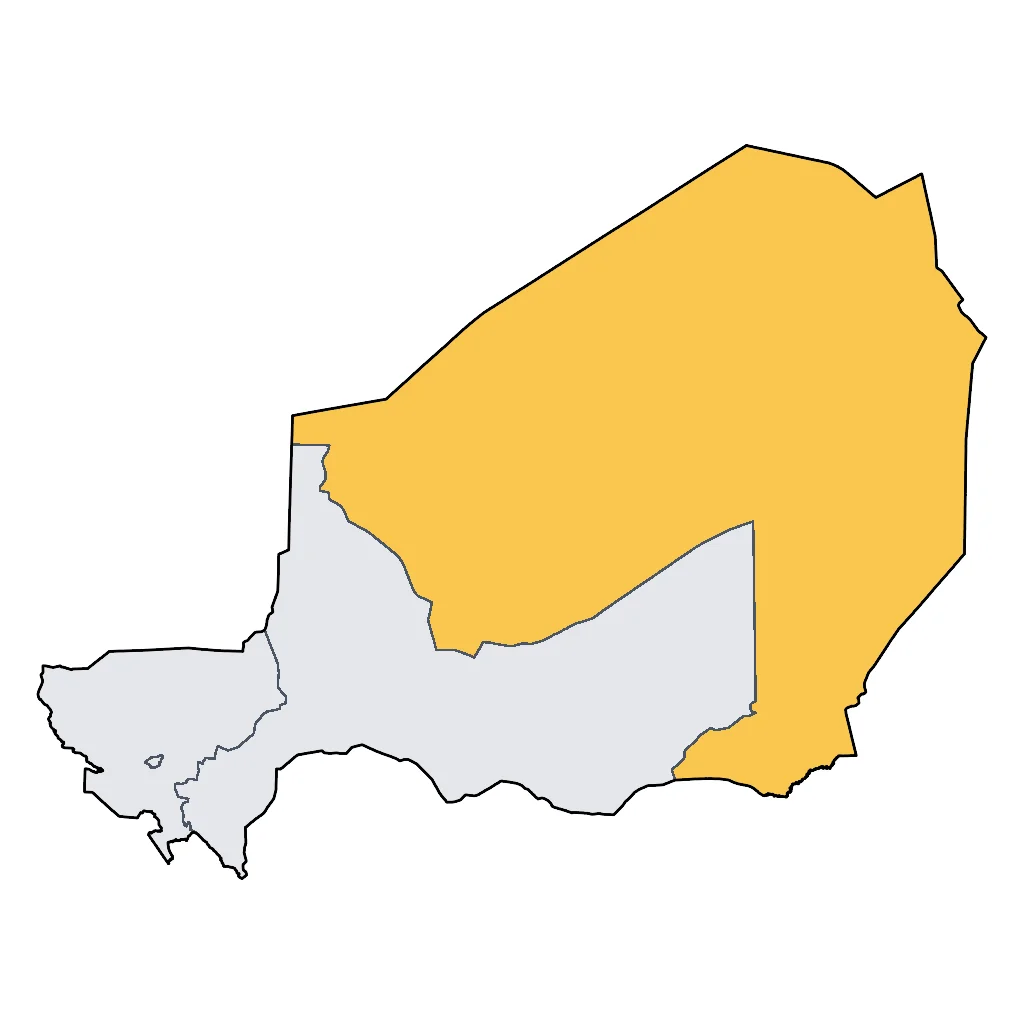
Toggle options to view domestic routes and international airports. Click an airport for details.
Climate & Weather
Agadez & Sahara
Show Details
| Month | Temp °C | Rain | Humidity |
|---|
Niamey & South
Show Details
| Month | Temp °C | Rain | Humidity |
|---|
W National Park
Show Details
| Month | Temp °C | Rain | Humidity |
|---|

Travel Advisory
Total consensus across all major agencies advises avoiding the country entirely due to extreme security risks, including terrorism, kidnapping, and political instability.
Safety Topics
Traveller Advice (4 groups)

Same-sex relationships are not legally recognized and may lead to social or legal repercussions given the conservative local laws and cultural norms.

Women should follow local customs by dressing modestly. Avoid traveling alone, particularly after dark, due to heightened risks of harassment and assault.

Humanitarian staff have been frequently targeted in kidnapping and violent attacks by extremist groups in border regions. Exercise extreme operational security.

Reporting and documentation in the current political climate can be dangerous and may lead to detention or seizure of equipment by military authorities.