

W National Park
A wild river sanctuary for West African wildlife 🦁
⚠️ SAFETY WARNING: Due to intense militant activity and a high risk of kidnapping and armed attack, government agencies (including CA, USA, UK, AU, IE, and NZ) advise travelers to avoid all travel to W National Park and the surrounding Tillabéri region. The park is effectively closed to tourism as it sits in a dangerous tri-border conflict zone. Families are strongly urged to consult their own government's official travel advisory before considering a trip, as circumstances and risk assessments vary.
W National Park takes its name from the distinctive double-bend of the Niger River, which looks like the letter 'W' when viewed from the air. This massive protected area is part of the transboundary W-Arly-Pendjari (WAP) Complex, a UNESCO World Heritage site shared with Benin and Burkina Faso. It serves as a vital biological bridge between the savanna and the forest, creating a diverse ecosystem that supports a wide variety of flora and fauna. The landscape is a mix of shrubby savannah, gallery forests along the waterways, and rocky outcrops, offering a true wilderness experience in West Africa.
Historically, the park has been a premier destination for wildlife observation in the region. It is home to one of the largest populations of West African elephants, as well as buffalo, roan antelope, and western hartebeest. Predators such as lions, leopards, and cheetahs have historically roamed these plains, while the river itself hosts hippopotamuses and West African manatees. For birdwatching enthusiasts, the park is an ecological treasure trove, with over 350 bird species recorded, including large raptors and migratory waterbirds that flock to the wetlands formed by the river's seasonal floods.
The park's geography is defined by the Niger River and its tributaries, the Tapoa and Mékrou rivers. These water sources are the lifeline of the ecosystem, especially during the scorching dry season when animals congregate near the remaining pools. The terrain varies from floodplains to laterite plateaus, creating scenic viewpoints over the bush. While the park's biodiversity remains a crucial asset for global conservation, the human geography of the area is currently defined by its location in a volatile border zone, rendering its natural beauty inaccessible to casual visitors and family groups for the foreseeable future.
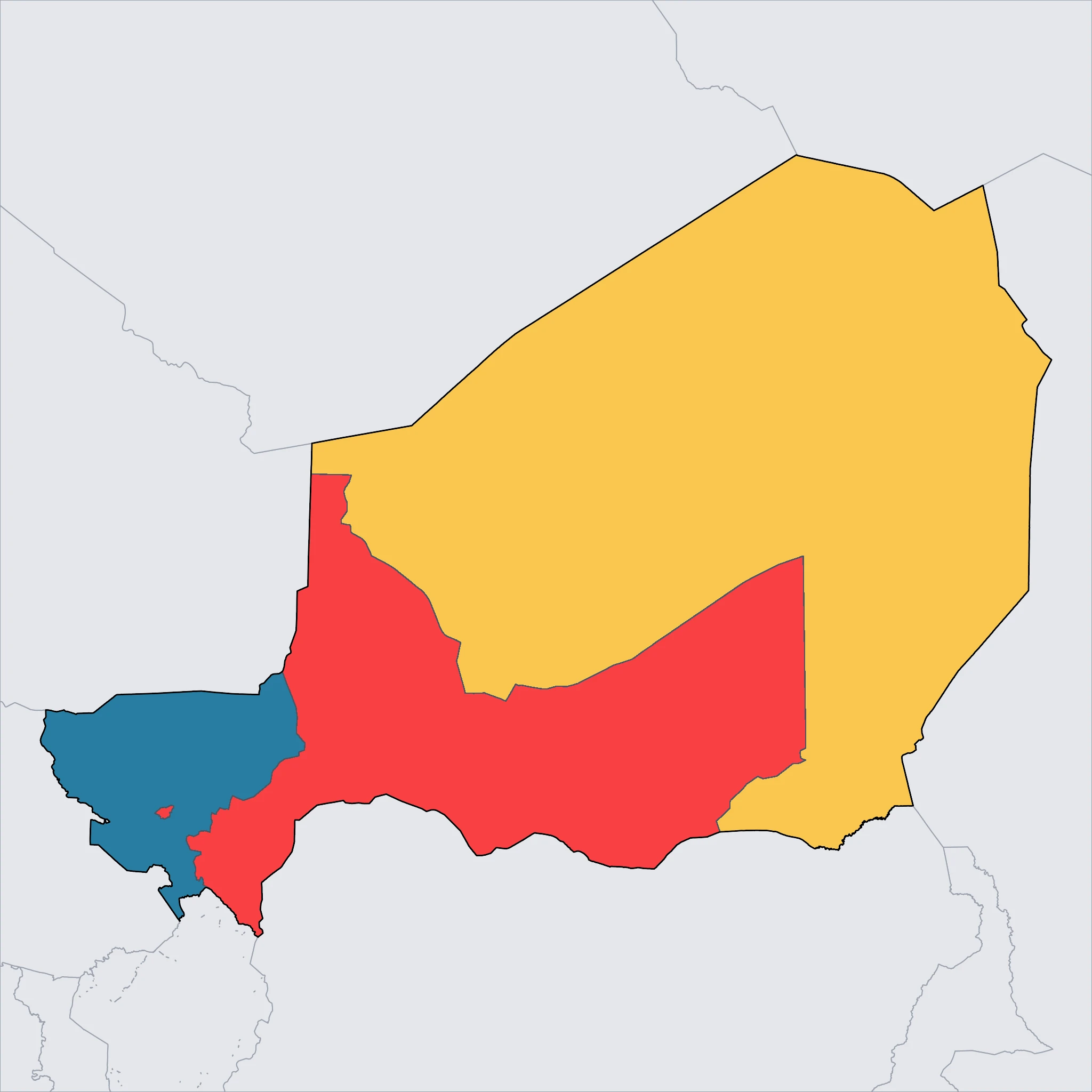
Click a region to explore

Activities & Best Times

Hiking, wildlife, outdoor exploration, ecotourism
This UNESCO-listed transborder reserve offers a rare, authentic West African safari experience with significant populations of elephants, lions, and diverse birdlife. Peak months provide dry conditions and manageable temperatures for wildlife viewing; the off-season is defined by extreme Saharan heat exceeding 40°C or heavy monsoon rains that make tracks impassable.

Learning experiences, scientific sites, historical education
The park provides a world-class case study in Sahelian biodiversity and transborder conservation efforts within its unique Biosphere Reserve. Optimal visiting conditions for learning expeditions occur during the cooler dry season, while extreme temperatures and seasonal flooding significantly limit accessibility and outdoor educational programs during other months.

Sport tourism, fitness activities, active recreation
Authentic active experiences include guided bush walks and boat safaris on the Niger River to view hippos and crocodiles. December and January are peak for physical activities due to milder temperatures (15-28°C), while extreme heat in spring and heavy rains in summer significantly limit safe outdoor exertion.

Attractions (9 total)
National Park / Nature Reserve
The W Meander
Tapoa
The iconic double-bend of the Niger River that provides the park with its unique name and spectacular landscape views.
W National Park (Niger Section)
Tapoa
A UNESCO World Heritage site known for its diverse West African savanna wildlife including elephants and various bird species.
Visit website →Tapoa Waterfalls
Tapoa
Picturesque seasonal waterfalls located near the park's main entrance, offering a scenic spot for nature photography.
Landmark / Monument / Iconic Urban Attraction
The "W" Meander of the Niger River
Tapoa
The iconic double-bend in the Niger River for which the park is named, offering breathtaking views of the vast West African savanna landscape.
Point Triple
Tapoa
A notable geographical landmark marking the tri-point where the borders of Niger, Benin, and Burkina Faso meet in the heart of the park.
Tapoa Gorges
Tapoa
Scenic sandstone cliffs and seasonal waterfalls on the Tapoa River that provide a dramatic natural landmark and dramatic viewpoints within the park.
Natural Feature / Scenic Site
W National Park (Parc National du W)
Tapoa
A UNESCO World Heritage site offering a classic West African savannah experience with opportunities to see elephants, lions, and hippos.
Tapoa River
Tapoa
A scenic tributary featuring seasonal cascades and rocky pools, serving as a prime location for birdwatching and observing hippos.
Meanders of the Niger River
Tapoa
The iconic double-bend of the Niger River that gives the park its 'W' name and provides dramatic riverine views and wildlife habitats.