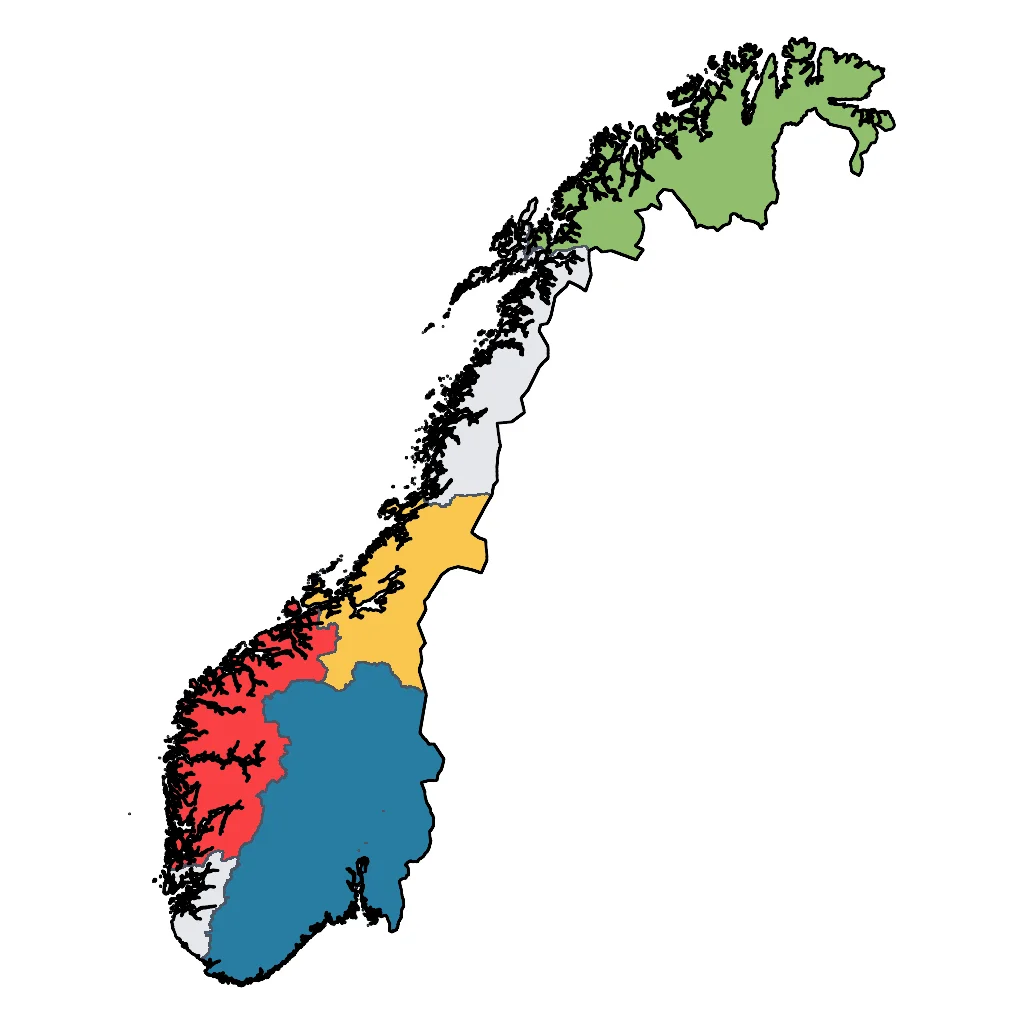

The Lofoten Islands offer a landscape that looks rugged and unforgiving but is surprisingly accessible and welcoming for families. Located north of the Arctic Circle, the archipelago is connected by a series of bridges and tunnels (the E10 scenic route) that makes island-hopping by car straightforward. While the mountains are steep, the coastline is dotted with sheltered bays and flat beaches that rival the Caribbean in appearance, though the water temperature remains refreshingly Arctic.
A highlight for any child is the accommodation itself. Staying in a rorbu (a traditional red fishing cabin) allows families to sleep right above the tide, often with glass floor panels or balconies for spotting fish and crabs. The main town, Svolvær, serves as a base for boat excursions. Fishing trips here are highly successful; children can easily catch cod, which many local captains will help fillet for your dinner. Sea eagle safaris are another safe and exciting way to see wildlife, as the massive birds swoop down near the boats to grab fish.
Cultural history is hands-on at the Lofotr Viking Museum in Borg. Built on the site of an ancient chieftain's house, the museum offers a fully reconstructed longhouse where families can smell the woodsmoke, taste Viking soup, and even row a replica Viking ship on the lake. It is an immersive experience that engages children far better than traditional glass-case museums.
Nature activities vary by season. In summer, the Midnight Sun means 24 hours of daylight, giving you endless time to explore beaches like Haukland or Ramberg. Parents should bring high-quality sleep masks or blackout blinds, as the constant light can confuse children's sleep schedules. Hiking trails range from steep climbs to gentle coastal walks; the trail to the remote beach at Kvalvika is popular but requires moderate stamina. In winter, the Northern Lights are visible, but the weather can be stormy, so summer is generally the preferred season for family travel here.
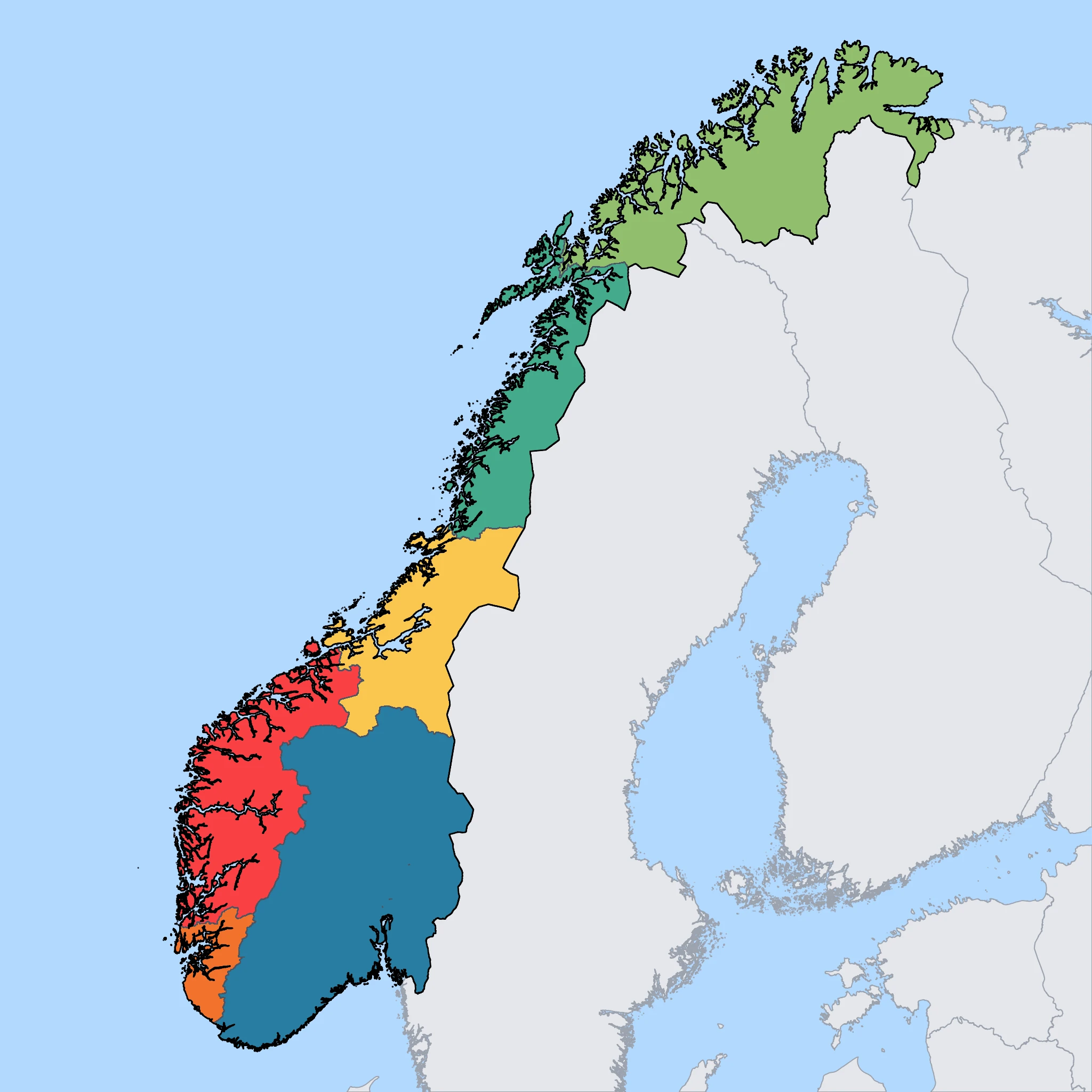
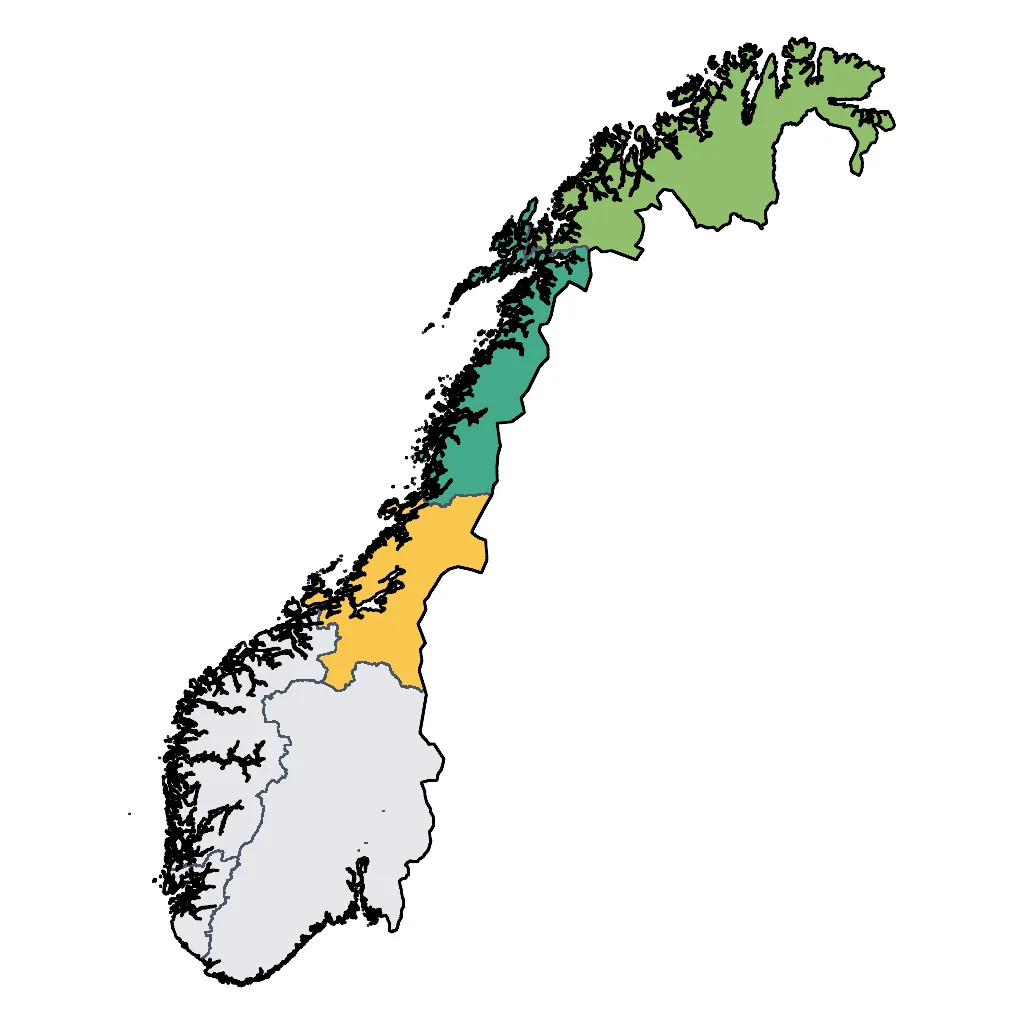
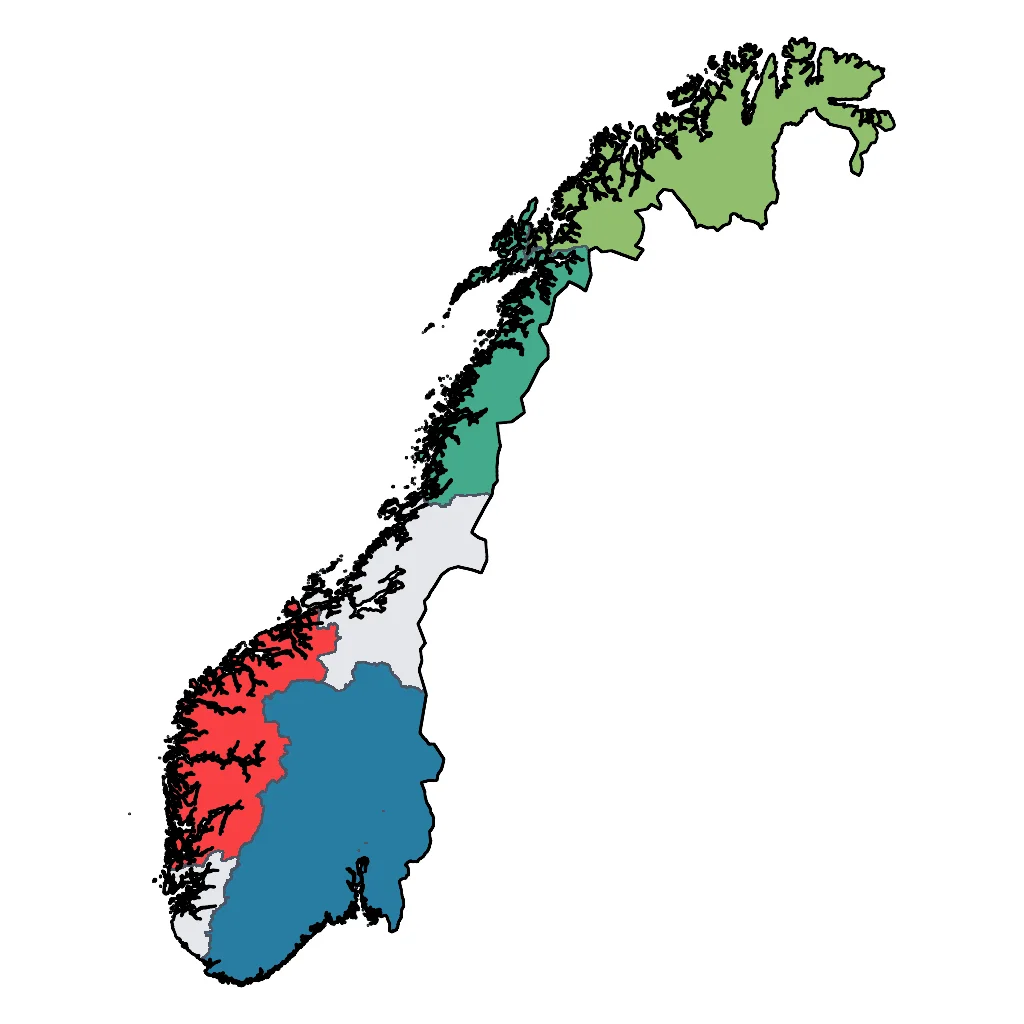
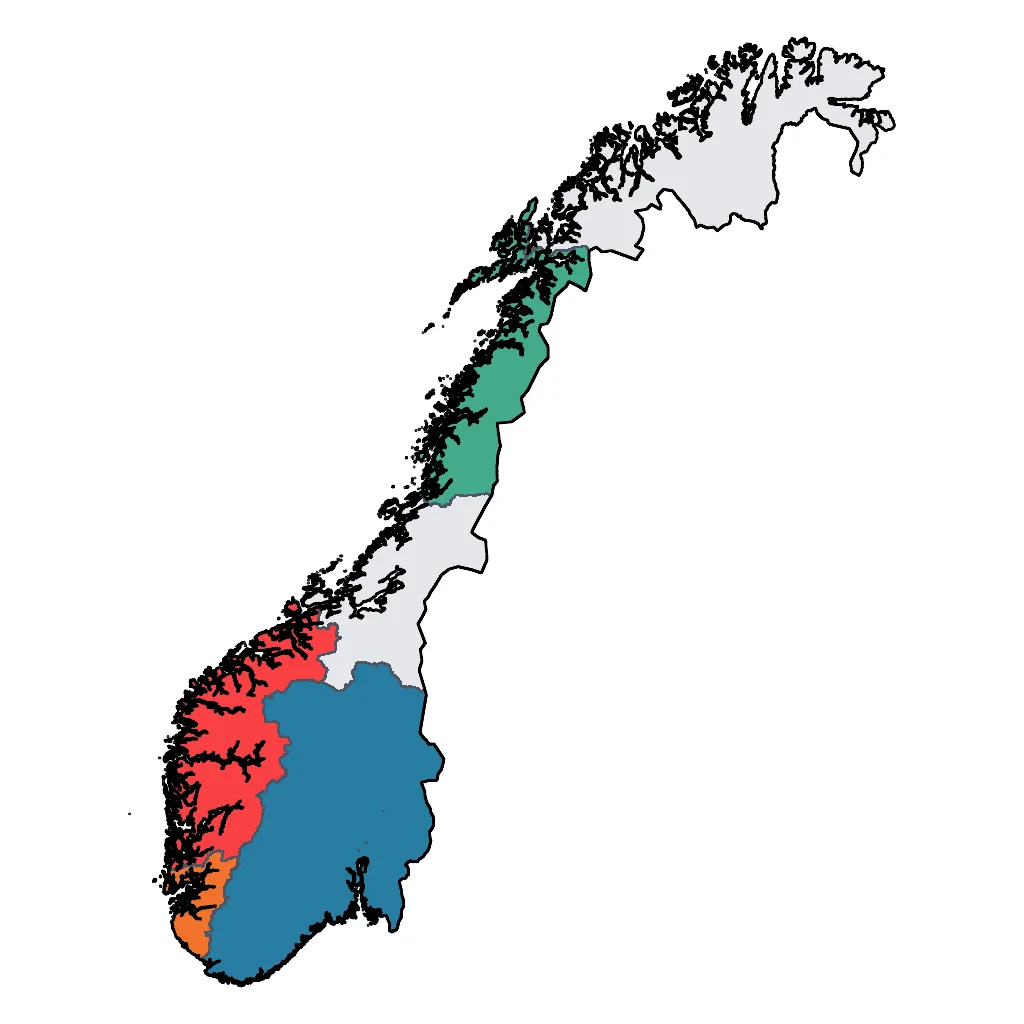
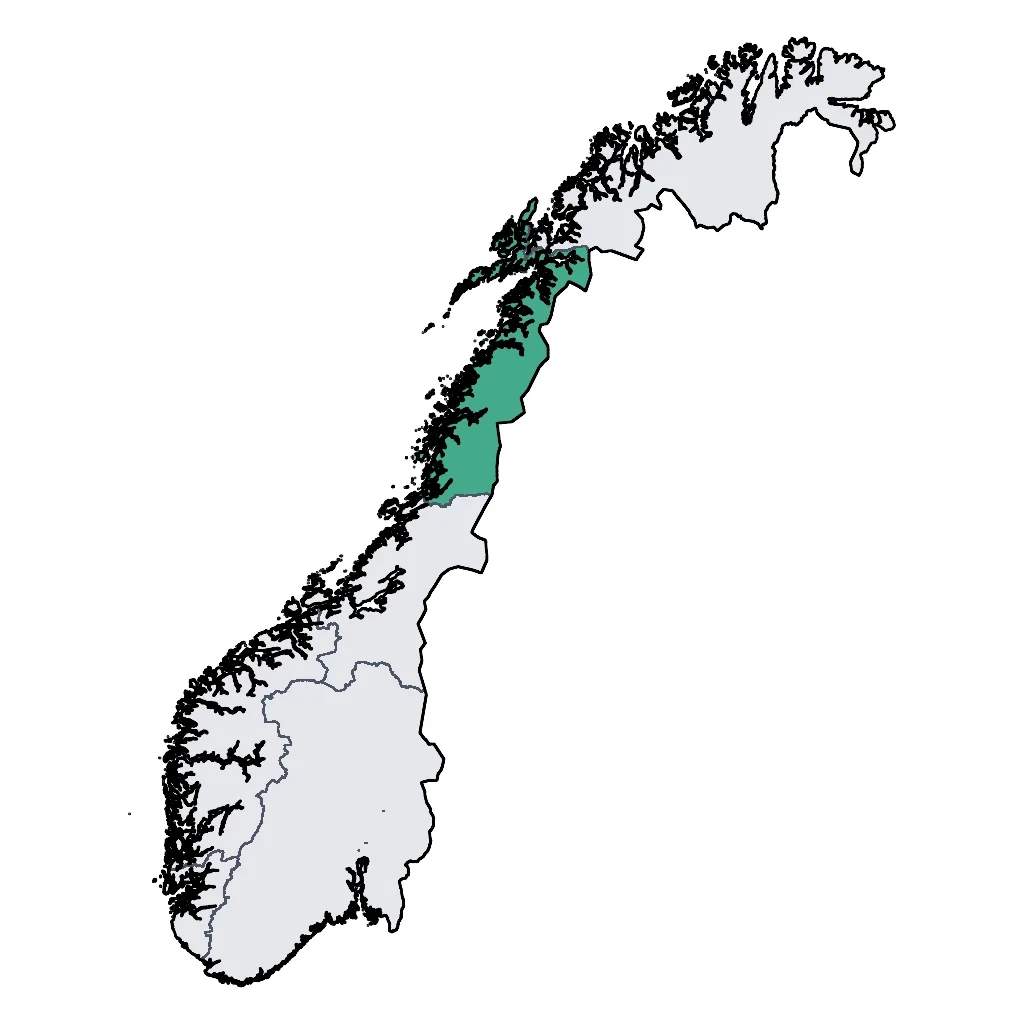
Click a region to explore

Activities & Best Times

Hiking, wildlife, outdoor exploration, ecotourism
Lofoten offers a world-class combination of dramatic peak-to-sea hiking and marine wildlife viewing (eagles, whales) that rivals the world's best wilderness areas. Peak summer months provide the necessary trail access and safety, while extreme precipitation and darkness in winter make high-altitude exploration unsuitable.
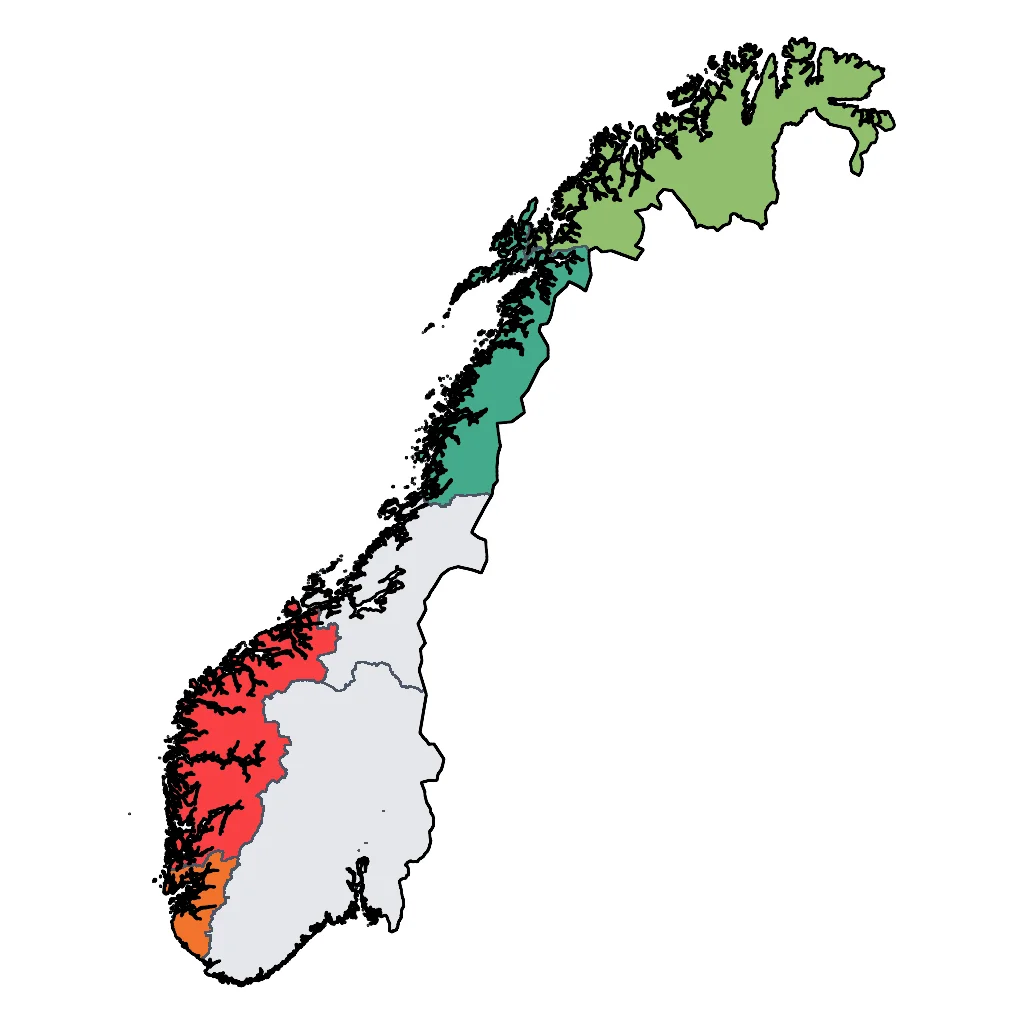

Scenic drives, countryside tours, route-based travel
The E10 national tourist route is an international benchmark for scenic drives, featuring award-winning architecture and bridges connecting iconic fishing villages. Summer months offer 24-hour daylight for exploration; winter months are classified as off-season due to heavy precipitation (240mm+) and dangerous icy coastal road conditions.
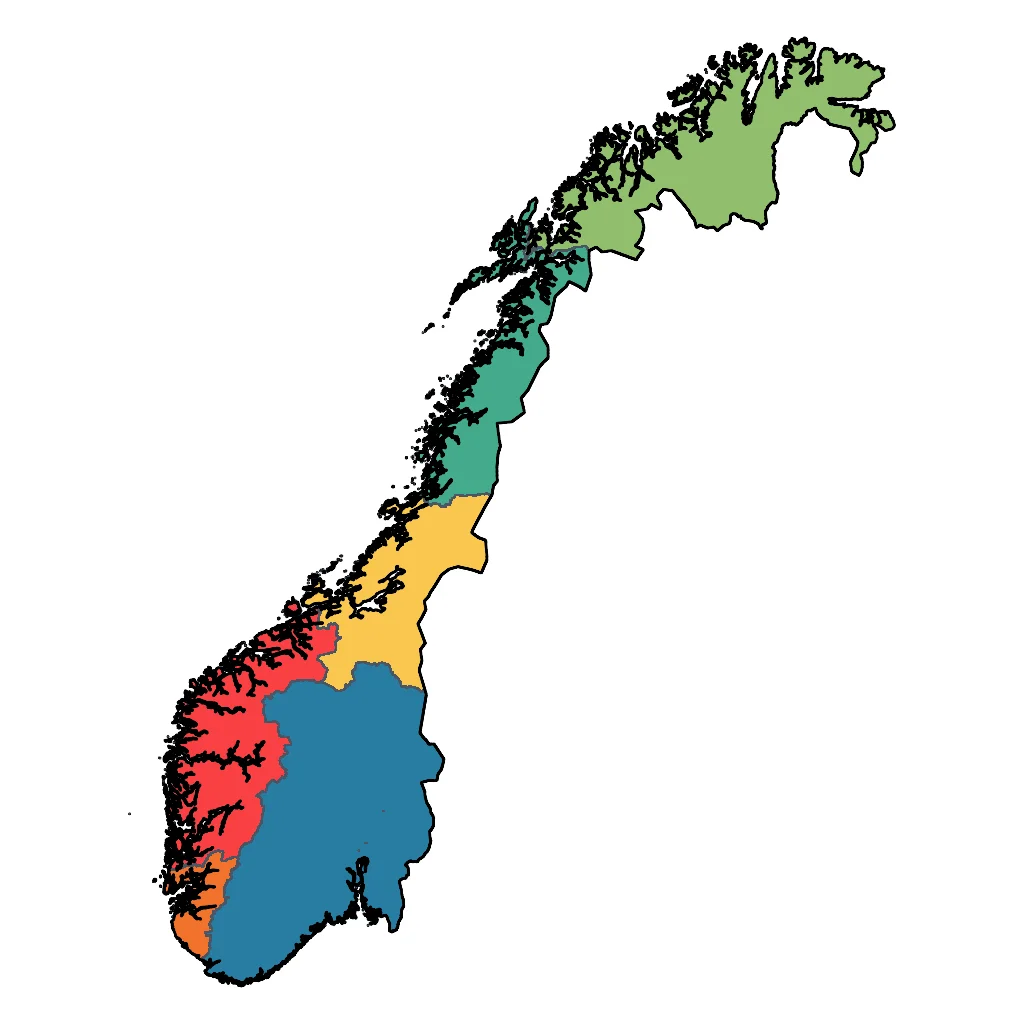

Events, celebrations, seasonal attractions
The 'excellent' rating is primarily justified by the Midnight Sun and Northern Lights, which are natural astronomical phenomena rather than organized festivals or seasonal events. Lofoten's actual festival calendar is modest compared to globally significant festival destinations. Northern Norway (Tromsø) is rated 'very_good' for similar phenomena plus stronger actual festival programming — Lofoten should not exceed it. 'very_good' still honors the profound seasonal experiences.

Winter sports, ski resorts, snow activities
Offers unique 'ski-to-sea' backcountry touring that is globally recognized for its authenticity and aesthetic. March and April are peak as they provide the best snow base and daylight, whereas mid-winter is too dark for safe navigation and summer lacks snow.

Sport tourism, fitness activities, active recreation
World-class sea kayaking and Arctic surfing at Unstad beach appeal to sophisticated, active families. Summer months provide manageable water conditions and optimal light for outdoor sports, while heavy winter storms create conditions suitable only for extreme professional athletes.
Beach resorts, marine activities: diving, snorkelling, kite surfing, wind surfing, sailing
While too cold for traditional swimming, the turquoise waters and white sands of Haukland Beach offer world-class visual beauty and coastal photography. Peak months align with maximum air temperatures (13-15°C), though sophisticated travelers will view this as a scenic rather than a resort destination.

Learning experiences, scientific sites, historical education
The Lofotr Viking Museum and authentic stockfish heritage provide high-quality historical education for families. These cultural sites are most accessible during the warmer, drier months (May-Sept) when interactive outdoor exhibits are fully operational.

Urban tourism, museums, historical sites, architecture
Lacks major urban infrastructure but offers high authenticity in fishing villages like Henningsvær and Reine. Best visited in summer when local art galleries and artisanal workshops are fully open to international visitors.

Spa retreats, wellness centers, peaceful getaways
Authentic Nordic sauna culture and high-end rorbuer (fisherman's cabins) provide a unique 'hygge' relaxation experience. Peak months for this indoor-focused wellness are the dark winter months for atmosphere, though the region lacks the extensive spa infrastructure of world-class wellness hubs.