

Norway is frequently ranked among the best countries for raising children, and this welcoming attitude extends to visiting families. The infrastructure is designed with little ones in mind, featuring dedicated play carriages on long-distance trains, high chairs in most cafes, and stroller ramps in nearly every public building. The atmosphere is relaxed and exceptionally safe, allowing parents to lower their guard and focus on the scenery.
The country's geography is defined by deep fjords, rugged mountains, and a jagged coastline. In Western Norway, families can take the famous Flåm Railway, which winds past thundering waterfalls and steep slopes, offering a visual thrill without the physical exertion of a climb. Ferries act as floating bridges connecting coastal villages, turning necessary transit into an exciting sightseeing activity for children. For active families, approachable hikes like the path to Briksdalsbreen glacier provide manageable challenges with rewarding ice-blue views.
In the capital, Oslo, history comes alive without being dull. The Bygdøy peninsula is a highlight, housing the Fram Museum where kids can board a real polar exploration ship and simulate freezing temperatures. Nearby, the Norwegian Museum of Cultural History (Norsk Folkemuseum) is an open-air expansive space where children can run between historic log cabins, see farm animals, and watch traditional flatbread baking. The city is compact and walkable, with the vast Vigeland Park offering unique sculptures and ample green space for energetic play.
Heading north to Tromsø or the Lofoten Islands introduces a different environment. In winter, families can experience dog sledding and look for the Northern Lights, though the extreme cold and limited daylight require serious thermal clothing. In summer, the Midnight Sun provides 24 hours of daylight. This allows for late-night kayaking or exploring tide pools, though parents should ensure their accommodation has effective blackout curtains to maintain sleep schedules.
Practical considerations are vital for a successful Norwegian trip. It is one of the most expensive destinations in Europe. To manage costs, many families choose to rent cabins (hytter) with kitchens and shop at discount supermarkets like Rema 1000 or Kiwi. Dining out is a luxury, but gas station hot dogs (pølse) are a popular, affordable, and surprisingly tasty snack found everywhere. The weather is unpredictable regardless of the season; waterproof layers, wool base layers, and sturdy walking shoes are non-negotiable items for every family member.
Explore Regions
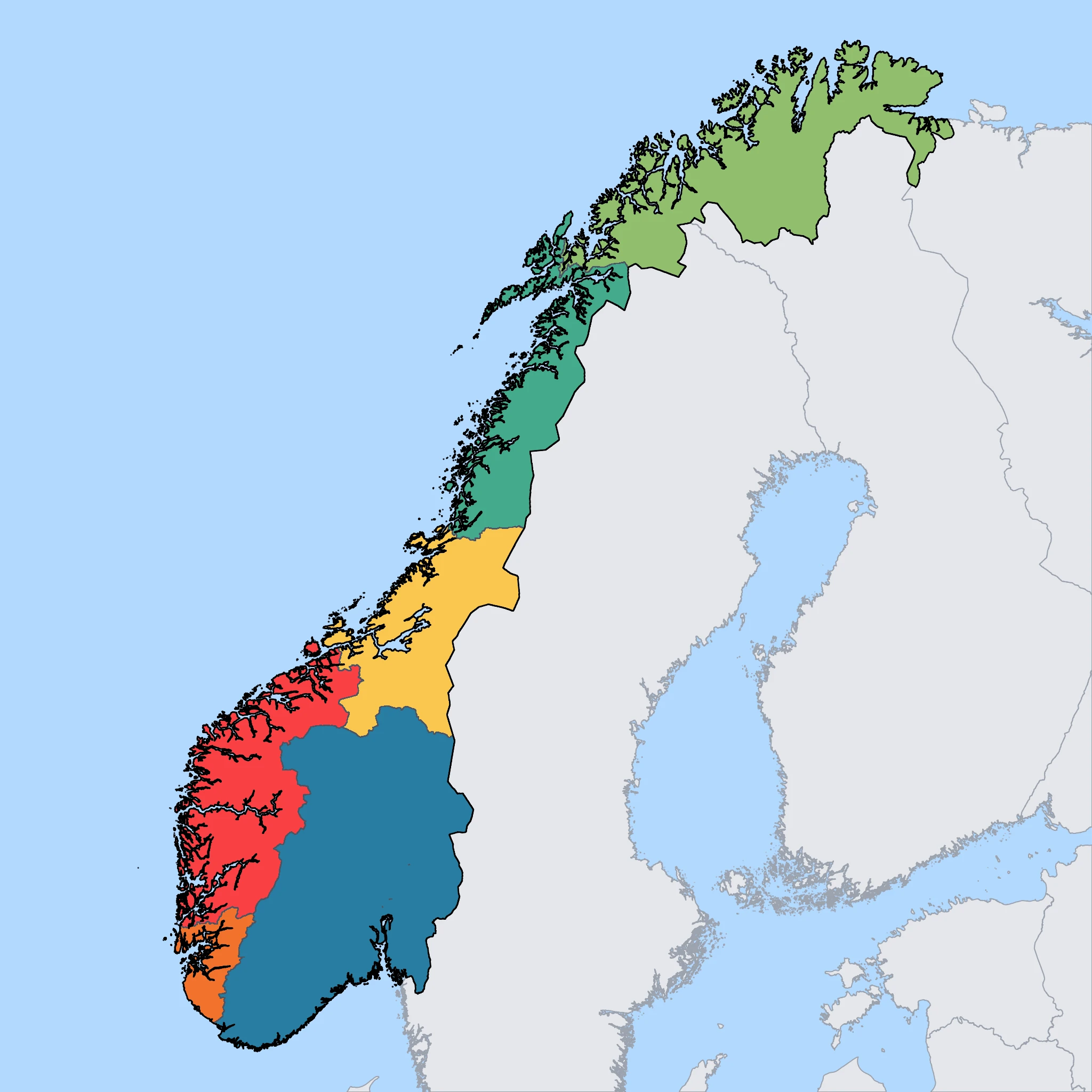
6 Regions
Bergen & Fjords (Sognefjord, Hardangerfjord, Geirangerfjord)
Fjord adventures and colourful history 🚢⛰️
Lofoten Islands
Arctic islands of peaks and viking legends 🐟🏔️
Northern Norway (Tromsø, North Cape)
Reindeer sleds and midnight sun magic 🦌🌌
Oslo & Eastern Norway
Urban discovery meets forest fun 🏙️🌲
Stavanger & Lysefjord (Preikestolen)
Cliffs, cruises, and sandy beaches 🏖️⚓
Trondheim & Central Norway
Viking kings and wild musk oxen 👑🐂
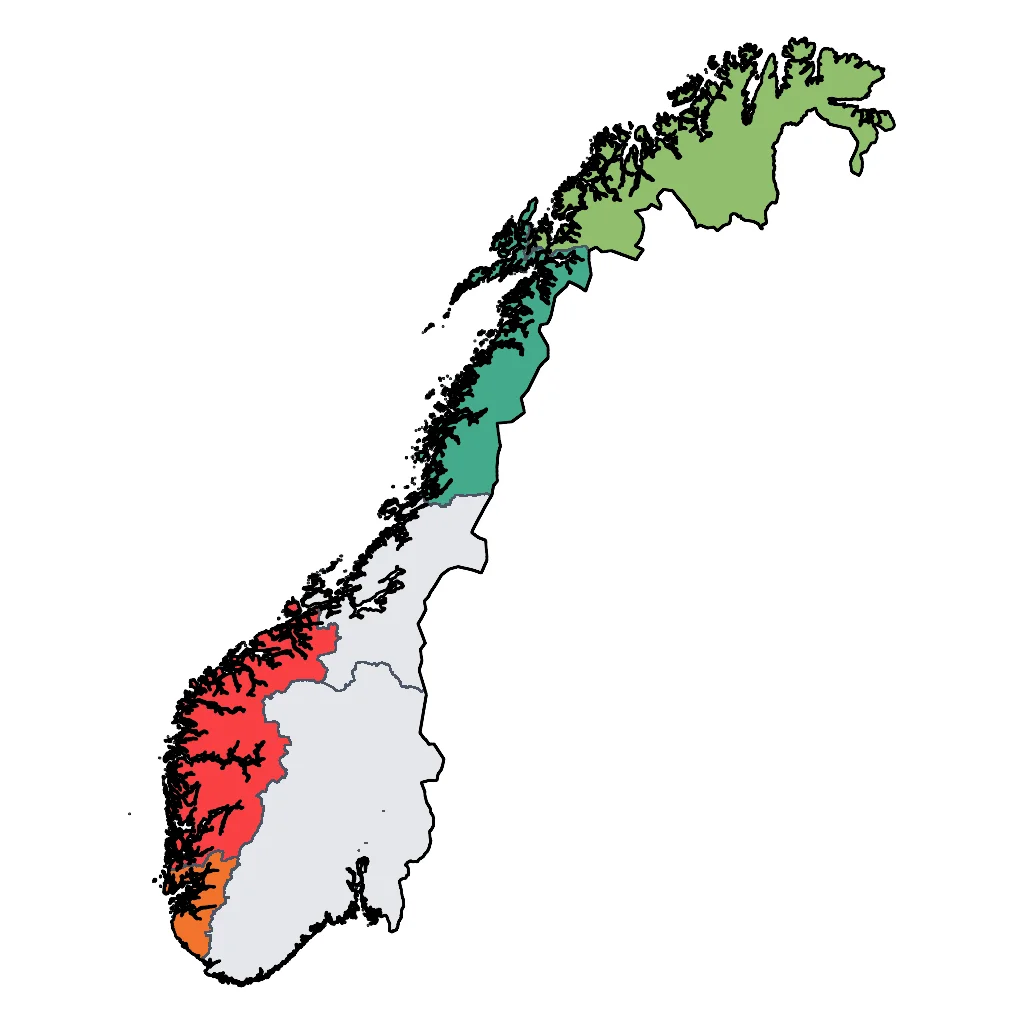
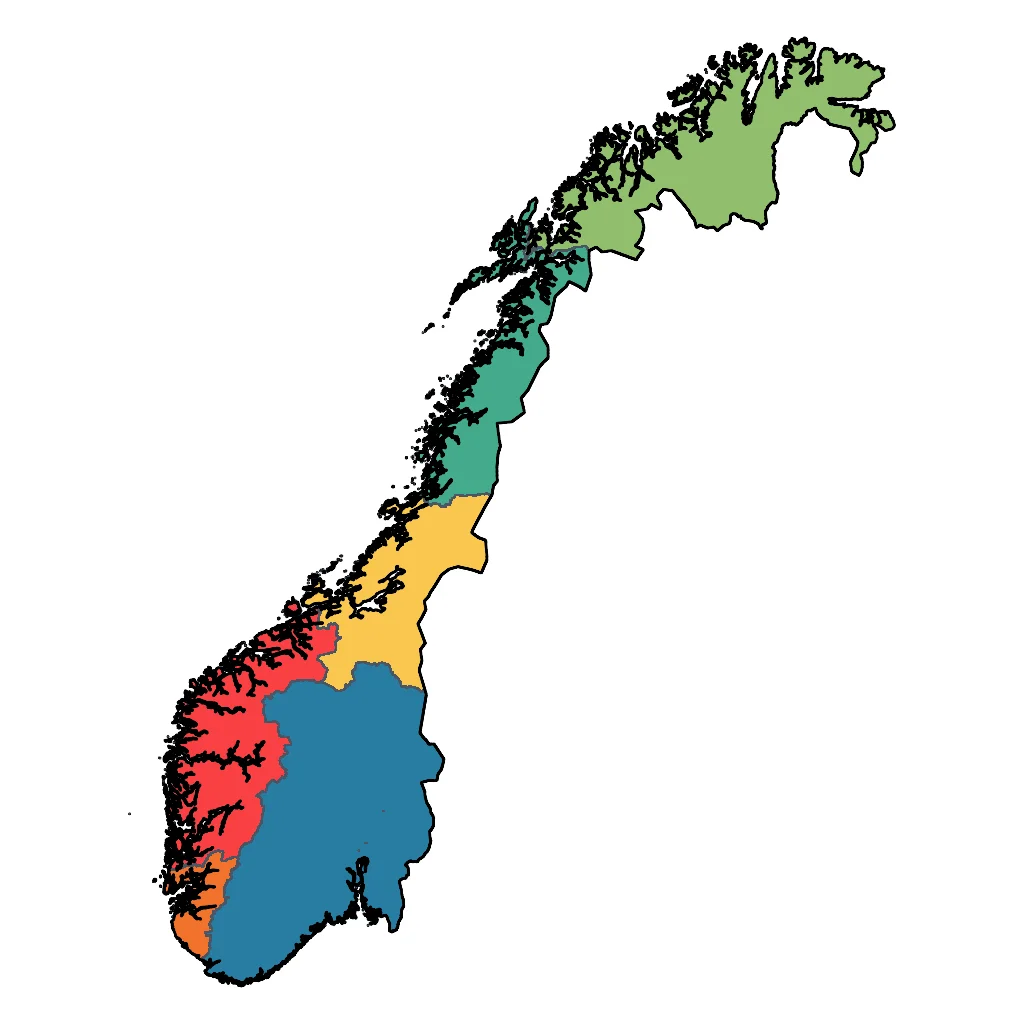
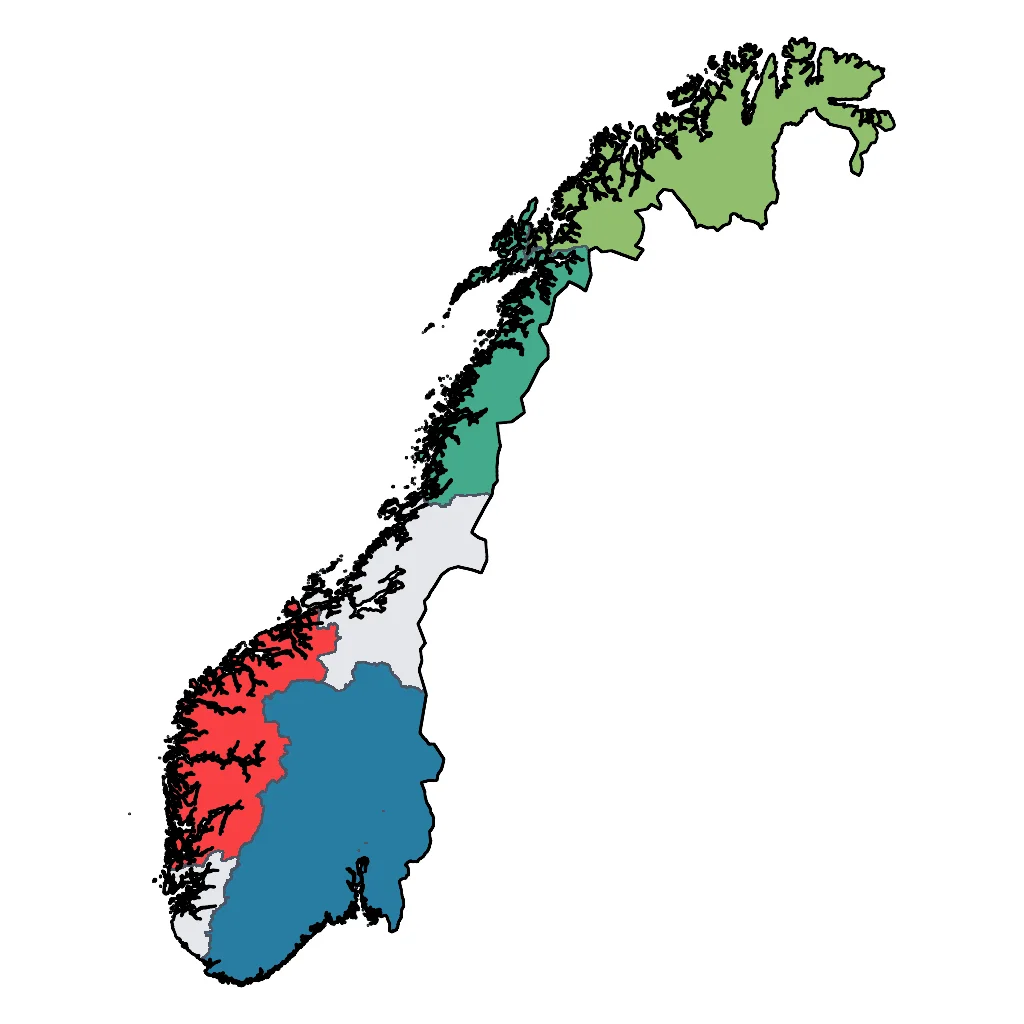
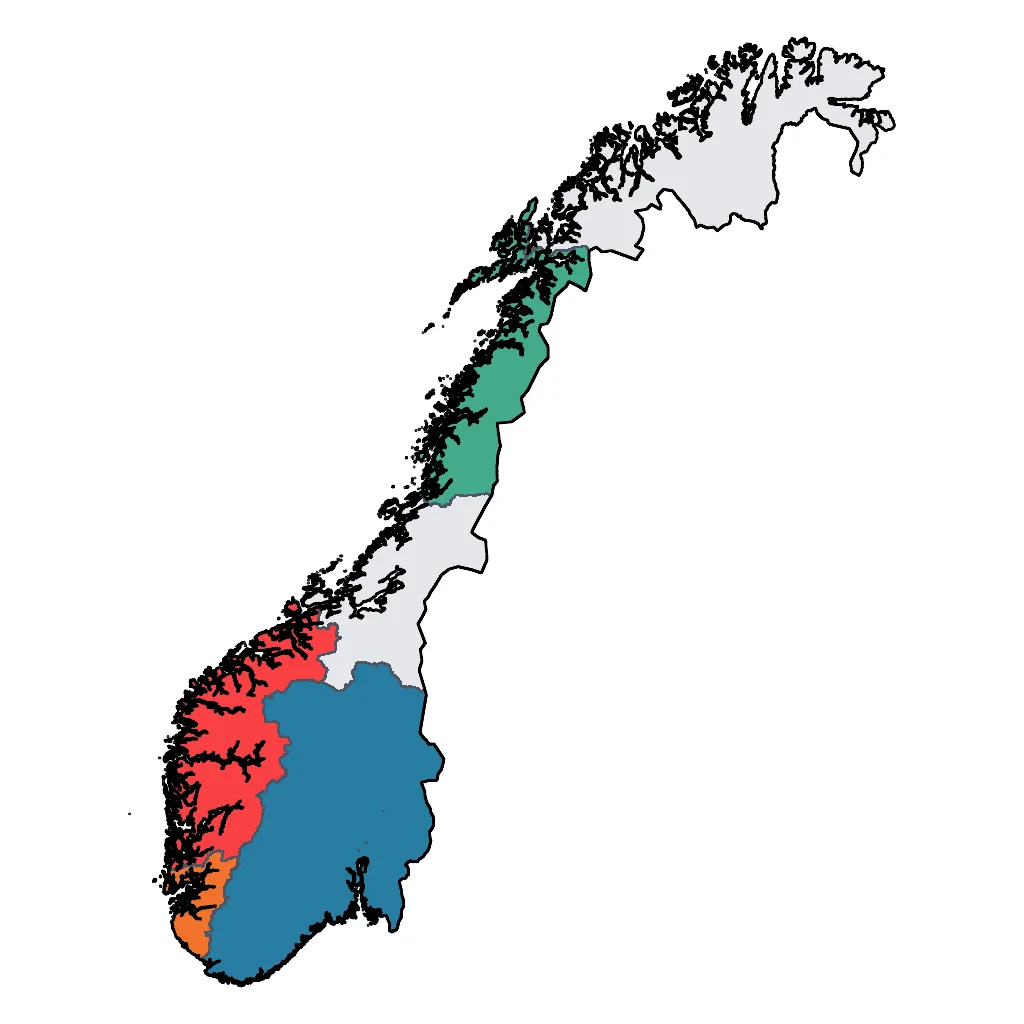
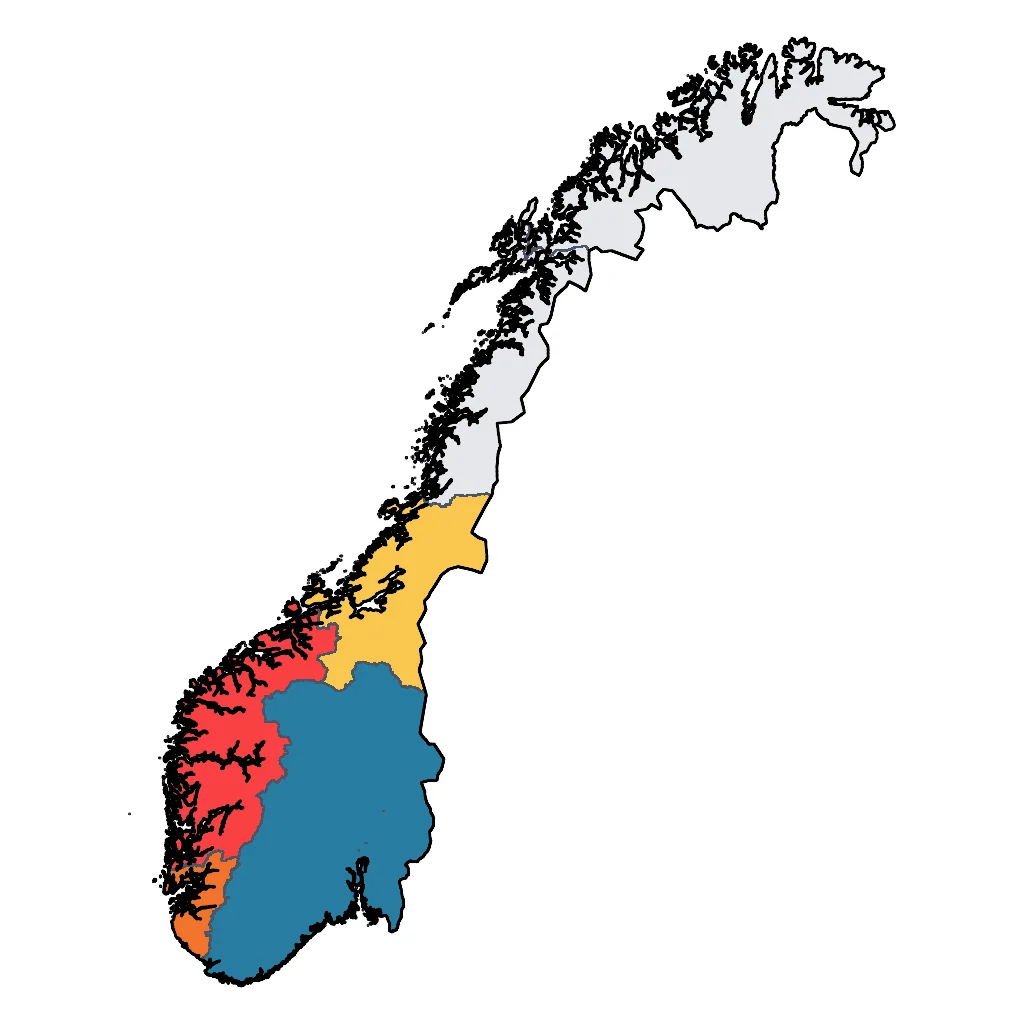
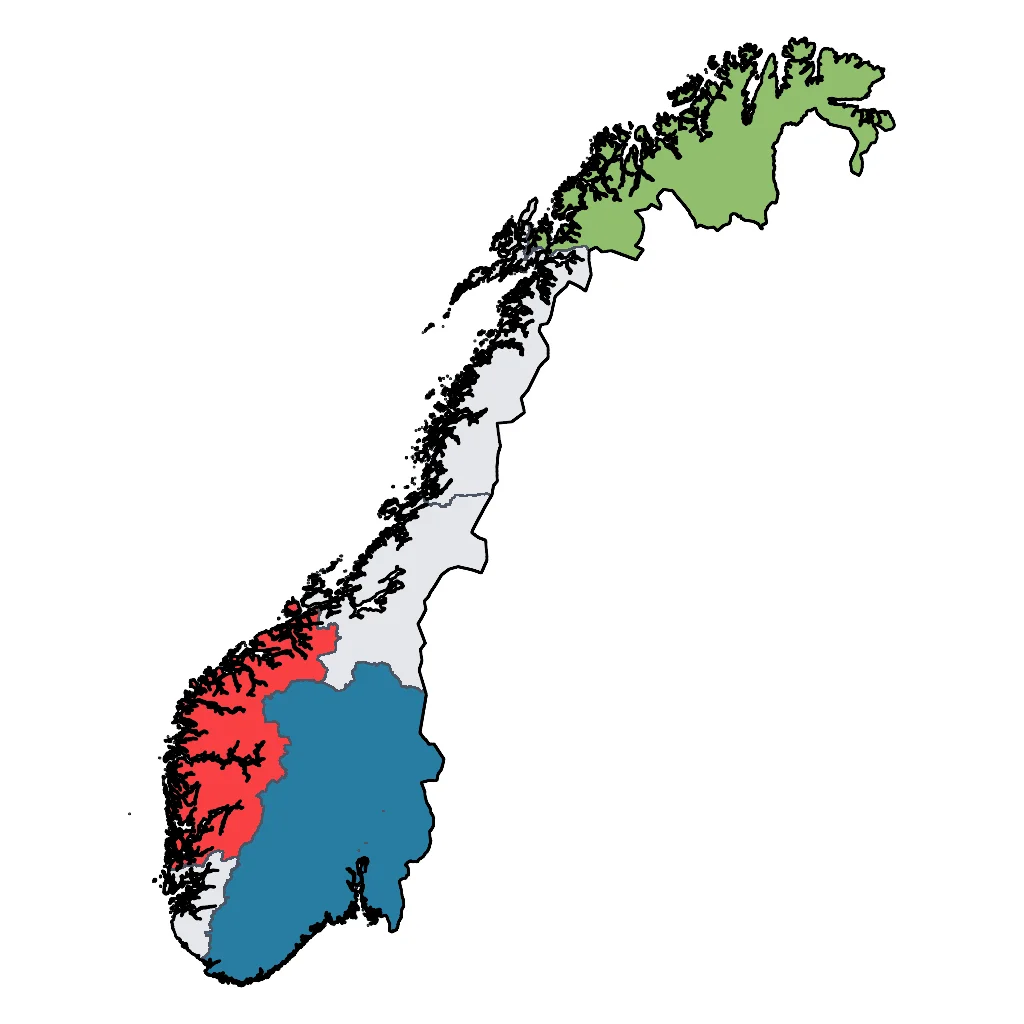
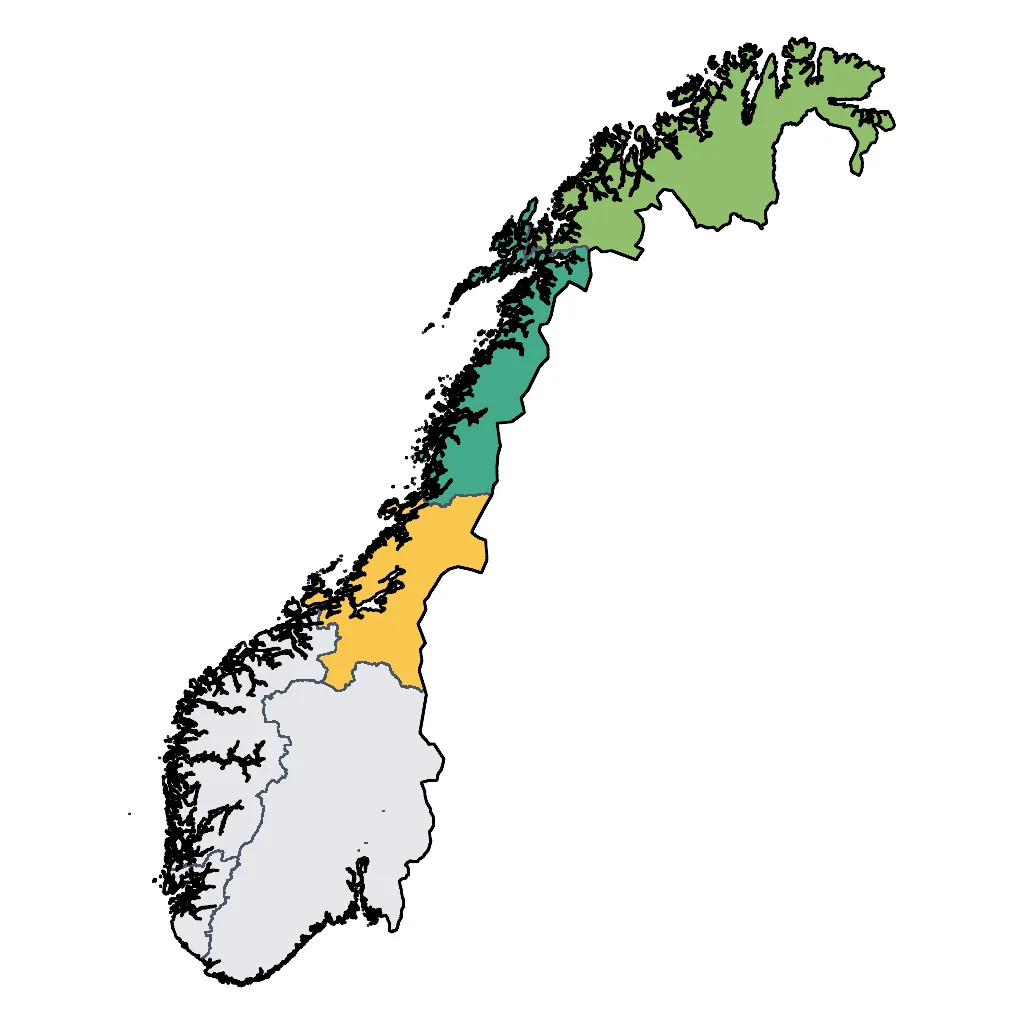
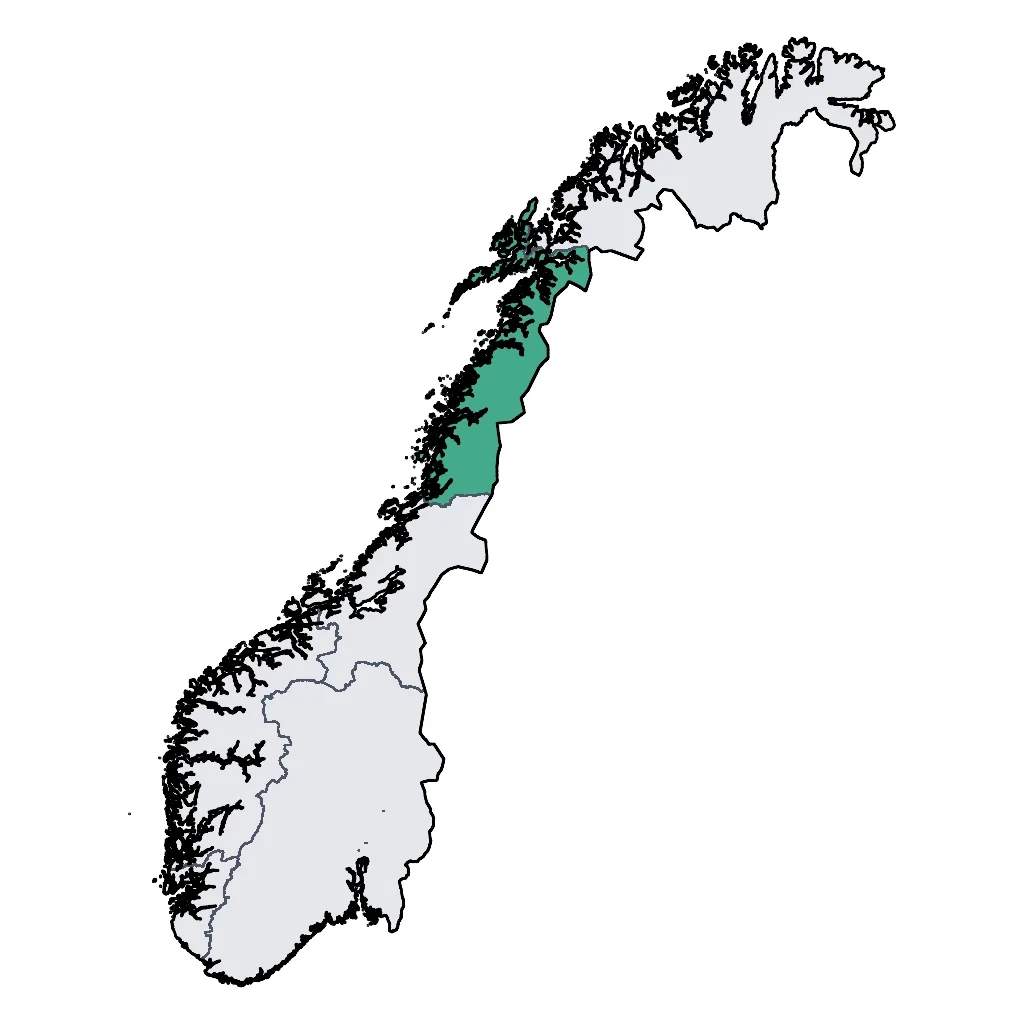
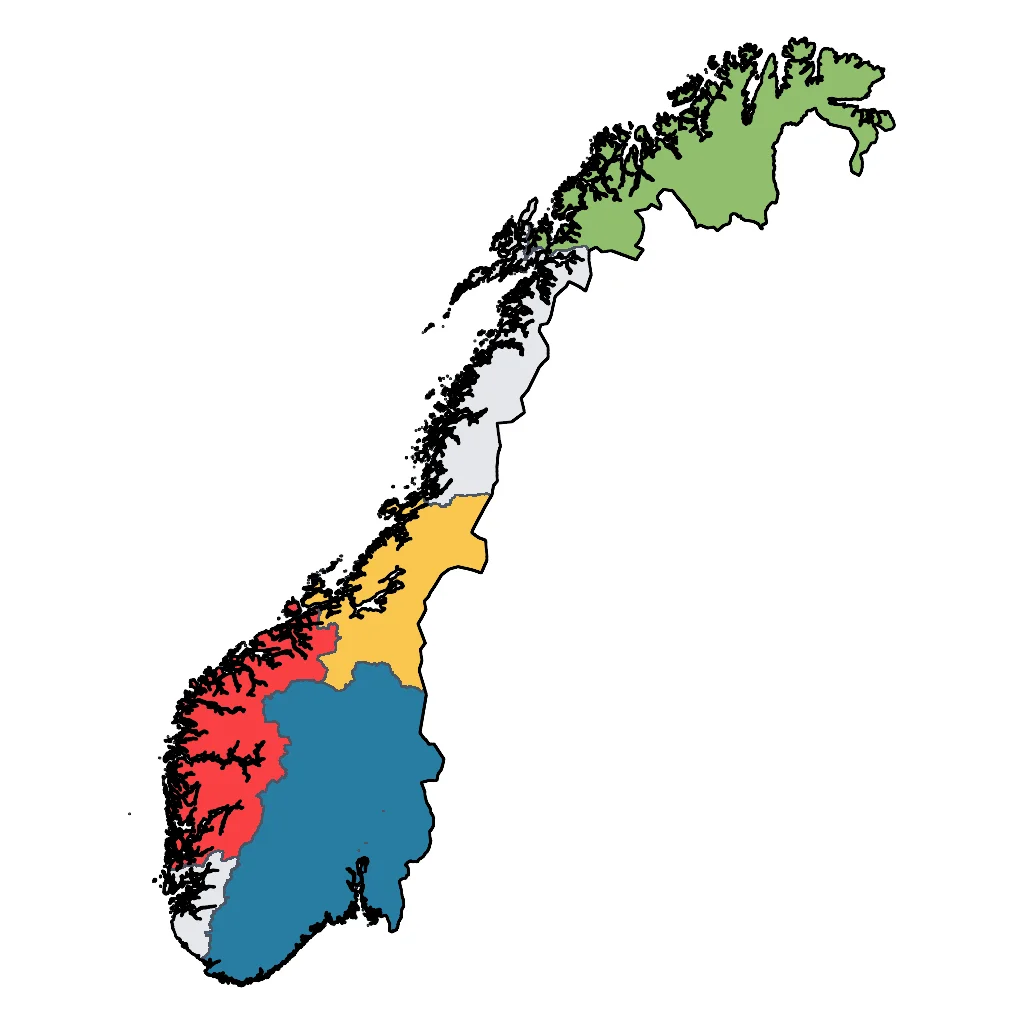
Click on a region marker to explore details. Use the dropdown to color regions by activity suitability.

Activities & Best Times
Adventure & Nature
ExcellentHiking, wildlife, outdoor exploration, ecotourism
Lofoten offers a world-class combination of dramatic peak-to-sea hiking and marine wildlife viewing (eagles, whales) that rivals the world's best wilderness areas. Peak summer months provide the necessary trail access and safety, while extreme precipitation and darkness in winter make high-altitude exploration unsuitable.
Home to UNESCO-listed fjords and iconic hikes like Trolltunga, offering some of the world's most dramatic natural scenery. Peak summer offers the best trail access and daylight, while high rainfall and snow make many wilderness areas inaccessible in winter.
Home to world-class icons like Preikestolen and Kjerag, offering some of the most dramatic fjord landscapes on Earth. Peak months provide the best trail accessibility and daylight; shoulder months are viable but wetter, while winter months are dangerous due to extreme rainfall (over 300mm) and icy conditions.

Road Trips & Scenic
ExcellentScenic drives, countryside tours, route-based travel
The E10 national tourist route is an international benchmark for scenic drives, featuring award-winning architecture and bridges connecting iconic fishing villages. Summer months offer 24-hour daylight for exploration; winter months are classified as off-season due to heavy precipitation (240mm+) and dangerous icy coastal road conditions.
Features several 'National Tourist Routes' that combine world-class architecture with breathtaking mountain and coastal vistas. High-altitude passes often only open in late May, and autumn/winter conditions bring dangerous ice and heavy cloud cover that obscures the views.
Spectacular inland routes pass through deep valleys and alongside expansive lakes like Mjøsa on well-maintained infrastructure. Peak summer ensures all mountain passes are open with maximum daylight, whereas winter conditions make many scenic rural routes difficult or closed due to snow.

Ski & Snow
ExcellentWinter sports, ski resorts, snow activities
Home to world-class resorts like Trysil and Lillehammer, offering exceptional grooming and family-oriented infrastructure. Peak months (Jan-Mar) ensure stable sub-zero temperatures and reliable snow bases; shoulder months offer late-season spring skiing or early-season openings with variable light and coverage.
Offers unique 'ski-to-sea' backcountry touring that is globally recognized for its authenticity and aesthetic. March and April are peak as they provide the best snow base and daylight, whereas mid-winter is too dark for safe navigation and summer lacks snow.
Nearby resorts like Voss and Myrkdalen offer some of Europe's most reliable snow and high-quality family-friendly infrastructure. Peak months ensure a stable snow base, while the fjord-level rain in Bergen transitions to excellent powder in the mountains.

Sports & Active
ExcellentSport tourism, fitness activities, active recreation
Offers world-class sea kayaking, fjord cycling (Rallarvegen), and high-altitude trekking. Optimal weather and long daylight hours in mid-summer are essential for safety and enjoyment in this rugged terrain.
World-class sea kayaking and Arctic surfing at Unstad beach appeal to sophisticated, active families. Summer months provide manageable water conditions and optimal light for outdoor sports, while heavy winter storms create conditions suitable only for extreme professional athletes.
Olympic-quality facilities in the Lillehammer region and excellent cycling and sailing infrastructure throughout the east. Peak summer offers the best conditions for diverse sports, while shoulder months remain suitable for cycling and hiking before the arrival of heavy autumn rains and winter snow.

City & Cultural
Very GoodUrban tourism, museums, historical sites, architecture
Bergen has UNESCO Bryggen heritage and good museums, but by international calibration standards, it does not rank among global top-tier cultural cities. 'very_good' accurately reflects a nationally outstanding but not globally elite cultural destination. This also improves differentiation — currently Bergen and Oslo are rated the same, yet Oslo has significantly more cultural infrastructure.
Oslo is a hub of avant-garde architecture and world-renowned museums, including the Munch and the National Museum. The warmer months (May-Sep) are ideal for exploring the city's walkable districts and outdoor sculpture parks, while the deep winter is often too cold for comfortable urban exploration.
Home to the majestic Nidaros Cathedral and a sophisticated Michelin-starred culinary scene, the region blends medieval history with modern Nordic luxury. Summer months (Jun-Aug) are peak due to long daylight hours and optimal walking weather; winter months are dark and significantly colder, limiting the enjoyment of the historic timber architecture.

Educational & Exploratory
Very GoodLearning experiences, scientific sites, historical education
Rich in Viking history, glaciology, and authentic Stave churches that provide deep educational value for families. Access to remote historical sites and fjord research centers is significantly easier and more engaging during the warmer, dryer summer months.
Exceptional educational value through the Viking Ship Museum, Fram Museum, and the Nobel Peace Center. Summer offers the best accessibility and extended hours, while spring and autumn provide a quieter experience for discerning families seeking in-depth learning.
Exceptional opportunities for learning about indigenous Sami culture and Arctic science at the world's northernmost university. Summer provides the best access to remote historical sites and North Cape's geographical exhibits; winter conditions significantly limit mobility to educational facilities outside of Tromsø.

Festivals & Seasonal
Very GoodEvents, celebrations, seasonal attractions
The 'excellent' rating is primarily justified by the Midnight Sun and Northern Lights, which are natural astronomical phenomena rather than organized festivals or seasonal events. Lofoten's actual festival calendar is modest compared to globally significant festival destinations. Northern Norway (Tromsø) is rated 'very_good' for similar phenomena plus stronger actual festival programming — Lofoten should not exceed it. 'very_good' still honors the profound seasonal experiences.
Hosts the internationally significant St. Olav Festival in July and the iconic, highly authentic Røros Christmas Market in December. Peak months align with these major cultural events; the February 'Rørosmartnan' serves as a strong shoulder period for traditional trade and culture despite the freezing temperatures.
Home to internationally significant events like the Tromsø International Film Festival and Sami Week celebrations in January. Peak summer months offer the Midnight Sun experience; shoulder months provide good Aurora viewing; spring and late autumn lack major cultural or natural seasonal draws.
Beach & Sea
GoodBeach resorts, marine activities: diving, snorkelling, kite surfing, wind surfing, sailing
While too cold for traditional swimming, the turquoise waters and white sands of Haukland Beach offer world-class visual beauty and coastal photography. Peak months align with maximum air temperatures (13-15°C), though sophisticated travelers will view this as a scenic rather than a resort destination.
While the Oslofjord offers pristine waters and a charming island-hopping culture, air and water temperatures rarely reach international beach standards. July and August are the only months where swimming is comfortable for most travelers, but even then, conditions are cooler than global beach destinations.
Coastal areas offer opportunities for boat trips and sea kayaking, providing authentic water-based exploration, but do not meet international standards for traditional beach resort holidays. July offers the mildest coastal temperatures for water activities, while June and August are shoulder months with cooler conditions; the remaining months are unsuitable due to cold temperatures and potentially rough seas.

Relaxation & Wellness
GoodSpa retreats, wellness centers, peaceful getaways
Historic fjord-side hotels offer world-class spa facilities with unparalleled views of the water and mountains. While indoor wellness is available year-round, the 'peak' experience relies on the ability to enjoy outdoor pools and crisp, clear air during the summer season.
Features a sophisticated 'fjord sauna' culture and high-end spa facilities such as The Well. Summer is peak for outdoor forest retreats, while the coldest months (Jan-Feb) offer an authentic Nordic 'hygge' wellness experience that appeals to well-travelled seekers of authenticity.
High-end relaxation is centered on world-class facilities like the historic Britannia Hotel spa and secluded coastal retreats. Summer months allow for the integration of Nordic wellness with the natural environment, whereas the high precipitation and cold of winter limit the appeal of the region's coastal spa settings.
Theme Park & Entertainment
MarginalAmusement parks, family entertainment venues
Airports & Flight Routes
Toggle options to view domestic routes and international airports. Click an airport for details.
Climate & Weather
Bergen & Fjords (Sognefjord, Hardangerfjord, Geirangerfjord)
Show Details
| Month | Temp °C | Rain | Humidity |
|---|
Lofoten Islands
Show Details
| Month | Temp °C | Rain | Humidity |
|---|
Northern Norway (Tromsø, North Cape)
Show Details
| Month | Temp °C | Rain | Humidity |
|---|
Oslo & Eastern Norway
Show Details
| Month | Temp °C | Rain | Humidity |
|---|
Stavanger & Lysefjord (Preikestolen)
Show Details
| Month | Temp °C | Rain | Humidity |
|---|
Trondheim & Central Norway
Show Details
| Month | Temp °C | Rain | Humidity |
|---|

Travel Advisory
Standard safety awareness applies; all major agencies agree the country has a low risk profile for travellers.
Safety Topics
Traveller Advice (4 groups)

The country is generally very safe for solo female travellers, but standard precautions should be taken when walking alone late at night in urban centers.

Norway is highly progressive with strong legal protections; however, travellers should still follow standard safety practices as they would at home.

Ensure passports are valid for at least three months beyond the planned stay within the Schengen Area and carry proof of sufficient funds.
When visiting Svalbard or remote Arctic areas, be aware of polar bear risks and ensure insurance covers specialized search and rescue operations.